
人民币国际化

Search documents
引入国际资本!中信证券助力外资系统认知中国市场
券商中国· 2025-12-11 00:35
Core Viewpoint - The article emphasizes the accelerating internationalization of Chinese securities firms, particularly CITIC Securities, which is enhancing its global presence and connecting international capital with Chinese market opportunities [1][2]. Group 1: Internationalization Strategy - CITIC Securities has seen its international business revenue contribution rise to 17.2% in 2024, achieving record levels in both revenue and net profit [2]. - The firm leverages a unique domestic and international collaborative mechanism, enhancing its competitive edge through shared customer resources, coordinated product services, and integrated IT systems [2]. Group 2: Enhancing Global Understanding of China - CITIC Securities is aiding international capital in understanding investment opportunities in China by utilizing its global network and in-depth market research [4]. - The firm has established a "cognitive coordinate system" for international investors, supported by a research team of over 500 analysts and a network covering more than 95% of global stock market capitalization [4]. Group 3: Comprehensive International Services - The company connects international capital with high-quality Chinese enterprises through tailored cross-border roadshows and investment evaluations [5]. - CITIC Securities provides real-time policy analysis and compliance support to minimize cross-border investment friction, facilitating investments through mechanisms like QFLP [5]. Group 4: International Exchange Platforms - The CITIC Lyon Securities Investor Forum has become a premier platform for international investors, recognized for fostering face-to-face communication and collaboration [7]. - The forum has attracted over 3,000 representatives this year, covering various asset classes and industries, enhancing understanding and cooperation among global investors [8]. Group 5: Promoting Renminbi Asset Appeal - CITIC Securities has significantly increased its northbound swap business and has become a key issuer of RMB-denominated derivatives in Hong Kong [9][10]. - The firm aims to enhance the attractiveness of RMB bonds and derivatives to global investors, contributing to the internationalization of the Renminbi [10].



离岸债券受追捧 助力金融高水平对外开放
Zhong Guo Zheng Quan Bao· 2025-12-10 20:17
Core Viewpoint - The issuance of RMB sovereign bonds in Hong Kong has successfully established a normalized mechanism, reflecting the global recognition of China's economic resilience and promoting high-level financial openness [1][2][4]. Group 1: Issuance Scale and Market Recognition - The total issuance of RMB sovereign bonds in Hong Kong for this year reached 68 billion RMB, a significant increase from 55 billion RMB last year, indicating strong market recognition of RMB assets [2][3]. - The issuance has been characterized by high subscription rates, with recent sovereign bond issuances in various currencies achieving subscription multiples of 30 times and 25 times, demonstrating international investor confidence in Chinese sovereign bonds [2][3]. Group 2: Quality and Investor Structure - China's sovereign bonds are increasingly being priced at levels comparable to high-quality assets in developed countries, with USD bonds nearly matching US Treasury rates and EUR bonds aligning with those of high-quality issuers [3]. - The investor structure is evolving, with a growing proportion of fund management and banking insurance investors, indicating a shift towards market-driven allocation of Chinese sovereign bonds in global investment portfolios [3]. Group 3: Future Outlook - Experts predict that the issuance of offshore bonds in China will see both quantity and quality improvements in 2026, necessitating the establishment of a cross-cycle issuance mechanism to enhance connectivity with financial centers in Europe and Asia [4][5]. - The focus on innovative bond types, such as green bonds and sustainable development bonds, is expected to be a highlight in future offshore bond issuances, catering to the growing demand from international ESG investors [4][5].
“十五五”应实施 人民币升值战略
Sou Hu Cai Jing· 2025-12-10 16:53
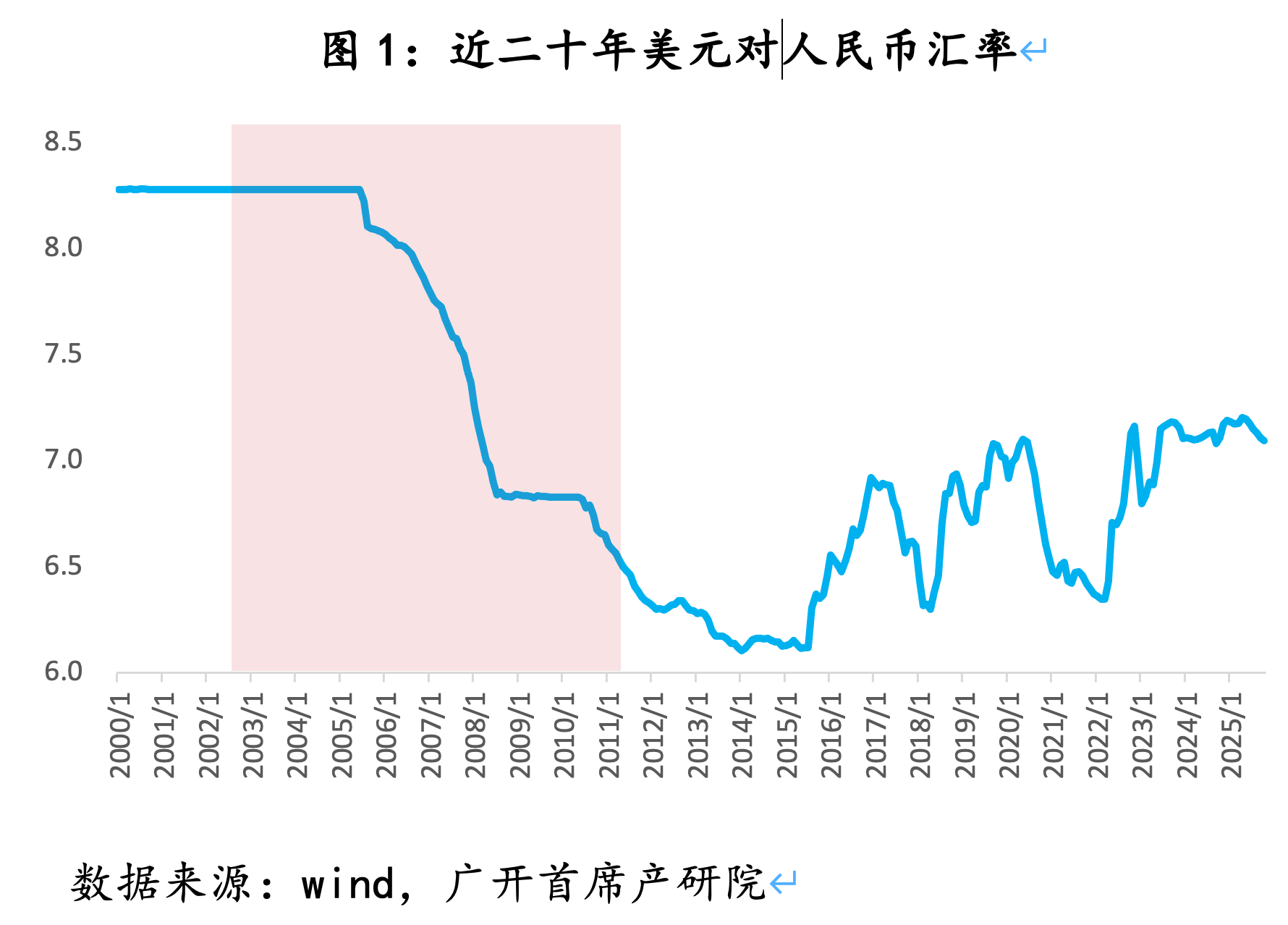
[ 若以2015年"8·11汇改"为起点,到2025年上半年累计贬值约15%。 ] 过去二十多年,中国汇率政策会依据客观环境的变化而相机调整,具有很强的自主性和灵活性。当前和 未来一个时期,国际经济环境依然严峻复杂,人民币稳定运行的外部环境依然存在不确定性。未来应从 我国实际出发,对汇率政策做出新的布局,使人民币汇率合理回归,引导市场理性看待由基本面驱动的 汇率波动趋势,更好发挥汇率政策在经济高质量发展过程中的积极作用。 1 人民币汇率被低估了吗 近十年来,人民币对美元呈总体性贬值态势。若以2015年"8·11汇改"为起点,到2025年上半年累计贬值 约15%。这一时期,中国经济增速明显高于美国,经常账户连续多年维持较高顺差,国际收支基本面稳 健,外汇储备充足;相比之下,美国经常账户逆差持续扩张,财政赤字不断扩大,政府债务屡创新高。 同时,尽管人民币相对美元走弱,但对一篮子货币保持相对稳定。可见,这一时期,人民币的持续贬值 并非经济基本面的真实反应,而是短期市场情绪、单边预期和外部冲击叠加导致的过度反应。 再从相对购买力平价角度看,两国货币之间的汇率变动应大致抵消其通货膨胀率的差异。疫情后美国物 价一度大幅上 ...
财政部在香港发行人民币国债计划圆满完成
Zheng Quan Ri Bao· 2025-12-10 16:07
Core Viewpoint - The issuance of RMB government bonds in Hong Kong by the Ministry of Finance has garnered significant investor interest, with a subscription multiple of 5.22 times, indicating strong international confidence in China's sovereign credit and economic stability [1][3]. Group 1: Bond Issuance Details - On December 10, the Ministry of Finance issued the sixth phase of RMB government bonds amounting to 7 billion yuan, with a subscription multiple of 5.22 times, marking a new high for the year [1]. - The bond issuance included 20 billion yuan for 2-year bonds at an interest rate of 1.43%, 30 billion yuan for 3-year bonds at 1.45%, and 20 billion yuan for 5-year bonds at 1.65% [1]. - The total issuance of RMB government bonds in Hong Kong for the year reached 68 billion yuan, an increase of 13 billion yuan compared to the previous year [2][3]. Group 2: Market Response and Implications - The high subscription multiple reflects international investors' strong demand for RMB assets and confidence in China's economic outlook [1][3]. - The issuance has contributed to the deepening and liquidity of the offshore RMB market, further promoting the internationalization of the RMB [1][3]. - The issuance plan's forward-looking nature and regular issuance mechanism have stabilized market expectations and responded to robust market demand [3]. Group 3: Future Outlook - The successful completion of the bond issuance plan is expected to strengthen Hong Kong's position as an international financial center and support the RMB's progression towards becoming a major global reserve currency [4]. - Future considerations may include the issuance of ultra-long-term bonds and the exploration of government bond futures to enrich the offshore RMB investment ecosystem [4].
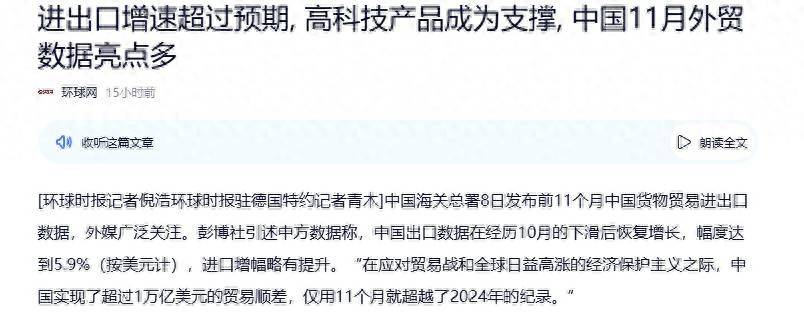
历史首次!中国外贸顺差破1万亿,绕开美国,独扛世界市场大旗!
Sou Hu Cai Jing· 2025-12-10 16:02
Core Insights - China's foreign trade surplus reached an unprecedented $1.08 trillion in the first 11 months, breaking its previous record of $992.16 billion set in 2024, making it the first country in global trade history to surpass a trillion-dollar surplus [1][29] - The significant surplus has raised eyebrows globally, with reactions from U.S. politicians, Japanese economists, and European leaders, questioning how China managed to achieve this amidst rising tariffs and declining exports to the U.S. [1][29] Group 1: Trade Dynamics - Exports to the U.S. saw a dramatic decline of 29%, yet China's overall trade surplus increased by 21% compared to the previous year, indicating resilience and adaptability in its trade strategy [2][29] - Exports to ASEAN grew by 8.2%, the EU by 14.8%, and Australia by 35.8%, filling the gap left by the U.S. market [4][29] - The Belt and Road Initiative countries showed strong performance with a 10.5% increase in exports, accounting for over half of China's total exports [4][29] Group 2: Product Structure Changes - The structure of exported products has shifted significantly, with high-value items like new energy vehicles, integrated circuits, and electromechanical equipment now dominating exports [7][29] - Electromechanical product exports reached 14.89 trillion yuan, making up 60.9% of total exports, while integrated circuit exports grew by 25.6% to 1.29 trillion yuan [7][29] - The automotive sector, particularly new energy vehicles, saw exports of 896.91 billion yuan, a growth of 17.6% [7][29] Group 3: Market Diversification - The automotive export landscape has changed, with Mexico becoming the largest export destination for Chinese cars in 2025, surpassing Russia [11][29] - The Middle East has emerged as a new growth market, with significant increases in imports of Chinese new energy vehicles from countries like the UAE and Turkey [11][29] - China's exports to Africa grew by 26.3%, reaching $20.17 billion, indicating a broadening of trade relationships [16][29] Group 4: Trade Infrastructure and E-commerce - The China-Europe Railway Express has seen rapid growth, with the number of trains reaching 110,000 in just six months, significantly reducing transit times and costs [14][29] - Cross-border e-commerce has also surged, with total import and export value reaching 2.06 trillion yuan, a 6.4% increase, as businesses proactively engage with overseas consumers [23][29] Group 5: Economic Strategy and Future Outlook - China's trade structure is becoming more robust and less reliant on any single country, with only 51 out of over 250 trading partners showing a trade deficit [18][29] - The share of processing trade in China's exports has decreased to 18%, while high-tech products now account for 75% of exports, marking a significant structural shift [21][29] - The internationalization of the renminbi is progressing, enhancing China's influence in the global payment system [27][29]
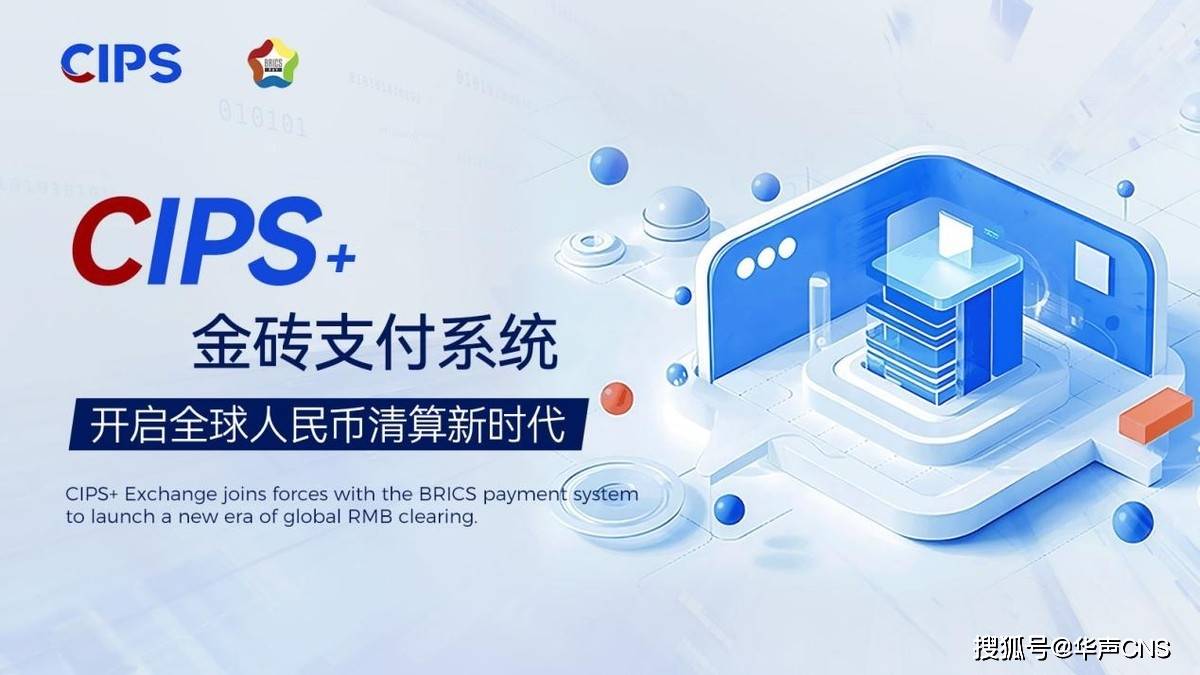
CIPS+金砖支付系统,开启人民币清算新时代
Sou Hu Cai Jing· 2025-12-10 12:21
Core Insights - The strategic collaboration between CIPS+ and BRICS PAY marks the first systematic integration of China's cross-border RMB clearing capabilities with the emerging BRICS currency settlement network, opening a new era for a "second international payment system" [1][8] - In the context of a profound reshaping of the international financial landscape, the existing dollar-dominated cross-border payment system faces multiple challenges, prompting countries, especially in the Global South, to seek a more independent and secure global payment network [1][6] - CIPS has become the most important RMB clearing infrastructure globally, while BRICS PAY aims to establish a de-dollarized framework for direct currency settlement, providing a viable alternative for global trade [1][5] CIPS+ Overview - CIPS+ serves as an innovative platform within the CIPS sandbox program, connecting cross-border payment systems with emerging international networks, and is crucial for expanding RMB cross-border clearing applications [3][9] - The underlying CIPS, led by the People's Bank of China, offers secure, efficient, and widely accessible RMB payment services, making it a key hub for enhancing RMB internationalization and national financial security [3][8] BRICS PAY System - The BRICS PAY system, driven by BRICS nations, aims to create a cross-border payment and currency settlement framework independent of the dollar and SWIFT networks [5][6] - Its core objective is to help member countries reduce reliance on a single currency and external clearing systems, thereby enhancing financial autonomy and system security [6][8] Synergy Between CIPS and BRICS PAY - The collaboration between CIPS and BRICS PAY is a natural synergy, with CIPS providing a global clearing foundation for RMB and BRICS PAY offering a broad network for local currency applications [8][9] - This partnership is expected to create a more extensive, cost-effective, and secure second global payment system, significantly impacting the structure and rules of future international trade [9][10] Future Implications - The integration of CIPS+ and BRICS PAY is set to accelerate the emergence of a new cross-border payment channel independent of the dollar system, contributing to a more independent, secure, and resilient payment option for Global South countries [9][11] - This collaboration is anticipated to enhance capital flow stability, optimize trade structures, and deepen international cooperation, injecting new growth momentum into the global economy [10][11]
连平:“十五五”时期应实施人民币升值战略
Di Yi Cai Jing· 2025-12-10 12:20
未来五年内可允许人民币在市场供求关系推动下累计升值15%~20%。 过去二十多年,中国汇率政策会依据客观环境的变化而相机调整,具有很强的自主性和灵活性。当前和未来一个时期,国际经济环境依然严峻复杂,人民币 稳定运行的外部环境依然存在不确定性。未来应从我国实际出发,对汇率政策做出新的布局,使人民币汇率合理回归,引导市场理性看待由基本面驱动的汇 率波动趋势,更好发挥汇率政策在经济高质量发展过程中的积极作用。 1.人民币汇率被低估了吗 近十年来,人民币对美元呈总体性贬值态势。若以2015年"8·11汇改"为起点,到2025年上半年累计贬值约15%。这一时期,中国经济增速明显高于美国,经 常账户连续多年维持较高顺差,国际收支基本面稳健,外汇储备充足;相比之下,美国经常账户逆差持续扩张,财政赤字不断扩大,政府债务屡创新高。同 时,尽管人民币相对美元走弱,但对一篮子货币保持相对稳定。可见,这一时期,人民币的持续贬值并非经济基本面的真实反映,而是短期市场情绪、单边 预期和外部冲击叠加导致的过度反应。特朗普1.0版本时贸易政策多次对人民币汇率形成压力和2.0版"对等关税"措施对人民币汇率的冲击,都是明证。 再从相对购买力平价 ...
人民币重估窗口开启:资本回流与资产博弈新局
Sou Hu Cai Jing· 2025-12-10 09:39
Group 1 - The core viewpoint is that the Chinese yuan is undervalued by 39.2% according to the Big Mac Index, and the current economic environment presents a critical opportunity for the revaluation of yuan assets, influenced by the Federal Reserve's interest rate cuts and the low valuation of A-shares [1][3] - The potential for yuan valuation recovery is widely recognized in the market, with estimates of undervaluation ranging from 10% to 40%, supported by China's strong trade relationships and expected capital inflows [3] - The current economic conditions, including the Federal Reserve's rate cuts and the low valuation of A-shares, create a favorable environment for the revaluation of yuan assets, suggesting a shift in asset pricing dynamics [3] Group 2 - The path for capital repatriation is complicated by the "dual-track" nature of US-China relations, with recent trade negotiations providing temporary optimism but underlying geopolitical tensions remaining a significant risk [4] - The internationalization of the yuan has established a safety buffer, as evidenced by the rise of CIPS and bilateral currency swap networks, which facilitate capital flows independent of traditional channels [6] - Investment strategies should balance opportunities and risks, focusing on currency-sensitive assets in the short term while aligning with the long-term goal of upgrading the manufacturing sector [6]

西方制裁逼出大招,俄罗斯砸下200亿人民币债券!美元收割时代或将终结
Sou Hu Cai Jing· 2025-12-10 06:10
Core Viewpoint - The issuance of sovereign bonds by Russia, totaling 20 billion RMB, marks a significant step in defining national credit using the RMB, driven by the need for alternative financing due to Western sanctions [1][3][13]. Group 1: Bond Issuance Details - The bond issuance consists of two tranches: 12 billion RMB maturing in 2029 with a 6% interest rate, and 8 billion RMB maturing in 2033 with a 7% interest rate [1]. - The bonds are available for purchase in RMB or rubles, with both principal and interest paid in RMB, indicating a shift towards RMB-based financing [1][4]. - The final coupon rates were reduced by 50 basis points from initial guidance, reflecting stronger-than-expected market demand [1]. Group 2: Market Context and Demand - The push for RMB usage in Russia is largely a response to severe financial sanctions imposed by the West, which have restricted access to USD and EUR financing [3]. - In 2023, trade between China and Russia reached a record high of over 220 billion USD, with a significant portion of transactions settled in RMB, establishing a robust RMB liquidity ecosystem in Russia [4][6]. - The share of RMB in Russia's sovereign wealth fund assets has increased from 31% in January 2022 to approximately 57% by November 2025, indicating a growing reliance on RMB [6]. Group 3: Internationalization of RMB - The RMB's share in global trade financing reached 8.5% by October 2024, making it the second most used currency after the USD [8]. - The Cross-Border Interbank Payment System (CIPS) has expanded significantly since its launch in 2015, processing 123.06 trillion RMB in 2023, a 27.27% increase year-on-year [9]. - The demand for RMB-denominated bonds from foreign entities is rising, with record issuances of "Panda bonds" and "Dim Sum bonds" in 2024, indicating a broader acceptance of RMB in international markets [11]. Group 4: Geopolitical Implications - The issuance of RMB sovereign bonds is seen as a demonstration of the RMB's internationalization and a potential shift towards a "de-dollarization" trend globally [13]. - Western media views this financial activity as part of geopolitical competition, suggesting it enhances China's global influence and challenges the USD-dominated financial system [14]. - The bond issuance provides a practical example for other countries with trade surpluses with China to consider RMB financing, especially those seeking to diversify away from USD [14].

关于自贸港建设,海南最新发布
Shang Hai Zheng Quan Bao· 2025-12-10 06:09
Core Viewpoint - The proposal outlines a vision for the development of Hainan's Free Trade Port by 2035, aiming to enhance economic strength, openness, technological capabilities, regional influence, and global impact, establishing it as a new highland of China's open economy [1]. Group 1: Economic and Social Development Goals - The proposal sets eight main goals for Hainan's economic and social development during the 14th Five-Year Plan period, including high-standard construction of the Free Trade Port, breakthroughs in reform and opening-up, and improvements in economic quality and efficiency [1]. Group 2: Policy and Institutional Framework - The proposal emphasizes the need to build a policy and institutional framework that aligns with a high-level Free Trade Port, focusing on trade liberalization and facilitation, and enhancing the role of Hainan in both domestic and international economic cycles [3]. - It suggests optimizing the policy system characterized by "zero tariffs, low tax rates, and simplified tax systems," and enhancing the management of cross-border services and capital flows [3][4]. Group 3: Taxation and Investment - The proposal calls for establishing a competitive tax system and implementing tax policies for imported goods consumed by residents, while also optimizing foreign investment access and tax incentives [4]. - It aims to expand the management authority of local taxes in Hainan gradually [4]. Group 4: Open Economy and Trade - The proposal highlights the importance of attracting significant foreign investment projects and enhancing trade quality, while promoting digital trade and offshore trade development [5]. - It also emphasizes the need for a dual circulation strategy to support domestic enterprises in expanding internationally [5]. Group 5: Industry Development - The proposal outlines the cultivation of five key industry chains, including agriculture, marine economy, aerospace, green technology, and digital economy, to drive Hainan's economic growth [6][7][8][9]. - It aims to establish Hainan as a hub for innovative industries such as biomanufacturing and hydrogen energy [9]. Group 6: International Tourism and Consumption - The proposal aims to enhance Hainan's status as an international tourism consumption center, promoting global shopping experiences and improving medical tourism services [11]. - It seeks to create a multi-layered supply structure for consumer goods, including duty-free shopping and cross-border e-commerce [11]. Group 7: Financial Services and RMB Internationalization - The proposal emphasizes improving financial services for the real economy and expanding financial sector openness, aiming to create a financial system that supports the Free Trade Port [13]. - It includes plans to promote the internationalization of the RMB and explore offshore RMB business opportunities [12][13].