全球化

Search documents
全球财富管理论坛·2025上海苏河湾大会举行 专家建言“世界变革下的未来之路”
Jing Ji Guan Cha Wang· 2025-10-19 02:59
Group 1: Monetary Policy and Financial Regulation - The People's Bank of China emphasizes the dual function of monetary policy, focusing on both total and structural adjustments to address the structural challenges in the economy [1] - The design of structural monetary policy tools aims to create an incentive-compatible mechanism, linking the central bank's base currency issuance to commercial banks' lending to specific sectors [1] - The application of artificial intelligence in finance is expected to have significant and fundamental impacts, enhancing financial services and operational efficiency while ensuring risk management [2] Group 2: Financial Supply and Demand - AI technology is projected to drastically reduce the costs of financial product development and production, making it economically feasible to cater to previously neglected niche demands, thus generating a "long tail effect" [2] - Financial regulation encourages institutions to leverage the latest technologies to optimize services, reduce operational costs, and improve management efficiency while maintaining a balance between safety and efficiency [2] Group 3: Macro Policy and Economic Challenges - The rising global public debt and increasing leverage levels pose challenges, necessitating the use of macro policy space to enhance effective borrowing and investment in data-driven infrastructure [2][3] - China is advised to optimize its debt structure and implement comprehensive debt solutions while maintaining a sustainable government debt ratio aligned with economic resilience [3] - In the face of global protectionism and fragmented supply chains, China is adopting a more open approach to globalization and is actively constructing a new development pattern that balances safety and efficiency [3]
财政部原部长楼继伟:中国仍是全球产业链和市场互利共赢的重要力量
Guo Ji Jin Rong Bao· 2025-10-19 01:09
Group 1 - China's GDP growth rate of 5.2% in the first half of the year ranks among the top globally, with high-tech industry investment increasing by 10.6% year-on-year [1] - The country has successfully mitigated risks associated with reliance on a single market through diversified capacity and market layout [1] - China has embraced globalization with an open stance, avoiding "decoupling" and instead constructing a new development pattern that balances safety and efficiency [1] Group 2 - The Chinese electric vehicle industry exemplifies a multi-faceted strategy of "technological independence, diversified supply chains, and global markets," with exports accounting for 42% of the global market share and a domestic battery production rate exceeding 95% [1] - Key materials in the supply chain are sourced through global cooperation, ensuring supply chain security while deeply integrating into the global market and industrial ecosystem [1] - China's global development, security, civilization, and governance initiatives inject new vitality and wisdom into the world, reflecting a commitment to a harmonious global economic ecosystem [2] Group 3 - The establishment of a $4 billion global development and South-South cooperation fund has led to the implementation of over 170 projects in more than 60 countries, benefiting over 30 million people [2] - China has signed over 230 cooperation documents related to the Belt and Road Initiative with more than 180 countries and international organizations, creating over 330,000 jobs locally [2]
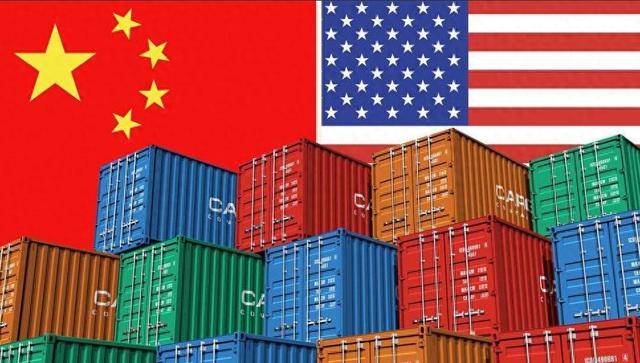
中美关税大战:最后谁赢了不重要,而美国再无可能排除中国
Sou Hu Cai Jing· 2025-10-18 12:17
Group 1 - The core issue of the ongoing tariff war is not merely about trade disputes but reflects a broader geopolitical struggle between the US and China, impacting industries, security, and strategy [2][17] - In 2025, the US raised tariffs on Chinese goods to unprecedented levels, with some rates reaching as high as 145%, significantly affecting various sectors including steel, automobiles, and electronics [4][6] - China's response to the tariffs has been strategic and multifaceted, including a 34% indiscriminate counter-tariff, export controls on rare earths, and the introduction of a list of unreliable entities [6][15] Group 2 - The US's attempts to decouple from China through initiatives like "reshoring" and "friend-shoring" have largely failed, as alternative countries lack the necessary infrastructure and supply chain capabilities to replace China's comprehensive industrial system [8][11] - China's logistics, efficiency, and industrial collaboration capabilities serve as significant competitive advantages, exemplified by major projects like the New Western Land-Sea Corridor and the China-Europe Railway Express [9] - The tariff war has inadvertently led to increased domestic demand in China, with contributions from domestic consumption to economic growth nearing 70% by 2025, indicating a shift towards a more self-reliant economy [13][15] Group 3 - The tariff conflict has highlighted the unsustainable nature of the US's strategy, resulting in domestic inflation and increased costs for American consumers, while China has used the situation to accelerate its industrial upgrades and structural adjustments [13][15] - The ongoing competition between the US and China is evolving, focusing on stability, resilience, and foresight rather than mere strength, suggesting a significant shift in the global economic landscape [19]

21现场|意大利前总理答21:美国“退群”给联合国留下疤痕
2 1 Shi Ji Jing Ji Bao Dao· 2025-10-18 10:13
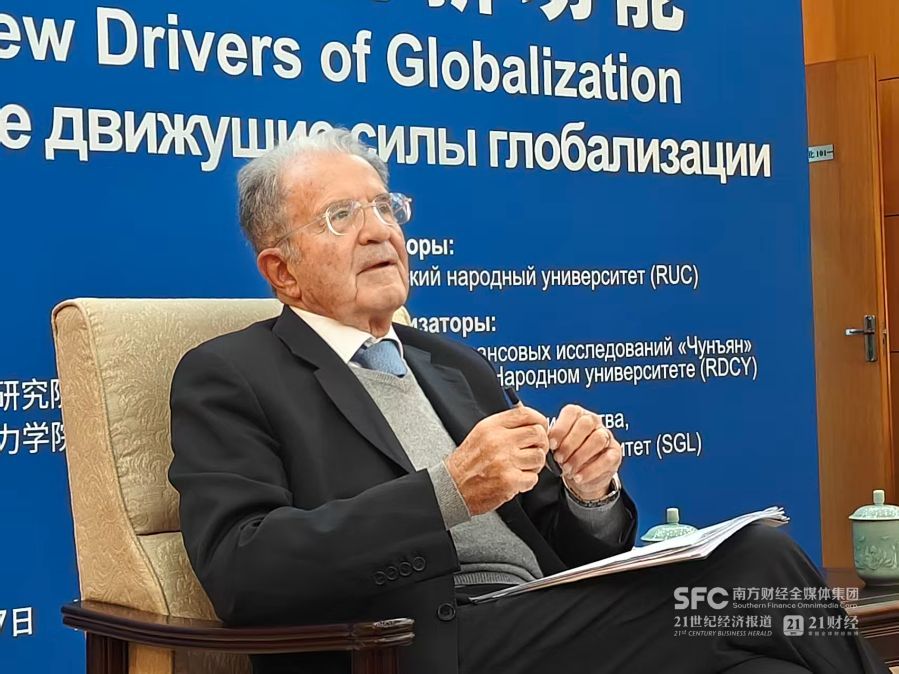
Group 1 - The authority and power of the United Nations are perceived to be weakening, particularly due to the withdrawal of the United States from a key UN institution, which is seen as a setback for global dialogue and cooperation [1] - The current global landscape is characterized by a coexistence of globalization and de-globalization, leading to fragmentation and a need for collective examination of the underlying causes of this situation [1][2] - International organizations are facing significant challenges, with trade being obstructed and cooperation diminishing, particularly as the UN approaches its 80th anniversary [1] Group 2 - China is emerging as a leader in new sectors such as solar energy and electric vehicles, supported by a large pool of skilled engineers and an active private sector that is innovating and expanding internationally [2] - The unique and rapid process of Chinese modernization, along with significant infrastructure development, has shifted China from a follower to a leader in multiple fields [2] - The forum discussed the necessity for countries to work together to overcome the negative impacts of political differences on technological development, emphasizing the importance of collaboration among nations [2]
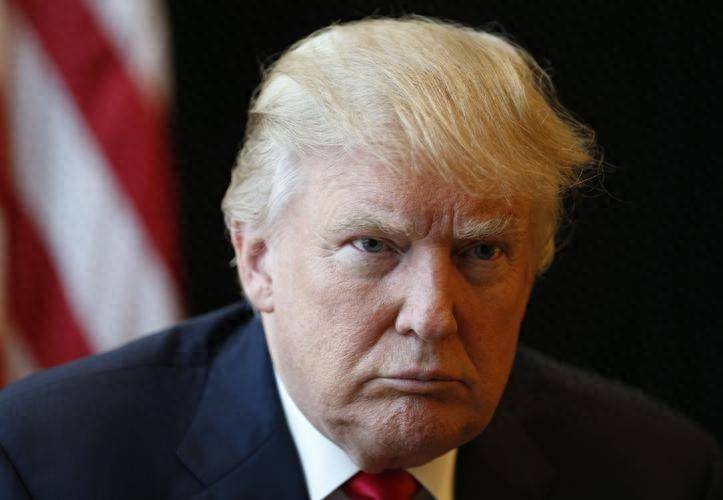
意大利前总理答21:美国“退群”给联合国留下疤痕
2 1 Shi Ji Jing Ji Bao Dao· 2025-10-18 10:07
Group 1 - The authority and power of the United Nations are perceived to be weakening, particularly due to the withdrawal of the United States from a key UN institution, which is seen as a setback for global dialogue and cooperation [2] - The current global landscape is characterized by a coexistence of globalization and de-globalization, leading to fragmentation and a need for collective examination of the underlying causes [2][3] - International organizations are facing significant challenges, with trade being obstructed and cooperation diminishing [2] Group 2 - China is recognized as a leader in emerging fields such as solar energy and electric vehicles, supported by a large pool of skilled engineers and an active private sector [3] - The unique and rapid process of Chinese modernization, particularly in infrastructure development, has shifted China from a follower to a leader in multiple sectors [3] - There is a call for countries to work together to overcome the negative impacts of political differences on technological development [3]
经济学人智库中国首席经济学家苏月:全球化进入新阶段,供应链区域化重塑与深化国际连接
Xin Lang Zheng Quan· 2025-10-18 07:58
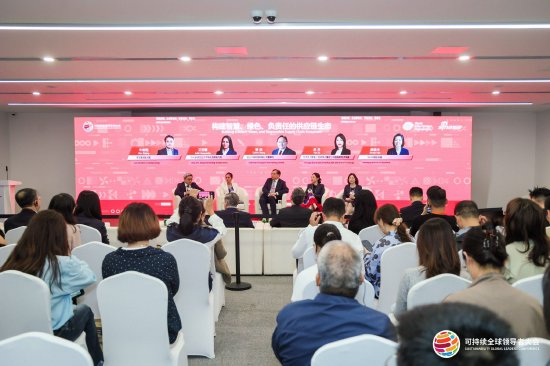
Group 1: Sustainable Global Leadership Conference - The 2025 Sustainable Global Leadership Conference will be held from October 16 to 18 in Shanghai, focusing on "Collaborating to Address Challenges: Global Action, Innovation, and Sustainable Growth" [1] - The conference is co-hosted by the World Green Design Organization (WGDO) and Sina Group, with support from the Shanghai Huangpu District Government [1] - Approximately 500 prominent guests are expected, including around 100 international guests, featuring political figures, Nobel laureates, and leaders from Fortune 500 companies [1] Group 2: Global Supply Chain Dynamics - The chief economist of The Economist Intelligence Unit, Su Yue, discussed the evolution of globalization, noting a shift towards regional supply chains and the restructuring of global supply chains post-COVID-19 [3] - Despite existing trade conflicts, there is a notable "high degree of policy consistency" among countries, particularly in the rise of protectionism [3][4] - Trade barriers are increasingly shifting from traditional tariffs to non-tariff barriers, particularly those related to product standards [3] Group 3: Green Supply Chain Trends - The green supply chain landscape is showing signs of divergence, with potential policy rollbacks in the U.S. favoring traditional energy sectors [5] - Geopolitical conflicts, such as the Russia-Ukraine conflict, have paradoxically boosted China's green product exports, aiding Europe's energy transition [5] - Companies are encouraged to adopt a more nuanced perspective on global green supply chain development, recognizing both the existing divides and emerging cooperation opportunities [5]

全文|在分歧中寻找机遇:经济学人智库中国首席经济学家苏月谈地缘政治下的绿色供应链转型
Xin Lang Zheng Quan· 2025-10-18 07:58
Group 1 - The 2025 Sustainable Global Leaders Conference will be held from October 16 to 18 in Shanghai, focusing on "Collaborating to Address Challenges: Global Action, Innovation, and Sustainable Growth" [1] - The conference is co-hosted by the World Green Design Organization and Sina Group, with support from the Shanghai Huangpu District Government, aiming to explore new paths for sustainable development [1] - Approximately 500 prominent guests, including 100 international attendees, will participate, featuring political figures, Nobel laureates, and leaders from Fortune 500 companies [1] Group 2 - Su Yue, Chief Economist of The Economist Intelligence Unit, highlighted significant global disparities in building smart, green, and reliable supply chains, using the U.S. as an example of potential regression in green policies due to reliance on traditional energy [3][4] - The geopolitical landscape, such as the Russia-Ukraine conflict, has paradoxically accelerated Europe's green transition, creating new markets and cooperation opportunities for countries like China [3][4][6] - The rise of protectionism and trade conflicts has increased costs for countries like China, impacting profit margins and consumer prices, while also complicating the green transition of supply chains [4][5][6] Group 3 - Extreme weather events, such as El Niño, pose significant risks to supply chains, particularly in developing countries that lack resilience to climate change [7][8] - The ongoing geopolitical conflicts, including the Russia-Ukraine situation, have led to market disruptions and challenges in achieving consistent global sustainable actions [8] - The rapid development of artificial intelligence (AI) raises concerns about energy demand and the ability of green energy to meet this demand, highlighting the dual impact of technology on society [8][9]
中美关税大战:最大成果不是中国胜了,而是美国再无可能排除中国
Sou Hu Cai Jing· 2025-10-18 01:58
Core Insights - The trade conflict between the US and China has evolved since 2018, with the US attempting to isolate China but ultimately finding itself in a challenging position as China becomes increasingly integral to global trade [1][19] - The US's strategy of imposing tariffs has backfired, leading to increased costs for American consumers and businesses, while failing to significantly reduce China's market presence [3][9] - China's response to US tariffs has included diversifying its trade partnerships and strengthening its position in key industries, such as rare earths, which has further complicated the US's efforts to decouple from China [5][11] Trade War Dynamics - The US reintroduced tariffs on Chinese goods in early 2025, aiming to raise prices and push American consumers and businesses to seek alternatives, but this has resulted in higher costs and reduced profits for US companies [3][9] - Despite the US's attempts to shift supply chains to countries like Vietnam and India, the reality is that these nations lack the technological and efficiency advantages that China possesses, making it difficult to replicate China's industrial capabilities [7][9] - The interconnectedness of global supply chains means that many US companies still rely on Chinese components and materials, undermining the effectiveness of the US's decoupling strategy [9][11] China's Strategic Adjustments - In response to US actions, China has sought alternative markets and reduced reliance on US agricultural imports, while also enhancing its capabilities in critical technology sectors [5][11] - China's push for the internationalization of the yuan and the expansion of its cross-border payment systems indicates a strategic move to mitigate the impact of US financial pressures [11][13] - The trade war has prompted China to diversify its export markets, reducing its dependence on the US and Europe, and strengthening its position in global trade through initiatives like the Belt and Road [15][19] Global Economic Landscape - The trade conflict reflects a broader shift in the global economic order, moving away from a US-centric model to a more multipolar framework where various countries seek to find their own positions [13][19] - The US's unilateral approach to tariffs has faced pushback from allies and trading partners, who are increasingly reluctant to choose sides in the US-China rivalry [11][13] - The future of competition is likely to focus on coexistence rather than exclusion, as both the US and China must adapt to a more complex and interdependent global market [19]
迈瑞医疗赴港上市:全球化野心的资本跳板
Sou Hu Cai Jing· 2025-10-17 15:45
Core Viewpoint - Mindray Medical has initiated its third IPO journey by announcing plans to list in Hong Kong, marking a significant strategic shift from merely seeking financing to establishing a dual capital platform with a strong financial foundation [1][5]. Group 1: Company History and Financial Performance - Mindray Medical has a notable history, having listed on the NYSE in 2006, returned to A-shares in 2018, and now pursuing a Hong Kong listing, reflecting the evolution of China's medical device industry [3]. - Since its A-share listing, Mindray has not engaged in further financing and has maintained a high dividend payout ratio, distributing a total of 33.7 billion yuan, which is 5.7 times its initial fundraising of 5.93 billion yuan [4]. - In the first half of 2025, Mindray reported a revenue of approximately 16.743 billion yuan, a decrease of 18.45% year-on-year, and a net profit of 5.069 billion yuan, down 32.96% year-on-year, marking its first negative growth since listing [6][8]. Group 2: Business Challenges - The company's three main business segments faced significant pressure, with the in-vitro diagnostics segment generating revenue of 6.424 billion yuan, down 16.11%, and the life information and support segment seeing a revenue drop of 31.59% to 5.479 billion yuan [8]. - The decline in revenue is attributed to intensified competition and ongoing healthcare reforms, impacting both the volume and pricing of diagnostic tests [8]. Group 3: Globalization Strategy - Mindray's internationalization began in 2000, evolving from relying on agents to establishing direct subsidiaries in key overseas markets, supported by strategic acquisitions to enhance its technology and market presence [9][10]. - The company aims for overseas revenue to account for over 70% of its total, with current international business revenue at 50%, indicating significant growth potential in global markets [10]. - The Hong Kong listing is seen as a strategic move to create a global capital platform, facilitating overseas acquisitions and business development, particularly in a mature healthcare financing ecosystem [10][11].


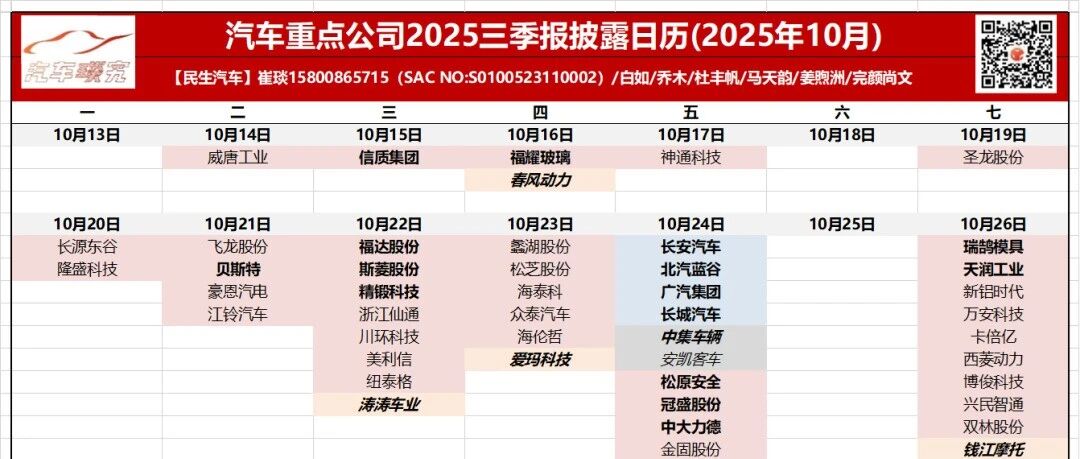
2025三季报来袭:汽车及零部件行业披露日历【民生汽车 崔琰团队】
汽车琰究· 2025-10-17 13:58
Core Viewpoint - The article provides a detailed calendar for the disclosure of third-quarter reports for key automotive companies in October 2025, highlighting the importance of these disclosures for investors and industry stakeholders [1]. Summary by Sections Disclosure Calendar - The calendar lists various automotive companies scheduled to release their third-quarter reports from October 13 to October 30, 2025, including notable firms such as Weitang Dingye, Xinzhi Group, and Chang'an Automobile [1]. - The final disclosure dates are subject to the actual release by the companies, indicating the dynamic nature of financial reporting in the automotive sector [2]. Industry Focus - The article emphasizes the ongoing transformation in the automotive industry, particularly focusing on the four key trends: intelligence, electrification, globalization, and high-end development [6]. - It highlights the potential investment opportunities arising from these trends, suggesting a significant shift in the automotive landscape that could reshape industry dynamics over the next decade [16].