
数字化

Search documents
石化勘察设计行业谋新局向新行
Zhong Guo Hua Gong Bao· 2025-09-29 02:28
Core Insights - The China Petroleum and Chemical Survey and Design Association held an engineering innovation conference in Wuhan to summarize its 40-year history and discuss pathways for engineering innovation, aiming to promote industry development [2][3] Group 1: Association's Role and Responsibilities - The association is tasked with promoting high-quality development in the petroleum and chemical industry, emphasizing the importance of survey and design as foundational elements [2] - The association aims to align with national strategic deployments and enhance the scientific and youthful composition of its workforce to support high-quality development [2][3] Group 2: Innovation and Development Strategies - Emphasis on placing engineering innovation at the core of industry development, leveraging the association as a bridge for collaborative innovation [3] - A strong push for green transformation to seize competitive advantages in green technology on an international scale [3] - Continuous enhancement of digital capabilities to convert digital resources into practical advancements in processes and capacity upgrades [3] Group 3: Internationalization and Standards - The association is focused on accelerating the internationalization of Chinese standards and technologies to showcase China's engineering strength in global markets [3] - The association's leadership highlighted the need for proactive guidance in green, digital, and intelligent transformations within the industry [3] Group 4: Historical Reflection and Future Direction - The honorary chairman reflected on significant milestones in the association's 40-year journey, while the executive vice chairman provided a detailed overview of its development [3] - The conference featured presentations from experts across various sectors, indicating a collaborative effort to drive innovation and development in the industry [3]
9月29日投资早报|亿道信息筹划购买资产股票停牌,富煌钢构因涉嫌信息披露违法违规被证监会立案,今日一只新股申购
Xin Lang Cai Jing· 2025-09-29 00:39
Market Performance - On September 26, 2025, A-shares saw a collective decline in the three major indices, with the Shanghai Composite Index closing at 3828.11 points, down 0.65% [1] - The Shenzhen Component Index closed at 13209 points, down 1.76%, and the ChiNext Index closed at 3151.53 points, down 2.6%, with over 3400 stocks declining [1] - The total trading volume in the Shanghai and Shenzhen markets was 2.15 trillion yuan, a decrease of 224.2 billion yuan from the previous trading day [1] - Hong Kong's Hang Seng Index fell 1.35% to 26128.2 points, with a total trading volume of 323.674 billion HKD, while the Hang Seng Tech Index dropped 2.89% [1] - In the US market, the Dow Jones increased by 0.65% to 46,247.29 points, while the S&P 500 and Nasdaq also saw slight gains [1] New Stock Offerings - One new stock, Daoshengtianhe (stock code 601026), is available for subscription at an issue price of 5.98 yuan per share, with a price-to-earnings ratio of 29.05 [3] Industrial Insights - The Ministry of Industry and Information Technology and seven other departments released a growth plan for the non-ferrous metals industry for 2025-2026, targeting an average annual growth of 5% in added value and a 1.5% increase in the production of ten non-ferrous metals [3] - The plan emphasizes advancements in domestic resource development for copper, aluminum, and lithium, with a target of exceeding 20 million tons in recycled metal production [3] Industrial Profit Trends - From January to August 2025, profits of large-scale industrial enterprises in China totaled 46,929.7 billion yuan, reflecting a year-on-year growth of 0.9% [4] - State-owned enterprises reported a profit of 15,156.5 billion yuan, down 1.7%, while private enterprises saw a profit increase of 3.3% to 13,076.1 billion yuan [4] - In August alone, profits turned around from a 1.5% decline to a 20.4% increase year-on-year [4] Monetary Policy and Market Stability - The People's Bank of China emphasized the importance of maintaining market stability through various financial tools, including stock repurchase and loan support for capital markets [5] - The central bank aims to enhance the capital strength of banks and support key sectors such as technology innovation and small and micro enterprises [5] Technological Development in Transportation - The Ministry of Transport and other departments issued guidelines to accelerate the development of intelligent driving systems and encourage the innovation of new equipment like drones and all-terrain vehicles [6] - The focus is on enhancing smart technologies in transportation, including high-performance monitoring and intelligent construction equipment [6]
迈瑞医疗20250926
2025-09-28 14:57
Summary of the Conference Call for Mindray Medical Company Overview - **Company**: Mindray Medical - **Date**: September 26, 2025 Key Industry Insights - **Market Recovery**: The domestic medical device tendering has shown signs of recovery, but the revenue recognition cycle has lengthened, and the uneven distribution of last year's base has led to limited improvement in the third quarter [2][4] - **Strategic Focus**: Mindray Medical is accelerating import substitution and increasing industry concentration to enhance market share [2][4] Core Strategic Directions - **Digitalization**: Emphasis on AI-enabled devices to enhance customer stickiness and solve clinical problems [2][5] - **Streamlined Operations**: Focus on consumables business growth, including in vitro diagnostic reagents, minimally invasive surgical consumables, and cardiovascular consumables [2][5] - **Internationalization**: Replicating successful experiences and advancing localization to expand sales teams and channels [2][6][8] High-Potential Business Areas - **Minimally Invasive Surgery**: Achieved over 10% market share in the domestic market, with products covering 4K, 3D, and fluorescence technology [2][7] - **Animal Healthcare**: Equipped with necessary products for three major production lines, with international revenue exceeding 80% in the first half of the year [2][7][8] - **Cardiovascular Sector**: Acquisition of Huatai has injected vitality into the business, with the establishment of the electrophysiology division and clinical progress of products like DBA and RFA [2][7][9] Market Performance and Factors - **Third Quarter Performance**: Significant improvement noted, attributed to the gradual easing of multiple factors affecting domestic market growth, including healthcare reform and industry regulation [4] - **Revenue Recognition Delays**: The transition from public tendering to revenue recognition has been significantly prolonged, impacting the timing of revenue realization [4] Additional Insights - **Huatai's Contribution**: The independent operation of Huatai has enhanced the performance of Mindray's cardiovascular business, with successful clinical entry of products and improved operational efficiency [3][9] - **International Market Growth**: Strong performance in international markets, particularly in the high-end pet hospital sector, with a focus on expanding product offerings [8]

宠物专题深度
2025-09-28 14:57
Summary of Pet Industry Conference Call Industry Overview - The pet food industry is benefiting from an increase in pet ownership and rising spending per pet, particularly among young people who have a strong demand for pets. The market is consolidating towards leading companies, with the top 10 brands (CR10) capturing nearly 40% of the online market share, indicating that leading companies are likely to increase their market share [2][5]. Key Insights and Arguments - **Policy Direction**: Government policies are driving structural upgrades in the pet food industry. The State Council has proposed nurturing service consumption brands, while the Ministry of Culture and Tourism is promoting the integration of business, travel, and culture. The central bank is supporting technological innovation through re-loans, facilitating the industry's transition towards smart and digital solutions, such as AI-enabled pet products [2][6]. - **Company Performance**: - Guai Bao Co. experienced fluctuations in overseas exports but maintained a growth rate exceeding 30% in its brand segment, enhancing its market share [2]. - Zhong Chong Co. is focusing on building its own brand and developing a high-end product matrix, leading to continuous market share growth [2]. - **Global Capacity Expansion**: The company has made unexpected progress in its global capacity layout, with a new factory in Mexico marking the first entry of a Chinese pet company into the North American nearshore market. This, along with existing factories in the U.S. and Canada, creates a unique capacity layout that is expected to further enhance net profits after the second phase of the U.S. factory begins operations [2][12]. - **Product Performance**: The company's self-branded product, the "Wang Pi" series, achieved sales of 10 million yuan in Q1, with expectations to exceed 100 million yuan for the year, indicating a successful second growth curve for the company [2][13]. Additional Important Insights - **Market Trends**: The overall growth of the pet industry slowed in Q2 2025, with revenue growth for pet supplies companies decreasing from 23% in Q1 to around 19% in Q2. Profit growth also fell from 22% to 10%, influenced by tariffs, currency appreciation, and rising costs. However, the domestic market remains robust, and leading companies are continuously increasing their market share [3][15]. - **Investment Logic**: The pet food sector has long-term stable growth potential, driven by the increasing number of young pet owners and rising spending per pet. The top brands are expected to maintain growth rates of 20% to 30% over the next two years, with potential mergers and acquisitions among leading companies [4][15]. - **E-commerce Performance**: In August, Tmall's GMV decreased by approximately 1.7%, while JD.com and Douyin saw increases of 36% and 17%, respectively. Overall, the sector experienced an 8% year-on-year growth, with Zhong Chong's "Wang Pi" brand growing by 33% [2][14]. - **Pet Medical Market**: The pet medical market is seen as having significant growth potential, driven by the trend of pet humanization and longer pet lifespans, which necessitate a shift from traditional treatment to preventive health care [21]. - **Technological Innovations**: The introduction of smart products, such as AI-enabled automatic cat litter boxes and wet food dispensers, is reshaping the pet health landscape and addressing consumer needs [7][8]. - **Regional Development**: The Chengdu International Pet Expo held in September 2025 attracted around 120,000 visitors, reflecting the regional development and government support for the pet industry [9]. - **Challenges and Opportunities**: The industry faces short-term challenges due to market disruptions and customer order rhythms, but long-term value remains intact. Companies are expected to stabilize growth through reduced tariff uncertainties and expanded overseas customer bases [19][20].
反内卷-石化化工行业稳增长工作方案解读-专家电话会
2025-09-28 14:57
Summary of the Petrochemical Industry Conference Call Industry Overview - The conference call focused on the petrochemical industry, specifically discussing the recent policy changes and their implications for the sector [1][2][4]. Key Points and Arguments 1. **Policy Changes**: The National Development and Reform Commission (NDRC) has reclaimed approval rights for local refining and ethylene projects to prevent overcapacity and ensure alignment with national strategic directions [1][2][4]. 2. **Supply Chain Stability**: The policy emphasizes the importance of stable supply for key raw materials in the fertilizer industry, such as coal, gas, phosphorus, and sulfur, which presents opportunities for suppliers and high-end material companies [1][2][4]. 3. **Elimination of Inefficient Facilities**: There will be a focus on phasing out outdated facilities that do not meet standards, with strict controls on park expansion to limit low-efficiency, high-pollution projects [1][2][4]. 4. **Encouragement of High-End Manufacturing**: The development of electronic chemicals, high-end polyolefins, ultra-high molecular weight polyethylene, specialty rubber, and functional films is encouraged, particularly in relation to the semiconductor industry [1][2][4]. 5. **Digitalization and Green Initiatives**: The petrochemical parks are expected to undergo comprehensive governance, with a push towards digitalization and green practices, which may lead to the establishment of demonstration bases and regional cooperation [1][2][4]. 6. **Capacity Control**: The policy includes total capacity control for products like refining, ethylene, ethylene glycol, and polyethylene to prevent overproduction [2][4][5]. 7. **Transition Period**: The years 2025 and 2026 are identified as critical for capacity reduction and production limits, with a gradual approach to avoid market volatility [2][14]. 8. **Utilization Rates**: China's ethylene capacity utilization rate is over 80%, with expectations of entering an upward cycle starting in 2026, although older facilities face risks of rectification or closure [2][16]. Additional Important Content 1. **Regulatory Changes**: The industry is facing increased regulatory scrutiny, particularly regarding raw material management and the elimination of outdated facilities [6][9]. 2. **Park Evaluation Standards**: While specific evaluation standards for parks are not yet defined, there is an expectation for comprehensive assessments that will impact operational capabilities and compliance [9][20]. 3. **Technological Development**: Future technological advancements will focus on high-end materials and digitalization, raising entry barriers and emphasizing efficiency over price competition [10][11]. 4. **Global Market Dynamics**: The global ethylene market is experiencing limited new capacity, with regions like Europe and Japan focusing on reducing existing capacity rather than expanding [29][31]. 5. **Local Government Challenges**: Local governments face challenges in implementing policies effectively, requiring coordination among various stakeholders to balance economic growth and environmental protection [17][18]. This summary encapsulates the critical insights from the conference call regarding the petrochemical industry's current landscape and future directions, highlighting the implications of recent policy changes and market dynamics.
万达知情人士回应王健林被限高;摩尔线程IPO过会|周末要闻速递
2 1 Shi Ji Jing Ji Bao Dao· 2025-09-28 12:37
Economic Indicators - The National Bureau of Statistics will release the PMI data for September on September 30, with August's manufacturing PMI at 49.4%, a 0.1 percentage point increase from July; the non-manufacturing business activity index at 50.3%, up 0.2 percentage points; and the composite PMI output index at 50.5%, an increase of 0.3 percentage points, indicating continued economic expansion in China [1] Monetary Policy - The People's Bank of China (PBOC) held a monetary policy committee meeting, signaling a shift towards enhancing the foresight, targeting, and effectiveness of monetary policy, while maintaining policy continuity and stability [2] - The PBOC, the China Securities Regulatory Commission, and the State Administration of Foreign Exchange jointly announced that foreign institutional investors can participate in bond repurchase transactions in China's bond market, aligning trading methods with international standards [2][3] Industry Growth Plans - The Ministry of Industry and Information Technology and seven other departments issued a growth plan for the petrochemical industry, targeting an average annual growth of over 5% in value-added from 2025 to 2026, with a focus on technological innovation and environmental sustainability [5] - The Ministry of Industry and Information Technology and eight departments released a plan for the non-ferrous metals industry, aiming for an average annual growth of around 5% in value-added and a 1.5% increase in the production of ten non-ferrous metals from 2025 to 2026 [4] Market Developments - The China Securities Regulatory Commission announced the classification results for securities firms in 2025, with 53 classified as A, 43 as B, and 11 as C, indicating a stable distribution among categories [6] - Wanda Group's chairman Wang Jianlin faced high consumption restrictions due to economic disputes involving subsidiary projects, with the company clarifying that negotiations were ongoing [7] IPO and Stock Market Activity - Moore Threads' IPO application has been approved, with plans to raise 8 billion yuan, positioning it as a potential leader in the domestic GPU market [7] - Zhongji Xuchuang announced plans to reduce its stake by up to 0.49% through block trading, with no impact on company control or governance structure [8] Regulatory Actions - Fuhuang Steel Structure is under investigation by the China Securities Regulatory Commission for suspected information disclosure violations, while the company continues normal operations and will cooperate with the investigation [9][10]


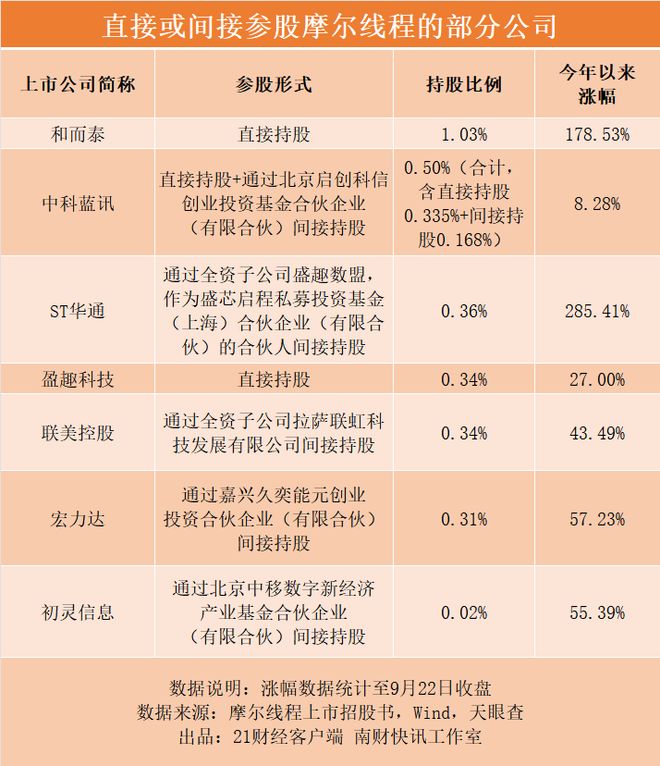
圆桌跨界对话:“一带一路”引领下中外投资前景与潜力 | 中东高峰论坛后记
克而瑞地产研究· 2025-09-28 09:17
Core Viewpoint - The forum highlighted the investment opportunities in the Middle East, particularly in the context of the Belt and Road Initiative, emphasizing the importance of policy communication and collaboration between China and Arab countries to enhance investment confidence and quality of cooperation [2][5][6]. Group 1: Investment Opportunities - The UAE, especially Abu Dhabi, is becoming a global investment hub, with significant potential in residential and commercial real estate development [6]. - The Belt and Road Initiative has facilitated greater connectivity and investment opportunities, with high rental yields and asset appreciation rates attracting Chinese investors [6][15]. - The UAE's tax advantages, including the absence of income tax, capital gains tax, and inheritance tax, significantly enhance its appeal for global investors [7][8]. Group 2: Strategic Considerations for Outbound Investment - Chinese companies should align their outbound investment strategies with national policies and the development strategies of host countries, such as aligning with Saudi Arabia's Vision 2030 [7]. - Understanding the local market dynamics, cultural nuances, and potential demand for construction projects is crucial for successful investment [7][12]. - The establishment of free zones and government support in the UAE provides a conducive environment for foreign enterprises to set up operations [8]. Group 3: Risk Management and Legal Strategies - Companies must be aware of geopolitical risks, project execution challenges, and operational risks when investing abroad, particularly in volatile regions [12][13]. - Effective risk management strategies include selecting appropriate legal frameworks and dispute resolution mechanisms to mitigate uncertainties in cross-border investments [17]. - The importance of data sharing and knowledge exchange between academia and industry is emphasized to reduce cooperation costs and enhance decision-making [9][10].
专访曾智明:57载金利来跨界突围,一代粤商接班人的守业与闯关
2 1 Shi Ji Jing Ji Bao Dao· 2025-09-28 01:53
Core Viewpoint - Goldlion, a traditional menswear brand in China, is at a transformative crossroads after 57 years, adapting to the trends of casualization and youthfulness while balancing innovation and heritage [2][4]. Group 1: Brand Transformation and Innovation - Goldlion is embracing a "technology + national trend" approach, incorporating AI custom tailoring, sustainable materials, and digital initiatives to engage with modern consumers [2][4]. - The brand aims to maintain a balance between classic craftsmanship and modern technology, focusing on areas like new material development and digital supply chains to enhance product functionality and sustainability [4][5]. - Recent collaborations with sports, particularly snooker, are part of Goldlion's strategy to attract younger consumers and rejuvenate its brand image [3][6][7]. Group 2: Sports and Brand Development - Goldlion has invested in the sports sector, establishing the "Zeng Xianzi Sports Foundation" to support Chinese athletes, which has awarded over HKD 128 million to medalists [6]. - The introduction of a snooker apparel line aligns with the growing popularity of the sport in China, particularly following recent successes by Chinese players [7]. - Engaging in sports not only enhances brand recognition but also fosters emotional connections with consumers, particularly those who value a healthy lifestyle [6][7]. Group 3: Opportunities and Challenges in Global Expansion - Guangdong merchants, including Goldlion, are encouraged to leverage their manufacturing and e-commerce strengths while navigating cultural and regulatory challenges in international markets [8][9]. - The integration of digital capabilities and sustainable practices throughout the product lifecycle is essential for creating a globally competitive fashion industry in the Greater Bay Area [5][9]. Group 4: Youth Engagement and Community Development - Goldlion's initiatives to foster youth entrepreneurship and interaction in the Greater Bay Area highlight the importance of connecting young people with broader international markets [13][14]. - The establishment of think tanks and programs aimed at nurturing young talent reflects the brand's commitment to community development and social responsibility [14][15]. Group 5: The Spirit of Guangdong Merchants - The essence of Guangdong merchants, characterized by innovation, pragmatism, and a commitment to social responsibility, is crucial for sustaining business growth and community impact [15][16]. - Adapting to new demands in technology and sustainability while maintaining core values will enable brands like Goldlion to thrive in a rapidly changing market [16].
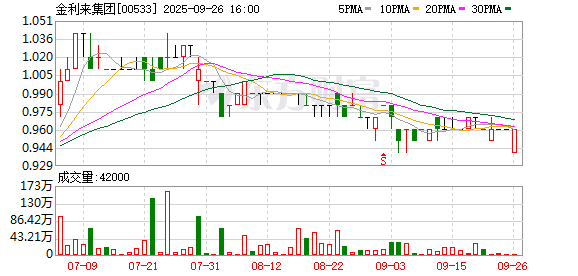
梁冬:用黄金做Labubu,是加速主义与减速主义并存的结果
凤凰网财经· 2025-09-27 13:09
Core Viewpoint - The discussion at the "Phoenix Bay Area Finance Forum 2025" highlights the duality of investment strategies in the face of global uncertainty, particularly the coexistence of traditional assets like gold and emerging assets like digital currencies [1][6]. Group 1: Investment Strategies - The rise in gold prices is influenced by a historical and cultural consensus on its value, which may change over time and across generations [2]. - There is a trend of "dual betting," where investors allocate resources to both digital currencies and gold, representing a strategy to navigate uncertainty [3]. - This duality reflects a broader psychological need for security through diversified asset allocation in uncertain times [5]. Group 2: Perspectives on Assets - The conversation contrasts "accelerationism," where individuals embrace new technologies and digital currencies, with "decelerationism," where others seek stability through traditional assets like gold [2][4]. - The existence of both accelerationism and decelerationism in investment choices indicates a unified response to global uncertainties [5].
高德“免单”三天吸引15万咨询,餐饮业“用脚投票”逃离“内卷”红海
Zheng Quan Shi Bao· 2025-09-27 12:30
Group 1 - The core point of the article highlights the surge in interest from restaurant businesses in migrating online, driven by Gaode's announcement to waive the first-year store opening fees and provide supportive policies [1][2] - Within just 72 hours of the announcement, Gaode received over 150,000 inquiries from restaurants, indicating a strong demand for online presence among small and medium-sized enterprises in the competitive food service industry [2][3] - The current challenges faced by the restaurant industry include rising operational costs and a lack of trust in online rating systems, which have led to a cycle of financial strain for many businesses [3][4] Group 2 - Gaode's recent initiatives, including the "Street Ranking" and the "Good Store Support Plan," aim to create a new service credit system for offline dining and service industries, with a goal of adding approximately 10 million customers daily [4][5] - The "Street Ranking" has shown early success, with participating small restaurants experiencing significant increases in traffic, such as a 540% rise for a specific store in Guangzhou [5][6] - Experts believe that Gaode's approach could reshape the competitive landscape of the restaurant industry by fostering a more equitable and transparent environment, shifting the focus from marketing budgets to product quality and genuine customer feedback [6][7]