
全栈AI

Search documents
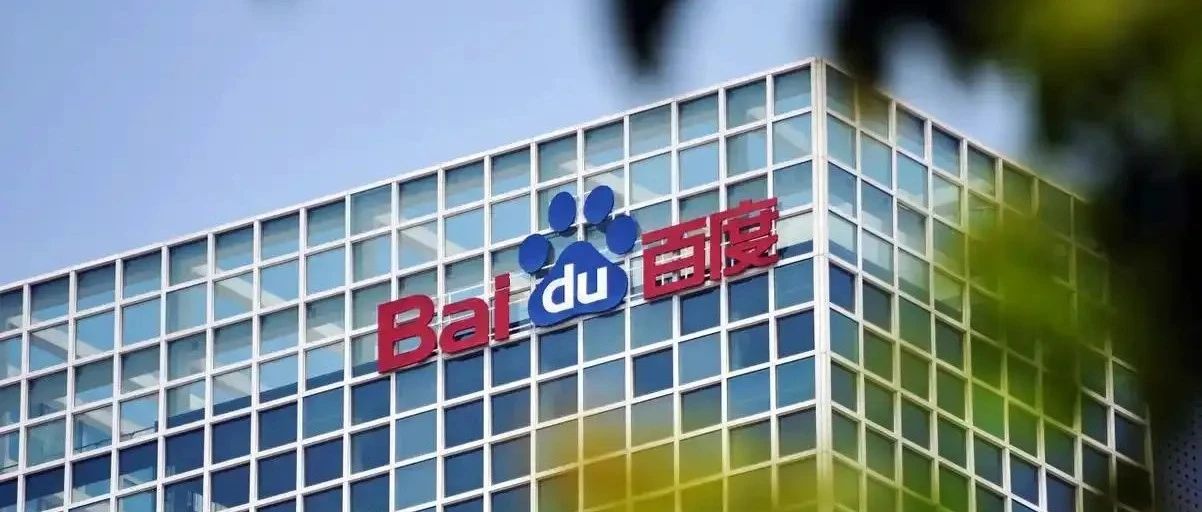
百度突围,全栈AI战略进入兑现期
经济观察报· 2025-08-20 11:41
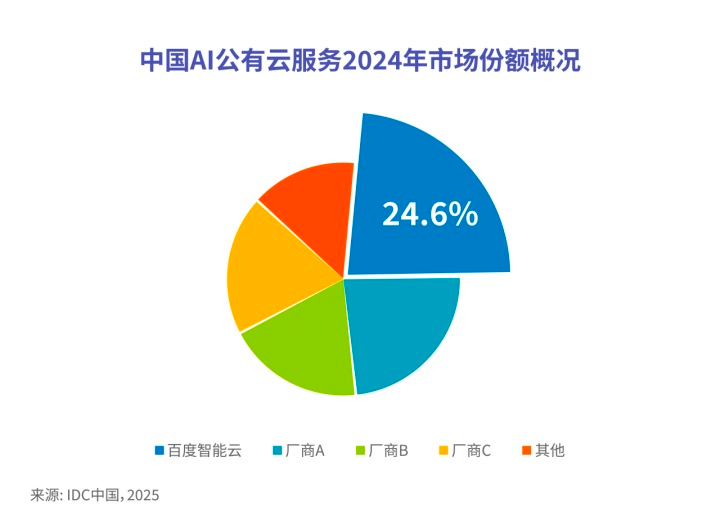
Core Viewpoint - Baidu is accelerating its AI transformation in search and the global expansion of its "LuoBo KuaPao" service, focusing on long-term value creation in AI new fields [2][3]. Financial Performance - In Q2 2025, Baidu reported total revenue of 32.7 billion yuan and a net profit of 7.4 billion yuan, marking a 35% year-on-year increase, exceeding market expectations [2][3]. - AI-driven new business revenue, including smart cloud services, grew strongly, surpassing 10 billion yuan for the first time, with a 34% year-on-year increase [2][3]. Strategic Initiatives - Baidu's "full-stack AI" strategy is beginning to yield substantial returns, with a comprehensive capability chain from underlying computing power to model development and application deployment [3][14]. - The company is undergoing its most significant search business overhaul in a decade, transitioning from traditional link-based results to AI-generated answers and structured results [3][16]. Business Segments - The "LuoBo KuaPao" and smart cloud services are emerging as new growth engines for Baidu, contributing significantly to revenue and demonstrating a sustainable path for AI commercialization [6][12]. - In H1 2025, Baidu's smart cloud maintained its position as the leading AI public cloud provider in China for six consecutive years, with significant market penetration in key industries [7][10]. International Expansion - "LuoBo KuaPao" is accelerating its internationalization, with over 2.2 million global ride-hailing services in Q2, a 148% year-on-year increase, and partnerships with Uber and Lyft to deploy autonomous vehicles in Asia, the Middle East, and Europe [11][12]. - The service has established a leading position in the global right-hand drive Robotaxi market, expanding testing networks in cities like Hong Kong [12][23]. Competitive Landscape - Baidu's full-stack AI strategy is compared to Google's, with both companies building comprehensive systems to maintain stability amid competitive pressures [21][22]. - Baidu's approach allows for significant innovation in core business areas, such as search, while also exploring new markets through its autonomous driving and cloud services [22][23]. Future Outlook - Baidu's financial results indicate the initial success of its full-stack AI strategy, with new growth engines and a major search overhaul, positioning the company for future challenges in the evolving AI landscape [23].


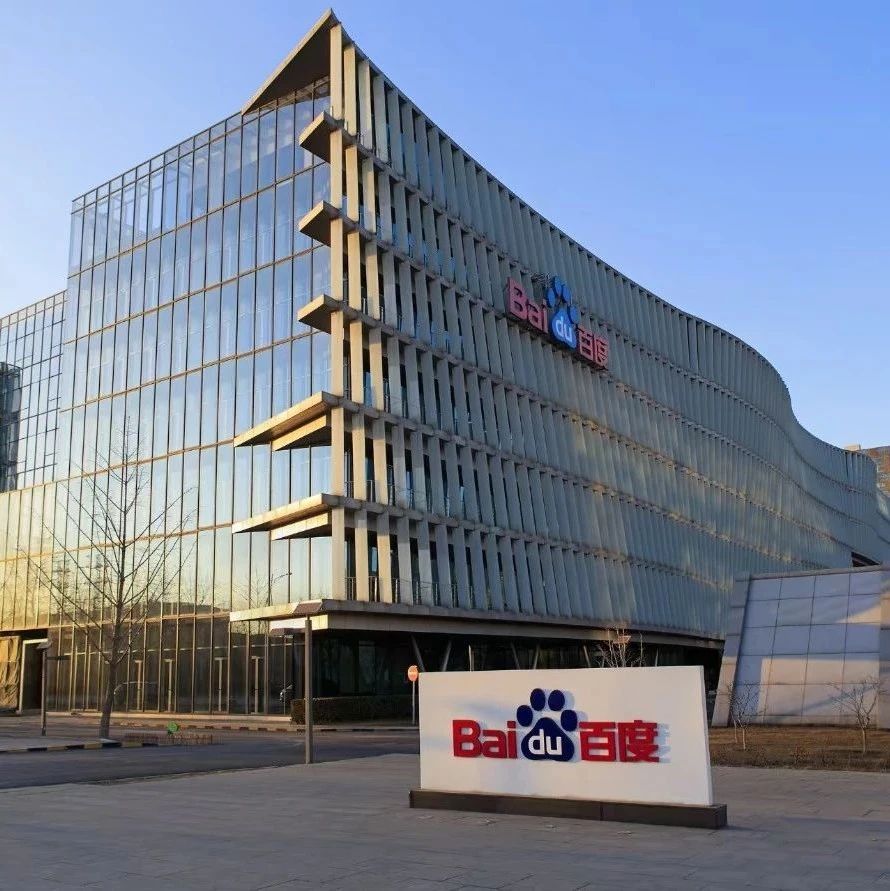
百度突围,全栈AI战略进入兑现期
Jing Ji Guan Cha Wang· 2025-08-20 10:53
Core Insights - Baidu's Q2 2025 financial report shows total revenue of 32.7 billion yuan and a net profit of 7.4 billion yuan, reflecting a 35% year-on-year growth, driven by AI initiatives [1][16] - The company's "full-stack AI" strategy is beginning to yield substantial returns, with AI-related new business revenue surpassing 10 billion yuan for the first time, growing by 34% [1][16] - Baidu's search business is undergoing its most significant overhaul in a decade, transitioning from traditional link-based results to AI-driven answers, which presents both risks and opportunities [2][14] Business Segments - The standout performers in Baidu's financial report are the intelligent cloud and the "Luobo Kuaipao" (萝卜快跑) autonomous driving service, which are key components of the "full-stack AI" strategy [3][8] - In the first half of 2025, the global AI industry reached a critical turning point, with significant breakthroughs in multi-modal understanding and deep logical reasoning, leading to increased demand for AI applications [3][6] - Baidu's intelligent cloud has maintained its position as the leading AI public cloud provider in China for six consecutive years, with a strong performance in key industries such as finance and government [6][8] Strategic Developments - Baidu's partnerships with Uber and Lyft for autonomous driving services are expanding its global footprint, with plans to deploy autonomous vehicles in Europe and the Middle East [7][16] - The company has achieved over 2.2 million global ride services in Q2, marking a 148% year-on-year increase, and has established a presence in 16 cities worldwide [6][7] - Baidu's "full-stack AI" strategy emphasizes a comprehensive approach, integrating computing power, models, platforms, and applications to create a robust competitive barrier [9][14] Market Positioning - Baidu's search engine is evolving from an information retrieval tool to a task completion platform, enhancing user engagement and retention [11][12] - The company has launched various AI applications, including video generation and digital human services, which are beginning to generate revenue [11][12] - Baidu's strategic positioning is compared to Google's, with both companies adopting a full-stack approach to maintain stability and explore new AI application markets [14][15] Future Outlook - The financial results indicate that Baidu's long-term investments in AI are starting to pay off, with new growth engines emerging from the intelligent cloud and autonomous driving sectors [16] - The market will continue to evaluate Baidu's ability to sustain its core business while successfully navigating new growth opportunities in the competitive landscape [16]
AI价值兑现长跑 联想SSG全栈AI驱动连续17个季度双位数增长
Zheng Quan Shi Bao Wang· 2025-08-19 10:57
Core Insights - Lenovo's Solution Services Group (SSG) reported a remarkable revenue growth of 20% year-on-year, maintaining double-digit growth for 17 consecutive quarters, with high-value "as-a-service" offerings accounting for 58% of total revenue [1][2] - The core driver of SSG's rapid growth is its comprehensive AI capabilities, which create value through a complete AI value chain from infrastructure to industry scenarios [1][2] - Lenovo's "LeXiang" super intelligent system enhances customer experience by accurately identifying user intent and automating cross-system tasks, leading to significant improvements in user engagement and order conversion rates [1][2] Financial Performance - SSG achieved an operating profit margin of 22.2%, significantly exceeding the industry average, attributed to the development of technically advanced solutions and the redefinition of service delivery models through AI [2][4] - The company is simplifying its solution offerings based on customer feedback to reduce deployment complexity, indicating a focus on sustainable growth [2][4] Market Strategy - SSG is adapting to market trends, recognizing that overseas markets prefer SaaS models integrated with AI, while Chinese enterprises are more inclined towards hybrid deployments [2] - The introduction of the "model router" concept allows dynamic scheduling of the most suitable large models based on scenario needs, enabling enterprises to avoid being tied to a single technology vendor [2] Industry Context - As the world enters the "era of intelligent agents," Lenovo, like other companies, is striving to secure strategic advantages through advancements in intelligent agent architecture [3] - Lenovo's proactive organizational changes have positioned SSG to capitalize on the AI wave, achieving large-scale AI implementation across various industry scenarios [4]

一周四连发,阿里AI跑出飓风速度
3 6 Ke· 2025-07-29 08:48
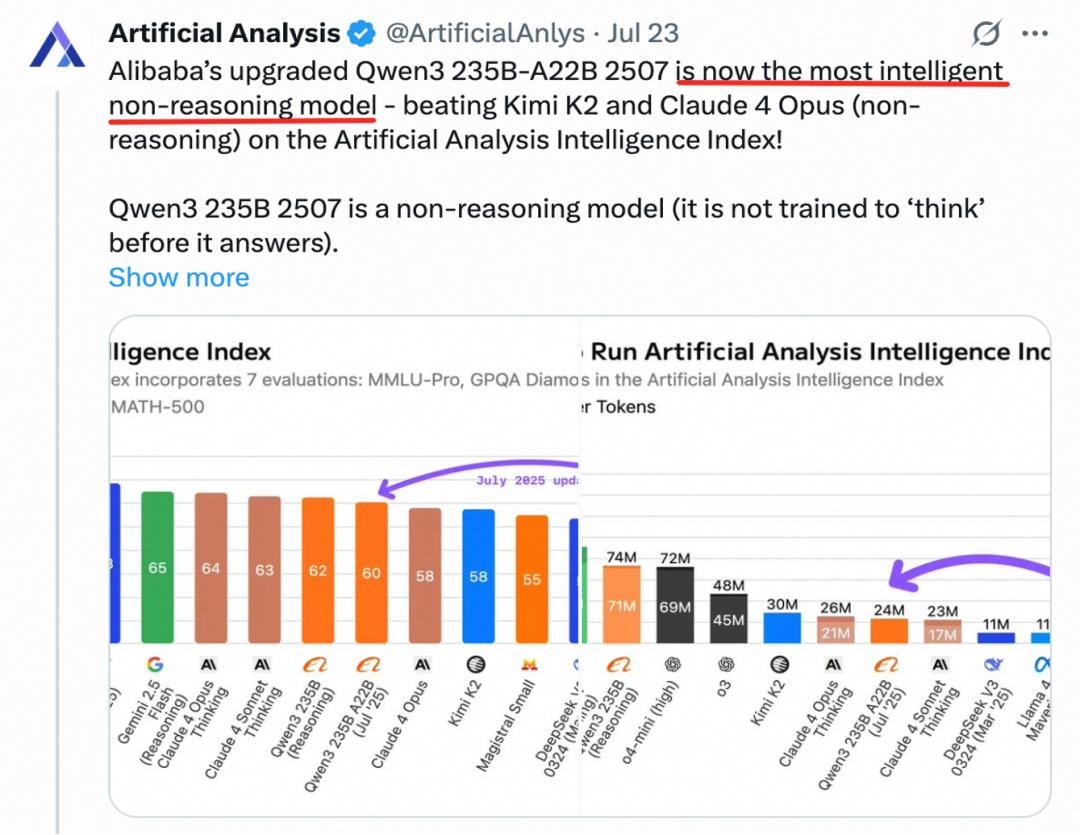
Core Insights - Alibaba has rapidly advanced its AI capabilities by releasing multiple open-source models, including Qwen3 series and Tongyi Wanshang, redefining the performance standards of open-source models [1][2][3][4][17] - The company has achieved significant breakthroughs in various AI domains, including foundational models, programming models, and reasoning models, with Qwen3-235B-A22B-Instruct being recognized as the "most intelligent non-thinking foundational model" globally [1][4][6][19] - Alibaba's open-source strategy is aimed at democratizing technology and fostering a global developer ecosystem, which is expected to reshape the competitive landscape of AI technology [12][15][19][21] Model Performance and Features - The Qwen3-235B-A22B-Instruct model can be deployed with only four H20 GPUs, occupying one-third of the memory compared to similar models, and has a reasoning speed improvement of 1.8 times [4][6] - Qwen3-Coder has surpassed top proprietary models like GPT-4.1 and Claude4, offering significant advantages in programming capabilities, including a context extension from 256K tokens to 1 million tokens [10][12] - Tongyi Wanshang Wan2.2 includes three video generation models that utilize a mixture of experts (MoE) architecture, achieving a parameter count of 27 billion and reducing computational resource consumption by approximately 50% [7][10] Market Impact and Ecosystem Development - Alibaba's open-source models have attracted significant attention from the global developer community, with Qwen3-Coder quickly becoming the top model on HuggingFace [10][12] - The company aims to lower the usage costs for developers and small businesses, allowing them to access top-tier models without high licensing fees, thus promoting a more inclusive AI ecosystem [15][19] - Alibaba's strategy of "open exchange for ecosystem" is designed to build technical standards and commercialize through cloud computing and enterprise services, fostering a virtuous cycle of model open-sourcing and ecosystem prosperity [15][19] Competitive Positioning - Alibaba's rapid advancements in AI technology have positioned it as a formidable player in the global AI landscape, with its models now competing with leading players like OpenAI [17][21] - The company has achieved a market share of 10.4% with its Tongyi Qianwen model, surpassing OpenAI's 4.7%, indicating a significant shift in the competitive dynamics of AI technology [19][21] - With over 400 million downloads and more than 140,000 derivative models, Alibaba's Tongyi Qianwen has become the most widely used open-source model family globally, indicating strong adoption across various industries [21]

一周三连发,这开源“劳模”为何只有阿里做得?
凤凰网财经· 2025-07-26 09:58
Core Viewpoint - Alibaba's recent launch of three significant open-source models within a week highlights its strategic commitment to open-source AI, positioning itself as a leader in the global AI landscape and challenging the dominance of closed-source models [1][4][16]. Group 1: Model Releases - On July 22, Alibaba released the latest version of Qwen 3, which achieved significant performance improvements and was recognized as the top non-thinking foundational model globally [1]. - On July 23, the Qwen3-Coder AI programming model was launched, surpassing leading closed-source models like GPT-4.1 and Claude 4, and quickly became the most popular model on HuggingFace with over 1 trillion API calls [1][2]. - On July 25, Alibaba introduced the Qwen 3 reasoning model, which demonstrated enhanced reasoning capabilities across seven core competencies, matching top closed-source models like Gemini-2.5 pro and o4-mini [2][5]. Group 2: Open Source Strategy - Alibaba's open-source approach aims to dismantle the "closed-source tax" imposed by leading AI tools, making advanced AI tools accessible to a broader audience and fostering a more inclusive AI productivity revolution [5][8]. - The Qwen3-Coder model is offered for free and is commercially usable, with API pricing significantly lower than competitors, which is expected to disrupt the market [5][6]. - As of now, Alibaba has open-sourced over 300 models, surpassing Meta's Llama series, establishing itself as the largest open-source model family globally [8]. Group 3: Full-Stack Capability - Alibaba's unique full-stack AI capability, integrating hardware and software, allows for efficient model training and deployment, providing a solid foundation for continuous model iteration [10][11]. - The company has a robust ecosystem with applications across various sectors, enabling extensive testing and deployment of AI solutions [11][12]. Group 4: Business Model and Growth - Alibaba's dual strategy of open-source models and cloud services aims to attract developers and businesses, creating a self-reinforcing cycle of demand for its cloud services [13][14]. - The company has seen triple-digit growth in AI-related revenue over the past seven quarters, with cloud computing growth rebounding to 18% [14]. - Alibaba plans to invest over 380 billion yuan in cloud and AI hardware infrastructure over the next three years, marking the largest investment in this sector by a private company in China [14]. Conclusion - Alibaba's recent model launches are not just technological advancements but also a demonstration of its full-stack AI capabilities and its strategic "Cloud + AI" approach, reinforcing its position in the competitive AI landscape [16].
第三届链博会闭幕!现场共签署合作协议、达成合作意向超六千项
Xin Jing Bao· 2025-07-20 15:41
Group 1 - The third Chain Expo concluded on July 20, highlighting the current global economic challenges such as unilateralism and protectionism, while emphasizing the importance of international cooperation [1] - Over 40 leaders from Fortune 500 companies attended the expo, with 172 foreign delegations participating, marking a 2.2 times increase compared to the previous year [1] - A total of 1,200 companies and institutions participated, showcasing 152 new products and technologies, a 67% increase from the last event, and establishing cooperation links with 42,000 upstream and downstream enterprises [1][2] Group 2 - The proportion of foreign exhibitors has steadily increased, reaching 35% this year, with over 65% of exhibitors being Fortune 500 and industry-leading companies [2] - Notably, a significant number of companies from the US, EU, and Japan participated, with US companies leading in both quantity and exhibition area, increasing by 15% and 10% respectively compared to last year [2] Group 3 - The Chain Expo showcased China's robust supply chain capabilities, with global business leaders recognizing China's role in high-quality development and technological transformation [3] - The event emphasized the deep integration of global industrial and supply chains, with a consensus among businesses that collaboration is essential for future growth [3] Group 4 - Innovation was a key theme at the expo, with a dedicated innovation chain area and the launch of the "Chain Expo New Products" section, aimed at transforming innovative ideas into industrial applications [4][5] - The expo facilitated significant interactions among government bodies, international organizations, and high-tech enterprises, promoting a seamless connection between innovation and industry [5] Group 5 - The event highlighted the importance of digital connectivity and collaborative ecosystems as future trends in supply chain development, showcasing numerous digital solutions and AI projects [6] - The focus on green technology and low-carbon supply chains was also prominent, aligning with global climate goals [7] Group 6 - Beijing's active role in supporting the Chain Expo included organizing promotional activities and facilitating deep discussions among key enterprises, resulting in numerous cooperation agreements [8][10] - The participation of local enterprises increased by 40% compared to last year, showcasing their strengths in technology and innovation [10]
阿里云:今年将在全球节点部署全栈AI能力,服务中企出海
news flash· 2025-06-24 04:24
Core Viewpoint - Alibaba Cloud aims to deploy full-stack AI capabilities at global nodes to support Chinese enterprises going abroad [1] Group 1 - Alibaba Cloud will accelerate the creation of a global cloud computing network [1] - The deployment of full-stack AI capabilities will enhance compliance, services, and ecosystem team building for outbound Chinese enterprises [1] - The initiative is part of Alibaba Cloud's commitment to serve enterprises globally [1]
联想集团超级智能体首秀2025世界移动通信大会
Zheng Quan Shi Bao Wang· 2025-06-18 09:48
Core Insights - Lenovo showcased its AI innovations at the 2025 World Mobile Communication Conference in Shanghai, emphasizing the theme "Making AI an Innovative Productivity" [1] - The company presented its full-stack AI solutions, including personal and enterprise AI, highlighting significant advancements in AI terminals, infrastructure, and services [1][3] Personal AI Innovations - Lenovo introduced the Tianxi Personal Super Intelligent Agent, a new generation human-computer interaction interface, now fully integrated into Lenovo AI PCs, featuring five key functions: AI control, AI search, AI translation, AI notes, and AI services [1][2] - The Tianxi agent aims to redefine smart interaction experiences while ensuring data security and personal privacy [1] Enterprise AI Developments - The Lenovo Lexiang Super Intelligent Agent and City Super Intelligent Agent were highlighted as key innovations for enterprise applications, with Lexiang achieving a 270% increase in weekly active users and a 30% improvement in order conversion rates since its launch [2][4] - The City Super Intelligent Agent aims to advance smart city initiatives into the 4.0 era through collaborative intelligence [2] AI Infrastructure and Solutions - Lenovo's AI infrastructure strategy includes the Wanquan Heterogeneous Intelligent Computing Platform and various AI storage and integrated systems, which support efficient management of heterogeneous computing resources [3][5] - The company plans to continuously upgrade its full-stack AI capabilities, focusing on a multi-device strategy that includes AI PCs, smartphones, tablets, and AIoT devices [4][5] Market Position and Future Strategy - Lenovo is positioned as an end-to-end partner for operators' "AI+" strategies, aiming to enhance integrated AI capabilities for consumers and businesses alike [3][4] - The company reported that its AI PC sales exceeded 1 million units in the last fiscal year, and its Moto smartphones ranked first in the global small foldable category in Q1 2025 [4]
AI的第二阵风,这两家企业迎上了
雷峰网· 2025-05-29 08:14
Core Viewpoint - The article emphasizes that companies with a comprehensive approach, rather than those focusing on a single aspect, are more likely to survive and thrive in the evolving AI industry landscape [1][5][24]. Group 1: Industry Dynamics - The AI sector is entering a challenging phase by 2025, with chatbot products facing low user retention and unclear commercialization prospects [2][9]. - Companies like Google and Baidu are seen as gaining momentum, akin to runners experiencing a "second wind" in a marathon, allowing them to rejuvenate and lead in the new phase [4][10]. - The competition in AI is likened to a marathon rather than a sprint, indicating the need for sustained innovation and adaptability [9][24]. Group 2: Company Strategies - Google and Baidu are adopting a "full-stack" strategy, integrating models, hardware, applications, and agents to create a robust AI ecosystem [3][22]. - Baidu has made significant advancements with its models and applications, achieving a 42% growth in its cloud business, indicating a successful integration of AI and cloud services [12][19]. - The full-stack approach provides companies with the flexibility to navigate market fluctuations and maintain growth, as seen in Baidu's increasing paid user rates and project wins in the AI sector [19][20]. Group 3: Competitive Advantages - The robustness of a company's business model is crucial, with cost advantages enabling innovation and ensuring profitability [15][16]. - Baidu's self-developed chips and AI platforms have significantly reduced the costs of model training, enhancing its competitive edge [15][16]. - The comprehensive business layout has fostered trust among B-end clients, allowing Baidu to lead in the large model bidding market [20].

两大巨头宣布达成全栈AI战略合作!半导体材料ETF(562590)获资金加仓
Mei Ri Jing Ji Xin Wen· 2025-05-22 07:32
Group 1 - The semiconductor materials ETF (562590) has seen a decline of 0.66%, with the latest price at 1.06 yuan, while its scale reached 323 million yuan, marking a one-month high [1] - In terms of fund inflow, the semiconductor materials ETF recorded a net inflow of 3.2024 million yuan, with a total of 20.5227 million yuan net inflow over the last 10 trading days, indicating strong investor interest [1] - TCL and Alibaba Cloud announced a strategic cooperation on May 21, focusing on AI in semiconductor display and smart terminal fields, aiming to enhance R&D efficiency through the integration of specialized knowledge [1] Group 2 - The semiconductor materials ETF and its connected funds closely track the CSI Semiconductor Materials and Equipment Index, with semiconductor equipment and materials accounting for over 77% of the index, targeting critical areas in chip manufacturing [2]
