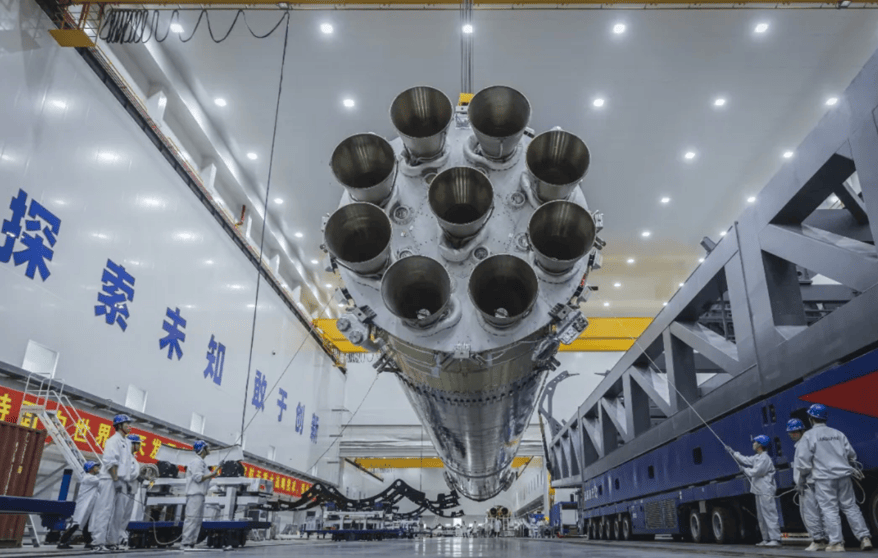
可重复使用火箭技术

Search documents
利好密集!这一板块掀起涨停潮
Zheng Quan Ri Bao Wang· 2025-12-01 03:42
Core Viewpoint - The establishment of the Commercial Space Administration marks a significant milestone for China's commercial space industry, transitioning from a "policy cultivation period" to a "regulated development period" [1][2] Industry Overview - The commercial space sector in China has over 600 companies and is experiencing rapid growth driven by policy support, technological breakthroughs, and market demand [1][3] - The market size of China's commercial space industry is projected to reach 7.8 trillion yuan by 2030, with potential for the emergence of leading companies valued in the hundreds of billions or even trillions [4] Regulatory Developments - The newly established Commercial Space Administration aims to provide a unified and professional regulatory framework, enhancing the environment for large-scale development of the industry [1][2] - The administration will optimize key processes such as launch approvals and frequency resource applications, reducing institutional transaction costs for companies [2][3] Technological Advancements - The industry is currently focused on the development of reusable liquid rockets, which is crucial for reducing costs and achieving scalable growth [2][3] - The successful launch of multiple domestic reusable rockets is anticipated to fill a technological gap in the field and enhance launch capacity while lowering costs [3] Market Dynamics - The integration of state-owned and private sector resources is expected to foster innovation and address technological bottlenecks in the commercial space industry [3] - The increasing focus on satellite communication as a core component of the 6G technology framework necessitates deep collaboration across the entire industry chain [2]





申万宏源证券晨会报告-20251126
Shenwan Hongyuan Securities· 2025-11-26 00:41
Group 1: Higher Education Industry - The core idea is that the higher education sector is expected to see a turnaround due to improved quality standards and supportive policies, particularly with the reintroduction of for-profit classification management in Hunan Province, which may serve as a pilot for national implementation [3][4][14] - The report anticipates that after five years of continuous investment, key indicators of educational quality such as student-to-teacher ratios and per-student funding have met the required standards, suggesting that the investment cycle has peaked and operational efficiency in higher education companies is likely to recover [4][14] - Companies to watch in this sector include Yuhua Education, Zhongjiao Holdings, New Higher Education, and others, as they are positioned to benefit from the expected recovery and valuation increase [4][14] Group 2: Vocational Education Industry - There is a significant surge in demand for vocational training driven by the increasing number of university graduates and high school leavers entering the labor market, leading to a projected market size of 80 billion yuan in 2025 with a low penetration rate of 5% [4][14] - The report highlights that the youth unemployment rate is higher than the urban average, indicating a growing need for skill training among the 16 to 24 age group, which is expected to further boost the vocational training market [4][14] - Recommended companies in this space include China Oriental Education and Fenbi, which are well-positioned to capitalize on the growing demand for vocational training [4][14] Group 3: Education Training Industry - The education training sector is undergoing a transformation with a shift towards "franchise operations" after a significant reduction in capacity due to regulatory changes, leading to a supply shortage that has not yet improved [4][14] - The report notes that institutions with strong research capabilities and operational experience are likely to dominate the market, as they are the ones receiving operational licenses [4][14] - Companies such as Good Future, New Oriental, and Excellence Education are expected to expand their capacity and achieve high revenue and profit growth as the industry moves towards a more structured operational model [4][14]
星耀强国系列之九暨商业火箭系列报告之一:可复用技术引领变革,商业火箭开启千亿蓝海市场
Shenwan Hongyuan Securities· 2025-11-25 11:44
Investment Rating - The report maintains a positive outlook on the commercial rocket industry, emphasizing the investment opportunities across the entire industry chain [3][4]. Core Insights - The commercial rocket sector is entering a golden age, driven by reusable technology, which is expected to dominate the international space launch market due to its cost-effectiveness and reliability [3][4]. - China's commercial space industry is accelerating, with significant policy support and technological advancements, particularly in solid and liquid rocket engines [3][5]. - The demand for satellite constellations is expected to drive the rocket market, with projections indicating that China's rocket launch market could reach $63.2 billion by 2030, based on an estimated 900 launches [3][4]. - The report outlines the segmented structure of the rocket industry, highlighting the upstream (raw materials and electronic components), midstream (rocket structure, propulsion, and control systems), and downstream (rocket assembly) components [3][4]. Summary by Sections 1. Commercial Space Industry Development - The commercial space industry is characterized by a market-driven approach, focusing on profitability through the development, manufacturing, launching, and application of space technologies and services [13][14]. - The industry is segmented into upstream (rocket and satellite development), midstream (launch and operation), and downstream (application and services) [13][14]. 2. Global Competition and Technological Advancements - The global commercial rocket market is highly competitive, with the U.S. leading through companies like SpaceX and ULA, which have made significant advancements in reusable rocket technology [3][39]. - China's commercial rocket development is gaining momentum, supported by favorable policies and technological breakthroughs, indicating a substantial growth potential in the sector [3][5]. 3. Market Potential and Growth Projections - The report highlights the rapid deployment of domestic satellite constellations, with over 51,300 low-orbit satellites planned, leading to an expected increase in launch frequency [3][4]. - By 2030, China's rocket launch market is projected to exceed $63.2 billion, with an average launch cost of approximately $6.975 million [3][4]. 4. Industry Chain Analysis - The rocket industry chain is divided into three main segments: upstream (raw materials and electronic components), midstream (rocket structure, propulsion, and control systems), and downstream (rocket assembly) [3][4]. - Key companies in the industry include Baotai Co., Guangwei Composite, and Aerospace Electronics, among others, which are recommended for investment based on their roles in the supply chain [4][5].
可重复使用50次!星河动力苍穹-50发动机变推力试车成功,解锁火箭垂直回收关键技术【附商业航天行业市场分析】
Qian Zhan Wang· 2025-11-19 03:28
Core Insights - The successful high-precision variable thrust test of the CQ-50 engine marks a significant advancement in China's private aerospace sector, particularly in the core technology of vertical recovery for liquid rockets [2][5] - The engine's ability to operate at a thrust limit of 32% of its rated power and achieve a rapid response time of under 0.5 seconds demonstrates its stability and potential for reusable rocket applications [2][5] Company Overview - Beijing Xinghe Power Aerospace Technology Co., Ltd. was established in February 2018 with a registered capital of approximately 432.87 million RMB, focusing on low-cost commercial launch vehicle development and launch services [3] - Within seven years, the company has become a leading player in China's private rocket sector, completing 21 commercial launches and placing 85 satellites into orbit, capturing a market share of 15% [3] Technological Advancements - The CQ-50 engine features a thrust-to-weight ratio greater than 120, a swing capability of ±6°, and a design life of 50 reuses, with a combustion efficiency exceeding 96% [2][5] - The use of metal 3D printing technology for key components has significantly improved production efficiency and reduced costs to one-third of traditional methods [5] Industry Context - Since 2016, China's aerospace sector has entered a phase of rapid innovation, with significant advancements in space infrastructure and satellite systems [7] - In 2023, China's commercial space activities saw a 29% year-on-year increase in the number of commercial satellites launched, with 141 satellites launched and 23 commercial launches conducted [11] Market Dynamics - The commercial launch sector is experiencing accelerated growth, with government support and local policies fostering innovation and collaboration across related fields [14] - Experts predict that with ongoing technological breakthroughs and capital support, China's commercial aerospace industry is poised to mature by the end of the 14th Five-Year Plan, paving the way for a new phase in space economy development [14]

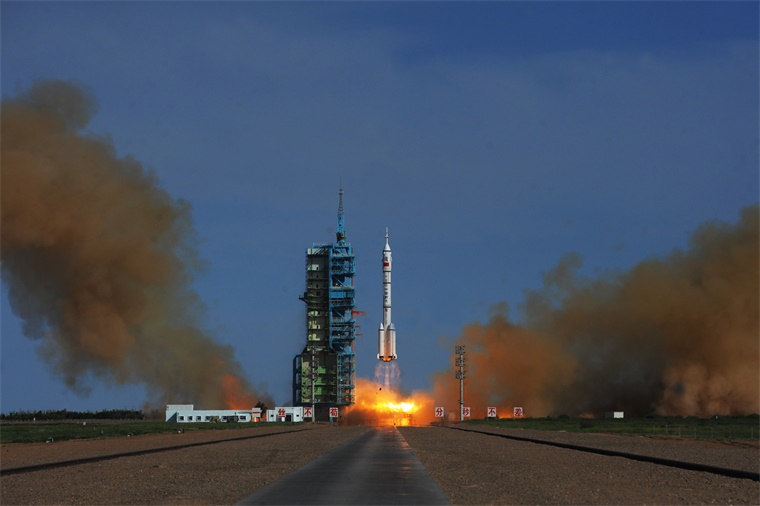
贝佐斯追赶马斯克:新格伦号二飞能否扳回一局?
3 6 Ke· 2025-11-14 09:41
Core Viewpoint - Blue Origin's "New Glenn" heavy rocket successfully completed its second orbital flight mission, marking a significant step in its development and a competitive challenge to SpaceX in the commercial space sector [1][3]. Group 1: Launch Details - The "New Glenn" rocket was launched on November 13, 2023, after multiple delays due to adverse weather conditions, successfully entering space and landing its booster on an unmanned platform in the Atlantic [1][2]. - This mission's primary objective was to deliver NASA's ESCAPADE dual Mars orbiter, representing NASA's first Mars exploration mission in five years [3]. Group 2: Development History - Blue Origin was founded by Jeff Bezos in 2000, while SpaceX was established by Elon Musk in 2002, leading to a competitive landscape where Blue Origin has been perceived as a follower [3][4]. - The development of the "New Glenn" rocket has been a lengthy process, with its core technology, the BE-4 engine, being in development since 2011, and the rocket's design evolving significantly over the years [5][6]. Group 3: Funding and Strategy - Blue Origin's funding model relies on Bezos's continuous investment from Amazon stock sales, allowing the company to focus on long-term goals without external financing pressures [6][8]. - The company has made strategic decisions, such as securing contracts for NASA's Artemis lunar program and Amazon's Kuiper satellite constellation, which provide stable revenue and technical validation opportunities [8]. Group 4: Competitive Landscape - The competition between Blue Origin and SpaceX represents two distinct philosophies in space exploration, with Blue Origin adopting a more cautious, incremental approach compared to SpaceX's aggressive innovation strategy [4][11]. - The "New Glenn" rocket has a low Earth orbit capacity of 45 tons, while SpaceX's Starship can carry over 100 tons, highlighting the differences in their design philosophies and operational capabilities [11][12]. Group 5: Future Missions - Upcoming missions for the "New Glenn" rocket include the "Blue Moon Pathfinder 1" in January 2026, which will test a lunar lander prototype, and the deployment of Amazon's first 49 satellites for the Kuiper project [16][17]. - The rocket is expected to conduct up to eight launches per year, emphasizing a business model focused on timely launches, even if payloads are not ready [17].
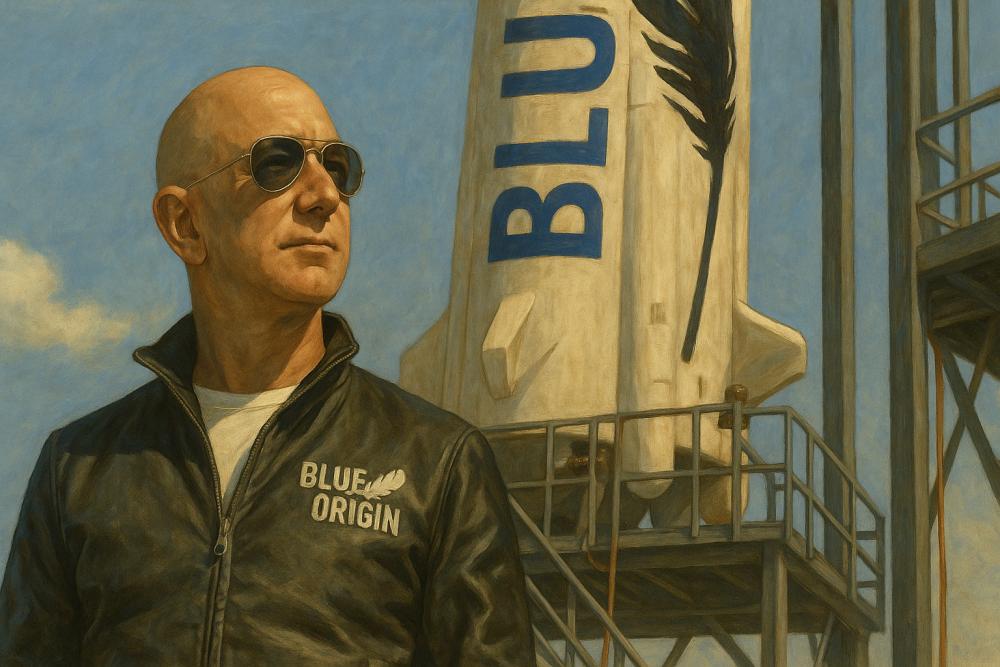
研判2025!中国太空旅游行业产业链、市场规模及重点企业分析:政策技术双驱动,可复用火箭推动商业化加速[图]
Chan Ye Xin Xi Wang· 2025-11-08 02:53
Core Insights - The Chinese space tourism industry is rapidly developing and is recognized as a highly potential new sector within the aerospace industry, with a market size projected to reach approximately 3.25 million yuan in 2024, reflecting a year-on-year growth of 5.52% [1][7] - The industry is supported by strong government policies, including the 2021 white paper on China's space development and the 2024 Beijing action plan aimed at accelerating commercial space innovation [1][7] - Technological advancements, particularly in reusable rocket technology, are significantly reducing operational costs, enhancing economic efficiency, and promoting commercialization within the space tourism sector [1][7] Industry Overview - Space tourism involves non-professional astronauts engaging in activities for entertainment, sightseeing, or research purposes, typically reaching altitudes above 100 kilometers [2] - The industry is categorized into three main types: suborbital flights, orbital flights, and deep space travel [2] Industry Development History - The Chinese space tourism industry has evolved through three phases: the exploratory phase (2003-2015), the accumulation phase (2016-2023), and the rapid development phase (2024-present) [4] - Key milestones include the successful launches of Shenzhou spacecraft and the introduction of supportive policies for space tourism [4] Industry Value Chain - The upstream of the space tourism industry includes rocket and spacecraft manufacturing, launch services, and ground support facilities [6] - The midstream focuses on space tourism operational services, while the downstream primarily consists of tourists [6] - The target consumer groups include high-net-worth individuals, technology enthusiasts, adventurers, and social media influencers, each with distinct motivations and preferences [6] Market Size - The market size for China's space tourism is projected to reach approximately 3.25 million yuan in 2024, with a growth rate of 5.52% [1][7] - The high entry barriers for consumers include significant financial costs, health and physiological requirements, and time commitments for training and preparation [8] Competitive Landscape - Companies like China Aerospace Science and Technology Corporation and Deep Blue Aerospace are leading in technology development and spacecraft manufacturing [9] - Notable projects include the successful launches of the "Li Jian" rocket by China Aerospace and the rapid sale of suborbital flight tickets by Deep Blue Aerospace [9] Industry Development Trends - Technological advancements are expected to drive significant cost reductions and enhance the overall experience of space tourism [10] - The market is anticipated to diversify, targeting a broader range of consumer groups beyond high-net-worth individuals [11] - Continued government support and policy initiatives are likely to accelerate the global integration of the industry and foster collaborations with other sectors such as tourism, AI, and 5G [12]


火星、AI、手机、X...马斯克惊人预言!
Sou Hu Cai Jing· 2025-11-06 02:31
Group 1: SpaceX and Starship - SpaceX is challenging physical limits with its Starship, which weighs 7000 pounds and can reach speeds of 25 times the speed of sound, successfully landing in the Indian Ocean [2][6][8] - The Starship's design incorporates "full rapid reusability," a first in rocket design, which could reduce space travel costs by 100 to 1000 times [11][13] - SpaceX's Falcon rockets have completed over 500 landings, and the company is expected to account for about 90% of global orbital cargo transport this year [15][16] Group 2: Cybertruck - The Cybertruck is designed with "function determines form," using ultra-high-strength stainless steel that can withstand armor-piercing arrows [22][24] - It boasts impressive performance metrics, such as towing capabilities exceeding that of the Ford F-350 diesel and acceleration from 0 to 97 km/h in under 3 seconds [30][31] - The design prioritizes a unique aesthetic and functionality, aiming to create a vehicle that embodies masculinity and strength [28][27] Group 3: X Platform and Truth Pursuit - The acquisition of Twitter was motivated by a desire to combat the spread of misinformation and create a platform for truth [34][18] - The new communication system, XChat, is being developed with a focus on security, utilizing a peer-to-peer encryption system [39][40] - XChat aims to replace traditional messaging systems by providing a fully encrypted platform for text, file sharing, and audio/video calls [41][42] Group 4: AI and Future Trends - The future of technology will see the decline of traditional smartphones, replaced by AI-driven devices that communicate in real-time [61][62] - Many jobs will be accelerated in their disappearance due to AI advancements, particularly in digital roles [70][68] - The only solution to the U.S. debt crisis is through the adoption of AI and robotics, which can drive economic growth [71][72] Group 5: Simulation Theory - The world may operate as a simulation, with the most interesting scenarios being the ones that persist [73][78] - The evolution of video games reflects the increasing complexity of simulations, raising questions about the nature of reality [79][80]


打通商业航天发射链路,构建共赢新生态
Guo Ji Jin Rong Bao· 2025-11-04 04:34
Core Insights - China is rapidly advancing its satellite internet capabilities, with significant recent launches marking a shift towards high-density deployment of satellite constellations [1][5][16] - The country is developing two major satellite internet projects: the State Grid Constellation (GW Constellation) and the Qianfan Constellation, both aiming for extensive global coverage [2][5][7] Group 1: GW Constellation - The GW Constellation, managed by China Satellite Network Group, aims to create a global integrated communication system and has successfully launched over 100 satellites [1][5] - The recent launch of the 12th batch of satellites occurred just 20 days after the previous mission, indicating a significant increase in launch frequency [5][16] - The long-term goal for the GW Constellation is to deploy a total of 12,992 satellites in low Earth orbit by 2027 [5][8] Group 2: Qianfan Constellation - The Qianfan Constellation, developed by Shanghai Yanshin Satellite Technology, is China's second large-scale satellite internet project and has also entered the network deployment phase [2][5] - The company completed a record A-round financing of 6.7 billion yuan in February 2024, highlighting strong investor interest in the satellite industry [2][7] - Qianfan plans to have 324 satellites in orbit by mid-2026, increasing to 648 by the end of that year, and aims for 1,296 satellites by 2027 [7] Group 3: Market Dynamics - The rapid deployment of satellite constellations is driven by the urgency to secure orbital resources and frequency allocations, as countries must launch a percentage of their planned satellites within a specified timeframe [8] - The cost of manufacturing low Earth orbit satellites has significantly decreased, now ranging from 30 to 40 million yuan per satellite, facilitating faster deployment [8] - The commercial rocket sector is expected to benefit significantly from the satellite constellation construction, with market potential reaching hundreds of billions in the next decade [16] Group 4: Technological Advancements - The success of satellite internet constellations relies on high-capacity, low-cost launch capabilities, with China's Long March series rockets playing a crucial role [17] - The development of reusable rocket technology is essential for reducing launch costs and increasing frequency, with the industry aiming for rockets to be reused multiple times [17] - The competitive landscape is influenced by the ability to achieve lower costs and higher launch frequencies, with companies focusing on technological advancements to meet these demands [17]
民营火箭着急上天,但钱的问题还没解决
Xin Lang Cai Jing· 2025-10-29 07:45
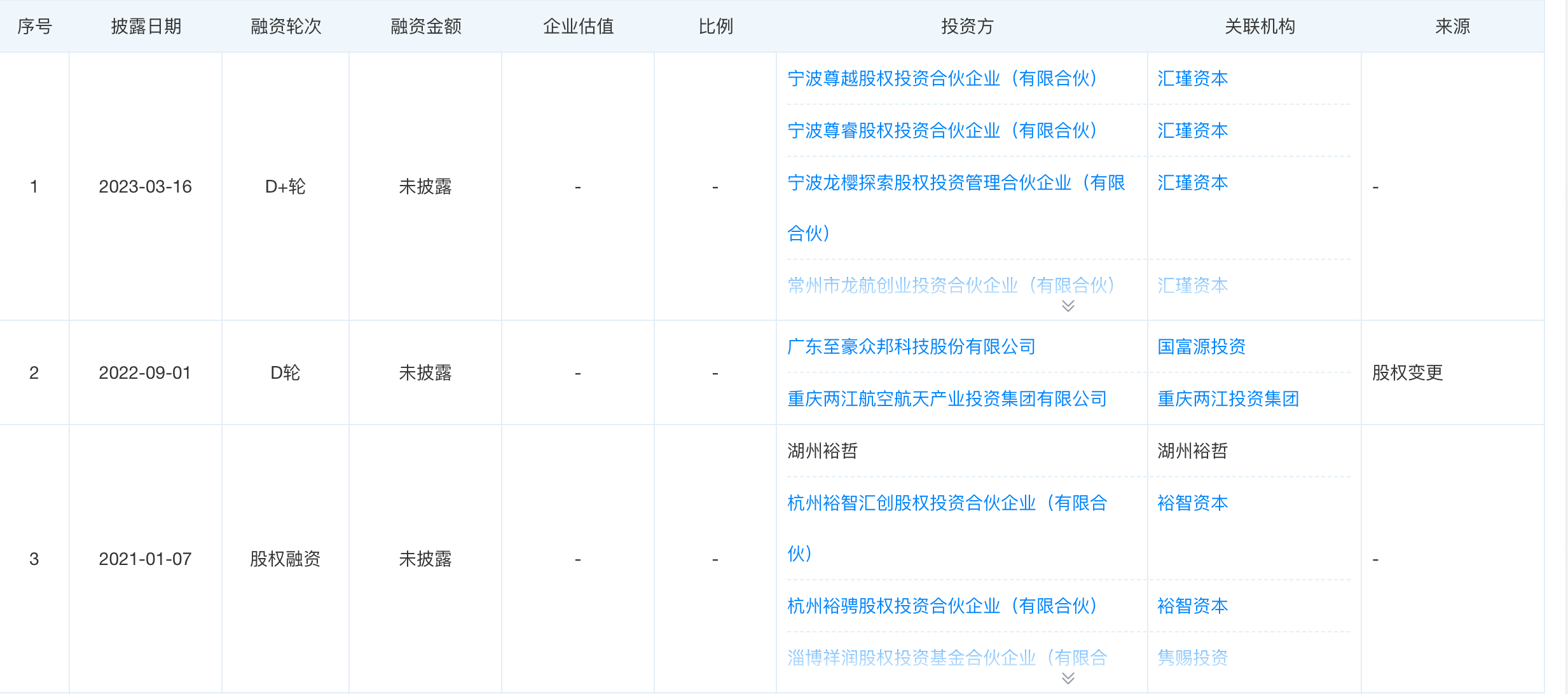
Core Viewpoint - The recent surge in IPO applications and financing activities among private rocket companies in China indicates a growing interest and investment in the commercial space sector, driven by supportive policies and increasing market demand [1][8]. Group 1: IPO Activities - Several private rocket companies, including Tianbing Technology and Xinghe Power, have initiated IPO counseling processes, with at least six leading firms on the path to going public [1]. - The China Securities Regulatory Commission's new guidelines support unprofitable companies in the commercial space sector to meet the listing standards, enhancing the inclusivity of the market [1]. Group 2: Financing Trends - Xinghe Power completed a D-round financing of 2.4 billion yuan, marking the highest single financing amount for a private rocket company in China as of September 30 [3]. - The commercial space sector has seen a total of 138 financing events in 2024, with disclosed amounts reaching 20.239 billion yuan, setting a historical record [3]. - From the beginning of the year to mid-August, over 120 financing events were reported in the commercial space sector, totaling more than 5.2 billion yuan [4]. Group 3: Shift in Investment Dynamics - Recent financing trends show a shift towards local state-owned enterprises leading investments, while other market-oriented capital is withdrawing [5][6]. - The exit of significant private investors, such as Country Garden Venture Capital from Blue Arrow Aerospace, highlights the changing landscape of funding in the sector [5]. Group 4: Challenges and Market Dynamics - Despite the influx of financing, many private rocket companies still face challenges in securing funds, with some previously prominent firms becoming less visible or ceasing operations [6][9]. - The commercial space industry in China has historically lagged behind global counterparts like SpaceX, primarily due to insufficient capital investment and reliance on external financing [9][11]. Group 5: Profitability and Operational Challenges - Many private commercial space companies exhibit low profitability, with a significant number reporting negative returns on equity and assets [11]. - The path to profitability for companies like Xinghe Power is complicated by the high costs associated with rocket launches and the need for technological advancements to reduce operational expenses [12][14]. Group 6: Future Outlook - The recent policy relaxations have opened up opportunities for private rocket companies to pursue IPOs, but the success of these ventures remains uncertain [8]. - The competitive landscape is intensifying as companies race to achieve successful launches, particularly in the liquid rocket segment, which is crucial for meeting market demands [13][15].
一大堆鳖版星链堆在仓库,马斯克倒吸一口冷气:中方要动真格的了
Sou Hu Cai Jing· 2025-10-25 07:32
Core Viewpoint - The successful testing of the reusable Zhuque-3 rocket's first stage by Chinese private aerospace company Landspace marks a strategic step for China in catching up with SpaceX's Falcon 9 rocket, with the first flight and recovery planned for November [1] Group 1: Industry Context - Elon Musk acknowledged that excluding SpaceX, China's annual rocket launch numbers far exceed those of the United States, highlighting the limited success of American aerospace companies in producing competitive launch service providers [3] - The American aerospace industry has largely been dominated by SpaceX, with other companies like Blue Origin and United Launch Alliance struggling to achieve significant advancements, particularly in reusable technology [3][4] Group 2: Market Opportunities - The global satellite internet market presents significant opportunities, as many countries lack advanced fiber optic networks, making low-orbit satellite internet services valuable [6] - Chinese companies are actively developing two major satellite constellations, Xingwang and Qianfan, to compete in the satellite internet space, with production capacities of over 200 satellites annually for Xingwang and an average of one satellite per day for Qianfan, aiming for 600 satellites by 2026 [7][9] Group 3: Cost and Operational Efficiency - The significance of reusable rockets lies in their ability to drastically reduce launch costs, as demonstrated by SpaceX's Falcon 9, which lowered the cost per launch from $67 million to $28 million [9] - Achieving reusable rocket technology could lead to a dramatic decrease in China's launch service prices, facilitating rapid deployment of satellite constellations and providing competitive pricing for domestic and international clients [9] Group 4: Future Prospects - The potential for achieving flight-like operations in the rocket industry could be accelerated if multiple commercial rocket companies succeed in reusable technology, potentially allowing China to realize its goal of regularized launches by 2030 instead of 2045 [10][12] - This advancement would enable China's satellite constellations to compete effectively with SpaceX's Starlink and position China as a leading provider of aerospace services globally [12]