好房子

Search documents
保利四川:以好房筑信,与成都共赴高质量发展之约
Mei Ri Jing Ji Xin Wen· 2025-12-31 15:24
Core Viewpoint - In 2025, the Chinese real estate market is entering a critical recovery phase characterized by stabilization and quality improvement, supported by a systematic support framework from policies that enhance demand, supply, and security [1] Policy and Market Dynamics - Demand-side policies have seen significant adjustments, including the relaxation of purchase restrictions in major cities and the complete lifting of restrictions in second-tier and lower cities, with some cities offering "zero-threshold home buying" [1] - Credit costs have reached a ten-year low, with the down payment ratio for first-time home loans as low as 15% and interest rates dropping below 3% [1] - The supply side is bolstered by measures such as widespread adoption of "mortgage transfer," automatic reduction of existing mortgage rates, and subsidies for "old-for-new" exchanges, while "guaranteeing delivery" has shifted from emergency measures to regular prevention [1][2] Market Supply and Demand - The land market remains in a deep adjustment phase, with residential land supply down 18.2% year-on-year and transaction volume down 22.5%, leading to a continued contraction in effective supply in the new housing market [2] - Despite a reasonable inventory turnover period in key cities, the proportion of high-quality improvement housing is less than 30%, indicating a future scarcity of "good houses" [2] - From January to November 2025, the national sales of new commercial housing reached 75,130 billion yuan, indicating a transition from a risk exposure phase to a recovery phase [2] Company Performance - Poly Developments (600048) achieved a contract amount of 240.87 billion yuan in the first eleven months of 2025, maintaining its position as the industry leader for three consecutive years, demonstrating strong risk resistance and operational resilience [3] - In Chengdu, Poly Sichuan's sales exceeded 10 billion yuan in 2025, showcasing the core support role of state-owned enterprises in market recovery [3] Quality and Trust Building - The real estate industry is transitioning from "scale expansion" to "quality competition," with product quality becoming a core barrier for companies to navigate through cycles [4] - Poly Sichuan has established a quality assurance system that is "visual, verifiable, and traceable," addressing buyer concerns about construction quality and building a trust moat centered on products [4] - The company has implemented innovative delivery models and a detailed acceptance checklist covering 182 indicators, achieving high delivery rates and customer satisfaction [4][5] Community Engagement and Service - Poly Sichuan has adopted a "service first" philosophy, preemptively opening community facilities for residents to experience before project completion, enhancing trust and community engagement [5] - The company has developed a comprehensive service system that includes a rapid maintenance response mechanism and digital platforms for repair requests, achieving a 96% satisfaction rate in maintenance services [6] Market Strategy and Social Responsibility - Poly Sichuan's strategy focuses on providing high-quality housing for ordinary families, with main unit types covering 139-200 square meters to meet both first-time and second-time improvement needs [11] - The company integrates cultural elements into community development, hosting various cultural activities and contributing to the cultural construction of the city, thus enhancing its role beyond that of a mere developer [11][12] Future Outlook - With a comprehensive product layout, full-cycle service system, and forward-looking land acquisition strategy, Poly Sichuan is expected to continue consolidating its regional market advantage and contribute to sustainable growth in the real estate sector [12]
再见2025,你好2026丨财经早察
2 1 Shi Ji Jing Ji Bao Dao· 2025-12-31 14:43
Group 1 - The core viewpoint emphasizes that understanding the Chinese economy requires looking beyond GDP growth, focusing on five key themes that will shape the economy leading into 2026 [1][2][3][4][5] Group 2 - Keyword 1: Artificial Intelligence - AI is seen as a transformative technology that will enhance efficiency across various industries, creating a complete industrial ecosystem from computing power to applications [1] - Keyword 2: Expanding Domestic Demand - Policies will focus on improving consumer willingness and capacity by addressing the entire production-distribution-保障 chain, making income stability and comprehensive security a priority [2] - Keyword 3: Investment in People - The shift from "investment in material" to "investment in people" highlights the importance of enhancing income, social security, education, and healthcare, positioning human capital as a critical asset for future growth [3] - Keyword 4: Countering "Involution" Competition - The government aims to eliminate low-level repetitive competition that harms profits and innovation, focusing instead on efficiency and value creation as part of a structural adjustment in supply [4] - Keyword 5: Quality Housing - The focus in real estate is shifting from mere availability to the quality of housing, emphasizing safety, energy efficiency, and livability, thus returning to the fundamental residential attributes of real estate [5]
2025年度中国房地产行业总结与展望
克而瑞地产研究· 2025-12-31 13:25
2025年,中国住宅市场在政策持续优化调整与宏观经济复杂环境的双重作用下,总体呈现出"量价企稳、结构分化、预期重塑"的复杂态势。市场告别了 过去的高速增长模式,进入一个以"止跌回稳"为核心、推动高质量发展的新阶段。展望2026年,预计市场将继续在巩固调整中寻求新供求平衡,政策将 以巩固稳中有进态势、防范化解风险为主要方向,住宅市场成交规模将在低位筑底的基础上存在结构性回暖可能,而价格整体预计将保持窄幅盘整,城市 间的分化将进一步加剧。城市更新、好房子将成为行业重要的亮点,绿色、智能、健康、安全的产品将获得溢价,社区配套和服务的重要性凸显。 ◎ 文 / 克而瑞研究中心 总 结 01 市场综述 市场综述:全年总住房成交需求相对稳定 部分二三线城市同比正增长 2025年是中国房地产市场自深度调整周期迈入企稳修复阶段的关键一年。政策由"托底纾困"转向"优化提振", 主基调延续了"因城施策"的灵活框架,从年初延续前 期"保交楼、稳需求、防风险"的托底措施,到年中以来,政策重心明显转向全面提振市场信心、激活合理住房需求。 行业发展新模式的内涵和外延进一步丰富完善,系统性政策支持框架成型。需求端支持全面强化:全国层面,首付 ...


动画组图|盘点2025中国经济:举多元之力 绘发展新篇
Zhong Guo Jing Ji Wang· 2025-12-31 01:52
Group 1 - In 2025, China's economy is expected to demonstrate resilience and accelerate growth across various sectors, including event economy, embodied intelligence, and social welfare [1] - The event economy will play a significant role in driving domestic demand and promoting consumption upgrades, connecting various consumption chains from international to grassroots events [1] - The embodied intelligence industry is set for critical growth in the next 3 to 5 years, supported by increasing policy backing and integration into multiple sectors [1] Group 2 - The inbound tourism market in China is heating up, with foreign visitors contributing to new consumption growth and enhancing China's image as an open and vibrant country [2] - The A-share market has surpassed a total market value of 100 trillion yuan, with the Shanghai Composite Index reaching a 10-year high, indicating improved investor confidence and market resilience [2] - The concept of "good housing" has gained traction, reflecting the public's desire for safe, comfortable, and green living spaces, which will drive the construction industry towards sustainable practices [2] - The integration of domestic and foreign trade is accelerating, with significant progress in policies that support the formation of a strong domestic market and higher levels of openness [2]
2025年,杭州的好房子遍地开花
Sou Hu Cai Jing· 2025-12-31 00:16
Core Viewpoint - The concept of "good houses" has emerged as a key term in Hangzhou's real estate market by 2025, driven by the cancellation of price limits, new quality regulations, and increased market competition, which has activated demand for self-use and improvement [6]. Group 1: Quality Standards and Regulations - The term "good houses" was first included in the government work report in March 2025, leading to public attention and the issuance of new quality improvement guidelines for residential properties in Hangzhou [7]. - New standards for residential quality have been established, including minimum floor heights of 3 meters, with some projects exceeding 3.5 meters, significantly enhancing living conditions [7][8]. - The thickness of partition walls has been increased to a minimum of 240 mm, and floor slabs to 120 mm, aimed at improving sound insulation and addressing long-standing noise issues [8]. Group 2: Market Dynamics Post-Price Limit Cancellation - The cancellation of price limits has allowed developers to regain pricing power, leading to a focus on quality to achieve higher premiums, thus enhancing the overall product offerings in the market [9]. - New luxury projects have emerged, such as the first unlimited-price project in the Hangzhou Olympic Sports Center area, featuring high-end amenities and luxurious materials, with prices reaching approximately 87,000 yuan per square meter [9][10]. - The introduction of innovative designs, such as elevated ground levels and enhanced soundproofing systems, has become a trend among new developments, improving the overall living experience [10]. Group 3: Impact on Affordable Housing - The quality of affordable housing has significantly improved compared to previous years, with new projects offering luxurious amenities at lower prices than during the price limit era [11]. - Developments like Yuhang District's first unlimited-price project have introduced high-quality features typically found in luxury homes, enhancing the appeal of affordable options [11][12]. - The competitive market environment has led to decreased prices and improved product quality for first-time homebuyers, resulting in a greater sense of value and satisfaction [12].

“十五五”中国房地产市场趋势展望-中指研究院
Sou Hu Cai Jing· 2025-12-30 08:42
Group 1 - The core viewpoint of the article highlights the profound adjustments in China's real estate market during the "14th Five-Year Plan" period, transitioning from a focus on "housing for living" to stabilizing the market and promoting recovery [1][13][27] - The total sales area of newly built commercial housing during the "14th Five-Year Plan" is approximately 5.8 billion square meters, a decrease of 25% compared to the "13th Five-Year Plan," with significant market differentiation observed [15][26] - The number of large real estate companies has continued to shrink, with 77 companies experiencing debt defaults, while the market share of central and state-owned enterprises has significantly increased [16][26] Group 2 - The development environment for the "15th Five-Year Plan" period will focus on high-quality development, with economic growth targeting a per capita GDP level of a moderately developed country by 2035, and expanding domestic demand as a core task [19][20] - The real estate market is expected to gradually stabilize, with an average annual sales area of newly built residential properties projected to remain between 70-80 million square meters from 2026 to 2030 [22][21] - Three core trends are anticipated: urban differentiation becoming the norm, the arrival of a stock era with urban renewal potential, and real estate companies transitioning to a "light and heavy" approach to enhance resilience against market cycles [24][22][21]

立“新”破“旧” 加快构建房地产发展新模式
Zheng Quan Ri Bao· 2025-12-29 17:11
随着城市发展从大规模增量扩张阶段转向存量提质增效为主的阶段,房地产行业也站在了转型关键节点 上。2025年是"十四五"规划的收官之年,在这一年中,城市更新取得重要进展,以高杠杆、高周转、高 负债为特性的房地产发展旧模式逐步退场。与此同时,面对房地产市场供求关系的重大变化,房地产发 展新模式也正加快构建,行业高质量发展的基础不断夯实。 展望2026年,大力推进现代化人民城市建设,推动房地产高质量发展将是住房城乡建设工作的重点发力 方向。统筹防风险和促转型、惠民生和稳增长,在推动新旧模式平稳转换的同时,着力推动房地产市场 平稳运行,城市更新行动将进一步加大实施力度,房地产行业也将加快高质量发展的步伐,为实现"十 五五"良好开局作出贡献。 转变城市发展方式 今年以来,城市更新工作在中央及地方得到系统推进,取得重要进展。在推进现代化人民城市建设的大 背景下,城市更新的重要性正不断凸显。 2025年,面对房地产市场供求关系的重大变化,政策在发力稳市场的同时,也加快构建房地产发展新模 式,优化供给结构,健全住房制度,推动房地产业转型升级,更好满足居民刚性和多样化改善性住房需 求。 随着人民群众住房需求从"有没有"转为"好 ...
重庆中心城区住房成交连续11个月正增长
Zhong Guo Xin Wen Wang· 2025-12-29 12:03
重庆中心城区住房成交连续11个月正增长 中新网重庆12月29日电 (张旭)重庆市住房和城乡建设委员会29日发布消息称,2025年以来,该市多措并 举激活住房消费潜力,大力推进"好房子"建设,1月至11月,重庆中心城区一二手住房成交1702万平方 米,同比增长3.6%,连续11个月正增长。 来源:中国新闻网 编辑:付健青 广告等商务合作,请点击这里 本文为转载内容,授权事宜请联系原著作权人 中新经纬版权所有,未经书面授权,任何单位及个人不得转载、摘编或以其它方式使用。 关注中新经纬微信公众号(微信搜索"中新经纬"或"jwview"),看更多精彩财经资讯。 其中,1月至11月,该市完成房地产投资2070.4亿元,增速高出全国1.9个百分点。 据介绍,以安全、舒适、绿色、智慧为目标的"好房子"项目持续入市成交,带动价格回升,成为当地住 房消费正增长的"强引擎"。 为进一步推动"好房子"建设成为提升住宅品质、引领行业转型的重要抓手,日前,在当地举行的2025年 重庆市"好房子"主题展上,《重庆市支持"好房子"加快发展十条措施》《好房子技术导则(商品住房)》 等一系列重要政策也相继发布,加快构建房地产发展新模式。 重庆 ...
2026年房地产展望
Sou Hu Cai Jing· 2025-12-29 07:15
今天分享的是:2026年房地产展望 报告共计:27页 2026年房地产市场展望:止跌回稳下的结构分化与品质升级 2026年作为"十五五"开局之年,房地产市场将在"止跌回稳"的总基调下,呈现需求稳步释放、供需关系逐步调节的态势,同时 伴随明显的城市分化与行业高质量转型趋势。 销售规模方面,预计2026年全国商品房销售面积约7.8亿平方米,同比下降10.9%,不同能级城市表现差异显著。一线城市受土 地供应连续四年下滑影响,新增供给减少,预计销售面积3992万平方米,占全国5.1%,但人口流入、改善需求旺盛及政策优化 将支撑新房价格表现优于二手房。二线城市需求依赖人口净流入与政策宽松,合肥、杭州等人口增量显著的城市市场表现较 好,预计销售面积22682万平方米,占比29.1%,城市间分化持续加剧。三四线城市新增需求有限,销售面积占比将微降至 65.8%,库存高位下去化压力仍存。 库存方面,三类库存均呈改善态势,现房库存已连续8个月下降,截至2025年10月末为7.6亿平方米,在建库存25.7亿平方米,土 地库存约23亿平方米。城市间库存分化明显,上海、杭州等热点城市去化周期在18个月以内,处于良性区间;部分非热点二 ...

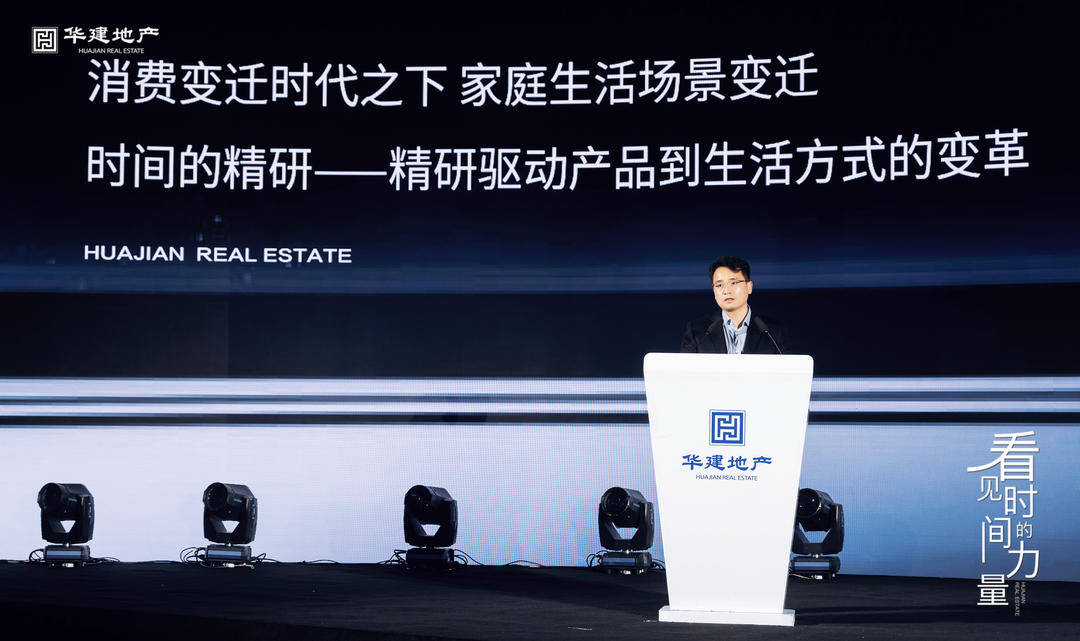
扬州首发!地产国企以“标准体系”回应“好房子”国家战略
Sou Hu Cai Jing· 2025-12-28 11:55
Core Viewpoint - The real estate industry is transitioning towards becoming "urban life operators," emphasizing the importance of enhancing living quality and responding to consumer demands for better housing at reasonable prices [2][5]. Group 1: Industry Trends - The current housing market is stabilizing, with significant potential for quality improvement in housing, indicating a promising future for "good houses" [5]. - The industry is focusing on innovative and systematic approaches to enhance living experiences, including aspects like entryways, storage, landscapes, and community facilities [5]. Group 2: Local Initiatives - The "Good House Standard System" released by Huajian Real Estate serves as a practical solution for local housing development, balancing national standards with local characteristics [5][6]. - The system is built on deep insights into social relationships, focusing on three pillars: "good design," "good construction," and "good service," with specific guidelines and standards for each [6]. Group 3: Technological Integration - The integration of technology in housing, as highlighted by Huawei's smart home initiatives, is seen as a key factor in creating intelligent and quality housing [6]. - The release of the "Good House Standard System" is viewed as a systematic upgrade in product capability, providing a reference for the industry to return to the essence of product quality during its transformation phase [6].