
日本央行加息

Search documents
港股速报|港股继续下跌 原因找到了!后市如何操作?
Mei Ri Jing Ji Xin Wen· 2025-12-16 09:09
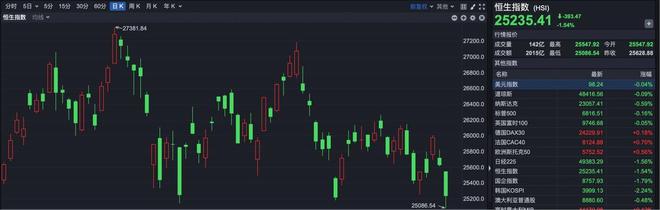
Market Performance - The Hong Kong stock market experienced a significant decline, with the Hang Seng Index closing at 25,235.41 points, down 393.47 points, representing a drop of 1.54% [1] - The Hang Seng Technology Index also fell, closing at 5,402.51 points, down 95.91 points, a decrease of 1.74% [2] Market Influences - The decline in the Hong Kong market was attributed to overall low market sentiment and a collective drop in the Asia-Pacific markets, notably the Nikkei 225 index down 1.56% and the KOSPI index down 2.24%, which negatively impacted both A-shares and H-shares [4] - Anticipation of the Bank of Japan's monetary policy meeting on December 18-19, where a potential interest rate hike from 0.5% to 0.75% is expected, may lead to foreign capital returning to Japan, increasing risk aversion and affecting the Hong Kong market [7] Sector Performance - The market saw widespread declines across various sectors, with notable drops in technology stocks such as Alibaba down nearly 3%, and other major players like Xiaomi, JD.com, and Bilibili down over 2% [7] - Gold stocks also faced declines, with Zijin Mining down over 4%, and other gold companies like Shandong Gold and Lingbao Gold down over 3% [7] Capital Flow - There was a net inflow of southbound funds into Hong Kong stocks, amounting to over 80 million HKD by the end of the trading day [8] Future Outlook - Analysts suggest that the Hong Kong market is at a potential rebound phase, with attractive long-term positioning despite existing risks. The focus remains on the economic fundamentals of China and the inflow of southbound capital [10] - The market is expected to remain volatile until the end of the year, with a consensus on a strong policy opening in the first quarter of the next year, particularly favoring sectors like technology and metals [10]






铂:内盘领涨,料继续突破,铂:ETF增持边际上扬,继续冲击前高
Guo Tai Jun An Qi Huo· 2025-12-16 02:02
铂:内盘领涨,料继续突破 2025 年 12 月 16 日 钯:ETF 增持边际上扬,继续冲击前高 资料来源:同花顺,Wind,彭博,国泰君安期货 请务必阅读正文之后的免责条款部分 1 刘雨萱 投资咨询从业资格号:Z0020476 liuyuxuan023982@gtjas.com 【基本面跟踪】 铂钯基本面数据 | | | 昨日收盘价 | | 涨幅 | | | --- | --- | --- | --- | --- | --- | | | 铂金期货2606 | 482. 40 | | 6. 71% | | | | 金交所铂金 | 466. 85 | | 4. 78% | | | | 纽约铂主连 | 1815. 90 | | 2. 93% | | | | 伦敦现货铂金 | 1785. 30 | | 2. 47% | | | | 纪金期货2606 | 407. 60 | | 4.66% | | | | 人民币现货纪金 | 368. 00 | | 0. 82% | | | 价格 | 纽约锂主连 | 1.622.00 | | 4. 81% | | | | 伦敦现货纪金 | 1,572. 50 | | 5.51% | ...
日本央行将加息至0.75%,30年来最高
日经中文网· 2025-12-15 02:44
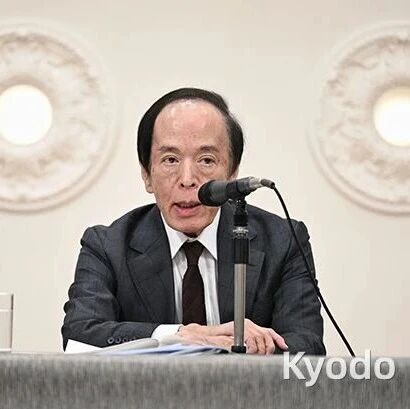
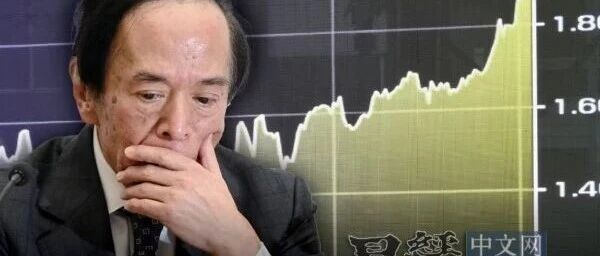
日本银行(央行)12月18~19日将召开金融政策决定会议,上调目前为0.5%的政策利率,现已进入最终 协调阶段。最可能的方案是加息0.25%至0.75%,达到1995年以后30年来的最高利率水平。 日本央行12月18~19日将召开金融政策决定会议,上调目前为0.5%的政策利率。最可能的方案是加息 0.25%至0.75%,达到1995年以后30年来的最高利率水平。目前没有一名日本央行的政策委员明确表态 反对加息…… 日本央行总裁植田和男等高管已暗示有意提交加息议案。日本经济新闻的采访内容显示,包括央行正副 总裁在内的9名政策委员中,预计一半以上会支持方案。 这将是2025年1月以后,日本央行11个月来再次上调政策利率。1990年代日本泡沫经济破裂后,央行曾 于1995年9月把当时相当于政策利率的官方贴现率从1.0%下调至0.5%。此次将是自那以来政策利率首次 超过0.5%。 日本央行总裁植田和男(12月1日,名古屋,Kyodo) 目前没有一名政策委员明确表态反对加息,日本政府内部也普遍对加息持认可态度。 日经中文网 https://cn.nikkei.com 由于担心美国特朗普政府的关税政策会对日本经济产生不良 ...
美联储,降息大消息!日本,带头加息?
Zheng Quan Shi Bao· 2025-12-14 22:41
不过,白宫首席经济顾问凯文·哈塞特仍是这一职位的最热门人选,在上述两个预测市场中,其获提名 概率均高于50%。 从降息概率看,虽然市场多家机构预测美联储将在1月份继续降息,但据CME"美联储观察"预测,美联 储2026年1月降息25个基点的概率为24.4%,维持利率不变的概率为75.69%。美联储到明年3月累计降息 25个基点的概率为41.4%,维持利率不变的概率为50.5%,累计降息50个基点的概率为8.1%。 周五(12月12日),全球资本市场跳水,美股、黄金与白银集体走低。12月14日晚间,加密货币也普遍 跳水。 消息面上,有两大不确定性压顶。 首先,美联储虽然已经降息,但美联储主席鲍威尔对明年1月份是否降息表态并不明朗,有观点认为, 美联储目前的决策愈发依赖经济数据,1月份降息与否不确定性增强。 值得注意的是,在获得美国总统特朗普的"点赞"以及华尔街最有影响力的人物之一、摩根大通CEO杰米 ·戴蒙的支持后,前美联储理事凯文·沃什成为下一任美联储主席的概率大幅攀升。 据截至周六(12月13日)的数据,在美国预测市场Kalshi和Polymarket上,沃什被特朗普提名为美联储 主席的概率分别上升了17和 ...
突发跳水!美联储,降息大消息!日本,带头加息?
Xin Lang Cai Jing· 2025-12-14 14:13
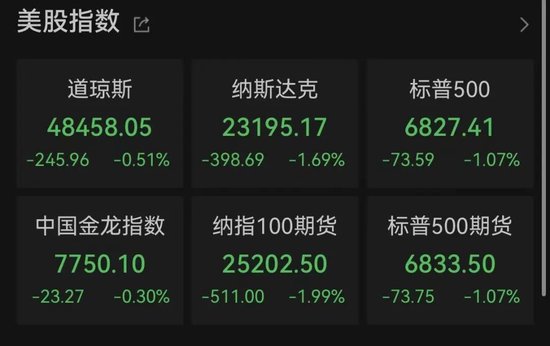
周五(12月12日),全球资本市场跳水,美股、黄金与白银集体走低。今日(12月14日)晚间,加密货 币也普遍跳水。 | 美股指数 它 | | | | --- | --- | --- | | 道琼斯 | 纳斯达克 | 标普500 | | 48458.05 | 23195.17 | 6827.41 | | -245.96 -0.51% | -398.69 -1.69% | -73.59 -1.07% | | 中国金龙指数 | 纳指100期货 | 标普500期货 | | 7750.10 | 25202.50 | 6833.50 | | -23.27 -0.30% | -511.00 -1.99% | -73.75 -1.07% | 消息面上,有两大不确定性压顶。 首先,美联储虽然已经降息,但美联储主席鲍威尔对明年1月份是否降息表态并不明朗,有观点认为, 美联储目前的决策愈发依赖经济数据,1月份降息与否不确定性增强。 值得注意的是,在获得美国总统特朗普的"点赞"以及华尔街最有影响力的人物之一、摩根大通CEO杰米 ·戴蒙的支持后,前美联储理事凯文·沃什成为下一任美联储主席的概率大幅攀升。 据截至周六(12月13日)的数 ...
日本央行年加息幅度35年来首次突破0.5%?
日经中文网· 2025-12-14 00:33
如果12月加息,作为政策利率的无担保隔夜拆借利率将上升到0.75%左右。30多年来,该利率(月平 均)一直没有超过0.5%左右的"壁垒",但今后将突破这一壁垒。 受"历史性加息"影响,市场参与者也将更加关注2026年加息的情况。 清水功哉:日本银行(央行)在12月18~19日的货币政策会议上很可能敲定今年第2次的0.25%左右加 息,这次加息可能被认为是"历史性的"。因为在过去的35年里,日本的加息幅度没有超过过0.5%…… 清水功哉: 日本银行(央行)在12月18~19日的货币政策会议上敲定成为今年第2次的0.25%左右加息 这一可能性正在被市场强烈意识到,这次加息可能被认为是"历史性的"。这是因为2025年的年加息幅度 合计将达约0.5%,创出35年来最大幅度,作为约30年来利率上限的"0.5%壁垒"的突破也将实现。 这将再次给人留下"利率上升时代"到来的印象,以长期利率上升显著的债券市场为代表,或将对市场氛 围产生影响。 日本央行随着1998年实施现行《日本银行法》,获得货币政策的"自主性",自那以来,其中有5年决定 加息。分别是解除零利率的2000年、第二次解除零利率的2006年、进一步加息的2007 ...
贵金属日报-20251212
Guo Tou Qi Huo· 2025-12-12 12:11
| > 国立斯员 111 | | | 责金属日报 | | --- | --- | --- | --- | | | 操作评级 | | 2025年12月12日 | | 黄金 | ★☆☆ 白银 | ★☆☆ | 刘冬博 高级分析师 | | 销 | ★☆☆ 紀 | ★☆☆ | F3062795 Z0015311 | | | | | 吴江 高级分析师 | | | | | F3085524 Z0016394 | | | | | 孙芳芳 中级分析师 | | | | | F03111330 Z0018905 | | | | | 010-58747784 | | | | | gtaxinstitute@essence.com.cn | ★据三位消息人士称,日本央行可能在下周维持将继续加息的承诺,但会强调进一步加息的步伐将取决于经 济对每次加息的反应。日本央行行长植田和男已基本提前宣布12月加息,市场几乎已完全消化了12月将利率 从0.5%上调至0.75%的可能性。市场的关注点已转向日本央行能在何种程度将利率提升至中性水平。 本报告版权属于国投期货有限公司 不可作为投资依据,转载请注明出处 1 【星级说明】红色星级代表预判趋势性上 ...
广发证券:如何看待近期港股市场走势偏弱?
Zhi Tong Cai Jing· 2025-12-10 09:03
Group 1 - The core viewpoint of the report is that the Hong Kong stock market is more sensitive to external risks, particularly due to the unclear future interest rate path of the Federal Reserve and the upcoming peak of lock-up stock releases in December, which may lead to liquidity shocks [1][2] - The recent significant decline in the Hong Kong stock market is attributed to external factors, including Trump's dissatisfaction with Powell's statements on interest rate cuts, leading to a net outflow of foreign capital from emerging markets [1][2] - The Hong Kong market is facing a peak in lock-up stock releases, with a total of HKD 126 billion in lock-up stocks set to be released in December, which is expected to impact market sentiment negatively [2] Group 2 - Potential rebound time points are identified, with December's mid to late period being crucial due to the upcoming economic work conference and the Bank of Japan's interest rate statements, which could provide positive signals for the market [3] - The end of the lock-up stock peak in early January, combined with the latest Federal Reserve meeting minutes, could also create favorable conditions for liquidity if the interest rate path leans dovish [4] - Technical indicators suggest that the Hong Kong stock market has sufficient downward momentum, with the Hang Seng Index currently positioned between the 120-day and 250-day moving averages, indicating a potential for rebound [4]


港股市场下跌点评
GF SECURITIES· 2025-12-10 08:47
Market Overview - The report indicates that the Hong Kong stock market is facing significant downward pressure due to the hawkish statements from the anticipated next Federal Reserve Chair, Hassett, and the upcoming peak of lock-up stock releases in December, which is expected to exacerbate liquidity issues [1][12] - The potential rebound points are highlighted for mid to late December and early January, with technical analysis suggesting that the Hang Seng Technology Index has sufficient downward momentum after breaking below the 120-day moving average [1][12] Reasons for Recent Decline - The sharp decline in the Hong Kong stock market is attributed to dissatisfaction from Trump regarding Powell's interest rate comments, leading to a shift in market expectations towards a dovish stance for the next Fed Chair, Hassett, who emphasized a cautious approach to rate adjustments [2][13] - The Hong Kong market is particularly sensitive to external factors, as it combines negative influences from both domestic fundamentals and overseas liquidity, with a significant lock-up stock release pressure of HKD 126 billion in December [3][17] Potential Rebound Timing - Key dates for potential market recovery include mid to late December, where fiscal policy announcements and the Bank of Japan's interest rate comments could provide positive signals [4][22] - Early January is also noted as a critical time as the peak of stock lock-up releases concludes, coinciding with the release of the latest Federal Reserve meeting minutes, which could favor liquidity if the interest rate path appears dovish [4][23] - The report emphasizes that the Hang Seng Technology Index is currently positioned between the 120-day and 250-day moving averages, indicating a possible rebound if it approaches the 250-day support line [4][23]
贵金属数据日报-20251210
Guo Mao Qi Huo· 2025-12-10 03:22
Group 1: Report Industry Investment Rating - Not provided Group 2: Core Viewpoints - In the short - term, before the interest rate cut, precious metal prices are expected to remain in a high - level oscillation. It is recommended to wait and see for silver in the short - term, while gold can still be bought on dips [3][4]. - In the long - term, the Fed is still in an interest rate cut cycle. With global geopolitical uncertainties, unsustainable US debt, and intensified great - power competition, the risk of US dollar credit will increase. The long - term center of gold prices is likely to continue to move up. Long - term investors are advised to mainly adopt a strategy of buying on dips [3][4]. Group 3: Summary by Relevant Catalogs 1. Price Data - On December 9, 2025, compared with December 8, London gold spot decreased by 0.8% to $4180.79 per ounce, London silver spot decreased by 0.6% to $57.97 per ounce, COMEX gold decreased by 0.8% to $4208.50 per ounce, and COMEX silver decreased by 0.7% to $58.40 per ounce. AU2512 decreased by 0.7% to 948.68 yuan per gram, AG2512 decreased by 0.7% to 13600 yuan per kilogram, AU (T + D) decreased by 0.7% to 946.73 yuan per gram, and AG (T + D) decreased by 0.5% to 13602 yuan per kilogram [4]. - Regarding price spreads/ratios on December 9, 2025, compared with December 8, the gold TD - SHFE active price spread was - 1.95 yuan per gram (up 6.6%), the silver TD - SHFE active price spread was 2 yuan per kilogram (down 108.7%), the gold internal - external price spread (TD - London) was - 4.57 yuan per gram (up - 21.7%), the silver internal - external price spread (TD - London) was - 1154 yuan per kilogram (up - 2.1%), the SHFE gold - silver ratio was 69.76 (up 0.0%), the COMEX gold - silver ratio was 72.07 (up - 0.1%), AU2602 - 2512 was 2.86 yuan per gram (up - 21.0%), and AG2602 - 2512 (not given on December 9) had a previous value of 15 yuan per kilogram with a change of - 53.3% [4]. 2. Position Data - As of December 8, 2025, compared with December 5, the gold ETF - SPDR decreased by 0.11% to 1049.11 tons, the silver ETF - SLV decreased by 0.23% to 15888.54201 tons. For COMEX gold non - commercial long positions, it increased by 4.91% to 266308 contracts, non - commercial short positions decreased by 20.19% to 61644 contracts, and non - commercial net long positions increased by 15.89% to 204664 contracts. For COMEX silver non - commercial long positions, it decreased by 8.12% to 60904 contracts, non - commercial short positions decreased by 20.32% to 18840 contracts, and non - commercial net long positions decreased by 0.38% to 37119 contracts [4]. 3. Inventory Data - On December 9, 2025, compared with December 8, SHFE gold inventory remained unchanged at 91299 kilograms (0.00% change), and SHFE silver inventory increased by 2.65% to 717788 kilograms. On December 8, 2025, compared with December 5, COMEX gold inventory decreased by 0.27% to 36213039 troy ounces, and COMEX silver inventory decreased by 0.20% to 456143022 troy ounces [4]. 4. Interest Rate/Exchange Rate/Stock Market Data - On December 9, 2025, compared with December 8, the US dollar/Chinese yuan central parity rate increased by 0.01% to 7.08. The US dollar index increased by 0.12% to 99.10, the 2 - year US Treasury yield increased by 0.28% to 3.57%, the 10 - year US Treasury yield increased by 0.72% to 4.17%, the VIX increased by 8.11% to 16.66, the S&P 500 decreased by 0.35% to 6846.51, and NYMEX crude oil decreased by 2.14% to 58.85 [4]. 5. Market Review and Outlook - On December 9, the main contract of Shanghai gold futures closed down 0.92% to 951.54 yuan per gram, and the main contract of Shanghai silver futures closed down 0.68% to 13607 yuan per kilogram [4]. - With the Fed's interest - rate meeting approaching, although the market has largely priced in a 26bp interest rate cut in December, "Fed Chair" Hammond said that Powell may also think that waiting is prudent, increasing the uncertainty of future interest - rate cut paths. Coupled with the Bank of Japan's continuous strengthening of the possibility of a December interest - rate hike, market sentiment has become cautious [4].