生态出海

Search documents
长城汽车巴西“排面”:总统卢拉站台见证工厂投产
Jing Ji Guan Cha Wang· 2025-08-17 01:52
Core Insights - The inauguration of Great Wall Motors' factory in Brazil symbolizes deepening China-Brazil industrial cooperation and represents a strategic move for Chinese automakers in their global expansion efforts [2][6] - The factory, previously a Daimler production site, has been upgraded to support full manufacturing capabilities with an annual production capacity of 50,000 vehicles, including models like Haval H6 and Haval H9 [2][4] - Localized production will reduce delivery times, enhance after-sales service, and mitigate risks associated with exchange rates and trade barriers, positioning the factory as a strategic hub for the Latin American market [2][5] Company Strategy - Great Wall Motors has transitioned from merely exporting vehicles to establishing an integrated system of research, production, supply, sales, and service, with over 1,400 overseas channels and operations in more than 170 countries [4] - The company aims to leverage the Brazilian market's growing demand for electric vehicles, where Chinese brands hold a market share of 70-80%, with Great Wall being a significant player [5] - The factory is seen as a key component of the company's "ecological overseas" strategy, emphasizing a complete ecosystem that includes local collaboration and cultural integration [3][5] Market Importance - The Brazilian market is crucial due to the rapid increase in the penetration rate of electric vehicles and the stable growth in sales, with Great Wall's sales reaching 29,000 units over the past three years and 15,700 units in the first half of this year, marking a 19.8% year-on-year increase [5] - The establishment of the factory is expected to enhance Great Wall's market share and production capacity in Brazil, aligning with the company's "international new four modernizations" strategy focused on localization and supply chain security [5][6] - The factory's success could serve as a reference for the broader Chinese automotive industry, highlighting the importance of deep localization and integration into local economies to maintain competitive advantages in global markets [6]


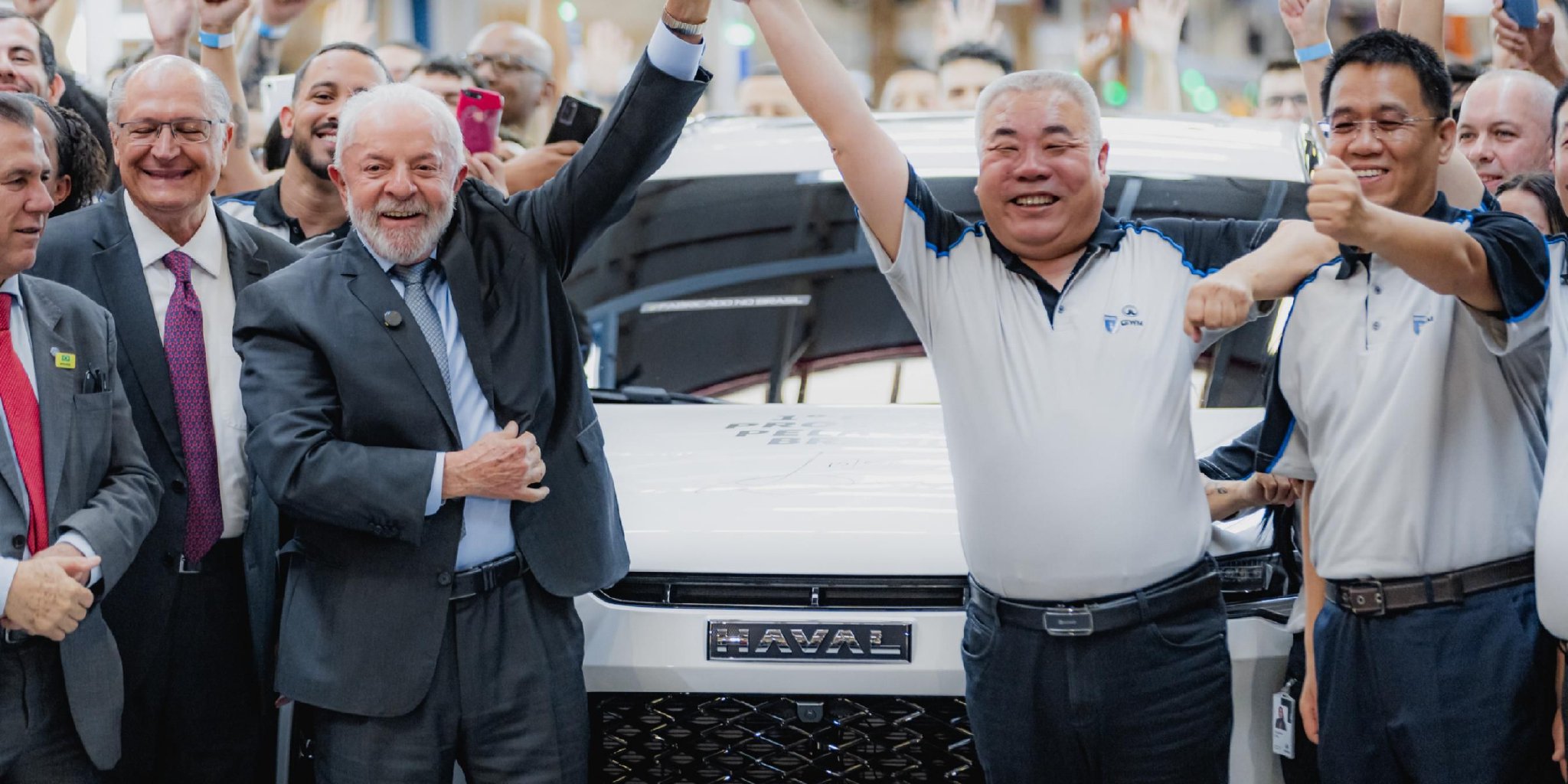
生态出海战略落子拉美长城汽车巴西工厂竣工投产
Xin Lang Cai Jing· 2025-08-16 07:36
巴西工厂的竣工投产,并非简单的海外落子,而是长城汽车全球化战略"生态出海"模式的关键落点。自1997年开启出海之路以来,作为中国首批"走出去"的车企之一,长城汽车已完成从单一产 支撑这一跨越的,是长城汽车"国际新四化"战略的深度落地——以产能在地化筑牢根基,以经营本土化融入市场,以品牌跨文化打破壁垒,以供应链安全化抵御风险。在这一框架下,长城汽车实 自进入巴西市场以来,长城汽车业绩稳步攀升:三年内实现年销量2.9万辆;2025年上半年销量突破1.57万辆,同比增长19.8%,超出行业平均水平17个百分点。这份亮眼成绩为巴西工厂投产 长城汽车的"生态出海"模式,不仅有效促进了中巴汽车产业资源整合与技术协同创新,更通过创造就业、带动产业链发展,激活了当地经济活力,实现真正的互利共赢。这一模式也为更多中国汽 未来,长城汽车将以巴西工厂为战略支点,持续深化"研产供销服"一体化的"生态出海"模式,加速拓展拉美市场。同时,依托拉美市场的辐射效应,公司将进一步优化全球市场布局。这一战略 责任编辑:江钰涵 北京时间8月16日凌晨,长城汽车巴西工厂正式竣工投产。巴西总统卢拉、副总统阿尔克明、中国驻巴西大使祝青桥、巴西劳工部部长 ...
中国车企“生态”出海探索“深潜”模式
Bei Jing Ri Bao Ke Hu Duan· 2025-08-11 22:18
Core Insights - BYD has surpassed Tesla in sales in key European markets such as the UK and Germany, marking a significant shift in the European automotive landscape [1][2] - The overall export of Chinese automobiles, particularly electric vehicles (EVs), has seen substantial growth, with a notable increase in the export of new energy vehicles [3][4] - The strategy of Chinese automotive companies is evolving from merely exporting vehicles to establishing localized production and supply chains in foreign markets [4][5] Summary by Category Sales Performance - In April, BYD's electric vehicle sales in Europe reached 7,231 units, a 169% year-on-year increase, while Tesla's sales fell by 49% to 7,165 units [2] - In July, BYD's sales in the UK and Germany were 3,184 and 1,566 units respectively, with Germany experiencing a nearly 390% year-on-year growth [2] Export Growth - In the first half of the year, China exported 3.083 million vehicles, a 10.4% increase year-on-year, with 1.06 million of those being new energy vehicles, reflecting a 75.2% increase [1][3] - The export of new energy passenger vehicles reached 1.011 million units, up 71.3% year-on-year, with plug-in hybrids and hybrids becoming new growth points [3] Strategic Shift - Chinese automotive companies are transitioning from "going out" to "going in," focusing on local production and establishing a presence in foreign markets [4] - BYD's new factory in Brazil, with a planned capacity of 150,000 vehicles, aims to create 20,000 local jobs and foster local supply chain partnerships [4] - New entrants like XPeng and Leap Motor are also exploring localized production, with XPeng launching its first overseas production project in Indonesia [5]

45亿单季净利破纪录!长城汽车靠高端化打赢二季度
21世纪经济报道· 2025-07-24 14:05
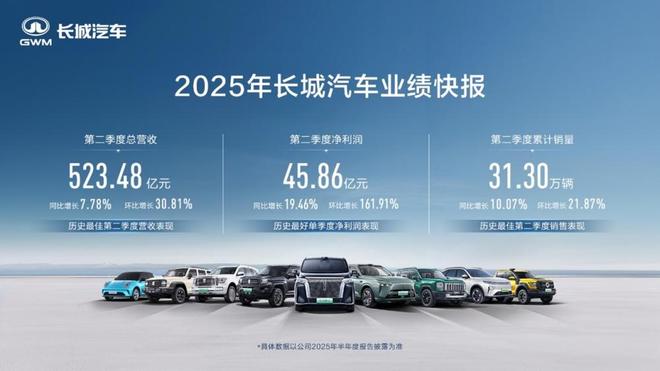
Core Viewpoint - Great Wall Motors has reported its best-ever second-quarter financial results, driven by strong performance in high-end and new energy vehicles, marking a significant product cycle breakthrough [2]. Financial Performance - In Q2 2025, Great Wall Motors achieved revenue of 52.35 billion yuan, a year-on-year increase of 7.78% and a quarter-on-quarter increase of 30.81%. Net profit reached 4.58 billion yuan, up 19.46% year-on-year and 161.91% quarter-on-quarter [2]. - Vehicle deliveries reached 313,000 units, reflecting a year-on-year growth of 10.07% and a quarter-on-quarter growth of 21.87% [2]. Product Strategy - The company emphasizes "quality market share" over mere volume, focusing on high-end models to enhance brand value and technical authority [4]. - High-end models, particularly the WEY brand, have shown significant growth, with sales exceeding 10,000 units in June, a year-on-year increase of 246.95% [5]. - The average revenue per vehicle has increased from 106,400 yuan in 2021 to 167,200 yuan in Q2 2025, indicating a successful shift towards higher-priced models [5]. Technological Advancements - Great Wall Motors is enhancing its product capabilities through technological advancements, including the Hi4 technology architecture, which supports various driving scenarios [9]. - The company has established an end-to-end intelligent driving model and a new AI data system to strengthen its competitive edge in the automotive industry [9]. New Energy Transition - The company is accelerating its transition to new energy vehicles, with Q2 sales of new energy models reaching 97,900 units, a year-on-year increase of 33.7% [10]. - The WEY brand remains the main contributor to new energy sales, with a focus on user needs driving the strategy [10]. International Expansion - Great Wall Motors has seen overseas sales approach 200,000 units in the first half of the year, with Q2 sales reaching 106,800 units, reflecting a growth of over 50% in non-Russian markets [14]. - The company employs an "ecological export" strategy, establishing local production bases in countries like Thailand and Brazil to mitigate trade barriers and enhance operational efficiency [15][16].
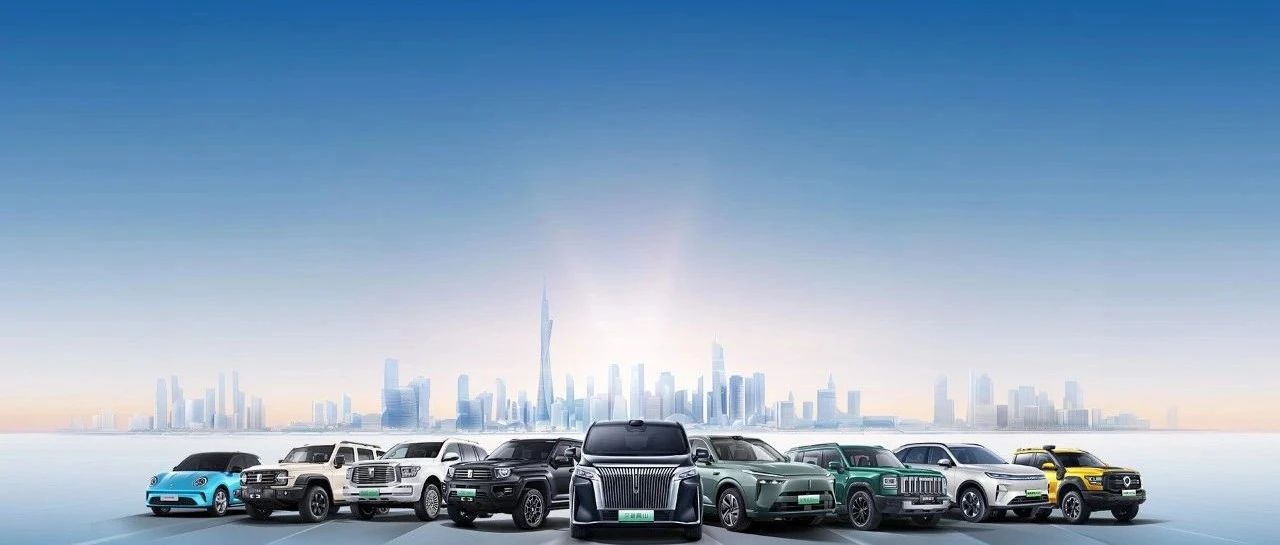
45亿元单季净利破纪录!长城汽车靠高端化打赢二季度
2 1 Shi Ji Jing Ji Bao Dao· 2025-07-24 12:54
Core Viewpoint - Great Wall Motors has reported its best-ever second-quarter financial results, driven by a new product cycle and strong performance in high-end and new energy vehicles [1][3][9] Financial Performance - In Q2 2025, Great Wall Motors achieved revenue of 52.348 billion yuan, a year-on-year increase of 7.78% and a quarter-on-quarter increase of 30.81% [1] - The net profit for the same period was 4.586 billion yuan, reflecting a year-on-year growth of 19.46% and a quarter-on-quarter growth of 161.91% [1] - Vehicle deliveries reached 313,000 units, marking a year-on-year increase of 10.07% and a quarter-on-quarter increase of 21.87% [1] Product Strategy - The company is focusing on high-end models to enhance brand value and pricing power, with the WEY brand showing significant growth [3][4] - The WEY brand's sales exceeded 10,000 units in June, a year-on-year increase of 246.95% [3] - The Tank brand has also seen substantial growth, with a quarter-on-quarter increase of 46.9% in Q2 [4] New Energy Vehicles (NEVs) - Great Wall Motors' NEV sales reached 97,900 units in Q2, a year-on-year increase of 33.7% and a quarter-on-quarter increase of 56.4% [9] - The NEV penetration rate reached 31.3%, up 5.5 percentage points year-on-year [9] - The company is committed to accelerating its transition to NEVs, with the WEY brand leading this effort [10][12] International Expansion - In H1 2025, Great Wall Motors' overseas sales approached 200,000 units, with Q2 sales reaching 106,800 units, a 50% increase in non-Russian markets [14][16] - The company has established a localized production strategy, with factories in Thailand and Brazil, enhancing its global competitiveness [15][16] - Great Wall Motors aims to build a comprehensive overseas sales network, having over 1,400 sales channels globally [16]
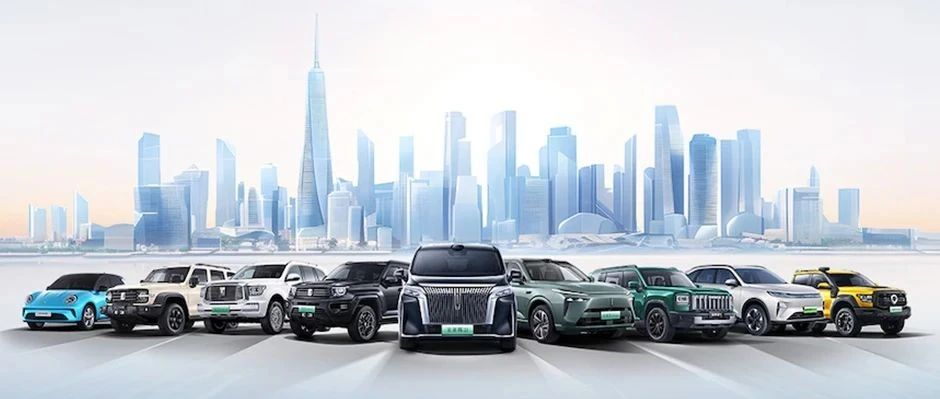
长城汽车超豪华跑车即将亮相 技术驱动业绩创新高
Zheng Quan Ri Bao Zhi Sheng· 2025-07-24 11:44
Core Viewpoint - Great Wall Motors is set to launch its first ultra-luxury sports car, featuring a self-developed 4.0TV8 twin-turbo hybrid system with a total power output of 1000 horsepower, aiming to compete with top international supercars like Ferrari SF90 [1] Financial Performance - In Q2 2025, Great Wall Motors achieved a revenue of 52.348 billion yuan, a year-on-year increase of 7.78% and a quarter-on-quarter increase of 30.81%, marking the best Q2 revenue performance in its history [1] - The net profit for Q2 2025 reached 4.586 billion yuan, representing a year-on-year growth of 19.46% and a quarter-on-quarter growth of 161.91%, also the highest single-quarter net profit in history [1] Sales and Product Strategy - Great Wall Motors sold a total of 313,000 vehicles in Q2 2025, a year-on-year increase of 10.07% and a quarter-on-quarter increase of 21.87%, achieving the best Q2 sales performance in history [2] - Sales of new energy vehicles reached 97,900 units in Q2 2025, reflecting a year-on-year growth of 33.7% and a quarter-on-quarter growth of 56.4% [2] - The company has initiated a new product cycle with models like Tank 300, Haval second-generation Xiaolong MAX, and Wey brand's new Gaoshan driving sales growth [2] Technological Development - Great Wall Motors has adopted a differentiated technology path with its self-developed Hi4 intelligent four-wheel drive hybrid technology system, offering a comprehensive solution across various vehicle types [2] - The company emphasizes multi-power path collaborative development to mitigate market risks associated with a single technology route [2] Global Expansion - Great Wall Motors has transitioned from "product export" to "ecosystem export," with over 1,400 overseas sales channels and total overseas sales exceeding 2 million units [2] - In Q2 2025, the company achieved overseas new car sales of 106,800 units, showing steady growth [2] Strategic Initiatives - The "ONE GWM" global strategy aims to integrate global resources to create competitive products and brands [3] - Great Wall Motors has established multiple R&D centers globally, focusing on localized product development and innovation to meet market demands [3] - The company has built several overseas production bases to lower production costs and enhance supply efficiency [3] Market Positioning - Great Wall Motors employs a differentiated product strategy in key markets, emphasizing cost-effectiveness in emerging markets and technological premium in mature markets [4] - The upcoming ultra-luxury sports car is expected to enhance the brand's global influence and serve as a new flagship in its globalization efforts [4]
长城汽车二季度销量和营收为历年同期最佳
Zhong Guo Zhi Liang Xin Wen Wang· 2025-07-24 09:02
Core Insights - Great Wall Motors reported significant growth in Q2 2023, achieving record sales, revenue, and net profit figures [1] - The company aims for high-quality development through a comprehensive product matrix and global expansion strategy by 2025 [1][2] Sales and Financial Performance - In Q2 2023, Great Wall Motors sold 313,000 vehicles, a year-on-year increase of 10.07% and a quarter-on-quarter increase of 21.87% [1] - Revenue for the same period reached 52.348 billion yuan, reflecting a year-on-year growth of 7.78% and a quarter-on-quarter growth of 30.81% [1] - Net profit stood at 4.586 billion yuan, marking a year-on-year increase of 19.46% and a remarkable quarter-on-quarter increase of 161.91% [1] Strategic Initiatives - The company is focusing on a long-term strategy that includes a full-scenario and full-power product matrix, alongside advancements in intelligence and global expansion [1] - Great Wall Motors is implementing the ONE GWM brand strategy and an "ecological overseas" strategy to enhance market share [1] Technological Advancements - In the field of intelligence, Great Wall Motors has established an end-to-end intelligent driving model and a new AI data intelligence system, achieving industry-leading levels in core technology areas [2] - The new intelligent driving system, Coffee Pilot Ultra, and the Coffee OS 3 smart space system have received positive user feedback, with Coffee Pilot Plus enabling full-scenario NOA without high-precision maps [2] Global Expansion - Great Wall Motors has expanded its overseas sales channels to over 1,400, transitioning from "product export" to "ecological export" [2] - Recent engagements include a meeting between the company's chairman and the Brazilian president, discussing further development in Brazil, and receiving recognition in Australia and Chile for its products [2]
《人民日报》头版报道长城汽车:以高质量发展铸就民族品牌
第一财经· 2025-07-22 00:50
Core Viewpoint - Longhua Automobile is recognized as a true national brand that withstands the test of time and market, emphasizing self-research and innovation, vertical integration, and a globalized full industry chain layout [1][12]. Group 1: High-Quality Development - Longhua Automobile focuses on mastering key core technologies, ensuring quality and innovation in its products [1]. - The company has invested over 10 billion annually in R&D, establishing a strong competitive edge in technology and innovation [5][6]. - Longhua's 4.0T V8 engine and advanced transmission systems mark significant milestones in China's automotive industry [5]. Group 2: Industry Challenges and Responses - The automotive industry faces intense price wars and declining profit margins, with 2024 profits down 8% year-on-year to 462.3 billion [4]. - Longhua's chairman, Wei Jianjun, has openly criticized the industry's price wars and called for responsible practices, leading to increased regulatory scrutiny [3][4]. - The company has maintained a long-term development strategy, focusing on quality over short-term gains [5]. Group 3: Global Expansion and Market Strategy - Longhua has adopted an "ecological overseas" strategy, emphasizing brand and industry output rather than mere product export [8]. - The company has established production bases in Thailand and Brazil, with significant local production rates and advanced manufacturing techniques [8][9]. - Longhua's global sales network spans over 170 countries, with cumulative overseas sales exceeding 2 million vehicles [10]. Group 4: Recognition and Future Outlook - The recognition from the People's Daily highlights Longhua's commitment to high-quality development and its role as a representative of national brands [12]. - Longhua's approach to internationalization and commitment to quality has garnered respect in overseas markets, as evidenced by positive engagements with foreign leaders [9].
PingPong跨境收款:以强合规能力助力企业从被动应对转为主动适应
Sou Hu Cai Jing· 2025-07-21 08:11
Group 1 - The core viewpoint emphasizes that companies need to rapidly adjust their business strategies in response to changes in trade war tariffs and overseas compliance policies to enhance competitiveness [1] Group 2 - Current Chinese companies are adopting a more refined approach to going global, contrasting with the previous extensive model, focusing on local market development and brand building rather than just production [3] - Successful companies prioritize local market engagement and product quality, shifting from a focus on production to brand export [3] - There is an increased emphasis on intellectual property protection to avoid lengthy litigation disputes [3] Group 3 - Chinese companies must pay more attention to challenges related to carbon emissions and green standards in Europe [4] - Establishing a presence overseas requires a "symbiotic" approach, with core markets for Chinese companies covering the Middle East, Southeast Asia, Africa, and South America [4] - The process of expanding into non-U.S. markets involves supply chain restructuring, making it essential for the entire industrial chain to go global together to reduce costs [4] - Strengthening compliance capabilities is crucial for companies to proactively adapt to the complexities of international trade rules and regulations [4] Group 4 - PingPong has established a global compliance network across various regions, including mainland China, Hong Kong, Europe, the U.S., Japan, Australia, and Singapore, with over 30 branches worldwide [4] - Collaborating with over 500 different types of upstream and downstream ecosystem service providers, PingPong aids companies in accelerating localization strategies and reducing cross-border operational costs [4]
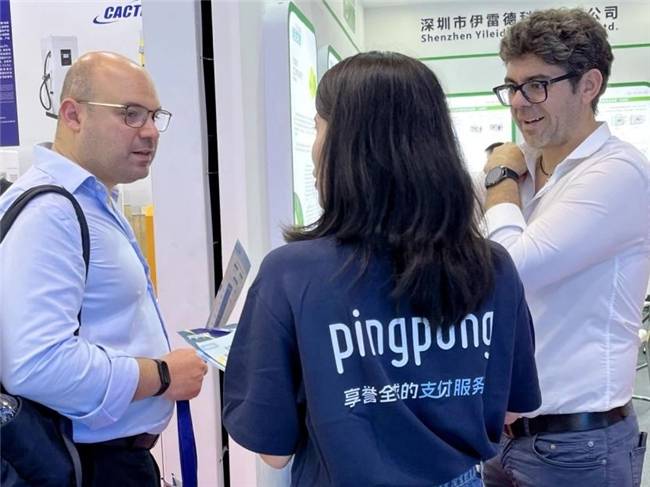
【2025年H1业绩快报点评/长城汽车】业绩符合预期,智能化+越野+生态出海持续推进
东吴汽车黄细里团队· 2025-07-20 15:04
Core Viewpoint - The company reported its H1 2025 performance, which met expectations, with revenue of 92.367 billion yuan, a year-on-year increase of 1.03%, and a net profit of 6.337 billion yuan, a year-on-year decrease of 10.22% [2] Financial Performance - In H1 2025, the company achieved revenue of 92.367 billion yuan, up 1.03% year-on-year, and a net profit of 6.337 billion yuan, down 10.22% year-on-year. The second quarter saw revenue of 52.348 billion yuan, with a quarter-on-quarter increase of 7.8% and a year-on-year increase of 30.8%. The net profit for Q2 was 4.586 billion yuan, with a quarter-on-quarter increase of 19.1% and a year-on-year increase of 161.9% [2][6] Sales and Product Structure - The company reported a wholesale sales volume of 313,000 vehicles in Q2, with year-on-year increases of 10.07% and 21.87%. The sales breakdown by brand showed significant growth for the Wei brand, which increased by 106.4% year-on-year. The company also achieved a Q2 sales volume of 98,000 new energy vehicles, with a penetration rate of 31.3% [3] Strategic Focus - The company is committed to long-term strategies focusing on three main areas: smart technology, off-road capabilities, and global expansion. It is enhancing its smart technology with the Coffee Pilot system and has achieved recognition in global markets, ranking among the top 20 in China's global brand list for 2025 [4] Future Projections - The company maintains revenue forecasts of 219.5 billion yuan, 237.6 billion yuan, and 253.8 billion yuan for 2025, 2026, and 2027, respectively, with year-on-year growth rates of 8.6%, 8.3%, and 6.8%. The net profit forecasts for the same years are 12.3 billion yuan, 13.9 billion yuan, and 14.4 billion yuan, with corresponding EPS of 1.43, 1.62, and 1.68 yuan [6]