首发经济

Search documents
黑龙江省扩内需促消费,今年发放政府消费券8亿元以上
Xin Lang Cai Jing· 2026-01-31 12:16
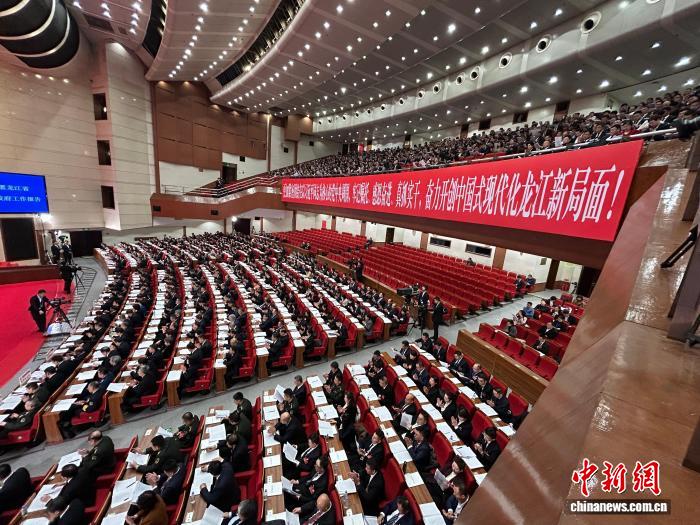
格隆汇1月31日|据中新网,1月31日开幕的黑龙江省第十四届人民代表大会第四次会议上,扩内需、促 消费再次成为政府工作报告里的重点工作,2026年,黑龙江省将举办"购在龙江"等促消费活动超2000 场,发放政府消费券8亿元以上。 2025年,黑龙江省开展提振消费专项行动,扩围实施消费品以旧换 新,组织系列促消费活动,拉动消费728.4亿元。激发首发经济、直播电商等有潜能消费,新设国际国 内知名首店15家,网上零售额同比增长14.7%。投资结构持续优化,高技术制造业投资同比增长 11.5%,民间投资占比提高2.2个百分点。1000个省级重点产业项目完成投资1865.7亿元、同比增长4%, 243个重点项目建成投产。招商引资效果明显,新落地项目、实际利用内资分别同比增长18.7%、 31.3%。 ...
黑龙江省扩内需促消费 今年发放政府消费券8亿元以上
Zhong Guo Xin Wen Wang· 2026-01-31 11:48
Group 1 - The core focus of the Heilongjiang Provincial Government is to expand domestic demand and promote consumption, with plans to issue over 800 million yuan in government consumption vouchers this year [1][2] - In 2025, Heilongjiang Province aims to implement special actions to boost consumption, targeting an increase in consumption by 728.4 billion yuan, alongside initiatives like trade-in programs for consumer goods [2] - The province plans to host over 2,000 promotional consumption events by 2026, including the "Buy in Longjiang" campaign, to stimulate economic activity [1][2] Group 2 - The investment structure in Heilongjiang is continuously optimizing, with high-tech manufacturing investment increasing by 11.5% year-on-year, and private investment's share rising by 2.2 percentage points [2] - The total investment in 1,000 provincial key industrial projects reached 1,865.7 billion yuan, reflecting a year-on-year growth of 4%, with 243 key projects completed and put into operation [2] - The province is focusing on developing new economic models such as online consumption and customized consumption, while also aiming to establish Harbin as a regional consumption center in Northeast Asia [2]

进口商品上新,环球港进博市集年货节人气旺
Sou Hu Cai Jing· 2026-01-31 08:42
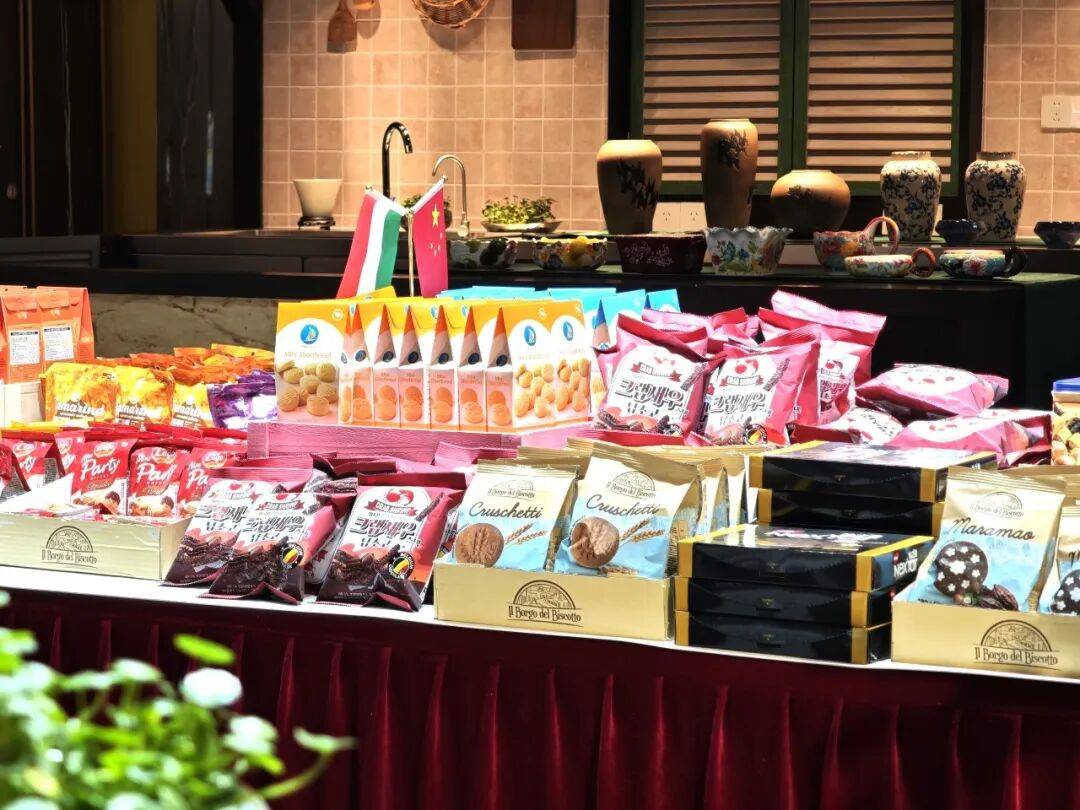
Core Viewpoint - The Expo.club New Year Festival at Shanghai Global Harbor has commenced, featuring thousands of imported products from over 30 countries, aimed at enhancing the shopping experience for citizens during the festive season [1][4]. Group 1: Event Overview - The New Year Festival will run until March 9, 2024, with the theme "Nomadic World, Encounter Global Gifts" [1]. - The event leverages the spillover effect of the China International Import Expo, bringing global products closer to Shanghai residents [1]. Group 2: Product Offerings - The market showcases a diverse range of imported goods, including wines from France and Australia, nuts from South Africa, chocolates from Russia, and fresh seafood from Argentina and Australia [3]. - Unique items such as handmade carpets from Iran, jade from Pakistan, and handcrafted leather bags from Latin America are also available, creating a vibrant shopping atmosphere [3]. Group 3: Customer Experience - The store manager aims to create a one-stop shopping experience for imported goods, allowing visitors to purchase high-quality New Year products without leaving Shanghai [4]. - Special activities like the "International Red Envelope Blind Box" have been introduced to enhance the shopping experience, symbolizing good fortune for the New Year [8]. Group 4: Consumer Engagement - Customers are actively participating in the market, with individuals sharing their experiences of purchasing various imported items for family celebrations [6][7]. - The event serves as a platform for cross-regional exchange of unique global products, enriching consumer choices during the festive period [11].
首发经济燃动上海消费
Guo Ji Jin Rong Bao· 2026-01-30 12:23
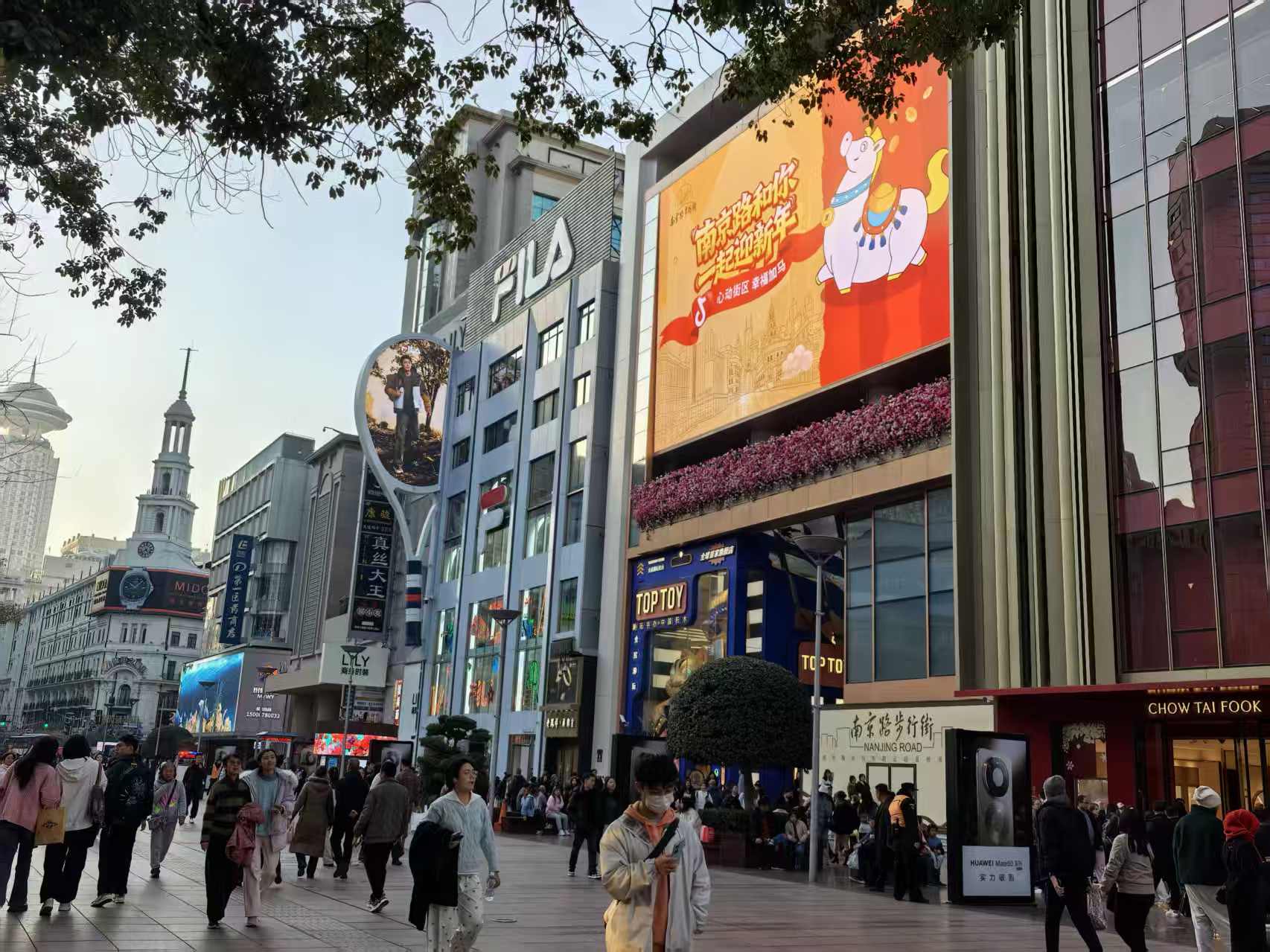
Core Viewpoint - Shanghai is experiencing a vibrant consumer atmosphere as the 2026 Lunar New Year approaches, with various brands launching festive activities and new store openings, highlighting the city's economic recovery and consumer engagement [1][3]. Group 1: Consumer Market Dynamics - Shanghai's total retail sales of consumer goods reached 16,600.93 billion yuan in 2025, marking a year-on-year growth of 4.6%, surpassing the national average [3]. - The Huangpu District has led the city in attracting high-profile flagship and experience stores, with 919 new stores introduced since the 14th Five-Year Plan began [3][5]. - The integration of new store openings with historical space renovations has revitalized areas like Dongtai Road, which has transformed into a vibrant commercial street with a 30% share of new stores [5]. Group 2: Brand Engagement and Innovations - High-end brands such as Darphin Paris and LA MER have opened flagship stores in Shanghai, showcasing their commitment to the Chinese market [5]. - The Swatch flagship store has undergone a significant upgrade, merging art and retail by displaying over 500 watch models, including exclusive and vintage pieces [6]. - The global fashion retail platform MUSINSA has seen rapid growth in China, achieving over 50.59 million yuan in transactions within 100 days of entering the market [6]. Group 3: Policy Support and Economic Environment - The Shanghai government has implemented policies to enhance the business environment, including a "white list" for new consumer goods to facilitate imports and streamline customs processes [7][8]. - Since the pilot program began in May 2025, 34 multinational headquarters and 54 international brands have been included in the "white list," significantly reducing the time for new products to enter the market [7]. - The Shanghai Customs has established a dedicated bonded warehouse to support high-end consumer goods, enhancing the shopping experience for consumers [8]. Group 4: Future Outlook and Strategic Initiatives - The Shanghai Municipal Commission of Commerce plans to focus on building an international consumer center city by enhancing both goods and service consumption, promoting new consumption models, and creating immersive shopping experiences [9][10]. - The city aims to attract more domestic and international consumers by innovating consumption scenarios and launching new initiatives like the "Global Food Festival" [9][10]. - The ongoing development of the first-store economy is expected to drive high-quality economic growth in Shanghai [10].
广东“首发经济”研讨会:探索产业转型路径 激发区域发展活力
Sou Hu Cai Jing· 2026-01-30 02:06
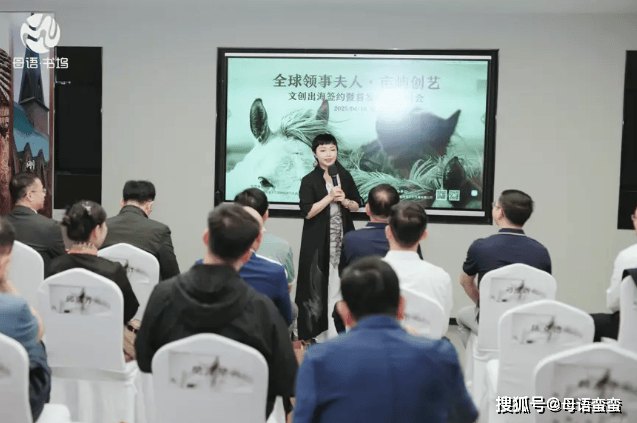
Core Viewpoint - The article discusses the challenges and opportunities faced by Guangdong Province in transforming its economy, emphasizing the need for innovation and the adoption of the "first-release economy" model to enhance competitiveness and drive sustainable development [1][5][7]. Group 1: Economic Context and Challenges - Guangdong Province is undergoing a critical period of structural adjustment and transformation, facing challenges such as squeezed profit margins in traditional industries and the need for enhanced innovation capabilities [1]. - The province's heavy reliance on OEM/ODM manufacturing has limited its position in the value chain, necessitating a shift towards self-innovation, brand development, and high-value-added segments for sustainable growth [5]. Group 2: "First-Release Economy" Concept - The "first-release economy" concept was introduced as a response to the challenges faced by traditional manufacturing, aiming to improve product competitiveness and quickly capture commercial value [7]. - The concept emphasizes the integration of emerging industries and cutting-edge technologies, with a focus on digital content and artificial intelligence as key drivers [9][11]. Group 3: Action Plans and Initiatives - The Guangdong Creative Industry Association's action plan for 2025 aims to establish a global hub for new product launches, creating a comprehensive development system that includes technology, standards, and ecosystem support [12]. - Specific initiatives include promoting supportive legislation for creative industries, building AI and blockchain laboratories, and facilitating the intelligent upgrade of traditional manufacturing clusters [9][23]. Group 4: Role of Digital Content and AI - The development of China's digital content international entrepreneurial ecosystem is highlighted, with sectors like online literature, animation, and gaming expanding into overseas markets [11]. - AI is seen as a crucial enabler for the "first-release economy," with its applications expected to reshape various sectors by 2030, thus supporting innovation and smart upgrades in industries [14][16]. Group 5: Collaborative Efforts and Future Directions - The conference provided a platform for collaboration among experts and industry leaders, focusing on addressing industry pain points and proposing a framework for an innovation-driven development system [21]. - Successful implementation of the "first-release economy" requires coordinated efforts from government and enterprises in policy guidance, technological development, and market expansion [23].
成都消费“热辣滚烫”!人大代表带来这些好点子
Sou Hu Cai Jing· 2026-01-29 14:28
Core Insights - Chengdu's government report highlights a strong performance in consumer spending, with a 5.5% growth in retail sales of consumer goods in 2025, maintaining its position as the leading city among sub-provincial cities [1] - The city has implemented various measures to stimulate consumption, including 26 policy initiatives and numerous themed events, resulting in over 8.7 million items exchanged through a subsidy program [1] - Chengdu is planning a new round of consumption upgrades for 2026, focusing on enhancing offline consumption, promoting diverse business formats, and integrating consumption across various sectors [1] Group 1: Consumption Growth Strategies - Chengdu's initiatives include the "first release economy," which aims to enhance the city's appeal as a preferred location for brand launches, with 710 new stores opened and over 280 high-profile launch events held in 2025 [6] - The report emphasizes the importance of transforming single-store advantages into a comprehensive ecosystem that connects various consumption scenarios [6] - The city aims to create a vibrant atmosphere through morning and night economies, as well as the emerging pet economy, which are seen as vital for enhancing local employment and quality of life [7] Group 2: Innovative Consumption Scenarios - The "wedding economy" is identified as a significant driver for consumption, with suggestions for systematic development of this sector through the "Rongcheng Wedding" brand [10] - Recommendations include creating immersive wedding experiences, developing premium wedding routes, and enhancing the industry chain to integrate various services such as photography and accommodation [12] - Successful case studies from local businesses demonstrate the potential for traditional cultural elements to attract a broader audience and create new consumption experiences [9]
GDP与消费双跃升,成都靠什么?
Sou Hu Cai Jing· 2026-01-29 08:32
Economic Performance - Chengdu's GDP reached 2.48 trillion yuan, growing by 5.8%, indicating a recovery in economic operations [1] - The total retail sales of social consumer goods increased by 5.5%, ranking first among sub-provincial cities, showcasing a strong consumption engine [1] Industrial Development - Chengdu's industrial added value for designated enterprises grew by 7.0%, marking a significant upward trend and serving as a key support for economic recovery [2] - The city has established two trillion-level industrial clusters in electronic information and equipment manufacturing, along with five national-level advanced manufacturing clusters [2] Innovation and Technology - Chengdu has seen the emergence of significant innovations, including the first product from BOE's 8.6 generation AMOLED production line and the first passenger eVTOL product AE200-100 [2] - The city has also registered a globally pioneering "laser positioning system for puncture surgery" as a Class III medical device [2] Consumer Market Growth - Chengdu's consumer market continues to show a steady upward trend, with retail sales surpassing another trillion-level milestone since becoming a trillion-level consumption city in 2023 [4][5] - The city has implemented various policies to boost consumption, including the "2025 Chengdu International Consumption Center City Work Points" and the "2025 Chengdu Consumption Promotion Action Plan" [5] Policy and Strategic Initiatives - Chengdu has launched a three-year action plan to promote the "first launch economy," establishing a service center and promoting collaboration among various stakeholders [5] - The city's approach combines precise policy frameworks with ongoing optimization of the consumption ecosystem, reflecting a commitment to upgrading urban functions and meeting consumer demands [5]
事关消费品以旧换新,扩大市场准入和开放领域……商务部最新发布
中汽协会数据· 2026-01-29 07:04
Core Viewpoint - The article highlights the significant growth in China's consumer market, with a focus on retail sales, service consumption, and policies aimed at boosting domestic demand and international consumption [1][2][3]. Group 1: Retail Sales and Consumer Trends - The total retail sales of consumer goods in China exceeded 50 trillion yuan for the first time, reaching 50.1 trillion yuan, with a growth rate of 3.7%, contributing 52% to economic growth, an increase of 5 percentage points [1]. - The sales of products related to the "trade-in" program amounted to 2.61 trillion yuan, benefiting 366 million people, with significant growth in retail sales of home appliances (11%), communication equipment (20.9%), and furniture (14.6%) [2]. - The retail sales of services grew by 5.5%, with double-digit growth in sectors such as cultural and recreational services, tourism consulting, and transportation [3]. Group 2: Policy Initiatives and Market Development - The government is optimizing the "trade-in" policy to promote consumption of durable goods like automobiles and home appliances, and is implementing pilot reforms in automotive circulation to unleash consumption potential [5]. - There is a focus on cultivating new growth points in service consumption, enhancing supply levels in cultural entertainment, tourism, and healthcare, while also promoting new service consumption areas such as transportation and home services [6]. - The initiative to accelerate the development of international consumption center cities aims to create a more attractive consumption environment and new consumption scenarios for both domestic and international consumers [7]. Group 3: Foreign Investment and Trade - The government plans to expand market access and optimize foreign investment support policies, particularly in the service sector, to encourage foreign investment in areas like telecommunications, healthcare, and education [8][9]. - There is an emphasis on developing service trade and expanding inbound consumption through the establishment of a national service trade innovation development demonstration zone and promoting the export of professional services [10]. - The government is also supporting free trade zones to foster innovation in emerging industries and enhance the overall quality of service sector development [11]. Group 4: Digital Trade and Standards - The construction of a national digital trade demonstration zone is underway, along with the formulation of relevant standards to promote compatibility between domestic and international standards [12].
376家首店,264场首发活动!2025西安首发经济活力拉满
3 6 Ke· 2026-01-29 02:22
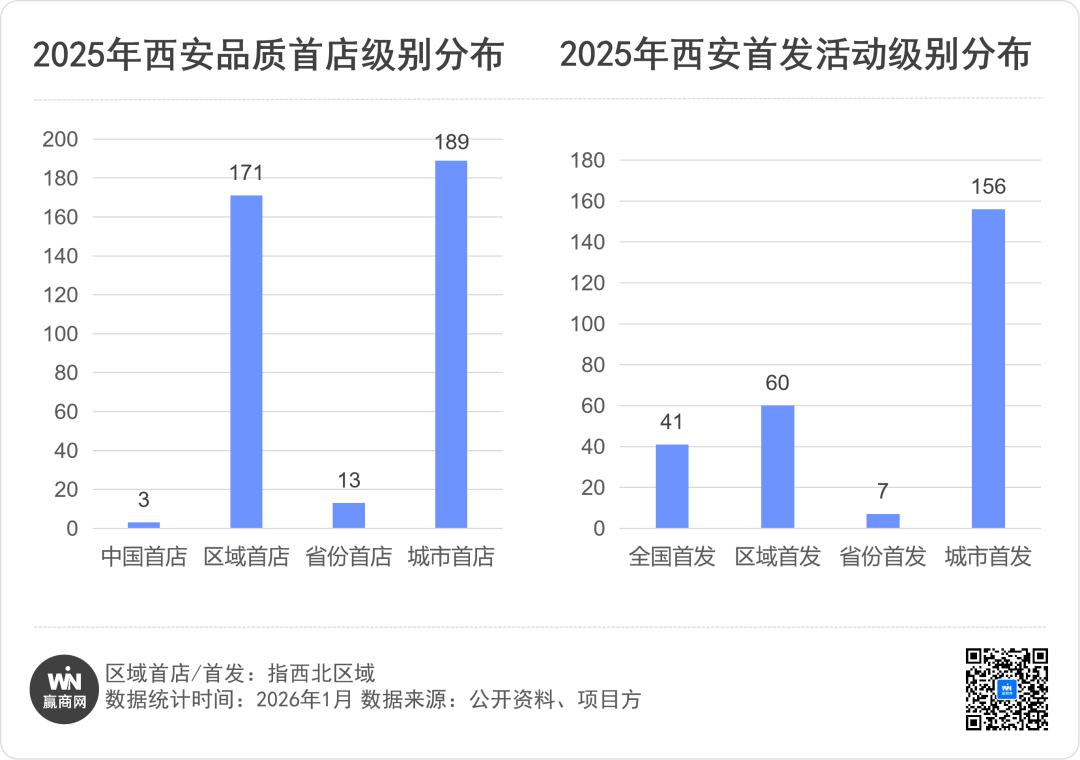
Core Insights - Xi'an has introduced a total of 376 new brand stores in 2025, including 3 national first stores, 171 regional first stores, 13 provincial first stores, and 189 city first stores, indicating a strong market presence and strategic positioning in the Northwest region of China [1][4] - The city has hosted 264 launch events, with 41 being national launches, showcasing a vibrant commercial atmosphere and a shift towards experience-driven retail [1][15] Group 1: Store Introduction and Brand Strategy - The proportion of regional first stores is 45.5%, while city first stores account for 50.3%, indicating a preference for Xi'an as a strategic base for brands in the Northwest market [4][6] - Notable national first stores include MINISO's WAKUKU theme store, which features over 6,000 products in an immersive shopping environment, reflecting the city's growing commercial influence [4][6] - The distribution of store grades shows that C-grade stores dominate at 52.9%, while S and A-grade stores combined account for only 9.9%, suggesting room for improvement in brand quality [6][7] Group 2: Regional Distribution and Market Dynamics - Yanta District leads with 138 first stores, representing 37% of the total, followed by Qujiang New District with 62 stores, highlighting a concentration of commercial activity in mature urban areas [8] - Emerging areas like Chanba Ecological District and Chang'an District are beginning to attract new stores, indicating a shift in commercial development from traditional centers to peripheral regions [8] Group 3: Commercial Projects and Performance - The Xi'an Seg International Shopping Center stands out with 59 first stores, showcasing a diverse range of categories and a strong market position [9][10] - Other significant projects like Xi'an Joy City and Xi'an MixC have also introduced over 20 first stores each, enhancing their competitive edge in the market [9] Group 4: Industry Trends and Consumer Preferences - The restaurant sector dominates with 54.79% of new stores, reflecting a growing trend towards experiential dining and lifestyle consumption [11][14] - Bakery and beverage categories are particularly popular, with 38 and 33 new stores respectively, indicating a shift towards a "light enjoyment economy" [11][13] - Innovative dining concepts, such as self-service hot pot and seafood buffets, are emerging, showcasing a trend towards unique and high-quality dining experiences [14] Group 5: Launch Events and Marketing Activities - A total of 264 launch events were held, with 59% being city-level events, indicating a robust local commercial activity [15][19] - Xi'an Joy City hosted the most events at 47, featuring high-profile activities that attract a younger demographic [15][17] - The structure of events shows a shift towards experiential and engaging formats, with exhibitions and performances becoming key drivers of consumer engagement [19]

宠物经济写入政府工作报告 成都消费升级再出实招
Sou Hu Cai Jing· 2026-01-28 14:17
Group 1 - The core focus of Chengdu's economic strategy for 2026 includes the development of morning economy, night economy, duty-free economy, first-release economy, and pet economy, with plans to host over 150 large concerts [1] - In 2025, Chengdu achieved the highest total retail sales of consumer goods among sub-provincial cities, implementing 26 policies to boost consumption and facilitating over 870,000 items in trade-in subsidies [3] - Chengdu aims to deepen consumption potential in 2026 by implementing special actions to boost consumption, promoting offline shopping, and launching over 850 new stores [3] Group 2 - The city plans to enhance the consumption environment by accelerating the construction of an international consumption environment pilot, ensuring a safe and satisfying experience for tourists [5] - Chengdu's economic development strategy emphasizes the integration of industrial innovation and technological innovation, providing a clear path for high-quality modernization [5]