IP运营

Search documents
狂飙的中国IP,掏空全球年轻人钱包丨36氪年度回眸
3 6 Ke· 2026-01-12 07:33
Core Insights - The article discusses the rise of Chinese IPs, particularly the LABUBU brand from Pop Mart, which has gained significant popularity and recognition globally, similar to the historical success of the ballet slipper nail polish brand by A.C. Wincarden in the U.S. [1][2] - The success of LABUBU is attributed to its affordable luxury appeal, which resonates with consumers who aspire to own products associated with celebrities like Lisa from Blackpink and Rihanna [2][20] - The article highlights a shift in consumer behavior, where Chinese companies are now creating and promoting their own IPs, moving away from being mere manufacturers for foreign brands [2][5] Product Development - Pop Mart's success is largely due to its strong design capabilities, which have attracted celebrity endorsements without paid promotions [6][7] - The design process at Pop Mart is meticulous, with strict quality control and a focus on aesthetic appeal, differentiating their products from cheaper alternatives [9][12] - The company emphasizes a high standard for its designers, ensuring that every detail is carefully crafted to maintain the brand's competitive edge [10][11] Market Trends - The article notes that the global toy market is increasingly influenced by Chinese IPs, with LABUBU and other brands gaining traction [5][20] - The rise of digital platforms and social media has facilitated the rapid spread of these brands, allowing them to reach a wider audience [20][27] - The marketing strategies employed by Pop Mart and other Chinese companies focus on creating a strong brand presence through social media engagement and community building [30][33] Localization and Globalization - Chinese companies are increasingly localizing their products and marketing strategies to resonate with international audiences, employing local teams for better market insights [42][43] - The article emphasizes the importance of cultural adaptation in the success of Chinese IPs, as seen in the adjustments made in game narratives to suit different cultural contexts [38][41] Consumer Behavior - The article discusses the concept of "loneliness society," where consumers seek products that provide companionship and social visibility, which LABUBU effectively fulfills [48][49] - The allure of owning a LABUBU is tied to its ability to serve as a status symbol, allowing consumers to express individuality in a homogenized society [49][50] - The marketing approach of creating a sense of scarcity and exclusivity around products enhances consumer desire and engagement [50][51]


想做低价版泡泡玛特?桑尼森迪:模式不稳、品控存疑
凤凰网财经· 2026-01-10 13:50
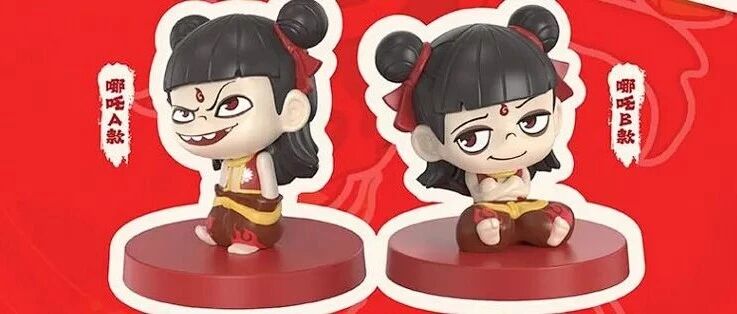
Core Viewpoint - The article discusses the recent IPO submission of Sunny Sandy Group Co., Ltd. in Hong Kong, highlighting its ambition to create a budget-friendly toy brand similar to Pop Mart, while facing significant challenges in sustainability and quality control [1][5]. Financial Performance - Sunny Sandy's revenue for 2023, 2024, and the first nine months of 2025 is projected to be RMB 107 million, RMB 245 million, and RMB 386 million respectively, with net profits of -RMB 19.92 million, -RMB 0.5 million, and RMB 51.96 million, indicating a turnaround to profitability in 2025 [1][2]. - The company’s "IP toys+" business, which combines toys with food and beverages, accounted for 72% of revenue in 2023, with a shift expected to a more balanced revenue stream by 2024 [4]. Investment and Valuation - Sunny Sandy received investments of approximately RMB 235 million from Hillhouse Capital and RMB 48.58 million from Aurora Management, leading to a post-investment valuation of RMB 4 billion, which is 80 times its valuation in 2019 [3]. Business Model and Challenges - The company started as a toy manufacturer linked to food products and is now transitioning to a brand-focused model, heavily relying on popular IPs like "Nezha: Birth of the Demon Child" and "Wang Wang Mountain Little Monsters," which contributed around RMB 200 million in revenue [2][4]. - Sustainability is a major concern, as the film industry is volatile, and the company acknowledges that IP licensing agreements typically last only one to two years without automatic renewals, posing a risk to business continuity [5]. Quality Control Issues - There have been multiple consumer complaints regarding product quality, including issues with damaged items and color inconsistencies, raising concerns about the company's ability to maintain quality while competing on price [7][9]. - The low-cost strategy may not be sustainable if the company cannot ensure basic quality standards, as consumer expectations remain high despite lower prices [9].
狂飙的中国IP,掏空全球年轻人钱包丨36氪年度回眸
36氪· 2026-01-06 13:36
Core Viewpoint - The article discusses how Chinese companies like Pop Mart and game developers are successfully creating and marketing IPs that resonate globally, moving away from traditional content-driven models to product and operational strategies that leverage design and consumer psychology [4][5][41]. Group 1: Product and Design - Pop Mart's LABUBU character has gained immense popularity, similar to the iconic "Ballet Slippers" nail polish, by being an affordable luxury item that consumers can aspire to own [6][10]. - The success of LABUBU is attributed to its design excellence, which differentiates it from cheaper alternatives, creating a perceived value that consumers are willing to pay for [16][17]. - The design process at Pop Mart is meticulous, with strict IP approval processes ensuring that every detail aligns with the brand's aesthetic, contributing to the uniqueness of their products [20][21][33]. Group 2: Marketing and Operations - Pop Mart's marketing strategy focuses on creating a celebrity-like persona for LABUBU, utilizing social media to engage consumers and build a community around the brand [49][50]. - The company has established a significant presence both online and offline, with plans to expand its store count internationally, aiming for a localized approach to enhance brand connection [64][65]. - The marketing efforts of Chinese game companies like miHoYo emphasize community building and long-term engagement, utilizing various platforms to maintain consumer interest and loyalty [56][61]. Group 3: Consumer Behavior and Trends - The article highlights a shift in consumer behavior towards "show-off" consumption, where owning unique items like LABUBU serves as a status symbol in a society increasingly characterized by loneliness [91][92]. - The concept of "lonely society" suggests that products that help consumers express individuality and connect with others will thrive, as people seek to differentiate themselves in a homogenized market [88][90]. - The emotional connection consumers have with products like LABUBU is crucial, as it fulfills a desire for recognition and belonging, particularly among younger demographics [97][98].
“老登”向左,“小登”向右:泡泡玛特的分歧时刻
Mei Ri Jing Ji Xin Wen· 2026-01-06 09:38
Core Viewpoint - The report by Bernstein predicts a significant decline in Bubble Mart's stock price due to potential sales drop and consumer interest decline in LABUBU, which they believe could lead to a vicious cycle affecting profitability and market performance [1]. Group 1: Market Analysis - Bernstein's conclusion about Bubble Mart's bubble is criticized as being overly simplistic and based on a misunderstanding of consumer behavior, as many buyers genuinely desire LABUBU products [2]. - The report misinterprets the importance of scarcity in Bubble Mart's business model, which relies more on market penetration than on artificial scarcity [3]. - The comparison to Beanie Babies is deemed inappropriate, as the consumer base and business models of Bubble Mart and Beanie Babies are fundamentally different [3]. Group 2: Business Model and Strategy - Bubble Mart's strategy focuses on direct-to-consumer (DTC) sales, which allows for better control over pricing and distribution, contrasting with traditional models that rely on multiple layers of distribution [13]. - The company has successfully cultivated multiple IPs, with LABUBU becoming a leading product in just five years, showcasing its efficiency in creating popular items [8]. - The product strategy is clearly divided into regular and limited edition items, catering to different consumer segments and enhancing brand loyalty [5]. Group 3: Consumer Behavior and Market Trends - A significant portion of Bubble Mart's consumers purchase products for emotional satisfaction and design rather than for investment purposes, indicating a healthier consumer base [5]. - The decline in search interest for LABUBU is interpreted as a sign of consumer transition from searching to purchasing, reflecting a solid user base with high repurchase rates [11]. - The operational adjustments made by Bubble Mart, such as optimizing store experiences, are aimed at enhancing customer satisfaction rather than indicating a decline in demand [11]. Group 4: Stock Performance and Market Perception - The recent stock price drop of 40% is attributed to broader market factors rather than a direct reflection of Bubble Mart's operational health [14]. - The market's tendency to apply traditional valuation metrics to a new business model like Bubble Mart's is seen as a misunderstanding of the company's unique value proposition [12][15]. - Historical parallels are drawn between Bubble Mart and Tesla, suggesting that misjudgments by analysts could lead to significant market opportunities for the company [16].
Suplay递表港交所 联席保荐人为中金公司和摩根大通
Zheng Quan Shi Bao Wang· 2026-01-05 00:06
Core Viewpoint - Suplay has submitted a listing application to the Hong Kong Stock Exchange, with CICC and JPMorgan as joint sponsors, positioning itself as a leading player in the global IP collectibles and consumer products market [1] Group 1: Company Overview - Suplay integrates globally recognized IP into its products and aims to introduce Chinese culture through carefully selected offerings [1] - The flagship brand "Kaka Wo" holds a pioneering and leadership position in China's collectible card market, being the first domestic brand to receive comprehensive certification from top global rating agencies such as PSA, CGC, BGS, and SGC [1] Group 2: Product Lines - The company operates two independent product lines: collectibles, which are high-end and limited edition based on IP, and consumer products, which include trendy toys, IP derivatives, and retail cards [1] Group 3: Market Position - Suplay ranks first in China's collectible non-battle card market, holding a market share of 3.2%, which exceeds the combined market share of the second and third-ranked competitors [1] - In the global non-battle collectible card market, Suplay is the only Chinese brand to be among the top five [1] Group 4: IP Collaborations - The company has its own IPs (such as Rabbit KIKI, OHO Uncle, and Water Wave Egg) and has secured partnerships with 22 IP licensors, including exclusive agreements with Kong Shan Ji and the Chinese National Snow Sports Team, as of September 30, 2025 [1]

81.5亿,史努比被卖了
投中网· 2026-01-04 06:35
Core Viewpoint - The article discusses the investment by Sony in Peanuts Holdings LLC, the parent company of the iconic character Snoopy, highlighting its historical significance and commercial success over the decades [4][20]. Investment Overview - Sony announced an investment of $475 million (approximately 3.35 billion RMB) in Peanuts Holdings LLC, increasing its stake to 80% [4]. - The valuation of Peanuts Holdings is currently at $1.16 billion (approximately 8.15 billion RMB) [4]. Historical Context - Snoopy, created by Charles Schulz in 1950, has been a cultural icon for over 70 years, influencing various generations [3][6]. - The character has faced criticism for being perceived as shallow and not engaging with contemporary societal issues, yet it has maintained strong commercial performance [6][9]. Financial Performance - In 1953, Schulz earned $30,000 annually from Snoopy, equivalent to about $270,000 today (approximately 1.9 million RMB) [8]. - By 2000, Peanuts generated annual sales of around $1.1 billion [10]. IP Development and Challenges - The Peanuts IP faced challenges in the 2010s, leading to a sale of its rights to Iconix and later to DHX Media, which struggled with profitability [14][17]. - The transition to Sony marks a new phase in IP management, with expectations for revitalization through Sony's extensive media capabilities [20]. Future Prospects - Sony's investment is expected to enhance the Peanuts brand value, potentially leading to new animated content and crossovers with other IPs [20].


泡泡玛特LABUBU二手价跌破官方价,现货供应充足
Cai Jing Wang· 2026-01-04 03:40
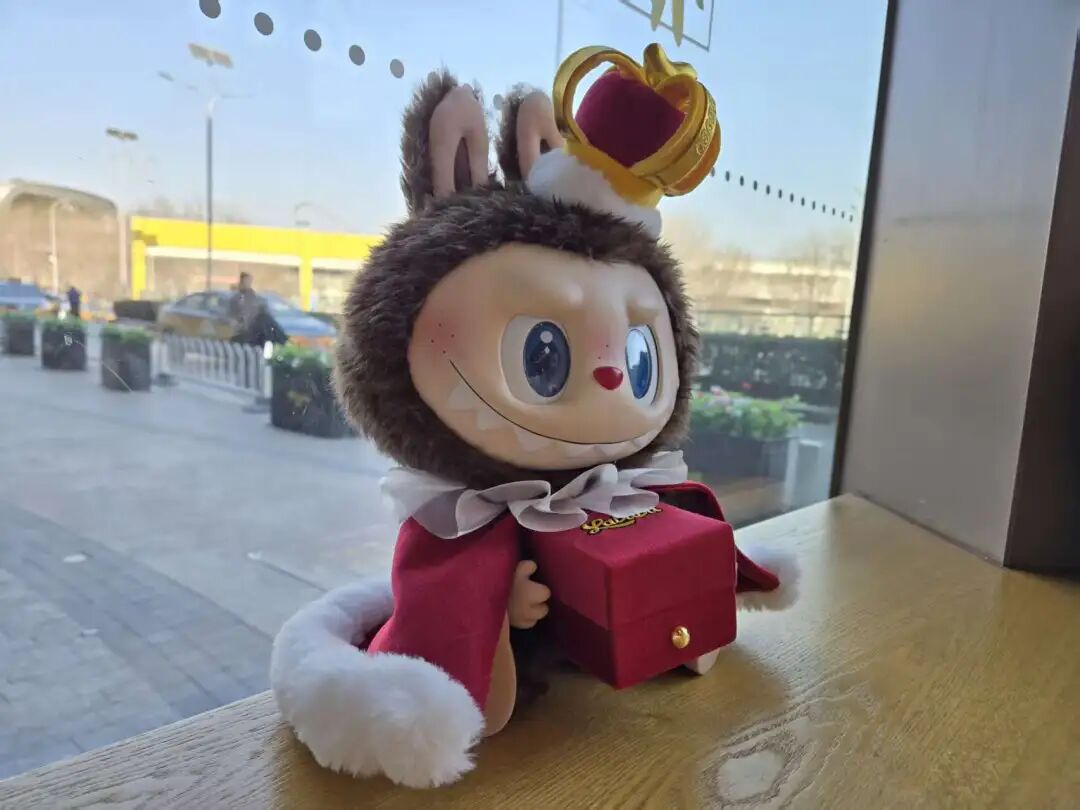
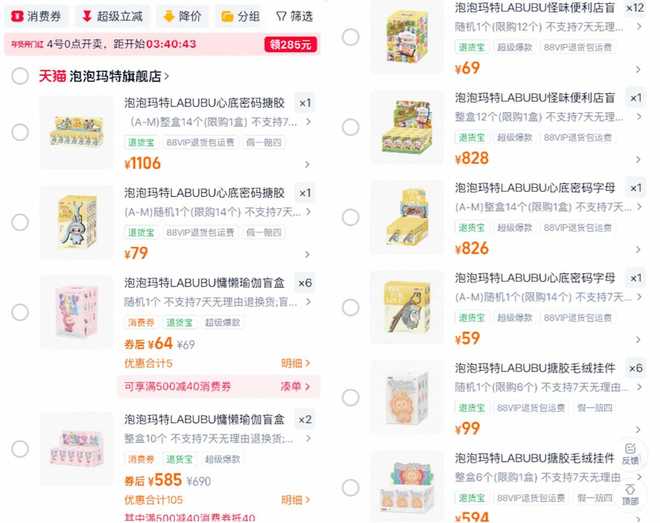
Core Viewpoint - LABUBU has transitioned from a "financial product" to an ordinary consumer good, with significant changes in availability and pricing in the secondary market [1][2]. Group 1: Product Availability and Pricing - As of January 3, LABUBU products are readily available for purchase on platforms like Tmall, with a guarantee of shipping within 48 hours, contrasting with previous scarcity [1]. - The resale price of LABUBU's 3.0 series has dropped significantly, nearing the original retail price, with some non-popular items selling for even less [2]. - The LABUBU 4.0 series has not experienced the same level of scarcity, with reports indicating that consumers can easily find stock in stores [2]. Group 2: Market Performance and Company Strategy - Despite a significant increase in stock price over two years, Bubble Mart's stock has seen a decline of approximately 40% since reaching a peak of 339.8 HKD per share, resulting in a market cap loss of over 200 billion HKD [2]. - Industry expert Zhang Shule believes that reducing LABUBU's secondary market prices is essential for Bubble Mart to establish itself as a genuine global IP operation, emphasizing the difference between short-term profit and long-term sustainability [3]. - The rising popularity of the Starry People IP under Bubble Mart suggests a potential shift in revenue sources, although it is uncertain if it can replicate LABUBU's previous success [3].
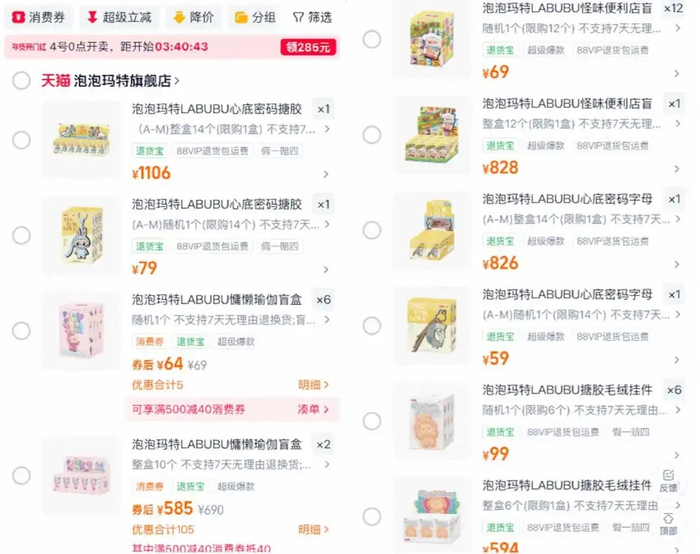
不再缺货、部分二手价低于官方价,LABUBU放量任买且48小时发货
Di Yi Cai Jing Zi Xun· 2026-01-03 14:25
Core Viewpoint - LABUBU has transitioned from a financial product to an ordinary consumer good, with products now readily available for purchase, contrasting with previous scarcity [1] Group 1: Product Availability and Pricing - LABUBU products, including various series, are now in stock and can be shipped within 48 hours, a significant change from previous pre-sale conditions where products were hard to obtain [1] - The resale prices of LABUBU's 3.0 series have dropped significantly, nearing the original retail price, with some non-popular items selling for less than the original price [3] - The LABUBU 4.0 series has also seen a lack of scarcity, with consumers able to purchase items directly from stores without difficulty [3] Group 2: Market Performance and Company Strategy - Despite a significant increase in stock price over two years, Bubble Mart's stock has seen a decline of approximately 40% since reaching a peak of 339.8 HKD per share, resulting in a market cap loss of over 200 billion HKD [3] - Industry expert Zhang Shule believes that reducing LABUBU's inflated prices is essential for Bubble Mart to establish itself as a genuine global IP operation, emphasizing the difference between short-term profit and long-term sustainability [4] Group 3: Future Prospects - The popularity of the Starry People IP is rising, with products frequently sold out, raising questions about whether it can become the next revenue driver for Bubble Mart [6] - Zhang Shule suggests that while LABUBU's success was somewhat accidental, the Starry People IP does not currently have the same potential for explosive growth due to various external factors [6]
Suplay Inc.(H0274) - 申请版本(第一次呈交)
2025-12-31 16:00
香港聯合交易所有限公司與證券及期貨事務監察委員會對本申請版本的內容概不負責,對其準確性或完整 性亦不發表任何意見,並明確表示概不就因本申請版本全部或任何部分內容而產生或因倚賴該等內容而引 致的任何損失承擔任何責任。 Suplay Inc. (「本公司」) (於開曼群島註冊成立的有限公司) 的申請版本 警告 本申請版本乃根據香港聯合交易所有限公司(「聯交所」)與證券及期貨事務監察委員會(「證監 會」)的要求而刊發,僅用作提供資訊予香港公眾人士。 本申請版本為草擬本,其所載資料並不完整,亦可能會作出重大變動。閣下閱覽本文件,即代 表閣下知悉、接納並向本公司、其保薦人、整體協調人、顧問或包銷團成員表示同意: 本公司招股章程根據香港法例第32章《公司(清盤及雜項條文)條例》呈交香港公司註冊處處長 登記前,本公司不會向香港公眾人士提出要約或邀請。倘於適當時候向香港公眾人士提出要約 或邀請,準投資者務請僅依據呈交香港公司註冊處處長登記的本公司招股章程作出投資決定; 有關文本將於發售期內向公眾刊發。 (a) 本文件僅為向香港公眾人士提供有關本公司的資料,概無任何其他目的;投資者不應根 據本文件中的資料作出任何投資決定; ( ...
泡泡玛特股价暴跌背后:LABUBU二手价跳水 门店仍缺货
Nan Fang Du Shi Bao· 2025-12-30 15:44
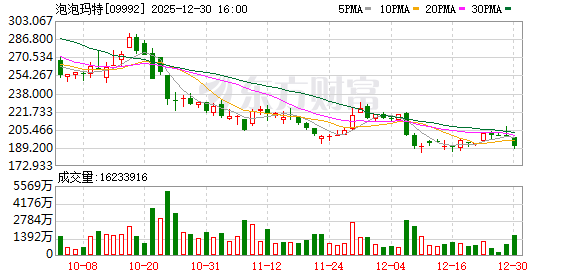
Core Viewpoint - The market sentiment towards Pop Mart is increasingly bearish, with a significant rise in short-selling activity and a notable decline in the resale prices of its core IP product, LABUBU [2][3][4]. Group 1: Market Sentiment and Short Selling - From December 2 to December 8, the number of shares sold short increased from 1.11 million to 5.39 million, and the short-selling amount rose from 241 million HKD to 1.09 billion HKD [2]. - On December 30, the short-selling amount for Pop Mart reached 458 million HKD, with 2.39 million shares sold short [2]. Group 2: LABUBU Product Performance - LABUBU, a core character of Pop Mart's THE MONSTERS family, generated revenue of 3.04 billion CNY in 2024, marking a year-on-year growth of 726.6% [3]. - The average transaction price for LABUBU products on second-hand platforms has decreased, with some styles selling below the official price [5]. - Recent data shows that the average transaction price for LABUBU on Xianyu platform was 83.5 CNY, with 68% of users expecting further price declines [5]. Group 3: Stock Performance and Market Capitalization - On December 30, Pop Mart's stock closed at 190.8 HKD per share, down 4.55%, with a total market capitalization of 256.23 billion HKD [4]. - Since reaching a peak in August, Pop Mart's stock has declined over 40%, resulting in a market value loss exceeding 200 billion HKD [4]. Group 4: Industry Analysis and Future Outlook - Analysts indicate that the decline in secondary market prices undermines the speculative value of collectible toys, leading to a shift from buying to selling among consumers and resellers [8]. - Deutsche Bank's report suggests that Pop Mart is gambling on short-term revenue growth at the expense of long-term brand value by increasing production capacity from 10 million units per month to 50 million units [8]. - The company is advised to diversify its IP strategy and create a content system rather than relying solely on LABUBU [10].