
粮食安全

Search documents
农发行江西南城县支行全链条全周期护航粮食安全
Zheng Quan Ri Bao· 2025-07-15 07:08
Core Viewpoint - The Agricultural Development Bank's Nancheng Branch in Jiangxi has innovatively deepened its financial services in the grain industry chain, effectively supporting grain production, storage, and circulation through a three-dimensional linkage model of "storage rotation + processing circulation + farmland quality improvement" [1][2]. Group 1: Financial Support and Investment - The Nancheng Branch has cumulatively provided over 150 million yuan in loans to the grain sector over the past three years, establishing a comprehensive financial service ecosystem covering the entire grain supply chain from production to sales [1]. - During the summer grain purchasing period, the branch prepared special credit funds in advance to support early indica rice rotation tasks and issued a 3 million yuan credit loan to a provincial leading enterprise, effectively addressing financing and collateral challenges [1]. - In the area of reserve management, the branch has invested 7.2 million yuan in credit funds to support the construction of local reserve grain depots, ensuring the safety of county-level grain reserves through a regulatory system linked to loans [1]. Group 2: Innovation in Agricultural Financing - To meet the upgrading needs of the grain industry, the branch has introduced an integrated model of "land remediation + industrial revitalization," investing 95.7982 million yuan to support the transformation of over 20,000 acres of low-yield farmland [2]. - The branch has provided 40 million yuan in working capital loans to processing enterprises, aiding the extension of the rice deep processing industry chain and enhancing the brand value of "Nancheng Rice" [2]. - A closed-loop management system of "purchase-loan-sales repayment" has been established, utilizing an intelligent grain storage system for dynamic monitoring of grain inventories, ensuring smooth circulation of policy-related grains [2]. Group 3: Comprehensive Service System - The Nancheng Branch has constructed a full-cycle service system that enhances farmland productivity, secures storage funding, upgrades processing capabilities, and ensures smooth sales channels, thereby contributing to rural revitalization [2].
农业保险为粮食安全护航 中国人寿财险山西省分公司筑牢民生保障防线
Sou Hu Cai Jing· 2025-07-14 01:20
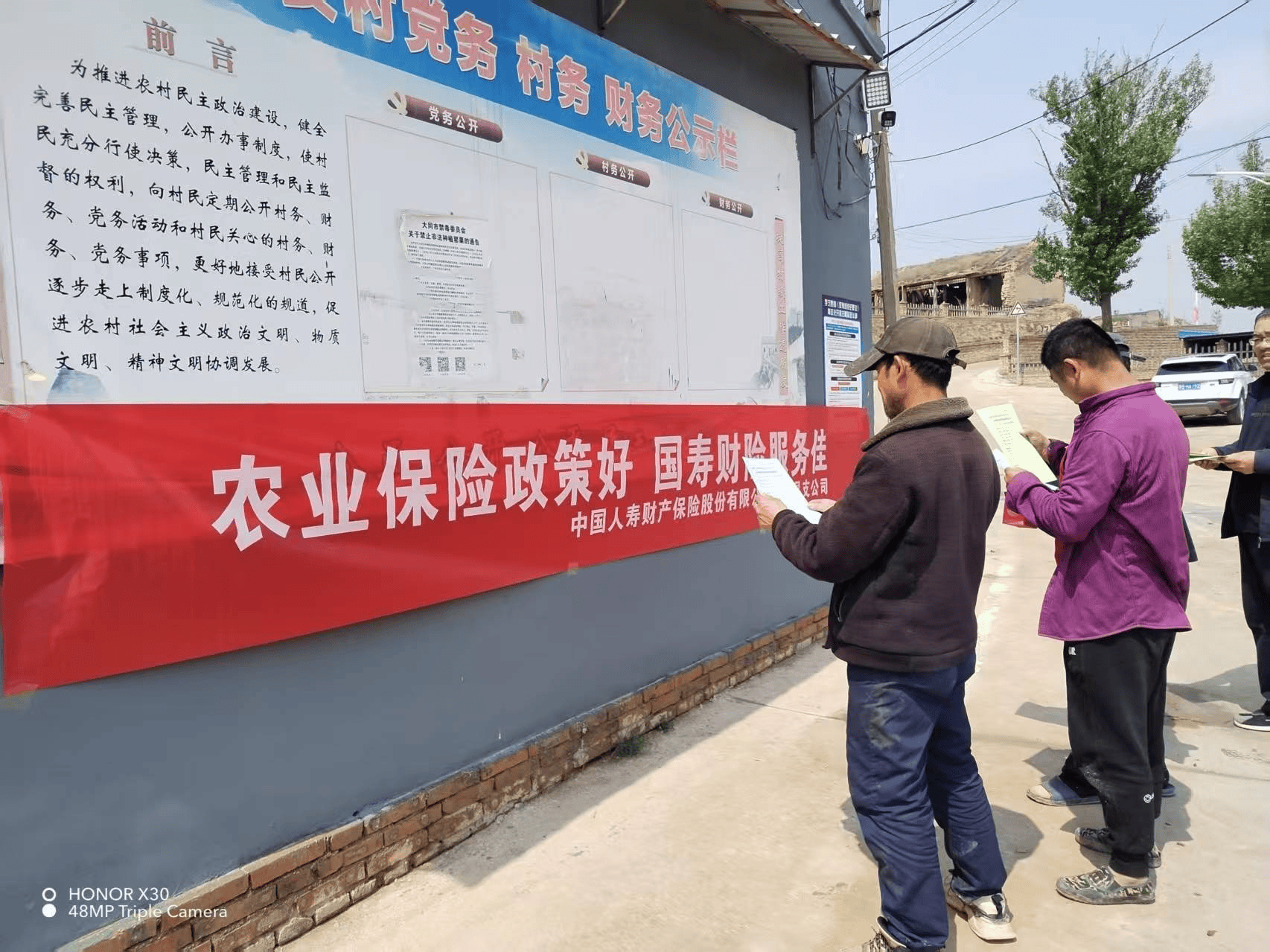
"民为国基 谷为民命。"粮食安全是国家安全的重要基石,关乎国计民生与社会稳定。中国人寿财险山西省分公司作为金融央企,立足主责主业,将农业保 险作为乡村振兴"五个一"行动的关键一环,通过构建完善的风险转移、分散与损失补偿机制,为全省农业生产提供坚实保障,为粮食安全筑牢"防护网"。 丰富产品体系,织密全链条风险保障网。为满足农业产业多样化风险保障需求,中国人寿财险山西省分公司以服务农业供给侧改革为抓手,不断扩容产 品"工具箱",目前已形成涵盖种、养、林等领域的279款农险产品,实现了从主粮到蔬菜、从肉蛋奶到水果的全品类覆盖,让百姓餐桌上的主要种养作物都 能"有保可依"。 宣传的深入不仅在于普及政策与农险产品知识,更在于精准对接农户需求,匹配落地保险方案。该公司进一步将服务下沉,为大同天和牧业、雨泽农业科技 等新型主体上门量身定制种植养殖保险方案;针对山西四通祥农业科技公司的特色产业,专场推介富硒谷子收入保险。中国人寿财险山西省分公司通过"一 户一策"精准保障,推动宣传赋能见行见效,确保国家农业保险政策红利精准触达每一位农户和农业企业。 浑源县支公司在西留乡上祝安村进行农业保险宣传(中国人寿财险山西省分公司供图) ...


中美交涉失败,特朗普对华掀桌子,91票比7票,不许中企收购农田
Sou Hu Cai Jing· 2025-07-13 23:44
Group 1 - The recent conflict between the U.S. and China over a small portion of farmland has escalated tensions in U.S.-China relations, with the U.S. taking drastic measures such as contract termination and forced confiscation [1][4][15] - Chinese investments in U.S. agricultural land account for less than 0.03%, indicating that the perceived threat is minimal compared to investments from U.S. allies like Canada and the Netherlands, which far exceed Chinese investments [3][4][19] - The U.S. government's justification for these actions is framed around "national security" and "food security," but the data suggests that this narrative is not substantiated [4][6][11] Group 2 - The U.S. appears to be reacting out of a sense of insecurity as China has rapidly advanced in various sectors, including high-tech industries, leading to a shift in the power dynamic [8][11][23] - The U.S. is shifting its focus to agriculture as a new battleground, reflecting a lack of effective strategies in previous trade and technology conflicts [11][15][23] - China's response has been measured, emphasizing the importance of normal economic and trade relations and adjusting its asset allocation to reduce reliance on U.S. debt while increasing gold holdings [15][19] Group 3 - China holds a significant advantage in rare earth resources, which are critical for high-tech and military applications, giving it leverage in the ongoing tensions [17][19] - The U.S. faces a paradox where it seeks to impose restrictions on China while simultaneously recognizing its own vulnerabilities in rare earth supply, leading to a sense of urgency to negotiate [19][21] - If the U.S. proceeds with contract violations and confiscation of Chinese investments, it risks undermining its own reputation for rule of law and property rights, which could have far-reaching consequences for global investment [21][23]

农林牧渔2025年第28周周报:6月第三方能繁环比增速放缓,重视生猪板块预期差-20250713
Tianfeng Securities· 2025-07-13 11:12
Investment Rating - Industry Rating: Outperform the market (maintained rating) [12] Core Views - The report emphasizes the importance of the pig sector, noting a slowdown in the growth rate of breeding sows in June, and highlights the expectation gap in the pig market [1][2] - The pet sector is witnessing a rise in domestic brands and a positive trend in pet food exports, indicating a robust growth potential [3][4] - The poultry sector is focusing on the breeding gap for white chickens and the marginal improvement in demand for yellow chickens, with investment recommendations based on supply and demand dynamics [5][6][7] - The planting sector is prioritizing food security and the strategic importance of biological breeding, with recommendations for key seed and agricultural companies [9][10] - The feed sector is recommended for companies with increasing market share and consistent performance, while the animal health sector is advised to focus on new demands and innovative products [24][25] Summary by Sections Pig Sector - As of July 12, the average price of pigs in China is 14.91 CNY/kg, down 2.42% from the previous week, with self-breeding profits around 177 CNY per head [1][16] - The report highlights the low valuation and expectation gap in the pig sector, recommending leading companies such as Muyuan Foods and Wens Foodstuffs [2][16] Pet Sector - In June 2025, pet sales on Douyin reached 964 million CNY, a year-on-year increase of 73.97%, indicating strong growth for domestic brands [3][17] - Pet food exports from China increased by 10.89% year-on-year in the first five months of 2025, reaching 41.75 billion CNY [4][17] Poultry Sector - The report notes a 33.46% year-on-year decline in the breeding stock of grandparent chickens due to import restrictions, with a total of 529,300 sets updated in the first half of 2025 [5][19] - Investment recommendations include focusing on companies like Shengnong Development and Yisheng Livestock [6][20] Planting Sector - The report stresses the need for high yield production to ensure food security, with a focus on integrating advanced agricultural technologies [9][23] - Key recommendations include leading seed companies such as Longping High-Tech and Dabeinong [10][23] Feed and Animal Health Sectors - The feed sector is highlighted for companies like Haida Group, which is expected to benefit from market share growth and performance consistency [24][26] - The animal health sector is advised to focus on new product development and market expansion, particularly in the pet health segment [25][26]





焦点访谈|一喷三防、水肥一体化 科技赋能实现全国夏粮稳产丰收
Yang Shi Wang· 2025-07-12 15:33
Core Viewpoint - The article highlights the resilience of China's summer grain production in 2025, achieving a total output of 299.48 billion jin despite adverse weather conditions such as drought and high temperatures, marking the second-highest production year in history following the previous year [1] Group 1: Grain Production and Weather Impact - The summer grain planting area remains stable, with yields holding steady, resulting in a total summer grain output of 299.48 billion jin [1] - Adverse weather conditions, including drought and high temperatures, have impacted grain production in certain regions [1][5] - In Shanxi Province, farmers faced unprecedented drought conditions, with over six months without effective rainfall, particularly affecting the critical grain-filling period [5][22] Group 2: Agricultural Technology and Practices - Farmers in Shanxi utilized irrigation and government-supported measures like "one spray, three defenses" to mitigate drought effects, resulting in increased yields compared to the previous year [3][9] - The "one spray, three defenses" approach has evolved to include nutrient sprays that enhance crop resilience against drought [9][10] - The integration of water and fertilizer through drip irrigation technology has significantly improved yields, with some areas achieving over 1,000 jin per mu despite severe drought conditions [24][26] Group 3: Insurance and Risk Management - Local agricultural authorities are shifting from post-disaster compensation to proactive risk management, utilizing insurance funds for preventive measures like "one spray, three defenses" [14][19] - Insurance companies are adapting their strategies to support farmers in reducing losses before they occur, enhancing overall cost control [19] - The collaboration between agricultural experts and insurance companies has helped alleviate concerns regarding the effectiveness of new agricultural practices [17][19] Group 4: National Agricultural Strategy - The article emphasizes the importance of applying advanced agricultural technologies nationwide to mitigate the impact of adverse weather on grain production [21][28] - By 2024, the area of integrated water and fertilizer technology is expected to exceed 170 million mu, showcasing a significant national effort to enhance agricultural productivity [28] - The collective efforts of local governments, farmers, and technological advancements are crucial for ensuring food security in the face of climate challenges [28]
粮食安全稳了,消费活力炸了,产业升级成了——今天的数据太提气
Sou Hu Cai Jing· 2025-07-12 11:21
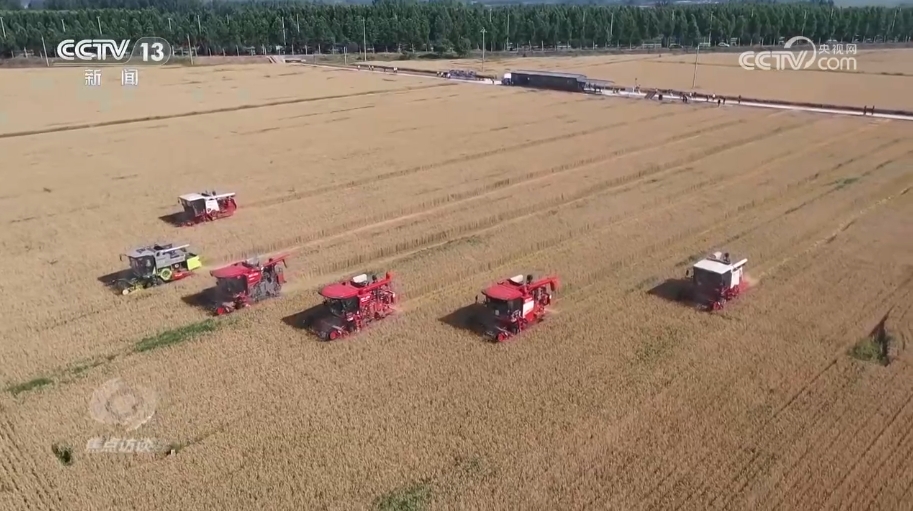
Group 1: Automotive Industry - In the first half of the year, China's automobile exports reached 3.8 million units, surpassing Germany and Japan to become the global leader [2] - New energy vehicles accounted for 60% of total automobile exports, with brands like BYD, NIO, and Li Auto gaining significant popularity in Europe [2][3] - The complete domestic supply chain for new energy vehicles has been established, with CATL holding a 37% global market share in battery products [3] Group 2: Express Delivery Industry - In the first half of the year, the national express delivery volume exceeded 50 billion packages, averaging 35 packages per person [4] - The growth in express delivery reflects the robust vitality of China's consumer market and the shrinking urban-rural gap [5] - The logistics network has expanded significantly, with over 2,000 distribution centers and 500,000 express delivery points nationwide [4][5] Group 3: Agricultural Sector - The total summer grain production reached 2,923 billion jin, maintaining over 2,800 billion jin for 13 consecutive years [6] - Agricultural technology advancements contributed over 63% to production increases, with full mechanization of grain production reaching new heights [8] - The stable grain production in China provides significant support for global food security, with the minimum purchase price for wheat increasing by 20% over the past decade [19]

稻浪翻滚迎丰收!惠城区水稻示范片亩产538公斤
Nan Fang Nong Cun Bao· 2025-07-12 09:34
Core Viewpoint - The rice planting demonstration area in Huicheng District achieved a yield of 538 kg per mu, indicating a stable increase in production and significant demonstration effects [7][12]. Group 1: Agricultural Practices and Techniques - The rice planting demonstration utilized unified pest control and the "three controls" fertilization technique, resulting in good outcomes [6][7]. - The area under demonstration covers approximately 2,000 mu, primarily planting varieties such as Nanjing Xiang and Huahang Xiangyin [10][11]. Group 2: Production Statistics - Preliminary statistics indicate that Huicheng District's spring grain planting area for 2025 is 89,083 mu, an increase of 150 mu compared to 2024, with early rice planting covering 70,033 mu [12][13]. - The local agricultural department's promotion of good varieties and methods has led to increased acceptance among rice growers [16]. Group 3: Economic Impact - The adoption of high-yield rice varieties has improved farmers' income, enhancing their enthusiasm for rice cultivation [17]. - The rice harvesting in Huicheng District is expected to conclude between late July and early August [19].

【新思想引领新征程】今年我国夏粮总产量达2994.8亿斤 夯实大国粮仓根基
Yang Guang Wang· 2025-07-11 08:23
Group 1 - The core viewpoint emphasizes the importance of maintaining the red line for arable land and advancing high-standard farmland construction to ensure stable production and supply of food and important agricultural products [1] - The National Bureau of Statistics reported that summer grain production in 2025 is expected to remain stable, with a total yield of 299.48 billion jin, maintaining overall stability [1][2] - In Anhui's Lixin County, a provincial grain reserve covering 262 acres successfully completed the summer grain collection, benefiting over a thousand farmers through a policy that offers prices above market rates [1] Group 2 - The summer grain planting area in 2025 is projected to be 39.9 million acres, with 20 out of 25 provinces increasing their planting areas, particularly in Anhui, Hebei, Shanxi, and Sichuan [2] - The implementation of food security responsibilities and strict land protection measures are directly linked to the stability of summer grain production [2] - In Henan Province, measures such as repairing wells and managing irrigation systems have been taken to mitigate drought impacts on grain production, showcasing the importance of local adaptation strategies [2][3] Group 3 - The use of advanced irrigation techniques, such as drip irrigation, has led to a 5% to 8% increase in wheat grain weight and a 30% improvement in water utilization efficiency [3] - High-standard farmland construction has played a significant role in drought resistance and disaster reduction, with Henan having built 88.08 million acres of such farmland, accounting for 78% of its total farmland [3] - The overall summer grain yield per acre in 2025 is expected to be 375.6 kg, showing a slight increase from the previous year, which supports the stability of annual grain production [3]
总产量近3000亿斤 今年我国夏粮实现稳产丰收
Zhong Guo Zheng Quan Bao· 2025-07-10 20:48
Core Insights - The national summer grain production in 2025 is projected to be stable, with a total output of 149.738 million tons (299.48 billion jin), including wheat production of 138.16 million tons (276.32 billion jin) [1] - The summer grain planting area is expected to remain stable at 399 million mu, a slight decrease of 520,000 mu or 0.1% from the previous year [1][2] - The stability in summer grain production is attributed to strict implementation of food security responsibilities, effective policy support, and favorable climatic conditions during the planting period [2] Group 1 - The summer grain planting area has remained stable due to the enforcement of food security responsibilities and high-quality farmland construction [2] - The government has enhanced the grain production support policy system, including raising the minimum purchase price for wheat and expanding insurance coverage for farmers [2] - Favorable weather conditions during the previous autumn and winter contributed to timely sowing of winter wheat in major production areas [2] Group 2 - The summer grain yield per mu is projected to be 375.6 kg, a slight increase of 0.1 kg from the previous year, indicating stability despite drought conditions [3] - Measures taken to combat drought and other adverse conditions have helped maintain the yield, alongside a reduction in low-yield crop areas and an increase in high-yield crop areas [3] - The integration of advanced agricultural practices and technologies has been emphasized to enhance yield levels [3]
联合国粮农组织:青年是链接农业、气候、经济与未来的关键变量
2 1 Shi Ji Jing Ji Bao Dao· 2025-07-10 13:06
Core Insights - The agricultural food system is undergoing a significant transformation due to challenges such as climate change, population growth, and an aging workforce, with youth playing a crucial role in this transition [1][2] Group 1: Youth in Agriculture - Approximately 85% of the global youth population aged 15 to 24 live in low-income and lower-middle-income countries, where agriculture is the primary source of livelihood [1] - About 44% of youth labor is engaged in agriculture, compared to 38% of the adult population, with regional disparities evident [1] - The youth food insecurity rate increased from 16.7% (2014-2016) to 24.4% (2021-2023), particularly severe in Africa [1] Group 2: Economic Potential and Challenges - Over 20% of youth globally are not engaged in education, employment, or training (NEET), with two-thirds being women; integrating this group into economic activities could boost global GDP by 1.4%, equating to $1.5 trillion, with agriculture contributing 45% of this growth [2] - Nearly 400 million rural youth are in areas where agricultural output potential will decline due to climate impacts, with Sub-Saharan Africa being particularly vulnerable [2] Group 3: Strategic Directions - The report outlines three strategic directions: enhancing data collection and analysis on youth participation in agriculture, increasing youth visibility in policy-making, and boosting investment in youth agricultural participation [3] - Specific action recommendations include improving the attractiveness of agricultural careers, investing in rural infrastructure, and supporting youth in digital agriculture [3] - Failure to attract youth to modern agriculture could lead to labor shortages and imbalances in food supply and demand in the future [3]