
物理AI

Search documents
晚报 | 9月25日主题前瞻
Xuan Gu Bao· 2025-09-24 14:41
AI Hardware - The Ministry of Commerce and seven other departments issued guidelines to promote digital consumption, encouraging companies to accelerate the development of AI terminal products and explore new consumption potential in AI smartphones, computers, and other devices [1] - Dongfang Securities predicts that more large model manufacturers and internet companies will enter the hardware market, creating a direct path from models to terminals to users, which will drive innovation in smart hardware [1] AI Infrastructure - Alibaba's CEO announced a significant investment of 380 billion yuan in AI infrastructure, with plans for further investment, anticipating a tenfold increase in energy consumption at Alibaba Cloud's global data centers by 2032 [2] - North American cloud providers are expected to invest over $350 billion in AI infrastructure this year, with projections exceeding $400 billion by 2026 [2] Cement Industry - The Ministry of Industry and Information Technology and other departments issued a plan to stabilize growth in the building materials industry, prohibiting new cement clinker and flat glass production capacity [3] - Galaxy Securities believes that the "anti-involution" sentiment will accelerate supply optimization in the cement industry, leading to price increases and improved profitability for regional leading enterprises [3] Nuclear Fusion - China Fusion Energy Company showcased its technology and business layout at an industrial expo, aiming for commercial nuclear fusion energy by 2050 [4] - Controlled nuclear fusion is seen as a key to achieving "energy freedom," providing a clean and virtually limitless energy source [4] Physical AI - Alibaba Cloud and NVIDIA announced a collaboration in the Physical AI field, integrating NVIDIA's software stack into Alibaba's AI platform to enhance the development cycle of applications like embodied intelligence and autonomous driving [5] Macro and Industry News - The Ministry of Commerce and other departments issued policies to promote digital consumption and support the development of international data centers and cloud computing centers in specific regions [6] - The China Academy of Information and Communications Technology projected that the number of new Beidou-supported terminals and devices will exceed 400 million by the end of 2028 [7]


阿里大消息:联手英伟达!
Shen Zhen Shang Bao· 2025-09-24 10:24
Group 1 - Alibaba Cloud and NVIDIA have reached a collaboration in the field of Physical AI, integrating NVIDIA's Physical AI software stack into Alibaba Cloud's AI platform PAI [1] - The collaboration aims to provide enterprise users with a full-link platform service that includes data preprocessing, simulation data generation, model training evaluation, robotic reinforcement learning, and simulation testing, thereby shortening the development cycle for applications like embodied intelligence and assisted driving [1] - The integration will utilize a complete set of Physical AI software, including NVIDIA Isaac Sim, NVIDIA Isaac Lab, NVIDIA Cosmos, and Physical AI datasets, combined with Alibaba Cloud's big data AI platform capabilities [1] Group 2 - Physical AI refers to intelligent systems that understand physical laws and interact with the real world, typically encapsulated in robots and autonomous vehicles [2] - The concept of Physical AI was proposed in 2020 by researchers from the Swiss Federal Laboratories for Materials Science and Technology and Imperial College London, emphasizing the collaborative evolution of body, control, and perception [2] - NVIDIA's CEO Jensen Huang has identified Physical AI as a core direction for AI development, predicting that it will soon surpass human capabilities in problem-solving by integrating AI capabilities into the human physical world [2]
索辰科技(688507):营收持续提升,产品线丰富、布局拓展加快推进
ZHONGTAI SECURITIES· 2025-09-24 05:41
Investment Rating - The investment rating for the company is "Buy" (maintained) [4] Core Views - The company has shown continuous revenue growth, primarily driven by its engineering simulation software, with a projected revenue increase from 320 million yuan in 2023 to 915 million yuan by 2027, reflecting a compound annual growth rate (CAGR) of approximately 39% [4][6] - The company is actively expanding its product line and enhancing its capabilities in the field of physical AI, marking a significant transition from traditional simulation tools to intelligent decision-making engineering platforms [6][4] - The company is pursuing strategic acquisitions to deepen its market presence and leverage synergies, with a notable acquisition plan for Likong Technology [6][4] Summary by Relevant Sections Financial Performance - In the first half of 2025, the company achieved a revenue of 57.35 million yuan, a year-on-year increase of 10.82%, with losses narrowing compared to the previous year [6] - The projected revenues for 2025, 2026, and 2027 are 552 million yuan, 767 million yuan, and 915 million yuan respectively, with corresponding net profits of 75 million yuan, 126 million yuan, and 155 million yuan [4][6] Product Development - The company has been focusing on product research and development, successfully launching new versions of core products and enhancing their stability and performance [6] - The integration of AI with traditional simulation technologies is a key focus, with the company launching a physical AI design platform in the first half of 2025 [6] Strategic Initiatives - The company is engaging in strategic partnerships and acquisitions to enhance its market position, including a significant acquisition of Likong Technology and collaborations with local government entities to advance low-altitude economy technologies [6][4]

广和通:公司机器人产品主要包括割草机器人、移动机器人解决方案及具身智能机器人开发平台Fibot
Mei Ri Jing Ji Xin Wen· 2025-09-23 08:39
Group 1 - The core products of the company include AI modules and edge AI solutions, as well as robotic products such as lawn mowing robots, mobile robot solutions, and the embodied intelligence robot development platform Fibot [1] - The company is exploring the integration of physical AI, which combines artificial intelligence with physics to enhance the understanding of the physical world, thereby driving advancements in robotics, autonomous driving, and high-end manufacturing [3] Group 2 - Investors have inquired about the company's offerings related to physical AI and whether it provides hardware components for robots or humanoid robots [3]


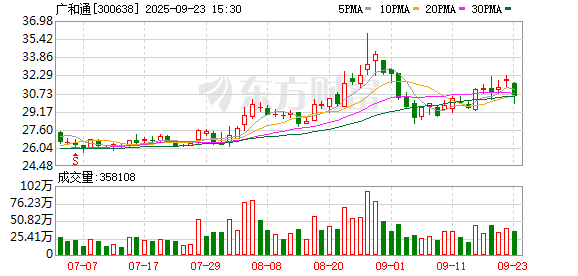
理想智驾二级部门数量从3个调整为11个是次要矛盾
理想TOP2· 2025-09-22 16:56
Core Viewpoints - The role of Li Xiang in Li Auto's autonomous driving can be highly compared to Elon Musk's role in Tesla's autonomous driving, focusing on resource expansion, ensuring continuous investment, and possessing the ability to understand AI fundamentals and participate in technical discussions [1][2][3] - The main contradiction in Li Auto's autonomous driving development lies in the global AI industry's development stage, the matching of various production factors, and the capabilities of Li Xiang [1][5] Group 1: Resource Management - Li Xiang's core functions include expanding resources, ensuring sustained investment, and having the ability to make critical judgments regarding the company's long-term direction and technology roadmap [3][4] - The adjustment of Li Auto's secondary departments from 3 to 11 indicates a minor contradiction under the broader context of resource matching [2] Group 2: Iteration and Development - Li Auto is expected to have multiple high-quality rapid iterations in the next 1-12 months due to a clear iterative direction [2][6] - The focus on enhancing simulation data quality and leveraging existing vehicle computing power is crucial for the development of autonomous driving capabilities [6][7] Group 3: AI and Organizational Structure - Successful implementation of physical AI is essential for Li Auto to excel in autonomous driving, requiring a leader who can make key judgments and adapt the organizational structure accordingly [6][8] - The importance of having the right talent aligned with future needs rather than relying solely on past achievements is emphasized, suggesting that the right fit is more critical than resumes [11]

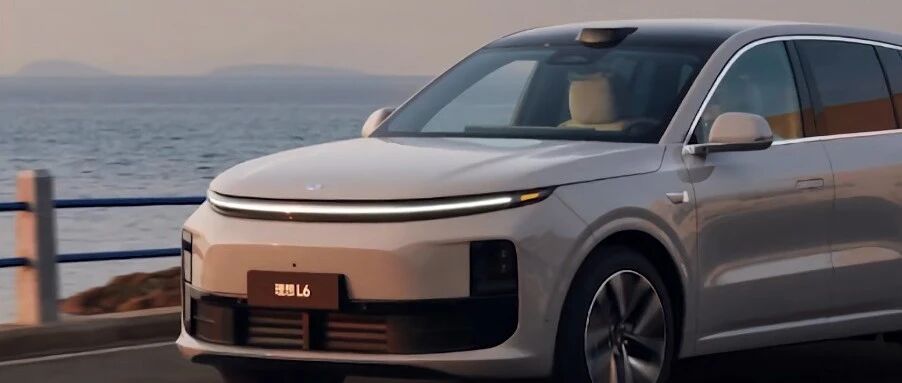
快讯|周鸿祎直播试吃机器人炒菜;优必选与富士康云智汇达成战略合作;OpenMind开源全球首个AI原生开源机器人系统发布
机器人大讲堂· 2025-09-22 06:40
Group 1 - Zhou Hongyi, founder of 360 Group, participated in a live cooking test with Yang Jiancheng, founder of Xianglu Robotics, highlighting the capabilities of AI cooking robots in achieving "wok hei" [3][6] - Xianglu Robotics has shipped nearly 10,000 commercial cooking robots, which ensure consistent taste and reduce the difficulty of standardization in chain restaurants [3][6] - Zhou suggested that cooking robots should expand from equipment to an ecosystem, while Xianglu plans to launch a new monthly rental business model in Q4 [3][6] Group 2 - UBTECH, known as the "first stock of humanoid robots," signed a global strategic cooperation agreement with Cloud Intelligence Technology (a Foxconn subsidiary) to advance humanoid robot manufacturing and delivery [6][9] - The agreement outlines the division of responsibilities between the two companies, with Cloud Intelligence focusing on global sales and UBTECH on R&D and production [6][9] - Both companies aim to create a "humanoid robot + smart factory" demonstration scenario to promote smart manufacturing upgrades and global expansion [6][9] Group 3 - Harbin Engineering University's agile underwater robot "Turtle" was unveiled in the South China Sea, achieving centimeter-level precision in near-seabed environmental observation [9][11] - The robot's design reduces sediment interference by 90% during navigation, and it employs a new inertial measurement method that decreases data noise by approximately 76.2% [9][11] - The "Turtle" features a 360-degree maneuverability capability, making it suitable for applications in coral observation, underwater fishing, and search and rescue [9][11] Group 4 - OpenMind released the world's first "AI-native" open-source robot system, aimed at creating a unified development platform for various types of robots [11][13] - The system is hardware-neutral and supports multiple robot forms, allowing for quick deployment and compatibility with various AI models [11][13] - It integrates SLAM technology for stable movement in complex environments and includes a front-end interface for real-time monitoring of robot status [11][13] Group 5 - NVIDIA made its first investment in a Taiwanese startup, MetAI, which specializes in creating digital twin environments for AI training [17] - MetAI's platform can generate virtual defect products to assist in AI defect detection, significantly reducing design time for manufacturers [17] - NVIDIA's interest in MetAI stems from its alignment with the demand for "physical AI," facilitating a bidirectional cycle between the real and virtual worlds [17]

黄仁勋,投了个浙大校友
3 6 Ke· 2025-09-21 03:57
Core Insights - Dyna Robotics, a robotics startup, has completed a $120 million Series A funding round, raising its valuation to over $600 million within a year of its establishment [1][8] - The funding round saw participation from major industry players including Nvidia, Amazon, Samsung, and LG, indicating strong investor confidence in the robotics sector [1][8] - The company aims to optimize its AI models and deploy more robots in commercial environments, leveraging the new capital to expand its research and engineering team [5] Company Overview - Dyna Robotics was founded in September 2024 and is headquartered in Houston, Texas, with a hardware R&D center in Shanghai [2][3] - The founding team consists of three members: Lindon Gao, York Yang, and Jason Ma, who bring a blend of entrepreneurial experience, technical expertise, and academic strength [2][3] - The company has shown remarkable growth, with its valuation increasing from approximately $100 million after a $20 million seed round in March 2025 to $600 million in just six months [3] Technology and Product Development - Dyna Robotics has developed the DYNA-1 (Dynamism v1), the world's first commercially viable dexterous manipulation model, which allows robots to perform complex tasks in various environments [3][8] - The company's approach aligns with Nvidia CEO Jensen Huang's "physical AI" concept, focusing on enabling robots to learn from environmental data rather than relying on pre-programmed instructions [4][8] - Dyna Robotics is currently focusing on practical applications of its technology, with fixed robotic arms already deployed in tasks such as folding napkins in restaurants and organizing towels in gyms [4] Market Context - The robotics industry is experiencing significant investment, with $12.1 billion attracted in the first half of the year, indicating a strong trend towards robotics as a key investment area [4] - Dyna Robotics' successful funding reflects the broader enthusiasm in the robotics sector, which is seen as being in the early stages of trend investment [4] Strategic Implications - Nvidia's investment in Dyna Robotics exemplifies its strategy to strengthen its ecosystem by investing in companies that enhance its technology platform and extend AI capabilities into the physical world [7][8] - The collaboration between Dyna Robotics and major tech firms positions the company as a crucial player in bridging robotics research and practical applications [6][8]
徐直军,最新发声!
中国基金报· 2025-09-18 13:23
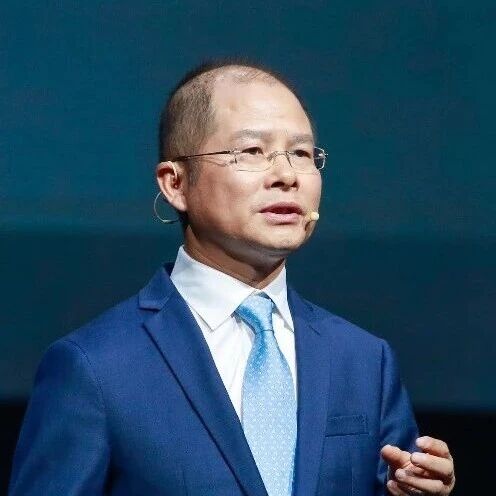
Core Viewpoint - Huawei's rotating chairman Xu Zhijun announced that the Ascend chips will evolve at a pace of "almost doubling computing power every year" over the next three years [4][5]. Group 1: Ascend Chip Development - Huawei has planned three series of Ascend chips: Ascend 950, Ascend 960, and Ascend 970, with more specific chips in development [5][6]. - The Ascend 950 series includes Ascend 950PR and Ascend 950DT, featuring significant improvements such as support for low-precision formats, increased vector computing power, and a bandwidth of 2TB/s, which is 2.5 times that of the Ascend 910C [5][7]. - The Ascend 960 is expected to launch in Q4 2027, with specifications that double those of the Ascend 950, including support for a proprietary HiF4 data format [6][7]. - The Ascend 970 is still under discussion, with preliminary plans indicating a doubling of computing power and bandwidth compared to the Ascend 960 [7]. Group 2: Super Nodes and Clusters - Huawei will launch three super node products: Atlas 950, Atlas 960, and TaiShan 950, along with a new interconnect protocol called Lingqu [9][10]. - Xu emphasized that super nodes are becoming the dominant product form for AI infrastructure, functioning as a single logical computer composed of multiple physical machines [9]. - The Atlas 950 SuperCluster will be 2.5 times larger than the current largest cluster, xAI Colossus, and will have 1.3 times its computing power, making it the strongest computing cluster globally [10]. - By Q4 2027, Huawei plans to introduce the Atlas 960 SuperCluster, further increasing the scale to a million card level [10].
英伟达做Robotaxi,马斯克你怎么看?
Sou Hu Cai Jing· 2025-09-18 09:46
Core Insights - Nvidia is incubating a new Robotaxi project led by senior director Ruchi Bhargava, utilizing an end-to-end technology approach that leverages simulation to enhance neural network training, similar to Tesla's Full Self-Driving (FSD) strategy but with a stronger technical foundation [4][5] - The project is supported by Nvidia's Cosmos world model, which integrates various data types to generate high-quality synthetic video data, having completed 20 million hours of pre-training [4] - Nvidia plans to invest $3 billion in the Robotaxi project, contrasting with Waymo's cumulative investment of approximately $12 billion to achieve its current operational scale [5] Company Strategy - The aim of Nvidia's Robotaxi initiative is not merely business expansion but to validate its full-chain engineering capabilities from GPU chips to physical AI models, thereby defining the infrastructure and ecological standards for the next generation of "physical AI" [5] - The US Robotaxi market is expected to accelerate by 2025, with Waymo operating in seven cities and Tesla launching services in Austin and the Bay Area, achieving significant download numbers [5][6] Competitive Landscape - Despite facing challenges in autonomous driving software, Nvidia possesses significant advantages, including its self-developed DRIVE Thor chip with a computing power of 2000 TOPS, enhancing end-to-end model inference efficiency [6] - Industry experts note that the Robotaxi market is still in its early stages, with Waymo operating around 700 vehicles and Tesla deploying only a few dozen in Austin, indicating that Nvidia's entry is timely and offers opportunities to compete for technological leadership [6] Financial Outlook - Nvidia's net profit for Q2 2025 is projected to reach $26.4 billion, providing substantial funding for long-term research and development [6] - Jensen Huang, Nvidia's CEO, emphasizes that autonomous vehicles represent a major commercial application of robotics and a multi-trillion-dollar industry [6]


韩科技政策向AI领域大幅倾斜
Ke Ji Ri Bao· 2025-09-15 23:37
韩国科学技术信息通信部长官裴庆勋日前在就任50天的首次新闻发布会上,阐释了韩国未来五年科技发 展重点方向,包括到2030年跻身世界AI强国前三名,建立人人都能使用AI的社会等。 裴庆勋表示,韩国计划成立新的科学技术与人工智能部长级理事会。他说,韩国2026年AI领域预算将 超过10万亿韩元,因此需要消除各部委之间的预算重叠提高效率。科学技术与人工智能部长级理事会将 作为政府层面的机构,负责监督人工智能政策。已升任副总理的科学技术信息通信部部长将担任该理事 会主席,预计理事会将于10月在国会全体会议和内阁会议后正式成立。 裴庆勋透露,韩国还将发展物理AI。他说,凭借在制造业和软件开发方面的优势,韩国可在医疗保 健、造船、国防和内容领域实现AI转型,从而在物理AI领域获得全球竞争力。 (文章来源:科技日报) 韩国还将建设AI包容型社会。裴庆勋表示,尽管韩国目前在ChatGPT使用率方面位居世界第一,但必须 把最佳替代方案开发成韩国自己的AI基础模型,并将其开源,以便全世界任何人都可以使用。"包容型 AI"意味着任何人都可使用和接触它,无论年龄、性别或经济状况如何。到2030年,韩国将确保20万台 用于AI学习和数 ...