贸易保护主义

Search documents
章家敦叫嚣:对华加税600%!美国还打算禁止中国用美元结算,网友:还有这种好事?
Sou Hu Cai Jing· 2025-08-18 07:20
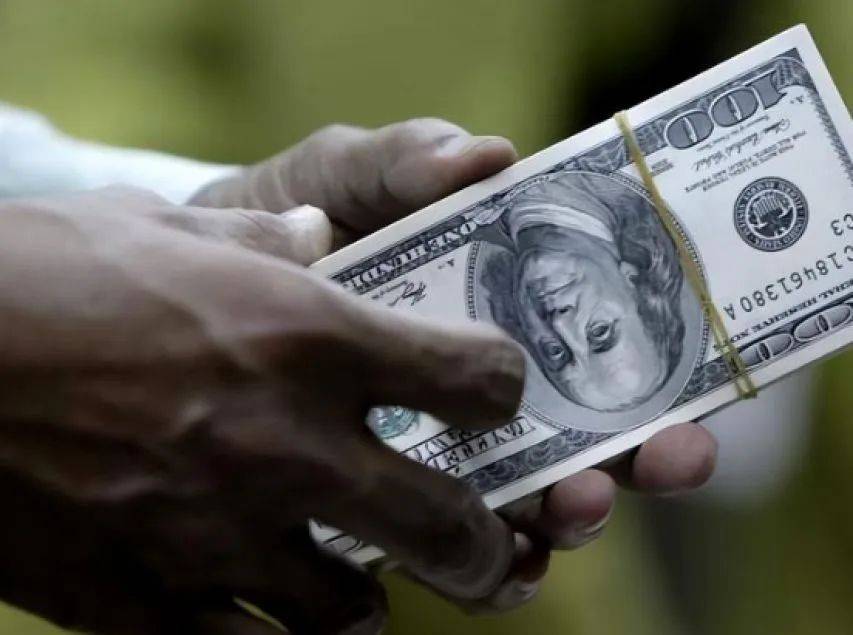
Core Viewpoint - The article discusses the implications of proposed extreme trade measures by the U.S. against China, including a 600% tariff and the potential prohibition of dollar settlements, highlighting the risks to both economies and the global trade system [1][3][4]. Group 1: U.S. Trade Measures - The suggestion of a 600% tariff on Chinese goods reflects extreme protectionist sentiments, aiming to eliminate Chinese products from the U.S. market and encourage domestic manufacturing [1][3]. - Historical context shows that previous high tariffs have led to increased inflation in the U.S., higher consumer prices, and significant operational challenges for American businesses [3][9]. - The potential prohibition of dollar settlements could disrupt the established trade framework between the U.S. and China, leading to chaos in trade contracts and financial transactions [4][5]. Group 2: Impact on Global Trade - A ban on dollar settlements would accelerate the transformation of the global trade settlement system, prompting countries to seek alternatives to the dollar, thereby undermining U.S. dollar hegemony [4][5]. - The article suggests that such measures could lead to a shift towards a more diversified global trade system, as countries recognize the vulnerabilities of relying on the dollar [4][5]. Group 3: China's Response and Opportunities - China is reportedly prepared for potential financial and trade restrictions, having made significant strides in the internationalization of the yuan, which is now the fifth-largest payment currency globally [7]. - The establishment of trade agreements like RCEP is seen as a strategic move to reduce reliance on the U.S. market and enhance trade with neighboring countries [7][8]. - There is a growing sentiment among Chinese netizens that the U.S. measures could ultimately benefit China by accelerating the yuan's internationalization and fostering domestic innovation [8][9]. Group 4: Historical Context and Future Outlook - Historical precedents indicate that U.S. sanctions and high tariffs have often failed to achieve their intended economic collapse of targeted nations, as seen with Iran and Russia [9]. - The article posits that the ongoing trade tensions will likely continue to shape the economic landscape, with a potential shift towards a more multipolar global economy as emerging markets gain prominence [11].

美国这次彻底孤立无援?8月17日,对华关税政策传来新消息
Sou Hu Cai Jing· 2025-08-18 07:02
Core Viewpoint - The trade war initiated by the Trump administration against China has been characterized as a "self-indulgent farce," ultimately failing to achieve its intended goals and revealing the resilience of China in the face of pressure [1][10]. Group 1: Trade War Dynamics - Trump's initial threats included imposing tariffs as high as 200% on Chinese goods, aiming to force China to comply with U.S. trade rules [1]. - The negotiations between the U.S. and China resulted in a 90-day "truce," which did not meet Trump's expectations and dampened his ambitions [3]. - U.S. Treasury Secretary Steven Mnuchin's plans to implement high tariffs on China were met with silence from G7 and EU nations, highlighting their reluctance to align with U.S. actions against China due to significant economic ties [5]. Group 2: Impact on India - Following setbacks with China, Trump shifted focus to India, increasing tariffs from an initial 25% to potentially 250%, targeting India's pharmaceutical exports [7]. - The trade protectionist measures taken by the Trump administration have not only failed to enhance its reputation but have also caused significant harm to the U.S. economy, leading to rising prices and declining purchasing power [7]. Group 3: China's Response and Global Implications - China maintained a principled stance, demonstrating its importance in the global supply chain by tightening rare earth exports, which affected U.S. industries [8]. - The trade war has resulted in the U.S. losing not only economic benefits but also moral standing and global support, as countries recognize the futility of following U.S. unilateral actions [8][10]. - The conclusion of the trade war suggests a shift towards a more multipolar and rule-based global trade system, with China positioned as a key player in promoting fairness and justice in international trade [10].

中加贸易争端再升级,中国向WTO提起诉讼,加拿大这下难受了
Sou Hu Cai Jing· 2025-08-18 04:51
Group 1: Trade Disputes and Economic Impact - The trade dispute between China and Canada has escalated, with China filing a complaint to the WTO against Canada's steel import restrictions, highlighting increasing friction in the steel sector and broader trade barriers [1][3] - Canada announced an expansion of steel import tariffs, imposing a 25% additional tax on products containing Chinese steel components, which is seen as a protectionist measure [3] - The Canadian steel import value is projected to exceed $16 billion in 2024, with approximately 10% sourced from China, indicating potential disruption to the bilateral trade valued at CAD 120 billion [3] Group 2: Agricultural Sector and Response Measures - China's imposition of a 75.8% deposit on Canadian canola oil and meal is expected to significantly impact Canadian farmers, particularly in Alberta and Saskatchewan, as China is the largest importer of Canadian canola [3][5] - The Canadian government acknowledges the significant impact of the canola tariffs on farmers and is seeking to diversify export markets to mitigate negative effects [5] Group 3: Historical Context and Future Outlook - The instability in China-Canada relations has historical roots, with previous tensions arising from the Meng Wanzhou incident and U.S. tariffs on steel and aluminum affecting Canada [7] - The ongoing disputes could lead to a GDP contraction of approximately 0.5% for Canada if they persist, while China may seek alternative suppliers for canola [7] - The WTO's role in resolving these disputes remains uncertain, but it could provide a platform for constructive dialogue and potential resolution [9][10] Group 4: Opportunities for Cooperation - Despite the escalating trade disputes, there is potential for renewed constructive cooperation between China and Canada, which could stabilize their economies and contribute to global trade recovery [12]

听说要和中国打关税战?欧洲各国全装没听见,现场氛围安静的可怕
Sou Hu Cai Jing· 2025-08-18 03:32
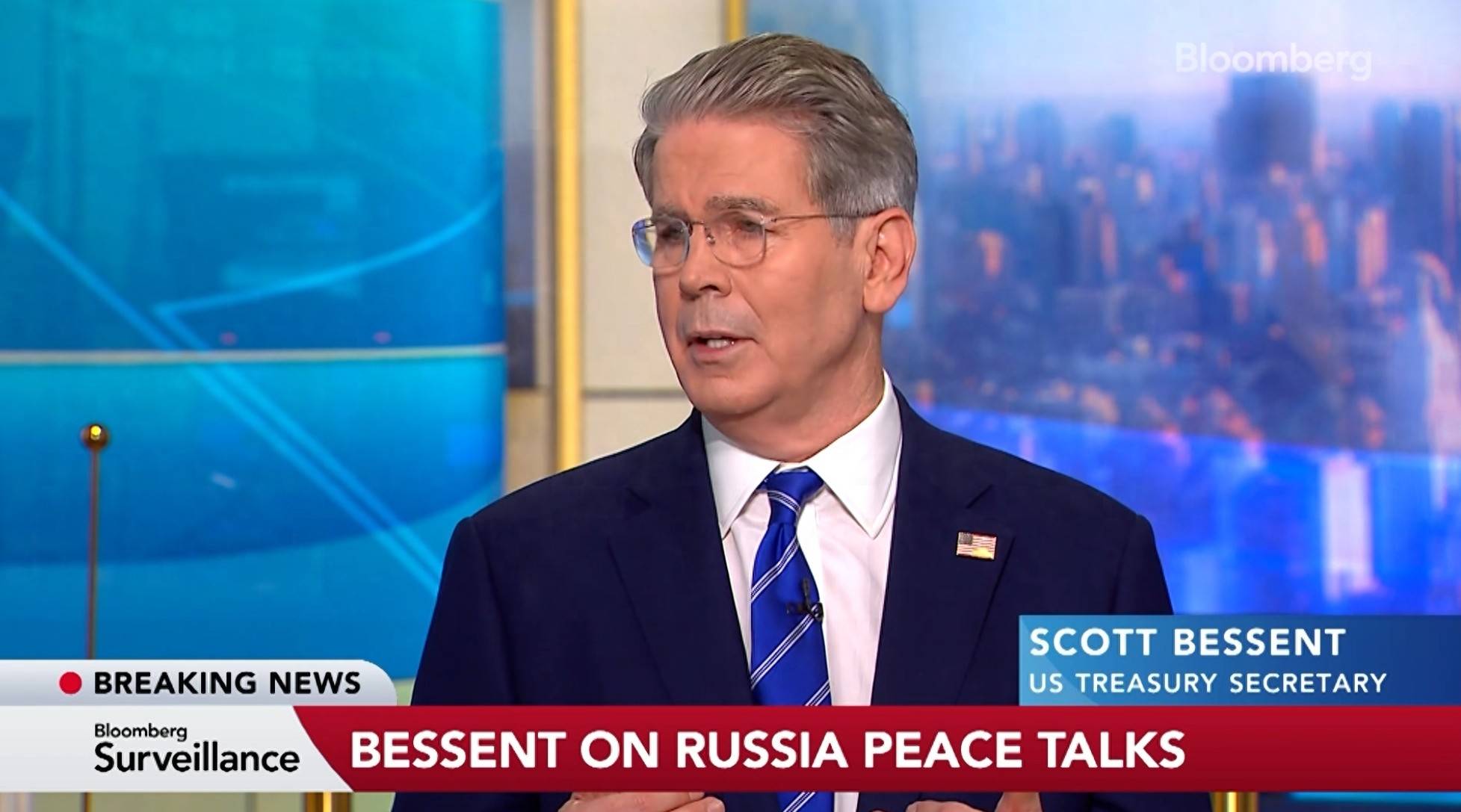
而欧洲不是不想表态,是没法表态。2024 年中欧贸易额突破 7000 亿欧元。德国大众在中国卖了 400 多万辆车,占全球销量 38%,若真加 200% 关税,狼堡 总部第二天就得贴裁员通知。 法国奢侈品巨头们更明白其中要害。中国消费者撑起其三分之一全球销量。意大利纺织商把中国当生命线,米兰设计的面料经中国加工再销往全球,关税一 拦,整条产业链都得停摆。 G7 峰会现场突然陷入死寂。美国财长贝森特刚说完 "考虑对中国加征 200% 次级关税",欧洲各国代表就集体沉默了 —— 有人盯着鞋子发呆,有人眼神飘向 窗外,谁都不愿接话。 8 月 14 日观察者网消息称,这场沉默发生在G7峰会的关键环节。贝森特见在场的所有欧洲国家都正在兴致勃勃的谈论着对俄制裁,还以为自己找到了"同道 中人"。 于是他抛出对华加征200%关税的提议,想看看这些领导人有什么好建议,结果现场鸦雀无声,压根没人敢接他的话。 可现在,欧洲领导人们与泽连斯基正在视频连线特朗普,恳求他在美俄会谈中别出卖乌克兰利益。贝森特深知仅凭美国一国之力想要制裁中国绝对不容易, 所以他才在G7峰会上征询各国领导人的意见,可结果很让贝森特失望。 更深层的原因,是欧洲 ...
24小时内,中方连出两记重拳,警告盟友,想要给美国当炮灰,必将付出沉重代价
Sou Hu Cai Jing· 2025-08-18 02:28
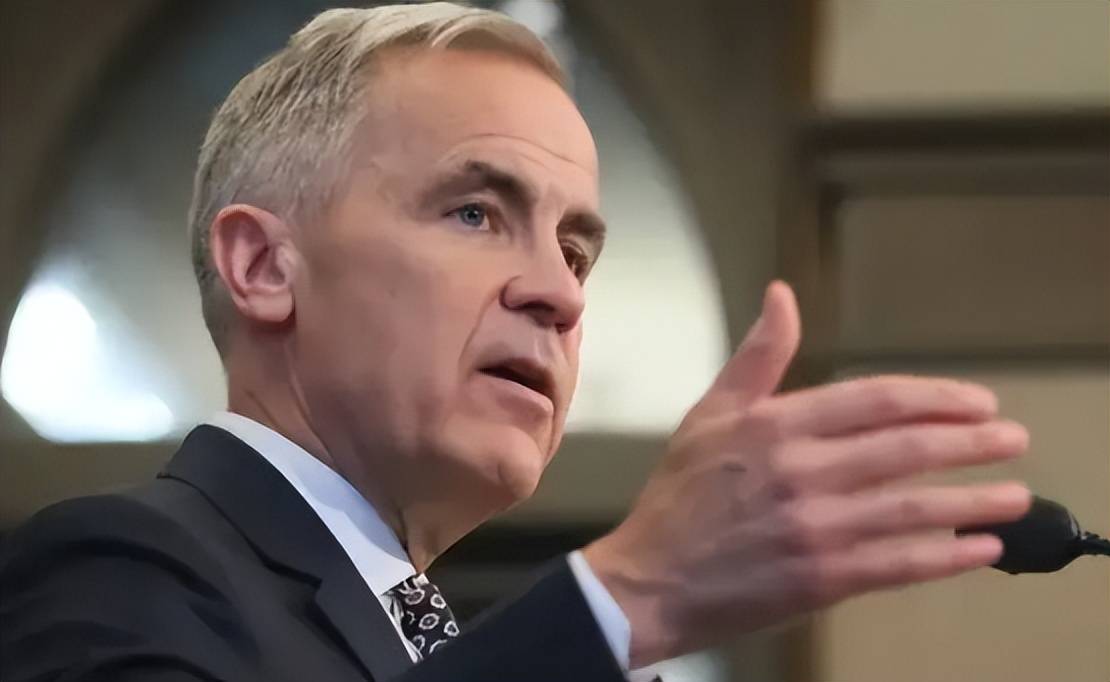
面对加拿大无视中国关切的态度,中国曾多次给予机会,然而卡尼政府始终无动于衷。直到中国商务部宣布将对所有 加拿大公司征收75%的保证金,才正式反击。这项政策自8月14日起生效,实际上是对加拿大油菜籽倾销行为的一次明 确回应。 实际上,中国的这项反倾销调查在去年9月就已启动,但为何直到现在才落下重锤?原因很简单:中国一直在等待一个 最佳时机。中国是世界上最大的油菜籽进口国,而加拿大的油菜籽出口市场,近一半都依赖中国。2024年,加拿大对 中国出口的油菜籽总值接近50亿加元。一旦保证金政策实施,意味着中国可能停止从加拿大进口油菜籽,这一变动立 刻引发市场波动,油菜籽期货价格在8月12日急剧下跌了6.5%。 眼看着加拿大正处于油菜籽的收割季节,农民们本应享受丰收的喜悦,却不得不面对前所未有的困境。由于市场的不 确定性,许多农民未能提前签订销售合同,现在只能眼睁睁看着收获的油菜籽烂在地里,既卖不出去,又要承担高额 的仓储费用,农民们的处境堪称无奈。路透社采访了一位新加坡的油菜籽贸易商,他直言:"中国这次的反击真的很 狠,75%的保证金几乎宣告了我们不再购买加拿大的油菜籽。"整个加拿大的油菜籽产业链,从种植、加工到销售, ...
不敢硬刚美国,加拿大通知中国:加税25%!中方反手就加75%保证金,澳大利亚成了大赢家
Sou Hu Cai Jing· 2025-08-18 02:28
Trade Relations Between Canada and China - Canada imposed a 100% tariff on Chinese electric vehicles and a 25% tariff on Chinese steel and aluminum products, ostensibly to appease the U.S. after the latter's tariff increases [3][4] - The Canadian government’s rationale for targeting China was weak, as Chinese steel only accounted for 10% of the Canadian market, while 91% came from the U.S. [3][4] Impact on Canadian Agriculture - China retaliated by imposing a 100% tariff on Canadian canola oil and peas, and a 25% tariff on pork and seafood, severely impacting Canadian farmers [4][6] - Canada relies on China for 64% of its canola exports, generating approximately $2 billion annually, which is now threatened by China's tariffs [4][6] Shift in Trade Partnerships - China has shifted its canola oil imports from Canada to Australia, which has quickly adapted to fill the gap, indicating a significant loss for Canadian agriculture [6][7] - The loss of the Chinese market could result in an estimated loss of CAD 3.8 billion for Canada, with farmers showing little interest in government subsidies due to bureaucratic hurdles [6][7] Strategic Missteps - Canada's reliance on the U.S. has backfired, leading to increased tariffs without any relief, while China has found alternative partners, exacerbating Canada's economic challenges [7][8] - The accumulation of unsold canola represents a strategic failure for Canada, highlighting the consequences of short-sighted trade policies [8]
美对等关税多米诺效应系列研究(二)——全球供应链或加速重组
Lian He Zi Xin· 2025-08-17 10:44
Group 1: Tariff Policy Characteristics - Trump's tariff policy exhibits a "country-specific differentiation and important goods overlay" dual-track feature, aiming to reshape bilateral trade mechanisms while addressing trade deficits[4] - The tariff rates imposed on the UK were set at 10%, the lowest tier, due to concessions made by the UK government on imports of US food and agricultural products[5] - The US has reached agreements with the EU, Japan, and South Korea for a 15% tariff increase, with the EU committing to invest $600 billion in the US and Japan investing $550 billion in various sectors[5] Group 2: Impact on Global Supply Chains - The tariff policy is expected to significantly disrupt global supply chains, with localization and regionalization becoming mainstream trends in supply chain restructuring[4] - The US is projected to maintain control over high-end supply chain segments, with China evolving into an indispensable "central node" in global supply chains[24] - The EU is anticipated to become a key recipient of mid-to-high-end technology supply chain transfers, while ASEAN and Latin America can leverage "friend-shoring" and "near-shoring" advantages[24] Group 3: Economic and Trade Implications - The US's trade deficit in categories like transportation equipment and machinery is projected to exceed $1 trillion by 2024, prompting a focus on tariffs for semiconductors, pharmaceuticals, and automobiles[10] - The cumulative tariff rate for Indian goods entering the US has reached 50%, the highest among current global tariffs, indicating a significant leverage point for negotiations[6] - The US's import volume is nearing $3.3 trillion in 2024, granting it substantial influence over global supply chain adjustments[18]
中方在WTO起诉加拿大钢铁等产品进口限制措施,商务部回应
第一财经· 2025-08-16 10:08
Core Viewpoint - China has filed a lawsuit against Canada in the WTO regarding import restrictions on steel and other products, claiming that Canada's actions violate WTO rules and disrupt global supply chains [3][5]. Group 1: WTO Lawsuit Against Canada - On August 15, China initiated a lawsuit in the WTO against Canada's import restrictions on steel products [3]. - The Chinese Ministry of Commerce criticized Canada's unilateral and protectionist measures, which include discriminatory tariffs on products containing "Chinese steel components" [3][5]. - China urges Canada to correct its actions to maintain a rules-based multilateral trading system and improve Sino-Canadian economic relations [3][5]. Group 2: Canada's Steel Tariffs - On July 16, Canada announced expanded import steel tariff quotas and additional taxes on imports exceeding these quotas, effective August 1 [5]. - The Canadian government imposed a 25% additional tax on products containing Chinese steel components imported from countries other than the U.S. [5]. - The Chinese Ministry of Commerce stated that Canada's measures are an attempt to shift the blame for its domestic steel industry issues onto other trade partners, including China [5]. Group 3: Anti-Dumping Investigations - The Chinese Ministry of Commerce has also initiated anti-dumping investigations into Canadian imports of canola seeds and halogenated butyl rubber [7]. - Preliminary evidence indicates that these products are being dumped, causing substantial harm to the domestic industry [7][8]. - The preliminary ruling on August 12 determined a dumping margin of 75.8% for canola seeds and between 26.2% to 40.5% for halogenated butyl rubber from Canadian companies [7][8].

美国钢铝关税再升级,全球贸易秩序承压
Sou Hu Cai Jing· 2025-08-16 09:47
Group 1 - The U.S. government has expanded the scope of tariffs on steel and aluminum imports to include 407 additional product codes, effective August 18, indicating a continued trend of trade protectionism [1][3] - The unilateral tariff policy is expected to disrupt global supply chains, increasing costs for related companies and potentially forcing multinational corporations to reconsider their procurement strategies and production locations [3][6] - The tariff increase may lead to retaliatory measures from affected countries, escalating trade tensions and impacting global market prices and supply chain stability [3][4] Group 2 - The policy highlights issues in U.S. global economic governance, as it relies on unilateral tariffs to gain political leverage while undermining international trade rules and multilateral cooperation [4][9] - Capital markets are reacting sensitively to the policy, with increased volatility in stock prices of affected industries, as investors seek safer investments amid policy uncertainty [6][9] - The long-term implications of the tariff increase may weaken U.S. competitiveness in international markets, as companies will need to factor in policy risks alongside efficiency and cost considerations [7][9]
美国:扩大对钢铁和铝进口征收50%关税的范围
财联社· 2025-08-16 03:38
Core Viewpoint - The article discusses the expansion of tariffs on steel and aluminum imports by the Trump administration, which now includes hundreds of derivative products, indicating a significant shift in trade policy aimed at protecting domestic industries [1]. Group 1: Tariff Expansion Details - On August 15, the Trump administration announced a 50% tariff on a broader range of steel and aluminum products, adding 407 product codes to the tariff list [1]. - The expanded tariff list will take effect on August 18, with specific rates applicable to non-steel and aluminum components based on existing tariffs on certain countries [1]. - Previously, on June 3, the administration had raised tariffs on imported steel and aluminum from 25% to 50%, effective from June 4, 2025 [1].