人民币国际化

Search documents
宋清辉:俄罗斯发行人民币主权债券,有利于人民币国际化更进一步
Sou Hu Cai Jing· 2025-12-03 22:33
Core Insights - Russia is advancing the issuance of its first RMB-denominated sovereign bonds, driven by limited access to Western capital markets due to sanctions and a significant trade surplus with China, which has resulted in a large accumulation of RMB within Russia [3][4][5] Group 1: Economic Context - The ongoing Russia-Ukraine conflict and subsequent Western sanctions have obstructed Russia's access to Euro and Dollar-denominated financing, making RMB a viable alternative for financing and settlement [4][5] - The trade surplus with China has led to a substantial amount of RMB being retained in Russia, while local enterprises lack sufficient compliant investment channels for RMB, creating a demand for RMB sovereign bonds [4][5] Group 2: Bond Issuance Details - The Russian Ministry of Finance has begun accepting subscriptions for RMB bonds, which will be issued in two parts: a 3.2-year portion with a target coupon rate of 6.25% to 6.5%, and a 7.5-year portion capped at 7.5% [3][4] - The issuance of RMB sovereign bonds is expected to facilitate the internationalization of the RMB and provide a benchmark for local RMB interest rates [4][5] Group 3: Implications for RMB Internationalization - The issuance of RMB sovereign bonds by Russia is seen as a significant step towards the internationalization of the RMB, potentially influencing other countries to follow suit, especially those with large trade surpluses with China [5][7] - The demand for local RMB financing in Russia may drive the development of cross-border payment, clearing, and settlement infrastructure, supporting broader RMB usage [5][7] Group 4: Global Trends - Other countries, particularly those with significant trade surpluses with China or limited access to dollar financing, may emulate Russia's approach to issuing RMB-denominated bonds [6][7] - The trend of sovereign entities issuing RMB debt is increasing, with a record issuance of RMB bonds by foreign governments reaching 13 billion this year, indicating a growing acceptance of RMB in global finance [5][6]


中国为何此时筑牢虚拟货币防线?从石油到稳定币美元找新锚
Sou Hu Cai Jing· 2025-12-03 14:21
Group 1: Digital Currency Regulations - The U.S. White House has established a presidential task force on digital asset markets while banning the development of central bank digital currencies (CBDCs) within the U.S. [1] - China has intensified its crackdown on virtual currencies, with over 150 cases of money laundering related to virtual currencies reported since 2025, involving amounts exceeding 10 billion RMB [3]. - The People's Bank of China has identified stablecoins as a significant risk, with global cryptocurrency market volatility exceeding 70% in 2025, raising concerns about the transparency and safety of the underlying assets of stablecoins [3]. Group 2: U.S. Debt and Stablecoins - The U.S. federal debt is growing at nearly $2 trillion annually, surpassing $37.2 trillion, with stablecoins being seen as a new anchor for the dollar [4]. - Currently, the global stablecoin market is approximately $267.4 billion, with 95% being dollar-pegged stablecoins, which are heavily invested in short-term U.S. Treasury bonds [4]. - The "Payment Stablecoin Act" mandates that stablecoin issuers must invest 100% of their reserves in U.S. cash or short-term Treasury bonds, creating a mechanism for debt absorption that links stablecoin growth to U.S. debt demand [4]. Group 3: Historical Context and Future Outlook - The evolution of the dollar's anchoring mechanisms has transitioned from the gold standard established in 1944 to the current reliance on stablecoins, with over 98% of stablecoin market value pegged to the dollar [5]. - The U.S. is working on establishing a "digital dollar anchor," as emerging digital economic scenarios increasingly depend on this framework [5]. - The competition between the U.S. and China in the digital currency space is expected to deepen over the next five years as dollar stablecoins approach the trillion-dollar mark [8]. Group 4: Strategic Considerations for China - China's recent actions to strengthen its defenses against virtual currencies reflect strategic considerations, including the potential financial risks associated with the deep integration of U.S. stablecoins and Treasury bonds [6]. - Cross-border capital flows through virtual currencies have increased by 150% in 2024, posing new challenges for traditional regulatory measures [6]. - The internationalization of the renminbi is at a critical stage, with cross-border trade settlements in renminbi surpassing 31.5% in Q3 2024, necessitating measures to prevent stablecoin systems from creating barriers to this process [6]. Group 5: Digital Currency Initiatives in China - The pilot program for China's digital currency has expanded to 26 regions, covering various scenarios such as cross-border trade and supply chain finance [7]. - China is actively participating in the formulation of international digital currency regulations while balancing risk management and cooperation [7]. - The approval of 16 virtual asset service providers in Hong Kong since 2023 supports China's differentiated strategy of strict domestic regulation while piloting overseas [7].

上海FT账户迎十年最强升级,实现全球资金“T+0”调拨
Di Yi Cai Jing· 2025-12-03 13:49
Core Viewpoint - The introduction of the "T+0" cross-border fund transfer system for enterprises through the Free Trade (FT) accounts marks a significant advancement in Shanghai's cross-border financial system, enhancing capital flow efficiency and reducing financial costs for businesses [2][8]. Group 1: Implementation Details - The People's Bank of China has released the "Implementation Measures for the Upgrade of Free Trade Accounts in the Shanghai Free Trade Pilot Zone," effective from December 5, which allows for direct fund transfers between FT accounts and overseas accounts [2][3]. - The upgrade shifts from a "segregated accounting" system to an "integrated management" of domestic and foreign currencies, enabling companies to conduct currency conversion and cross-border payments within a unified account framework [2][3]. Group 2: Benefits for Enterprises - The time required for cross-border fund transfers will be reduced from T+3 to T+0, significantly lowering financial costs for multinational and trade-oriented companies [2][3]. - The new system eliminates traditional restrictions on capital item businesses, allowing enterprises to engage in cross-border payments and financing without prior approval or registration [3][4]. Group 3: Regulatory and Operational Changes - The implementation requires banks to enhance their management systems, including improving real-time monitoring of cross-border payments and adhering to anti-money laundering regulations [4][6]. - Participating enterprises must meet specific criteria, such as being registered for over a year and having a minimum equity of 200 million yuan, with a focus on key areas like the Lingang New Area [4][6]. Group 4: Market Impact and Future Outlook - The upgrade is expected to serve as a model for other free trade zones in China, laying the groundwork for a high-level open economic system [2][8]. - The FT account system's evolution is anticipated to attract more multinational corporations to establish their regional financial management centers in Shanghai, enhancing the city's global financial resource allocation capabilities [8][9].
工业克苏鲁,中国想从世界买什么?
虎嗅APP· 2025-12-03 10:22
Core Viewpoint - The article discusses the implications of China's self-sufficiency in manufacturing and its reluctance to engage in international trade, raising questions about the future of global trade dynamics and the concept of "Industrial Cthulhu" [4][8]. Group 1: Trade Dynamics - The author highlights that during a recent trip to mainland China, the prevailing sentiment was a lack of interest in imports, as China is capable of producing everything it needs more efficiently and at lower costs [7]. - The article questions the existence of trade if the largest seller, China, is not interested in buying from others, suggesting a potential shift in global trade paradigms [8]. - The author notes that the current trade surplus for China reached $3.3 trillion by the end of October, indicating a significant imbalance in trade relationships [16]. Group 2: Industrial Innovation - The article emphasizes China's rapid advancements in various sectors, including electric vehicles, photovoltaics, and AI, showcasing its transition from a manufacturing hub to an innovation leader [12]. - It mentions that the cost of hardware for autonomous vehicles in China is less than one-third of that in the U.S., highlighting China's competitive edge in technology [12]. - The article also points out that Western pharmaceutical companies are increasingly investing in Chinese firms, recognizing their potential in innovative drug development [12]. Group 3: Economic Challenges - The author discusses the risks associated with China's high trade surplus, including the potential for increased financial risk and inefficiency in overseas dollar assets [16]. - The article suggests that China's reliance on its status as the "world's factory" may hinder the internationalization of the renminbi, as the country imports less and maintains a singular channel for offshore assets [17]. - It raises concerns about the long-term sustainability of China's economic model, which may lead to a vicious cycle of trade imbalances and reduced global competitiveness [16][17]. Group 4: Future Considerations - The article proposes a shift in narrative from a zero-sum game in trade to a collaborative approach, suggesting that countries should work together and share benefits rather than compete solely on buying and selling [18]. - It emphasizes the need for a new framework that transforms the "world factory" concept into a "world workshop + world testing ground," which could foster innovation and cooperation [18].
金融珍珠港?俄首发人民币主权债,全球130亿跟进,加速去美元化
Sou Hu Cai Jing· 2025-12-03 06:44
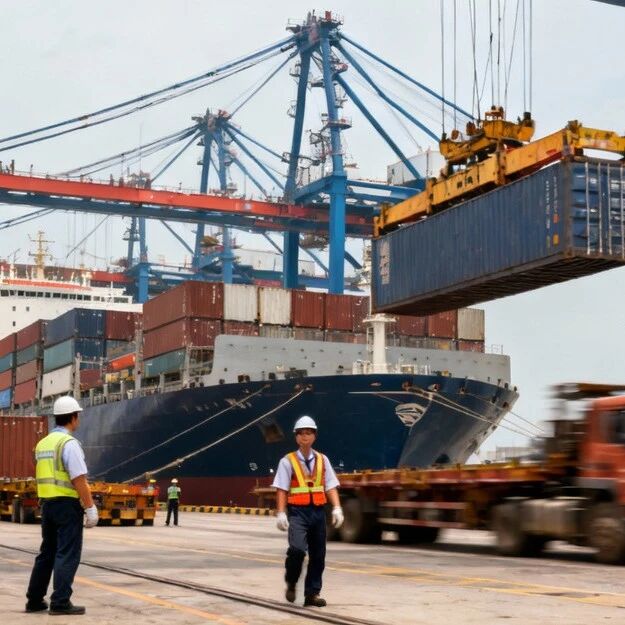
Group 1 - Russia announced the issuance of its first sovereign bonds denominated in RMB, marking a significant milestone in the global de-dollarization process [1] - The bonds are divided into two parts: a 3.2-year term with a target coupon rate of 6.25% and a 7.5-year term with a maximum rate of 7.5%, aimed at domestic investors [1] - The issuance is a response to Russia's expanding budget deficit and the cutting off of financing channels in USD and EUR due to Western sanctions [3] Group 2 - China's trade deficit with Russia reached $19 billion in the first ten months of 2025, the highest level since 2022, leading to a significant accumulation of RMB funds by Russian exporters [3] - The issuance of sovereign bonds will provide a yield curve reference for Russian enterprises, facilitating more efficient pricing of RMB debt instruments [3] - The total issuance of RMB bonds by foreign governments reached a record 13 billion RMB in 2025, with notable issuers including Hungary, Indonesia, and Sharjah [3] Group 3 - The share of RMB in global trade finance has risen to 8.5%, making it the second-largest currency after the USD [5] - The proportion of RMB assets in Russia's sovereign wealth fund increased from 31% in January 2022 to 57% in November 2025, highlighting the growing importance of RMB in Russia's financial system [5] - The issuance of RMB bonds by Russia is seen as a potential model for other countries, reflecting a structural shift towards de-dollarization [5][9] Group 4 - The backdrop for these developments includes a decline in USD credibility, with the U.S. national debt surpassing $37 trillion and a projected net deficit increase of over $3.8 trillion in the next decade [5] - The issuance of RMB bonds aligns with the ongoing improvement of infrastructure for RMB internationalization, including the expansion of cross-border payment systems [7] - Emerging markets are reassessing the risks associated with USD assets, leading to increased demand for alternative settlement tools [9]

研究所日报-20251203
Yintai Securities· 2025-12-03 04:23
International Developments - China and Russia held strategic security consultations, enhancing mutual trust and reaching consensus on key issues, including Japan-related matters[2] - Russia's issuance of RMB bonds is expected to promote the internationalization of the RMB and boost Sino-Russian trade[2] Domestic Policy Changes - As of December 1, 27 provinces in China have implemented direct payment of maternity allowances to individuals, covering over 90% of the coordinated areas[2] - The declining birth rate in China poses a challenge to economic growth potential, necessitating observation of the policy's effectiveness[2] Monetary Policy Insights - On December 2, the central bank conducted a 7-day reverse repurchase operation of 156.3 billion yuan at an interest rate of 1.40%, with a net withdrawal of 145.8 billion yuan for the day[3] - The central bank is expected to continue net withdrawals, with a significant 1 trillion yuan reverse repurchase maturing on Friday[3] Market Performance - The A-share market saw declines, with the Shanghai Composite Index down 0.42% and the Shenzhen Component down 0.68%, with total trading volume at 1.59343 trillion yuan, a decrease of 280.51 billion yuan from the previous trading day[4] - The 10-year government bond yield was reported at 1.8459%, with a change of +1.2 basis points[5] Currency and Interest Rates - The US dollar index closed at 99.3208, down 0.09%, while the offshore RMB appreciated by 50 basis points against the dollar, closing at 7.067[5]
中国人民银行上海总部发文升级自贸区自由贸易账户功能
Jin Rong Shi Bao· 2025-12-03 01:59
Core Viewpoint - The People's Bank of China has approved the implementation of the "Implementation Measures for the Upgrade of Free Trade Accounts in the Shanghai Free Trade Zone," which aims to facilitate cross-border fund transfers and support the development of the Shanghai International Financial Center and International Trade Center. The measures will take effect on December 5, 2025 [1]. Group 1 - The new measures allow banks to directly handle fund transfers between upgraded free trade accounts and various types of foreign and offshore accounts based on payment instructions from pilot enterprises, significantly relaxing restrictions on cross-border fund transfers [2]. - Pilot enterprises will no longer be subject to limits and approvals related to foreign debt and cross-border financing for capital account businesses, simplifying the cross-border fund operation process and enhancing efficiency [2]. - The upgraded accounts will not allow foreign currency transfers to domestic non-free trade accounts, but RMB transfers will be managed under macro-prudential limits, aligning with similar accounts in Hainan and Zhuhai [2]. Group 2 - Banks can open upgraded accounts for pilot enterprises within their accounting units, and existing free trade accounts must be upgraded or closed, with a limit of one upgraded account per enterprise during the initial phase [3].
罗康瑞:如何不用美元又便利国际资金投资中国项目?或可考虑“一国两币”
Sou Hu Cai Jing· 2025-12-02 23:52
Core Insights - The "Belt and Road Initiative" (BRI) has entered a new stage of high-quality development, focusing on expanding its breadth and depth to adapt to the current global economic landscape [3] - The investment focus has shifted from merely exporting infrastructure and trade from China to connecting global resources and promoting suitable cooperation models for future economic development [3][4] - The total investment related to the BRI is projected to reach $1.3 trillion by mid-2025, with significant contributions from both contract and non-financial investments [8] Investment and Trade Dynamics - The BRI's investment projects have evolved from infrastructure to a combination of trade, investment, and industrial collaboration, with $124 billion in investments recorded in the first half of 2025, surpassing the total for 2024 [8] - The investment structure includes $66.2 billion in contract projects and $57.1 billion in industrial investments, particularly in sectors like metals, mining, technology, and manufacturing [8] - The internationalization of the Renminbi (RMB) is progressing, with bilateral local settlement agreements established with countries like Indonesia, Vietnam, and Brazil, and a significant increase in RMB's share in global payment systems [4][7] Challenges and Opportunities - Despite the progress, the overall pace of RMB internationalization remains slow, with its share in the SWIFT payment system rising from 2.3% to 3.4% over the past year [7] - The BRI is seen as a critical battleground for accelerating RMB internationalization, although challenges such as the lack of free convertibility of the RMB persist [7] - The investment scale of the BRI is substantial, and it is emphasized that it cannot be solely supported by China, highlighting the need for international capital participation [8] Sectoral Insights - Industries where China has competitive advantages, such as new energy vehicles, photovoltaics, and electronics, are expected to see strong market potential in BRI countries, providing significant demand and opportunities for growth [10] - Private enterprises are identified as key drivers of investment growth in the BRI, with a strong interest in expanding overseas despite challenges in understanding local markets and regulations [10][11] - The need for enhanced professional services and talent development is critical for supporting Chinese enterprises in their global expansion efforts, particularly in navigating cultural and operational differences [11][12]
离岸央票市场“渠”成“水”到
Jing Ji Ri Bao· 2025-12-02 23:25
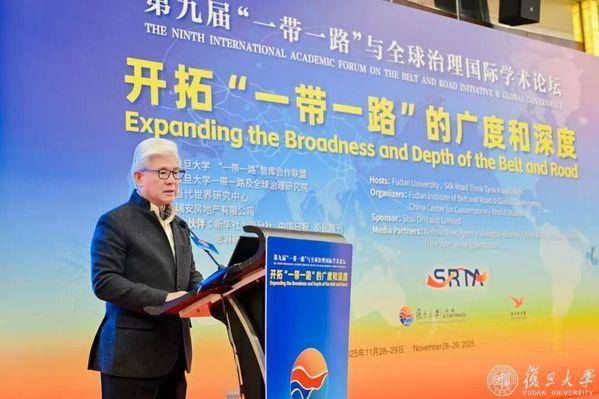
Core Viewpoint - The People's Bank of China (PBOC) is actively issuing offshore central bank bills to enhance liquidity and stabilize the RMB exchange rate, signaling a commitment to financial stability and the internationalization of the RMB [1][2]. Group 1: Issuance of Offshore Central Bank Bills - On November 24, the PBOC issued 45 billion RMB in central bank bills in Hong Kong, bringing the total issuance for the year to 300 billion RMB across six batches, indicating a trend towards normalization [1]. - Offshore central bank bills serve as high-credit, standardized financial instruments that help manage liquidity and influence interest rates, thereby increasing the cost of speculation on the RMB [1][2]. Group 2: Market Development and Internationalization - The issuance of offshore central bank bills is crucial for enhancing the offshore RMB market, providing high-quality financial products, and promoting the healthy development of the offshore RMB bond market [1][2]. - The balance of Hong Kong central bank bills is projected to grow from 80 billion RMB at the end of 2022 to 140 billion RMB by the end of 2024, reflecting a strong commitment to maintaining financial and exchange rate stability [1]. Group 3: Future Outlook and Market Infrastructure - To ensure the stable development of the offshore central bank bill market, it is essential to coordinate the internationalization of the RMB with domestic monetary policy and exchange rate reforms [2][3]. - There is a need to establish a more transparent issuance schedule and diversify the maturity structure of central bank bills to meet the asset allocation needs of international investors [3]. - Enhancing secondary market liquidity and exploring innovative applications of offshore central bank bills in cross-border collateral and liquidity management are critical for attracting international financial institutions [3].
世界在用脚投票,有什么好惊诧的
Sou Hu Cai Jing· 2025-12-02 22:33
Core Viewpoint - The issuance of sovereign bonds denominated in RMB by Russia marks a significant step in the internationalization of the Chinese currency, reflecting a growing trend among countries to utilize RMB for trade and investment purposes [1][3][4]. Group 1: RMB Sovereign Bonds - Russia's Ministry of Finance will issue its first sovereign bonds in RMB on December 8, with subscription registration starting on December 2 [1]. - Other countries, such as the UK and Indonesia, have previously issued offshore RMB sovereign bonds, indicating a broader acceptance of RMB in global finance [1]. Group 2: Global Financial Dynamics - The increasing attractiveness of the RMB is seen as a challenge to the US's dominance in international finance, with some Western media framing it within a geopolitical context [3]. - Analysts suggest that Russia's decision to issue RMB bonds is driven by a significant trade surplus with China, a large holding of RMB by Russian exporters, and the inability to secure financing in USD or EUR due to fiscal deficits [3]. Group 3: Economic and Market Factors - The choice of currency for transactions is fundamentally based on rational economic decisions, such as optimizing portfolios, diversifying risks, and preserving value [3]. - The international status of a currency is determined by economic strength, institutional trust, and market acceptance, rather than self-proclamation or negative narratives [4]. Group 4: Shift in Global Currency Landscape - The dominance of the USD has been challenged by its use in financial sanctions, leading to increased skepticism about its safety and prompting countries to seek alternative currencies for asset security [5]. - The global financial ecosystem is evolving from a USD-centric model to a multi-currency system, reflecting a desire for stability and risk diversification among investors [5]. Group 5: Future Outlook - The ongoing evolution of the international monetary system is expected to continue as China's economic power grows and its financial markets open up, suggesting a promising future for RMB assets on the global stage [5].