贸易战

Search documents
荷兰超市省钱妙招失灵?60%营收靠美国!超市CEO:绝不转嫁消费者
Sou Hu Cai Jing· 2025-08-11 17:49
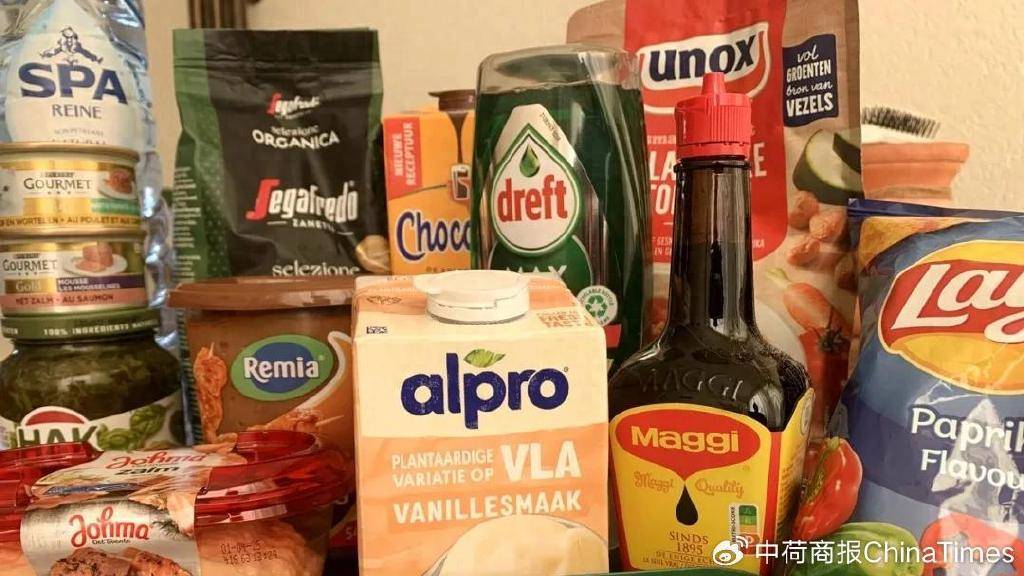
Group 1 - The core viewpoint is that private labels are gaining popularity among consumers in Europe due to dissatisfaction with rising prices of A-brands, providing supermarkets with valuable insights during negotiations with these brands [1][4] - Ahold Delhaize is collaborating with other European supermarket groups for joint purchasing to secure better prices, as significant price discrepancies exist across countries [4] - The growth of private labels is enhancing Ahold Delhaize's negotiating power with A-brands, allowing them to use their own products as comparison materials during negotiations [4] Group 2 - The impact of the trade war between the US and Europe has been minimal for Ahold Delhaize, as the company primarily sources food locally for its supermarkets [6] - However, rising costs of packaging materials, particularly aluminum and steel, are expected to affect the costs of products sold in US supermarkets [6] - The company is exploring smarter solutions to mitigate the impact of rising costs without passing them on to consumers [6]

莫迪还没踏上访华飞机,印度先对美国征税150%,中国已召回工程师
Sou Hu Cai Jing· 2025-08-11 16:24
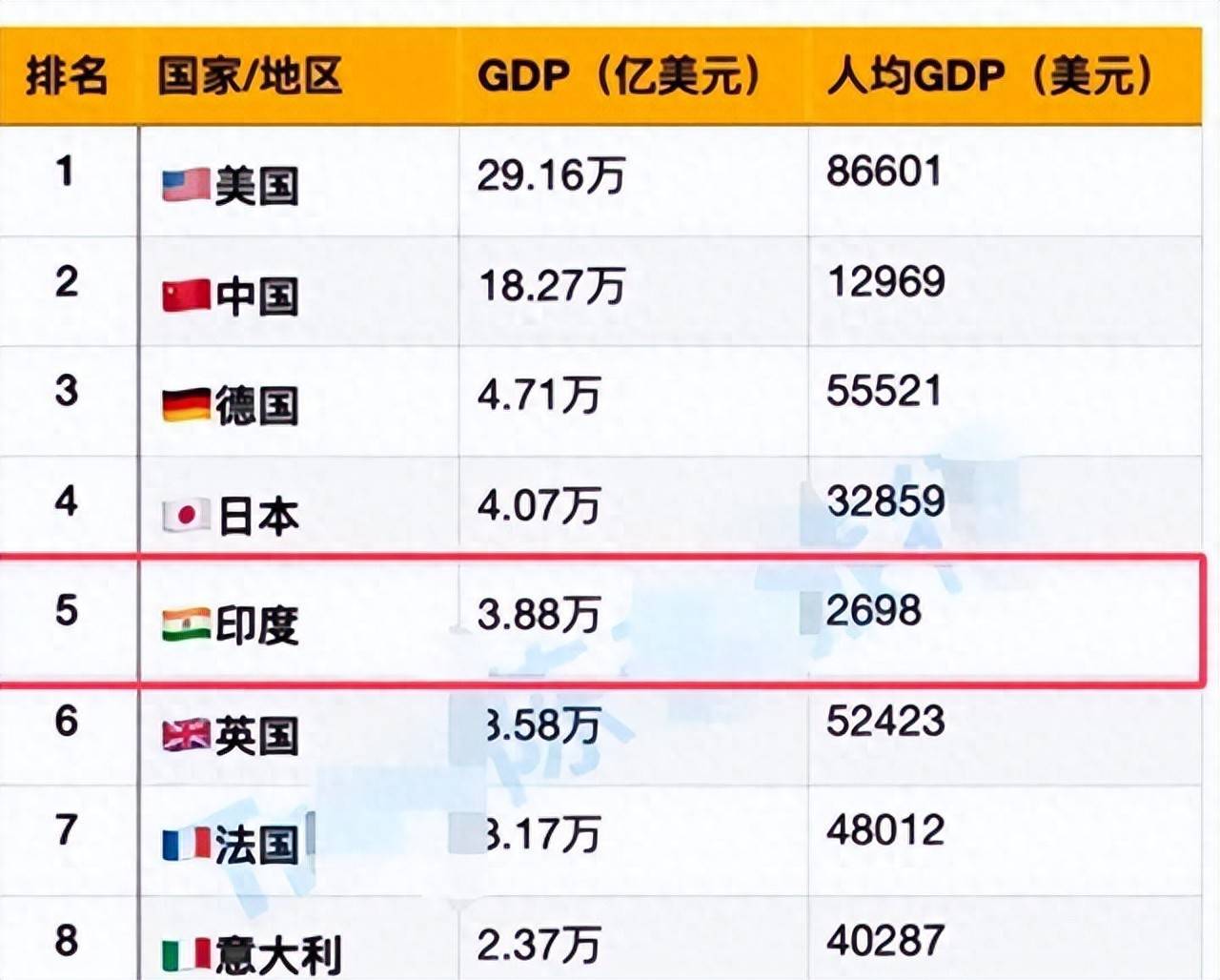
Group 1 - The trade relationship between India and the United States has become tense, with a projected trade volume of $129.2 billion in 2024, where India exports $87 billion and imports $41 billion, resulting in a surplus of $45.7 billion, ranking ninth globally [1][2] - The U.S. has imposed a 26% tariff on Indian automotive, steel, and aluminum products starting April 2025, following aggressive tariff policies initiated by the Trump administration [1][2] - Negotiations primarily stalled over agricultural products, with India maintaining high tariffs on soybeans and corn at 39% and 50% respectively, while the average tariff in India is 7.7%, significantly higher than the U.S. average of 2.8% [2][4] Group 2 - In response to U.S. tariffs, India has increased tariffs on certain U.S. products, including bourbon whiskey, reverting a previous agreement to reduce tariffs from 150% to 100%, which is expected to decrease U.S. exports by 40% [2][4] - China has recalled over 300 engineers from India, primarily from Foxconn's iPhone factory, due to uncertainties in U.S.-China trade relations, impacting the production of iPhone 17 and delaying manufacturing plans [4][6] - India's economic growth is projected at 6.48% for 2024, with a GDP of $3.91 trillion, but the ongoing trade war may lead to capital flight to countries like Vietnam [6][9] Group 3 - Modi's upcoming visit to China for the Shanghai Cooperation Organization summit is seen as an opportunity for India to strengthen ties with China and Russia in light of U.S. pressures [6][7] - The trade tensions have prompted a shift in India's defense procurement strategy, moving away from the U.S. and towards Russia for military supplies, including the S-400 missile system [7][11] - The global supply chain is undergoing significant adjustments, with countries like Vietnam benefiting from increased orders as India's manufacturing sector faces slowdowns [9][11] Group 4 - The situation highlights the fragility of global trade, with India aiming to leverage the "China +1" strategy for growth, but facing challenges due to U.S. tariffs that have escalated from 2.5% to 27% [9][13] - The trade war has led to increased prices for consumers, with India needing to balance its diplomatic relations to avoid being caught between the U.S. and China [11][13] - The potential outcomes of Modi's visit to China could influence future trade dynamics, but the ongoing trade war continues to pose challenges for all involved parties [13]
关税冲击之下美国物流业大裁员,中美关税明日将走向何方?
Sou Hu Cai Jing· 2025-08-11 13:44
数据显示,2025年美国物流行业的破产申请数量已飙升至近十五年的峰值,仅在5月份就录得733起之多。随之而来的是大规模的企业"优化"——工厂关闭、 岗位消失,数以千计的卡车司机、仓库员工、调度人员以及技术行政人员在短时间内失去了工作。 特朗普关税政策的持续施压与动荡不安的货运市场,将众多物流服务商推向了崩溃边缘,裁员已成为行业应对关税冲击的普遍手段。 01 物流巨头裁员关厂成常态 这场风暴中,即使是全球物流巨头也难以独善其身 国际物流巨头DHL也公开确认了其调整策略,计划在今年削减8000个工作岗位,同时关闭位于加州安大略市的重要配送中心以及佐治亚州联合城的一处运 营设施。 这股席卷行业的裁员浪潮并非孤立事件,而是整个美国物流业在巨大压力下艰难求生的缩影。 巨头们尚且如此,众多中小型物流企业的处境可想而知。 02 关税利刃与市场乱流 为什么物流公司会举步维艰? 第一,关税引发的经济压力。 悬而未决的关税大大减少了运输量,尤其沉重地打击了中美间的货物流转。外媒称,大量从中国采购的中小型企业的成本显着上升,美国零售联合会预计, 今年剩余时间内,美国整体进口量预计将下滑20%,中国商品将大幅下降 80%。 图源:u ...


最大航运股的空头们遭反噬! 从红海危机到关税博弈 纵使航运变幻莫测 马士基涨势如虹
智通财经网· 2025-08-11 12:00
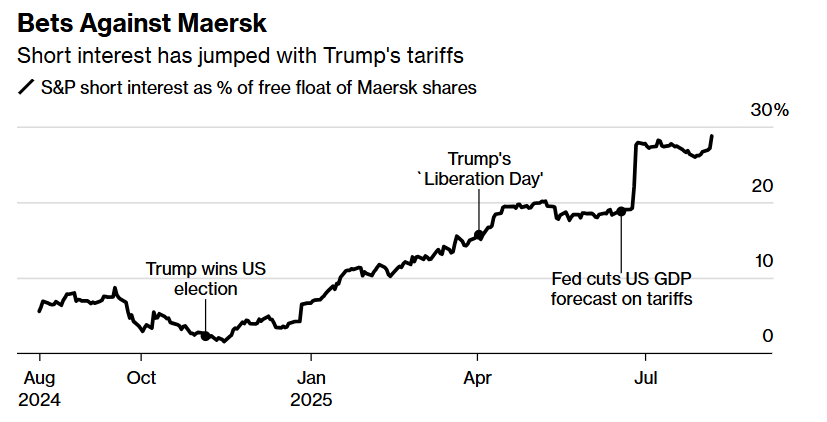
Core Viewpoint - Short selling the stock of Maersk, the world's largest publicly traded shipping company, during the global trade war has resulted in significant losses for investors since April, despite initial expectations of profit from this strategy [1][4]. Group 1: Stock Performance and Short Selling - As of now, nearly one-third of Maersk's freely traded shares have been borrowed, marking the highest short interest level since data collection began in 2014, reflecting a 15% increase since the announcement of tariffs by President Trump in early April [1][4]. - Following an initial drop after the tariff announcement, Maersk's stock has surged approximately 50% from its low in April [1]. - Analysts on Wall Street generally hold a pessimistic view on Maersk's long-term performance, with an average 12-month target price indicating a potential decline of about 15% from current levels [4]. Group 2: Business Resilience and Market Opportunities - Maersk's CEO, Vincent Clerc, emphasized that tariffs have not significantly hindered global trade, as many products cannot be easily replaced with local alternatives, presenting market opportunities for the company [5]. - The company has raised its financial performance expectations for 2025, citing resilient global transportation demand outside the U.S. [1][5]. - Historical trends indicate that shipping stocks often rebound quickly after major negative global events, suggesting a potential for continued growth in the shipping sector despite current challenges [7]. Group 3: Market Sentiment and Investment Logic - The primary rationale for shorting Maersk's stock is not based on its fundamental performance but rather on its high valuation and the belief that Trump's tariff policies will ultimately harm global trade [9]. - Despite the bearish sentiment from some investors, the stock has not performed as expected, indicating that the short sellers' logic has not yet been validated [9].
莫迪华前的连环炸,印度对美威士忌加税150%,默许中国撤走327名工程师
Sou Hu Cai Jing· 2025-08-11 05:24
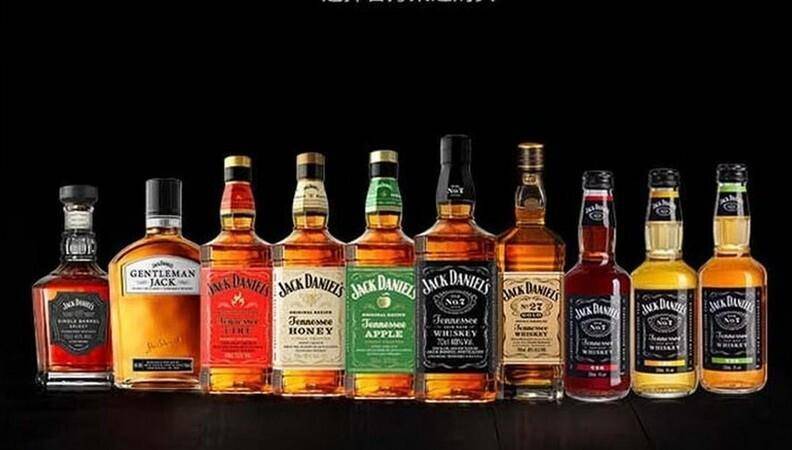
Group 1: Trade Relations and Tariffs - India imposed a 150% punitive tariff on U.S. bourbon whiskey and allowed the withdrawal of 327 Chinese engineers, significantly impacting global economic dynamics [1][2] - The U.S. government raised tariffs on Indian imports to 50% after failed negotiations, marking India as one of the most expensive trade partners for the U.S. [1] - India retaliated against U.S. sanctions by imposing tariffs on $3.5 billion worth of U.S. goods, including a 30% tariff on soybeans, corn, apples, and Alaskan crude oil [2] Group 2: Impact on Manufacturing and Supply Chains - The withdrawal of Chinese engineers from India led to a significant decline in the production quality of iPhone 17, with defect rates soaring from 0.9% to 8.7% [4] - The Indian manufacturing sector faced severe disruptions, with a 30% drop in production quality and delays in the iPhone 17 launch by at least six months [4] - The U.S. tariffs resulted in a drastic reduction of India's trade surplus with the U.S., and the Indian smartphone export to the U.S. surged by 90% before facing a 50% tariff barrier [6] Group 3: Economic Consequences for Workers - The trade conflict led to job losses, with 120 workers laid off at bourbon distilleries in Kentucky and a decrease in wages for assembly line workers in Tamil Nadu, India [8] - The return of Chinese engineers caused unrest among Indian workers, who protested outside factories due to the loss of jobs and opportunities [8] - The manufacturing sector in India is experiencing a decline in quality and efficiency, with critical components missing, leading to increased failure rates in defense and technology systems [8]
印度还在死战,巴西却先妥协?卢拉提出谈判,特朗普等的就是此刻
Sou Hu Cai Jing· 2025-08-11 04:02
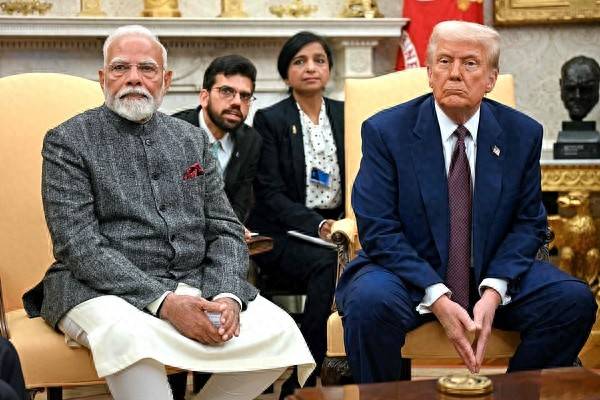
Core Points - The Trump administration has announced new tariffs targeting India and Brazil, aiming to send a strong message to other nations [1][3] - India has been subjected to a 25% punitive tariff due to its continued procurement of Russian oil and military supplies, but the Indian government remains defiant [1][3] - Brazil's President Lula has expressed willingness to negotiate fairly with the Trump administration, contrasting India's hard stance [3][5] Summary by Sections Tariff Announcement - The U.S. has implemented a 25% punitive tariff on Indian goods, citing India's ongoing purchases of Russian oil and military equipment as the primary reason [1][3] - The Trump administration's aggressive tariff strategy is seen as an attempt to deter other countries from similar actions [1] India's Response - India has firmly rejected the U.S. tariffs, emphasizing the stability and long-term nature of its contracts with Russia [3][5] - The Indian government is aware that the tariffs could severely impact its key industries such as pharmaceuticals, textiles, jewelry, and software [3][5] - India is leveraging its strategic importance in the Indo-Pacific region, believing that the U.S. needs India to counterbalance China [5] Brazil's Position - In contrast to India's defiance, Brazil's President Lula has indicated a willingness to engage in equal trade negotiations with the U.S. [5][6] - Lula's administration is focused on protecting Brazilian agriculture and manufacturing from becoming a dumping ground for U.S. products [5][6] - The U.S. previously threatened a 50% tariff on Brazilian goods but ultimately settled for a 10% tariff, indicating a potential concession to Brazil [5][6] Broader Implications - The ongoing tariff disputes highlight the complexities of U.S. trade relations with emerging economies like India and Brazil [6] - The potential for retaliatory measures and the impact on global oil prices could have significant repercussions for the U.S. economy [5][6]
金融时报:英伟达和AMD上缴15%的中国AI芯片收入,换取特朗普“放行”
美股IPO· 2025-08-11 03:36
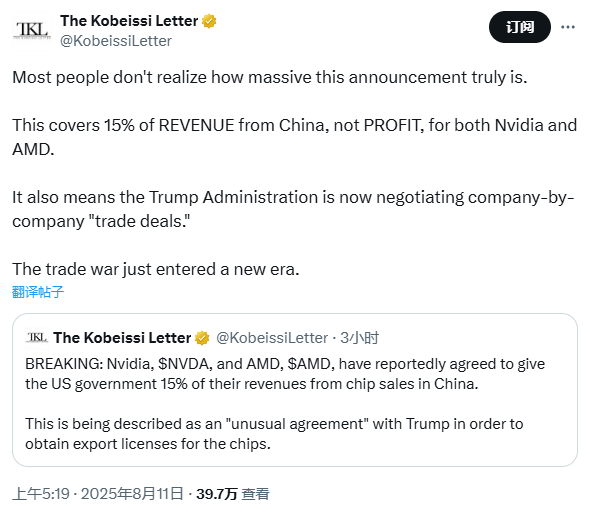
Core Viewpoint - The unprecedented arrangement between Nvidia and AMD to pay 15% of their sales revenue from chip sales in China to the U.S. government marks a significant shift in U.S. export control policies [1][3][5]. Group 1: Export License Conditions - Nvidia and AMD have received export licenses to sell chips in China, contingent upon paying 15% of their sales revenue to the U.S. government [3][6]. - Nvidia is expected to generate approximately $23 billion in revenue from selling around 1.5 million H20 chips in China by 2025, which could result in over $3 billion in payments to the U.S. government [3]. Group 2: Implications of the Arrangement - This arrangement is seen as a new phase in the trade war, with analysts highlighting its significance as it involves revenue sharing rather than profit sharing [5]. - The U.S. government is negotiating "trade agreements" on a company-by-company basis, indicating a more tailored approach to trade relations [5]. Group 3: Government Stance and Reactions - The U.S. Commerce Department has begun issuing export licenses for H20 chips, coinciding with a meeting between Nvidia's CEO and former President Trump [6]. - The Chinese Ministry of Commerce has expressed concerns over U.S. export controls, emphasizing the need for cooperation and a stable semiconductor supply chain [7]. Group 4: Tariff Policies - Trump has announced a 100% tariff on semiconductor imports but offers exemptions for companies that commit to building factories in the U.S. [8].


报道称:英伟达和AMD上缴15%的中国AI芯片收入,换取特朗普「放行」
Hua Er Jie Jian Wen· 2025-08-11 01:20
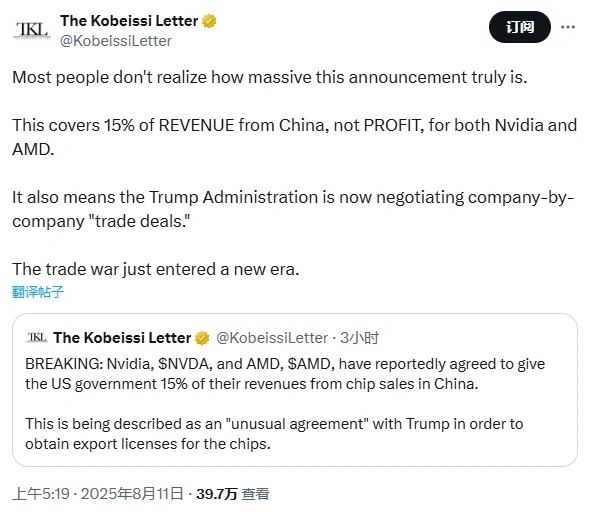
Core Points - NVIDIA and AMD have agreed to pay 15% of their sales revenue from specific chips sold in China to the U.S. government in exchange for export licenses, marking a significant shift in U.S. export control policy [1][2] - The agreement involves NVIDIA's H20 and AMD's MI308 chips, with analysts estimating NVIDIA's H20 sales could reach $23 billion in 2025, implying a payment of over $3 billion to the U.S. government [1][3] - This unprecedented arrangement reflects the Trump administration's approach of encouraging domestic investment to avoid tariffs and generate U.S. jobs and revenue [2][3] Group 1 - The U.S. Commerce Department began issuing export licenses for H20 chips shortly after a meeting between NVIDIA's CEO and Trump, indicating a potential shift in U.S.-China trade relations [4] - The Chinese Ministry of Commerce stated that the U.S. has agreed to approve the sale of NVIDIA's H20 chips to China, emphasizing the need for cooperation and mutual benefit [5] - Analysts suggest that this arrangement signifies a new era in the trade war, with the U.S. negotiating "trade agreements" on a company-by-company basis [3][2]
报道称:英伟达和AMD上缴15%的中国AI芯片收入,换取特朗普“放行”
Hua Er Jie Jian Wen· 2025-08-11 00:47
Core Insights - Nvidia and AMD have agreed to pay 15% of their sales revenue from chip sales in China to the U.S. government as a condition for obtaining semiconductor export licenses, marking a significant shift in U.S. export control policy [1][2] - Nvidia is expected to generate approximately $23 billion in revenue from the sale of 1.5 million H20 chips in China by 2025, which could result in over $3 billion in payments to the U.S. government [1][2] - This unprecedented arrangement indicates that the Trump administration is negotiating "trade agreements" on a company-by-company basis, suggesting a new era in the trade war [2] Company-Specific Developments - Nvidia received export licenses for H20 chips shortly after CEO Jensen Huang's meeting with President Trump, indicating a direct link between political discussions and business operations [3] - AMD has also begun receiving export licenses for its chips, although the company has not publicly commented on the arrangement [1][3] Government and Regulatory Context - The U.S. Department of Commerce has started issuing export licenses for H20 chips, coinciding with a broader strategy to encourage domestic investment and job creation while imposing tariffs on imports [3][4] - The Chinese government has expressed opposition to U.S. export controls, emphasizing the need for cooperation and fair competition in the semiconductor market [4]
一边喊“脱钩”一边狂买13%?美国对中国芯片的依赖,藏不住了
Sou Hu Cai Jing· 2025-08-10 22:14
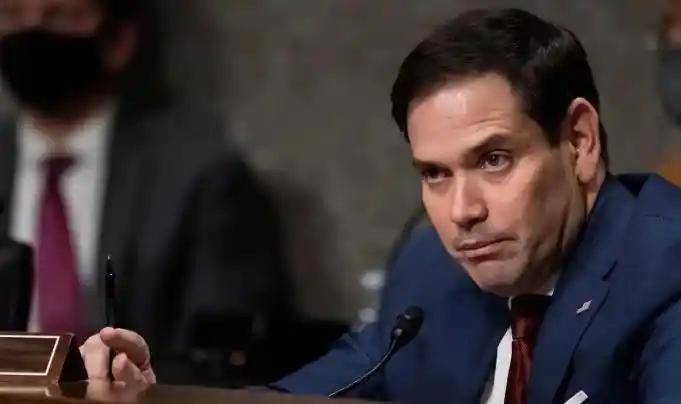
Group 1 - The U.S. Secretary of State Rubio's comments suggest that the U.S. could benefit in certain sectors from a trade war with China, indicating a potential economic gamble [2] - In 2024, the U.S. imported goods worth $505 billion from China, and tariffs could lead to significant price increases for consumer goods, including a potential $30,000 rise in electric vehicle prices due to a 100% tariff on Chinese electric vehicles [2][4] - Major multinational corporations, particularly in the semiconductor and AI sectors, are likely to profit from the trade war, while ordinary consumers will bear the costs [4] Group 2 - The U.S. stock market experienced volatility following Rubio's statements, with tech stocks rising over 5%, while retail and consumer goods sectors faced declines due to rising import costs [4] - Nearly 30% of Chinese export companies rely on the U.S. market, and rising tariffs could lead to the closure of many small and medium-sized enterprises in China, particularly in the Pearl River Delta region [4] - The Chinese government announced a plan to invest 50 billion RMB in the semiconductor industry over the next three years to reduce reliance on the U.S., but this will take time to implement [4] Group 3 - The trade war has raised global concerns, with the EU calling for multilateral negotiations and warnings from German manufacturers about potential economic collapse in Europe due to U.S.-China tensions [6] - The U.S. Department of Commerce announced tariffs on Chinese 5G and cloud computing products, which could weaken U.S. companies that depend on Chinese components [6] - The U.S. Consumer Price Index rose by 3.3% in June 2024, and further tariff increases could exacerbate living costs for American consumers [6] Group 4 - Despite calls for decoupling, the U.S. continues to rely on the Chinese market, with a 13% increase in imports of U.S. chip equipment by China in the first half of 2024 [8] - The trade war is characterized as a dangerous gamble, with the potential for significant risks that could ultimately impact ordinary citizens globally [10]