
国产化替代

Search documents
赛分科技上半年预计实现净利润5100万元到5500万元
Zheng Quan Shi Bao Wang· 2025-07-14 11:38
Core Viewpoint - The company, Saifen Technology, is expected to achieve significant revenue and profit growth in the first half of 2025, driven by its focus on analytical chromatography and industrial purification sectors, alongside strong market demand and strategic partnerships [1][2]. Company Performance - The company forecasts revenue between 180 million to 186 million yuan, representing a year-on-year growth of 18% to 22% [1]. - Expected net profit attributable to shareholders is projected to be between 51 million to 55 million yuan, indicating a year-on-year increase of 34% to 44% [1]. - The net profit after deducting non-recurring gains and losses is anticipated to be between 45 million to 47 million yuan, reflecting a year-on-year growth of 18% to 23% [1]. Market Position and Strategy - Saifen Technology holds three core technologies: microspheres, surface modification, and functional group ligands, and has established strategic partnerships with leading companies in the antibody, insulin, GLP-1, and recombinant protein sectors [1]. - The company is actively developing purification solutions for oligonucleotides, collagen, and blood products, enhancing its competitive edge across various segments of the biopharmaceutical market [1]. Industry Trends - The Chinese biopharmaceutical chromatography medium market is projected to reach between 6 billion to 9 billion yuan, accounting for approximately 15% to 20% of the global market [2]. - There is a strong trend towards domestic substitution in the industry, with leading domestic companies gaining market advantages through technological depth, scale production capabilities, and quality systems [2]. - The company is expanding its core product capacity and shortening delivery times to meet the rapidly growing market demand, with a significant capacity expansion project underway at its Yangzhou factory [2].
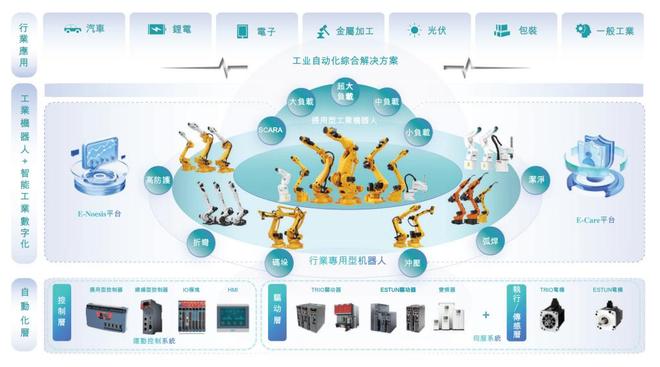
埃斯顿赴港IPO:巨亏8亿、短债高企与外资撤离下的“破局”之问
Jin Rong Jie· 2025-07-14 09:50
Core Viewpoint - Nanjing Estun Automation Co., Ltd. is facing significant challenges as it prepares for its IPO on the Hong Kong Stock Exchange, including a sharp decline in performance, heavy debt burdens, and foreign capital withdrawal [1][8]. Financial Performance - In 2024, the company reported revenue of 4.009 billion yuan, a decrease of 13.8% from 2023, and a net loss of 810 million yuan, a staggering decline of 700.1% year-on-year [3][4]. - The company's core business, industrial robots and intelligent manufacturing systems, saw a revenue drop of 16.04% in 2024, with significant declines in sales from its subsidiary in Germany and the photovoltaic sector [3]. - The company recorded asset impairments totaling 467 million yuan, exacerbating its overall losses [3]. Research and Development - Despite financial struggles, the company maintains high R&D expenditures, with amounts of 308 million yuan, 389 million yuan, and 442 million yuan from 2022 to 2024, reflecting increases of 26.3% and 13.84% in 2023 and 2024, respectively [6]. - The company aims to enhance its competitive edge through technological innovation and high-value products, although the high R&D costs are currently a burden on profitability [6]. Debt Situation - The company's total liabilities increased from 5.181 billion yuan in 2022 to 8.248 billion yuan in 2024, with a significant rise in short-term debt [7]. - By the first quarter of 2025, total liabilities reached 9.053 billion yuan, with current liabilities at 6.387 billion yuan, indicating a cash flow challenge as operating cash flow turned negative in 2024 [7]. Foreign Investment Withdrawal - The company is experiencing a withdrawal of foreign capital, with significant reductions in holdings by foreign institutional investors since 2022, reflecting a decline in market confidence [8]. - The proportion of shares held by foreign investors dropped from 23.71% in 2022 to 2.21% by June 30, 2025, indicating a loss of interest from international investors [8].


DRAM涨价与迭代迎来反转向上行情,江波龙加速布局高端存储市场
Xin Lang Cai Jing· 2025-07-14 05:24
Group 1: Market Dynamics - The DRAM market is experiencing a significant shift from oversupply to a supply-demand imbalance, with prices rising sharply, including a 53% increase in DDR4 prices in May, the largest since 2017 [1] - The overall DRAM market price index has increased by 47.7% since early 2025, with a 19.5% rise in June alone, driven by both traditional DRAM and high-value server DRAM [1][7] - The transition to DDR5 is becoming a trend as major DRAM manufacturers shift capacity towards higher-end products, leading to increased demand for older generation products [2] Group 2: Company Positioning - Jiangbolong has developed a comprehensive range of enterprise storage products, including SATA eSSD, PCIe eSSD, RDIMM, and MRDIMM, and reported a revenue increase of over 200% year-on-year in Q1 2025 [3] - The company is focusing on high-end consumer and enterprise-level DDR5 product mass production to meet the growing demand for high-capacity, high-bandwidth, and low-power memory products in gaming, servers, and industrial automation [2][3] - Jiangbolong has signed a memorandum of cooperation with Sandisk to integrate resources and enhance its position in the embedded storage market, aiming to increase market share in high-end storage solutions [4] Group 3: Innovation and Business Model - Jiangbolong has introduced innovative business models such as PTM (Product Technology Manufacturing) and TCM (Technology Contract Manufacturing), which provide new commercial strategies for the storage industry [5][6] - The TCM model has received positive feedback from storage wafer manufacturers and key clients, facilitating collaboration with Tier 1 clients like Transsion and ZTE [6] - The company is leveraging its self-developed core technologies to enhance product differentiation and improve visibility in supply and demand, thereby mitigating price volatility [6] Group 4: Future Outlook - The storage sector is expected to see continued price increases, with general DRAM prices projected to rise by 10% to 15% in Q3 2025, and overall DRAM prices, including HBM, expected to increase by 15% to 20% [7] - The domestic storage market is anticipated to grow further, with an increasing localization rate for high-difficulty and high-speed products, presenting opportunities for industry players [7]
江丰电子拟定增募资19亿加码半导体 连续五年研发费率超5%夯实技术根基
Chang Jiang Shang Bao· 2025-07-13 23:25
Core Viewpoint - Jiangfeng Electronics, a leading domestic semiconductor sputtering target manufacturer, is initiating a capital increase to raise no more than 1.948 billion yuan, primarily for production projects, a research center, and to supplement working capital and repay loans [1][2]. Fundraising Allocation - The fundraising will focus on four major projects, with 999.8 million yuan allocated to the production of electrostatic chucks for integrated circuit equipment, accounting for 51.23% of the total funds raised [2][3]. - The electrostatic chuck project has a total investment of 1.098 billion yuan and aims to address the long-standing market monopoly by foreign companies in China's high-end electrostatic chuck market [2]. - Another significant project is the ultra-pure metal sputtering target production project located in South Korea, with a total investment of 350 million yuan, which will enhance the company's global strategic layout [2][3]. - Additionally, 99 million yuan will be invested in the Shanghai Jiangfeng Electronics R&D and Technical Service Center, focusing on cutting-edge technology research [3]. Financial Performance - Jiangfeng Electronics has shown strong financial growth, achieving a revenue of 1 billion yuan in Q1 2025, a year-on-year increase of 29.53%, and a net profit of 157 million yuan, up 163.58% [6]. - The semiconductor precision components business has become a significant growth driver, with revenue reaching 887 million yuan in 2024, a 55.53% increase [6]. - The company has consistently invested in R&D, with expenditures rising from 73.81 million yuan in 2020 to 217 million yuan in 2024, maintaining a research expense ratio above 5% for five consecutive years [6][7]. Asset Growth - Jiangfeng Electronics' total assets increased from 5.098 billion yuan in 2022 to 8.689 billion yuan in 2024, marking a growth of 70.44% over two years [7]. - As of Q1 2025, total assets reached 9.275 billion yuan, reflecting a year-on-year growth of 42.21%, setting a new historical high [7].
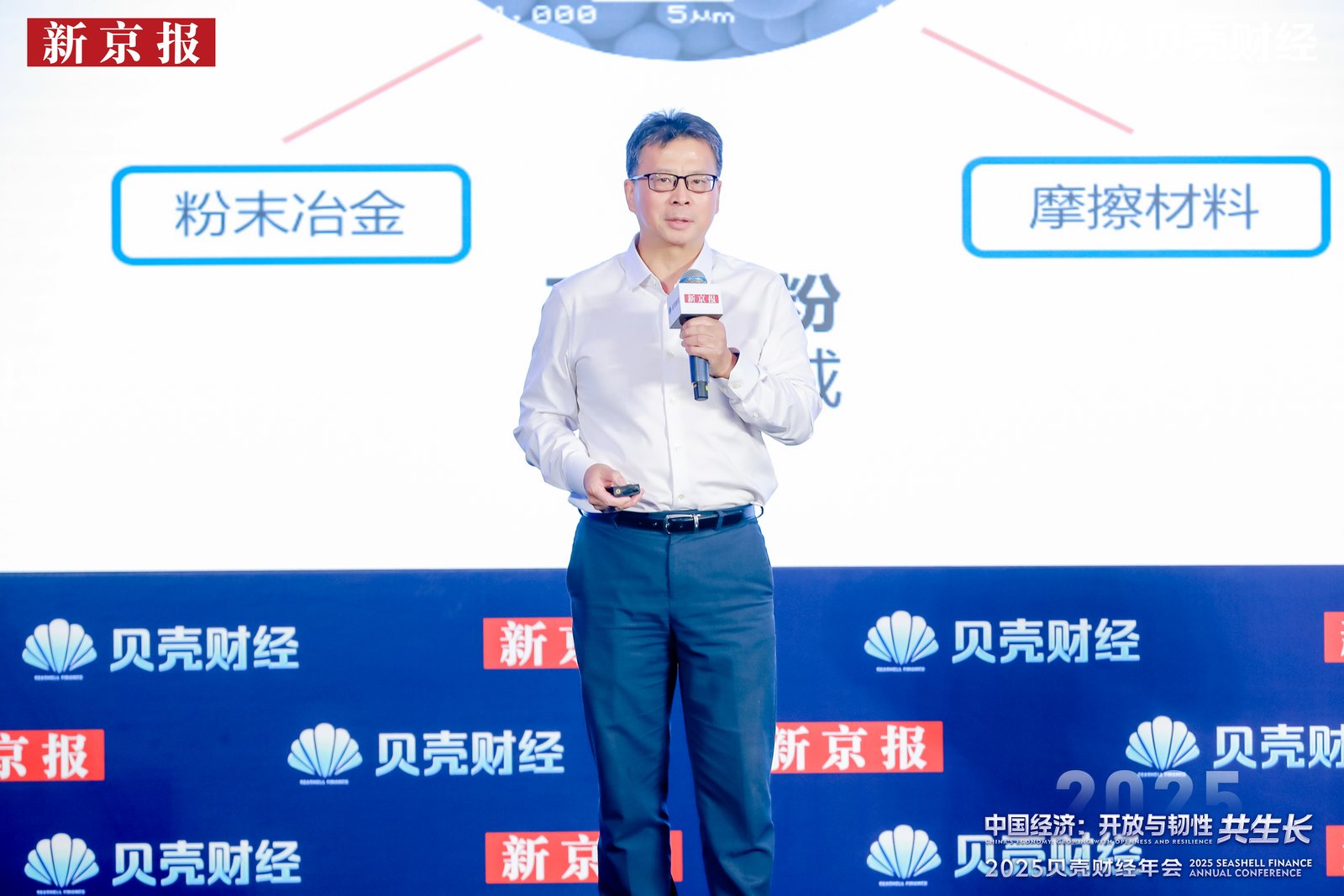
新威凌陈志强:将形成三地产能协同的新格局,实现全国性产业布局
Bei Ke Cai Jing· 2025-07-12 00:28
Core Insights - The chairman and general manager of Hunan New Weiling Metal New Materials Technology Co., Ltd., Chen Zhiqiang, highlighted the company's improvements in various aspects since its listing on the Beijing Stock Exchange, including financial strength, financing capability, market expansion, production capacity, technological research and development, and corporate governance [2][3] - The company plans to accelerate the construction of its production base in Jiangsu to establish a coordinated production capacity across eastern, central, and western regions of China, aiming for a nationwide industrial layout [2] - New Weiling aims to develop more high-performance, high-value-added special effect metal pigment products and achieve domestic substitution of similar products in the industry through industrialization at its Jiangsu production base [2] - The company is also looking to expand into the zinc energy battery and related products sector, engaging in industry-academia-research cooperation to explore new growth avenues and enhance profitability [2] Financial Performance - New Weiling's revenue increased from 600 million yuan before its listing to approximately 947 million yuan in the most recent fiscal year, representing a growth rate of 58% [3] - The annual production capacity rose from 25,500 tons to 57,500 tons, marking a significant increase of 125% [3] - The company has successfully achieved mass production of new products, including ultra-fine flake zinc powder and ultra-fine flake zinc-aluminum alloy powder, breaking through technical barriers and market monopolies held by foreign companies in the high-end anti-corrosion materials sector [3] Corporate Governance and Innovation - Post-listing, New Weiling has enhanced its financing channels, making them more diversified and significantly improving its financing capabilities, which lays a solid foundation for increasing market share, developing new products, and enhancing company value [3] - The company's governance system has become more refined, promoting healthy and stable development [3] - With 23 years of focus on niche markets, New Weiling has adhered to technology leadership and innovation-driven strategies, obtaining over 70 national authorized patents and participating in the formulation of multiple national and industry standards [3] - The company has received nearly 100 honors and qualifications, including recognition as a "National Specialized and Innovative 'Little Giant' Enterprise" and a "National High-tech Enterprise" [3]
今日投资参考:光伏“反内卷”立竿见影 DDR4价格持续攀升
Zheng Quan Shi Bao Wang· 2025-07-11 02:14
Market Performance - The Shanghai Composite Index rose by 0.48% to 3509.68 points, while the Shenzhen Component Index increased by 0.47% to 10631.13 points, and the ChiNext Index gained 0.22% to 2189.58 points, with the SSE 50 Index up by 0.62% [1] - The total trading volume in the Shanghai and Shenzhen markets reached 151.53 billion yuan, with sectors such as real estate, coal, brokerage, steel, pharmaceuticals, and banking showing significant gains [1] DDR4 Market Insights - The price of DDR4 continues to rise due to the exit of major players like Micron, Samsung, and SK Hynix from the market, with the DXI index reaching 83072.69 points, reflecting a year-to-date increase of 86.1% [2] - Demand for niche DRAM is expected to remain strong, driven by a weak recovery in smartphones, PCs, IoT, and industrial control sectors, alongside ongoing domestic replacement trends [2] Copper Price Volatility - Following Trump's consideration of a 50% tariff on imported copper, COMEX copper prices surged to nearly $5.9 per pound, closing at $5.51 per pound, marking a daily increase of nearly 10% [3] - The divergence in price movements between COMEX and LME copper indicates potential for increased volatility in copper prices in the short term, with expectations of a return to fundamental and macroeconomic influences [3] Photovoltaic Industry Developments - The price of silicon materials has surged to approximately 45,000 yuan per ton, a 25% increase, as the industry responds to "anti-involution" policies [4] - The rise in silicon prices is expected to lead to price increases across the photovoltaic supply chain, including N-type silicon wafers and potentially batteries and components [4] Banking Sector Stability - The banking sector's foundation for "stable returns" has been strengthened, supported by macroeconomic and regulatory policies that enhance profitability stability [6] - The focus on low-valuation stocks and beta varieties is expected to continue, with institutional investors showing increased interest in stable return assets [6] Strategic Mineral Export Control - The Ministry of Commerce has initiated a special action to combat the smuggling and export of strategic minerals, including antimony and gallium, to prevent illegal outflows [8] Innovative Drug Developments - Guangshengtang's innovative drug GST-HG131 for hepatitis B treatment has been included in the list of breakthrough therapy products, indicating significant clinical advantages [9] Rare Earth Pricing Adjustments - Baotou Steel's announcement to adjust the price of rare earth concentrates to 19,109 yuan per ton (excluding tax) reflects ongoing changes in the pricing mechanism for rare earth products [10]
崇德科技(301548) - 2025年7月8日、7月9日投资者关系活动记录表
2025-07-10 08:30
Group 1: Company Overview - The main products and services include dynamic pressure oil film sliding bearings, wind power sliding bearings, high-speed permanent magnet motors, and industrial transmission services, focusing on energy generation, industrial drive, petrochemicals, and shipping sectors [2][3]. Group 2: Market Competition - The dynamic pressure oil film sliding bearing industry has a low overall market concentration, with the top ten global companies accounting for approximately 25% of the market size [4]. - The demand for low-performance bearing products is supplied by numerous small manufacturers, while high-performance bearings are primarily provided by leading international companies and domestic leaders like Chongde Technology [4][5]. Group 3: Financial Performance - In 2024, the company achieved a revenue of 518 million CNY and a net profit of 115 million CNY, with a non-recurring net profit of approximately 96.02 million CNY [6]. - In Q1 2025, the company reported a revenue of 121 million CNY and a net profit of approximately 27.81 million CNY [6]. - Revenue breakdown for 2024: - Industrial drive: 298 million CNY (57.64%) - Energy generation: 121 million CNY (23.31%) - Petrochemicals: 44 million CNY (8.41%) - Shipping: 26 million CNY (4.93%) - Other: 30 million CNY (5.70%) [6]. Group 4: International Business - The company’s international business, including direct exports and domestic factory support, has been growing rapidly, with direct export revenue reaching 80.68 million CNY in 2024, a year-on-year increase of 27.87% [7]. - Major export markets include South Korea, India, Singapore, Germany, France, Italy, and Spain [7]. Group 5: Nuclear Power Sector - The company has developed high-reliability sliding bearings for the nuclear power sector, significantly increasing its orders in recent years [8]. Group 6: PEEK Material Bearings - The company has mastered the synthesis technology for PEEK material in sliding bearings, which offers superior properties such as high temperature resistance and self-lubrication [9]. Group 7: Future Development Plans - The company aims to enhance the reliability of industrial bearings over the next three years, focusing on technological innovation and new material applications to achieve significant advancements in energy saving and consumption reduction [9].
从佛山小厂到中国机器人TOP10,这家企业如何走上「软实力」出海?
3 6 Ke· 2025-07-10 00:58
Core Viewpoint - The company, Huibo Robotics, is advancing its international expansion strategy by focusing on vocational education and training, differentiating itself from typical robotics companies that primarily export products and technology [1][7]. Group 1: Company Strategy and Market Position - Huibo Robotics has established itself in the domestic market by focusing on the ceramic sanitary ware industry, achieving a market share of over 70% in automated spraying production lines from 2018 to 2020 [3]. - The company has successfully reduced the price of its robotic workstations to around 600,000 yuan, which is half the price of foreign competitors, enabling it to capture significant market share among leading clients [2]. - Huibo Robotics has transitioned from being a "tool provider" to a "service provider," with its education and training business now generating more revenue than its robotics sales [5]. Group 2: Technological Development and Service Offering - The company is enhancing its robotics technology to include intelligent recognition and autonomous path planning, improving adaptability in complex production environments [6]. - Huibo Robotics offers customized solutions by integrating its robotics technology with clients' specific production processes, creating a significant competitive advantage [5]. Group 3: International Expansion and Educational Initiatives - The company is leveraging its partnerships with vocational schools to establish training bases in Southeast Asia, aligning with the Chinese government's initiative to promote vocational education abroad [7][9]. - Huibo Robotics has signed agreements with various educational institutions in Southeast Asia to develop localized training programs, focusing on the specific industrial needs of each country [8][10]. - The company plans to combine its talent training services with industrial projects, providing a comprehensive solution that includes both technology and skilled personnel [10].

高新兴: 2025年度向特定对象发行A股股票预案
Zheng Quan Zhi Xing· 2025-07-09 11:12
Core Viewpoint - The company plans to issue A-shares to specific investors in 2025, aiming to enhance its capital structure and support its growth in the automotive communication domain, particularly in smart manufacturing and autonomous driving technologies [14][15][18]. Group 1: Issuance Details - The total amount to be raised from the issuance is capped at RMB 373.72 million, which will not exceed 30% of the company's total share capital prior to the issuance, equating to a maximum of 521,154,996 shares [5][23]. - The issuance will be conducted through a cash subscription at a price not lower than 80% of the average stock price over the 20 trading days preceding the pricing date [3][21]. - The final issuance price and number of shares will be determined after approval from the shareholders' meeting and regulatory bodies [2][4]. Group 2: Purpose of Fundraising - The funds raised will primarily be used to establish a fully autonomous and controllable smart manufacturing system, enhancing the company's production capacity for automotive communication products [14][18]. - The company aims to reduce reliance on external production and improve production efficiency and product quality through automation and supply chain optimization [15][17]. - Additional funds will be allocated to R&D, ensuring the company can meet the increasing demands for advanced automotive communication technologies [18][19]. Group 3: Market Context - The automotive industry is undergoing significant transformation, with trends towards electrification, intelligence, connectivity, and sharing, driven by advancements in AI and communication technologies [14][15]. - The penetration rate of connected vehicle features in new cars has exceeded 80%, indicating a growing market for automotive communication solutions [16]. - The domestic automotive supply chain is increasingly focusing on localization and innovation, with significant growth in revenue from new energy and intelligent components [15][16]. Group 4: Shareholder Structure and Control - The issuance will not alter the company's control structure, as the actual controller's shareholding will remain above the threshold required for control [27][28]. - The issuance is designed to protect the company's control rights, limiting any single investor's shareholding post-issuance to a maximum of 5% of the total share capital [27][28]. - The company will ensure that the distribution of shares post-issuance remains compliant with listing requirements [24][28].

电子行业2025年中期投资策略:行业供需弱平衡,关注AI与国产化机会
Donghai Securities· 2025-07-09 06:07
Investment Rating - The report indicates a positive long-term outlook for the semiconductor industry, particularly in the context of domestic production and AI development, suggesting a favorable investment environment [2][3]. Core Insights - The semiconductor industry is currently in a weak balance phase of supply and demand, with potential for continued weak balance into the second half of 2025. Domestic production is expected to accelerate due to external pressures, presenting significant long-term growth opportunities [2]. - Global semiconductor sales showed a year-on-year increase of 18.93% from January to April 2025, indicating a weak recovery in demand despite high inventory levels [2]. - The rise of AI technologies is driving demand for related components, such as computing chips and optical modules, which are expected to benefit from increased sales and pricing [3]. - The report emphasizes the urgency of domestic supply chain localization in response to international restrictions, highlighting the long-term potential for domestic semiconductor companies [3]. Summary by Sections Industry Overview - The semiconductor industry is characterized by cyclical trends, with price, inventory, capacity supply, and terminal demand being key indicators. Current data suggests a weak recovery in global semiconductor demand, with a notable rebound in storage product prices due to capacity control [2][3]. Market Dynamics - The report notes that storage module prices have begun to recover, while storage chip prices have increased between 10% to 220%. Despite high inventory levels, the supply side is stabilizing with wafer fab utilization rates around 80% [2][3]. AI and Innovation - The emergence of AI technologies is creating new product demands, particularly in AI servers and consumer electronics. Companies involved in AI-related components are expected to see significant growth [3]. Domestic Supply Chain - The report highlights the critical need for domestic supply chain development in the semiconductor sector, particularly in equipment, materials, and components, as international restrictions intensify [3]. Investment Opportunities - Key investment themes include AI innovation in computing chips and optical modules, AI edge applications in consumer electronics, and the acceleration of domestic supply chain localization [3]. Financial Metrics - The report provides insights into the financial performance of semiconductor companies, indicating a significant improvement in net profit margins, with a year-on-year increase of 96.6% in Q1 2025 [68]. Future Outlook - The semiconductor industry is expected to continue its recovery into the second half of 2025, driven by AI advancements and domestic production growth, with a focus on maintaining a balance between supply and demand [26][31].