
数字经济

Search documents
早报(01.21)| 恐慌抛售!美国股债汇三杀,金银暴涨;特朗普:不排除武力夺取格陵兰岛;微软CEO警示AI泡沫
Ge Long Hui· 2026-01-21 00:20
Group 1 - Trump stated that his goal to control Greenland "will never change" and did not rule out the possibility of using force to acquire it [2] - Akademiker Pension, a Danish pension fund, plans to sell all of its US Treasury holdings, totaling approximately $100 million, due to concerns over the US government's financial situation [2] - The US stock market experienced a significant decline, with the Dow Jones falling by 1.76%, the Nasdaq by 2.39%, and the S&P 500 by 2.06% [3][5] Group 2 - The yield on the 10-year US Treasury rose by 6.76 basis points to 4.2906%, while the 30-year yield increased by 7.92 basis points to 4.9158%, reaching a high not seen since early September [4] - The dollar index fell by over 0.7%, reaching a low of 98.25 during trading [4] - The US Supreme Court has not yet ruled on the legality of Trump's tariff policy, with further discussions expected after February 20 [8] Group 3 - Microsoft CEO Nadella emphasized that energy costs will determine which countries succeed in the AI race, warning that if AI benefits only a few, it could lead to a speculative bubble [9] - OpenAI signed a three-year partnership with ServiceNow to integrate its AI models into commercial software, aiming to enhance enterprise workflows [14] - Samsung Electronics and SK Hynix are expected to reduce NAND flash wafer production in 2026, with Samsung planning to produce 4.68 million wafers and SK Hynix 1.7 million wafers, both lower than their 2025 targets [13]


三省“双城德比”透视区域经济新格局
Xin Lang Cai Jing· 2026-01-20 22:59
Group 1: Economic Competition Overview - The competition among cities in China is intensifying, with notable "provincial derbies" emerging in various regions, reflecting strategic adjustments and economic dynamics [2] - In Northeast China, the competition between Shenyang and Dalian is highlighted, with Shenyang narrowing the GDP gap to less than 500 billion yuan in 2024 [3][4] - In Southeast China, Fuzhou and Quanzhou have been engaged in a long-standing economic rivalry, with Fuzhou reclaiming its position as the leading city after 22 years [6][7] Group 2: Shenyang vs. Dalian - In 2024, Dalian's GDP reached 9516.9 billion yuan, while Shenyang's GDP was 9027.1 billion yuan, marking a significant competition in the Northeast region [3] - Shenyang's economic growth rate of 6.1% in 2023 allowed it to slightly surpass Dalian's 6.0% growth, reducing the GDP gap by 245 billion yuan over two years [3][4] - Dalian's strengths lie in its industrial base and port advantages, while Shenyang focuses on transforming its economy through innovation and high-end manufacturing [4][5] Group 3: Fuzhou vs. Quanzhou - Fuzhou's economic resurgence is attributed to its strategic initiatives, including the development of digital economy, which reached over 450 billion yuan by 2020 [6][7] - The GDP gap between Fuzhou and Quanzhou has shifted from 600 billion yuan in 2018 to a lead of 1142 billion yuan for Fuzhou by 2024 [7] - Quanzhou is undergoing industrial upgrades to maintain its competitiveness, focusing on high-end manufacturing and emerging industries [7][8] Group 4: Tangshan vs. Shijiazhuang - Tangshan became the first city in Hebei to surpass the trillion yuan GDP mark in 2024, while Shijiazhuang's GDP reached 8203.4 billion yuan, indicating a narrowing gap [8][9] - The economic strategies of both cities emphasize integration with the Beijing-Tianjin-Hebei region and the development of their respective urban areas [9][10] - Both cities are focusing on leveraging digital economy and emerging industries to enhance their economic prospects in the coming years [10]

南威软件股份有限公司 2025年年度业绩预告
Zheng Quan Ri Bao· 2026-01-20 22:57
Core Viewpoint - The company, Nanwei Software, is forecasting a significant net loss for the year 2025, with expected losses ranging from 386 million to 456 million yuan, primarily due to increased impairment provisions and ongoing investments in new business areas [2][3]. Financial Performance Forecast - The company anticipates a net profit attributable to shareholders of the parent company for 2025 to be between -456 million yuan and -380 million yuan [2][3]. - The expected net profit, excluding non-recurring gains and losses, is projected to be between -472 million yuan and -396 million yuan [2][3]. - After accounting for impairment provisions totaling approximately 220 million yuan, the adjusted net profit is expected to range from -246 million yuan to -170 million yuan [3]. Previous Year Comparison - In the previous year, the company reported a total profit of -388.068 million yuan and a net profit attributable to shareholders of -309.831 million yuan [5]. - The net profit excluding non-recurring gains and losses was -331.868 million yuan, with a loss per share of -0.53 yuan [5]. Reasons for Performance Changes - The company’s G-end main business experienced revenue growth despite a contracting domestic market and intensified competition, but net profit was negatively impacted by declining gross margins [6]. - Increased investments in R&D and operations for B-end and C-end innovative businesses have not yet contributed to profits, as these areas are still in the product development phase [6]. - The company has conducted a comprehensive review and impairment testing of receivables, goodwill, intangible assets, and inventory, leading to a significant increase in impairment provisions compared to the previous year [6]. Future Outlook - The company is focusing on AI transformation and business restructuring, aiming to establish a comprehensive AI capability and industry application scenarios [6]. - The launch of high-performance computing servers in the Beijing Qixingyuan Digital Economy Industrial Center marks the commercialization of its computing business [6]. - The company has made progress in overseas markets, with successful project completions in Algeria and opportunities emerging in Singapore, Saudi Arabia, South Africa, and Pakistan [6]. - The company’s existing orders for 2025 amount to 2.412 billion yuan, reflecting a year-on-year increase of 10.54%, providing a solid foundation for stable operations [6].

全面提升软件赋能新型工业化水平
Xin Lang Cai Jing· 2026-01-20 21:54
转自:沈阳日报 (来源:沈阳日报) 本报讯(沈阳日报、沈报全媒体记者黄超、侯羽)日前,辽宁软件和信息技术新型工业化院在沈正式揭 牌成立。该院由辽宁省工业和信息化厅、东北大学、辽宁省软件协会、沈阳国际软件园及行业龙头企业 共同建立,旨在构建高效协同的创新体系,培育要素集聚融通的创新生态,全面提升软件赋能新型工业 化水平,推进产业链现代化、增强自主可控能力。 省工业和信息化厅相关负责人介绍,辽宁作为工业大省,拥有雄厚的工业基础和丰富的应用场景,在智 能制造、工业数字化转型等方面需求迫切,为软件产业与实体经济深度融合创造了有利条件。此次新型 工业化院的成立,是我省深入贯彻落实国家新型工业化战略、积极把握数字经济发展机遇的重要举措。 面向未来,辽宁软件和信息技术新型工业化院将重点建设四大核心平台,激活工业产业发展新动能。一 是建成数智化人才培养平台,重点培育复合型软件人才,输送高质量毕业生,并围绕企业需求开展员工 技能培训;二是打造工业软件技术创新平台,重点突破产业关键核心技术,积极孵化科技型创新企业; 三是建立产业赋能服务平台,充分发挥软件企业技术优势,助力企业数字化转型,同步推进标准规范制 定工作;四是建设省域协 ...
生产总值突破600亿元
Xin Lang Cai Jing· 2026-01-20 19:55
Group 1 - The core viewpoint of the articles highlights the significant achievements of Haidong City in the past five years, focusing on high-quality development, industrial upgrades, and ecological improvements, with a historic GDP surpassing 60 billion yuan [1] - Haidong City's industrial structure has been optimized to 13.6:40.3:46.1, with the service sector exceeding 48%, marking a significant transformation [1] - The city has actively integrated into the "Four Places" construction, with clean energy manufacturing, particularly in photovoltaic and hydrogen energy sectors, gaining momentum [1] Group 2 - Over the past five years, Haidong City has planted over 2.76 million acres of greenery and over 35 million trees, establishing a robust ecological environment [2] - Water quality in major rivers has consistently maintained Class I standards for five consecutive years, with air quality remaining above 92% [2] - The transformation path of "green mountains and clear waters are invaluable assets" has become clearer, exemplified by the establishment of the province's first "zero-carbon village" [2]
东开数智存储(深圳)有限公司成立,注册资本1000万人民币
Sou Hu Cai Jing· 2026-01-20 18:53
天眼查显示,近日,东开数智存储(深圳)有限公司成立,法定代表人为郗子腾,注册资本1000万人民 币,由东北亚数字经济研究院(海南)有限公司全资持股。 序号股东名称持股比例1东北亚数字经济研究院(海南)有限公司100% 经营范围含一般经营项目是:数据处理和存储支持服务;集成电路设计;集成电路芯片设计及服务;数 字文化创意内容应用服务;数字文化创意软件开发;数字内容制作服务(不含出版发行);技术服务、 技术开发、技术咨询、技术交流、技术转让、技术推广;知识产权服务(专利代理服务除外);科技中 介服务。(除依法须经批准的项目外,凭营业执照依法自主开展经营活动),许可经营项目是:无 企业名称东开数智存储(深圳)有限公司法定代表人郗子腾注册资本1000万人民币国标行业科学研究和 技术服务业>科技推广和应用服务业>技术推广服务地址深圳市光明区凤凰街道东坑社区创投路160号光 明科技金融大厦一单元505企业类型有限责任公司(法人独资)营业期限2026-1-20至无固定期限 来源:市场资讯 ...
国家发展改革委:正研究制定城乡居民增收计划
Xin Lang Cai Jing· 2026-01-20 18:52
证券时报记者 韩忠楠 1月20日上午,国新办举行新闻发布会,介绍落实中央经济工作会议精神,推动"十五五"实现良好开局有关情况。 发布会全面回顾2025年经济发展成效,介绍2026年重点工作,从稳增长、挖潜能、促改革多维度发力,为"十五 五"开局之年的经济高质量发展筑牢根基。 围绕社会各界关注的物价问题,国家发展改革委副主任王昌林表示,将会同相关部门打好政策"组合拳",把促进 物价合理回升作为货币政策的重要考量。同时,今年还将研究制定出台2026—2030年扩大内需战略实施方案。 经济实力跃上新台阶 面对复杂多变的国内外形势,2025年全国上下迎难而上、奋力拼搏,经济社会发展主要目标顺利完成,"十四 五"圆满收官。王昌林指出,过去一年经济运行稳中有进,发展韧性持续彰显,核心成效体现在多方面。 宏观政策精准发力,经济实力再上新台阶。通过加强超常规逆周期调节,接续实施稳增长系列举措,全年经济总 量迈过140万亿元大关,5%的增速在全球主要经济体中保持前列,增量相当于一个中等规模经济体总量。创新驱 动纵深推进,新质生产力加速崛起,人工智能、生物医药等领域研发应用走在世界前列,制造业增加值连续16年 位居全球第一。 改 ...

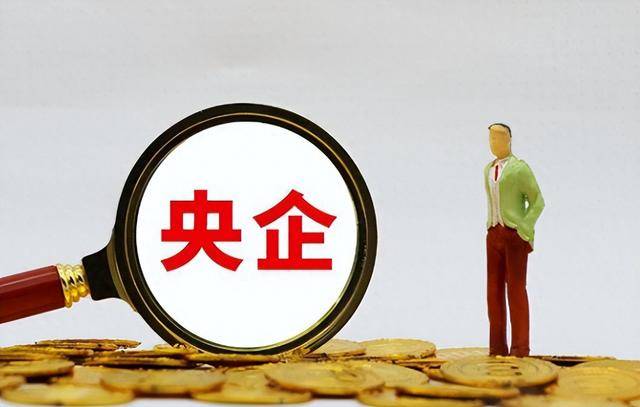
什么是央企?什么是国企?央企和国企有什么区别?央国企有哪些?
Sou Hu Cai Jing· 2026-01-20 16:47
Core Viewpoint - The article discusses the distinctions and roles of state-owned enterprises (SOEs) and central state-owned enterprises (CSOEs) in China, emphasizing their contributions to the economy and their differing management structures [1][3][21]. Group 1: Definitions and Historical Context - SOEs encompass all enterprises funded or controlled by the government, aimed at ensuring economic stability and promoting industrial development [1]. - CSOEs are a subset of SOEs directly managed by the central government, typically larger and more influential, established to support industrialization post-1949 [3][5]. - The establishment of the State-owned Assets Supervision and Administration Commission (SASAC) in 2003 marked a significant point in the management of CSOEs, allowing for more focused oversight [5][10]. Group 2: Management and Operational Differences - CSOEs are fewer in number but are major players in key sectors like oil, electricity, and telecommunications, with assets often exceeding trillions and employing hundreds of thousands [8][10]. - SOEs are managed by local state-owned assets supervision bodies, providing them with more flexibility but generally fewer resources compared to CSOEs [8][12]. - The operational focus of CSOEs includes international competition and strategic national projects, while SOEs concentrate on local innovation and market adaptation [13][21]. Group 3: Financial Performance and Contributions - In 2022, CSOEs generated revenues of 36.3 trillion and profits of 2.5 trillion, significantly contributing to the central government's finances [10]. - Although SOEs may not match the profitability of CSOEs, they play a crucial role in local economies by stabilizing employment and fostering development [13][19]. Group 4: Future Outlook - The article anticipates continued reforms for both CSOEs and SOEs, with a focus on restructuring and integration in emerging industries such as renewable energy and digital economy post-2025 [19][23]. - R&D investments by CSOEs exceed 900 billion, driving innovation, while SOEs aim to enhance efficiency and service delivery [19]. - The boundaries between CSOEs and strong SOEs may blur, with some SOEs potentially upgrading to CSOE status, contributing to China's high-quality development [19][21].
证券公司学习宣传贯彻党的二十届四中全会精神 | 华泰证券党委书记王会清:打造兼具本土优势和全球影响力的一流投资银行
Zhong Guo Zheng Quan Bao· 2026-01-20 15:02
Core Viewpoint - The article emphasizes the strategic opportunities for the securities industry in China, particularly focusing on Huatai Securities' commitment to becoming a leading investment bank while supporting the modernization of the Chinese economy through innovative financial services and international expansion [1][2]. Group 1: Company Development and Strategy - Huatai Securities has evolved from a local brokerage to a leading comprehensive financial group with total assets exceeding 1 trillion yuan and client assets over 5 trillion yuan [2]. - The company aims to build a first-class investment bank driven by technological empowerment and internationalization, aligning with the goals set forth in the 14th Five-Year Plan [2][11]. - Huatai Securities has actively engaged in the development of new productive forces, focusing on strategic emerging industries and providing high-quality financial services to technology-driven enterprises [4][11]. Group 2: Wealth Management and Client Services - The company recognizes the structural opportunities in the wealth management sector, driven by the increasing trend of residents shifting their assets to financial products [5]. - Huatai Securities has enhanced its client service capabilities by optimizing customer segmentation and providing tailored financial solutions for various client groups, including high-net-worth individuals [5][6]. - The firm has developed a comprehensive asset allocation service system, offering a range of financial products and services to meet diverse client needs [5]. Group 3: International Expansion - Huatai Securities has prioritized international business as a strategic focus, expanding its global footprint through various initiatives, including establishing subsidiaries in key markets like the U.S., Singapore, and Japan [8][9]. - The company aims to create an integrated cross-border business model, enhancing its competitiveness in global markets and improving its service offerings [8][9]. - Huatai Securities has achieved significant milestones in international markets, including leading IPO projects in Hong Kong and the U.S., thereby strengthening its global market influence [8]. Group 4: Industry Position and Future Outlook - The article highlights the critical role of securities firms in connecting the real economy with capital markets, emphasizing the need for high-quality financial services to support economic transformation [4][11]. - Huatai Securities is positioned to leverage its capabilities in capital markets to foster innovation and resource allocation, contributing to the development of high-quality technology enterprises [11][12]. - The company is committed to adhering to the principles of the 14th Five-Year Plan, focusing on high-quality development and enhancing its service capabilities to support the construction of a financial powerhouse in China [11][12].

张熙:济南正全力打造全国一流数智先锋城市
Qi Lu Wan Bao· 2026-01-20 15:01
Core Insights - Jinan aims to become a "national first-class smart pioneer city" by 2026, focusing on high-quality development through "Artificial Intelligence +" and "data elements ×" as dual drivers, emphasizing full-scale digital transformation across five key areas: infrastructure, data elements, industrial upgrading, public services, and smart government [1] Group 1: Digital Infrastructure Development - Jinan has established a unified big data platform, accumulating 47.4 billion data entries and supporting 54.43 billion data sharing calls, which aids various applications such as public housing funds and education enrollment [2] - By 2025, Jinan's computing power is expected to reach 6451P, with intelligent computing accounting for 83.2% of the total [2] - The city plans to enhance its intelligent infrastructure by improving computing power collaboration, upgrading smart network infrastructure, and accelerating the construction of intelligent perception systems [2] Group 2: High-Quality Data Set Construction - Jinan will continue to promote the construction of high-quality industry data sets, focusing on public sectors like government services and urban governance, with a goal of creating at least one high-quality data set per key industry chain annually [3] - The city aims to develop a data labeling industry, establishing a data labeling industrial park and attracting 60 data labeling companies to enhance market competitiveness [3] Group 3: Smart City Governance - By 2025, the revenue share of core digital economy enterprises in Jinan is projected to exceed 19%, making digital economy a key growth driver [4] - Jinan is enhancing its smart governance capabilities through the establishment of a city intelligent hub, which will enable comprehensive perception and efficient response to urban management [4] Group 4: Streamlining Government Services - Jinan is implementing a "no proof" city initiative, aiming for 85% of government service items to be processed without material submission or form filling [5] - The city is developing a "one code for the city" service system to improve efficiency in various applications, including hotel check-ins and electronic certificates [5] Group 5: AI Industry Development - Jinan is focusing on high-quality development of the AI industry, leveraging local computing resources to provide AI transformation tools and fostering intelligent native enterprises [6][7] - The city plans to implement AI applications in various sectors, including healthcare, elder care, public culture, and water quality monitoring, to enhance service efficiency and public welfare [8]