
银发经济

Search documents
【金融服务】浙商银行上海分行:“养老+金融+科技”三维赋能,特色服务助力银发经济升级
Xin Lang Cai Jing· 2025-12-17 14:19
Group 1 - The aging population is accelerating, making the silver economy a strategic link between people's livelihoods and industries [1][3] - Traditional elderly care models face challenges such as uneven service supply, insufficient precision, and difficulties in privacy protection, with the deep integration of technology and elderly care being the key to breaking through these issues [1][3] - Zheshang Bank's Shanghai branch is actively targeting the development needs of the smart elderly care industry, constructing a unique service system through the integration of "elderly care + finance + technology" [1][3] Group 2 - A leading digital infrastructure company is deeply engaged in the smart elderly care sector, creating a closed-loop ecosystem centered on "smart hardware + digital platform + professional services," integrating AI technology and algorithm systems [1][3] - Zheshang Bank's Shanghai branch has identified the development needs of this company and matched its phased funding plans, facilitating the company's access to financial resources for smart hardware research and digital platform development [1][3] - As the company's business scale expands, there is an urgent need for integrated financial services such as cross-border fund settlement and liquidity support [2][4] Group 3 - Zheshang Bank's Shanghai branch has formed a special service team to enhance cooperation, moving away from traditional credit assessment methods that focus on "heavy assets, light value" [2][4] - The bank has efficiently completed a 30 million yuan liquidity support credit approval, ensuring sufficient financial resources for the company's future development [2][4] - The bank leverages its experience in cross-border finance to provide efficient and secure integrated fund management solutions for the company's overseas market layout [2][4] Group 4 - In the future, Zheshang Bank's Shanghai branch will continue to focus on the pain points and needs of the smart elderly care industry, further deepening its unique service model of "elderly care + finance + technology" [2][4] - The bank aims to optimize approval processes, enrich product systems, and increase support for technology-driven companies in the elderly care sector [2][4] - There will be ongoing efforts to explore the integration points between the elderly care industry and digital economy, providing customized financial services to more entities in the silver economy [2][4]

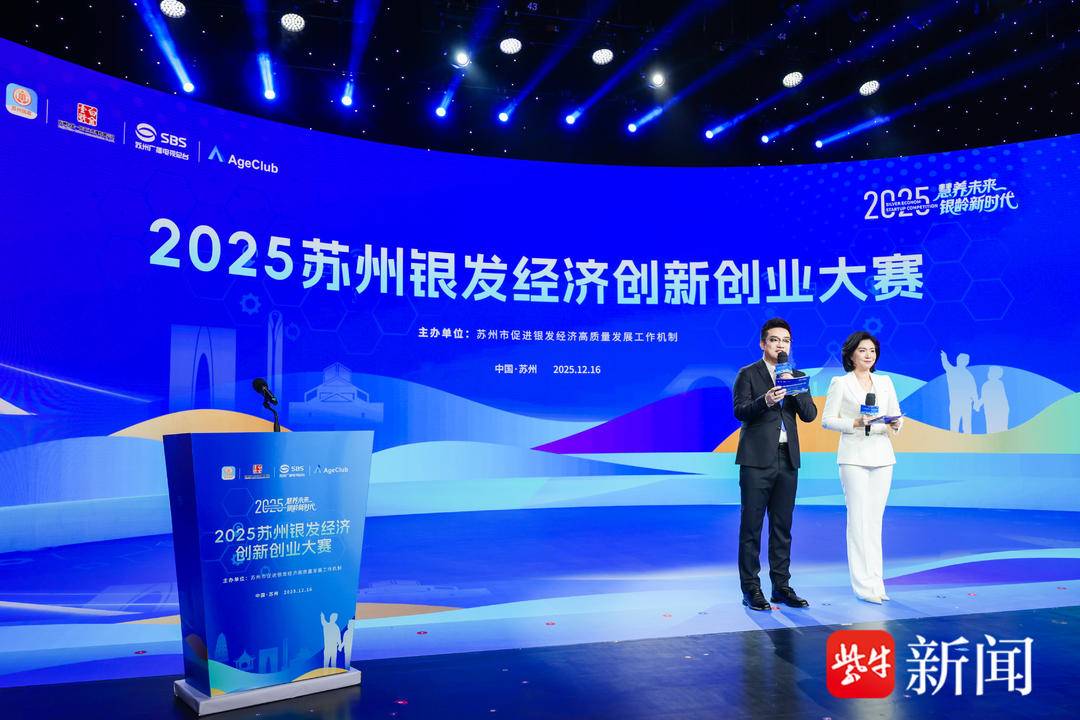
为3.1亿老年人“生活更好”而创新 2025苏州银发经济创新创业大赛颁奖礼圆满举行
Yang Zi Wan Bao Wang· 2025-12-17 14:03
12月16日,2025苏州银发经济创新创业大赛颁奖礼举行。赛事自11月启动以来吸引来自全国72个城市的近200个项目报名,围绕"康养技术与产品""康养服 务创新"两大赛道展开比拼,30个项目进入现场角逐并揭晓各类奖项。活动同步进行苏州银发经济产业推介,并发布首批苏州市银发经济产业顾问,为银 发领域创新更好回应"如何让3.1亿中国老年人生活得更好"的现实课题搭建对接通道。 颁奖礼现场同步进行苏州银发经济产业推介。苏州市民政局介绍了苏州老龄化现状及银发经济产业布局情况。随着养老服务需求持续增长,银发经济正成 为新的发展蓝海。围绕项目成长需求,苏州为参赛团队提供政策对接、投融资支持、应用场景验证等多元化扶持资源,助力创新成果加速落地。 活动中,首批苏州市银发经济产业顾问正式发布。该顾问团队汇聚老龄科学研究、养老服务、医疗健康、适老科技与设计等领域的专家力量,为银发经济 项目提供专业指导与智力支持。 大赛评委代表、北京银发壹族科技有限公司创始人段明杰在发言中表示,评审过程中始终坚持三项核心标准:是否真正回应老年人现实需求、是否具备可 持续发展能力、是否符合银发经济发展趋势。他特别提到,多项参赛项目呈现出良好的跨代协作 ...


中国光大银行呼和浩特分行与内蒙古文旅投集团签约 共促文旅康养融合发展
Zhong Guo Jin Rong Xin Xi Wang· 2025-12-17 12:41
Core Insights - China Everbright Bank's Hohhot branch signed a comprehensive strategic cooperation agreement with Inner Mongolia Cultural Tourism Investment Group to enhance collaboration in the silver economy and cultural tourism sectors [1][3][4] Group 1: Strategic Cooperation - The partnership aims to implement national policies on developing the silver economy and promoting cultural tourism consumption, focusing on three main areas: cultural tourism industry upgrade, quality improvement in elderly care services, and ensuring consumer welfare [1][3] - Inner Mongolia Cultural Tourism Group is a leading enterprise in the region's cultural tourism industry, and the bank will provide credit support in areas such as scenic area construction, hotel operations, and elderly care projects [3] Group 2: Financial Support and Innovation - The bank plans to leverage its full range of financial products to support major project collaborations, enhancing the transformation and upgrading of the cultural tourism industry in Northern Xinjiang [3] - The cooperation will integrate financial services with the cultural tourism sector, including collaboration with other group companies like Everbright Elderly Care and China Youth Travel Service to build a suitable elderly care system for Inner Mongolia [3] Group 3: Digital Transformation and Consumer Promotion - The partnership will focus on promoting consumption and digital transformation through customer service, product innovation, and brand co-creation, enriching experiences in "tourism + elderly care" and "tourism + cultural creativity" [3] - Everbright Bank will utilize digital tools like "Everbright Cloud Payment" to enhance operational efficiency and service quality for the tourism group, aiming to create a smart cultural tourism ecosystem and stimulate new consumer vitality [3][4]


# 娄底爸妈注意!200万消费礼包免费领!快@家里老人→
Sou Hu Cai Jing· 2025-12-17 10:20
Group 1 - The core idea of the article is to promote the "Silver Economy" and enhance consumption levels among the elderly, contributing to the development of the elderly care industry in Loudi City [4][5] - The second "Silver Economy Consumption Month" event will take place in December 2025, specifically from December 21 to 23 [5][6] - The event aims to create a "senior-friendly city" and will feature around 100 exhibitors from the silver economy sector, divided into five exhibition areas [6] Group 2 - The event is organized by the Loudi City Aging Work Committee and involves multiple local government departments [5] - Various incentives will be provided, including consumption vouchers for elderly individuals, with specific amounts and limits on distribution [3][4] - The event will be held at multiple locations across the city, with the main consumption festival located at Sunshui Park [6]

中新健康丨长护险“加速跑” 专家:走进每个失能老人家庭是必然
Zhong Guo Xin Wen Wang· 2025-12-17 09:10
Core Viewpoint - The implementation of long-term care insurance (LTCI) is essential in addressing the challenges posed by an aging population and the increasing number of disabled elderly individuals in China, as highlighted in the recent Central Economic Work Conference [1][4]. Group 1: Importance of Long-Term Care Insurance - LTCI is crucial for alleviating the pressure on families caused by aging and disability risks, particularly for the elderly population [2]. - By the end of 2024, the population aged 60 and above in China is projected to reach 310 million, accounting for 22% of the total population, with 220 million aged 65 and above, representing 15.6% [1]. - The number of disabled elderly individuals is currently around 35 million, which is 11.6% of the total elderly population, and is expected to rise to 46 million by 2035 [3]. Group 2: Policy Developments and Coverage - As of July this year, the LTCI system has covered 190 million people, with expenditures exceeding 85 billion yuan [4]. - The National Healthcare Security Administration has introduced a trial service project directory for LTCI, outlining 36 service items [4]. - The "14th Five-Year Plan" emphasizes the promotion of LTCI and the establishment of a care system for disabled and cognitively impaired elderly individuals [4]. Group 3: Future Outlook and Economic Impact - Experts predict that the period from 2025 to 2027 may witness significant growth in the elderly care industry and the silver economy [6]. - The comprehensive implementation of LTCI is seen as a key measure for building a more complete pension security system, which could also stimulate the silver economy [5].
专家:创新激活经济发展新动能 服务消费与银发经济成关键增长点
Xin Hua Cai Jing· 2025-12-17 05:19
Group 1 - The core focus of the upcoming "14th Five-Year Plan" is to promote high-quality development and ensure significant progress towards Chinese-style modernization, with a key indicator being the per capita GDP reaching the level of middle-developed countries, which is currently averaged at $23,000 according to the World Bank [1] - Achieving high-quality development requires a transformation and upgrading of the economic structure, which is closely linked to high-level technological self-reliance and innovation [1] - The integration of AI into production is emphasized as a crucial step in converting scientific discoveries into productive forces, highlighting the importance of technology in the modernization process [1] Group 2 - The future of AI is closely tied to ESG (Environmental, Social, and Governance) goals, with the establishment of computing power centers being a critical competitive point globally [2] - The shift from water cooling to liquid cooling in computing power centers is noted as a significant advancement in reducing energy consumption, which aligns with ESG objectives [2] - Discussions at the forum included the need for stable employment across traditional, new, and flexible job forms, with traditional manufacturing being vital for job stability [2] Group 3 - The transition from an industrial society to a knowledge society is proposed through the establishment of a three-tier knowledge system at the county, town, and village levels [3] - The next 20 years are expected to present new opportunities in overseas expansion, new consumption patterns, and artificial intelligence, with significant potential for growth in service consumption and the silver economy [3] - The Long Triangle National Technology Innovation Center is addressing the challenge of financing for early-stage innovative projects by advocating for a "grant-investment combination" model to support major innovation initiatives [3]
放宽就业社保年龄限制 意味着什么?
Ren Min Ri Bao Hai Wai Ban· 2025-12-17 00:06
Core Viewpoint - The article discusses the implications of relaxing age restrictions on employment and social security in China, particularly in the context of the gradual implementation of a delayed retirement age policy as outlined in the 15th Five-Year Plan [1][3]. Group 1: Policy Changes - The gradual delay of the statutory retirement age will see male workers' retirement age increase from 60 to 63 years and female workers' from 50 and 55 to 55 and 58 years respectively over a period of 15 years [2]. - The policy allows for flexible retirement options, enabling workers to retire between 60 and 62 years or even extend their working years up to 65 years with mutual agreement from their employers [2]. Group 2: Employment and Social Security - The Ministry of Human Resources and Social Security has issued guidelines to ensure that labor relations continue during the flexible retirement period, mandating timely social insurance contributions and protection of workers' rights [3][6]. - The optimization of age restrictions in employment and social security is aimed at breaking unreasonable barriers for older job seekers, allowing them to sign labor contracts and contribute to social insurance [3][5]. Group 3: Labor Market Dynamics - The average age of migrant workers in China is projected to reach 43.2 years by the end of 2024, with over 90 million workers aged 50 and above, highlighting the need for more inclusive hiring practices [5]. - Some industries have previously imposed age limits on hiring, which has restricted opportunities for older workers, emphasizing the need for companies to adapt to the new retirement policies [5][7]. Group 4: Legal and Social Framework - The upcoming regulations on the basic rights of older workers will require employers to establish written agreements detailing work conditions, social insurance, and labor protections for those beyond the statutory retirement age [6]. - There is a call for stronger legal frameworks to address age discrimination in hiring and to ensure compliance with social insurance obligations for older workers [8].
科技赋能民生 “AI+养老”解锁银发经济新机遇
Yang Shi Xin Wen· 2025-12-17 00:00
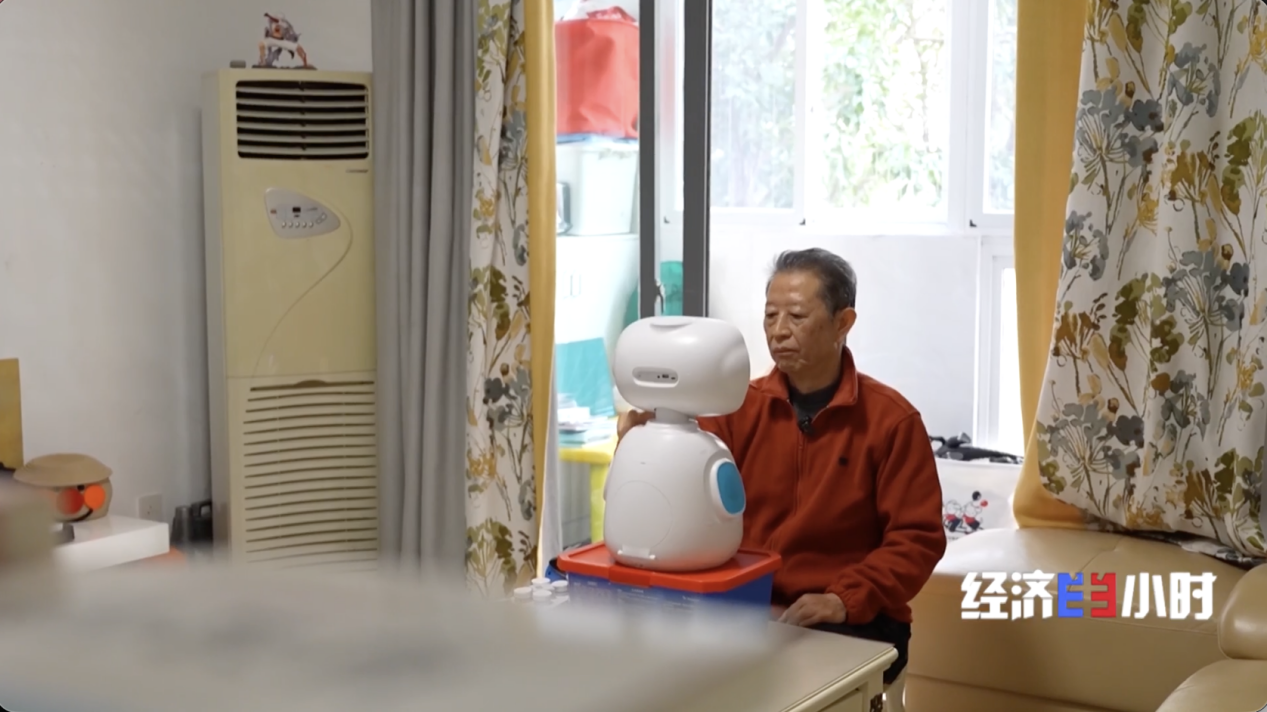
中央经济工作会议的召开,为新一年经济工作启航标定了方向。"拓展'人工智能+'""办好民生实事"等关键部署,被列为2026年经济工作的重点任务。当 前,我国60岁及以上老年人口已超过3.1亿,当以人工智能为代表的新兴产业与银发浪潮相遇,最先进的科技与最普惠的民生"双向奔赴",会在接下来经济 发展的新航程中,解锁哪些全新应用场景,孕育出怎样的产业新机遇? 在湖南长沙的一个社区养老服务站,有一个会看诊的小机器人。老人们每天去服务站监测血压、简单问诊。这个小机器人还是老人们的"文娱小伙伴"。 这款机器人是湖南一家科技公司研发出来的。这家公司推出的健康陪护类人形机器人,主要围绕助医、助行、助餐等方面,为老人提供陪护功能。他们让机 器人学习弹钢琴,是为了锻炼它的手指灵活度,好让机器人尽早实现更细致的家庭照护服务。 为了让机器人将来能胜任健康陪护的工作,研发团队还在训练机器人学习艾灸、按摩。 设计这位"实习生"的科技公司,开发了一些针对老人的特定场景,他们做了很多姿态算法,当发生紧急情况的时候,机器人会第一时间识别并发出通知,可 以及时处理突发状况。 在广东深圳一家养老院里,机器人承担了很多工作,包括24小时监护老人的生命 ...
社服行业 2026 年度投资策略:星垂平野阔,潮生万象新
Changjiang Securities· 2025-12-16 14:55
Industry Overview - The service consumption sector in China has significant growth potential, with the current GDP per capita exceeding $13,000, indicating a shift from goods to service consumption as the economy matures [4][7][24] - The proportion of development-oriented and enjoyment-oriented service consumption in China is relatively low, particularly in cultural, leisure, and health sectors, suggesting substantial room for improvement [4][7][24] - Recent government policies at both central and local levels have been introduced to support service consumption, focusing on the needs of the elderly and Generation Z, which are expected to drive growth in health, tourism, and new consumption sectors [4][7][24] Tourism and Travel - The domestic tourism market is projected to grow significantly, with 4.998 billion trips expected in the first three quarters of 2025, reflecting an 18% year-on-year increase [8][46] - The government has implemented various supportive policies to enhance tourism, including the issuance of travel vouchers and promotional activities to stimulate demand [8][58] - The tourism industry is undergoing consolidation, with companies optimizing resources and enhancing operational efficiency to drive high-quality development [8][58] Local Lifestyle - The restaurant industry is expected to see steady growth, although there is significant market differentiation, with high-end dining facing challenges while mass dining remains robust [10][10] - The tea beverage sector is experiencing growth driven by delivery services, with leading brands expanding their store presence despite potential challenges from subsidy reductions [10][10] - Meituan is facing increased competition in the delivery market, with a focus on improving operational efficiency and service quality to enhance long-term value [10][10] Education and Employment - The education sector is gradually recovering, with leading institutions expected to gain market share due to their brand strength and resource capabilities [11][11] - The human resources sector is seeing structural demand recovery, with AI technology providing opportunities for cost reduction and efficiency improvements [11][11] Summary of Investment Opportunities - Investment opportunities are concentrated in sectors that combine valuation safety margins with growth logic, particularly in health, tourism, and new consumption areas driven by demographic changes [4][7][24]


国金证券宋雪涛:培育新型消费有望成为明年提振消费的新抓手
Xin Lang Cai Jing· 2025-12-16 11:33
国金证券首席经济学家宋雪涛表示,今年的中央经济工作会议确定明年经济工作首要任务为"坚持内需 主导,建设强大国内市场"。通过提振消费"组合拳"、加快补齐内需短板是明年经济增长的主动力和稳 定锚。宋雪涛表示,增强居民消费能力是提振消费的关键,核心在于推动重点群体增收减负。在增收方 面,通过促进就业、完善社会保障体系、优化收入分配结构等一系列举措,稳步扩大中等收入群体规 模,推动形成橄榄型分配格局,进而提高居民整体消费倾向。减负方面,持续完善教育、医疗、住房等 公共服务体系至关重要。通过发放育儿补贴、推动免费学前教育、推广养老服务消费补贴、提高城乡居 民基本养老金等举措落实"投资于人",是增强居民消费能力的重要抓手。宋雪涛还提到,培育新型消费 有望成为明年提振消费的新抓手。发改委近日明确表示,将"加快出台实施首发经济、赛事经济、电子 商务、'人工智能 +'消费等领域提振消费的政策,大力发展银发经济和冰雪经济",这些领域有望成为明 年消费的重要增量。 ...
