长期主义

Search documents
马斯克沉迷的“刷刷刷”游戏,要来中国了
3 6 Ke· 2025-08-22 11:28
Core Insights - The release of "Path of Exile 2" has gained significant attention following Elon Musk's endorsement, highlighting its appeal beyond hardcore gamers [1][3] - The game is positioned as a blend of "Diablo" and "Elden Ring," attracting a wider audience and generating discussions in various gaming communities [1][3] Game Features and Reception - "Path of Exile 2" maintains its hardcore ARPG style with a complex skill tree, equipment combinations, and a robust trading system, appealing to dedicated players [5][6] - The international version achieved a peak concurrent player count of over 570,000 and received multiple Steam awards, indicating strong global interest [5][6] - The game emphasizes player freedom in builds, combat, equipment crafting, and trading, which are core aspects of its design philosophy [6][13] Localization and Market Strategy - The Chinese version, "Path of Exile: Ascendancy," is set to launch on September 11, 2024, with Tencent as the local publisher, promising to synchronize updates with the international version [5][12] - The game features full Chinese voice acting and culturally relevant content, such as a panda pet and themed costumes, to enhance local player engagement [6][12] - Tencent's pricing strategy for the Chinese market is competitive, with a base package priced at 98 yuan, significantly lower than the international equivalent [12] AI Integration and Community Engagement - The introduction of an AI assistant, "Eggy," aims to provide personalized support for players, particularly newcomers, enhancing the overall gaming experience [9][10] - The AI assistant will evolve through three phases, focusing on general queries, contextual assistance, and personalized support based on player behavior [9][10] - Tencent's initiatives, such as the "Pioneer Plan" and "Evergreen Plan," encourage community involvement in content creation, reflecting a commitment to player feedback and engagement [15][16] Industry Implications - The launch of "Path of Exile: Ascendancy" represents a significant case study in the localization of hardcore games in China, balancing player freedom with commercial viability [16] - The game's success could influence future strategies for integrating AI in gaming and fostering community-driven development, potentially setting new standards in the industry [16]



营业额涨至269亿元,华住再施速度与质量“平衡术”
Huan Qiu Lao Hu Cai Jing· 2025-08-22 11:06
Core Viewpoint - The hotel industry is transitioning from a phase of "revenge spending" to a more rational consumption pattern, leading to intensified competition and reduced availability of "low-hanging fruit" for hotel companies. In this context, Huazhu Group has demonstrated strong internal growth factors and is advancing towards higher quality growth through product iteration, operational optimization, and cost control [1][4]. Financial Performance - In Q2 2025, Huazhu Group reported hotel revenue of 26.9 billion yuan, a year-on-year increase of 15%. The group's total revenue reached 6.4 billion yuan, up 4.5%, with adjusted net profit at 1.35 billion yuan, reflecting a 7.6% increase. Adjusted EBITDA was 2.3 billion yuan, growing by 11.3% [2]. Market Context - The hotel industry in China has seen significant growth, with the number of hotel establishments rising from 252,400 in 2021 to 348,700 in 2024, an increase of nearly 100,000 [4]. - Consumer sentiment has shifted towards rationality, emphasizing value for money, which has intensified competition in the market [4]. Key Operational Metrics - In Q2 2025, Huazhu's RevPAR (Revenue per Available Room) was 235 yuan, 96.2% of the same period in 2024. The ADR (Average Daily Rate) was 290 yuan, at 98.1% of the previous year, and the occupancy rate was 81%, down from 98.4% [5]. - In contrast, the overall Chinese hotel market saw a 5% decline in RevPAR during the same period, indicating Huazhu's strong performance relative to the market [5]. Competitive Advantages - Huazhu Group maintains a diverse brand matrix with over 30 sub-brands, focusing on economy and mid-range hotels, which positions it well in a market where consumers are increasingly price-sensitive [8]. - The company has expanded its hotel network to 12,137 properties, an 18% increase year-on-year, and has enhanced its presence in mid-to-high-end segments, with a 23.3% growth in mid-to-high-end properties [11]. Membership and Customer Engagement - Huazhu's membership base grew by 17.5% to 288 million, with member booking nights increasing by 28.8% in Q2 [12]. Supply Chain and Franchise Support - Huazhu introduced nine service commitments to franchisees, enhancing procurement reliability and setting new industry standards. This includes commitments to quality, pricing, and service efficiency [13]. - The company’s strong supply chain capabilities allow for cost reductions and improved service quality, which supports franchisee profitability [13]. Future Outlook - Analysts suggest that despite a slight decline in RevPAR in Q3, the strong leisure travel demand and Huazhu's extensive membership system position the company favorably for future growth, maintaining a "strongly recommended" rating [15].


你的泡面自由,正在被重新定义
Sou Hu Wang· 2025-08-22 06:33
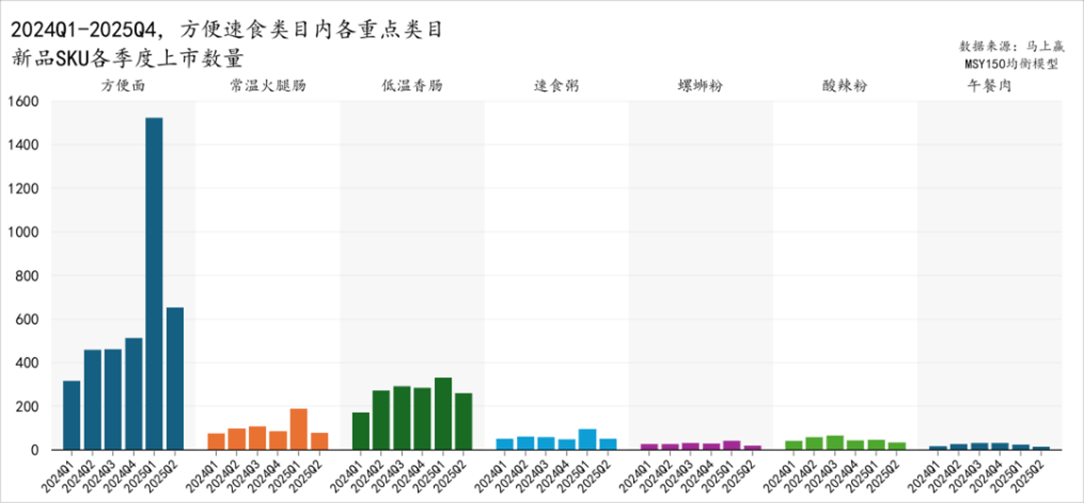
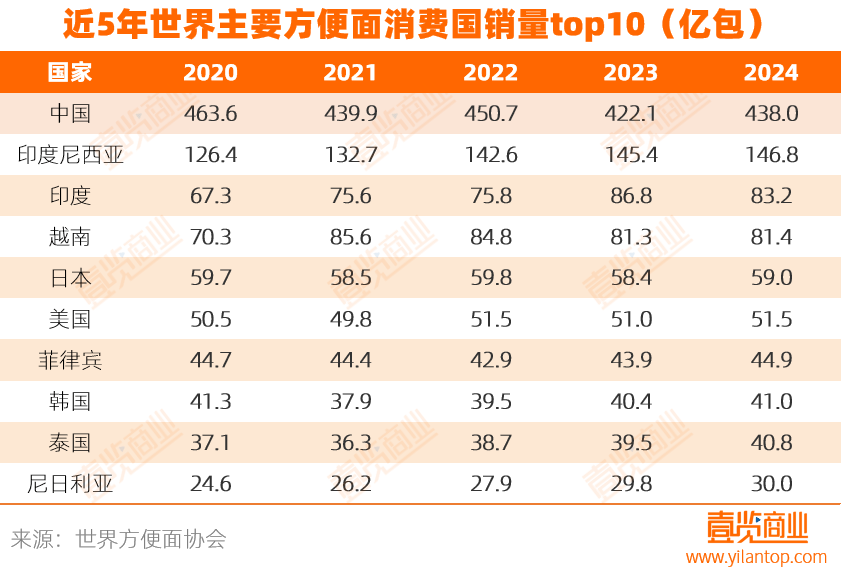
Core Insights - The instant noodle industry is facing challenges in 2025, with competition from food delivery services impacting market share, yet there are signs of resilience and adaptation within the industry [1][2] - Despite a decline in overall sales, companies like Kang Shifu are innovating and adapting to consumer demands for higher quality and diverse offerings, indicating a shift from a growth phase to a more mature market [2][4] Financial Performance - Kang Shifu reported a revenue of 13.465 billion yuan in the first half of the year, accounting for 33.6% of total revenue, with a net profit increase of 11.9% to 951 million yuan [1] - The gross profit margin for the instant noodle business improved by 0.7 percentage points to 27.8%, outperforming industry peers [1] Market Trends - The Chinese instant noodle market, while experiencing fluctuations, remains the largest globally, with a consumption volume of 438 million packages in 2024 [3] - The market is transitioning from a focus on quantity to quality, with consumers seeking better taste and health benefits [4][10] Product Innovation - Kang Shifu is actively expanding its product offerings, introducing over 10 new products and 40 SKUs in the first half of 2025, catering to various price points and consumer preferences [6][10] - The launch of the "Special Special" fresh noodle line, featuring zero-fried technology, highlights the company's commitment to quality and innovation [8][12] Consumer Engagement - The company is redefining the instant noodle experience by integrating products into various consumption scenarios, such as outdoor activities and late-night snacks, to increase frequency of use [6][10] - Kang Shifu's focus on digital transformation and supply chain optimization enhances its ability to meet consumer demands effectively [14][16] Long-term Strategy - The company's growth is attributed to a long-term strategy that emphasizes quality raw materials, advanced production techniques, and a robust supply chain [11][14] - Kang Shifu's commitment to corporate social responsibility and cultural heritage further strengthens its brand image and consumer trust [18][19] Industry Outlook - The current industry adjustment period presents opportunities for differentiation, with Kang Shifu positioned to attract previously lost consumers and expand its market reach [19] - The narrative of industry decline is seen as a superficial observation, with actual developments indicating a structural upgrade in consumer preferences and market dynamics [19]

商场“上天入地”打造消费新场景
Sou Hu Cai Jing· 2025-08-22 03:03
Core Insights - The article discusses the transformation of urban commercial complexes in response to changing consumer preferences, particularly among younger demographics, emphasizing the importance of creating engaging environments and experiences [4][10]. Group 1: Rooftop and Underground Space Transformation - Newly opened Nanjing Jinling Tiandi attracted over 400,000 visitors in its first three days, with its rooftop becoming a popular spot for young people [5][6]. - Many shopping malls are now enhancing rooftop and underground spaces, transforming previously vacant areas into gardens, sports venues, and themed restaurants to appeal to younger consumers [5][6]. - The B1 level of malls, often connected to subway stations, is evolving from traditional grocery stores to trendy markets and social spaces, catering to essential consumer needs [5][6]. Group 2: Consumer Experience and Emotional Engagement - Consumers are increasingly seeking emotional value and social interaction in their shopping experiences, with over 40.1% of young consumers willing to pay for emotional satisfaction and interests [8][9]. - Malls are focusing on creating immersive experiences and social environments, with rooftop and B1 spaces becoming key areas for innovative consumer engagement [9][10]. - The trend indicates a shift from merely attracting foot traffic to fostering emotional connections and memorable experiences for consumers [9][11]. Group 3: Long-term Strategies for Differentiation - Industry experts suggest that commercial complexes need to adopt a long-term perspective to differentiate themselves, focusing on unique IP and avoiding short-term traffic chasing [10][11]. - Addressing challenges such as service homogenization and lack of emotional resonance is crucial for creating memorable consumer experiences [11]. - Recommendations include utilizing rooftop spaces for events and exhibitions, enhancing service quality, and fostering a sense of community among consumers [11].

从规模竞速到价值深耕:公募基金步入长跑时代
券商中国· 2025-08-21 23:33
Core Viewpoint - A new era of public funds characterized by rationality, sustainability, and trustworthiness is emerging in the market [1] Market Overview - As of August 18, 2025, the A-share market has seen a historic total market value exceeding 100 trillion yuan, with the Shanghai Composite Index reaching a 10-year high, driven by themes such as AI innovation, robotics industrialization, and innovative pharmaceuticals [2] - Over 96% of equity funds have achieved positive returns in 2025, with more than a thousand products yielding over 30% [2][4] - Leading institutions like E Fund, Huatai-PineBridge, and GF Fund have shown remarkable performance [2] Investment Strategy Shift - The industry is transitioning from a focus on "star" fund managers to a systematic research approach, emphasizing long-termism over short-term fluctuations [3][8] - Trust is becoming the most valuable asset in the industry, replacing mere scale [3] Performance Drivers - Technology growth has emerged as a key performance driver, with AI and innovative pharmaceuticals leading the charge [4] - The proportion of active equity funds allocated to technology growth sectors reached 42.68% in Q2 2025 [4] Institutional Movements - E Fund has significantly increased its holdings in the TMT sector from 11.4% in 2019 to 21.4% in 2024, and in the industrial sector from 8.6% to 17.3% [5] - The asset allocation to the Sci-Tech Innovation Board and the Growth Enterprise Market has surged by 230% from 113.5 billion yuan to 374.8 billion yuan [5] Platformization in Fund Management - The traditional reliance on star fund managers is being replaced by a platform-based approach that integrates research resources and enhances team collaboration [7][8] - The industry is moving towards creating sustainable, replicable, and inheritable research systems [8] Long-term Commitment - The public fund industry is exhibiting restraint amid market excitement, with many high-performing funds implementing purchase limits [10] - As of August 18, 2025, 31 funds with over 50% returns have suspended subscriptions, reflecting a commitment to sustainable returns for investors [10][11] - Self-purchase by public funds has reached over 5 billion yuan, indicating a strong alignment of interests between fund managers and investors [11] Conclusion - The current practices in the public fund industry reflect a strategic commitment to long-term value creation, focusing on investment capabilities, risk management, and the interests of investors [12]

河南企业家何以频频刷屏?胖东来与泡泡玛特:两种商业,一种河南
Sou Hu Cai Jing· 2025-08-21 21:21
Core Insights - The article highlights the success stories of two entrepreneurs from Henan, Yu Donglai of Pang Donglai and Wang Ning of Pop Mart, showcasing their unique business philosophies and achievements in the retail and toy industries [1][5][12] Group 1: Entrepreneurial Achievements - Pang Donglai's supermarket chain has become a "6A scenic area," emphasizing trust and sincerity in its operations, while Pop Mart has transformed its LABUBU brand into a global IP with a market value exceeding HKD 400 billion, achieving over 400% growth in overseas markets [1][3] - Pop Mart reported a revenue of CNY 13.88 billion in the first half of 2025, marking a year-on-year increase of 204.4%, with overseas revenue accounting for 40% of total sales [3] Group 2: Business Philosophy - Both entrepreneurs embody a long-term strategic vision, rejecting short-term speculation in favor of sustainable growth, with a focus on quality and customer experience [5][6] - Yu Donglai's approach includes closing unprofitable stores to maintain quality, while Wang Ning emphasizes the importance of time and cultural integration in expanding his brand globally [6][8] Group 3: Cultural and Ethical Values - The practices of both entrepreneurs reflect traditional values such as integrity and responsibility, which are integrated into modern business practices, like unconditional return policies and customer rewards [11] - Their success is attributed to a blend of traditional Henan business spirit and modern innovation, showcasing a commitment to social value and community engagement [11][12]

锚定客户满意与信赖,夯实服务力铸就有质提升——越秀服务公布2025年中期业绩
Jing Ji Guan Cha Wang· 2025-08-21 13:13
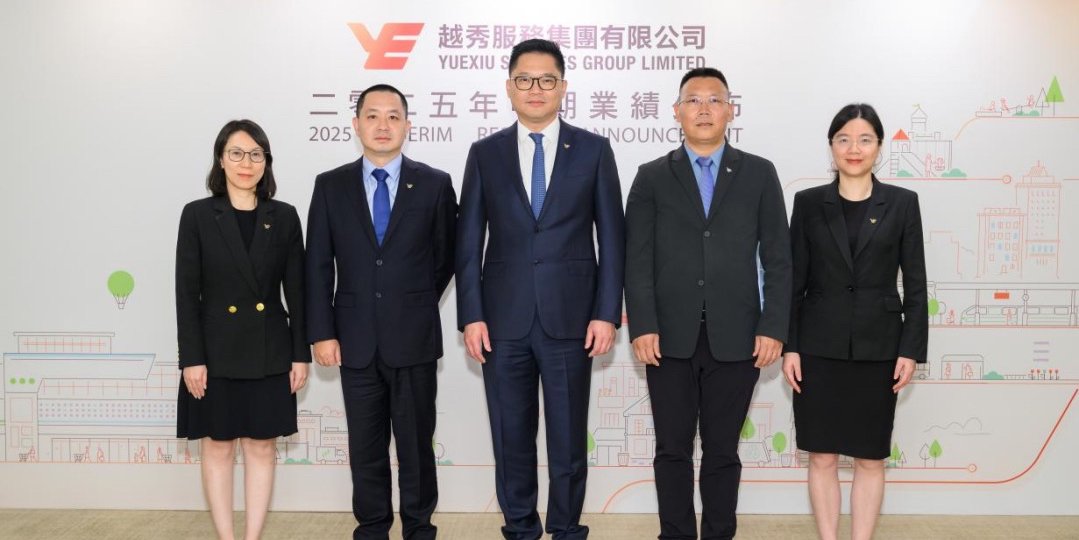
Core Viewpoint - Yuexiu Services has demonstrated resilience and innovation in its 2025 interim performance report, achieving a revenue of 1.962 billion yuan and maintaining a strong cash position of 4.791 billion yuan, reflecting its commitment to long-term competitiveness in a rational growth environment [2][3] Group 1: Revenue Growth and Financial Stability - In the first half of 2025, Yuexiu Services achieved a revenue of 1.962 billion yuan, with property management revenue reaching 716 million yuan, marking a year-on-year growth of 19.2%, sustaining nearly 20% growth for four consecutive years [2] - The company reported a cash and time deposit balance of 4.791 billion yuan, an increase of 89 million yuan from the end of 2024, positioning it among the top cash-rich listed property companies [3] - Yuexiu Services maintains a high dividend payout ratio of 50%, reflecting confidence in future cash flows and translating business growth into shareholder returns [3][5] Group 2: Quality and Technology-Driven Service Enhancement - The growth in basic property management revenue is attributed to an upgrade in service quality, with a focus on meeting owner needs and utilizing smart technology to enhance service delivery [6] - The company has implemented a "human-machine collaboration" cleaning model, significantly improving service efficiency and quality, with cleaning satisfaction increasing by 0.9 points [8] - Yuexiu Services has transitioned to a data-driven management model, utilizing its self-developed EBA system and RTU gateway to enhance operational oversight and service quality [8][10] Group 3: Regional Expansion and Market Competitiveness - As of the report's end, Yuexiu Services managed a contract area of 92.45 million square meters, a 4.2% increase from the end of 2024, with a focus on first- and second-tier cities [11] - The average property management fee is approximately 2.8 yuan per square meter, positioning the company in the mid-to-high range of the industry [11] - The company has successfully secured new contracts totaling 5.96 million square meters, including significant projects with state-owned enterprises, enhancing its risk management and market presence [13] Group 4: Strategic Outlook and Future Development - Yuexiu Services emphasizes high-quality development amidst industry rationalization, focusing on projects with strong creditworthiness and payment capabilities [15] - The company plans to continue enhancing customer research and service design, iterating service standards, and expanding its service boundaries from residential to broader urban services [15] - The strategic focus on "quality service at a fair price" aims to deliver sustainable value returns to shareholders, clients, and partners [15]
一只虎皮凤爪卖到“全国第一”,凭什么又是王小卤?
混沌学园· 2025-08-21 11:58
Core Viewpoint - Wang Xiaolu has achieved remarkable growth in the snack industry, particularly with its tiger skin chicken feet, which has sold over 1.2 billion bags and maintained the top sales position for six consecutive years in China [1][2]. Group 1: Growth Strategy - The company adopted a central kitchen and pre-packaging model, leveraging internet traffic to achieve significant sales in the early stages [6][7]. - After facing challenges, the company pivoted to focus on tiger skin chicken feet, which led to rapid growth, especially with the rise of live streaming and e-commerce platforms [9][10]. - The establishment of a physical sales system contributed to the company's status as one of the fastest-growing companies in the offline food category [10][11]. Group 2: Product Focus and Innovation - The decision to focus on tiger skin chicken feet was based on market research indicating high consumer interest and a lack of leading brands in this category [18][24]. - The company emphasizes the importance of high repurchase rates and low customer acquisition costs as key indicators of a successful product [30][31]. - Continuous product innovation, such as improving taste and convenience, is crucial for maintaining customer loyalty and satisfaction [49][51]. Group 3: Brand and Market Positioning - The company aims to become a brand expert in the tiger skin chicken feet category, focusing on user engagement and targeted marketing strategies [44][46]. - Brand penetration rates are currently low, indicating significant growth potential through enhanced marketing efforts and strategic partnerships [54][56]. - The company is committed to building a strong brand identity that resonates with consumers, aiming to provide not just food but also happiness and enjoyment [40][42]. Group 4: Operational Excellence - The company prioritizes data-driven decision-making to manage product, brand, and channel performance effectively [47][58]. - A focus on operational efficiency and cost management is essential for sustaining growth and profitability in a competitive market [74][76]. - The company recognizes the importance of a robust distribution network, particularly in underdeveloped markets, to expand its reach and sales [58][87].

越秀服务上半年实现营收19.62亿元 管理规模稳步增长
Zhong Zheng Wang· 2025-08-21 11:27
Core Viewpoint - Yuexiu Services reported strong growth in both managed and contracted areas, achieving a revenue of 1.962 billion yuan and a net profit attributable to shareholders of 240 million yuan in the first half of 2025, while maintaining a high dividend payout ratio of 50% to reflect confidence in future cash flows [1][2]. Group 1: Financial Performance - The company's revenue for the first half of the year was 1.962 billion yuan, with commercial revenue contributing 370 million yuan (18.9%) and non-commercial revenue at 1.592 billion yuan (81.1%) [1]. - The revenue from basic property management reached 716 million yuan, marking a year-on-year growth of 19.2%, maintaining a high growth rate of around 20% for four consecutive years [1]. Group 2: Service Quality Improvement - The growth in basic property management is attributed to an upgrade in service quality, driven by customer research and the application of smart technology [2]. - The company implemented a "human-machine collaboration" cleaning model to enhance service efficiency and quality, alongside smart access management to improve community safety and efficiency [2]. Group 3: Management Scale Growth - In the first half of the year, Yuexiu Services added a contracted area of 5.96 million square meters, successfully winning bids for key projects such as the Port and Shipping Building and the South China branch of the National Pipeline Network Group [3]. - As of the end of the reporting period, the contracted area reached 92.45 million square meters, a 4.2% increase from the end of 2024, with 515 contracted projects and a managed area of 72.31 million square meters, up 4.3% [3]. - The company focuses on first- and second-tier cities, with an average property management price of approximately 2.8 yuan per square meter, supported by high-quality residential projects from its parent company, Yuexiu Real Estate [3].
老品做大、新品做精,康师傅依然强劲
Sou Hu Wang· 2025-08-21 07:13
Core Insights - The instant noodle industry in China is experiencing significant growth, with a notable increase in new product launches and consumer demand [1][3][4] Group 1: Market Dynamics - In 2024, China consumed 43.8 billion packs of instant noodles, a year-on-year increase of over 1.6 billion packs compared to 2023 [3] - The market for instant noodles is still expanding, especially when compared to per capita consumption in Japan and South Korea [3] - Major brands are actively innovating and launching new products, indicating a strong market enthusiasm [1][4] Group 2: Product Innovation - Master Kong has launched over 10 new products in the first half of the year, covering a wide price range from 3 to over 20 yuan [4] - The company has developed a patented "0-fried" noodle technology, enhancing the health profile of its products while maintaining taste [6] - New products like "Special Special" and "Fresh Q Noodles" have been well-received, showcasing the brand's commitment to health and flavor [6][10] Group 3: Consumer Engagement - Master Kong's mini bucket and "Little Full Cup" products cater to outdoor and weekend consumption trends, appealing particularly to younger consumers [8] - The brand has successfully launched limited products in membership stores, receiving positive market feedback [10] - The company emphasizes cultural resonance and emotional connection with consumers, integrating traditional Chinese culinary elements into its offerings [16][18] Group 4: Financial Performance - Master Kong's gross margin increased by 0.7 percentage points to 27.8%, with net profit growing by 11.9% to 951 million yuan [15] - The company has established a robust profit model through digital transformation and efficient supply chain management [13][15] Group 5: Brand Positioning - Master Kong has consistently ranked among the top three in Kantar's consumer index for 12 consecutive years, reflecting strong brand loyalty [21] - The brand's focus on cultural depth and health needs has helped it avoid price wars and maintain a competitive edge [21]