品牌价值

Search documents
布局中国经济核心力量新工具!中证诚通品牌价值指数编制启动
Zhong Guo Zheng Quan Bao· 2025-11-05 12:40
Core Insights - The launch of the "China Securities Chengtong Brand Value Index" aims to guide capital towards state-owned enterprises and leading private enterprises with core brand advantages, supporting national brand strategies and optimizing state capital allocation [1][3][4] Group 1: Brand Value Index Launch - The "China Brand Value TOP 100 List" was released at the 8th China Enterprise Forum, showcasing significant achievements in brand building among Chinese enterprises [2] - The index compilation was initiated during a forum attended by key officials from the State-owned Assets Supervision and Administration Commission (SASAC) and other industry leaders [2][3] Group 2: Index Methodology and Objectives - The index will focus on three dimensions: sample selection emphasizing functional value, incorporating sustainable development capability evaluations, and utilizing financial data to create a brand capability evaluation model [3] - The index aims to extend the value of the brand list into a dynamic market signal, guiding resource allocation and supporting the national brand strategy [4] Group 3: Fund Management and Investment Strategy - Rongtong Fund, controlled by China Chengtong, aims to create long-term, stable investment returns for investors, having distributed nearly 40 billion yuan in dividends since its inception [5] - The fund has developed a dual-driven strategy focusing on state capital operations and resident wealth management, actively participating in the compilation of various thematic indices [5][6] Group 4: Product Development and Market Position - Rongtong Fund has launched several ETFs and thematic funds, including the Central Enterprise Science and Technology Innovation ETF and the Central Enterprise ESG ETF, enhancing its product matrix [6][7] - The fund emphasizes serving the real economy and guiding social capital towards key sectors of the national economy, aiming for a win-win development between state-owned enterprises and investors [7]
三季报显示白酒行业仍整体承压
Zheng Quan Ri Bao· 2025-11-02 16:43
Core Viewpoint - The A-share liquor sector is experiencing a significant downturn, with major companies reporting declines in revenue and profit, indicating a phase of "de-inventory" and heightened competition among firms, particularly favoring leading brands over smaller enterprises [1][4][6]. Group 1: Financial Performance - In the first three quarters of 2025, 20 A-share liquor companies reported a total revenue of 317.78 billion yuan, a year-on-year decrease of 5.90%, and a net profit of 122.57 billion yuan, down 6.93% [1]. - The cash flow from operating activities for these companies totaled 87.71 billion yuan, reflecting a significant decline of 20.85% year-on-year [1]. - The third quarter alone saw a revenue drop to 77.98 billion yuan, down 18.47%, and a net profit of 28.01 billion yuan, down 22.22% [1]. Group 2: Market Dynamics - The "Matthew Effect" is intensifying in the liquor industry, with leading companies like Kweichow Moutai achieving a revenue of 128.45 billion yuan, accounting for 40.42% of the total revenue of the 20 companies [2][4]. - Smaller enterprises are struggling, with some reporting revenues below 1 billion yuan, highlighting a clear market divide [2][4]. - Inventory levels are rising, with total inventory for the 20 companies reaching 170.69 billion yuan, an increase of 11.32% year-on-year [3]. Group 3: Industry Trends - The industry is undergoing a deep adjustment phase, with many companies experiencing their first revenue and profit declines in nearly a decade [5]. - The overall demand for liquor is projected to decline by 20% to 30% during key holidays, with inventory levels increasing by 10% to 20% [6]. - Leading companies are adapting by optimizing channel inventory and introducing new products to cater to younger consumers, shifting focus from scale expansion to brand value [6][7]. Group 4: Future Outlook - Analysts predict that the most challenging period for the liquor industry has passed, with expectations for stabilization in pricing and limited further declines for leading brands [7]. - The industry is believed to be in a bottoming phase, with potential recovery signs expected by the first quarter of 2026 [7].

茅台董事长是高处不胜寒,茅台长远发展问题关键在于思考这几条?
Sou Hu Cai Jing· 2025-10-28 03:50
Core Viewpoint - Moutai has appointed a new chairman, Chen Hua, following the departure of Zhang Deqin after a brief tenure of one and a half years, amidst a challenging new cycle for the liquor industry in 2025 [2] Group 1: Leadership Changes - Moutai has experienced a total of 10 chairmen since its establishment over 70 years ago, indicating a pattern of frequent leadership changes [3][4] - The company’s decision-making and strategic direction remain largely government-led, which can lead to issues such as decision-making errors and a lack of long-term vision [3] Group 2: Challenges and Considerations - Frequent leadership changes may hinder effective decision-making, as new leaders require time to understand internal and external conditions [7] - Moutai should maintain its focus on high-end "luxury" positioning in the liquor market, avoiding dilution of brand value through over-diversification [7] - To be recognized as an industry leader, Moutai must not only focus on its own growth but also create opportunities for other enterprises in the industry [7] - The government should adopt a more trusting approach towards high-level management, implementing strict tenure systems to encourage long-term planning rather than short-term gains [7]

风向标智库丨全网低价竞争,品牌还有效吗?
Sou Hu Cai Jing· 2025-10-25 13:09
Core Insights - Price wars have become a norm across various industries, with a 42% year-on-year increase in brands participating, yet over 60% of these brands have seen a decline in profit margins [2] - The significance of brand building is emphasized, suggesting that in a low-price competition environment, brand value becomes even more critical [2] Price War Dilemma - Low-price competition can lead to short-term sales boosts, but these are often unsustainable, as evidenced by a home appliance brand that saw a spike in sales during a price war, only to return to previous levels afterward [3] - Frequent price cuts can damage brand image and create a consumer expectation of discounts, leading to reduced brand premium [3] - The concept of "value positioning" is introduced as a strategy to escape price wars, focusing on finding a unique market space rather than engaging in price competition [3] Brand Value - In a low-price environment, brand value serves as a crucial competitive advantage, as demonstrated by a domestic sports brand that maintained high product pricing and market share through a strong "national trend" positioning and technological innovation [4] - Brand value plays three key roles: establishing consumer trust, providing emotional value beyond functionality, and forming stable consumer communities [4] Differentiation Strategy - Differentiation is highlighted as an effective strategy to navigate price wars, with a new coffee brand successfully avoiding direct competition with giants by focusing on office scenarios and offering subscription and customization services [5] - Key points for effective differentiation include understanding real consumer needs, providing unique value experiences, and ensuring sustainable positioning [5] Emotional Connection - Emotional connections are vital for brand value, especially when product functionalities are similar, as shown by a high-end skincare brand that built strong ties with consumers through storytelling and community engagement [6] - Building emotional connections requires consistent quality, continuous value communication, and exceeding customer expectations in service [6] Value Restructuring - Brands facing price competition should opt for value restructuring rather than passive following, as illustrated by a smart home brand that shifted focus from product pricing to comprehensive smart home solutions [7] - The key to value restructuring lies in redefining competitive dimensions, focusing on user value, and fostering long-term customer relationships [7] Systematic Construction - Brand value construction is a long-term process requiring systematic investment, as evidenced by a kitchen appliance brand that established a high-end image through continuous innovation and brand communication [9] - Four supporting elements for systematic brand value construction include a clear value proposition, excellent product experience, consistent communication strategies, and comprehensive user services [9] Long-term Perspective - Successful brands often adhere to a long-term perspective, as demonstrated by a food and beverage brand that maintained brand investment during intense price competition, ultimately emerging as an industry leader [10] - Key traits for maintaining a long-term perspective include strategic patience, innovative courage, and a strong belief in brand value [10] Conclusion - Brand building remains essential in the face of price wars, serving as a "Noah's Ark" for companies navigating market cycles, with those focusing on differentiation, emotional connections, and value restructuring likely to succeed [11]
Ferretti(09638) - 2025 Q3 - Earnings Call Transcript
2025-10-23 13:32
Financial Data and Key Metrics Changes - The order intake increased to €771 million, a 4.6% rise compared to the first nine months of 2024 [3] - The net backlog rose by 4.5% to €795 million from €761 million in the previous quarter [3] - Revenues increased by 2.5% to €887 million from €863 million in the previous nine months [3] - EBITDA also grew by 2.5%, reaching €142 million compared to €138 million in the prior year [19] Business Line Data and Key Metrics Changes - The made-to-measure segment saw a significant increase of 32% over the nine months and 185% compared to the previous quarter, representing 55% of the order intake [8][16] - The composite segment remained stable compared to last year, with over half of the intake being above 80 feet, indicating high marginality [16] Market Data and Key Metrics Changes - Europe was the leading market, with a 32% increase compared to the previous nine months and an 89% increase quarter over quarter [16] - The Middle East market performed well with an 18% increase, excluding superyacht orders from the previous year [17] - The U.S. market remained stable, with expectations for improvement in the upcoming season [17] Company Strategy and Development Direction - The company is focused on the made-to-measure segment, which is the most profitable, and is investing in expanding production capacity [10][21] - The company aims to maintain its market position by avoiding aggressive discounting strategies that competitors are employing [19][75] - Future growth is anticipated from the U.S. market, with a strong order pipeline and upcoming boat shows expected to drive sales [28] Management's Comments on Operating Environment and Future Outlook - Management noted that the market is stabilizing after a period of uncertainty due to geopolitical tensions and tariffs [7] - The company is optimistic about the upcoming American season and the Asia Pacific market, despite current challenges in that region [35][36] - The management emphasized the importance of brand strength and customer loyalty, with 44% of order intake coming from repeat clients [37] Other Important Information - The company confirmed its guidance for net revenues of €1,221 million and an adjusted EBITDA margin of 16.5% for the year [30] - Capital expenditures for the first nine months were €64 million, with a target to remain below €90 million for the year [21] Q&A Session Summary Question: Consumer outlook in different regions and early October trends - Management reported positive trends in October, with negotiations converting into contracts and good results from the U.S. and Middle East markets [35] Question: EBITDA margin improvement strategies - Management outlined cost containment measures and expected contributions from the U.S. market to help achieve the EBITDA target [41][42] Question: Update on M&A pipeline - Management is in the process of due diligence for potential acquisitions and is optimistic about signing exclusivity rights with targets [39] Question: Segment mix in ongoing negotiations - Management confirmed that ongoing negotiations are global, with sales across various regions, including Asia Pacific and Europe [47] Question: Pricing dynamics in the second-hand market - Management indicated that the second-hand market is not a concern due to the limited availability of units and the company's focus on scarcity [48] Question: Competitive dynamics and discounting strategies - Management stated that they do not engage in aggressive discounting and focus on maintaining brand value, contrasting with competitors offering steep discounts [75]
品牌价值突破3000亿,习酒向“世界一流”再进一步
Sou Hu Cai Jing· 2025-10-21 13:55
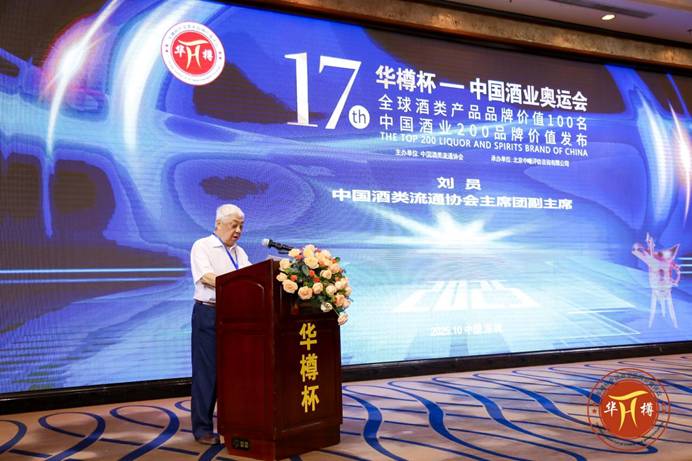
Core Insights - The article highlights the importance of brand value and industry positioning as essential for companies to navigate through the current adjustments in the liquor industry [2] - The 17th Huazun Cup results revealed that Xijiu achieved a brand value of 309.086 billion yuan, ranking seventh in the Chinese liquor industry, marking a significant increase in brand value and solidifying its market position [2][4] Brand Value Rankings - The top brands in the liquor industry by projected brand value for 2025 are: 1. Moutai: 625.287 billion yuan 2. Wuliangye: 614.639 billion yuan 3. Fenjiu: 392.371 billion yuan 4. Luzhou Laojiao: 382.31 billion yuan 5. Yanghe: 380.838 billion yuan 6. Xifeng: 351.803 billion yuan 7. Xijiu: 309.086 billion yuan [3] Brand Value Growth - Xijiu's brand value has increased from 3.672 billion yuan to 309.086 billion yuan over 17 years, representing a growth of over 84 times, with particularly notable growth in recent years [4] Market Performance - Xijiu has shown strong market performance during key sales periods, with price stabilization and increased sales volume during the Spring Festival and the recent National Day and Mid-Autumn Festival [6] - The number of large-scale liquor enterprises has decreased by over 100 compared to the previous year, with profits down by 10.93% year-on-year, highlighting the competitive challenges in the industry [6] Value Dimensions - Xijiu's sustained growth in brand value is attributed to five key value dimensions: 1. Product Value: Commitment to quality and craftsmanship [7] 2. Consumer Value: Creating immersive consumption experiences [7] 3. Partner Value: Promoting win-win development and sharing results with partners [9] 4. Cultural Value: Emphasizing cultural confidence rooted in traditional Chinese culture [9] 5. Social Value: Engaging in social responsibility initiatives [11] Strategic Importance - Xijiu's ability to maintain and grow its brand value during a period of industry adjustment is seen as strategically significant, providing a model for other companies facing similar challenges [13] - The recognition from the Huazun Cup serves as a market endorsement of Xijiu's marketing reforms and brand-building efforts, reinforcing customer confidence and expanding collaboration opportunities [13]

第十七届华樽杯200发布: 行业稳健发展,结构性调整中彰显韧性
Zhong Guo Shi Pin Wang· 2025-10-20 08:25
Core Insights - The total brand value of the top 200 Chinese liquor brands in 2025 is 99,305.21 billion yuan, with a growth rate of 4.26%, demonstrating resilience amid structural adjustments [1] Group 1: Huangjiu Market Growth - The Huangjiu market has experienced unexpected growth after years of stagnation, with brand value increasing by 42.91 billion yuan, a rise of 6.27% compared to 2024 [2] - Leading Huangjiu brands such as Guyue Longshan, Kuaijishan, and Shanghai Jinfeng achieved growth rates exceeding 15%, significantly higher than the overall liquor industry [2] - Growth in Huangjiu is driven by market upgrades and innovative products targeting younger consumers, such as low-alcohol canned Huangjiu [2] Group 2: Resilience of Liquor Distributors - Liquor distributors have shown strong resilience during the industry's adjustment period, with the top ten distributors' brand value increasing from 5,177.44 billion yuan to 5,254.41 billion yuan, a growth of 1.49% [4] - The average annual digital investment by distributors has grown by over 40%, enhancing operational efficiency through technology [4] - The success of self-owned brands, such as Jiuxian Network's Rongda Sauce Liquor, indicates a shift in competitive advantage from distribution rights to successful brand development [4] Group 3: White Liquor Market Dynamics - The overall value of sauce-flavored white liquor has surpassed 21,554.5 billion yuan, with a growth rate of 3.72%, although the growth rate has significantly slowed [8] - New brands like Rongda Sauce Liquor have shown exceptional performance, with a value increase of 90.1%, highlighting innovation within the category [8] - The growth of clear-flavored white liquor has been driven by brands like Fenjiu, contributing over 60% of the category's growth in recent years [8] Group 4: Beer and Wine Market Challenges - For the first time in 17 years, the top beer brands, including China Resources Beer and Qingdao Beer, have seen a decline in brand value [10] - The total brand value of the wine sector has decreased from 1999.15 billion yuan to 1911.71 billion yuan, a drop of 4.37%, reflecting ongoing adjustments in the market [10] - The wine industry has faced challenges from imported wines and changing consumer preferences, leading to a significant slowdown in growth rates [10]




日经品牌调查:三星居亚洲首位,比亚迪第81
日经中文网· 2025-10-19 00:33
Core Insights - Samsung Electronics ranks first in brand value in Asia for the second consecutive year, according to the 2025 Global Brand Survey by Nikkei Research [2][4] - The survey evaluated 200 brands across 11 countries and regions, with over 70,000 consumers participating, focusing on brand appeal and contribution to purchasing decisions [4] Brand Rankings - Samsung leads the brand value rankings in Asia with a score of 4719, followed by Adidas (4575) and Nike (4553) [5][6] - Notable movements include BMW rising from 10th to 5th place, while Volkswagen dropped from 34th to 44th [6][7] Brand Performance - Samsung's brand value has increased across various countries, including Vietnam, Thailand, India, Indonesia, and Malaysia, compared to the previous survey where it only ranked first in Vietnam [4][6] - Among Japanese brands, 22 made it into the top 50, an increase of 2 from the last survey, but 77% of Japanese brands saw a decline in their rankings [6][8] Emerging Brands - BYD improved its position from 92nd to 81st, while Tesla moved up from 33rd to 25th, reflecting their growth in the electric vehicle market [6][7] - L'Oréal rose from 35th to 27th, indicating strong competition in the cosmetics sector, while Estée Lauder fell from 66th to 82nd [7][8]

赵崇甫:在工具理性横流的时代,守护品牌的“人性内核”才是最高级的战略
Sou Hu Cai Jing· 2025-10-17 00:55
Core Insights - The article emphasizes the growing importance of brand value in the age of AI, where technology enhances content creation but also intensifies brand recognition battles [1][2][4] Group 1: AI and Brand Dynamics - AI has lowered execution barriers in marketing, making it easier for anyone to create high-quality content, yet this has led to increased competition for brand recognition [2][4] - As algorithmic recommendations replace traditional channel dominance, brands become the key reference point for consumers amidst overwhelming information [2][4] - The effectiveness of products without brand strength diminishes in the face of AI's precise matching capabilities [2] Group 2: Human Judgment vs. AI - While AI can enhance marketing execution, it cannot replace the strategic judgment required for effective brand positioning [4][5] - Human decision-making is influenced by emotional resonance, cultural understanding, and value alignment, which are foundational to brand building [5] Group 3: Role of Brand Strategy Consulting - Brand strategy consulting firms gain importance as they translate consumer emotional needs into actionable strategies for AI [6] - These firms also play a critical role in forecasting cultural shifts and questioning the long-term sustainability of brand value in an AI-driven content landscape [7] - They help decision-makers recognize the human aspects of business, emphasizing the need for understanding and connecting with people [7] Group 4: Future of Brand Strategy - The intersection of technology and human insight is where the most disruptive innovations occur, suggesting that brand strategy should focus on fundamental human questions [8][9] - The mission of brand strategy consulting is to be guardians of human values rather than mere followers of technology trends [9][10] - Great brands are built on human emotional connections rather than algorithmic calculations [10]

降价认怂,救不了西贝
Sou Hu Cai Jing· 2025-10-16 01:39
Core Viewpoint - The recent price reduction by Xibei, which includes a 20%-40% decrease in menu prices and the distribution of high-value vouchers, has seemingly improved sales but has also diluted the brand's premium image and customer perception of value [1][2][21]. Group 1: Sales and Pricing Strategy - Xibei's sales have increased, but the average transaction value has decreased, with over 60% of new customers using vouchers [2][21]. - The brand's previous high-end positioning is being compromised as it resorts to price cuts to drive sales, which may undermine its long-term brand equity [2][6][21]. Group 2: Brand Perception and Consumer Behavior - The brand's value proposition was built on providing a quality dining experience for middle-class families, which is now threatened by the price reduction strategy [3][4][22]. - Consumers are likely to reassess Xibei's unique selling points, questioning the brand's competitive edge beyond its family-friendly dining environment [7][22]. Group 3: Public Relations and Market Response - Xibei's public relations strategy has been criticized as reactive and emotionally driven, failing to address consumer concerns effectively [9][10][15]. - The initial backlash was exacerbated by the company's defensive stance rather than engaging with consumer feedback, leading to further brand damage [9][12][21]. Group 4: Supply Chain and Operational Resilience - Despite the current challenges, Xibei's robust supply chain and established partnerships with top suppliers provide a foundation for potential recovery [18][21]. - The company has invested in its own production capabilities and supply chain infrastructure, which can help stabilize operations even amid fluctuating sales [18][21]. Group 5: Future Outlook and Strategic Recommendations - For Xibei to regain its footing, it must focus on its core value proposition and avoid further emotional responses to public sentiment, instead returning to sound business principles [22][23]. - The brand should leverage its existing strengths in supply chain and customer experience to rebuild its market position without compromising on quality [21][22].