夜经济

Search documents
郑州永和铂爵国际酒店总经理雷玉明:过去高端餐饮陷入“越高端越小众”的陷阱
Sou Hu Cai Jing· 2025-11-27 11:37
Core Insights - The high-end hotel dining industry in China is undergoing unprecedented adjustments, with average revenue share for mid-to-high-end hotels dropping from 35% in 2023 to 28% in 2024, and dining utilization rates falling below 40% [2][4] - The street economy is growing at an annual rate of over 12%, with expectations to exceed 60 trillion yuan by 2025, where dining consumption will account for 60% to 65%, becoming a core driver [2][4] - The traditional model of high-end hotels relying solely on space for high premiums is being challenged, shifting towards meeting the demands of the street economy [2][4] Industry Trends - The revenue of Yonghe Platinum Hotel's dining segment has decreased by over 51% compared to 2019, with a 14% decline compared to 2024 [4] - The night economy, also referred to as the street economy, is characterized by a demand for quality and cost-effectiveness, which has been overlooked by mid-to-high-end dining [4][6] - The restaurant industry's boundaries are dissolving, with new models emerging that combine dining with retail and entertainment, emphasizing the need for efficiency and value creation [7] Strategic Shifts - The transition from scale expansion to value cultivation is evident, where high-quality development is not synonymous with high premiums, but rather with precise alignment of core capabilities with mass consumption [6][7] - Companies must break down internal barriers to unleash strong self-rescue capabilities, as external policy impacts are merely catalysts for industry reshuffling [6] - The future of the restaurant industry requires a focus on quality over scale, and a shift from price competition to value competition, embracing digital transformation [7]


服务高质量发展助力提振消费,扬州公安《十八项措施》发布
Yang Zi Wan Bao Wang· 2025-11-27 11:21
Core Viewpoint - The Yangzhou Public Security Bureau has introduced "Eighteen Measures" aimed at enhancing consumer confidence and promoting high-quality development in the city, focusing on creating an environment that encourages consumption and improves consumer experience. Group 1: Stimulating Consumption Potential - The measures include optimizing vehicle registration processes, streamlining event approvals, and enhancing police liaison services to facilitate consumer activities [2][3]. Group 2: Ensuring a Safe Consumption Environment - Key actions involve strict enforcement against illegal activities affecting consumer safety, robust protection of intellectual property rights, and maintaining market order through targeted crackdowns on fraud and unfair practices [4][5]. Group 3: Enhancing Consumption Quality - Initiatives to support the cultural tourism industry, promote night economy, manage low-altitude economy, and ensure safety during events are outlined to elevate the overall consumer experience [6][7]. Group 4: Upgrading Public Services - Innovations in smart transportation services, efficient entry-exit services, and streamlined public security administrative services are designed to simplify processes for citizens and businesses, enhancing convenience and accessibility [8][9].
宁远:多元体验激活夜经济
Sou Hu Cai Jing· 2025-11-25 04:03
Core Insights - The "Starry Sky Impression" camping base in Yinyuan County has become a new engine for nighttime consumption by adopting a "free access + diverse scenarios" model [1][5] Group 1: Business Model and Strategy - The camping base is a key project in the renovation of Yinyuan Park, maintaining ecological integrity while injecting commercial vitality [5] - It implements a free access policy and provides facilities such as tents and portable chairs, while also introducing chain coffee brands and local specialty snacks to meet diverse consumer needs [5] - The base leverages a "camping + music + food" multi-dimensional consumption scenario, creating a high-quality nighttime leisure space with a "low threshold + strong experience" model [5] Group 2: Consumer Engagement and Experience - The camping base has attracted a large number of visitors, with many organizations using it for team-building activities, leading to a peak in customer flow during the evening [3][5] - The atmosphere is described as lively, with activities such as rock concerts and interactive games, catering to various relaxation preferences [3] - The daily average revenue of the coffee shop at the camping base exceeds 3,000, indicating strong business performance and popularity among visitors [5]

尝一尝海蛎子味的夜经济
Jing Ji Ri Bao· 2025-11-24 07:21
Core Insights - The "环东风情季" series of events has successfully activated the night economy in Xiamen's coastal fishing villages, particularly in the Pan Tu community, showcasing local culture through music, food, and interactive games [1][2][3] Group 1: Event Highlights - The event featured a variety of activities including music performances, local delicacies, and interactive games centered around the region's signature oyster, enhancing community engagement and tourism [1][2] - The "黄金三倍体" oysters, weighing up to 650 grams each, have become a market favorite due to their rich flavor and quality, supported by careful cultivation practices [2] - The event has attracted over 60,000 participants and generated approximately 200,000 yuan in revenue, serving as a significant driver for nighttime consumption in the region [2] Group 2: Economic Impact - Local businesses, such as the tailing tea beer brand and seafood restaurants, have reported increased brand exposure and customer traffic due to participation in the event, leading to improved sales performance [3] - The integration of cultural and culinary experiences has positioned the "环东风情季" as a core brand for tourism in the region, contributing to the overall economic development and enhancing the area's unique cultural appeal [3]
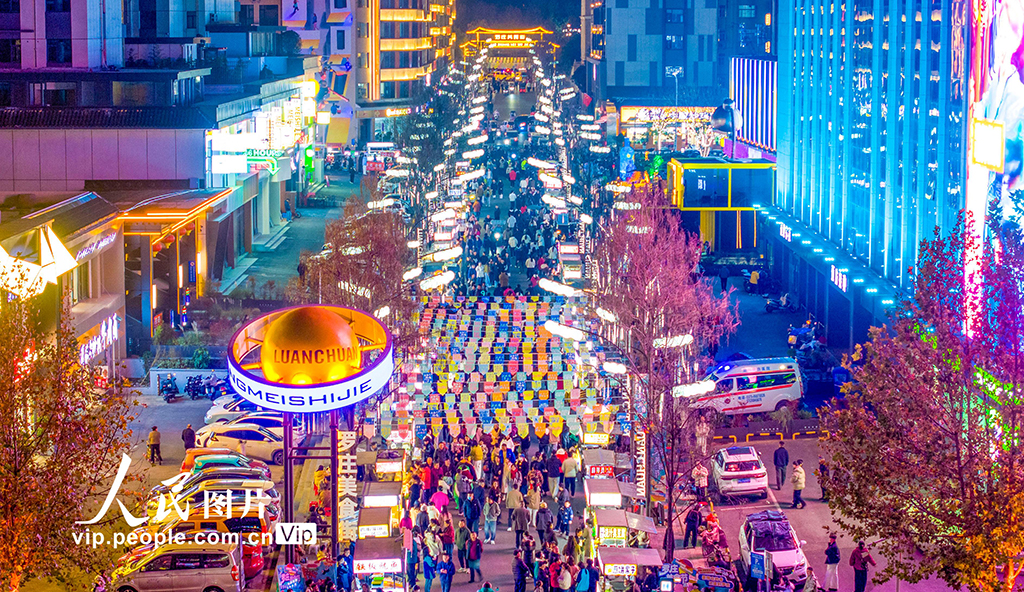
河南栾川:打造特色商业街区 激活城市“夜经济”
Ren Min Wang· 2025-11-22 04:21
Core Viewpoint - The city of Luanchuan in Henan is focusing on developing distinctive commercial districts to stimulate the "night economy" and enhance urban vitality [1][2][3][4][5] Group 1: Economic Development - The initiative aims to create unique shopping and entertainment experiences that attract both locals and tourists [1][2] - The development of these commercial areas is expected to boost local businesses and increase employment opportunities [3][4] Group 2: Urban Planning - The project includes the renovation of existing streets and the introduction of new facilities to improve the overall urban landscape [1][5] - Emphasis is placed on integrating cultural elements into the commercial districts to enhance the appeal and uniqueness of the area [2][3] Group 3: Community Engagement - Local residents are encouraged to participate in the planning process to ensure that the developments meet community needs and preferences [4][5] - The initiative aims to foster a sense of community and belonging among residents through vibrant night-time activities [1][2]
政策护航 多元共治,南京市高淳区精品夜市擦靓民生消费“新名片”
Yang Zi Wan Bao Wang· 2025-11-20 12:44
Core Viewpoint - The transformation of idle urban spaces into organized night markets in Gaochun District has significantly improved the local economy and community satisfaction, showcasing a successful model for urban management and night economy development [1][2][6]. Group 1: Urban Management and Night Market Development - Gaochun District's urban management has shifted from dealing with unregulated street vendors to creating structured night market spaces, such as the Dafeng River Night Market, which now hosts over 120 stalls [1][2]. - The local government has implemented measures to support the healthy and orderly development of night markets, including the introduction of a trial policy for outdoor dining and night markets [6]. - The establishment of a "flexible and inclusive" approach has allowed for the effective utilization of previously idle spaces, benefiting both vendors and residents [2][6]. Group 2: Vendor Autonomy and Community Engagement - The creation of a vendor self-governance alliance has empowered stall owners to manage their own operations, leading to improved order and reduced conflicts over stall placements [3]. - The self-governance model has resulted in a significant decrease in violations, with the rate dropping from 27% to below 5% since its implementation [3]. Group 3: Multi-Departmental Collaboration - A multi-departmental management mechanism has been established, involving city management, sanitation, market supervision, and environmental protection to ensure the safe and orderly operation of the night market [4][5]. - Regular inspections and a dynamic management system have been put in place to monitor food safety and vendor compliance, enhancing consumer confidence [5]. Group 4: Economic and Cultural Integration - The night market is not only a place for daily consumption but is also being developed into a high-quality night economy ecosystem that integrates food, entertainment, and shopping [6]. - Initiatives such as providing free stalls for students and promoting local cultural elements have been introduced to foster entrepreneurship and enhance the market's appeal [6][7]. - The night market has become a significant attraction, drawing thousands of visitors daily and contributing to the local economy [6].
昌平山姆会员商店11月21日开业,补充未来科学城东部商业供给
Xin Jing Bao· 2025-11-20 09:49
Core Insights - The opening of the Sam's Club in Changping on November 21 will enhance the new retail landscape in the area and provide more shopping options for local residents [1][2] - The store is strategically located between major traffic routes and will serve customers from Changping, Beiqijia, Xiaotangshan, and parts of Shunyi [1] - The introduction of Sam's Club is part of a broader strategy to elevate the commercial capabilities of Changping, with significant growth in commercial space expected by 2025 [1] Summary by Categories Store Opening and Location - The Changping Sam's Club will officially open on November 21, 2023, filling a gap in the new retail market in the area [1] - It is situated near the Future Science City, between the Jingcheng Expressway and Litang Road, targeting customers from surrounding regions [1] Commercial Development - By 2025, Changping is projected to add 193,000 square meters of commercial space, bringing the total commercial building area to over 2.25 million square meters [1] - The successful opening of Sam's Club reflects the rising commercial capabilities of the Changping district, with other projects like the Super Extreme He Shenghui also contributing to this growth [1] Economic Impact and Consumer Experience - The entry of Sam's Club is expected to create a complementary relationship with other commercial entities, enhancing the shopping experience and fostering a diverse consumer environment [2] - Changping aims to develop a balanced commercial landscape that includes both centralized shopping and community convenience spaces, catering to diverse consumer needs [2]
“不眠生意”成为消费新蓝海,谁是下一个赢家?
Sou Hu Cai Jing· 2025-11-19 15:25
Core Viewpoint - The rise of 24-hour business operations in various sectors, particularly in food and beverage, reflects changing consumer demands and urban lifestyles, with a significant focus on nighttime consumption and emotional value rather than just functional value [4][8]. Group 1: Night Economy Trends - Many businesses, including tea shops and convenience stores, are extending their operating hours to cater to the growing demand for nighttime services, with some establishments reporting a 1.8 times increase in nighttime customer spending compared to daytime [5][6]. - The Jiangsu province has implemented policies to promote the night economy, encouraging businesses to adapt their operations to meet the needs of night consumers [4][5]. - The nighttime consumer base includes night shift workers, students, and young people, indicating a shift in lifestyle and work patterns that necessitate 24-hour services [7][8]. Group 2: Consumer Behavior and Preferences - Consumers are increasingly seeking emotional fulfillment through their purchases, with nighttime offerings providing a sense of comfort and companionship [8][9]. - A significant portion of consumer spending, approximately 60%, occurs during nighttime hours, highlighting the importance of this market segment [7][8]. - The demand for convenience and immediate gratification is driving the growth of nighttime consumption, with many consumers valuing the ability to access services at any hour [8][9]. Group 3: Operational Challenges - The 24-hour business model faces challenges such as high operational costs, including employee wages and utilities, which can lead to financial strain if nighttime revenues do not meet expectations [9][11]. - Employee turnover in night shifts poses a challenge for maintaining service quality and increasing recruitment and training costs [11]. - The unpredictability of nighttime customer traffic creates additional risks for businesses, necessitating strategies to cultivate stable nighttime consumer habits [9][12]. Group 4: Innovative Solutions - Some businesses are innovating by creating unique consumer spaces, such as cafes with study areas, to attract a diverse clientele during nighttime hours [12]. - Simplifying product offerings during nighttime operations can help reduce waste and streamline service, allowing businesses to operate more efficiently [12]. - Collaboration between businesses and government is essential to support the growth of the night economy, ensuring that urban planning and policies align with the needs of nighttime consumers [12].
忻州古城“活”密码:1800年文脉解锁“白+黑”消费新图景
Sou Hu Cai Jing· 2025-11-19 08:11
Core Insights - The ancient city of Xinzhou, with a history of 1800 years, is transforming into a vibrant consumer hub, attracting over 12 million visitors annually, with nighttime consumption accounting for 52.83% of total spending [1] Group 1: Cultural Heritage and Innovation - Traditional crafts are gaining popularity among younger consumers through experiential learning and trendy innovations, as seen in the grass-dye workshop where visitors can create their own blue-dyed T-shirts [2] - Various intangible cultural heritage (ICH) stories are emerging daily, with artisans integrating local culture into products like keychains and zodiac figurines, which have gained significant online traction [4] - The ancient city focuses on embedding ICH into daily life by establishing workshops and markets, showcasing over ten provincial-level ICH projects, creating a vibrant ecosystem that appeals to the youth [5] Group 2: Commercial Synergy - The coexistence of traditional and modern businesses is evident, with long queues at both local eateries and popular chain stores, creating a unique consumer experience that blends nostalgia with contemporary trends [6] - The city has strategically designated areas for ICH, specialty dining, and trendy experiences, preserving local brands while introducing new ones, resulting in a mutually beneficial commercial landscape [8] Group 3: Night Economy - The night economy is thriving, with various nighttime activities such as fire performances and immersive experiences attracting visitors, significantly boosting economic activity [9] - The occupancy rates of local accommodations have surged due to increased nighttime foot traffic, with weekends seeing high demand [10] - The city is developing four key nighttime experiences—night tours, performances, shopping, and lodging—to create a comprehensive consumer loop, establishing itself as a "city that never sleeps" [10]

层次多元、模式迭代,消费大市场活力充沛
Sou Hu Cai Jing· 2025-11-17 14:56
Core Viewpoint - China's vast market advantages are not only reflected in its population size but also in the richness of consumption levels and the innovation of consumption models [1] Group 1: E-commerce Growth - E-commerce has become an indispensable growth engine in China's consumer market, with record transaction data reported during the recent Double Eleven shopping festival [9] - The instant retail market in China is projected to reach 780 billion yuan in 2024 and is expected to exceed 2 trillion yuan by 2030, with an average annual growth rate of over 25% [11] Group 2: Consumption Structure Upgrade - China is at a critical stage of upgrading its consumption structure, with significant growth in cultural tourism and healthcare sectors, as well as the rapid development of the silver economy and first-time economy [14] - Service consumption is accelerating, becoming a new engine for economic growth, with diverse new business formats and models emerging in the cultural and tourism markets [16] Group 3: Youth Consumption Trends - The "IP + consumption" model is becoming a key attraction for young consumers, linking emotional resonance, content innovation, and consumption scenarios [20] - Young consumers' preferences for personalized, self-satisfying, and community-oriented consumption are driving new demand, activating new consumption vitality [22] Group 4: Night Economy Development - The night economy is being explored for its potential, with various nighttime activities and events being organized, leading to a 15% increase in nighttime foot traffic and nearly 20% growth in tenant revenue [26] - During the recent National Day and Mid-Autumn Festival holidays, nighttime consumption in Shanghai's key areas increased by 15.3% year-on-year, reflecting a shift from material satisfaction to spiritual pursuit in consumer values [28]