房价下跌

Search documents
你有没发现一个奇怪的现象?现在贷款买房的人开始羡慕没买房的人
Sou Hu Cai Jing· 2025-10-09 04:30
Core Insights - The article highlights the shift in perception regarding homeownership, where owning a home, once seen as a symbol of success, is now viewed by many as a financial burden [6][25] - It discusses the increasing financial strain on homeowners, with many feeling envious of those who do not have mortgage obligations [6][25] Group 1: Financial Burden of Homeownership - Homeowners are facing significant financial pressure, with many struggling to meet monthly mortgage payments, which can exceed their disposable income [2][4] - The average household debt has reached alarming levels, with total liabilities surpassing 82.84 trillion yuan, equating to 67.4% of GDP, indicating that for every 100 yuan earned, 145 yuan is owed [8][10] - The article emphasizes that the financial strain is particularly acute for low-income families, who face a debt-to-income ratio significantly higher than the average [13][15] Group 2: Declining Property Values - Many homeowners are experiencing a decline in property values, with some properties reverting to prices seen several years ago, leading to feelings of regret among those who purchased at higher prices [10][12] - The article notes that in some cities, property values have dropped significantly, making it difficult for homeowners to sell their properties without incurring substantial losses [10][12] Group 3: Lifestyle Comparisons - The article contrasts the lifestyles of homeowners burdened by mortgages with those who rent or do not own property, highlighting the financial freedom enjoyed by non-homeowners [11][25] - It illustrates how homeowners often sacrifice personal enjoyment and financial flexibility due to their mortgage commitments, leading to a less fulfilling lifestyle [24][25] Group 4: Coping Strategies for Homeowners - The article suggests several strategies for homeowners to alleviate financial pressure, including reducing unnecessary expenses, seeking additional income sources, and negotiating with banks for more manageable repayment plans [17][21][23] - It emphasizes the importance of proactive financial management to avoid the severe consequences of mortgage default [22][23]

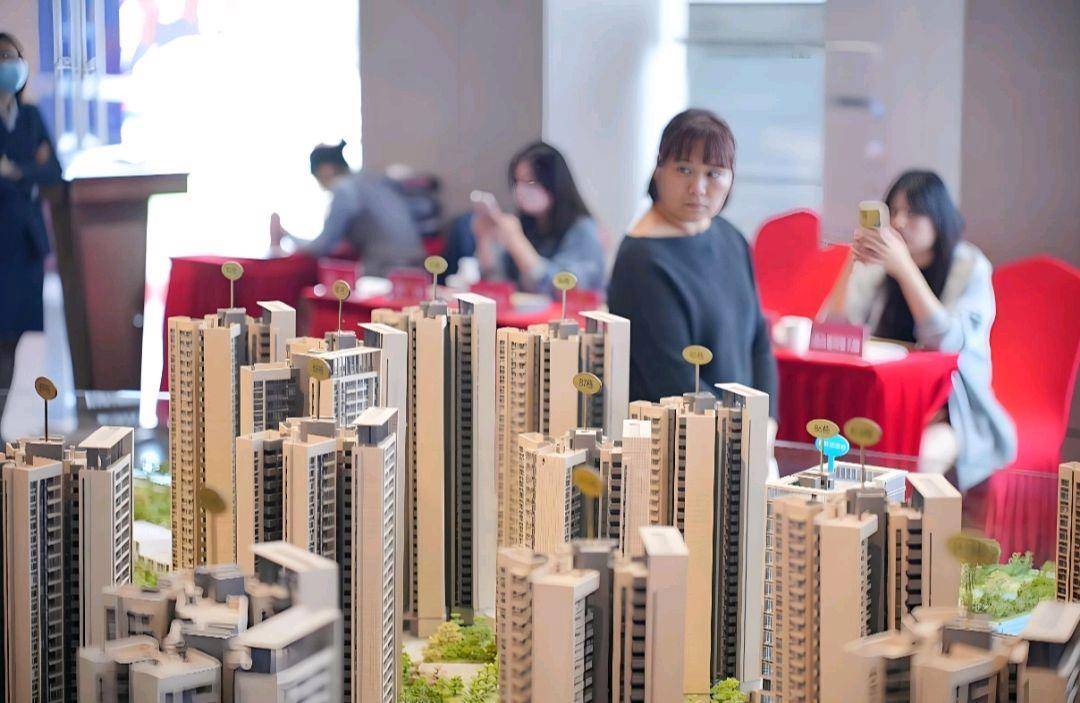
房价从2.5万降至1.5万,不仅赔了首付款?老业主直言:从没想过房价会跌
Sou Hu Cai Jing· 2025-10-08 03:56
Core Insights - The real estate market is experiencing significant price declines, particularly in third and fourth-tier cities, with some areas seeing drops of over 40% [1][5][12] - The decline in housing prices is attributed to several factors, including demographic changes, excessive household leverage, supply-demand imbalances, and a retreat of speculative investment [4][6][11] Demographic Changes - China's population has entered a phase of negative growth, with a 5.7% year-on-year decrease in newborns as of Q1 2025, and the proportion of individuals aged 65 and older has risen to 19.8% [4][5] - The demand for new housing is weakening, especially in cities experiencing population outflows, where housing prices are declining more sharply [5] Household Leverage - As of Q2 2025, the household leverage ratio in China reached 75.3%, significantly exceeding the internationally recognized warning level of 60%, indicating that most families have exhausted their purchasing power [6] Supply-Demand Imbalance - As of May 2025, the inventory of commercial housing in China reached 580 million square meters, with a depletion cycle exceeding 24 months, far above the healthy standard of 12 to 18 months [6] - Developers are resorting to price cuts to recover cash flow, with many properties being sold at significant discounts [6] Retreat of Speculative Investment - The proportion of investment-driven purchases has dropped from approximately 30% in 2018 to 12.3% in the first half of 2025, indicating a significant withdrawal of speculative capital from the real estate market [6][11] Strategies for Homeowners - Homeowners facing "down payment loss" should consider holding onto their properties if they can manage monthly payments, as the residential nature of real estate remains unchanged despite market fluctuations [7] - If repayment pressure increases, homeowners are advised to negotiate with banks for loan adjustments, such as extending loan terms or switching to lower interest rate products [8] Opportunities for Buyers - Current market conditions may present favorable opportunities for potential buyers to negotiate better terms, with average transaction prices for second-hand homes showing a 15% gap from listing prices [9] - Buyers are encouraged to focus on long-term growth potential in economically robust cities rather than short-term price fluctuations [10] Industry Adaptation - Real estate developers must shift from high-turnover, high-leverage models to more refined and differentiated product strategies, focusing on quality and user experience [11] - Diversifying business operations beyond residential sales, such as property management and community services, is becoming essential for sustaining growth [11] Market Trends - The housing market is transitioning from being viewed solely as an investment to being recognized for its consumption value, emphasizing the importance of meeting residential needs over speculative gains [12]

房价都在跌,为何偏偏这里在涨?
虎嗅APP· 2025-10-07 09:43
Core Viewpoint - The article highlights the contrasting real estate trends between the small city of Dingbian, where property prices are rising sharply, and larger cities like Xi'an, where prices are declining. This phenomenon is attributed to local demand driven by factors such as marriage and education, despite broader market trends showing a downturn in many urban areas [4][5][10][16]. Group 1: Dingbian's Real Estate Market - Dingbian County has seen new housing prices exceed 5000 yuan per square meter by October 2025, a significant increase from under 4000 yuan per square meter in 2022, marking a cumulative rise of over 25% in three years [5]. - The county's real estate market is characterized by a high demand from two main buyer groups: those purchasing for marriage and those seeking properties in good school districts, leading to sustained price increases [10]. - The local economy is heavily reliant on oil and gas production, with Dingbian being the largest county in China in terms of oil and gas output, which supports the financial capacity of residents to invest in real estate [9]. Group 2: Comparison with Xi'an - In stark contrast, Xi'an's real estate market is experiencing a downturn, with the average price of second-hand homes dropping to 12,234 yuan per square meter by September 2025, reflecting a year-on-year decline of 10.1% and a nearly 25% decrease over three years [6]. - The divergence in real estate trends between Dingbian and Xi'an raises questions about the sustainability of Dingbian's price increases, especially as the broader market shows signs of cooling [16]. Group 3: Future Outlook - There are concerns regarding the sustainability of Dingbian's rising property prices, particularly as new housing projects are set to be completed in the coming years, which may increase supply and affect price stability [15]. - Local residents express uncertainty about the future of the market, with some predicting a potential correction in prices due to the rapid increases observed [14].

“石油小城”房价何以未跌反涨?十月行记|
Sou Hu Cai Jing· 2025-10-06 11:20
Core Viewpoint - The real estate market in Dingbian County is experiencing a significant upward trend, contrasting sharply with the declining prices in major cities like Xi'an, driven by local economic factors and high demand for housing [10][11][25]. Group 1: Market Dynamics - Dingbian County's new housing prices have increased by over 25% in three years, with average prices surpassing 5000 yuan per square meter as of October 2025, compared to less than 4000 yuan in 2022 [10][11]. - In contrast, Xi'an's second-hand housing prices have dropped by 10.1% year-on-year as of September 2025, reflecting a broader trend of declining prices in first and second-tier cities [10][11]. - Dingbian's real estate market is characterized by a high demand from buyers, particularly for wedding and school district-related purchases, which is driving prices upward [14][15][17]. Group 2: Economic Factors - Dingbian County is recognized as a major oil and gas production area, with proven oil reserves of 1.618 billion tons and natural gas reserves of 300 billion cubic meters, contributing significantly to the local economy [12][13]. - The county's population dynamics, including rural-to-urban migration and the influx of families seeking better educational opportunities for their children, are contributing to sustained housing demand [16][17]. Group 3: Future Outlook - There is uncertainty regarding the sustainability of the current price increases, as the market may face a shift if new housing projects are completed and supply increases [22][23]. - Local real estate agents express mixed feelings about the future, with some predicting potential price corrections due to the rapid increases observed [20][22].
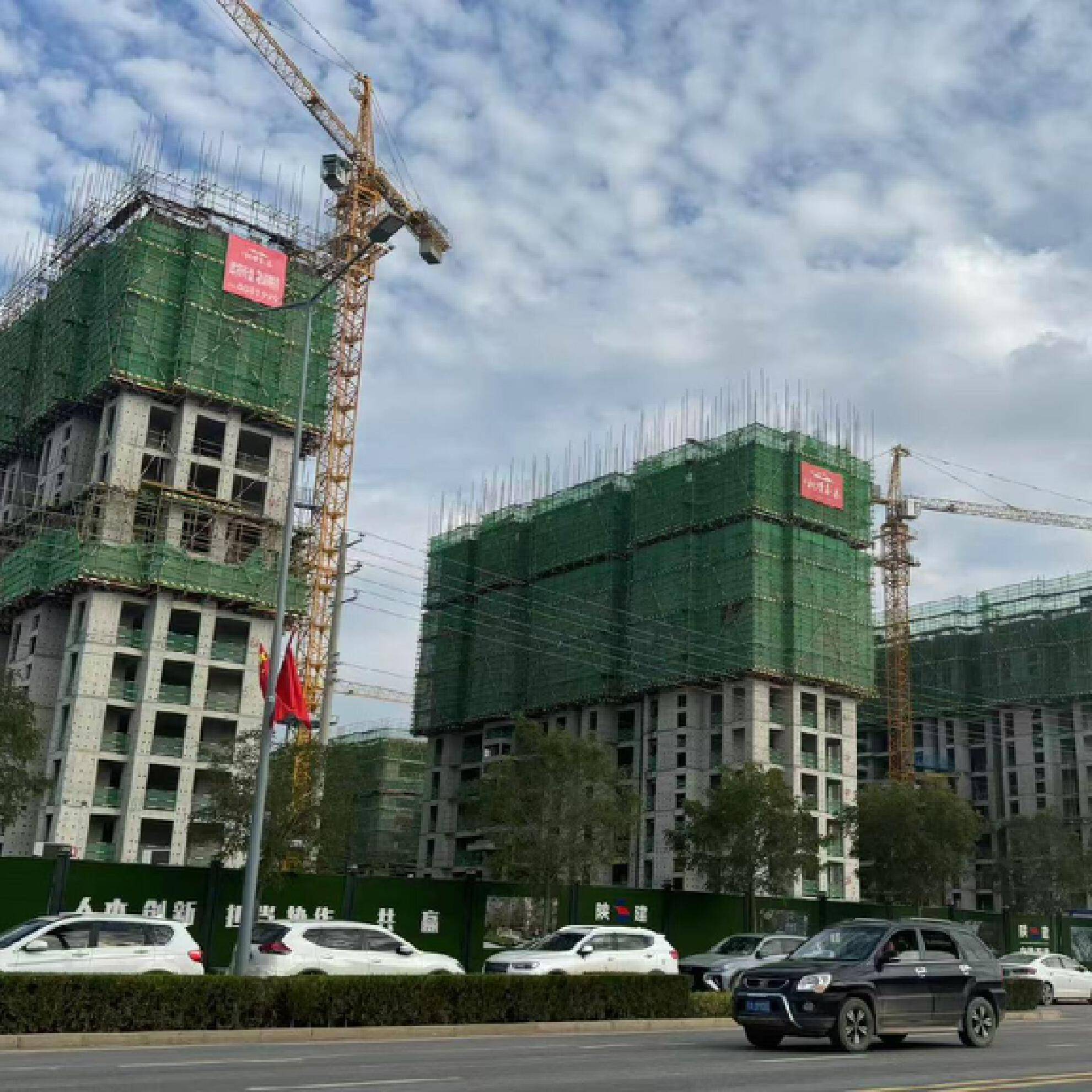
楼市大局已定!45%有多套房的家庭,或将面临“4个难题”
Sou Hu Cai Jing· 2025-10-05 16:19
Core Viewpoint - The domestic housing market has entered a long-term adjustment phase since 2022, with prices expected to continue declining until at least 2025, as evidenced by a 7.38% year-on-year drop in the average price of second-hand residential properties in September, reaching 13,381 yuan per square meter, and a cumulative decline of 5.79% in the first three quarters [1]. Group 1: Impact on Households - For families with only one property, the long-term price decline has minimal impact as their primary concern is comfortable living [3]. - In contrast, 45% of families owning multiple properties face significant challenges, including a decline in property value, as illustrated by a case where a property purchased for 4 million yuan in 2019 is now valued at only 2.56 million yuan, reflecting a drop of over 30% [3][5]. - The difficulty of liquidating properties is increasing due to a surge in listings, with over 7.3 million second-hand homes available nationwide as of September 2025, while demand from potential buyers is shrinking [5]. Group 2: Financial Pressures - Families with multiple properties are experiencing rising costs associated with property ownership, including maintenance fees and utilities, which are increasing annually due to inflation [6][9]. - The aspiration of "renting to pay off loans" is becoming increasingly unattainable, especially in smaller cities where rental demand is low, and in larger cities where high living costs are driving workers to return to their hometowns, leading to a downward trend in rental prices [8][10]. - The financial burden on families with multiple properties is exacerbated by a decline in income, while their mortgage obligations remain largely unchanged [9].
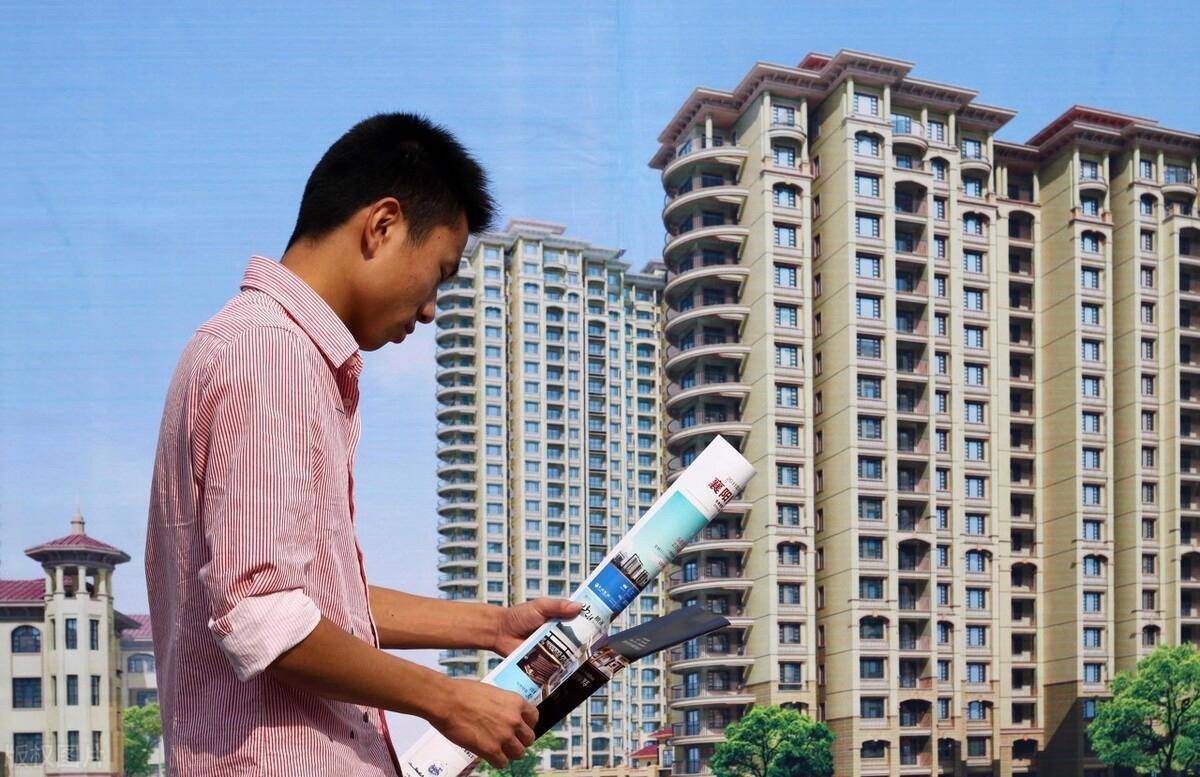
“石油小城”房价何以未跌反涨?
Jing Ji Guan Cha Bao· 2025-10-05 07:25
Core Viewpoint - The real estate market in Dingbian County is experiencing a significant upward trend, contrasting sharply with the declining prices in major cities like Xi'an, driven by high demand and limited supply [4][5][21]. Group 1: Real Estate Trends - Dingbian County's new housing prices have increased by over 25% in three years, with average prices surpassing 5000 yuan per square meter as of October 2025, compared to less than 4000 yuan in 2022 [4][5]. - In contrast, Xi'an's second-hand housing prices have dropped by 10.1% year-on-year as of September 2025, reflecting a broader trend of declining prices in many first- and second-tier cities [5][20]. - The county's real estate market is characterized by a scarcity of new housing projects, which has contributed to the rapid price increases [18]. Group 2: Economic Factors - Dingbian County is recognized as the largest oil and gas production county in China, with proven oil reserves of 1.618 billion tons and natural gas reserves of 300 billion cubic meters, significantly bolstering its local economy [7][8]. - The local economy heavily relies on the oil industry, which has led to increased disposable income among residents, further fueling demand for housing [8][9]. Group 3: Buyer Demographics - The primary buyers in Dingbian's real estate market include those purchasing homes for marriage and families seeking to secure school placements for their children, indicating a strong demand for housing [9][10]. - The trend of rural population migration to urban areas has intensified, with many families moving to the county for educational opportunities, thereby increasing housing demand [12]. Group 4: Market Sentiment and Future Outlook - Despite the current upward trend in housing prices, there are concerns about sustainability, with some residents expressing doubts about the long-term viability of the price increases [15][17]. - The potential influx of new housing projects in the coming years may shift the supply-demand balance, leading to uncertainty about future price stability [19].
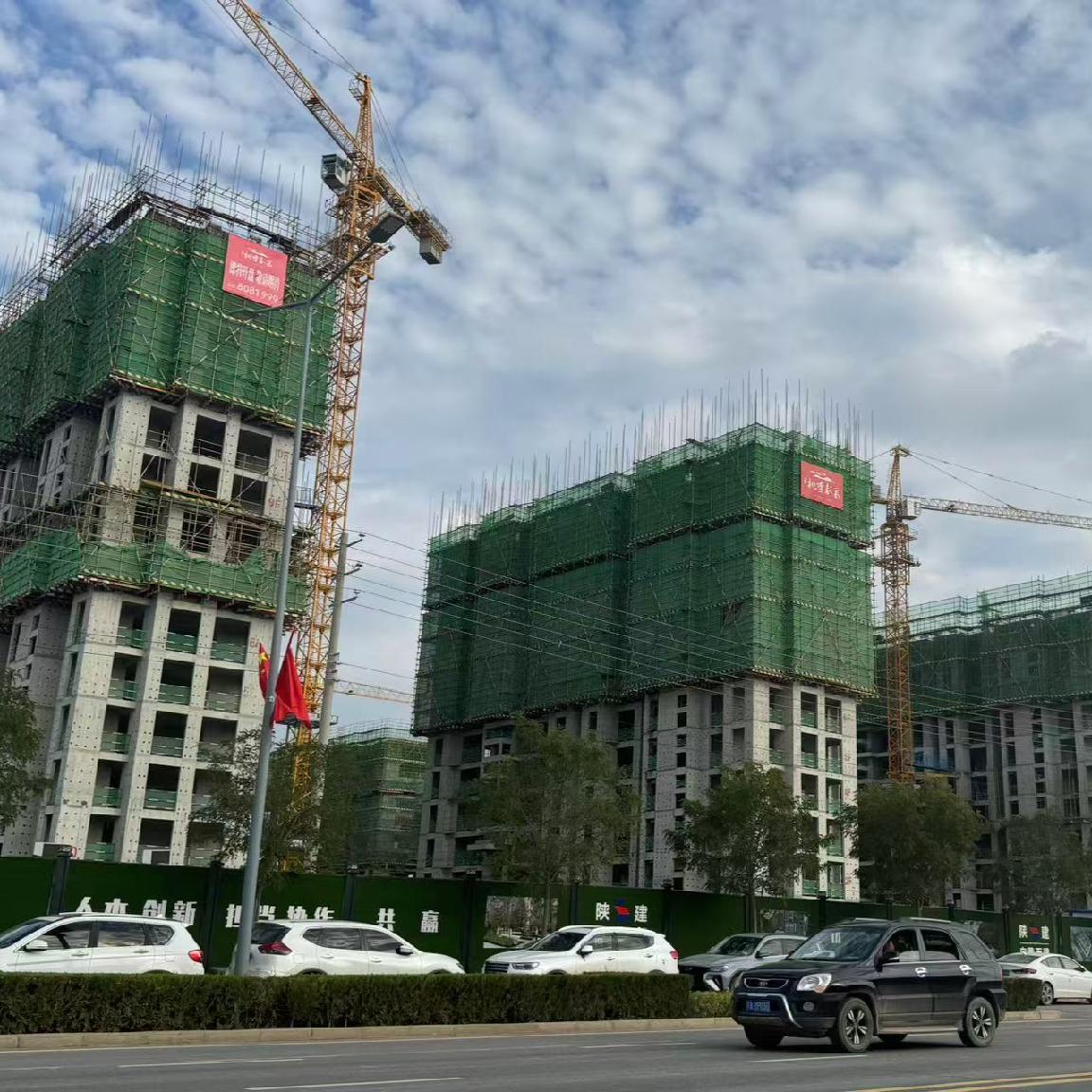
李嘉诚预言说中了!我国手握“两套房”的家庭,或将注定这3个结果!
Sou Hu Cai Jing· 2025-09-30 23:13
Core Insights - The real estate market in China has shifted dramatically, with many homeowners facing significant financial losses due to declining property values and increased debt burdens [1][2][3] Group 1: Market Trends - Approximately 43% of urban households own two or more properties, creating a facade of wealth that conceals underlying financial risks [2] - Property prices have seen a substantial decline, with some areas experiencing drops of over 30% since their peak [2][3] - The average price of second-hand residential properties in 100 cities fell by 0.76% month-on-month and 7.34% year-on-year as of August [2] Group 2: Financial Challenges - Many homeowners are experiencing asset depreciation exceeding 40%, leading to financial distress for those with multiple properties [3] - The wealth structure of urban residents shows that 70% of their assets are tied to real estate, while 70% of their liabilities are mortgage-related, exacerbating the impact of falling property values [5] - The debt-to-income ratio for households with multiple properties exceeds 75%, with many facing overdue mortgage payments [5] Group 3: Rising Costs - The cost of maintaining properties is increasing, with rising property management fees and potential future property taxes adding financial strain [7] - Rental yields are declining, making it difficult for homeowners to cover mortgage payments through rental income, particularly in lower-tier cities [7] Group 4: Market Liquidity Issues - The real estate market has shifted to a buyer's market, with over 7.3 million second-hand homes listed for sale nationwide, leading to prolonged selling times and price reductions [9] - Many properties remain unsold for extended periods, forcing owners to lower prices significantly to attract buyers [9] Group 5: Recommended Strategies - Homeowners are advised to consider selling non-core properties to minimize losses, especially in areas with declining demand [11] - Reducing high-interest mortgage debt is crucial to alleviate monthly payment pressures, as many families are spending over half their income on mortgage repayments [12] - Maintaining cash flow through stable primary income and potential side ventures is recommended to manage financial burdens effectively [13] Group 6: Market Perspective Shift - The perception of real estate is changing from an investment asset to a necessity for living, indicating a fundamental shift in market dynamics [15] - Homeowners clinging to the belief that multiple properties will retain value may need to reassess their financial strategies as properties become liabilities rather than assets [15]

马云预言成真?2026年,手握存款的人,或将面临三大难题
Sou Hu Cai Jing· 2025-09-28 06:04
Group 1: Real Estate Market Trends - Since 2021, domestic housing prices have entered a long-term adjustment phase, with an average decline of over 30% nationwide as of 2023 [1][3] - Major cities like Shanghai and Shenzhen have joined the price adjustment trend, following declines in second and third-tier cities [1] - Some third and fourth-tier cities have seen prices drop to levels where homes can be purchased for tens of thousands or even hundreds of thousands [1] Group 2: Bank Deposit Rates and Economic Challenges - Starting in 2023, domestic deposit rates have entered a long-term adjustment phase, with one-year fixed deposit rates dropping from 2.25% to 1.35%, resulting in a decrease of 900 yuan in interest income for a 100,000 yuan deposit [3][6] - The decline in deposit rates poses significant challenges for elderly individuals and those relying on interest income, as their purchasing power diminishes [6] - The overall economic environment is characterized by slowing income growth and shrinking consumer demand, making it difficult for new entrepreneurs to succeed [8] Group 3: Investment Risks and Market Performance - Many individuals are turning to high-yield investment products like stocks and funds due to low deposit interest, but these come with high risks, with many funds experiencing losses of 20-30% in 2024 [10][12] - The majority of stock market participants are currently facing losses, with few managing to outperform inflation due to poor trading strategies [10] - There is a growing concern regarding the performance of bank wealth management products, particularly those rated R2 and below, which have also shown losses due to declining money market yields and rising bond market risks [12]

高盛预言:2027年房价再跌10%?今明年买房,首付要打水漂了?
Sou Hu Cai Jing· 2025-09-26 05:32
Core Insights - Goldman Sachs predicts that the current decline in China's real estate market, which began in 2021, has only completed 40% of its total expected drop, with an additional 60% decline anticipated before reaching the bottom by the end of 2027 [5][6][18] Market Analysis - The report evaluates the current state of the Chinese real estate market by comparing it to historical global real estate crashes, forecasting a potential further decline of 10% in property prices [6][9] - Since the peak in Q4 2021, Chinese property prices have already dropped by 20%, and the market is expected to follow a typical crash pattern, indicating a prolonged downturn [6][14] Supply and Demand Dynamics - The current oversupply in the housing market is significant, with a reported 750 million square meters of unsold residential properties, suggesting that it could take two to three years to digest the existing inventory [7][9] - The demographic shift indicates a decrease in the primary home-buying age group (25-39 years), with a projected reduction of 42 million individuals by 2027, leading to diminished demand [7][9] Financial Strain on Consumers - The household debt-to-GDP ratio has reached 63.5%, comparable to developed nations, with housing affordability becoming a critical issue, particularly in major cities like Beijing and Shanghai where the price-to-income ratio exceeds 12 times [7][9] Policy Response and Market Stability - Despite numerous government measures aimed at stabilizing the housing market, such as lowering down payment ratios and interest rates, the fundamental issues of population decline, high inventory, and elevated debt levels remain unresolved [9][11] - The government's approach has shifted from attempting to boost prices to merely preventing a rapid decline, indicating a more cautious stance in policy implementation [9][11] Regional Variations - Different cities are experiencing varying degrees of impact, with first-tier cities expected to stabilize by late 2025 after a cumulative drop of up to 20%, while second-tier cities may see declines of up to 25% [14][16] - In contrast, third and fourth-tier cities are facing severe challenges, with potential price drops of 40% or more, making recovery to 2021 peak prices unlikely [14][16] Future Outlook - The real estate sector is anticipated to see a more pronounced recovery by 2026, contingent upon successful debt restructuring and improved market confidence [6][9] - Investors are expected to reassess valuations post-debt resolution and inventory clearance, with a gradual normalization of credit conditions benefiting leading private developers [6][9]
一个70后房奴,还着房贷,看着房价腰斩,心里难受啊!
Sou Hu Cai Jing· 2025-09-24 16:54
Core Viewpoint - The narrative highlights the struggles of individuals from the 70s generation in China, particularly focusing on the challenges faced in the housing market and the emotional toll of being a "mortgage slave" amidst rising property prices and subsequent declines in value [1][10]. Group 1: Housing Market Experience - The protagonist, Mr. Zheng, reflects on the difficulties faced during his youth, including missing out on state job allocations and experiencing economic downturns, which shaped his perspective on financial stability [1]. - In 2015, motivated by the skyrocketing housing prices, Mr. Zheng and his wife decided to purchase a home for their child, despite the financial strain it would impose [3]. - The process of securing a home involved intense competition, with long hours spent waiting in line to participate in lotteries for purchasing opportunities [3]. Group 2: Financial Burden - After successfully obtaining a purchase opportunity, Mr. Zheng faced the daunting reality of high property prices, leading to significant financial stress with a mortgage exceeding one million yuan [5]. - Monthly mortgage payments of over 8,000 yuan severely impacted the family's quality of life, forcing them to cut back on expenses and forgo leisure activities [7]. - The emotional and physical toll of financial strain is evident, with Mr. Zheng experiencing health issues as a result of the stress associated with mortgage payments [7]. Group 3: Market Decline and Emotional Impact - Despite eventually receiving the keys to their new home in 2019, the family faced a declining housing market, resulting in a significant loss in property value [8]. - The realization that years of hard work and financial sacrifice had led to a devalued asset left Mr. Zheng and his family feeling despondent and regretful [8]. - The sentiment of being a "mortgage slave" resonates with many individuals from various generations who have faced similar housing market challenges [10][12].