
扩大有效投资

Search documents
“两重”建设效应持续放大
Jing Ji Wang· 2025-11-18 00:24
Core Insights - The "Two Major" construction is being strategically planned and advanced within the context of the 14th Five-Year Plan, with a focus on implementing significant projects to boost effective investment and promote economic growth [1][5] Summary by Sections Overview of "Two Major" Construction - "Two Major" construction refers to the implementation of national major strategies and the enhancement of security capabilities in key areas [2] - Key investment areas include technological self-reliance, urban-rural integration, regional coordinated development, high-quality population development, food security, energy resource security, and ecological safety [2] Investment and Project Allocation - Starting in 2024, China will issue long-term special bonds to support major national strategies and security capability construction, with an allocation of 700 billion yuan for 1,465 major projects, aiming for over 1.2 trillion yuan in total investment for the year [2] - In 2023, 800 billion yuan was allocated to support 1,459 projects, focusing on ecological restoration, major transportation infrastructure, and water conservancy projects [2] Progress and Achievements - The construction of high-standard farmland is a key focus, with over 100 million acres completed nationwide, and significant funding allocated for further development [3] - In 2024, over 400 billion yuan has been allocated to support the construction and renovation of 18 million acres of high-standard farmland [3] Infrastructure Investment Growth - Infrastructure investment has seen rapid growth, with a 20% year-on-year increase in internet and related services investment, and a 9.4% increase in water transportation investment from January to October [4] - Private investment in infrastructure has grown by 4.5%, accounting for 22.6% of total infrastructure investment, with notable increases in water management and air transportation sectors [4] Strategic Planning and Coordination - The State Council emphasizes the need for strategic, forward-looking, and coordinated planning for "Two Major" construction, integrating both hard and soft investments [5][6] - A focus on national-level coordination is essential to ensure effective project implementation and to address deep-seated obstacles in management systems [6] Future Directions - The next steps involve optimizing government investment, enhancing the quality of major projects, and fostering private sector participation to expand effective investment and improve investment efficiency [6]
如何看“十五五”规划建议?高培勇、田轩、贾康等最新发声
券商中国· 2025-11-15 23:32
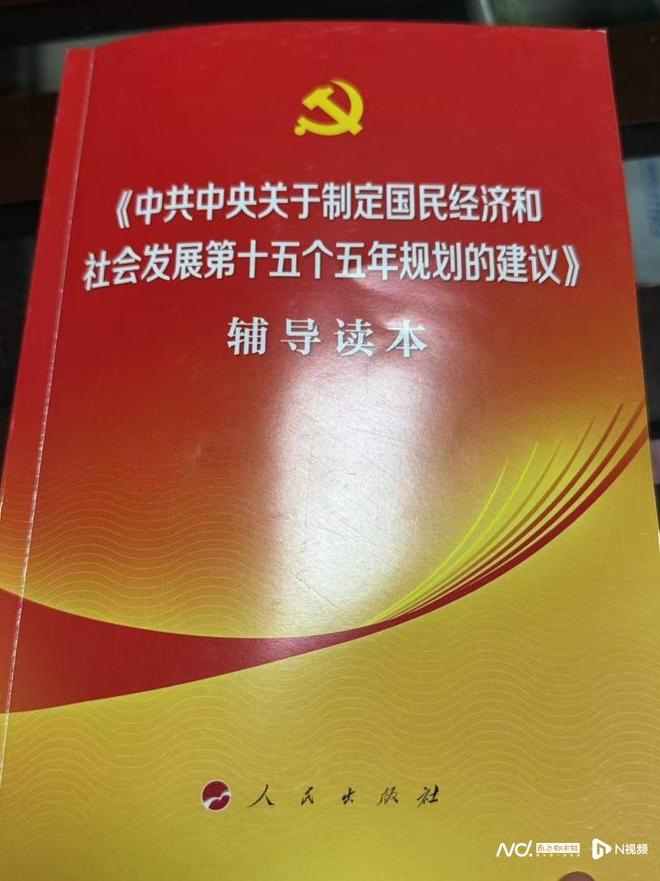
《中共中央关于制定国民经济和社会发展第十五个五年规划的建议》("十五五"规划建议)为中国未来五 年的发展擘画了蓝图。 11月14日举行的第九届雄安新区投融资发展论坛上,中国社会科学院学部委员高培勇、中国财政科学院研究员 贾康、清华大学国家金融研究院院长田轩,以及国家发展改革委投资研究所研究员吴亚平等多位宏观专家分享 了学习和研究的体会。 响应投早、投小、投硬科技的政策号召,活动上,财达资本、华北制药集团、浙江陆恒签署了发起科创基金的 意向协议,相关资金将依托华北制药的医药行业龙头地位,重点投资创新药物、医工交叉、医药技术创新平台 等领域项目和企业,赋能行业创新。同期,《中国地方政府投融资平台转型发展2025》正式对外发布。 论坛由财达证券股份有限公司、北京丽泽金融商务区管理委员会、河北金融学院、远东资信评估有限公司联合 主办。 高培勇:以一流营商环境激发经营主体发展新质生产力活力 中国社会科学院学部委员高培勇表示,推动高质量发展要以因地制宜发展新质生产力为主线,以各类经营主体 作为发展新质生产力的战略基点,以持续优化营商环境作为发展新质生产力的战略方针。 高培勇表示,推动新质生产力发展、实现高质量发展,必须优 ...

定安28个重点项目集中开工投产
Hai Nan Ri Bao· 2025-11-15 01:21
据介绍,定安集中开工项目23个、投产项目5个,包括海口羊山大道至定安母瑞山公路(定安段)交 通安全隐患治理项目、龙门学校高中教学楼项目、津斗云新能源产业投资项目、美宜佳(海南)产业园项 目、鹭燕医药海南总部基地项目、海友乐糟粕醋项目和海南新台胜实业有限公司厂区项目(新建冷库及 加建厂房)等,涵盖产业发展、基础设施、公共服务等领域。 据了解,下一步,定安将坚持项目为王,持续优化营商环境,精准谋划项目,坚定不移扩大有效投 资,用心护航项目建设,储备项目蓄积发展动能,确保明年工作开局就有"开门红",起步就能"加速 跑"。 定安28个重点项目集中开工投产 总投资19.65亿元 海南日报定城11月14日电(海南日报全媒体记者 李豌 通讯员 胡雄飞)11月14日,定安县2025年四季 度重点项目集中开工投产仪式举行,集中开工、投产项目共28个,涉及投资19.65亿元,全力拼经济、 促发展,加快推进"五强兴县"。 ...
财政部最新报告:用好用足更加积极的财政政策!
证券时报· 2025-11-07 11:08
Core Viewpoint - The report emphasizes that since 2025, China's fiscal policy has become more proactive, focusing on stabilizing employment, businesses, markets, and expectations, while enhancing coordination with other policies to promote sustained economic recovery [2][3]. Fiscal Policy Execution - The fiscal operation in the first half of 2025 was generally stable, with good budget execution and a continuous recovery in fiscal revenue, particularly in tax income [3]. - The central government allocated 300 billion yuan for long-term special bonds to support consumption, alongside 7.279 billion yuan for service industry development, aimed at stimulating consumption in rural areas [4]. Investment and Consumption - The fiscal policy has been working to boost consumption and expand investment, with the issuance of long-term special bonds starting in April, completing 42.7% of the annual issuance target in the first half, which is 17.7 percentage points faster than the previous year [4]. - A new special debt limit of 4.4 trillion yuan was fully allocated to local governments by April, achieving 49.1% of the annual limit in the first half, which is 11 percentage points faster than the previous year [4]. Foreign Trade and Investment - The Ministry of Finance has effectively utilized tariff adjustments to stabilize foreign trade and investment, implementing temporary import tariff rates lower than the most-favored-nation rates on 935 items since January 1, 2025 [5]. - The expansion of high-standard free trade zones and cooperation with trade partners on tax reductions has been highlighted as a strategy to enhance market confidence [5]. Fiscal Management Pilot - The Ministry of Finance has initiated a pilot program for fiscal management in 12 provinces, focusing on improving resource allocation and budget management, with 11 key tasks set to achieve breakthroughs in two years [7][8]. - A national platform for the sharing of state-owned assets has been established, facilitating over 200 asset adjustments and saving more than 40 million yuan in budget funds [8]. Future Fiscal Policy Directions - The report outlines six key areas for future fiscal policy, including the effective use of proactive fiscal measures, support for employment and foreign trade, fostering new growth drivers, improving living standards, risk prevention, and enhancing fiscal governance [11][12][13].

郑栅洁详解“十五五”扩内需举措,实施一批重大标志性工程项目
2 1 Shi Ji Jing Ji Bao Dao· 2025-11-07 10:33
Group 1: Core Strategy on Domestic Demand - The article emphasizes the importance of expanding domestic demand as a strategic foundation during the 14th Five-Year Plan period, focusing on enhancing consumer spending and optimizing the consumption environment [1][4] - Key measures include removing unreasonable restrictions in the consumption sector and improving mechanisms for paid leave to address the issue of "difficulties in taking leave" [1][4] - The long-term goal is to increase residents' consumption capacity and raise the proportion of residents' income in national income distribution [1][4] Group 2: Investment Expansion - The article outlines the need to actively expand effective investment, optimizing the investment structure to stimulate private investment and enhance government investment's role [2][7] - It highlights the importance of improving investment efficiency and addressing issues of "heavy investment, light returns" in certain sectors [2][9] - The focus is on deepening investment and financing system reforms, utilizing new policy financial tools, and enhancing the role of public-private partnerships [2][9] Group 3: Investment in People and Infrastructure - The article discusses the integration of investment in physical assets and human capital, emphasizing the need for investment in education, healthcare, and skills training to enhance human capital [3][4] - It points out that while there is still significant potential for investment in physical assets, the urgency of investing in human capital is increasing due to declining returns on physical capital investments [4][6] - The article stresses the necessity of addressing the needs of a diverse population and improving the quality of life through targeted investments in services like elderly care and healthcare [4][5] Group 4: Government and Private Investment Dynamics - The article calls for a clear delineation between government and private investment roles, aiming to enhance the effectiveness of both [7][9] - It suggests that government investment should focus on public service shortfalls and strategic areas, while also stimulating private investment through improved market conditions [8][12] - The need for a supportive environment for private enterprises is highlighted, including fair competition and risk management assistance [11][12]
一批重大标志性工程将实施 | 解读“十五五”
Di Yi Cai Jing Zi Xun· 2025-11-05 04:17
Core Viewpoint - The article emphasizes the importance of a strong domestic market as a strategic foundation for China's modernization, highlighting the need to expand domestic demand and enhance the interaction between consumption and investment [1] Group 1: Domestic Market Development - The "15th Five-Year Plan" aims to boost consumption, expand effective investment, and eliminate barriers to building a unified national market as key strategies for strengthening the domestic market [1] - The National Development and Reform Commission stresses the need to understand domestic market development laws and enhance the role of domestic demand in economic support [1] Group 2: Investment Strategies - The article discusses the need to stimulate private investment and clarify investment directions for both central and local governments, focusing on high-quality projects that meet development needs [2] - It highlights a strategic shift in investment from quantity expansion to quality improvement, emphasizing precise allocation of limited funds to enhance national competitiveness and promote social equity [2] Group 3: Major Projects and Infrastructure - The implementation of significant landmark projects in urban renewal, strategic transportation corridors, new energy systems, and major water conservancy projects is outlined as a means to sustain infrastructure investment growth [3] Group 4: Unified Market Construction - The establishment of a unified national market is crucial for facilitating a smooth domestic circulation of resources, with ongoing efforts to reduce market access barriers and streamline regulations [4] - The article notes that the number of market access negative list items has decreased from 328 to 106, indicating progress in removing obstacles to resource flow [4] Group 5: Consumer Spending and Economic Growth - The focus on boosting consumer spending includes optimizing the environment, innovating consumption scenarios, and enhancing residents' consumption capacity [5] - The article stresses the importance of increasing residents' income and improving social security systems to support consumption growth [5] Group 6: Role of Capital Markets - Capital markets are identified as key players in expanding domestic demand, with expectations for a bull market to amplify consumer spending [6] - The article suggests that consumer growth should reach 5% to 6% during the "15th Five-Year Plan" period, with a target for final consumption to account for over 60% of GDP by 2030 [6]
努力实现居民收入增长与经济增长同步!郑栅洁解读“十五五”
Nan Fang Du Shi Bao· 2025-11-04 03:12
Core Viewpoint - The article emphasizes the importance of boosting consumer spending as a strategic focus for the next five years, highlighting measures to encourage residents to consume confidently and willingly [1]. Group 1: Current Focus on Boosting Consumption - The government plans to enhance consumer spending through direct policies aimed at consumers, increasing government funding for social welfare, and removing unreasonable restrictions on consumption in sectors like automobiles and housing [3][4]. - Key strategies include optimizing the consumption environment, innovating consumption scenarios, and reducing limitations, while also expanding the supply of quality consumer goods and services [4]. Group 2: Long-term Strategies for Enhancing Consumer Capacity - The focus is on increasing residents' consumption capacity by synchronizing income growth with economic growth, emphasizing stable employment and income distribution [5]. - Measures will include enhancing the proportion of residents' income in national income distribution and improving labor remuneration in initial distribution [5]. Group 3: Expanding Effective Investment - The government aims to optimize investment structures and stimulate private investment by addressing barriers in market access, resource acquisition, and legal enforcement [6]. - Future plans include implementing significant flagship projects in urban renewal, strategic transportation corridors, new energy systems, and major water conservancy projects [7].
中国经济顶住压力稳中有进(锐财经)
Ren Min Ri Bao· 2025-11-03 20:35
Core Viewpoint - China's economy has shown resilience and progress in the first three quarters of the year, with effective investment and strong social welfare measures laying a solid foundation for achieving annual economic and social development goals [1][6]. Economic Performance - GDP growth reached 5.2% year-on-year, maintaining a leading position among major global economies [2] - Retail sales of consumer goods increased by 4.5%, accelerating by 1.2 percentage points compared to the same period last year [2] - Industrial added value grew by 6.2%, marking the highest growth for the same period since 2022 [2] Industrial Dynamics - The added value of equipment manufacturing and high-tech manufacturing increased by 9.7% and 9.6%, respectively, with their shares in large-scale industry rising by 2.1 and 0.8 percentage points year-on-year [2] - The integrated circuit manufacturing and smart device manufacturing sectors saw significant growth, with increases of 22.4% and 12.2% [2] Quality and Efficiency - Improvements in product prices and corporate profits were noted, with industrial enterprise profits rising by 3.2% year-on-year, and a notable 21.6% increase in September alone [2] - Prices for key products such as polysilicon, silicon wafers, and lithium carbonate have rebounded significantly [2] Resilience and Export Growth - Despite external challenges, merchandise exports maintained a growth rate of 7.1%, with high-tech and electromechanical product exports growing by 11.9% and 9.6%, respectively [2] - Exports to countries involved in the Belt and Road Initiative increased by 12.4% [2] Consumption and Potential - The service retail sector grew by 5.2%, driven by popular events such as sports and concerts [3] - The production of consumer drones and industrial robots surged by 43.2% and 29.8%, respectively, while new energy vehicles and lithium-ion batteries for vehicles saw increases of 29.7% and 46.9% [3] Social Welfare and Food Security - The government has effectively ensured food security and energy supply, with measures in place to stabilize grain markets and enhance disaster response capabilities [4] - As of October 27, coal reserves in national power plants reached 220 million tons, sufficient for over 35 days of use [4][5] Investment Expansion - The government has allocated 500 billion yuan for local government debt to support effective investment, with 2300 projects supported and a total investment of approximately 7 trillion yuan [6] - Key investment areas include digital economy, artificial intelligence, consumer infrastructure, and urban renewal projects [6] Future Outlook - International economic organizations have raised their forecasts for China's economic growth, indicating confidence in achieving annual development goals [6][7]
锚定三方面重点任务 建设强大国内市场
Zhong Guo Zheng Quan Bao· 2025-11-02 20:16
Group 1 - The core viewpoint of the news is that the "14th Five-Year Plan" emphasizes the importance of a strong domestic market as a strategic foundation for China's modernization, focusing on expanding domestic demand and enhancing the interaction between supply and demand [1][6] - The plan aims to reshape the supply-demand structure and achieve a balance between new and old growth drivers, enhancing economic resilience [1][6] - Key tasks include boosting consumption, expanding effective investment, and removing barriers to the construction of a unified national market [1][5] Group 2 - The plan prioritizes boosting consumption as the first task in building a strong domestic market, leveraging the potential of over 1.4 billion people and an expected middle-income group exceeding 800 million in the next decade [1][2] - Measures to enhance consumer capacity include increasing public service spending and implementing inclusive policies to directly benefit consumers [2][3] - The focus on supply-side reforms will involve creating high-quality, personalized, and green products and services to meet the growing demands of consumers [2][3] Group 3 - Effective investment is emphasized, particularly in "investing in people," which is seen as crucial for economic and social structural transformation [3][4] - The plan suggests optimizing investment structure by increasing funding for public services and human capital, which is vital for sustained economic growth [3][4] - Specific measures to improve investment efficiency include enhancing government investment management and reforming investment approval processes [4] Group 4 - The removal of market barriers is highlighted as essential for efficiently aggregating domestic and international resources, thereby unlocking the potential of the vast market [5][6] - The plan outlines the need for a unified national market to facilitate smooth circulation of resources and enhance market efficiency [5][6] - The construction of a high-standard market system is crucial for addressing local protectionism and market fragmentation [6]
5000亿元新型政策性金融工具资金投放完毕
Zhong Guo Zheng Quan Bao· 2025-11-01 01:19
Group 1 - The National Development and Reform Commission (NDRC) has fully allocated 500 billion yuan of new policy financial tools, supporting over 2,300 projects with a total investment of approximately 7 trillion yuan, focusing on digital economy, artificial intelligence, and urban renewal sectors [2][3] - The NDRC plans to accelerate the issuance and utilization of special bonds, with an additional 200 billion yuan allocated to support local government investment projects [2] - The NDRC aims to enhance the efficiency of logistics costs, reporting that total logistics costs for the first three quarters of the year reached 14.2 trillion yuan, with a GDP ratio of 14.0%, marking a decrease of 0.1 percentage points from the previous year [4] Group 2 - The NDRC will coordinate efforts to ensure energy supply during the winter, focusing on maintaining stable energy production and addressing supply-demand imbalances [5] - The NDRC emphasizes the importance of high-quality development and effective investment expansion, urging local governments and central enterprises to expedite project construction [3]