电动化

Search documents
汽车业提质逐新拓增量
Jing Ji Ri Bao· 2025-07-14 21:59
Core Insights - In the first half of this year, China's automobile production and sales reached 15.62 million and 15.65 million units respectively, marking a year-on-year increase of 12.5% and 11.4%, achieving a historical milestone of exceeding 15 million units for the first time in the same period [1] - The growth of the automotive market is primarily driven by new energy vehicles (NEVs), which saw production and sales of 6.968 million and 6.937 million units, representing year-on-year growth of 41.4% and 40.3% respectively, with NEVs accounting for 44.3% of total new car sales [1][2] - The Chinese automotive industry is expected to maintain stable growth throughout the year, with NEV sales projected to reach 16 million units, potentially exceeding 50% of total new car sales [3] Industry Performance - Geely Auto reported a total sales volume of 1.4092 million units in the first half of the year, a 47% increase year-on-year, with NEVs accounting for 725,200 units, a 126% increase, marking a significant milestone in its transition to electric vehicles [2] - The overall sales of Chinese brand passenger cars reached 9.27 million units, a 25% increase, maintaining a market share of 68.5% [2] - Exports of automobiles reached 3.083 million units, a 10.4% increase, with NEV exports at 1.06 million units, a 75.2% increase, indicating strong resilience in the export market [2] Technological and Policy Drivers - The dual drive of technology and policy is evident, with the implementation of the "two new" policies significantly supporting the growth of the automotive market [5] - NIO's announcement of its self-developed intelligent driving chip marks a significant technological advancement, enhancing vehicle safety and user experience [4] - The "two new" policies, including vehicle trade-in subsidies, have led to a notable increase in retail sales, with applications for trade-in subsidies reaching 4.12 million by the end of May [5] Industry Dynamics - The automotive industry is witnessing a shift towards a more sustainable competitive environment, with major manufacturers committing to shorten payment cycles to suppliers, enhancing supply chain stability [6][7] - The industry is moving away from price wars towards value-driven competition, emphasizing the importance of innovation, quality, and user experience [8] - The initial effects of reducing internal competition are becoming apparent, with improved production rhythms and inventory management among manufacturers [7]
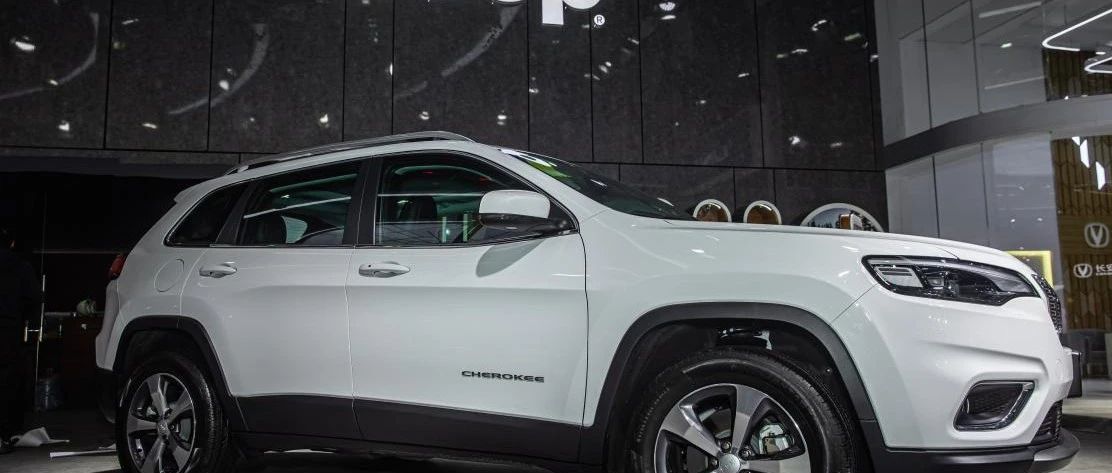
从巅峰到坠落:一代SUV霸主破产,总负债超80亿,曾年销22万辆
21世纪经济报道· 2025-07-14 04:31
Core Viewpoint - The official announcement of the bankruptcy of GAC Fiat Chrysler (广汽菲克) marks the end of the only joint venture for the Jeep brand in China, reflecting the challenges faced by joint venture car manufacturers amid industry transformation [1][3]. Group 1: Company Overview - GAC Fiat Chrysler was established in 2010, initially underperforming until the Jeep brand was introduced in 2015, capitalizing on the booming SUV market in China [8]. - The peak sales were reached in 2017 with over 222,000 units sold, driven by a strong product strategy that included models like the Cherokee and Renegade [7][8]. Group 2: Decline Factors - The turning point for GAC Fiat Chrysler occurred in 2018 when quality issues, particularly the "burning oil" problem, were exposed, leading to a significant drop in sales to 125,200 units [9][10]. - From 2019 to 2022, sales continued to decline sharply, with figures dropping to 73,900 units, 40,500 units, 20,100 units, and just 1,862 units respectively [10]. Group 3: Internal Challenges - Internal conflicts between Stellantis and GAC led to management instability, with key leadership changes exacerbating operational issues [12]. - The company's failure to adapt to the electric and intelligent vehicle trends resulted in missed opportunities, as 90% of R&D resources were allocated to traditional fuel vehicles [13][14]. Group 4: Industry Context - The bankruptcy of GAC Fiat Chrysler symbolizes a broader shift in the automotive industry, where traditional fuel vehicle dominance is waning as domestic brands capture over 70% of the market share [14]. - The transition to electric and intelligent vehicles is reshaping competitive dynamics, with foreign brands needing to innovate and adapt to survive [15].

锚定智能新战场 车企竞合驱动“提质向新”
Zheng Quan Ri Bao· 2025-07-13 16:00
本报记者 刘钊 当前,中国汽车产业正处于"换道超车"的关键阶段。数据显示,2025年上半年,汽车产销累计完成1562.1万辆和1565.3万 辆,分别同比增长12.5%和11.4%,展现出强劲的增长韧性。同时,行业"增量不增利"的困境凸显,"内卷式"竞争持续挤压企业 利润空间,成为制约行业高质量发展的突出问题。 7月10日至7月12日,以"提质向新,智赢未来"为主题的"2025中国汽车论坛"在上海举行,与会嘉宾围绕汽车产业高质量发 展、破解内卷困局、推动全球协同等核心议题展开深入探讨,为行业发展注入新动能。 创新突破发展瓶颈 中国科学技术协会主席万钢在会上表示,中国汽车产业发展已进入全新阶段,面对电动化、智能化的浪潮,汽车产业需深 化企业间合作,构建新型竞合关系。车企单打独斗已难以适应当前变革,唯有通过创新合作方式,促进优势互补,才能共同打 造新技术、新产品、新模式,培育新的产业价值增长极,"中国汽车产业在电动化领域已实现'变道超车',而智能化将是下一阶 段的核心战场,需聚焦关键技术攻关,推动产业链上下游协同创新。" 中国机械工业联合会会长徐念沙表示,2024年中国GDP总量达134.91万亿元,占全球17% ...
柳 工(000528) - 2025年7月11日柳工投资者关系活动记录表
2025-07-12 15:02
Financial Performance - The company expects a net profit of approximately CNY 1.18 to 1.28 billion for the first half of 2025, representing a year-on-year growth of 20% to 30% [3] - The domestic earthmoving machinery industry has shown significant recovery, with excavator domestic sales increasing by 22.9% and loader domestic sales increasing by 23.2% in the first half of 2025 [3] Market Outlook - The domestic market for earthmoving machinery is anticipated to continue its growth momentum, with overall industry sales expected to achieve double-digit year-on-year growth [3] - The international market is facing challenges due to global trade protectionism, but is expected to gradually recover in 2026, with emerging markets showing resilience [3] Corporate Governance - The company's board restructuring has not altered its strategic execution, market-oriented operations, or incentive mechanisms, maintaining a focus on enhancing market competitiveness and shareholder returns [4] Incentive Plans - The company has exceeded its performance assessment indicators for 2024, with the first phase of the stock option incentive plan set to unlock on July 14, 2025 [5] - A market-oriented executive compensation system is in place to strengthen management execution and promote long-term growth in operational performance and market value [5] International Strategy - The company has seen growth in revenue and profit in the European market, focusing on enhancing sales and channel networks while promoting ESG initiatives and electric, intelligent products [6] - Future plans include upgrading from an international strategy to a global strategy, ensuring stable and high-quality growth in overseas markets through localized supply chains and R&D centers [7] Competitive Landscape - The domestic electric loader market is experiencing increased price competition, with the company maintaining a higher price level for electric loaders due to its technological advantages [8] - The company advocates for healthy competition in the industry, emphasizing the importance of technological innovation and product quality for sustainable development [8]

“潮向新生”智领未来 上汽通用汽车开启电动智能转型新篇章
Zhong Guo Jin Rong Xin Xi Wang· 2025-07-12 11:47
Core Insights - SAIC-GM celebrated its 28th anniversary in Shanghai, showcasing its transformation and strength under the theme "潮向新生" [1][9] - The event featured immersive brand experiences and highlighted the company's commitment to electric and intelligent vehicle development [6][9] Group 1: Event Highlights - The anniversary event included interactive exhibition areas, such as the "I Love Shanghai" LEGO wall, emphasizing the brand's relationship with the city [3] - Buick's exhibition featured three interactive scenes, including a family-oriented "萌宠乐园" and an artistic "油画世界" [3] - Cadillac showcased its youthful appeal through four themed areas, including a "夏日泳池派对" and a performance experience with the CT5 [4] Group 2: Product Innovations - Buick's new models, including the GL8陆尊 and陆尚PHEV, demonstrated advanced technology and strong market performance, with a 40% sales contribution from these models [8] - The company introduced the Buick至境轿车 and GEN-Z探索概念车, focusing on user customization and innovative design [6] - Cadillac's electric flagship IQ锐歌 and other models like XT4 and CT5 showcased significant technological advancements and strong sales performance [6][8] Group 3: Market Performance - In June, SAIC-GM achieved a total sales volume of 48,675 vehicles, marking a 7.6% year-on-year increase, with 7,832 units of new energy vehicles sold, up 13.2% [8] - The company aims to enhance brand value and market competitiveness through a focus on electric, intelligent, and high-value products [8] - Future plans include launching over 10 new energy products between 2025 and 2027, reinforcing the commitment to full electrification [8]

直击2025中国汽车论坛: “反内卷”进一步深化 坚持长期主义正当时
Zheng Quan Shi Bao· 2025-07-11 17:15
Group 1 - The Chinese automotive industry is undergoing a transformation towards electrification and intelligent networking, facing structural challenges and intensified competition [1][2] - The 2025 China Automotive Forum held discussions on moving away from detrimental "involution" competition and focusing on value creation [1] - The China Association of Automobile Manufacturers (CAAM) emphasizes the need for a long-term mechanism to shift market dynamics from price-driven to value-driven [1][4] Group 2 - In the first half of 2023, China's automotive production and sales both exceeded 15 million units, with year-on-year growth of 12.5% and 11.4% respectively [2] - New energy vehicles (NEVs) have become a dominant force in the market, with production and sales reaching 6.968 million and 6.937 million units, marking year-on-year growth of 41.4% and 40.3% [2][3] - NEVs accounted for 44.3% of total new car sales, and the total NEV ownership ratio has reached 10% [2][3] Group 3 - The ongoing "anti-involution" discussions highlight the need for industry players to address the negative impacts of price wars on profitability and innovation [4][6] - Industry leaders stress the importance of collaboration and trust among global automotive companies to foster sustainable development [4][6] - The call for a return to "long-termism" in business practices is gaining traction, with industry representatives advocating for a focus on brand value and customer insights [7]
6月挖机销量点评:内销重回增长通道,出口显著提速
Changjiang Securities· 2025-07-11 14:15
Investment Rating - The report maintains a "Positive" investment rating for the machinery industry [10]. Core Insights - In June, domestic excavator sales in China increased by 6.2% year-on-year, marking a return to growth after a slight decline in May. The total domestic sales for the first half of 2025 reached 65,637 units, up 22.9% year-on-year. The upward trend in the domestic market is expected to continue due to factors such as equipment replacement cycles, labor substitution, and electrification [2][6][15]. - Export volumes for excavators in June surged by 19.3% year-on-year, with a notable acceleration compared to May. The total export volume for the first half of 2025 was 54,883 units, reflecting a 10.2% increase year-on-year. The growth in exports is supported by the increasing global competitiveness of domestic brands and favorable conditions in emerging markets [2][22][24]. Summary by Sections Domestic Sales - In June, excavator domestic sales reached 8,136 units, a 6.2% increase year-on-year, reversing the slight decline seen in May. The average working hours for major construction machinery in June were 77.2 hours, down 9.11% year-on-year, and the average operating rate was 56.9%, a decrease of 7.55 percentage points year-on-year. The recovery in domestic sales reflects a low base after significant declines and an increasing trend in equipment replacement [2][15][17][19]. Export Performance - The export volume of excavators in June was 10,668 units, representing a 19.3% year-on-year increase and a significant acceleration from May. The first half of 2025 saw a total export of 54,883 units, up 10.2% year-on-year. The growth in exports is driven by strong demand in emerging markets, with notable increases in regions such as Africa and Indonesia [2][22][24][30]. Market Outlook - The report anticipates a clear upward trend in the domestic machinery industry, supported by the need for equipment updates, the push for infrastructure projects, and the increasing penetration of electrification. The export market is also expected to see sustained growth, with domestic brands enhancing their global competitiveness and emerging markets showing robust demand [2][30].
德国采埃孚说将持续深化对华合作
news flash· 2025-07-11 12:01
Core Viewpoint - ZF Friedrichshafen AG emphasizes its commitment to deepening cooperation with the Chinese market, recognizing its strong growth potential in the context of the automotive industry's shift towards electrification and intelligence [1] Group 1: Company Strategy - ZF is actively collaborating with multiple Chinese enterprises to leverage local innovation and accelerate the transformation of key technologies [1] - The company aims to achieve mutual benefits through these partnerships, highlighting a focus on win-win outcomes [1] Group 2: Market Insights - The Chinese market is identified as exhibiting robust development momentum, particularly in the automotive sector's transition to electric and smart vehicles [1]
2025中国汽车论坛召开,话里话外都是要“团结”!
Zhong Guo Qi Che Bao Wang· 2025-07-11 10:34
Group 1 - The core theme of the 2025 China Automotive Forum is "Quality Improvement and Innovation for a Smart Future," focusing on industry transformation and international market expansion [2] - The Chinese automotive industry is urged to unite and collaborate for transformation, emphasizing electrification, intelligence, and low-carbon development as key directions [4][5] - The industry is experiencing a historic shift with new energy vehicles becoming the dominant market force, laying a solid foundation for becoming a strong automotive nation [9] Group 2 - The need for innovation in the automotive industry is highlighted, particularly in key technologies related to new energy and intelligent connected vehicles [7] - The establishment of a green low-carbon public service platform aims to standardize carbon footprint disclosure and promote green technologies [13] - The global automotive industry is undergoing unprecedented changes, with a focus on electric, automated, and smart mobility, creating both challenges and opportunities for cooperation between Europe and China [15] Group 3 - Companies are encouraged to build a unified front in the automotive industry, emphasizing quality and innovation over sales volume [17][18] - The importance of maintaining a balance between adhering to core values and adapting to changing consumer demands is stressed [20] - The role of artificial intelligence in various aspects of the automotive industry, including marketing and sales, is recognized as a significant trend for future development [26]

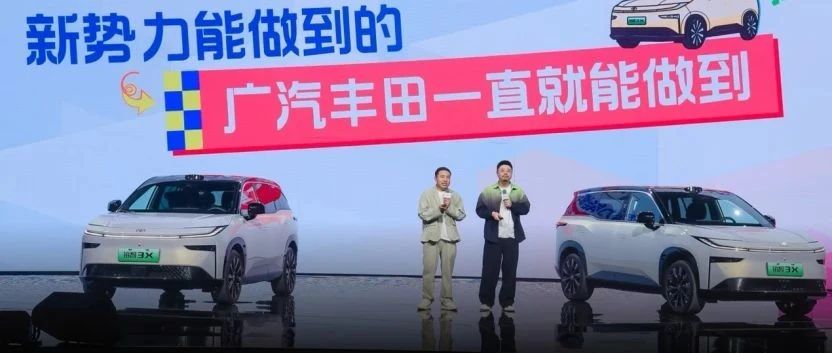
铂智3X独白:我是丰田,也是新势力
汽车商业评论· 2025-07-09 13:55
Core Viewpoint - GAC Toyota has successfully launched the Platinum 3X electric SUV, achieving significant sales growth and redefining its brand image in the competitive electric vehicle market [2][8][80] Group 1: Sales Performance - In the first six months of 2025, GAC Toyota achieved sales of 364,218 vehicles, showing a positive year-on-year growth [2] - The Platinum 3X, launched four months prior, has already delivered over 20,000 units [3] Group 2: Product Development and Strategy - The launch of the Platinum 3X marks a significant shift in GAC Toyota's approach, with a focus on local market needs and consumer preferences [15][42] - The introduction of the Regional Chief Engineer (RCE) system allows Chinese engineers to lead vehicle development, ensuring products are tailored to local consumers [15][22] - The development process for the Platinum 3X involved extensive market research and iterative adjustments based on competitor analysis, a departure from traditional practices [26][30] Group 3: Consumer Insights - The target demographic for the Platinum 3X includes practical family users in second and third-tier cities, emphasizing quality and cost-effectiveness [25] - Young consumers are driving the demand for electric vehicles, with a focus on smart technology, comfort, and social connectivity [62][64] Group 4: Design and Innovation - The Platinum 3X features a unique design philosophy that balances strength and fluidity, appealing to the diverse tastes of younger consumers [68] - The vehicle's interior design prioritizes functionality and emotional value, with attention to detail in space utilization and material selection [72][74] Group 5: Safety and Quality Assurance - GAC Toyota maintains a strong commitment to safety, implementing rigorous testing standards for vehicle components, including battery safety [46][55] - The company has proactively met and exceeded new national battery safety standards, ensuring consumer confidence in product safety [53][57] Group 6: Future Outlook - GAC Toyota aims to deepen its transformation strategy, with plans to enhance its position in the electric vehicle market and innovate beyond traditional practices [82][83]