贸易保护主义

Search documents
20多国领导人确定访华,中方将备好最高礼遇!特朗普全球加税的大结局,已被中方一语道破
Sou Hu Cai Jing· 2025-08-04 14:16
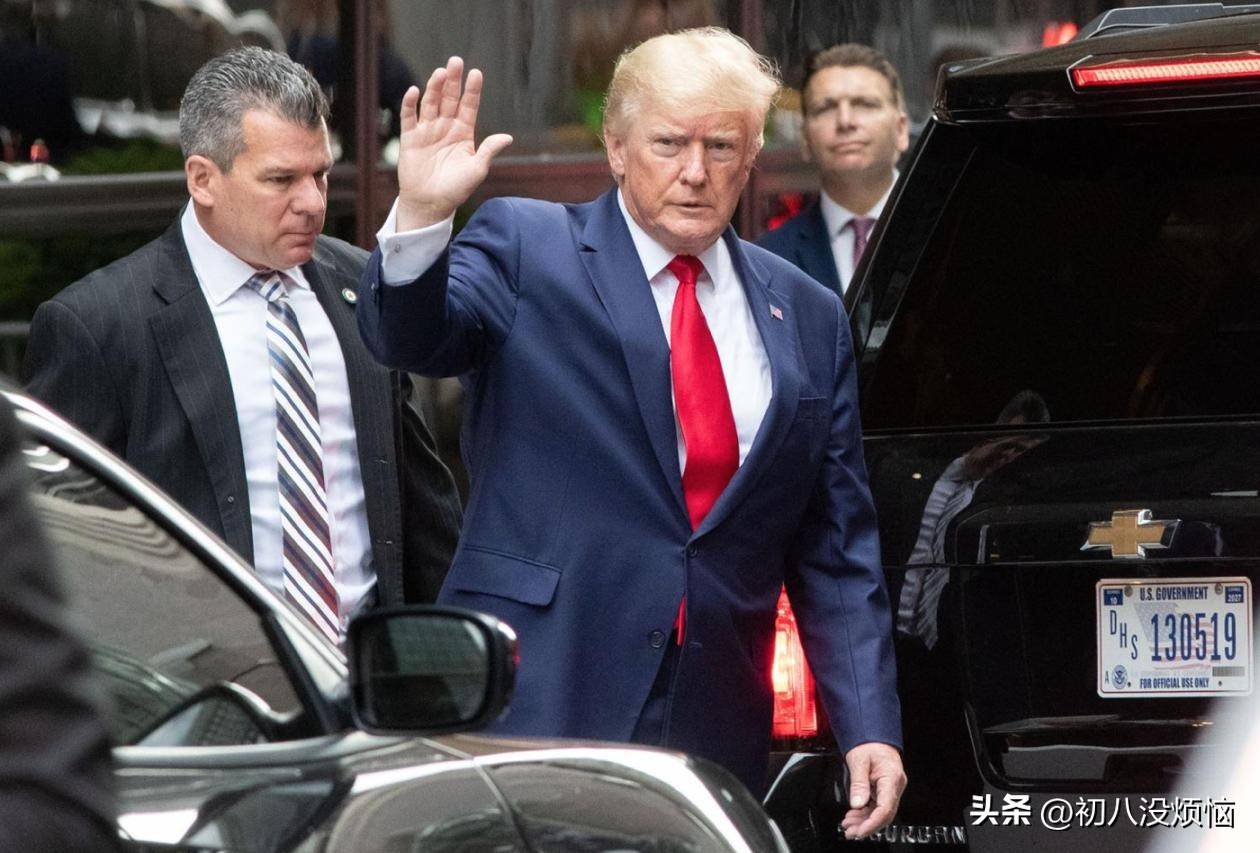
据央视新闻报道,7月31日,外交部宣布8月31日至9月1日天津将举办上合峰会,20多国领导人及10个国 际组织负责人将出席。 这场峰会是上合组织成立以来规模最大的一次。作为轮值主席国,中国过去一年推动上合组织完成100 多项合作活动,覆盖政治、安全、经贸等多领域。各方还在推进四个安全合作中心的筹建,让区域安全 防护网更紧密。中国践行"弘扬'上海精神':上合组织在行动"的口号,和成员国一起让多边合作的声音 更响亮。 同一时间,美国特朗普政府在全球贸易领域掀起风浪。7月31日,特朗普签署行政令,对多个国家和地 区征收10%到41%的"对等关税",8月7日生效。当天还宣布把加拿大输美商品关税从25%提高到35%。 加拿大总理卡尼表露出失望,安大略省省长道格·福特建议对美钢铝加征50%关税反击。 对墨西哥,美墨同意延长关税协议90天。这期间,墨西哥继续支付25%的芬太尼关税、25%的汽车关 税,以及50%的钢铁、铝和铜关税。墨西哥则取消了不少非关税贸易壁垒,总统辛鲍姆希望90天内通过 对话达成长期协议。 特朗普(资料图) 美国国内对关税政策的反应两极分化。保守派媒体觉得能保护制造业、增加财政收入;CNN和《纽约 时报 ...


美国突施3521%关税,东南亚国家集体反水,马来西亚大夸中国
Sou Hu Cai Jing· 2025-08-04 10:36
4月21日,美股开盘暴跌,三大指数集体跳水,但美国政府依然固执地挥出关税大棒,对东南亚太阳能产品征收最高3521%的关税。 东南亚国家被突如其来的关税大棒打得晕头转向,全球供应链也随之剧烈震荡,但耐人寻味的是,面对美国的关税大棒,东南亚国家非但没有屈服,反而齐 刷刷地转向中国寻求出路。 美国对东南亚四国太阳能产品征收的惩罚性关税简直高得离谱,特别是柬埔寨的3521%关税,这哪是征税啊,简直就是直接封杀,美国给出的理由是柬埔寨 企业"不配合调查",但明眼人都看得出,这根本就是变相的市场禁入手段。 这波操作在美国国内也引发了内讧,虽然部分本土制造商拍手叫好,但美国太阳能产业协会急得跳脚,因为现在美国80%的太阳能组件都依赖进口,光这四 个国家去年就进口了129亿美元的产品,关税这么一加,成本直接上天,要么项目黄了,要么电费暴涨,倒霉的还是普通老百姓。 而且当下美国自己的太阳能产能根本跟不上,只能满足30%的需求,这边想保护本土产业,那边又要搞能源转型,结果两头不讨好,现在供应链一乱,好几 个州的清洁能源目标怕是都要泡汤。 最打脸的是,消息一出,美国太阳能企业股价集体跳水,First Solar跌了3%,SunPo ...
美欧贸易协议失衡 经济学家警告德国将成欧盟最大输家
Yang Shi Xin Wen· 2025-08-03 23:43
近日,西班牙巴塞罗那大学经济学副教授塞尔吉·巴斯科表示,欧盟从与美国的新贸易协议中获益甚 微,德国可能是欧盟最大输家。 巴斯科表示,美欧新贸易协议规定,美国对欧盟商品征收15%的关税,许多美国输往欧洲的商品则免 税。巴斯科认为,欧洲仅有的"积极结果"是输美关税被定为15%,而不是30%。他指出,作为欧盟对美 最大出口国,德国的损失可能最大。关税或导致德国汽车对美销量下降,而西班牙等国的汽车产业也会 受到波及。 巴斯科批评欧洲领导人应对软弱,称欧盟有反制美国压力的手段,但其反应力度明显不足。目前,美欧 新贸易协议还不具约束力,协议生效尚需欧盟27国一致批准。 巴斯科表示,关税或导致德国汽车对美销量下降,而西班牙等国的汽车产业也会受到波及。 ...
美关税政策致巴菲特执掌的伯克希尔-哈撒韦利润下滑
Sou Hu Cai Jing· 2025-08-03 08:12
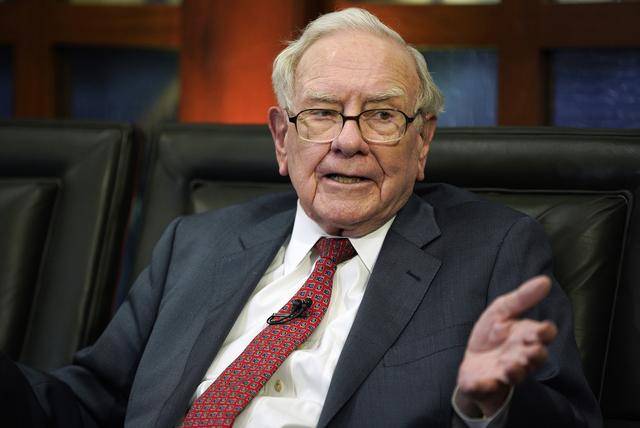
当地时间8月2日,美国著名投资人沃伦·巴菲特执掌的投资机构伯克希尔-哈撒韦公司发布数据显示,由 于美国政府贸易政策带来的负面影响,公司今年第二季度营业利润同比下降4%至111.6亿美元。 今年5月,巴菲特在出席伯克希尔-哈撒韦公司年度股东大会时批评美国的贸易保护主义政策,强调"贸 易不应该被当作武器"。 来源:央视新闻客户端 数据显示,伯克希尔-哈撒韦公司利润已经连续两个季度同比下滑,表现不及市场预期。 该公司当天在一份报告中指出,今年上半年,美国政府关税和国际贸易政策带来的紧张局势加速变化, 最终结果仍存在相当大的不确定性,这对公司大部分业务和股权投资都产生不利影响,可能严重冲击今 后业绩。 △沃伦·巴菲特(资料图) ...
美关税政策致伯克希尔-哈撒韦利润下滑
news flash· 2025-08-03 06:50
美关税政策致伯克希尔-哈撒韦利润下滑 智通财经8月3日电,美国著名投资人沃伦·巴菲特执掌的投资机构伯克希尔-哈撒韦公司2日发布数据显 示,由于美国政府贸易政策带来的负面影响,公司今年第二季度营业利润同比下降4%至111.6亿美元。 数据显示,伯克希尔-哈撒韦公司利润已经连续两个季度同比下滑,表现不及市场预期。该公司当天在 一份报告中指出,今年上半年,美国政府关税和国际贸易政策带来的紧张局势加速变化,最终结果仍存 在相当大的不确定性,这对公司大部分业务和股权投资都产生不利影响,可能严重冲击今后业绩。今年 5月,巴菲特在出席伯克希尔-哈撒韦公司年度股东大会时批评美国的贸易保护主义政策,强调"贸易不 应该被当作武器"。 (新华社) ...
美国关税税率创1934年来新高!耶鲁研究:GDP增速将年降0.5%,家庭支出增2400美元
Sou Hu Cai Jing· 2025-08-03 03:13
Group 1: Tariff Policy Impact - The average effective tariff rate on imported goods in the U.S. has reached 18.3%, the highest since 1934, indicating extreme levels of trade protectionism [1] - The new tariffs, ranging from 10% to 41%, will affect 69 trading partners, with 40 countries facing a 15% tariff rate [3] - The tariff policy is projected to reduce U.S. GDP growth by 0.5 percentage points annually in 2025 and 2026, and increase the unemployment rate by 0.3 percentage points by the end of 2025 [3] Group 2: Consumer Spending and Price Increases - The tariffs are expected to increase average household spending in the U.S. by $2,400 by 2025, with significant impacts on clothing prices, which may rise by 38% [3] - Short-term price increases for consumer goods are anticipated, with footwear prices potentially increasing by 40% [3] Group 3: Employment Data and Market Reactions - The U.S. non-farm payrolls increased by only 73,000 in July, significantly below the expected 100,000, with the unemployment rate rising to 4.2% [4] - Employment data for May and June was revised downwards, with a total downward adjustment of 258,000 jobs [4] - The weak employment report has increased the likelihood of a Federal Reserve interest rate cut in September, raising expectations from 40% to 63% [4] Group 4: Market Performance - U.S. stock markets experienced a significant decline, with a total market capitalization loss exceeding $1 trillion due to the new tariffs [5] - European stock markets also fell sharply, with major indices dropping nearly 3% in France [5] - Increased market volatility led to a rise in gold prices, with spot gold surging by 2.22% to surpass $3,360 [5]

普京这步棋走对了?8月2日,中美俄能源贸易传来最新消息
Sou Hu Cai Jing· 2025-08-02 23:21
Group 1 - The article highlights China's strong response to the recent U.S. sanctions, indicating a firm stance on energy security and a commitment to maintaining its energy cooperation with Russia [2][3][5] - The U.S. sanctions, which threaten punitive tariffs of up to 500% on potential Russian oil imports by China, are seen as an attempt to disrupt the growing energy trade between China and Russia [3][5] - The historical context of China-Russia energy cooperation is emphasized, noting that their partnership has deep roots and has become essential for both countries, especially in light of Western sanctions against Russia [5][7] Group 2 - China's energy import diversification strategy is underscored, with significant investments in LNG terminals and advanced shale gas extraction technologies, enhancing its domestic energy security [7][8] - The article points out the increasing military and strategic cooperation between China and Russia, including joint naval exercises and collaborative projects in high-tech sectors [8][10] - The narrative suggests that U.S. reliance on unilateral sanctions is ineffective against the resilient partnership between China and Russia, which continues to strengthen despite external pressures [8][12]
美国关税已推至二战以来最高水平,如何影响美国经济和消费?
Di Yi Cai Jing· 2025-08-02 12:19
Trade Policy Impact - The Trump administration's trade protectionism has raised U.S. tariffs on foreign goods to the highest level since World War II, with an average tariff rate reaching 17.3%, the highest since 1935 [1][3] - Yale University's budget lab estimates that nearly 45% of imported products are subject to high tariffs, leading to a projected price increase of 1.8% by 2025, equating to a loss of $2,400 in average household income [6][7] - The tariffs are expected to significantly impact consumer prices, with clothing prices projected to rise by 38% and footwear prices by 40% in the short term [6][7] Economic Consequences - The tariffs are anticipated to reduce U.S. GDP growth by 0.5 percentage points annually in 2025 and 2026, with a long-term economic contraction of 0.4% [7][8] - The labor market will also be affected, with an expected increase in unemployment by 0.3 percentage points by the end of 2025 and a reduction of nearly 500,000 jobs [7][8] Global Trade Dynamics - Experts suggest that the tariffs may lead to a reordering of global trade, violating WTO rules by imposing different tariffs on different trading partners [9][10] - The imposition of "reciprocal tariffs" is seen as a significant shift towards U.S. trade protectionism, potentially impacting the global trade system [9][10] - The World Trade Organization (WTO) has noted a surge in U.S. imports in anticipation of tariff increases, but growth is expected to slow down later in the year due to inventory pressures [10]
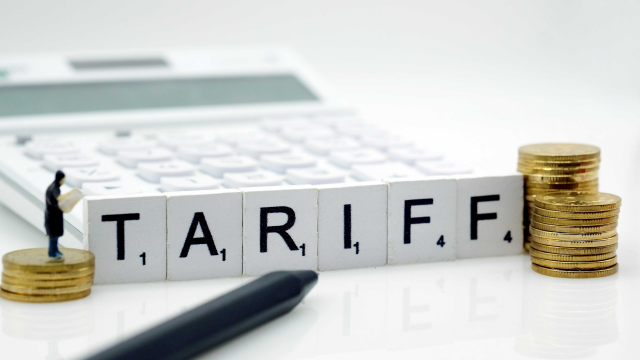
败局已定,美国公布全球关税,6国对特朗普投降,全是中国的邻居,其中3国牺牲中方利益
Sou Hu Cai Jing· 2025-08-02 12:02
Core Viewpoint - The U.S. government has implemented a new policy imposing "reciprocal tariffs" on multiple countries, with rates ranging from 10% to 41%, effective within seven days, raising concerns about its impact on the global economic landscape [1][9]. Group 1: Neighboring Countries' Responses - Japan has aligned with the U.S. on the tariff issue, compromising its relations with China and supporting U.S. strategies in the region, particularly regarding the South China Sea [3]. - South Korea has reached an agreement with the U.S. to lower tariffs to 15% in exchange for significant investments and energy purchases, indicating a shift in its economic cooperation dynamics with China [3]. - Cambodia has agreed to reduce import tariffs on U.S. goods to nearly zero and purchase $500 million worth of U.S. wheat and up to 75 Boeing aircraft, reflecting its dependence on the U.S. market [4]. - India is facing a 25% tariff on imports from the U.S. and has taken provocative actions against China, attempting to gain favor with the U.S. in trade negotiations [6]. - The Philippines has also chosen to align with the U.S. for economic benefits, compromising its relations with China over territorial disputes [6]. - Vietnam has made concessions to the U.S. regarding tariffs on textiles and electronics, while simultaneously engaging in activities in the South China Sea that challenge China's sovereignty [7]. Group 2: Economic Implications - The U.S. tariff policy is seen as a continuation of its "America First" strategy, aiming to reshape global trade rules and maintain economic dominance, which could lead to significant uncertainty in the global economy [9]. - The International Monetary Fund (IMF) has downgraded the global GDP growth forecast to 2.8% for 2025, attributing a 0.9 percentage point reduction to the U.S. "reciprocal tariff" policy [9]. - The actions of these six neighboring countries in yielding to U.S. pressure may jeopardize regional cooperation and stability, raising questions about the long-term benefits of such compromises [9].

特朗普关税大棒将美国关税推至二战以来最高水平,如何影响美国经济和消费?
Di Yi Cai Jing· 2025-08-02 09:50
Group 1 - The core viewpoint of the articles emphasizes that the trade war and tariff increases initiated by the Trump administration are detrimental to all parties involved, with no winners in a protectionist environment [1][10] - The average tariff rate in the U.S. is projected to reach 17.3%, the highest level since 1935, due to the implementation of various tariffs and retaliatory measures [1][4] - Experts indicate that the current tariff policies violate World Trade Organization (WTO) rules, particularly the most-favored-nation principle, which prohibits discrimination among trading partners [1][10] Group 2 - The Yale Budget Lab estimates that the tariffs will lead to a 1.8% increase in price levels by 2025, resulting in an average loss of $2,400 per household [7] - The impact of tariffs on consumer goods is significant, with projected price increases of 40% for shoes and 38% for clothing in the short term [7] - The tariffs are expected to reduce U.S. GDP growth by 0.5 percentage points annually in 2025 and 2026, with a long-term economic contraction of 0.4% [8] Group 3 - The tariffs are anticipated to increase the unemployment rate by 0.3 percentage points by the end of 2025, with a total job loss of approximately 497,000 positions [8] - The manufacturing sector may see a 2.1% increase in output due to tariffs, but this growth will be offset by declines in other sectors such as construction and agriculture [8] - The global trade system may undergo significant restructuring due to the U.S. tariffs, with potential demand shocks affecting economies worldwide [10][11] Group 4 - Recent data from the WTO indicates a 3.6% increase in global goods trade volume in Q1 2025, driven by anticipations of U.S. tariff hikes, although growth is expected to slow later in the year [11] - The World Bank forecasts a significant reduction in trade growth for developed economies, with projections for 2025 being halved compared to earlier estimates [11] - The U.S. experienced a 25% increase in imports in Q1 2025, but growth slowed to just 1% in the following months, highlighting the volatility in trade dynamics [11]