
银发经济

Search documents
为老年人“定制”一条街
Jing Ji Ri Bao· 2025-12-13 01:20
Core Insights - The emergence of "Silver Economy Streets" reflects the growing demand and innovative market supply for elderly services in response to demographic changes [1][2][3] Group 1: Market Trends - The elderly population is shifting from a "frugal" consumer mindset to a demand for high-quality, personalized services such as health management, education, and leisure activities [2] - The "Silver Economy" is becoming a significant consumer force, necessitating a comprehensive approach to meet their diverse needs [2] Group 2: Supply Challenges - The elderly market faces challenges such as fragmented supply, lack of diverse offerings, and absence of standards, leading to insufficient services like community dining and wellness facilities [3] - "Silver Economy Streets" aim to address these supply-demand mismatches by consolidating elderly products and services, enhancing consumer experience and lowering barriers to access [3] Group 3: Consumer Behavior - The development of "Silver Economy Streets" respects the consumption habits of the elderly, who prefer tactile and visual engagement with products [4] - The initiative reflects societal progress in addressing the needs of the elderly, aiming to create vibrant social spaces and improve their quality of life [4]
寿仙谷董秘刘国芳:守正创新 灵芝品牌快速破圈
Zhong Guo Jing Ying Bao· 2025-12-12 22:08
Core Insights - The Chinese health industry is entering a significant growth phase, driven by an aging population and increasing acceptance of traditional Chinese medicine [2] - Shouxiangu aims to become a leading brand in organic Chinese medicine and global Lingzhi products, focusing on product quality and consumer trust [3] Company Strategy - Shouxiangu's main products include third-generation wall-breaking Lingzhi spore powder and Dendrobium candidum series, with Lingzhi spore powder accounting for approximately 72% of sales in the first half of 2025 [3] - The company is expanding its market presence outside Zhejiang province, where current sales account for less than 10% [3][4] - Shouxiangu plans to adopt a dual approach for expansion, including learning from successful distributors and forming strategic partnerships with well-known pharmaceutical distribution companies [4] Digital Transformation - The company is leveraging AI technology to enhance production efficiency and product quality, while also utilizing digital marketing to improve customer engagement and conversion rates [4] Industry Challenges - The traditional Chinese medicine sector faces cyclical pressures from high-end consumption contraction and inventory issues, alongside long-term structural challenges [4] - The industry is experiencing a shift in consumer demographics, with younger consumers becoming a significant market segment [4] Marketing and Product Innovation - Shouxiangu is enhancing brand visibility through sponsorships and engaging with new media platforms for broader consumer reach [5] - The company is diversifying its product offerings to appeal to younger consumers, including ready-to-drink products and innovative formats like capsules and oral liquids [5]



人文经济等多种经济形态屡被提及,有何内涵?丨聚焦河源市委全会
Sou Hu Cai Jing· 2025-12-12 17:48
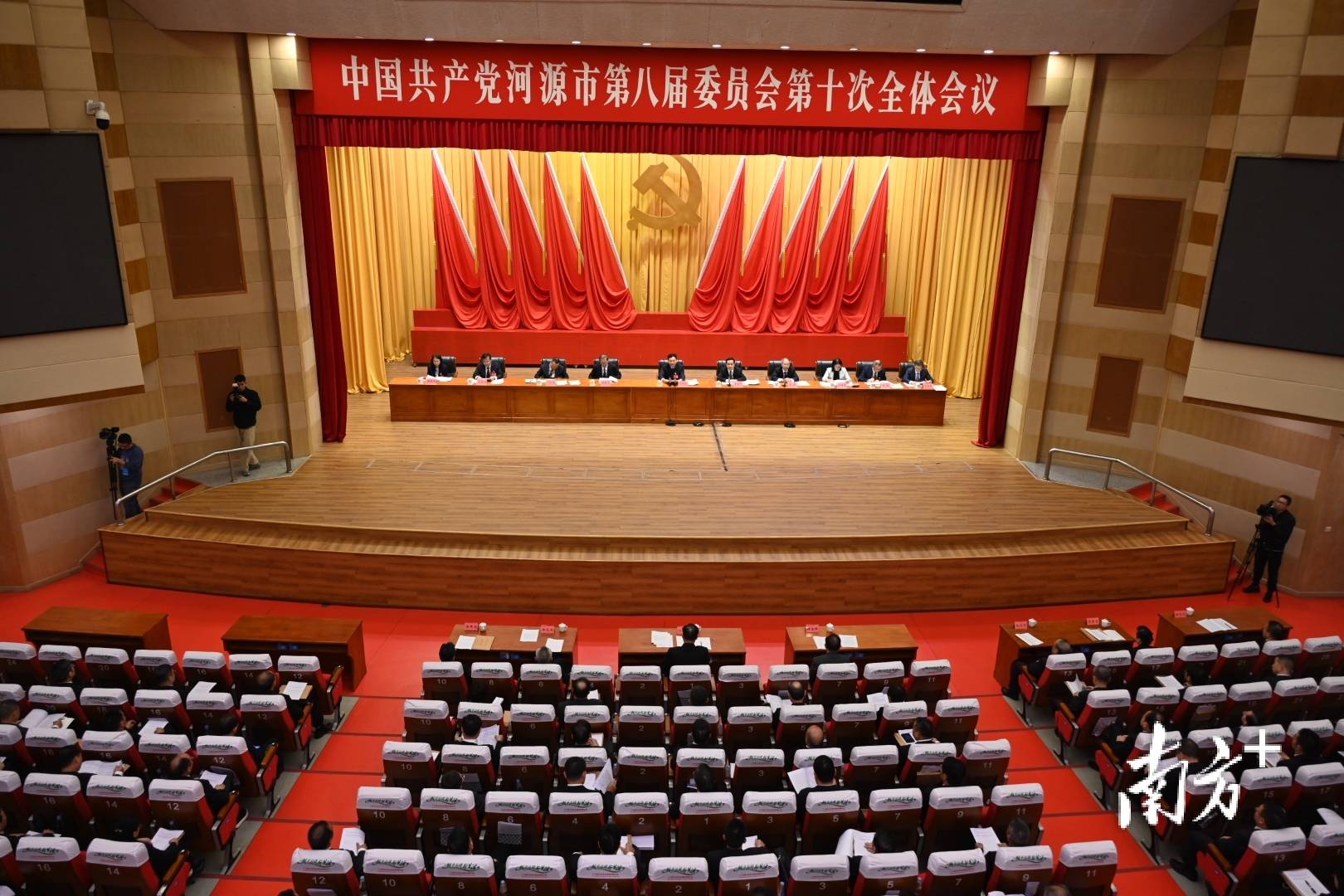
Core Points - The meeting of the Eighth Committee of the Communist Party of China in Heyuan City highlighted the focus on various emerging economic forms, including low-altitude economy, intelligent economy, and others, as part of the "14th Five-Year Plan" [1][4][18] Group 1: Low-altitude Economy - The low-altitude economy is defined as a comprehensive economic form that integrates the research, production, sales, and related infrastructure of civil aviation aircraft operating in low-altitude airspace [4] - Heyuan is actively developing low-altitude economy through practical initiatives, such as establishing a spaceport in Wanlv Lake and creating a low-altitude tourism base [6] - The low-altitude economy aims to address efficiency bottlenecks in logistics, agriculture, and emergency services, facilitating the transition to high-end, intelligent, and new-quality industries [6] Group 2: First-release Economy - The first-release economy refers to economic activities related to the launch of new products, business models, and services by enterprises [7] - Heyuan is fostering the first-release economy by developing a sports and toy industry cluster, attracting over 20 toy manufacturing companies, and achieving a toy manufacturing output value of 5.29 billion yuan, a 40.4% year-on-year increase [8][12] Group 3: Intelligent Economy - The report emphasizes the construction of an innovation framework called "one core, two belts, and three zones" to promote the development of the intelligent economy [13] - The integration of artificial intelligence across various sectors is expected to create new industries and business models, with significant advancements in agricultural productivity through automation [13] Group 4: Green Economy - The report calls for the vigorous development of the green economy, focusing on the integration of digitalization, intelligence, and sustainability [16] - Heyuan's green economy initiatives include the establishment of zero-carbon parks and green factories, leveraging its strong ecological advantages to support high-quality development [16] Group 5: Fly Economy and Fly-Sea Economy - The report discusses the enhancement of "fly economy" and "fly-sea economy" development models to promote resource sharing and collaborative growth between different regions [17] - The establishment of the Heyuan Longchuan (Baoan) Technology Innovation Center exemplifies the practical application of these economic models, with a projected output value of 290 million yuan in 2024 [17] Group 6: Bay Area, River Basin, and Urban Circle Economy - The report highlights the importance of actively participating in the Bay Area, river basin, and urban circle economies to achieve broader resource sharing and market integration [18] - Heyuan's geographical proximity to the Guangdong-Hong Kong-Macao Greater Bay Area positions it favorably for industrial collaboration and innovation [18] Group 7: Cultural and Sports Economy - The report emphasizes the development of the cultural economy, focusing on enhancing the spiritual life of the people and promoting creative rural economies [22] - The sports economy is also highlighted, with initiatives to host various sports events to enhance the region's reputation as a destination for outdoor activities [22]
金融活水润民生 消费引擎焕活力
Qi Lu Wan Bao· 2025-12-12 06:47
Core Viewpoint - Consumption is a lasting driver of economic growth and a key vehicle for meeting people's aspirations for a better life. The Minsheng Bank Jinan Branch aims to integrate financial services deeply into the entire consumption chain to inject vitality into the high-quality development of the Shandong consumption market [1] Group 1: Inclusive Finance - The Minsheng Bank Jinan Branch focuses on inclusive finance to support small and micro enterprises, which are crucial for stabilizing employment and promoting consumption. The bank has established a comprehensive financial support system for small and micro enterprises, increasing the number of inclusive loan clients from 11,503 to 17,124, a growth of 49% from 2022 to November 2025 [2] - Inclusive micro-enterprise loans increased from 17.8 billion to 25.7 billion, a rise of 7.9 billion or 44% during the same period [2] Group 2: Innovative Financial Products - The bank's "Minsheng Hui" credit loan product allows for quick access to credit, with approvals in 3 minutes and amounts up to 10 million, addressing the urgent funding needs of small and micro enterprises [3] - The bank has issued 8.4 billion in no-repayment loans to small and micro enterprises since the third quarter, alleviating financial burdens and enabling more investment in operations and consumption supply [3] Group 3: Scene Empowerment - The bank integrates financial services into various life scenarios, such as elderly care and supply chains, to activate consumption potential. It has developed a comprehensive financial service system for the elderly, enhancing their consumption experience [4] - The bank's "Honeypot Plan" and "Minsheng Quick Loan" products utilize big data to streamline loan processes, significantly reducing the time required for financing [5] Group 4: Digital Transformation - The digital transformation at Minsheng Bank Jinan Branch enhances service efficiency through online, standardized, and intelligent processes. The "Minsheng Hui" credit loan can be fully processed online, allowing small and micro enterprises to access funds without leaving their premises [7] - The bank's digital tools have improved response times and enabled precise targeting of different consumer groups, supporting sustained growth in the consumption market [7] Group 5: Future Outlook - The Minsheng Bank Jinan Branch is committed to deepening the integration of finance and consumption, aiming to contribute to the high-quality development of the Shandong consumption market with better products, more efficient services, and a warmer commitment [8]

寿仙谷董秘刘国芳:守正创新 灵芝领导品牌快速破圈
Zhong Guo Jing Ying Bao· 2025-12-11 23:37
Core Viewpoint - The Chinese health industry is entering a significant growth phase, driven by an aging population and increasing acceptance of traditional Chinese medicine, presenting substantial opportunities for companies like Shouxiangu [2] Company Strategy - Shouxiangu aims to become the leading brand in organic traditional medicine and the global leader in Ganoderma lucidum products, focusing on high-quality product offerings such as third-generation broken-wall Ganoderma spore powder and Dendrobium products [3] - The company emphasizes product quality and safety, which has garnered consumer trust and loyalty [3] - Shouxiangu's core product, Ganoderma spore powder, accounted for approximately 72% of sales in the first half of 2025, with 66.47% of sales occurring in Zhejiang Province [3] Market Expansion - The company is actively working to expand its market presence outside Zhejiang Province, where current sales are less than 10% [4] - Shouxiangu plans to adopt a dual approach for expansion: learning from successful models like those of Pianzihuang and Guizhou Moutai for rapid channel development and forming strategic partnerships with well-known pharmaceutical distribution companies [4] Digital Transformation - Digital empowerment is a key focus, with the company utilizing AI technology to enhance production efficiency and product quality, as well as employing digital marketing strategies to improve customer engagement and conversion rates [4] Industry Challenges - The traditional Chinese medicine sector faces pressures from high-end consumer contraction and inventory reduction cycles, necessitating a shift towards high-quality development [5] - Structural challenges include the need for traditional companies to innovate or risk marginalization, as well as changing consumer demographics with younger consumers becoming a significant market segment [5] Product Innovation - In response to the health trends among younger consumers, Shouxiangu is developing new products such as fermented drinks, snacks, and health teas, catering to various consumption scenarios [6] - The company is also innovating in product forms, offering tablets, capsules, and liquid forms to meet consumer demands for convenience [6]

与其迎合Z世代,不如加码“银”时代?
Sou Hu Cai Jing· 2025-12-11 18:52
对此,业内多次呼吁大家要清醒审视,切忌盲目跟风与本末倒置。"给极端的年轻化降降温,让白酒行 业回归真正的主流人群,才是未来行业保持健康的关键。"北京圣雄品牌策划有限公司总经理邹文武在 采访中坦言。 的确,在过度聚焦所谓"未来市场"的同时,许多企业漠视了当下真正的核心消费群体,导致品牌与基本 盘渐行渐远。"45岁-55岁是白酒绝对主力的高频人群,但近十年,大家都没有聚焦主力人群,以至于核 心消费群体被漠视,很多品牌因此被主力人群抛弃。"邹文武进一步指出,结果,年轻人也不用白酒来 解酒瘾。 当整个消费品行业都在追逐Z世代的新兴潮流时,一份国家层面的方案,为另一个庞大而富足的群体点 亮了聚光灯。 近日,工业和信息化部会同五部门联合印发的《关于增强消费品供需适配性进一步促进消费的实施方 案》,引发了广泛关注。《实施方案》明确提出,到2027年,要形成包括"老年用品"在内的三个万亿级 消费领域。 这不禁让《华夏酒报》记者开始思考:在酒业狂热追逐年轻化的另一面,那抹沉稳的"银发",是否才是 被长期忽略的价值腹地? 毕竟,政策的东风已来,酒业思考的天平,或许是时候该重新平衡了。 极致的年轻化迷思与主流的回归呼声 过去两年, ...

2026年国补政策再升级!5000亿红包来袭,这些领域将迎来爆发
Sou Hu Cai Jing· 2025-12-11 15:45
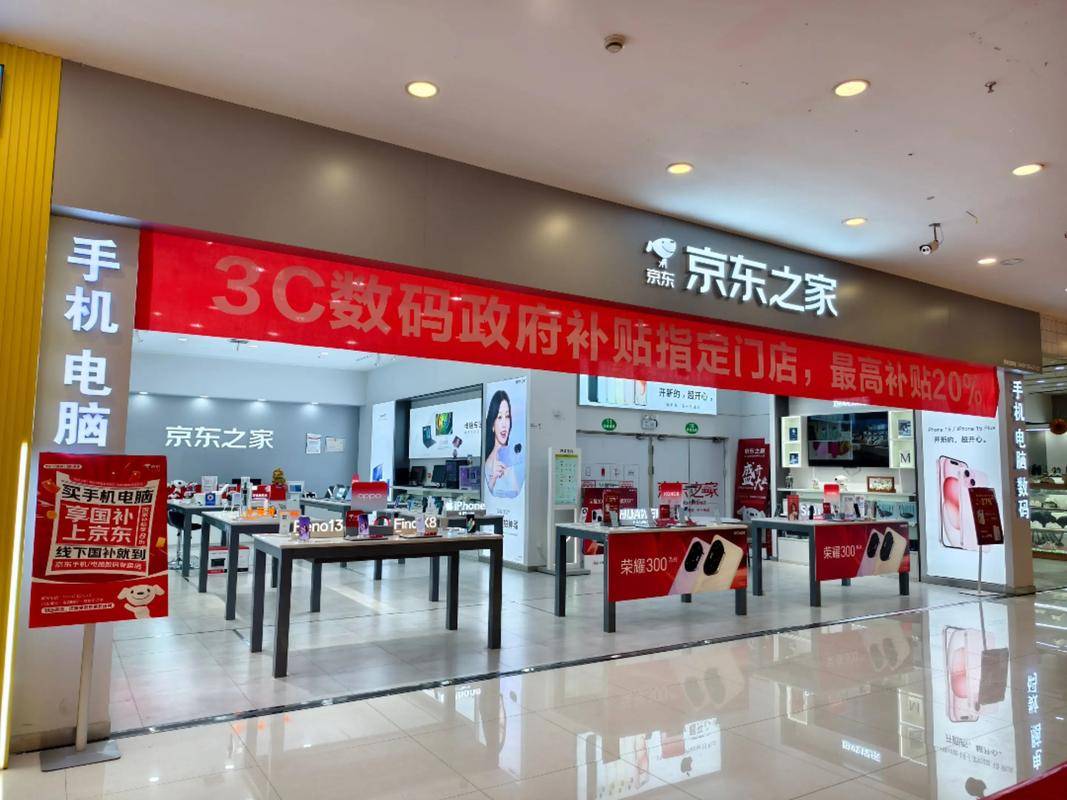
Core Insights - The 2026 "National Subsidy" policy will continue the "old-for-new" consumption initiative with an increased budget of 500 billion yuan, aimed at stimulating consumption and stabilizing economic growth [1][3][16] Group 1: Policy Overview - The "National Subsidy" policy has shown significant results since its launch in 2024, generating over 2.5 trillion yuan in sales and benefiting 360 million people [3] - The policy will focus on three main upgrades: increasing the subsidy amount, expanding coverage to new sectors, and optimizing the distribution process [4][10] Group 2: Sectoral Impacts - Traditional consumption sectors like home appliances and automobiles are expected to see a second wave of growth, with home appliance subsidies potentially increasing from 12.84 million units to 15 million units [6][8] - The service consumption sector, particularly in tourism and health, is anticipated to become a new focal point, with over 100 billion yuan in tourism vouchers expected to be issued [6][10] - Digital and green consumption will be enhanced, with subsidies for smartphones and energy-efficient appliances, benefiting companies like Apple and Huawei [8][10] Group 3: Economic Implications - The policy aims to boost domestic demand and counter economic pressures, with expectations for retail sales growth to rebound to 5%-6% in 2026 [10] - It promotes industrial upgrades by leading consumption upgrades, encouraging innovation in sectors like electric vehicles and smart home appliances [10][14] Group 4: Investment Opportunities - Key investment targets include essential consumer goods like dairy products and condiments, as well as discretionary items like home appliances and new energy vehicles [15] - The policy is seen as a long-term opportunity for investors, with potential for valuation recovery and growth in the consumer sector [16]





城市24小时 | 官宣,又一个14万亿大省来了
Mei Ri Jing Ji Xin Wen· 2025-12-11 14:49
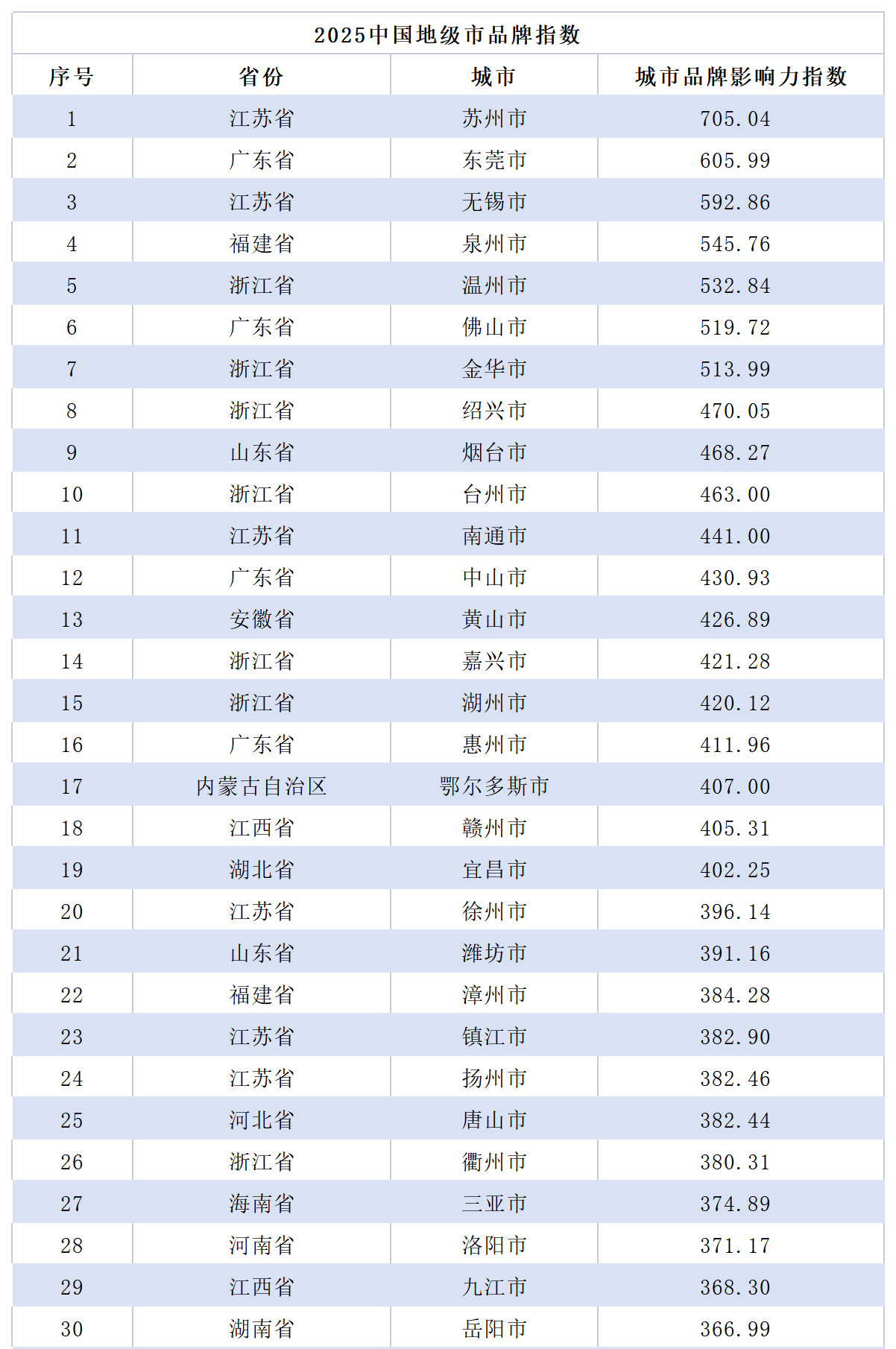
每经记者|刘艳美 每经编辑|杨欢 "第二经济大省"江苏今年经济总量将再上一个万亿元台阶。12月11日,江苏"十五五"规划建议发布。在总结"十四五"时期发展成就时,建议表示,江苏"经 济实力显著提升,全省地区生产总值预计突破14万亿元"。 面向"十五五",面对"在推进中国式现代化中走在前作示范"的要求,江苏也在自我加压。 12月11日公布的江苏"十五五"规划建议提出,要"努力把挑大梁、作贡献更多体现在对全国经济增长贡献度提升上,体现在辐射带动能力提升上,体现在发 展协调性均衡性提升上,体现在国际合作竞争水平提升上"。 要实现这四大"提升",前提依然是自身经济发展。江苏特别提到,把坚守实体经济、构建现代化产业体系作为强省之要。 作为第一制造大省,2024年江苏制造业增加值4.63万亿元,连续4年稳居全国首位,占GDP比重达33.8%。不过江苏也坦言,自身还面临"新旧动能转换任务 艰巨"等挑战。 为此,江苏一方面要支持冶金、化工、轻工、纺织、机械、船舶海工、建材等产业锻长板,加快向价值链中高端迈进;另一方面,要增强新一代信息技术、 新能源、新材料、生物医药、高端装备等产业优势,培育航空航天、低空经济等增长新引擎;此 ...
聚焦 “银发机遇” 上海银行以金融之力绘就养老美好生活
2 1 Shi Ji Jing Ji Bao Dao· 2025-12-11 09:08
12月10日下午,由解放日报社与上海银行(601229)联合主办、复旦大学老龄研究院提供学术支持 的"大城养老 银发机遇"金融赋能产业融合构建银发经济新生态主题论坛在上海报业集团成功举行。上 海银行行长施红敏、副行长陈雷,解放日报社总编辑丁波,上海市民政局相关领导,上海市老年基金会 副理事长孙萍,中欧国际工商学院教授盛松成,复旦大学老龄研究院副院长胡湛等领导与专家,以及政 府、金融、产业、学术、公益组织代表齐聚一堂,共话应对老龄化挑战的金融方案与产业融合路径。 未来三年将落地1500家"美好生活工作室" 论坛的重头戏之一是上海银行"美好生活工作室"服务体系的升级发布及相关联盟的启动。上海银行副行 长陈雷介绍,"美好生活工作室"是突破传统银行网点边界、深入社区的综合服务平台,旨在让老年人在 家门口即可享受便捷公益服务,被老人们亲切地称为"家门口最温暖的俱乐部"。目前,该网络已在全国 扩展至超400家,年活动超3000场,服务超5万人次。 现场,上海银行正式发布了全新"美好生活工作室"八大公益助老服务行动,并携手解放日报社与首批合 作伙伴共同启动了"美好生活服务联盟"和"公益助老志愿者联盟"。陈雷表示,未来三年计 ...

青岛市“中国康湾”建设全面起势
Qi Lu Wan Bao· 2025-12-11 06:55
Core Viewpoint - Qingdao is advancing the "China Health Bay" construction strategy by leveraging its geographical advantages, resource endowments, and national strategic needs, focusing on innovative policies and multi-industry integration to promote health-related initiatives [1] Group 1: Policy and Organizational Structure - A leadership group led by the main leaders of Qingdao's government has been established to promote the "China Health Bay" construction, with six specialized working groups and 31 departments collaborating on key tasks [2] - A three-year action plan (2025-2027) has been issued to accelerate the "China Health Bay" construction, emphasizing project-based, checklist, and responsibility-driven approaches [2] - A comprehensive innovation policy system is being developed, including nine supporting policies related to urban community service facilities, health industry development, and elderly financial services [2] Group 2: Financial and Talent Support - Financial institutions, including the People's Bank of China and the National Development Bank, are providing support for various projects, including the first pension industry loan in the province [3] - A talent cultivation model has been established through partnerships with universities and enterprises, creating a "China Health Bay" industry-education alliance to integrate education, talent, innovation, and industry [3] - 22 vocational schools in the city are offering programs related to health care and management, with government subsidies for various health-related occupations [3] Group 3: Project Development and Industry Growth - Qingdao is focusing on 111 key projects in health real estate, health industry, and medical services, with several projects already under construction or completed [4] - The vitality of the life and health industry is being enhanced, with significant projects like the gait robot and new drug development entering clinical trials [4] - The Shandong Rehabilitation (Silver Economy) Industrial Park is being developed to create a comprehensive rehabilitation industry platform [4] Group 4: Service Integration and Community Development - The integration of community embedded service facilities with the "China Health Bay" initiative is being promoted through 15 demonstration projects [5] - Various community service centers are being established to provide health care and elderly services, creating convenient access for residents [5] - The integration of health and tourism is being explored, with new wellness routes being designed that incorporate traditional Chinese medicine and rehabilitation [5] Group 5: Brand Promotion and Recognition - The "China Health Bay" brand is being actively promoted through various events and media outreach, including a construction promotion meeting attended by over 200 representatives [7] - Qingdao's efforts in the silver economy have been recognized as a national model, with its comprehensive capabilities ranked at a leading level in a national index report [7] - Innovative projects, such as smart home care robots, are being highlighted as part of the city's push to establish itself as a leader in intelligent elderly care services [7]