
智能家居

Search documents
海尔智家全球化发展年赚187亿 海外市场营收1438亿占半壁江山
Chang Jiang Shang Bao· 2025-03-31 00:22
Core Viewpoint - Haier Smart Home achieved record highs in both revenue and net profit for 2024, driven by high-end brand growth and expansion into emerging overseas markets [1][4] Financial Performance - The company reported a total revenue of 285.98 billion yuan, a year-on-year increase of 4.29% [2][3] - Net profit attributable to shareholders reached 18.74 billion yuan, reflecting a 12.9% increase compared to the previous year [2][3] - The net profit after deducting non-recurring gains and losses was 17.80 billion yuan, up 12.52% year-on-year [2] Brand and Product Performance - The high-end brand Casarte continued to grow rapidly, with a revenue increase of over 30% in the fourth quarter [1][2] - The refrigerator and washing machine sectors saw retail sales increase by 7.6% year-on-year, driven by product upgrades [2] - The kitchen appliance sector, including range hoods and gas stoves, maintained double-digit growth [2] Global Expansion - Overseas revenue reached 143.81 billion yuan, a 5.43% increase, accounting for 50.29% of total revenue [1][4] - The company maintained leading positions in key markets, with a 25.9% market share in Asia and 24.5% in North America [4] - Significant growth was observed in emerging markets, with South Asia up 21.05%, Southeast Asia up 14.75%, and the Middle East and Africa up 38.25% [4] Strategic Investments - Haier Smart Home announced a planned investment of 1.784 billion yuan to build a washing machine production facility with an annual capacity of 3 million units [3] - The company also proposed a cash dividend of 9.65 yuan per 10 shares, totaling nearly 9 billion yuan, which represents 48.01% of net profit [3] Digital Transformation and AI - The company is advancing digital transformation in procurement, R&D, and manufacturing, enhancing brand premium and gross margin [3][5] - Haier is investing in AI technology to upgrade smart home products and improve operational efficiency, achieving a 13% increase in domestic efficiency [5]

海尔智家去年狂赚187亿元 拟10派9.65元
Zheng Quan Ri Bao Wang· 2025-03-28 01:17
值得注意的是,海尔智家在技术创新方面也取得了显著成果。公司坚持自主研发,不断推出具有行业领 先水平的创新产品,如磁控冻鲜科技的冰箱、大筒径超薄技术的洗衣机等,赢得市场广泛好评。同时, 公司还积极布局智能家居领域,通过三翼鸟场景品牌,为用户提供定制化的智慧家庭解决方案,进一步 巩固了其在智慧家庭领域的领先地位。 在股东回报方面,海尔智家一直秉持着积极、开放、创新、专业的态度。此次拟定的每10股派发9.65元 的现金股利方案,不仅体现了公司对未来发展前景的乐观预期,也彰显了公司对股东价值的高度重视。 此外,公司还通过员工持股计划、股权激励等多种方式,进一步激发员工的积极性和创造力,为公司的 长远发展奠定坚实基础。 3月27日晚间,海尔智家(600690)股份有限公司(以下简称"海尔智家",证券代码:600690)发布了 2024年年度报告。报告显示,2024年海尔智家实现营业收入2859.81亿元,同比增长4.29%;实现归母净 利润达到187.41亿元,同比增长12.92%;按中国会计准则下的扣除非经常性损益后的归母净利润达到 178.05亿元,同比增长12.52%。同时,海尔智家拟每10股派发现金红利9.65 ...
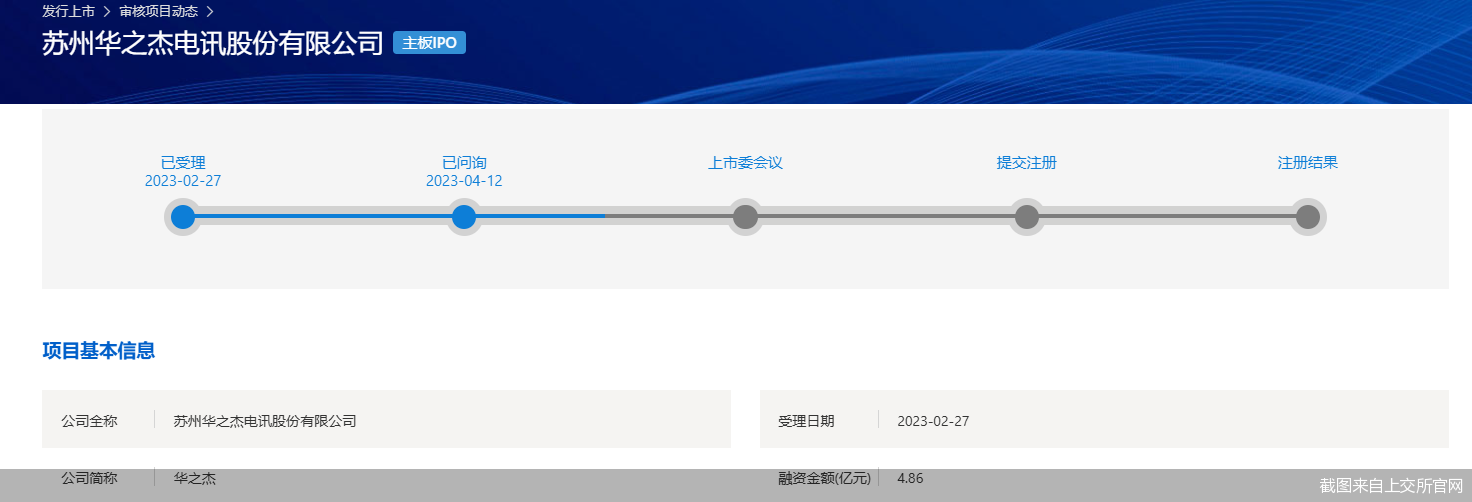
实控人控制超九成股权,华之杰二闯IPO迎考
Bei Jing Shang Bao· 2025-03-27 13:24
本次冲击上市,华之杰拟募集资金约4.86亿元,扣除发行费用后,拟投资于年产8650万件电动工具智能零部件扩产项目、补充流动资金。 中关村物联网产业联盟副秘书长袁帅告诉北京商报记者,智能控制行业作为现代工业自动化和智能化的核心技术领域,其发展前景广阔且充满潜力。随着科 技的不断进步和工业的快速发展,智能控制技术已成为推动工业4.0、智慧城市、智能家居等领域发展的关键力量。 业绩表现方面,2022—2024年,华之杰实现营业收入分别约为10.19亿元、9.37亿元、12.3亿元;对应实现归属净利润分别约为1.01亿元、1.21亿元、1.54亿 元。 在问询阶段排队近两年时间,苏州华之杰电讯股份有限公司(以下简称"华之杰")IPO即将步入下一关键节点。根据安排,公司主板IPO将于3月28日上会迎 考,届时公司能否获得上市委的放行,答案也将揭晓。 招股书显示,华之杰存在实际控制人控制表决权比例较高的风险。本次发行前,公司实际控制人陆亚洲通过颖策商务咨询管理(苏州)有限公司(以下简 称"颖策商务")、超能有限公司(以下简称"超能公司")、上海旌方商务咨询中心(有限合伙)(以下简称"上海旌方")和张家港保税区华之杰商务咨 ...

日本电饭煲曾让国人高价追捧!董明珠不服:格力用4吨米,做出了世界一流的电饭煲【附小家电行业现状分析】
Qian Zhan Wang· 2025-03-24 09:08
日本电饭煲曾让国人高价追捧!董明珠不服:格力 用4吨米,做出了世界一流的电饭煲【附小家电行业 现状分析】 日前,CCTV财经《对话》节目播出,格力电器董事长兼总裁董明珠、小鹏汽车董事长CEO何小鹏等民营 企业家参加,讲述他们在企业发展过程中做出的重要决定。 董明珠在节目中解释了"让世界爱上中国造"这句话的来源。她表示:"我们当时就感觉到气愤的是我们中 国人用高价几千上万元钱,飞到日本去买一个电饭煲回来 ,我们是制造业(大国),这是一种耻辱。一个电 饭煲能有多高的技术,竟然我们自己的国民不在中国买。人家的电饭煲看起来是个小饭煲,但做出的饭 很香、口感好、营养保留得好,这就是人家的科技。所以当时我就下定决心,虽然那时候是做空调的, 我觉得我们要尝试去把这饭煲要做成世界最好的,给自己一个挑战。我们用了一年多时间,用了4吨的 米,做出了世界一流的最好的饭煲。" (图片来源:视频 截图) 在研发过程中,工程师们记录了20种米样的吸水率、膨胀系数,为了精准到0.1毫米的精度调整,内胆模 型不断修改,废掉的模具堆满半个仓库。终于,格力电饭煲成功问世。 董明珠表示:"做出来以后,我们还非常自信,要进行盲测,就把所有的全球的饭 ...





迅捷兴20250320
2025-03-20 16:02
Summary of the Conference Call for XunJieXing Company Overview - XunJieXing was established in 2005 and went public on the Sci-Tech Innovation Board in 2021. The company has three production bases located in Shenzhen, Ganzhou Xinfeng, and Zhuhai [3][4]. Business Layout and Production Capacity - Shenzhen base focuses on customized sample production, while Ganzhou Xinfeng has two factories: one for small-batch production of high-layer HDI boards and another for large-scale production with a capacity of 600,000 square meters expected to be fully operational by the end of 2023 [3]. - Zhuhai base is set to produce samples, with the first phase expected to start production in Q2 2025, significantly increasing capacity [3][4]. Core Business and Services - XunJieXing specializes in PCB samples and small-batch production for nearly 20 years, with comprehensive technology to meet customer needs in emerging tech fields like optical modules, smart home devices, and low-altitude economy [3][4]. - The company offers a one-stop service from sample to mass production, enhancing customer relationships and increasing market share [3][4]. Future Development Focus - The company aims to ramp up production at the Ganzhou Xinfeng second factory and launch the Zhuhai factory to capture global orders through an online marketplace targeting electronic manufacturers and research institutions [5]. - Innovations in automation and engineering systems are expected to significantly enhance production efficiency and profitability [5]. Collaboration in the Robotics Sector - XunJieXing collaborates closely with Yibo Technology, which covers about 60% of the humanoid robot PCB market, providing stable orders and expected growth of 30% in 2025 [6][10]. - The company is also involved in industrial robotics, partnering with clients like Huichuan Technology and Estun Automation [6][7]. Revenue Breakdown and Future Projections - For 2024, the revenue breakdown is projected as follows: automotive and security each at 20%, and computer communication and risk control at 10% [13]. - The Zhuhai factory's first phase is expected to achieve an annual output of 720,000 square meters, corresponding to a revenue of 1 billion yuan, with the second phase targeting a total capacity of 1.5 million square meters [22][27]. Profitability Expectations - The net profit margin for the Zhuhai factory is anticipated to reach 20%-30% upon full operation, while the Ganzhou Xinfeng factory is expected to contribute nearly 100 million yuan in profit by 2026 [24][35]. - The overall projected net profit for the company could reach around 600-700 million yuan in optimistic scenarios [35]. Strategic Positioning and Competitive Advantage - XunJieXing's core competitiveness lies in its technical capabilities in complex PCB manufacturing, which allows it to handle high-difficulty and customized orders that larger manufacturers may not be able to fulfill [15][32]. - The company is transitioning from sample production to large-scale manufacturing to enhance overall business scale and profitability [30][34]. Market Dynamics and Client Relationships - The company has established long-term relationships with major clients, including Huawei and Tesla, which positions it favorably for future large-scale orders [31]. - The distinction between sample and mass production is driven by client needs at different stages of product development, allowing XunJieXing to cater to both [31][33]. Conclusion - XunJieXing is well-positioned in the PCB market with a focus on innovation, strategic partnerships, and a robust production capacity that aligns with emerging market demands, particularly in the robotics sector. The company's future growth is supported by its ability to adapt to client needs and expand its service offerings.

苹果将全面转向自研WiFi芯片
半导体行业观察· 2025-03-19 00:54
Core Viewpoint - Apple is set to introduce its own Wi-Fi 7 chip across all four iPhone 17 models, marking a significant step towards vertical integration and reducing reliance on external suppliers like Qualcomm and Broadcom [1][2]. Group 1: iPhone 17 and Wi-Fi 7 - All four iPhone 17 models are expected to feature Apple's custom-designed Wi-Fi 7 chip, with completion of the design anticipated in the first half of 2024 [1]. - The iPhone 16 series already supports Wi-Fi 7, making this development less surprising, but the fact that Apple is designing its own chip is noteworthy [1]. - Wi-Fi 7 allows simultaneous data transmission across 2.4GHz, 5GHz, and 6GHz bands, potentially offering peak speeds exceeding 40 Gbps, which is four times faster than Wi-Fi 6E [2]. Group 2: Proxima Chip and Smart Home Strategy - Apple's development of its Wi-Fi and Bluetooth chip, codenamed Proxima, signifies a major shift in its smart home strategy, with initial testing on devices like Apple TV and HomePod mini [4]. - The transition from Broadcom components is expected to begin in 2025, which may reshape the interaction of Apple devices within the home ecosystem [4]. - Proxima chip aims to enhance device synchronization, improve power efficiency, and provide customized features for the Apple ecosystem [5]. Group 3: Financial Impact and Strategic Implications - Following the announcement of Apple's plans, Broadcom's stock fell by 3.9%, reflecting the financial implications of Apple's move, given that Apple accounts for approximately 20% of Broadcom's revenue [6]. - The development of Proxima is part of a broader strategy for Apple to create an end-to-end wireless solution, paving the way for new device formats and potentially impacting the future of Apple's product line [6].


人形机器人月报:大模型驱动具身智能加速落地 灵巧手新变化孕育新机会
Xin Lang Cai Jing· 2025-03-18 06:35
Group 1: Industry Overview - The humanoid robot index has increased by 39% from January to February 2025, with significant gains in the dexterous hand, reducer, and sensor sectors [1] - Policies promoting embodied intelligence are being introduced, with cities like Beijing and Shenzhen aiming to cultivate a trillion-level industry by 2027 [1] - 2025 is projected to be the year of large-scale production for humanoid robots, with leading manufacturers achieving shipments of over ten thousand units [1] Group 2: Software Developments - Large model technology is driving the application of embodied intelligence, transforming robots from execution tools to autonomous intelligent agents [2] - High-quality scene datasets are crucial for the deployment of humanoid robots, with Shanghai establishing the first heterogeneous humanoid robot training ground [2] - Physical AI virtual training environments, such as NVIDIA's CoSmos model, are enhancing robot training efficiency while reducing time and cost constraints [2] Group 3: Hardware Innovations - Recent advancements in dexterous hands show significant improvements, with Tesla's third-generation dexterous hand featuring 17 actuators and 22 degrees of freedom [3] - The mainstream approach for small brain systems is PC-based, leading to increased demand for specialized third-party companies [3] - Solid-state batteries are identified as a long-term solution for humanoid robot power needs, while fast-charging technology is a key short- to medium-term focus [3] Group 4: Application Trends - Apple's development of a smart lamp indicates a shift in how smart home devices interact with users, moving beyond voice to include emotional and physical expressions [3] - The integration of large models in smart home technology is expected to redefine user interaction, allowing for more natural communication [3] Group 5: Investment Opportunities - Key players in the humanoid robot supply chain include companies like Sanhua Intelligent Controls, Top Group, and Beite Technology [4] - Various chains associated with major companies such as Huawei and Yushun are highlighted for potential investment [4] - Specialized companies in niche segments, such as Suchen Technology and Lingyun Optics, are also noted for their strategic positioning in the market [4]

家电在2025有哪些新逻辑和新机会?
2025-03-16 15:50
Summary of Key Points from Conference Call Industry Overview - The conference call primarily discusses the **home appliance industry** in China, focusing on investment opportunities and market dynamics for 2025 [2][4][7]. Core Insights and Arguments - **Economic Growth and Consumer Spending**: In 2024, China achieved a GDP growth target of 5%, largely driven by a 7.1% increase in export growth. However, domestic consumption is expected to play a more critical role in achieving the 2025 GDP growth target of 5% due to increasing export pressures [2][3]. - **Government Support for Consumption**: The government has increased fiscal spending, with a significant rise in the comprehensive fiscal index by 8.62% year-on-year, which is expected to boost household income and stimulate consumption, particularly in the home appliance sector [2][4]. - **Subsidy Policies**: The "trade-in" subsidy policy has been expanded from 150 billion yuan in 2024 to 300 billion yuan in 2025, directly stimulating demand in the home appliance market [4][11]. - **Investment Opportunities**: The home appliance sector is seen as having multiple investment opportunities due to policy support, strong domestic demand, and the potential for technological innovation [2][4][7]. Market Dynamics - **Sales Growth**: The home appliance industry has shown significant growth in domestic sales, with online and offline channels maintaining double-digit growth rates. For instance, air conditioning sales grew by 20%, and kitchen appliances saw over 40% growth in offline sales [7][10]. - **Consumer Trends**: There is a notable shift towards durable consumer goods, with strong demand in lower-tier markets. The retail sales growth in these markets has reached 11% [7][10]. - **AI Integration**: The application of AI technology in home appliances is enhancing user experience and profitability, with companies like Xiaomi and Haier leading in smart home ecosystem development [2][15][17]. Financial Metrics - **Free Cash Flow Improvement**: The consumer sector has seen a reduction in capital expenditure, leading to improved free cash flow, which is attractive to foreign investors. The consumer sector's valuation is at historical lows, suggesting potential for upward movement [5][8][20]. - **Dividend Policies**: Companies are increasing dividend payouts as free cash flow improves, with Haier raising its payout ratio from 40% to 50% [21][22]. Emerging Trends - **New Consumption Areas**: The rise of service robots and AI integration in consumer products is creating new market opportunities. For example, the penetration rate of robotic vacuum cleaners is expected to increase significantly due to government subsidies [23]. - **Market Segmentation**: Different categories of home appliances are performing variably, with kitchen appliances and small appliances showing stronger growth compared to traditional white goods [13][19]. Risks and Challenges - **Export Challenges**: The home appliance sector faces challenges from declining export growth, with a forecasted export growth rate of around 2% for 2025 [3][10]. - **Market Volatility**: The overall market is experiencing a slowdown in growth rates, which is a normal phenomenon given the size of the Chinese economy. Investors are advised to focus on long-term stable growth rather than short-term spikes [19][20]. Conclusion - The home appliance industry in China is poised for growth in 2025, driven by government support, technological advancements, and changing consumer preferences. Investors are encouraged to identify quality stocks within this sector, particularly those benefiting from subsidy policies and innovative product offerings [4][7][19].
家电轻工+AI科技消费全梳理
2025-03-16 14:53
Summary of Key Points from Conference Call Records Industry Overview - The home appliance industry is actively embracing AI technology, with leading companies like Midea and Haier launching AI-integrated products such as Midea's DeepSeek smart air conditioner and Haier's AI refrigerator aimed at enhancing user experience and product value [1][2][4]. Core Insights and Arguments - AI applications in the home appliance sector focus on three main areas: integration with traditional major appliances, empowerment of innovative product categories (e.g., smart glasses, robotic vacuums), and participation in infrastructure support (e.g., computing power service leasing) [1][4]. - AI technology enables true smart home experiences through voice recognition, automated analysis, and personalized solutions, significantly enhancing user experience and product value. For instance, Midea's DT6 air conditioner saw a price increase of nearly 30% due to its AI features [1][6]. - Haier plans to unveil new AI-integrated products, including a smart home experience and AI refrigerator, at the AWE exhibition in 2025, while Gree's AI dynamic energy-saving air conditioner is expected to improve energy savings by 13.6% [1][8][10]. - The light industry is significantly impacted by AI, particularly in smart home products, smart glasses, toys, health and fitness, and robotic computing power, enhancing design, production, and product functionality [1][20]. Additional Important Content - Some home appliance companies are leveraging strong cash flows to enter the computing power leasing market, such as Yitian Smart's establishment of a 2,500P computing power service cluster in Gansu [2][19]. - Major white goods companies like Midea, Gree, and Haier are developing their AI models or collaborating with DeepSeek, indicating a strong trend towards AI integration in product offerings [2][4]. - The introduction of AI technology has led to significant price increases for new products, with air conditioners seeing price hikes of approximately 3,500 yuan, nearly 30% higher than previous models [7][6]. - Companies in the light industry, such as Oppein and Sofia, are implementing smart AI factories to enhance design and manufacturing processes, showcasing the broad applicability of AI across sectors [20][21]. - The AI technology's impact on the toy industry is emerging, with companies like Time Culture launching AI toys that provide emotional interaction and educational value [23][24]. - In the health and fitness sector, companies like Shuhua Sports and Kangliyuan are integrating AI into fitness equipment to monitor user data and provide personalized training recommendations [25][26]. This summary encapsulates the key developments and insights from the conference call records, highlighting the transformative role of AI in the home appliance and light industry sectors.
智能家居行业双周报:两会政策定调,智能家居迎估值重构-2025-03-14
Guoyuan Securities· 2025-03-14 12:08
Investment Rating - The report maintains a "Recommended" rating for the smart home industry [6][27]. Core Insights - The smart home industry is expected to benefit from a combination of policy support, technological advancements, and evolving consumer demands, driving rapid growth in the sector [4][27]. - Recent government policies, including expanded subsidies for home appliances and a focus on digital economy development, are set to stimulate consumption in the smart home market [19][27]. - The shift in consumer preference from "single product intelligence" to "whole-home smart solutions" is accelerating due to rising living standards and the aging population, which is increasing demand for home care solutions [4][27]. Summary by Sections Market Review - In the past two weeks (March 3, 2025 - March 14, 2025), the Shanghai Composite Index rose by 2.97%, the Shenzhen Component Index by 3.46%, and the ChiNext Index by 2.60%. The smart home index (399996.SZ) increased by 4.65%, outperforming the Shanghai Composite by 1.68 percentage points [1][11]. - Year-to-date (January 1, 2025 - March 14, 2025), the smart home index has risen by 15.37%, significantly outperforming the Shanghai Composite by 13.35 percentage points [11][14]. Industry Policy Tracking - New national subsidies have been introduced, including the inclusion of kitchen and bathroom renovation products in the subsidy program, which is expected to enhance market penetration of energy-efficient products [17]. - The "Shenzhen Action Plan for Accelerating the Development of the Artificial Intelligence Terminal Industry (2025-2026)" aims to integrate AI capabilities into various smart home products [18]. Industry News Tracking - The 2025 government work report emphasizes actions to boost consumption, develop the digital economy, and promote aging-friendly renovations, providing a supportive direction for the smart home industry [19]. - Notable collaborations, such as the establishment of a smart home IoT open platform by Haoleke, Haotaitai, and Fengzhushou, aim to enhance smart home integration and control [22]. - The MWC 2025 highlighted smart home technology as a core focus, showcasing innovations in AI and IoT that redefine future living [24][25]. Investment Recommendations - The report suggests that the combination of policy support, technological innovation, and consumer demand will create a resonant effect, driving the smart home industry into a rapid growth phase [4][27]. - The expansion of subsidy categories from 8 to 12 and the focus on recycling and upgrading consumer goods are expected to further stimulate market consumption [27].

