人工智能

Search documents
芯片,突传重磅消息!马斯克,刚刚宣布!
券商中国· 2026-03-22 03:47
Core Viewpoint - Tesla and SpaceX are launching the "Terafab" project, aiming to build the largest chip manufacturing facility in history, targeting an annual production capacity of over 1 terawatt of computing power, with 80% allocated for space applications and 20% for terrestrial use [1][2]. Group 1: Project Overview - The "Terafab" project will integrate logic chips, memory chips, and advanced packaging technologies within a single facility, with a production goal of 100 billion to 200 billion chips annually [4]. - The project is essential for supporting Tesla's ambitious plans, including the deployment of solar energy capturing devices and AI satellites, which require significant chip supplies [2][4]. Group 2: Market Position and Strategy - Tesla aims to lead the artificial intelligence chip sector, with expectations that its AI chip production will surpass that of all other manufacturers combined [3]. - The company is currently reliant on external suppliers like Samsung and TSMC for its Autopilot and FSD systems, but the new facility is intended to reduce this dependency [3][5]. Group 3: Financial Implications - The construction of the chip factory is projected to cost several billion dollars, with Tesla planning to invest $20 billion in new equipment, significantly higher than the previous year's investment [5]. - Analysts suggest that Tesla may not bear the entire cost of the factory alone and could seek partnerships to share the financial burden [5][6].


记者观察:连跌四周,美国股市怎么了?
证券时报· 2026-03-22 03:27
Core Viewpoint - The article discusses the impact of the recent military conflict in the Middle East on the U.S. stock market, highlighting a significant decline in major stock indices and a shift in investor sentiment towards defensive sectors, particularly energy, while technology stocks face increased selling pressure [1][2]. Group 1: Market Trends - As of March 20, U.S. stock indices have experienced four consecutive weeks of decline, the first occurrence since February 2025 [1]. - The technology sector, previously a leader in market gains, has seen a year-to-date decline of 9% among the "seven giants" of technology [1]. - In contrast, the energy sector has thrived, becoming a "safe haven" for investors amid rising geopolitical tensions [1]. Group 2: Investor Sentiment and Risk - The military conflict has negatively affected investor risk appetite, leading to a significant withdrawal of funds from risk assets like U.S. stocks [1]. - The shift in capital flows has resulted in a continuous outflow of funds from the technology sector, particularly affecting high-valuation stocks [2]. Group 3: Inflation and Monetary Policy - The surge in energy prices has raised inflation expectations, constraining the Federal Reserve's policy options [2]. - WTI crude oil prices reached a peak of over $118 per barrel, marking a 47% increase in a month, while Brent crude rose by 48% [2]. - The rising inflation expectations have altered market predictions regarding potential interest rate cuts by the Federal Reserve, with the possibility of delaying or even reversing previous easing plans [3]. Group 4: Corporate Earnings Outlook - Rising energy prices are increasing production costs for companies, particularly in manufacturing, transportation, and retail, thereby compressing profit margins [3]. - Concurrently, inflationary pressures are expected to weaken consumer purchasing power, leading to a decline in demand and negatively impacting corporate revenue growth [3]. Group 5: Sector-Specific Insights - U.S. oil companies, such as Western Oil, ConocoPhillips, Chevron, and ExxonMobil, have seen stock price increases exceeding 30% this year due to the conflict's impact on oil supply [4]. - The ongoing supply constraints, coupled with steady demand, have led to a significant imbalance in the energy market, driving oil prices higher and benefiting U.S. energy companies [5]. Group 6: Broader Financial Concerns - There are concerns regarding the potential spread of a private credit crisis, as investors withdraw from private credit funds due to fears about the impact of artificial intelligence on traditional software sectors [5]. - Major financial institutions have faced significant redemptions from private credit funds, raising concerns about their profitability and the risk of insolvency for smaller financial entities [5].

这个芯片,让AI功耗大降70%
半导体行业观察· 2026-03-22 02:42
Core Viewpoint - Researchers at Cambridge University have developed a brain-inspired chip that can reduce energy consumption in artificial intelligence hardware by up to 70% [2][4][6] Group 1: Technology and Innovation - The new memristor technology utilizes a special form of hafnium oxide, which mimics the way brain cells connect, leading to significant energy savings [4][5] - Traditional computer chips are inefficient, primarily wasting energy on data transfer between memory units and processors, generating heat and consuming power [5] - The Cambridge team has created a neuromorphic chip that processes both tasks on a single chip using stable, low-power memristors [5][6] Group 2: Performance and Reliability - The new device operates with a switching current that is one million times smaller than older technologies, significantly lowering power consumption [6] - It supports hundreds of stable, different current levels, which are essential for advanced analog memory computing and multi-tasking capabilities [6] - Laboratory tests confirm that these devices can endure tens of thousands of cycles and retain data for about a day, simulating biological learning processes [6] Group 3: Challenges and Future Prospects - The current manufacturing process requires a temperature of 700°C, which is too high for standard semiconductor manufacturing [6] - Efforts are underway to reduce this temperature to make the technology compatible with modern production lines, which could lead to a disruptive solution for ultra-low-power AI hardware [6]
英伟达需要的不是新芯片,而是新护城河
半导体行业观察· 2026-03-22 02:42
Core Viewpoint - Nvidia is transitioning from a chip manufacturer to an operating system for future AI, with CEO Jensen Huang emphasizing the importance of a strategic shift towards AI agent systems through the launch of NemoClaw, an open-source platform for building and deploying AI agents [2][3]. Group 1: Strategic Shift - The introduction of NemoClaw represents a significant strategic change for Nvidia, showcasing its direction towards becoming a platform provider rather than just a chip supplier [2][3]. - Nvidia's previous success was built on locking users into its AI training ecosystem, but the industry is shifting towards model deployment, where vendor lock-in is less critical [3]. Group 2: Open Source and Security - NemoClaw is based on OpenClaw, a rapidly growing open-source project, allowing users to download and modify the software, but Nvidia has added security measures to address risks associated with open-source software [4]. - The open-source approach allows Nvidia to monetize the underlying technology required for AI agents while providing a free platform to drive user adoption [5]. Group 3: Market Dynamics - Nvidia's strategy threatens its top clients, as it allows companies to deploy AI agents for free, potentially undermining the pricing power of companies like OpenAI and Anthropic [6]. - The current landscape shows a lack of strong open-source AI platforms in the U.S., while Chinese labs are advancing rapidly in this area, creating a competitive environment for Nvidia [7]. Group 4: Future Outlook - Nvidia's revenue has seen significant growth, with a 73% increase in the last quarter, and expectations for nearly $80 billion in the upcoming fiscal quarter, indicating a successful transition to a platform model [8]. - The key question for investors is whether Nvidia will be viewed as a chip manufacturer, which is subject to cyclical fluctuations, or as an operating system provider, which has the potential for compound growth [8].

刚刚,马斯克晶圆厂,正式发布
半导体行业观察· 2026-03-22 02:42
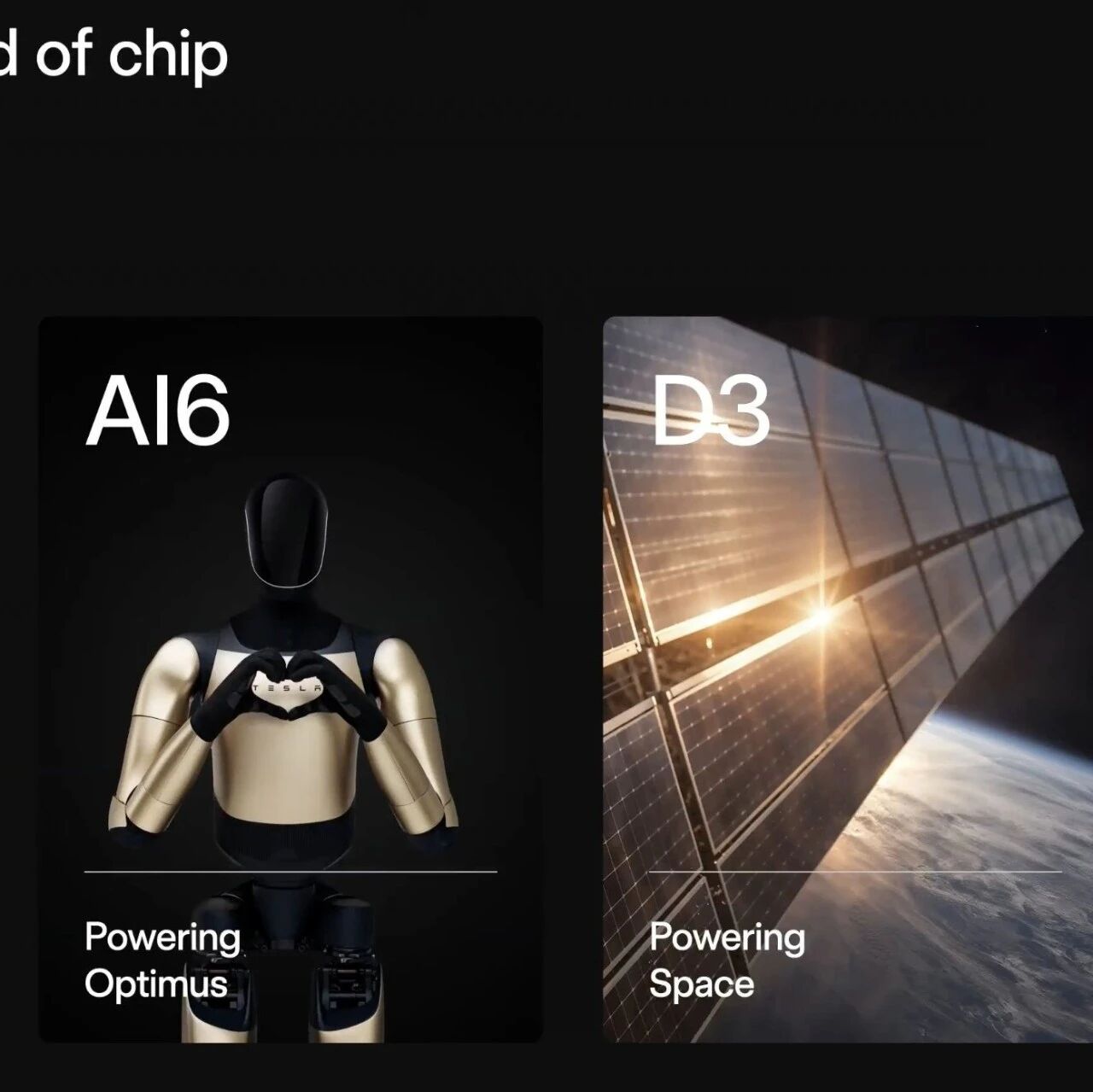
Core Viewpoint - The article discusses Elon Musk's announcement regarding the "TERAFAB" project, which aims to produce over 1 terawatt of computing power annually, with 80% allocated for space applications and 20% for terrestrial uses [2][10]. Group 1: Project Overview - The TERAFAB project will establish a vertically integrated semiconductor manufacturing facility in the U.S., covering logic chips, memory chips, and advanced packaging [3]. - The project is expected to require an investment of approximately $25 billion, surpassing existing super factory scales [4]. Group 2: Chip Development Roadmap - Tesla's chip evolution includes the AI5, AI6, and D3, targeting cutting-edge 2nm process technology with a production goal of 100 to 200 billion custom AI chips annually [4]. - The AI5 chip is designed for Full Self-Driving (FSD) and Optimus, with performance improvements of 40-50 times over the previous generation [7][8]. Group 3: Strategic Goals - The distribution of computing power from TERAFAB reflects ambitious goals, with a focus on creating a distributed interstellar computing network through AI satellites [12]. - Musk emphasizes the need for internal chip production to mitigate geopolitical risks and supply chain vulnerabilities, as existing suppliers like TSMC and Samsung cannot meet Tesla's demands [16][21]. Group 4: Challenges and Considerations - Building the TERAFAB facility presents significant challenges, including high capital costs and the complexity of advanced chip manufacturing processes [19][21]. - The timeline and location for the factory remain uncertain, with Tesla planning to utilize its substantial cash reserves for funding [18].
2 Financial Stocks That Could Double Over the Next 5 Years
The Motley Fool· 2026-03-22 02:05
Financial Sector Overview - The financial sector has experienced a downturn, averaging a decline of nearly 10% year to date, with fintech companies particularly affected, as indicated by an 11% drop in the KBW Nasdaq Financial Technology Index [1] SoFi Technologies - SoFi Technologies has seen a significant decline of approximately 33% year to date, with shares currently priced around $17.50 [2] - A report from Muddy Waters Research criticized SoFi, labeling it a "financial engineering treadmill" and alleging misstatements regarding unrecorded debt and charge-off rates [3] - SoFi's management refuted the report, claiming it was misleading and demonstrated a lack of understanding of their financials [4] - Following the report, SoFi's CEO purchased 28,900 shares, valued at about $500,000, which was perceived as a sign of confidence by investors [5] - Despite the negative report, SoFi's growth has accelerated, with projections of 30% revenue growth and 34% EBITDA growth by 2026, and a median price target of $27 per share suggests a potential 53% return [7][8] Upstart - Upstart has faced a year-to-date decline of about 37%, attributed to high valuation concerns, a CEO change, and economic factors affecting credit risk [13] - The company has filed for a national bank charter, which would enable it to operate as a full-service bank, allowing it to take deposits and provide loans, significantly enhancing its revenue potential [9][10] - The approval of the bank charter is pending, but recent trends indicate a higher approval rate for fintech charters under the current administration [13] - Upstart's stock has a median price target of $45 per share, indicating a potential upside of 62% over the next 12 months, with significant growth opportunities tied to the bank charter [14]



AI周报|黄仁勋抛出英伟达万亿美元收入预期;三星面临史上最大罢工威胁
Di Yi Cai Jing· 2026-03-22 01:52
Group 1: Nvidia's Revenue Forecast - Nvidia CEO Jensen Huang predicts revenue from Blackwell and Rubin will reach $1 trillion from 2025 to 2027, up from a previous estimate of $500 billion [1] - The revenue forecast does not include income from CPUs, Groq, storage systems, and other diversified business lines [1] - Nvidia's product lineup is expanding, showcasing collaborative design and vertical integration, with implications for space computing and autonomous driving [1] Group 2: AI Impact on Workforce - Huang asserts that AI will not eliminate jobs but will make people busier, similar to past technological advancements [2] - The efficiency brought by AI allows tasks to be completed faster, leading to increased workloads rather than leisure time [2] - Historical examples suggest that technological progress creates new job opportunities despite initial fears of job loss [2] Group 3: Alibaba's New Business Unit - Alibaba is forming a new business unit called Alibaba Token Hub to consolidate its AI services and R&D efforts [3] - The unit will oversee the development of the Qwen large model and integrate various AI-related products [3] - This restructuring aims to enhance collaboration among teams and signals Alibaba's intent to commercialize AI [3] Group 4: Baidu's Organizational Changes - Baidu has appointed He Jingzhou to lead the APP development center, promoting the integration of large models with search and recommendation services [4] - This personnel change is part of a broader strategy to enhance the application of cutting-edge technologies in core business areas [4] - The move reflects Baidu's commitment to leveraging AI to reconstruct its core products and improve competitiveness [4] Group 5: Samsung's Labor Issues - Samsung Electronics faces a significant strike threat, with a 93.1% approval rate for a planned 18-day strike starting in late May [6] - The strike could disrupt production and exacerbate global semiconductor supply shortages, with potential losses estimated between 5 trillion to 9 trillion KRW (approximately 230 million to 414 million RMB) [6] Group 6: Kioxia's Production Changes - Kioxia has announced the discontinuation of TSOP packaging products due to lifecycle, market demand, and production constraints [7] - The shift in focus towards high-performance storage products for AI data centers indicates a strategic realignment in the semiconductor industry [7] - The industry is increasingly prioritizing advanced technologies like PCIe 5.0 and QLC SSDs over older storage solutions [7] Group 7: Tencent's AI Investment - Tencent's Q4 revenue reached 194.37 billion RMB, with AI being a key focus area, driving growth in content production and marketing efficiency [8] - The company plans to double its investment in AI products this year, following a 180 billion RMB investment last year [8] - Despite the commitment to AI, Tencent's stock price fell by 6.81% after the earnings report, indicating market skepticism [8] Group 8: OpenAI's New Model Launch - OpenAI has introduced two new small models, GPT-5.4 mini and nano, optimized for high-frequency workloads with lower latency and cost [10][11] - These models aim to provide developers with options for building systems that combine large and small models for efficient task execution [11] - The competitive landscape for AI models is intensifying, particularly with lower-priced alternatives from Chinese developers [11] Group 9: Google and Apple Collaboration - Google is testing a native Gemini application for macOS, moving beyond web-based access to enhance user experience [12] - This development reflects a deeper integration of Google's AI capabilities within Apple's ecosystem, balancing competition and collaboration [12] Group 10: Rakuten's AI Model Controversy - Rakuten's new AI model has been criticized for closely resembling a Chinese open-source model without proper attribution [13] - The controversy highlights issues of transparency and ethical considerations in AI development and commercialization [13] Group 11: AI Model Poisoning Incident - A recent report revealed that an AI model was manipulated to promote false information, raising concerns about the integrity of AI systems [14] - The incident underscores the importance of maintaining authenticity and trust in AI-driven information dissemination [14] Group 12: BioMap's IPO Plans - BioMap, an AI life sciences company led by Baidu's Li Yanhong, has reportedly filed for an IPO in Hong Kong to raise several hundred million dollars [15] - The company aims to address challenges in the AI and biopharmaceutical sectors, facing competition from established players [15][16] Group 13: KH Robotics Formation - KH Robotics, a joint venture between Kandi Technology and HawkRobo, will focus on deploying quadruped robots for security inspections in North America [17] - The venture aims to address labor challenges in the logistics sector, with plans for commercial delivery by 2026 [17]



投资进入AI时代!信息“平权”,为何依旧赚不到钱?警惕,不要被AI骗了
券商中国· 2026-03-21 23:32
投资小红书-第276期 AI (人工智能) 时代已经来临,AI越来越走进普通人的生活之中。在AI时代,投资信息如同 泉涌,喷薄而至,但投资的灵魂始终是你自己。 在格雷厄姆时代,他需要去公共图书馆、去行政管理部门等各类地方零零散散获取上市公司信 息;在巴菲特时代,他需要通过一页一页阅读定价不菲的《穆迪手册》去寻找"烟蒂股";在互联 网时代,投资者已经可以主动通过投资软件轻松查到上市公司各种数据;但在AI时代,信息的获 取变得像自来水一样方便,投资者只需要告诉人工智能大模型股票代码,它不仅会把投资者需要 的信息主动推送过来,而且能及时更新提醒,这好比给自己请了一个贴身研究员。 在AI时代,投资者的信息获取能力几乎与机构投资者完全"平权",然而,这不意味着投资之路将 是一马平川,千万不要被AI骗了。投资成功更需要的能力是投资心智,所谓的投资心智是指可以 看到自己行为的长期后果,并坚持长期良好的投资习惯。投资心智的形成需要投资者付出大量的 心血,并在长期实践中通过正负反馈深入骨髓之中。 "要时刻牢记的是,对于价值投资者来说,AI只是工具,投资的灵魂永远是你自己。"正如中泰资 管权益公募部总经理田瑀所说。 拥抱AI工具 ...
陆家嘴财经早餐2026年3月22日星期日
Wind万得· 2026-03-21 22:26
Group 1 - The China Development Forum 2026 will be held from March 22 to 23 in Beijing, focusing on "The 14th Five-Year Plan of China: High-Quality Development and Co-Creating New Opportunities" [2] - The U.S. has conditionally relaxed oil sanctions on Iran for 30 days, allowing the delivery and sale of Iranian crude oil and petroleum products already loaded by March 20 [3] - The Iranian nuclear facility at Natanz was attacked, with Iran claiming it violated international laws, while the U.S. and Israel plan to significantly increase military actions against Iran [4] Group 2 - The Chinese government is encouraging multinational companies to increase investments in China, highlighting the stable and improving economic environment [5] - The insurance industry is experiencing pressure due to solvency regulations, but major players maintain that the impact on the market is limited [4] - The Ministry of Ecology and Environment is enhancing support for green and low-carbon development among private enterprises [9] Group 3 - The international oil price has surged due to escalating conflicts in the Middle East, raising concerns about inflation in the U.S. and potential interest rate changes by the Federal Reserve [14][15] - The World Trade Organization warns that the Middle East conflict could impact global trade through rising oil prices and fertilizer supply shortages [15] - Brazilian President Lula emphasizes the need for strategic oil reserves in response to the ongoing Middle East conflict [17]

内存暴涨,华强北姐弟半年猛赚400亿
凤凰网财经· 2026-03-21 15:58
Core Viewpoint - The article highlights the significant price increases in various commodities, particularly in the semiconductor storage market, where memory prices have surged dramatically, with Shenzhen Jiangbolong emerging as a key player in this trend [2][4][49]. Group 1: Market Trends - By 2025, gold prices are expected to rise by 65%, copper by 42%, and silver by 147.8%, but memory prices have skyrocketed by 300% [2][3]. - The semiconductor storage market has seen substantial price increases since the second half of 2025, with Jiangbolong's market value reaching 150.6 billion yuan, making it the top independent storage manufacturer in China and second globally [4][49]. Group 2: Company History and Development - Jiangbolong was founded in 1999 by siblings Cai Huabo and Cai Lijiang, starting from a small counter in Huaqiangbei, focusing on the trade of storage products [9][10]. - The company initially faced the cyclical nature of the storage industry, experiencing both significant profits and losses due to market fluctuations [11][16]. Group 3: Strategic Shifts - After experiencing the volatility of the storage market, Jiangbolong shifted from a trading model to manufacturing, emphasizing the importance of having its own brand and production capabilities [17][20]. - In 2011, Jiangbolong launched its own brand, FORESEE, targeting the enterprise market and achieving significant recognition [23][25]. Group 4: Mergers and Acquisitions - In 2017, Jiangbolong acquired the high-end consumer storage brand Lexar from Micron Technology, significantly increasing its market presence and revenue [27][28]. - Following the acquisition, Jiangbolong's revenue surged from 4.228 billion yuan to 9.74 billion yuan over four years, marking a growth of over 130% [29]. Group 5: Future Outlook - Jiangbolong aims to become one of the top three storage brands globally, with plans to enhance revenue and profit through strategic investments and acquisitions [30][31]. - The company has increased its R&D investment significantly, from 219 million yuan to 910 million yuan between 2020 and 2024, and expanded its technical workforce [37][39]. - By the end of Q3 2025, Jiangbolong's inventory reached 8.517 billion yuan, positioning the company to better withstand market fluctuations [42].