体系力

Search documents
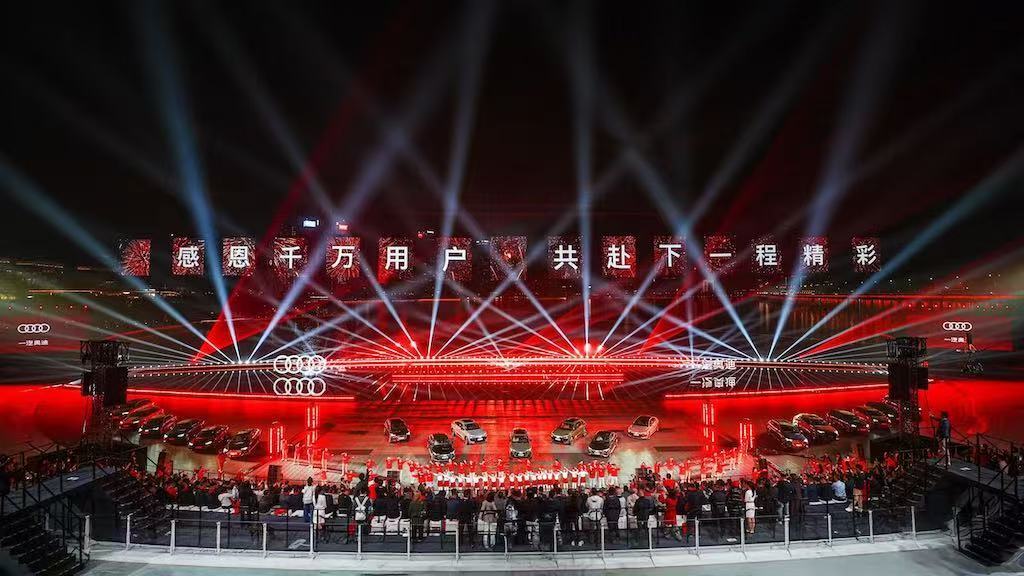
一汽奥迪迈入千万用户时代:以体系力之韧承载稳健发展的中国样本
Zhong Guo Jing Ji Wang· 2026-01-22 04:12
Core Insights - The Chinese automotive industry is undergoing significant transformation, with joint ventures like FAW-Volkswagen achieving notable milestones in their transition [1] - FAW-Volkswagen's Audi brand has become the first joint venture luxury car brand in China to reach over 10 million users, marking a significant achievement in Sino-German economic cooperation [3] Group 1: Achievements and Milestones - FAW-Volkswagen has reached a production and sales milestone of over 30 million passenger vehicles as of October last year [1] - Audi's success in the Chinese market is highlighted by its introduction of the long-wheelbase A6 model in 1999, which catered to local consumer preferences for space [3][4] - The brand has pioneered several luxury segments in China, including the first domestically produced luxury B-class car, the A4, and the B-class luxury SUV segment with the Q5 [6] Group 2: Strategic Development and Market Position - FAW-Volkswagen has established a robust luxury automotive brand system over the past 38 years, demonstrating strategic foresight and the ability to build from the ground up [4][6] - The company has implemented international standards in its 4S sales service system since 2000, setting a benchmark for luxury automotive service in China [6] - The brand's comprehensive approach includes initiatives like Audi's "Qianjiehui" and "Audi Technology Day," enhancing its market presence and brand image [6] Group 3: Operational Excellence and Long-term Strategy - FAW-Volkswagen emphasizes the importance of maintaining high standards across all operational aspects, from production quality to after-sales service, especially as it scales to a larger user base [10][11] - The company has built a network of approximately 600 stable dealerships, ensuring effective market coverage and customer service while maintaining profitability for dealers [13] - The shift towards a long-term strategy focuses on user experience and dealer support, which is crucial for sustaining growth in a competitive market [11][13]

蔚来,不闹了
虎嗅APP· 2026-01-12 13:34
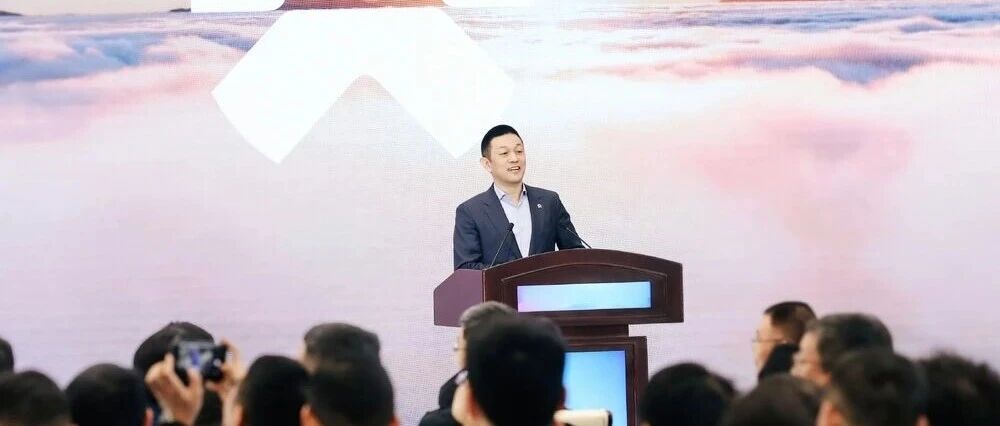
Core Viewpoint - NIO has transitioned from a phase of high visibility and aggressive marketing to a more pragmatic and stable operational approach, focusing on solid business practices and achieving its established goals in the third development phase [5][18]. Group 1: Company Development and Strategy - NIO's recent milestone of producing its one millionth vehicle marks a significant turning point, showcasing its ability to deliver nearly 50,000 vehicles in December alone, with the new ES8 capturing 60% of the market share from competitors [4][11]. - The company is entering its third development phase, emphasizing collaboration among its three brands to meet a wide range of consumer needs, while also enhancing product competitiveness through technological innovation and increased R&D investment [5][14]. - NIO's shift from a defensive to an offensive strategy is reflected in its substantial investment of over 65 billion yuan in R&D and the acquisition of nearly 10,000 patents, which have now become a competitive advantage [11][12]. Group 2: Market Position and Performance - The new ES8 has achieved remarkable sales, becoming the fastest model to reach 40,000 deliveries in the premium segment, indicating strong market demand and operational efficiency [4][15]. - NIO's sales strategy has shifted to a more systematic approach, focusing on optimizing costs and improving operational efficiency, which has led to a significant increase in average transaction prices across its brands [15][20]. - The company is strategically targeting lower-tier cities with its new "SKY stores," aiming to penetrate markets dominated by traditional luxury brands like BBA [20]. Group 3: Leadership and Vision - NIO's CEO, Li Bin, emphasizes a grounded approach moving forward, indicating that the company no longer needs to rely on aggressive marketing tactics to establish its presence in the market [18][19]. - The company has recognized the importance of focusing on operational efficiency and profitability rather than engaging in public disputes or competitive narratives [19][20]. - NIO's leadership is now more focused on long-term sustainability and growth, with a clear understanding of its market position and the potential for future expansion [19][20].

家庭场景出行,华为乾崑用「奕境」给出新答案
雷峰网· 2025-11-21 16:08
Core Viewpoint - The article discusses the launch of the new automotive brand "Yijing" by Dongfeng Motor and Huawei QianKun, emphasizing its focus on family-oriented smart vehicles and the integration of advanced technology to meet user needs [2][6][22]. Group 1: Brand Launch and Collaboration - The "Yijing" brand will debut its first model at the Beijing Auto Show in April 2026 [29]. - The brand name "Yijing" was co-created by users, symbolizing brightness, beauty, hope, and a space of wisdom [2]. - Dongfeng Motor and Huawei QianKun have established a deep collaboration, leveraging their strengths to create a brand that focuses on user-centered design and advanced technology [6][10]. Group 2: Market Context and Competition - The Chinese automotive market is shifting towards smart and family-oriented vehicles, with increasing competition among brands targeting family travel scenarios [4][5]. - The current market is characterized by intense competition, with many brands lowering prices and emphasizing product features, leading to significant product homogeneity [5][6]. - The article highlights the need for automotive companies to build comprehensive capabilities in R&D, manufacturing, and supply chain management to succeed in the evolving market [5][10]. Group 3: Technological Integration and User-Centric Design - Yijing aims to provide a new travel experience for families by integrating Huawei's advanced driving technology and smart cabin features [6][20]. - The collaboration has resulted in a robust ecosystem, with Huawei QianKun's intelligent driving system achieving significant milestones, including 5.81 billion kilometers of assisted driving mileage [20]. - The development process emphasizes user feedback, with a focus on creating products that genuinely meet family needs rather than merely stacking features [22][25]. Group 4: Future Outlook and Strategic Positioning - The article suggests that the next year will be critical for evaluating the success of Yijing's first product, as the market becomes increasingly competitive [31][32]. - Yijing's approach of user co-creation and system integration may provide a differentiated advantage in the crowded automotive market [32][33]. - The brand is positioned to potentially disrupt the automotive landscape in China, with expectations of becoming a dark horse in the industry [33][34].


溯源一汽-大众3000万辆体系力:面面俱到才能出众向新
Zhong Guo Qi Che Bao Wang· 2025-09-23 07:32
Core Viewpoint - The company is set to become the first automaker in China to achieve a production and sales milestone of 30 million vehicles, with a promotional journey across three cities to celebrate this achievement [1][3][20] Group 1: Historical Significance - FAW-Volkswagen has played an irreplaceable role in the Chinese automotive landscape, introducing iconic models like the Jetta and Golf, which significantly contributed to the popularization of automobiles in China [3] - Since the first Jetta A2 rolled off the production line in 1991, the company has seen rapid growth, reaching 10 million units in 2014, 20 million in 2020, and is projected to hit 30 million by 2025 [3] Group 2: Quality Assurance and Safety - The company emphasizes high safety standards, as demonstrated by a recent incident where an Audi A4L survived a severe accident due to its robust structural design [7][9] - FAW-Volkswagen's vehicles average a C-NCAP score close to 90%, with over 90% of models achieving a five-star rating, significantly surpassing industry averages [9] - The company has invested 320 million yuan in its quality assurance center, which spans 16,000 square meters and houses 1,780 testing devices, capable of conducting over 400 testing projects [12] Group 3: Technological Advancements - The company employs advanced technologies such as AI and machine vision to enhance production quality, ensuring precise monitoring of critical assembly processes [11][15] - A comprehensive digital monitoring system covers every production station, allowing real-time quality checks and parameter adjustments to prevent deviations [13] Group 4: Marketing and Customer Engagement - FAW-Volkswagen has initiated a marketing transformation called the "1511" strategy, focusing on collaboration between product teams and enhancing customer engagement through a new customer operations department [16][19] - The new marketing approach integrates various functions from market analysis to after-sales service, aiming to improve response efficiency and customer satisfaction [19] Group 5: Future Outlook - The company is poised for further growth and innovation as it approaches the 30 million vehicle milestone, with expectations for new stories and developments in the automotive sector [20]

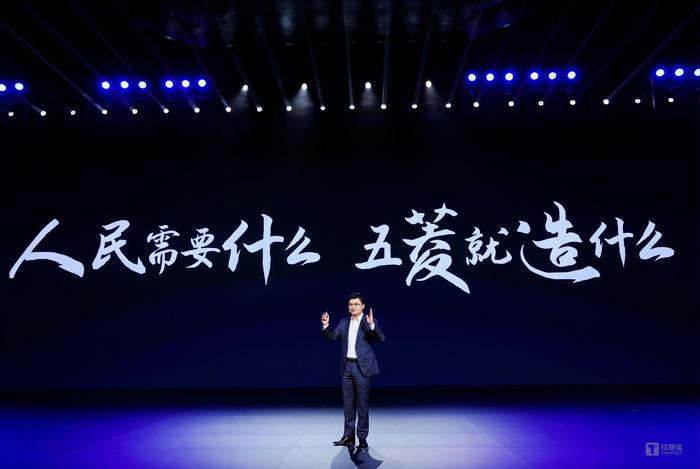
用技术回应“人民需要”,五菱想用体系力应对智能化内卷
Tai Mei Ti A P P· 2025-04-30 12:37
Core Viewpoint - The article discusses SAIC-GM-Wuling's new technology brand and its focus on user experience and practical solutions in the electric vehicle industry, emphasizing a shift from mere technical specifications to comprehensive systems that address real-world challenges [2][10]. Group 1: Battery Technology - The "Shenlian Battery 3.0" emphasizes a comprehensive safety system with a "five-zero safety" design, addressing risks through material selection, cell structure, thermal management, system control strategies, and verification standards [2][3]. - The battery's safety measures include extreme testing scenarios such as puncture tests, thermal resistance, and impact tests, showcasing a commitment to practical safety rather than just meeting national standards [3]. Group 2: Intelligent Driving - Wuling's approach to intelligent driving, termed "Lingwu Zhijia," focuses on safety and user understanding rather than merely replacing human drivers, critiquing the industry's over-reliance on high-tech solutions like L3 automation [4]. - The intelligent driving system is designed to be accessible at a price point of around 100,000 yuan, making it a crucial factor in purchasing decisions, while also highlighting the need for clear system boundaries and responsibilities from manufacturers [4]. Group 3: AI in Cockpit - The "Lingyu Zuo" AI cockpit emphasizes practicality and advanced capabilities, supporting multiple Chinese dialects with a recognition rate exceeding 95% and a response time of 300 milliseconds [6]. - The AI system integrates 14 intelligent agents for various services, aiming to enhance user experience while also requiring the company to cultivate user habits rather than just adding features [6][7]. Group 4: Electric Drive System - The "Lingxi Power" system boasts a maximum motor speed of 27,258 rpm, with a focus on balancing efficiency and reliability through extensive design and thermal management simulations [7][8]. - The system is designed to cater to both family and commercial vehicle needs, with a claimed range of 1,000 km and fuel consumption of 4.3 L per 100 km, promoting a dual-purpose electric drive platform [8][9]. Group 5: Overall Technology Strategy - Wuling's comprehensive technology framework, including battery, intelligent driving, AI cockpit, and electric drive, reflects its commitment to addressing user needs and adapting to industry changes [10]. - The company aims to establish a complete feedback loop of products, services, and reputation, emphasizing that technological equity should extend beyond marketing claims to actual user experiences [10].