奥迪A6

Search documents
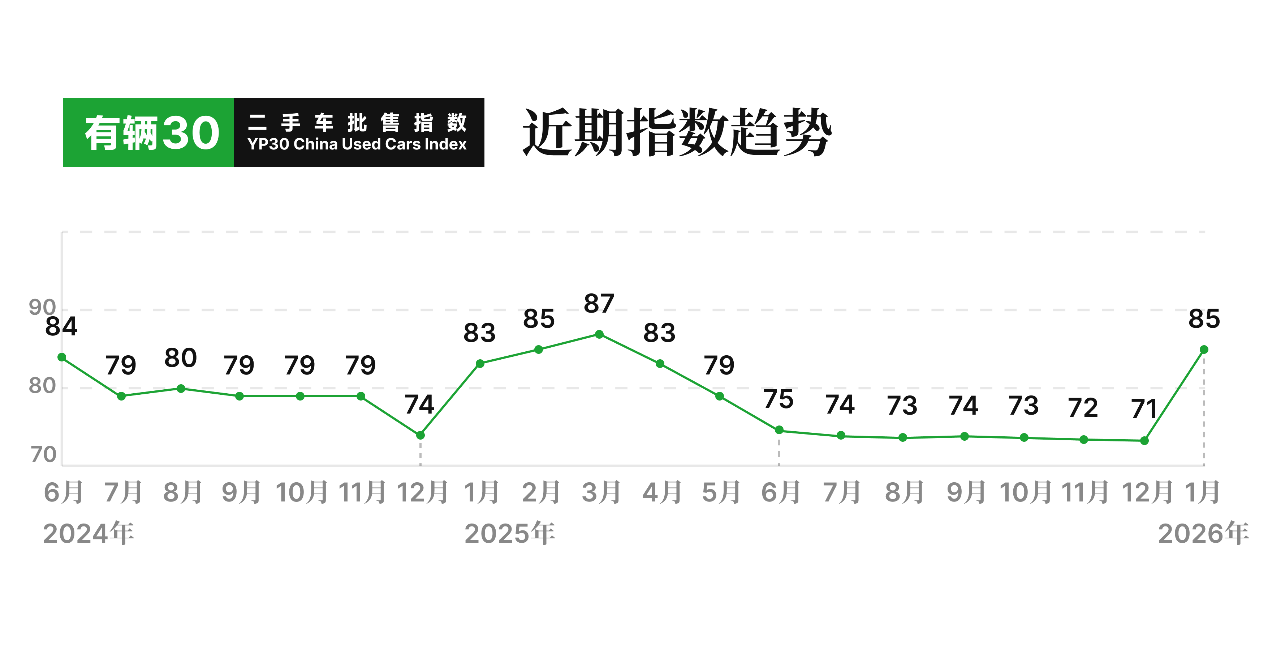
有辆30指数2026年首月大涨近20%,折射春节前二手车需求强劲
Zhong Guo Qi Che Bao Wang· 2026-02-06 05:51
Core Insights - The "Youliang 30 Used Car Wholesale Index" recorded a significant increase of 19.7% month-on-month in January 2026, reaching 85 points, driven by strong demand in the automotive consumption market before the Spring Festival, marking the largest monthly increase since its inception [1] - The index now includes a complete list of 30 benchmark models, enhancing its transparency and market reference value, providing a clearer and more credible quantitative framework for observing the dynamics of the Chinese used car market [1][2] Index Composition - The 30 benchmark models represent high liquidity and typical market indicators across various segments, covering brands from China, the US, Germany, and Japan, aimed at reflecting the overall trends in the Chinese used car market [2] - Notable models include Chinese brands like Great Wall Haval H6 and BYD Song, German brands like Volkswagen Golf and BMW 3 Series, Japanese brands like Honda CR-V and Toyota RAV4, and American brands like Tesla Model Y and Buick GL8 [2] Market Trends - The index data for January 2026 reveals a profound structural adjustment beneath the overall market prosperity, with mid-to-large vehicles experiencing a price increase of 27.1% year-on-year, significantly higher than the average market increase of 11.1% for compact cars [4] - Chinese brands led the market with a year-on-year price increase of 36.9%, reflecting advancements in technology, product strength, and market recognition, while German brands maintained a robust 34.6% increase [7] - In contrast, Korean and French brands faced declines of 9.0% and 13.8% respectively, indicating challenges in market share and brand influence [7] Vehicle Type Dynamics - The market has seen a notable shift in demand, with MPV prices soaring by 35.7%, becoming the fastest-growing category, while traditional SUV prices saw a modest increase of 3.2% and sedans increased by 18.6% [10] Circulation and Transactions - The liquidity of used car sources in China continues to rise, with total used car transactions in 2026 surpassing 20 million units, reaching 20.108 million, a year-on-year increase of 2.52%, and an increasing proportion of interprovincial transactions [13] - The "Youliang 30 Index" provides innovative analysis on interprovincial circulation, with Sichuan province entering the top 5 in interprovincial procurement in January 2026 [13] Index Value and Macro Significance - The "Youliang 30 Index" serves as a quantifiable and traceable "data dashboard" for industry governance and market fluctuation assessment, helping relevant departments gauge the true structure of the current consumption market and consumer confidence levels [22] - The index's monthly data series creates a dynamic price map, allowing for scientific measurement and analysis of the impact of policies like "trade-in" on the circulation segment [22] - The transparency and standardization of the "Youliang 30 Index" respond to national requirements for market data element commercialization and the establishment of a high-standard market system, facilitating the transition of the used car industry from a traditional "experience-driven" model to a "data-driven" modernized development phase [22]

奥迪承认A4更名为A5是失误 或回归传统命名
Xi Niu Cai Jing· 2026-02-03 07:39
Group 1 - Audi's CEO, Gernot Döllner, admitted that renaming the classic A4 to A5 was a significant mistake and hinted at a potential return to the A4 nameplate in the next model update [2] - In 2023, Audi introduced a new naming convention where odd numbers represent fuel vehicles and even numbers represent electric vehicles, leading to confusion among consumers as the new A5 conflicted with the existing A5 coupe [2] - Audi's global user experience data indicated a 42% increase in dealer inquiries, with 23% of consumers unable to distinguish between model relationships, exacerbated by the unchanged A6L in the Chinese market [2] Group 2 - Audi has announced a return to the traditional naming system using "letter + number" to differentiate vehicle sizes and positions, with "A" for sedans and "Q" for SUVs, while power types will be indicated by suffixes [3] - The naming of the newly announced but not yet launched A5L is still under discussion, and Döllner mentioned that there is a possibility of reverting the A5 back to the A4 name, with future naming planning based on the A6 [3] - Audi's global sales are projected to decline by 11.8% in 2024 to 1.6712 million units, with electric vehicle sales also down by 8% to 164,000 units, leading Döllner to reject previous aggressive electrification strategies [2]

奥迪回应更名争议:A4改A5是错误,未来车型标识将尊重传统
Huan Qiu Wang Zi Xun· 2026-02-02 07:28
Group 1 - Audi admitted that renaming its well-known model A4 to A5 was a mistake and hinted at reinstating the A4 nameplate in the next update of the latest model, which has a history of 32 years [1] - In 2023, Audi announced a plan where all gasoline and diesel models would adopt odd-numbered names, while electric vehicles would use even-numbered names for differentiation in showrooms [3] - The A4 was the first non-electric Audi model name to be canceled as the brand merged the A4 sedan and wagon into the A5 name, which was previously used only for coupe, convertible, and five-door "Sportback" derivatives [3] Group 2 - Customer and dealer feedback indicated that the new name was confusing, leading Audi to reverse its decision on future models and cancel the plan to rename the new gasoline-powered A6 to A7 [3]
一汽奥迪迈入千万用户时代:以体系力之韧承载稳健发展的中国样本
Zhong Guo Jing Ji Wang· 2026-01-22 04:12
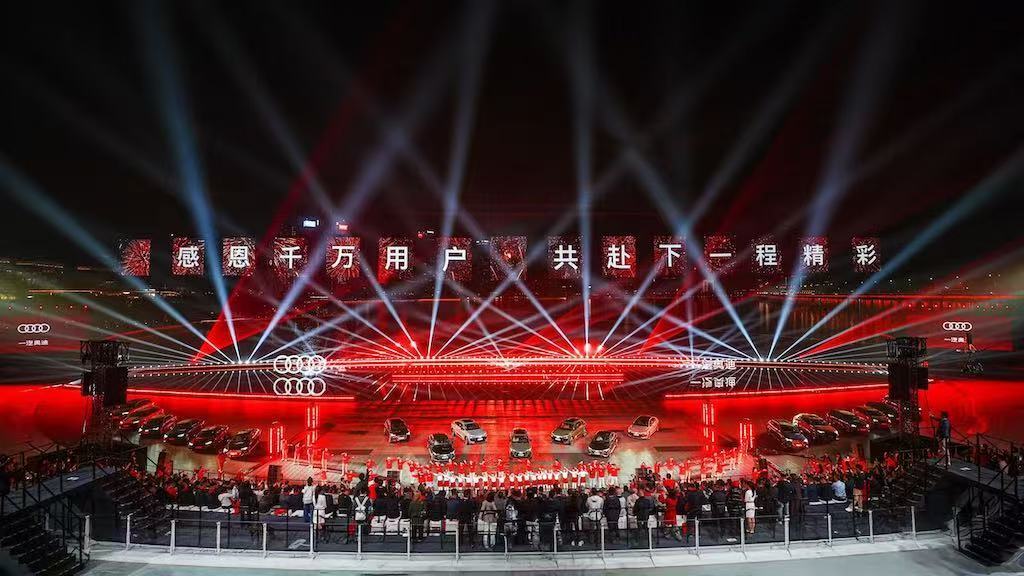
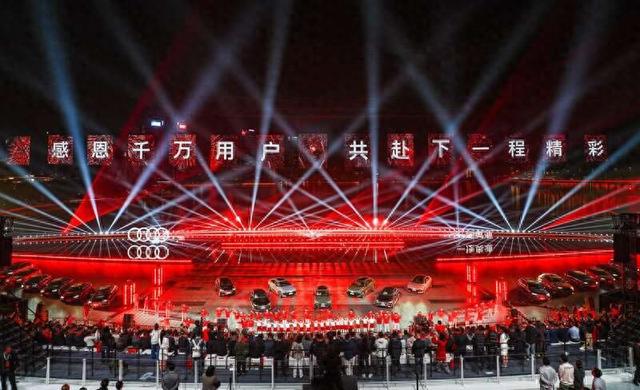
Core Insights - The Chinese automotive industry is undergoing significant transformation, with joint ventures like FAW-Volkswagen achieving notable milestones in their transition [1] - FAW-Volkswagen's Audi brand has become the first joint venture luxury car brand in China to reach over 10 million users, marking a significant achievement in Sino-German economic cooperation [3] Group 1: Achievements and Milestones - FAW-Volkswagen has reached a production and sales milestone of over 30 million passenger vehicles as of October last year [1] - Audi's success in the Chinese market is highlighted by its introduction of the long-wheelbase A6 model in 1999, which catered to local consumer preferences for space [3][4] - The brand has pioneered several luxury segments in China, including the first domestically produced luxury B-class car, the A4, and the B-class luxury SUV segment with the Q5 [6] Group 2: Strategic Development and Market Position - FAW-Volkswagen has established a robust luxury automotive brand system over the past 38 years, demonstrating strategic foresight and the ability to build from the ground up [4][6] - The company has implemented international standards in its 4S sales service system since 2000, setting a benchmark for luxury automotive service in China [6] - The brand's comprehensive approach includes initiatives like Audi's "Qianjiehui" and "Audi Technology Day," enhancing its market presence and brand image [6] Group 3: Operational Excellence and Long-term Strategy - FAW-Volkswagen emphasizes the importance of maintaining high standards across all operational aspects, from production quality to after-sales service, especially as it scales to a larger user base [10][11] - The company has built a network of approximately 600 stable dealerships, ensuring effective market coverage and customer service while maintaining profitability for dealers [13] - The shift towards a long-term strategy focuses on user experience and dealer support, which is crucial for sustaining growth in a competitive market [11][13]
千万用户达成,一汽奥迪借智能化新品开启市场新阶段
Zhong Guo Qing Nian Bao· 2026-01-19 08:04
Core Insights - FAW Audi has achieved a significant milestone by reaching a cumulative user base of over 10 million in the Chinese market, making it the first joint venture luxury car brand to do so [2][3] - The company launched the new Audi Q5L, which features smart upgrades and is the first luxury fuel SUV equipped with Huawei's advanced intelligent driving system, marking a significant entry of high-level smart driving technology into traditional fuel luxury vehicles [2] - Audi's future product architecture will focus on the PPC luxury fuel intelligent platform and the PPE luxury pure electric platform, aiming for synchronized advancements in both fuel and electric vehicle models by 2026 [2] Company Developments - The new Audi Q5L is priced between 309,800 to 384,800 yuan and incorporates hybrid technology to reduce energy consumption, while also offering a long-wheelbase version and several market-specific color options [2] - FAW Audi's customer experience strategy, named "Zhen·Heart Path," aims to enhance its service system in response to the evolving competitive landscape of the luxury car market [3] - The company is leveraging its extensive existing user base and sales service system to accelerate its transformation towards smart technology, amidst increasing competition from local new energy brands and traditional luxury brands transitioning to electric vehicles [3]
宝马“官降”30万背后
第一财经· 2026-01-12 11:00
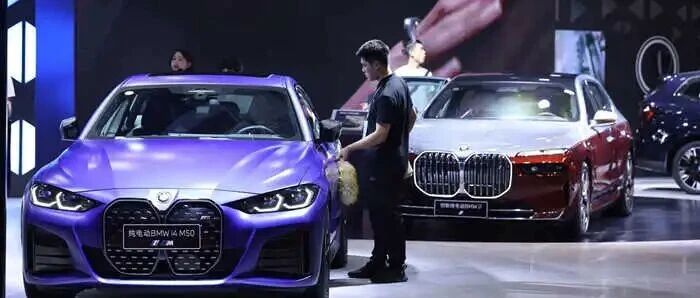
Core Viewpoint - BMW China has officially reduced the prices of 31 models, with the highest reduction reaching 301,000 yuan, aiming to attract customer traffic, although the actual transaction prices have not significantly decreased [3][4]. Pricing Strategy - The official price adjustments did not include popular models like the BMW 3 Series, X3, and 5 Series, which still have substantial discounts, such as the X3's final price around 350,000 yuan and the 3 Series offering discounts of about 100,000 yuan [5][6]. - Some models, like the BMW 5 Series and X5, have seen price increases due to strong sales and tight inventory, while high-performance M series models have increased their discount offers [6]. Dealer Dynamics - Dealers are adjusting their pricing strategies based on inventory and market dynamics, with the official price reduction helping to alleviate financial costs and inventory pressures [6]. - The profitability of luxury brand dealers has shifted from relying solely on new car sales to generating profits from after-sales services, with annual maintenance costs exceeding 20,000 yuan and gross margins reaching 60%-70% [6]. Market Competition - The luxury car market is experiencing significant discounts across brands, with competitors like Mercedes-Benz and Audi also offering substantial price reductions [7]. - The overall car prices are fluctuating, with discounts of 10,000 to 20,000 yuan annually, and promotional strategies are being employed to attract younger consumers caught between "domestic high-end" and "luxury entry-level" options [7][8]. Promotional Trends - Following BMW's price cuts, over 20 car manufacturers have announced promotional policies, including cash discounts and financing options [9]. - Notable promotions include Cadillac's new XT5 priced at 229,900 yuan, a reduction of nearly 40%, and Toyota's bZ3 with a price drop of 76,000 yuan [9]. Industry Challenges - The luxury car market is facing multiple pressures, including the rise of electric vehicles, which have surpassed a 50% penetration rate, impacting traditional luxury brands' market share [8][10]. - Sales figures for luxury brands have declined, with the average price of luxury cars dropping by 18,000 yuan year-on-year [9][10]. Consumer Behavior - Consumers are now presented with more choices due to promotional activities, but they should be cautious of potential pitfalls such as "hidden price increases" and "bundled sales" [11].

40岁江苏富豪季晨阳去世,妻子漂亮儿女双全,死因曝光让人惋惜
Sou Hu Cai Jing· 2025-09-30 05:10
Group 1 - The article highlights the successful business ventures of Ji Chenyang and his wife Gao Ying, who operate two new materials companies in Jiangsu, indicating their strong market presence and financial success [1] - Ji Chenyang's companies are estimated to have annual sales exceeding ten million, as evidenced by their recruitment practices, which offer competitive salaries [1] - The couple's lifestyle reflects their financial success, with Gao Ying being a social media influencer and showcasing their affluent living conditions [5] Group 2 - The sudden car accident that claimed Ji Chenyang's life serves as a stark reminder of life's unpredictability and the fragility of existence [6][15] - Following Ji Chenyang's death, Gao Ying faces significant challenges in managing both the family and the business, highlighting the pressures of single-handedly running the company [11] - The financial strain on the company post-accident necessitates careful budgeting and resource management, as Gao Ying must navigate operational costs and employee salaries [12]
坚持电动目标,兼顾市场差异:奥迪宣布灵活动力组合战略
Zhong Guo Jing Ying Bao· 2025-06-20 10:54
Core Viewpoint - Several multinational automotive companies are slowing down their electrification efforts and are betting on a multi-powertrain strategy to adapt to market variability and consumer preferences [1][3][5]. Group 1: Market Dynamics - The electric vehicle (EV) market is experiencing different growth rates globally, with China having surpassed a 50% penetration rate for new energy vehicles, while North America and Europe lag behind [2][5]. - Audi has acknowledged the need for a flexible product mix that includes battery electric vehicles (BEVs), plug-in hybrid electric vehicles (PHEVs), and internal combustion engine (ICE) models to cater to diverse market demands [1][3]. Group 2: Strategic Adjustments - Audi plans to maintain the appeal of its ICE models until the end of their product life cycles, with a goal to fully transition to electric vehicles by 2033 [3][4]. - Honda has revised its investment in electrification from 10 trillion yen to 7 trillion yen, anticipating that its global EV sales share will drop from 30% to around 20% by 2030 due to market expansion slowdowns [4][5]. Group 3: Consumer Preferences - Consumers are showing a preference for hybrid and fuel-efficient vehicles over fully electric options due to concerns about charging infrastructure and vehicle reliability [5][6]. - The shift in consumer logic emphasizes the importance of smart technology and user experience, prompting traditional automakers to enhance their offerings in the hybrid segment [2][5]. Group 4: Regional Strategies - Audi is focusing on strengthening its market position in China and North America by launching new models tailored to these markets, including the Q6L e-tron and other localized electric vehicles [6][7]. - The company aims to create a sustainable business model in China, emphasizing long-term growth rather than short-term gains [6]. Group 5: Financial Outlook - Audi anticipates a challenging financial year in 2025, projecting sales revenue between 67.5 billion and 72.5 billion euros, with an operating profit margin of 7% to 9% [7].
00后买油车,谁反对?
创业邦· 2025-05-27 03:36
Core Viewpoint - The article highlights the resilience of fuel vehicles among the younger generation, particularly Generation Z, amidst the growing popularity of electric vehicles. It emphasizes that many young car owners still prefer fuel cars for their practicality and driving experience, despite societal pressures to choose electric options [4][6][29]. Group 1: Market Trends - Fuel vehicles continue to perform well in sales, with popular models achieving monthly sales exceeding 10,000 units, indicating strong consumer interest [6]. - As of early this year, the penetration rate of new energy vehicles dropped to 38.4%, contradicting the narrative that fuel vehicles are on the decline [6][29]. - At the recent Shanghai Auto Show, fuel vehicles accounted for 30% of all displayed cars, showcasing their competitive performance and features compared to new energy vehicles [6][8]. Group 2: Consumer Behavior - Many young consumers view purchasing a car as a significant milestone, akin to a second coming-of-age ceremony, with personal stories reflecting their attachment to fuel vehicles [10][13]. - The article features anecdotes from young car owners who express a sense of freedom and personal achievement associated with owning a fuel vehicle, highlighting the emotional connection to their cars [12][14][20]. - There is a notable divide in societal perceptions, with some young fuel car owners facing criticism for their choices, yet they remain steadfast in their preferences [34][35]. Group 3: Industry Response - Car manufacturers are increasingly targeting the younger demographic with models marketed as "first cars," with various brands launching affordable options to attract this segment [29][31]. - The competition between fuel and electric vehicles is intensifying, with fuel cars now being positioned as viable alternatives in terms of pricing and technology [31][34]. - The article suggests that the automotive industry must recognize the diverse preferences of young consumers, who may not conform to a single narrative of electric vehicle superiority [34][37].

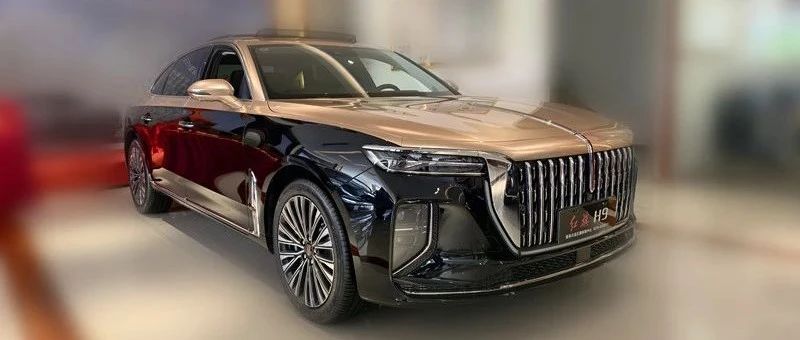
红旗H9:落地价比指导价还便宜,买这车永远绕不开奥迪A6
车fans· 2025-05-20 00:29
Core Viewpoint - The article discusses the sales performance and customer demographics of the Hongqi H9, highlighting its appeal among business owners and the competitive landscape with other luxury sedans like Audi A6 [2][3][5]. Sales Performance - The dealership sold a total of 45 cars last month, with only 3 units of the H9 delivered, indicating a low sales volume [2]. - The current stock includes 7 H9 vehicles, with the most popular configurations being the Qixiang version priced at 329,800 yuan and the Qichang version at 369,800 yuan, all in black [2][8]. - The maximum discount for the H9 is currently 75,000 yuan for full payment and 90,000 yuan for a five-year bank installment plan [5]. Customer Demographics - Customers interested in the H9 are predominantly male, aged over 40, and often business owners looking for a vehicle that reflects their economic status [3]. - The primary considerations for purchasing the H9 are price and appearance, with customers perceiving it as a more affordable luxury option compared to competitors [3]. Competitive Landscape - The main competitors identified are the Audi A6, BMW 5 Series, and Mercedes-Benz E-Class, with the Audi A6 being the most frequently compared model [6]. - Customers often choose the A6 over the H9 due to its higher brand recognition and better resale value [6]. Configuration and Purchase Preferences - The best-selling configuration is the Qixiang version with an additional lighting package, with 80% of buyers opting for this setup [8]. - The 3.0T configurations are not selling well due to their higher price point and lack of significant performance improvement over the 2.0T versions [10]. Customer Feedback - Common complaints from customers include the small trunk space due to the car's design, which is less than 400 liters [15]. - Customers have expressed confusion over the large discounts and differences in pricing between local and out-of-town purchases [17]. Maintenance and Support - The manufacturer offers a free maintenance package for 4 years or 100,000 kilometers, covering all scheduled maintenance [18]. - Recent changes in trade-in subsidies and government incentives have been introduced, but customer awareness of these benefits remains low [19].