
煤炭进口

Search documents
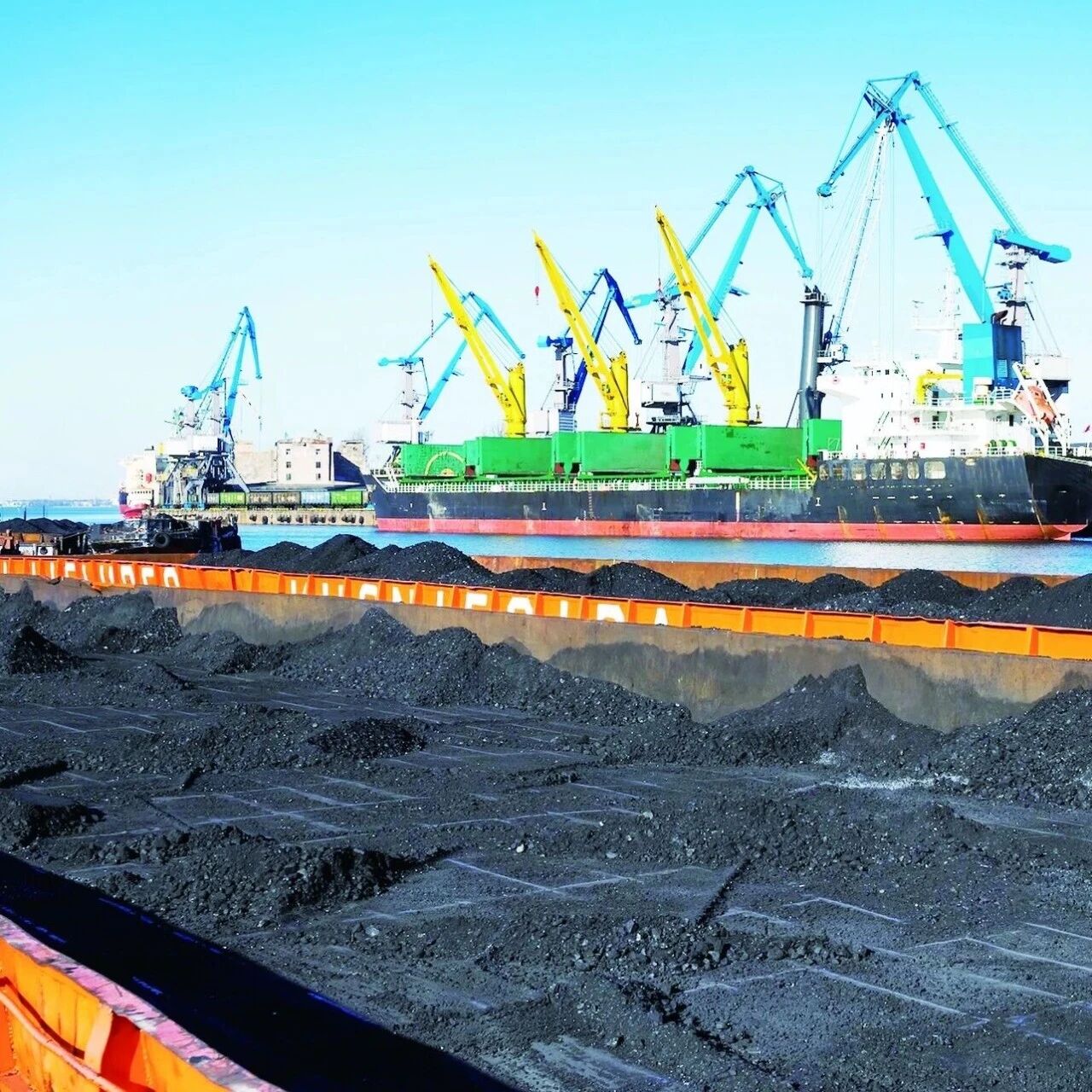
今年国内煤炭进口能否回升?
中国能源报· 2026-01-26 12:18
Core Viewpoint - The global thermal coal trade is expected to continue shrinking by 2030, while coking coal may show resilience supported by metallurgical demand [1][3]. Group 1: Coal Import Trends - In 2025, China's coal imports totaled 49.027 million tons, a year-on-year decrease of 9.6%, marking the second year of negative growth in the past decade, excluding 2022 [3]. - The decline in coal imports is attributed to increased domestic coal supply and a first year-on-year negative growth in coal consumption since 2017 [3][4]. - The total coal import volume in China is expected to continue a slight downward trend into 2026 [1][3]. Group 2: Types of Coal and Sources - Different industries require different types of coal, with thermal coal needed for power generation and coking coal for steel production [5]. - Indonesia is a major source of low-sulfur, low-cost thermal coal, while Australia provides high-calorific thermal coal suitable for power and industrial boilers [5][6]. - Mongolia is a primary source of coking coal for China, with significant rail transport advantages due to proximity [6]. Group 3: International Market Dynamics - The International Energy Agency reported a 5% decline in global coal trade in 2025, the first drop since 2020, with projections indicating a significant decrease in coal imports by 2030 [8]. - Indonesia, as the largest coal exporter, saw a reduction of approximately 5 million tons in exports in 2025, a 9% year-on-year decrease [8]. - Coking coal trade is expected to remain resilient, particularly due to strong demand from India's steel industry [8][9]. Group 4: Future Outlook - In December 2025, China's coking coal imports reached 12.6 million tons, a year-on-year increase of 28.6%, indicating robust demand despite overall declines [9]. - The coal market is currently experiencing seasonal demand increases, with imports rising due to winter supply needs [11]. - Predictions for 2026 suggest potential challenges for coal imports, particularly from Indonesia, which may reduce production quotas significantly [12].

动力煤:市场情绪偏弱,短期价格弱调整
Guo Tai Jun An Qi Huo· 2026-01-20 02:05
Report Industry Investment Rating - Not provided Core View - The market sentiment for thermal coal is weak, and the short - term price will be in a weak adjustment [1] Summary by Relevant Catalog Fundamental Tracking - In terms of origin prices, the price of Datong Southern Suburban Thermal Coal Q5500 is 599 yuan/ton, down 6 yuan/ton from the previous period and 59 yuan/ton from the same period last year; the price of Ejin Horo Banner Electric Coal Q5500 in Ordos is 542 yuan/ton, down 1 yuan/ton from the previous period and 36 yuan/ton from the same period last year; the price of Yulin Bituminous Coal Powder Q6000 is 591 yuan/ton, down 6 yuan/ton from the previous period and 52 yuan/ton from the same period last year [1] - For port prices, the price of Qinhuangdao Port's Shanxi - produced Q5500 is 693 yuan/ton, down 2 yuan/ton from the previous period and 65 yuan/ton from the same period last year; the price of Q5000 is 605 yuan/ton, down 3 yuan/ton from the previous period and 60 yuan/ton from the same period last year; the price of Q4500 is 519 yuan/ton, down 3 yuan/ton from the previous period and 66 yuan/ton from the same period last year [1] - Regarding overseas prices, the price of Indonesian FOB Q3800 is 49 US dollars/ton, unchanged from the previous period and down 1 US dollar/ton from the same period last year; the price of Australian FOB Q5500 is 74 US dollars/ton, down 0.2 US dollars/ton from the previous period and 7 US dollars/ton from the same period last year [1] - In January's long - term agreement prices, the price of port Q5500 is 684 yuan/ton, down 10 yuan/ton from the previous period and 9 yuan/ton from the same period last year; the price of Shanxi Q5500 is 540 yuan/ton, down 8 yuan/ton from the previous period; the price of Shaanxi Q5500 is 483 yuan/ton, down 13 yuan/ton from the previous period; the price of Western Inner Mongolia Q5500 is 453 yuan/ton, down 7 yuan/ton from the previous period [1] Macro and Industry News - In December 2025, the national raw coal output continued to increase month - on - month, reaching 43,703 tons, a year - on - year decrease of 1.0% and a month - on - month increase of 2.40%. The daily average output in December was 1,410 tons, 13 tons less than that in November and 5.6 tons less than the same period last year. The cumulative national raw coal output in 2025 was 483,178 tons, a year - on - year increase of 1.2% [2] - In December 2025, the national coal and lignite imports were 5,859.7 tons, a year - on - year increase of 11.94% and a month - on - month increase of 33.01%. The over - expected performance of imported coal was mainly due to the "rush to export" phenomenon of overseas suppliers affected by Indonesia's export tariff policy adjustment and the end - of - year domestic supply tightening and the decline of domestic coal prices giving imported coal an advantage [2] - On January 8, 2026, the Indonesian Minister of Energy and Mineral Resources said that the government plans to approve about 600 million tons of coal production quota in 2026 (lower than the 2025 production target of 739.7 million tons). The expected coal production in Indonesia in 2025 was 790 million tons (lower than the 2024 coal output of 836 million tons) [2] Trend Intensity - The trend intensity of thermal coal (based on the spot price of thermal coal in the northern ports) is - 1 [3]
煤炭进口数据拆解:25年11月进口煤价继续提升
Shanxi Securities· 2025-12-30 05:09
Investment Rating - The report maintains an investment rating of A for the coal industry, indicating a positive outlook compared to the market [1]. Core Insights - The coal import volume continues to show a contraction trend, with a cumulative decrease of 12.0% from January to November 2025. The import coal volume has maintained a negative growth rate for nine consecutive months, with November showing a year-on-year decline of 19.88% but a month-on-month increase of 5.53% [2]. - The average import price for all coal types in November was $73 per ton, reflecting a year-on-year decline but a month-on-month increase of $1.42 per ton. All coal types experienced a significant decrease in price compared to the same period last year, with a notable month-on-month increase in prices, particularly for thermal coal [2][4]. - The report suggests that the reduction in import volume coupled with an increase in price may indicate tighter overseas supply and demand. However, the domestic coal price increase is believed to be more reliant on domestic thermal coal stockpiling rather than overseas supply constraints [4]. Summary by Sections Import Data Analysis - The cumulative import volume of coal from January to November 2025 shows a significant contraction, with November's import volume reflecting a year-on-year decrease of 19.88% [2]. - The report highlights that all major coal types have shown month-on-month increases in import volume, with notable contributions from Mongolia, Russia, and Indonesia [2]. Price Trends - The report notes that the average import price for coal in November was $73 per ton, with a month-on-month increase of $1.42 per ton. This price trend indicates a recovery in coal prices despite a year-on-year decline [2][4]. Future Outlook - The report anticipates continued improvements in the fourth quarter performance, with potential for price recovery in 2026. It suggests that the current stock price decline enhances dividend value, presenting a buying opportunity [5]. - The report also indicates a potential reduction in coal exports from Indonesia due to expected export tariffs, which may impact future import volumes [4].
山西证券:11月进口煤价继续提升 行业26年业绩仍具备修复空间
智通财经网· 2025-12-30 03:38
Group 1 - The core viewpoint of Shanxi Securities indicates that the price of all coal types for imports has significantly decreased compared to the same period last year, with an expectation of performance improvement in the coal industry for Q4, and potential recovery in 2026 if prices remain high [1] - The trend of shrinking import coal volume continues to slow down, with a cumulative growth rate of -12.0% from January to November, and a year-on-year decrease of 19.88% in November, although there was a month-on-month increase of 5.53% [1] - In November, the import price of all coal types was $73 per ton, maintaining a year-on-year decline, but with a month-on-month increase of $1.42 per ton [1] Group 2 - The November coal import characteristics show a "reduction in volume and increase in price," suggesting a potential tightening of overseas supply and demand, although domestic coal prices have increased more significantly than overseas prices [2] - There is an expectation of continued reduction in Indonesian coal imports due to the planned imposition of an export tax by the Indonesian government, with rates expected to be between 1-5% starting next year [3]

煤炭行业2026年度投资策略:遇火生辉
Changjiang Securities· 2025-12-24 11:41
Core Insights - In 2025, coal prices significantly declined, leading to a return of sector profitability to the lowest levels in the past decade. However, the outlook for 2026 suggests potential demand improvement and limited supply capacity utilization, which may lead to a recovery in coal price levels [2][5][6]. - The report emphasizes that with a clear supply-demand improvement and the presence of both defensive and offensive investment opportunities, the likelihood of success for selected stocks is high. If demand is strong and coal prices improve beyond expectations, attention should be given to currently undervalued stocks with low liquidity and lower profit margins [2][7]. Industry Overview - The coal industry faced a challenging year in 2025, with thermal coal prices dropping from 855 CNY/ton in 2024 to 697 CNY/ton, an 18% decrease. The profitability of the sector fell to the 30th percentile of the past decade due to weak demand driven by warm weather and sluggish manufacturing electricity consumption [5][16]. - Coking coal prices also saw a significant decline, dropping 26% from 2024's 2022 CNY/ton to 1502 CNY/ton, with profitability at the 10th percentile of the past decade. This was primarily due to strong supply, with a 1.5% year-on-year increase in coking coal supply in the first three quarters of 2025 [5][16]. Demand and Supply Dynamics - For thermal coal in 2026, demand improvement is anticipated, with limited supply growth expected. The report identifies three key questions regarding market resilience: whether negative growth in thermal power will become the norm, if domestic supply can be controlled, and whether rising coal prices will increase imports [6][30]. - The report suggests that the central government's focus on controlling "involution" competition will continue to limit supply growth in 2026, despite some new production capacity coming online. Long-term resource depletion may also exert upward pressure on domestic coal prices [6][30]. Investment Recommendations - The report advocates for investment in the coal sector in 2026, highlighting the potential for a bottom reversal. It suggests that the timing for investment should align with capital flows, particularly in the first quarter when there is often a demand for increased allocation to dividend-paying sectors [7][30]. - Recommended stocks include Yanzhou Coal Mining Company and China Shenhua Energy, which are expected to benefit from a recovery in coal prices to a range of 750-800 CNY/ton. Additionally, stocks with significant growth potential and low valuations, such as Huayang Co. and Jinkong Coal Industry, are highlighted as potential targets if demand and price improvements exceed expectations [7][30].


煤炭进口数据拆解:25年9月国内煤价上涨带动进口量提升
Shanxi Securities· 2025-10-23 14:02
Investment Rating - The report maintains an investment rating of "A" for the coal sector, indicating expected performance to lead the market [1][4]. Core Insights - The coal import volume continues to show a contraction trend, but the rate of decline is slowing down. In September, the year-on-year decline in coal imports was 3.34%, while the month-on-month increase was 7.63%. The average import price for all coal types in September was $68 per ton, reflecting a year-on-year decrease [4][5]. - Domestic coal prices have shown fluctuations, with a slight increase in September, which is expected to support import demand due to the existing domestic supply gap. The report anticipates that the price difference between domestic and imported coal will continue to expand, potentially boosting import volumes [5][6]. Summary by Sections Import Data Analysis - From January to September, the cumulative growth rate of coal imports was -11.1%, indicating a continued contraction. However, the negative growth rate is marginally slowing down, with specific increases in certain coal types [4]. - The report highlights that the increase in imported coal in September was primarily driven by thermal coal from Indonesia and coking coal from Russia and Australia [4]. Price Trends - The report notes that the average import price for coal types has decreased significantly compared to the previous year, with a slight month-on-month increase observed in September [4][6]. - The report suggests that the price dynamics are influenced by domestic demand, which is expected to support higher import prices moving forward [6]. Investment Recommendations - The report expresses optimism for investment opportunities in the coal sector for the fourth quarter, suggesting that the sector may outperform the third quarter. It recommends focusing on companies with higher elasticity in their stock performance [5][6]. - Specific companies to watch include Jin Kong Coal Industry, Shan Coal International, and Huayang Co., with a particular emphasis on coking coal producers like Lu'an Environmental Energy and Shanxi Coking Coal [6].
煤炭进口数据拆解:25年8月进口煤继续复苏,关注海外价格回升趋势
Shanxi Securities· 2025-09-26 02:57
Investment Rating - The report maintains an investment rating of "A" for the coal industry, indicating a leading performance compared to the market [1]. Core Insights - The coal import volume continues to show a slowing contraction trend, with a cumulative decrease of 12.2% from January to August 2025. However, the negative growth rate has been marginally slowing down, with August showing a year-on-year decline of 6.76% but a month-on-month increase of 20.02% [3][4]. - The average import price for all coal types in August was $66 per ton, reflecting a year-on-year decline, with a slight month-on-month decrease of $0.84 per ton [3][4]. - Domestic coal production remains in a contraction phase year-on-year, but there is a slight month-on-month increase. The domestic supply gap continues to support import demand [4]. Summary by Sections Import Data Analysis - The report highlights that all coal types experienced positive month-on-month growth in August, although thermal coal and coking coal maintained negative year-on-year growth. The increase in thermal coal imports primarily came from Indonesia, Australia, and Russia, while coking coal imports were mainly from Mongolia [3][4]. Price Trends - The report notes that the import price for coking coal saw a slight month-on-month increase, while all other coal types experienced significant year-on-year price declines [3][4]. Market Outlook - The report suggests that the price gap between domestic and imported coal may continue to drive import volumes, especially if domestic supply remains constrained. The anticipated demand during the "golden September and silver October" period is expected to support price rebounds if supply disruptions occur [5].
25年7月进口煤量收缩趋势放缓,未来增量有待观察 | 投研报告
Zhong Guo Neng Yuan Wang· 2025-08-27 02:52
Core Viewpoint - Shanxi Securities recently released coal import data indicating a contraction in import volumes, with a cumulative decline of 13% from January to July. Although July saw a year-on-year decrease of 22.94%, there was a month-on-month increase of 7.78%, suggesting a marginal easing of the negative growth trend [1][2]. Data Breakdown - The cumulative import volume from January to July has decreased by 13%, continuing a contraction trend. July marked the fifth consecutive month of year-on-year negative growth, but the rate of decline is slowing, with a 22.94% drop year-on-year and a 7.78% increase month-on-month [1][2]. - All coal types are experiencing year-on-year negative growth, but only anthracite coal shows a month-on-month decline. The increase in coking coal imports is primarily from Mongolia and Russia, while thermal coal imports are mainly from Australia, and lignite imports are from Indonesia [2]. - The average import price for all coal types is $67 per ton, continuing a downward trend year-on-year. In July, the price decreased by $6.23 month-on-month, with significant year-on-year declines across all coal types [2]. Commentary and Investment Suggestions - Domestic supply shortages are driving import demand, with July's internal trade coal prices stabilizing and rebounding. Domestic raw coal production has contracted both year-on-year and month-on-month, which has somewhat boosted the demand for imported coal [3]. - Future import increases remain uncertain. Despite a rise in import volumes, prices have not increased correspondingly, indicating that the overseas supply-demand structure has not significantly improved. The divergence between domestic and imported coal prices may influence future import trends [3]. - The company suggests monitoring coal stocks as prices continue to rise unexpectedly, with potential performance recovery for companies like Huayang Co., Jinkong Coal Industry, Shanxi Coal International, and others. Leading coal enterprises such as Shaanxi Coal and China Shenhua still hold high investment value [3].
煤炭进口数据拆解:25年7月进口煤量收缩趋势放缓,未来增量有待观察
Shanxi Securities· 2025-08-26 02:49
Investment Rating - The report maintains an investment rating of "A" for the coal sector, indicating expected performance leading the market [1]. Core Insights - The coal import volume has shown a slowing trend of contraction, with a cumulative decrease of 13% from January to July 2025. Despite a continuous negative growth rate for five months, July saw a year-on-year decrease of 22.94% but a month-on-month increase of 7.78% [1][3]. - The overall import price for coal types averaged $67 per ton, continuing a downward trend year-on-year, with a month-on-month decrease of $6.23 in July [1]. - Domestic coal production has contracted both year-on-year and month-on-month, leading to an increase in import demand due to a domestic supply gap [3]. Summary by Sections Import Data Analysis - The report highlights that all coal types have shown negative year-on-year growth, with only anthracite coal experiencing a month-on-month decline. The increase in coking coal imports is primarily from Mongolia and Russia, while thermal coal imports are mainly from Australia, and lignite imports are from Indonesia [1][3]. Price Trends - The report notes that the import prices for all coal types have significantly decreased compared to the previous year, with July showing a downward trend across all categories [1]. Future Outlook - The report suggests that while there is an increase in import volume, the prices have not risen correspondingly, indicating a potential imbalance in the overseas supply-demand structure. The future demand for coal remains uncertain due to domestic economic conditions and the impact of the "anti-involution" campaign [3]. Investment Recommendations - The report recommends focusing on coal stocks that are expected to recover in performance due to rising coal prices, highlighting companies such as Huayang Co., Jinkong Coal Industry, and Shanxi Coking Coal as key investment targets [2][3].
海关总署:中国6月煤及褐煤进口3303.7万吨,5月为3604万吨。
news flash· 2025-07-14 03:21
Core Viewpoint - In June, China's coal and lignite imports totaled 33.037 million tons, a decrease from 36.04 million tons in May [1] Group 1 - China's coal and lignite imports in June were 33.037 million tons [1] - The imports in May were recorded at 36.04 million tons, indicating a decline [1]