逼空

Search documents
黄金白银大崩盘,谁是幕后推手?
小Lin说· 2026-02-23 14:36
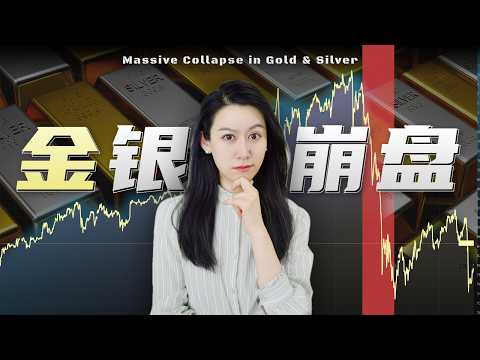
Hi~ 这个2026年的1月份 可以说是贵金属 历史上最疯狂的一个月 达到了有史以来最高的波动率 你就看这白银的走势图 真的可以说是个过山车的设计图 先是持续攀升 大涨了68% 涨到超过120美元 紧接着两天跌回解放前 你如果把时间轴拉长一点 就能看出来这个月有多疯狂 黄金呢 虽然没有白银"那么"疯狂 一个月就"只"涨了将近30% 突破了5,500美元 之后也是暴跌 太多朋友留言说想让我聊聊了 所以咱们今天就来看看哈 这个贵金属市场的巨震 它到底是怎么回事 哦对了 我这插一嘴哈 最近有朋友留言说 小Lin这频道怎么变成英语的了 哎 这个不是我设置的哈 是因为YouTube最近有一个新的功能 有些朋友默认自动就会放那个AI英语 所以大家可以在设置 里头有一个Audio Track 就是音轨 把它改成中文 就可以听到小Lin的原声了 今天呢 我想采取的方式跟平时不太一样 我想呢 带着大家一起来分析 不是说我直接给你个答案 而是咱们 一层一层地来剖析这个问题 所以这段视频的逻辑链条 可能会有点多 大家呢 跟得上就跟 你要是懒得动脑子 反正听个大概意思也行 我主要想聊的呢 就这么三个问题 首先 之前为什么黄金白银会暴 ...

巴菲特的警告应验了?被炒上天的白银,一场被逼空的局!
Sou Hu Cai Jing· 2026-02-15 19:30
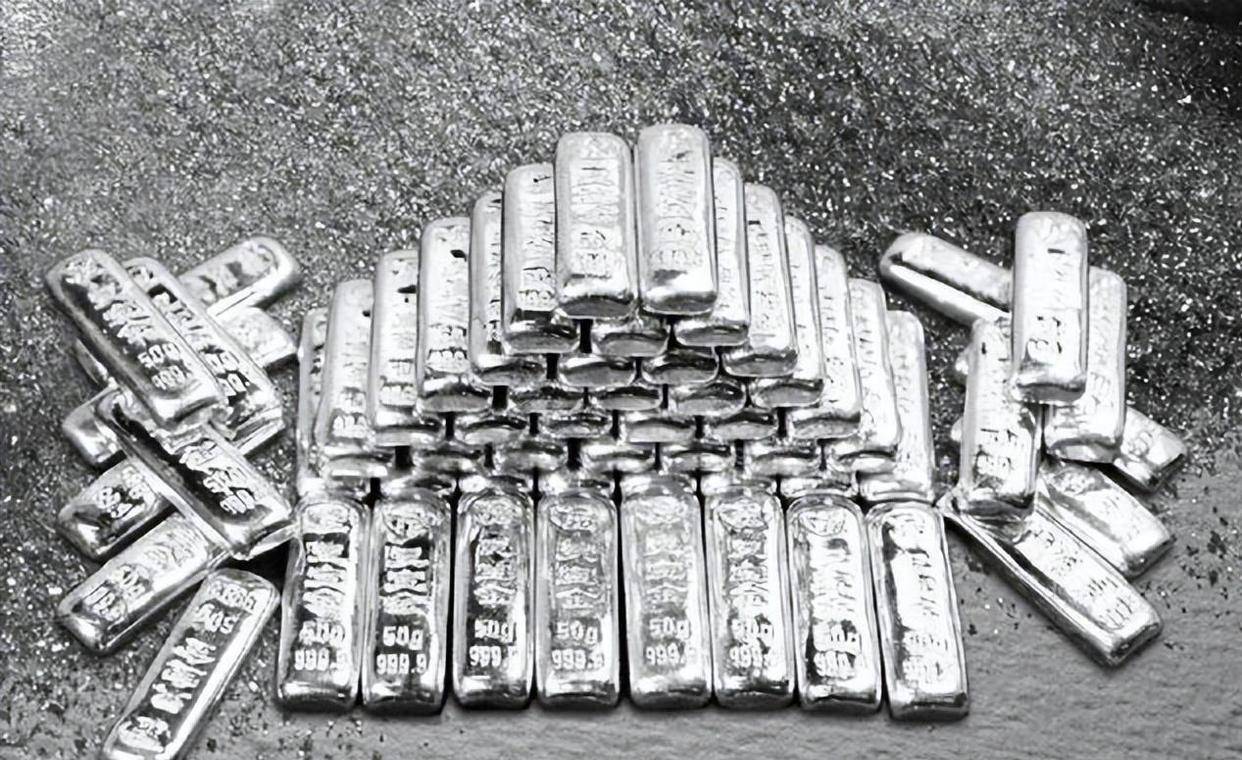
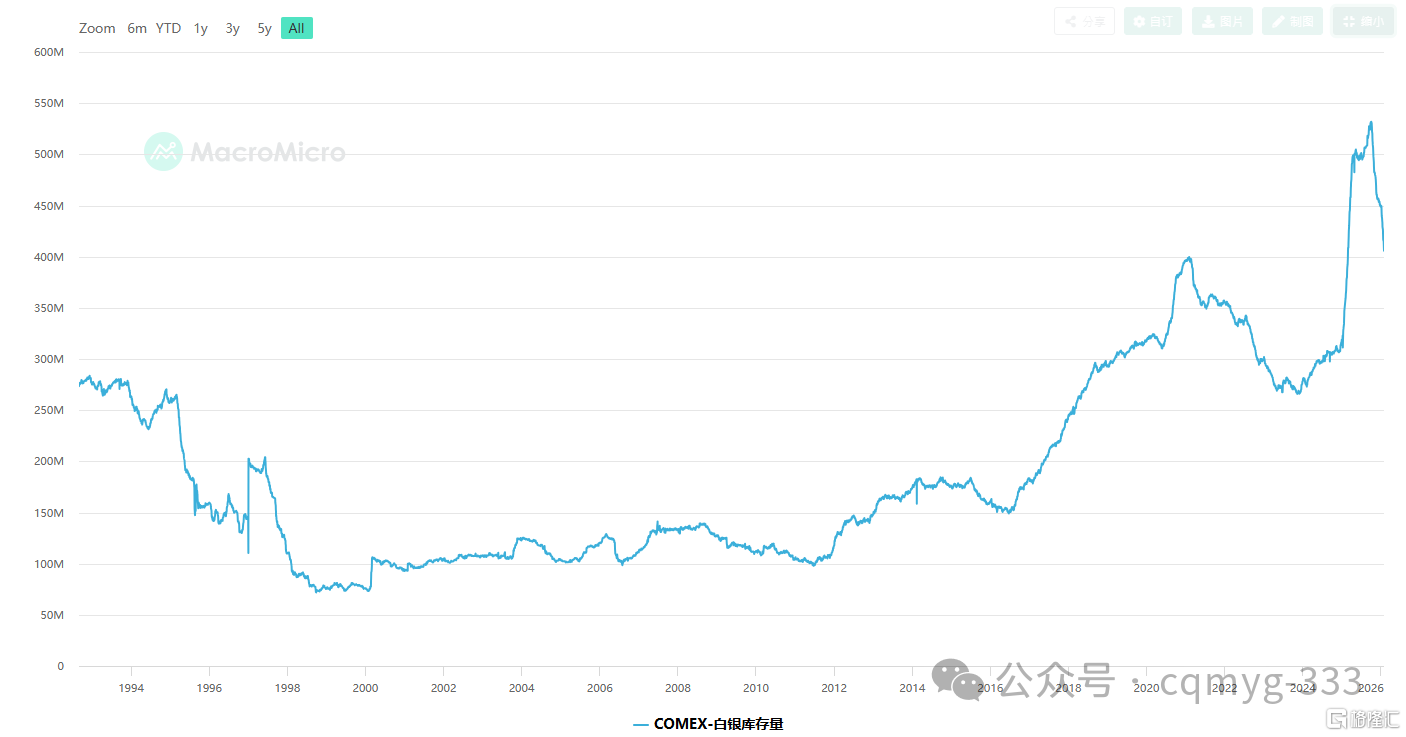
Core Viewpoint - Silver has emerged as a significant player in the global financial market in 2025, with its price skyrocketing from under $20 to nearly $120, achieving a 190% increase, far surpassing gold's 70% rise during the same period [1] Supply and Demand Dynamics - Approximately 70% to 80% of silver is a byproduct of mining for other metals like copper, lead, and zinc, limiting its supply response to price increases [3] - The demand for silver is being driven by the renewable energy revolution, particularly in photovoltaic solar panels, which consumed 35% of global industrial silver demand in 2025, nearly one-third of the year's mining output [3] - The silver market has experienced a supply deficit for five consecutive years, with a cumulative shortfall of about 820 million ounces, equivalent to nearly a full year of global mining output [4] Market Imbalances - The inventory of physical silver in major trading markets like London and New York is rapidly declining, with COMEX silver inventory dropping by 26% in just one week in January 2026 [4] - The "paper silver" market, including futures and ETFs, has created a situation where the amount of paper contracts far exceeds the available physical silver, with a ratio of over 8 to 1 in London [4][8] Market Reactions and Speculation - In 2025, industrial players began demanding immediate delivery of physical silver, leading to a panic in the futures market as short sellers struggled to fulfill contracts [5] - The rental rate for physical silver skyrocketed from nearly 0% to 39% in August 2025, indicating a severe shortage and driving up costs for those needing to borrow silver [5] - The futures market experienced a "death spiral," where short sellers were forced to buy silver at any cost to cover their positions, leading to a significant price surge [6] Institutional Involvement - Major market players, such as JPMorgan Chase, faced scrutiny amid rumors of significant losses from short positions, which contributed to market volatility [8] - As of December 2025, the COMEX silver futures open interest reached 1.124 billion ounces, while the deliverable silver inventory was less than 140 million ounces, exacerbating the supply crisis [8] Policy Impacts - U.S. policy considerations to classify silver as a restricted trade commodity intensified the urgency for silver stockpiling, further straining global supply [8] - China, a major supplier of refined silver, implemented strict export quotas, effectively limiting the free flow of silver in the market [8] Market Behavior and Historical Context - The surge in silver prices has led to unusual market behaviors, such as long queues for silver bars in Shenzhen, with reports of businesses unable to fulfill orders due to supply constraints [9] - Historical parallels are drawn to past silver market frenzies, highlighting the cyclical nature of silver price volatility driven by both speculative and industrial demand [10][11]
暴涨50%空头死扛不退!泡泡玛特正面临一场史诗级“逼空”风暴?
Hua Er Jie Jian Wen· 2026-02-11 03:28
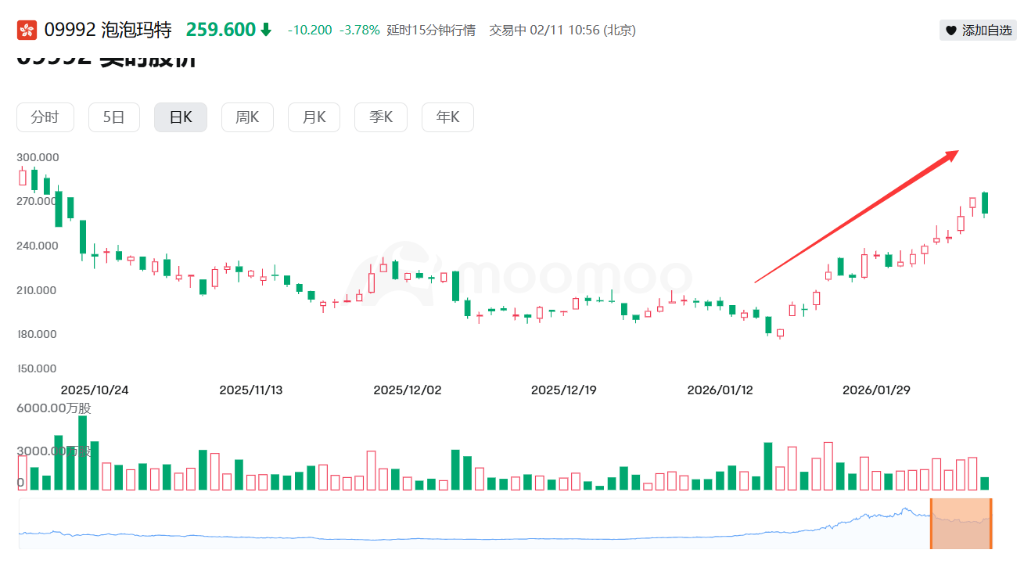
Core Viewpoint - Despite a 50% surge in stock price within a month, short-sellers are intensifying their positions against Pop Mart, leading to a precarious standoff in the market [1]. Group 1: Stock Performance and Short-Selling Dynamics - Pop Mart's stock has seen a significant increase, yet short-sellers have not retreated, with short positions rising from 2% to 16% of free-floating shares [1]. - The short squeeze risk score for Pop Mart has reached the maximum of 100, indicating potential for a rapid price increase if the stock continues to rise [1]. - The current market structure shows a larger short position compared to institutional long holdings, creating a crowded one-sided bet [1]. Group 2: Market Sentiment and Analyst Insights - There is a notable divergence in market sentiment regarding Pop Mart's future growth, particularly in overseas markets, with short-sellers expressing skepticism [4]. - Despite management's efforts to support the stock price through buybacks, short interest has continued to rise, indicating a lack of confidence in the company's fundamentals [5]. - Analysts have pointed out that the recent stock price increase is not driven by fundamental factors, suggesting that short-sellers may see this as an opportunity to increase their positions [5]. Group 3: Potential for Market Volatility - The ongoing battle between the company's defensive measures and the aggressive stance of short-sellers is escalating, with both sides preparing for potential volatility [7]. - The market is at a critical juncture, where either a forced exit by short-sellers due to margin pressure could lead to a price surge, or deteriorating fundamentals could burst the stock price bubble [7].

散户们把白银玩成了“万人坑”
华尔街见闻· 2026-02-05 09:56
Core Viewpoint - The article discusses the dramatic collapse of silver prices, which fell by 40% in just three days, leading to significant losses for retail investors who had previously viewed silver as a potential investment opportunity akin to GameStop in 2021 [4][7][8]. Group 1: Market Dynamics - On January 26, silver ETF (SLV) trading volume reached an astonishing $39.4 billion, nearly matching the S&P 500 ETF (SPY) at $41.9 billion, indicating a speculative frenzy [12][13]. - Analysts noted that silver had become severely overvalued, driven by retail investor enthusiasm rather than industrial demand, leading to a price surge that was unsustainable [15][16]. - The price of silver had doubled within three months, completely detached from its fundamental value, primarily due to retail investor speculation [15][16]. Group 2: Causes of the Collapse - The collapse began on January 30, with a massive sell-off triggered by increased margin requirements set by the Chicago Mercantile Exchange (CME), which raised silver futures margin requirements by 50% [23][30]. - This sudden increase in margin requirements forced many retail investors to liquidate their positions, leading to a cascading effect of further sell-offs and price declines [24][25]. - The timing of the margin increase coincided with a significant drop in silver prices, creating a vicious cycle where forced liquidations exacerbated the market downturn [25][29]. Group 3: Institutional Advantage - While retail investors faced forced liquidations, institutional players, such as JPMorgan, were positioned to benefit from the chaos, capitalizing on the lower prices to acquire silver [26][39]. - Institutions had access to emergency liquidity from the Federal Reserve, allowing them to navigate the market turmoil more effectively than retail investors, who lacked similar resources [27][28]. - The disparity in response capabilities between retail investors and institutions highlighted the structural advantages that large financial entities possess in volatile market conditions [29][32]. Group 4: Conclusion - The article concludes that silver remains a perilous investment for retail investors, likening it to a "death trap" where emotional trading against institutional strategies often leads to significant losses [41][43]. - The financial market is portrayed as an uneven playing field, where retail investors, driven by sentiment, are at a disadvantage compared to algorithm-driven institutional players [41][42].

3月,才是白银多空对决巅峰时刻
Ge Long Hui· 2026-02-02 14:56
Core Viewpoint - The recent unprecedented drop in silver prices, with a single-day decline of over 30%, has caused significant turmoil in the market, leading to account liquidations for many investors [1][2][4]. Market Dynamics - The current market sentiment is characterized by extreme fear, making it difficult to predict future price movements [5][6]. - The silver market is experiencing a critical battle between bulls and bears, with the bears currently gaining the upper hand, although there may still be opportunities for a bullish rebound [7]. Inventory and Delivery Insights - The upcoming March contract delivery period is expected to be a significant battleground for silver trading, with recent data indicating a systematic depletion of deliverable silver inventory [8][9]. - COMEX silver total inventory has sharply decreased from 16,550 tons in September 2025 to 12,624.5 tons by the end of January 2026, marking a 23.7% decline over six months [10]. - The delivery demand for silver has surged, with record-breaking delivery volumes observed: 1,555.2 tons in October 2025, 1,959.6 tons in December 2025, and 1,288.9 tons in January 2026, representing a 300% year-on-year increase [12]. Supply and Demand Imbalance - As of early February, the delivery volume reached 354.37 tons, equivalent to 52.5% of the total delivery for February 2025, indicating a rapid consumption rate [14]. - The effective deliverable inventory is alarmingly low, with only 62-78 tons available, which is less than 3% of the total inventory [14]. - The global silver market has faced a continuous shortage for six years, with a projected shortfall of 3,660 tons in 2025 and an expected increase to 7,000-8,000 tons in 2026 [17]. Future Price Projections - The ongoing supply-demand imbalance suggests that silver prices are likely to continue rising, even if a short-term price squeeze does not occur in March [22]. - The potential for a price squeeze remains high due to the decreasing inventory levels, especially if no significant new inventory is added [21]. Regulatory Impact - Recent increases in margin requirements by exchanges have contributed to the market's volatility, forcing leveraged positions to liquidate [23]. - While these measures may temporarily suppress market sentiment, they cannot alter the fundamental issues of declining inventory and increasing demand [24]. Monitoring Indicators - Key indicators to watch include daily changes in COMEX registered warehouse receipts, contract delivery notifications, silver borrowing rates, and the extent of regulatory interventions, which will help assess the outcome of the March market dynamics [25].
逼空退潮还是牛市回调?白银创新高后暴跌8.7% 录得自1980年来最大单日美元跌幅
Zhi Tong Cai Jing· 2025-12-29 22:24
Group 1 - Silver prices experienced a significant drop after reaching a historical high, raising concerns about the sustainability of the recent price surge [1] - The most active silver futures contract closed at $70.46 per ounce, marking an 8.7% decline, the largest single-day dollar drop since January 22, 1980 [1] - Gold prices also fell over 4%, closing at $4,330, following a day when silver hit a record closing high [1] Group 2 - The recent decline in silver prices is attributed to increased margin requirements set by the Chicago Mercantile Exchange (CME), which raised the capital needed to trade precious metals [2] - Analysts suggest that the current market volatility is exacerbated by a shift towards speculative trading among Western investors, who are moving from gold to silver [2] - Despite the sharp short-term correction, some analysts view it as a healthy adjustment rather than a reversal of the long-term bullish trend [2][3] Group 3 - Silver is recognized not only as an investment asset but also as a critical industrial metal, with strong demand in sectors like renewable energy and artificial intelligence [3] - The recent volatility in silver prices is seen as a result of a combination of short-squeeze dynamics in the futures and options markets [3] - Overall market sentiment for risk assets has cooled, as evidenced by declines in major U.S. stock indices and Bitcoin [3]
大宗商品年末大戏:铂钯银盛宴,碳酸锂疯狂、多晶硅逼空、焦煤纠结、黄金怪象...
对冲研投· 2025-12-20 04:05
Group 1: Double Coke Market Analysis - The current supply side is relatively loose, with high import volumes from Mongolia and increased production rates from domestic coking plants due to improved profit margins from lower raw material prices [2][3] - Demand is weakening as winter sets in, leading to reduced steel production and lower consumption of coking coal, resulting in increased inventory levels for both coking plants and steel mills [2][3] - The market is experiencing a tug-of-war between optimistic policy news and the harsh reality of increased supply, decreased demand, and rising inventories [3] Group 2: Lithium Carbonate Market Dynamics - The recent price surge in lithium carbonate is supported by a solid fundamental basis, with ongoing inventory reduction and stable demand from the electric vehicle and energy storage sectors [6][7] - A significant announcement regarding the cancellation of mining rights in Yichun triggered a strong emotional response in the market, despite its minimal actual impact on lithium supply [9][10] - The price increase was further fueled by short sellers being forced to cover their positions as prices rose, creating a feedback loop that pushed prices higher [11] Group 3: Polysilicon Market Overview - The recent price increase in polysilicon is characterized as a "short squeeze," driven by a combination of regulatory factors, supply scarcity, and market expectations of coordinated price stabilization efforts among major producers [12][13] - Despite the bullish sentiment in the futures market, the actual polysilicon industry faces significant overcapacity, with production utilization rates as low as 35%-40% and high inventory levels [14][15] - The divergence between the thriving futures market and the struggling physical market raises questions about the sustainability of current price levels [15] Group 4: Precious Metals Market Insights - Platinum is experiencing a supply shortage, with projections indicating a continuous deficit until 2029, driven by production challenges in South Africa and its emerging role in hydrogen fuel cells [17] - Silver's price surge is supported by strong industrial demand, particularly from the solar industry, coupled with low inventory levels, while financial market expectations of interest rate cuts further bolster its appeal [18] - Palladium's recent price increase is attributed to its relative underperformance compared to other precious metals, combined with geopolitical factors affecting supply [19] Group 5: Nickel Market Developments - Indonesia's proposed significant reduction in nickel production targets for 2026 has sparked market speculation about future supply tightness, although this remains a draft plan and not yet finalized [29][30] - The global nickel market is expected to face a supply surplus in 2026, with projected production of 4.02 million tons against a demand of 3.77 million tons, indicating ongoing overcapacity [30][31] Group 6: Global Macro Asset Market Trends - The U.S. stock market and the dollar are strengthening due to robust economic data and persistent inflation, which enhances the attractiveness of dollar-denominated assets [32] - Asian markets, particularly Chinese A-shares, are showing signs of undervaluation, suggesting potential long-term investment opportunities as they await catalysts for upward movement [33][34] - Commodity markets are experiencing differentiation, with energy and metals leading the gains, while gold remains in a high volatility phase, awaiting new directional cues [36]

白银:一场“逼空”行情酝酿中?
对冲研投· 2025-12-10 08:50
Market Trends - On December 10, the main silver futures contract on the domestic futures market surged by 5.44%, reaching a record high of 14,419.00 yuan/kg [1] - As of December 9, the world's largest gold ETF, SPDR Gold Trust, saw a decrease in holdings by 1.14 tons, with current holdings at 1,047.97 tons. Meanwhile, the largest silver ETF, iShares Silver Trust, maintained its holdings at 15,888.54 tons [1] Short Squeeze Dynamics - The current situation in the silver market resembles a potential "short squeeze," characterized by three key signals: 1. Price divergence from inventory, with silver prices rising significantly while global inventories are declining [4][6] 2. Strong demand for physical silver, particularly in industrial applications like photovoltaics, and a shift in markets like India towards silver due to high gold prices [7] 3. Accumulation of delivery pressure, as COMEX silver open interest remains high, with December being a delivery month, potentially forcing shorts to cover at higher prices [8] Risks Behind the Rally - The silver market has seen a 110% increase this year, leading to concerns about potential volatility due to high prices and market sentiment [9] - The sustainability of the short squeeze is uncertain; if exchanges increase delivery buffers or inventories are replenished, the short squeeze logic may weaken [10] - Leveraged products in the market can amplify both gains and losses, necessitating careful position management by investors [11] - Industrial demand may not be consistently realized, as technological substitutions and usage reductions could impact short-term demand growth [12] Future Outlook - Analysts suggest that the current price behavior of silver is more akin to gold's breakout in 2023-2024 rather than the bull markets of 1980 or 2011, indicating potential for further price increases in the future [13] - Expectations of interest rate cuts in December could bolster market sentiment, but the high price levels and overbought conditions may lead to increased sensitivity to macroeconomic news [14] - Structural supply-demand imbalances, particularly due to low capital expenditure in mining and increased demand from India, are contributing to the upward pressure on silver prices [15] - The overall market remains in a tight supply situation, with low inventories and strong ETF demand, creating a challenging environment for price declines [16][17]

四万多吨铜搬去美国,国际铜商摩科瑞亮出底牌,就是要逼空铜
Sou Hu Cai Jing· 2025-12-06 00:39
Core Viewpoint - A Swiss trading company, Mercuria, executed a significant copper withdrawal from LME warehouses in Asia, indicating a strategic move to capitalize on price differentials and potential tariff implications in the U.S. market [1][3]. Group 1: Market Dynamics - Mercuria's withdrawal of over 40,000 tons of copper on December 2, valued at approximately $460 million, led to a surge in LME warehouse copper withdrawal requests, reaching the highest single-day increase since 2013 [1]. - The U.S. market is experiencing heightened demand for copper, driven by policy expectations and potential tariffs, prompting traders to rush shipments to the U.S. before any new tariffs are implemented [3][5]. - The current market conditions have resulted in a significant price disparity, with Comex copper futures trading over $1,400 per ton higher than LME prices, creating what Mercuria's executives describe as an optimal arbitrage opportunity [3]. Group 2: Inventory and Pricing Effects - The movement of copper to the U.S. has caused a severe imbalance in global inventory distribution, with U.S. warehouses overflowing while LME inventories are rapidly depleting; Mercuria's withdrawal accounted for 35% of LME's total inventory at that time [6]. - The drastic reduction in LME inventory has led to a sharp increase in spot prices, with the premium for immediate delivery copper rising to $88 per ton by early December, a reversal from the previous month when futures prices were higher [8]. - The upcoming LME contract settlement date on December 17 raises concerns for short sellers who may struggle to fulfill delivery obligations due to low inventory levels, potentially triggering a "short squeeze" that could further elevate prices [8]. Group 3: Supply Chain and Production Challenges - Global copper supply is under pressure, with significant production disruptions reported from major mines, including a projected reduction of 200,000 tons from Indonesia's Grasberg mine due to a landslide [11]. - Chilean copper mines are also facing operational issues, leading to lowered production targets, highlighting the fragility of the copper supply chain [11]. - The increasing demand for copper from sectors such as electric vehicles, renewable energy, and data centers is expected to sustain long-term growth in copper consumption, further complicating supply dynamics [11]. Group 4: Mercuria's Strategic Positioning - Mercuria has transitioned from a traditional oil trading giant to a significant player in the metals trading sector, employing a "light asset" model that leverages financial instruments to secure upstream supply agreements [13]. - The recent copper withdrawal exemplifies Mercuria's ability to influence market dynamics and pricing structures, showcasing its growing power in the copper market [13]. - The ongoing "copper relocation" led by trading giants like Mercuria is reshaping global resource flows, reflecting broader concerns over resource security amid geopolitical uncertainties [13].
涨得比黄金还“疯”!印度韩国掀起抢购潮
Sou Hu Cai Jing· 2025-12-02 02:25
Core Insights - Silver has experienced a remarkable price increase of nearly 100% this year, reaching a peak of $57.863 per ounce, leading to a global buying frenzy [1] - The current surge in silver prices is attributed to a unique "short squeeze" scenario in the futures market, reminiscent of historical events [2] - The supply of silver is critically low, with only about 4,000 tons available for trading in London, significantly down from 8,000-9,000 tons at the end of last year [1][2] Supply and Demand Dynamics - The London silver market is facing a severe shortage, with a significant portion of the inventory tied up in ETFs, making it difficult for short sellers to find physical silver for delivery [1] - The rental rate for silver in London surged to over 30% due to the scarcity of available silver [1] - Industrial demand for silver is a key driver of its price increase, with a projected 4% growth in industrial silver demand in 2024, reaching 680.5 million ounces [3] Regional Market Trends - In India, there has been a notable shift in consumer behavior, with many opting to purchase silver instead of gold due to its lower price, leading to a surge in demand during the festival season [2] - South Korea has also seen a dramatic increase in silver bar sales, with orders rising tenfold compared to the previous year, prompting banks to suspend silver bar sales due to supply shortages [2] - The domestic market in China is experiencing similar trends, with reports of silver bar shortages and increased demand from consumers [2][3] Investment Considerations - While silver has outperformed gold in 2023, its long-term price stability is less certain due to its higher volatility and greater reliance on industrial demand, which constitutes over 50% of its consumption [3] - The financial attributes of silver, combined with supply-demand dynamics, are expected to continue supporting its price, but caution is advised regarding potential price corrections [3]