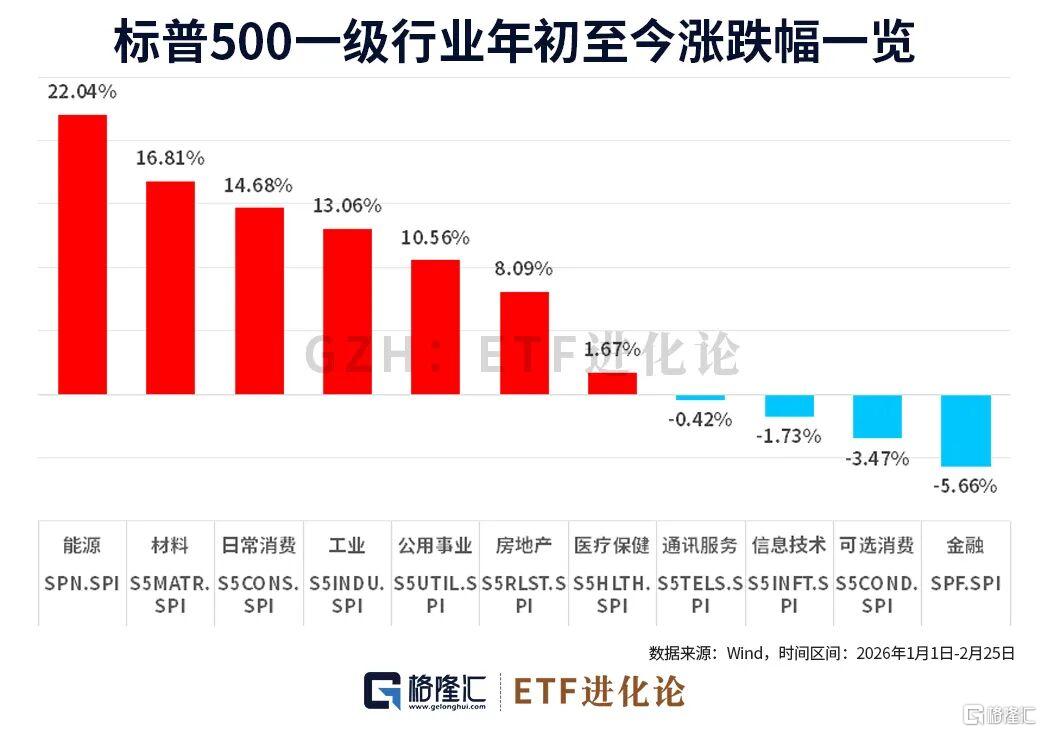
HALO概念

Search documents
联想集团CFO郑孝明:战略目标是未来两年实现净利润率翻倍
Xin Lang Cai Jing· 2026-04-01 07:15
Core Insights - Lenovo Group aims to achieve over $100 billion in revenue and a net profit margin exceeding 5% by the fiscal year 2026/27, transitioning fully into an AI-native company [1][2][3] - The target for net profit margin is particularly noteworthy, as Lenovo's adjusted net profit margin was approximately 2.7% in Q3 of the fiscal year 2025/26, indicating a potential doubling of this margin in the next two years [1][2] Company Strategy - The company has identified a clear path to enhance profitability, exemplified by the acquisition of storage company Infinidat, which has a gross margin of 70%-85% [2][3] - Lenovo's strategic goals include achieving $100 billion in revenue, improving profitability to over 5% net profit margin, and fully transforming into an AI-native company [2][3] Market Environment - There is a noticeable resurgence in global investor interest in Chinese tech stocks, with Hong Kong regaining its status as the largest IPO market globally, reflecting increased confidence in Chinese tech companies, particularly in the AI sector [1][2] - The current investment trend towards the "HALO" concept, which emphasizes heavy assets and low risk of obsolescence, aligns well with Lenovo's strategic advantages [3] Operational Capacity - Lenovo operates 32 manufacturing plants globally, providing sufficient capacity to support rapid growth in AI business [3] - The company boasts the most comprehensive and scalable product portfolio from AI training and inference to end-device interaction, positioning it favorably in the AI development landscape, covering a market space exceeding $3 trillion [3]

招商交通运输行业周报:油运中期逻辑仍向好,红利资产近期配置价值提升-20260330
CMS· 2026-03-30 14:35
Investment Rating - The report maintains a "Recommendation" rating for the industry [3] Core Insights - The mid-term outlook for the oil shipping industry remains positive, with increased value in dividend assets for recent allocations [1] - High oil prices are raising stagflation expectations, highlighting the defensive value of dividend assets [1] - The report emphasizes the importance of monitoring the impact of oil prices on industry profitability across various sectors [1] Shipping Sector Summary - The shipping industry is experiencing rising freight rates due to escalating regional conflicts and increased fuel costs, with significant price increases noted in major shipping routes [11][29] - The demand for oil tankers is expected to surge if the geopolitical situation stabilizes, despite current challenges in the Strait of Hormuz affecting shipping volumes [7][13] - Recommended stocks in the shipping sector include COSCO Shipping Energy, COSCO Shipping Holdings, and others [7] Infrastructure Sector Summary - Recent data shows a slight increase in truck traffic and stable performance in major infrastructure assets, with a focus on dividend yield [20][19] - The report suggests that port assets are currently undervalued and could benefit from geopolitical tensions, making them attractive for investment [20] - Recommended stocks include Anhui Expressway, Datong Railway, and others [20] Express Delivery Sector Summary - The express delivery sector shows signs of recovery with stable demand growth, despite a slight decline in recent weekly volumes [21][22] - The report highlights the low valuation of the sector and the potential for profit growth due to rising fuel surcharges [22] - Recommended stocks include SF Express, Shentong Express, and others [22] Aviation Sector Summary - The aviation industry is witnessing a steady increase in passenger volume, but there are concerns regarding the impact of rising oil prices on profitability [23][24] - The report notes that domestic ticket prices have increased, which may help offset fuel costs [24] - The report advises monitoring the actual ticket price performance and its ability to cover fuel costs [24]




港股有好几个炸裂的消息
表舅是养基大户· 2026-03-25 13:33
Group 1 - The core viewpoint of the article discusses the unexpected surge in stock prices of major food delivery companies like Meituan, Alibaba, and JD after a government article suggested the end of the "food delivery war," which has negatively impacted market prices and CPI [1][3][4] - The article highlights the unusual timing of the market reaction, noting that the stock prices only began to rise after the article gained traction, despite being published earlier in the day [5][6] - The author believes that the article's impact is overstated, as regulatory measures regarding the food delivery industry have been ongoing since last year, and the competition will continue in a more regulated manner rather than coming to an end [8] Group 2 - Pop Mart's stock experienced a significant drop of 22.5% on the day of its earnings report, marking its largest single-day decline and turnover rate in three years [12][14] - The decline occurred in two phases: an initial drop of 15% after opening, followed by a further decline post-earnings call, attributed to lower-than-expected revenue and concerns over the company's reliance on a single IP, Labubu, which constitutes over 38% of total revenue [11][16][17] - The earnings call revealed a pessimistic outlook for future growth, with management indicating that the company has moved past its high-growth phase, which further contributed to the stock's decline [18] Group 3 - Xiaomi's stock initially fell 3.5% after its earnings report but rebounded due to the positive sentiment from the food delivery industry news, ultimately closing down only 0.5% [22] - The decline in Xiaomi's profits was primarily driven by a 30% drop in operating profit in Q4, largely due to challenges in its smartphone business, although its automotive segment has shown promise [22] - Li Auto's stock rose over 4% following a $1 billion share buyback announcement, reflecting its strategic response to competitive pressures in the new energy vehicle market [23][25] Group 4 - The article discusses the competitive landscape among new energy vehicle manufacturers, highlighting the challenges faced by Li Auto compared to its rivals NIO and Xpeng, particularly in terms of market positioning and product offerings [26][28] - Li Auto's strategy of focusing on family-oriented vehicles has become less effective due to increased competition in the SUV and MPV markets, and regulatory changes favoring pure electric vehicles have complicated its growth prospects [27][30] - The article suggests that the future of Li Auto may be uncertain, as it struggles to keep pace with competitors who have successfully launched popular models [29][30]


招商交通运输行业周报:红利资产配置需求提升,油运中期逻辑仍向好-20260315
CMS· 2026-03-15 08:34
Investment Rating - The report maintains a recommendation for the transportation industry, indicating a positive outlook for investment opportunities in shipping, infrastructure, express delivery, and aviation sectors [2]. Core Insights - The report highlights the increasing demand for dividend assets due to high oil prices, which enhances their defensive value in the current economic climate [6][20]. - It emphasizes the mid-term positive logic for the shipping industry, particularly in oil transportation, while also noting the potential for valuation recovery in the express delivery sector [6][22]. Shipping Sector Summary - Shipping rates are experiencing fluctuations, with oil transportation rates remaining high. The report suggests monitoring the actual passage conditions in the Strait of Hormuz, which could impact future rates [6][12]. - The report notes significant increases in shipping rates for routes to the Middle East and India due to regional tensions and rising fuel costs, while also indicating a potential decline in rates for oil tankers due to reduced cargo volumes [6][10]. - Recommended stocks in the shipping sector include COSCO Shipping Energy, COSCO Shipping Holdings, and others [6][18]. Infrastructure Sector Summary - High oil prices are leading to inflationary expectations, making dividend assets more attractive for investment. The report provides weekly data showing a 40.6% increase in truck traffic compared to the previous week, although year-on-year figures show a decline [20][18]. - The report suggests that ports, as stable cash flow assets, are currently undervalued and recommends stocks such as Anhui Expressway and Qingdao Port for investment [20][19]. Express Delivery Sector Summary - The express delivery sector is showing signs of recovery, with a projected increase in demand growth. The report indicates that the overall valuation of the sector is low, and the recovery of demand could lead to price support [22][21]. - Key players in the express delivery market include SF Express and YTO Express, with expectations for improved profitability due to operational optimizations [22][21]. Aviation Sector Summary - The aviation industry is witnessing a steady increase in demand, but there are concerns regarding the impact of rising oil prices on profitability. The report highlights a slight year-on-year increase in passenger traffic, with domestic ticket prices showing a decline [27][24]. - The report advises caution regarding the potential for short-term spikes in oil prices and their long-term effects on airline profits [27][24]. Logistics Sector Summary - The logistics sector is experiencing fluctuations in air freight prices, with a noted decrease in the Shanghai outbound air freight price index. The report also mentions a significant increase in the chemical price index [28][28].


业绩平稳增长+港股通加持,彰显周大福创建(0659.HK)的长期底色
Ge Long Hui· 2026-03-11 02:16
Core Viewpoint - Chow Tai Fook's mid-term performance for the fiscal year 2026 is solid, showcasing robust financial results and a strong underlying asset logic [1] Financial Data Summary - Shareholders' profit reached HKD 1.334 billion, a year-on-year increase of 15% [2] - The company declared an interim dividend of HKD 0.28 per share, marking a 3% increase compared to the same period last year, with a total dividend amount of HKD 1.27 billion, up 6% [2] - The net debt ratio decreased from 39% to 34%, and short-term debt significantly reduced from HKD 9.4 billion to HKD 6.8 billion, indicating positive financial optimization [2] - As of December 31, 2025, the total available liquid funds amounted to approximately HKD 31 billion [2] Business Segment Analysis - **Financial Services Segment**: This segment showed remarkable growth, with operating profit increasing by 19% to HKD 729 million. Chow Tai Fook Life Insurance's annualized premium surged by 48% to HKD 2.288 billion, and new business value grew by 39% to HKD 733 million [3] - **Logistics Segment**: Despite short-term pressures, the company is expanding its logistics portfolio, acquiring multiple properties to enhance cash flow and returns, with a total rental area of approximately 14.5 million square feet [4] - **Other Segments**: The road segment saw a 1% increase in operating profit to HKD 771 million, while the facilities management segment reported an 11% increase in EBITDA [4] Capital Operations and Market Outlook - The company issued low-interest exchangeable bonds worth HKD 2.218 billion in October 2025, showcasing innovative financing strategies [5] - Chow Tai Fook was re-included in the Hang Seng Composite Index and the Hong Kong Stock Connect, which is expected to enhance stock liquidity [5] Institutional Perspectives - Major banks have given positive ratings post-earnings release, with HSBC raising profit forecasts and maintaining a target price of HKD 10.1, while CITIC Lyon increased its target price to HKD 11.5, citing the potential for valuation re-evaluation [6][7] Conclusion - Chow Tai Fook's mid-term performance is characterized by strong financial results, with significant contributions from the financial services and road segments, alongside strategic expansion in logistics. The company has successfully reduced leverage, increased cash flow, and raised dividends, aligning with the global trend towards "heavy asset rental" models. The stock has appreciated nearly 18% year-to-date, outperforming the Hang Seng Index [9]

A股策略周报:中国即HALO,实物即方舟
SINOLINK SECURITIES· 2026-03-01 10:24
Group 1: AI Disruption Concerns - Nvidia's Q4 2025 earnings exceeded market expectations by 5.5%, yet its stock price fell over 8% in three trading days, marking the largest decline in three years[3] - Since November 2022, Nvidia's stock price has diverged from its EPS, indicating ongoing market concerns about AI disruption[3] - The capital expenditure of major tech companies remains high, with a projected total of $670 billion for 2026, reflecting a growth rate of over 60%[3] Group 2: Market Trends and Asset Resilience - A-share companies have a higher proportion of tangible assets compared to their US counterparts, indicating stronger resilience against potential AI disruptions[4] - The manufacturing and materials sectors in China contribute a higher value-added percentage compared to other developed economies, enhancing their attractiveness to global investors[4] - In the US, heavy asset sectors like utilities, energy, and materials have significantly outperformed light asset sectors in Q4 2025, with revenue and profit exceeding expectations by over 5% and 15% respectively[3] Group 3: Resource Commodities and Geopolitical Factors - The US government is increasing its focus on strategic resources, as evidenced by the "Treasury Plan" and Zimbabwe's suspension of lithium exports, indicating a rising demand for key minerals[5] - Current US copper inventory is approximately 30% of annual consumption, suggesting room for growth compared to historical levels[5] - Geopolitical tensions in the Middle East could lead to oil prices rising to $90 per barrel, which may reverse the downward trend in US inflation[6]
A股策略周报20260301:中国即HALO,实物即方舟-20260301
SINOLINK SECURITIES· 2026-03-01 08:54
Group 1 - The report highlights ongoing concerns regarding AI disruption, as evidenced by Nvidia's recent earnings report, which exceeded expectations but resulted in a significant stock price decline, indicating market apprehension about AI's impact on profitability [3][14][20] - There is a notable divergence between Nvidia's earnings per share (EPS) and stock price trends, with EPS rising while stock prices have weakened, reflecting investor skepticism about sustainable growth in AI-related revenues [3][14][24] - The report draws parallels between the current situation in the US tech sector and the decline of renewable energy assets in China in 2022, where rising capital expenditures did not translate into improved market valuations due to deteriorating fundamentals [3][20] Group 2 - The report emphasizes that Chinese assets are more resilient to AI disruption compared to US assets, as A-share companies are more concentrated in mining and manufacturing sectors, which are less susceptible to AI replacement [4][41] - Chinese companies generally have a higher proportion of tangible assets relative to total assets compared to their US counterparts, enhancing their ability to withstand potential AI-related shocks [4][41][47] - The manufacturing and materials sectors in China contribute a larger share of value-added compared to other major developed economies, positioning Chinese assets as valuable in the context of global investment [4][50] Group 3 - The report notes an increasing focus from overseas governments on strategic resource commodities, with initiatives like the US Treasury's "Treasury Plan" and Zimbabwe's suspension of lithium exports highlighting the geopolitical importance of these resources [5][51] - The demand for key minerals is rising at the government level, particularly in the US, where securing supply chains for critical minerals has become a strategic priority [5][51][56] - Supply-side dynamics are also shifting, as resource-rich countries are implementing policies that could disrupt supply and drive up prices, reflecting a trend towards resource nationalism [5][56][59] Group 4 - The report discusses the potential impact of geopolitical tensions in the Middle East on oil prices, suggesting that if oil prices rise to $90 per barrel, it could reverse the downward trend in US inflation [6][63] - The relationship between oil price fluctuations and US Consumer Price Index (CPI) growth has weakened over the past three years, indicating a complex interaction between energy prices and inflation metrics [6][63]

高盛首提HALO概念,相关资产化工ETF天弘(159133)实时净申购近3000万份
Mei Ri Jing Ji Xin Wen· 2026-02-27 06:40
Group 1 - The chemical sector has shown a positive trend, with the chemical ETF Tianhong (159133) experiencing a net inflow of 1.969 billion yuan over the last 30 trading days, reaching a total fund size of 2.875 billion yuan, a new high since its listing [1] - The underlying index of the chemical ETF has increased by 60.09% over the past year, with major allocations in chemical products (26.18%), agricultural chemicals (22.71%), and chemical raw materials (14.01%) [1] - Key constituent stocks of the ETF include Wanhua Chemical, Yilong Co., Cangge Mining, Tianci Materials, and Hualu Hengsheng [1] Group 2 - The chemical sector is influenced by multiple factors, including a recent price increase in disperse dyes and a significant rise in the prices of key intermediates, benefiting leading companies [2] - The U.S. has classified phosphorus and glyphosate as strategic resources, enhancing the strategic position of the phosphorus chemical industry [2] - Rising international oil prices due to geopolitical factors are providing cost support for chemical product prices, while policies aimed at reducing internal competition are optimizing the supply structure [2] - Investment in the chemical sector should focus on areas driven by policy that promote capacity clearance and increasing industry concentration, such as agricultural chemicals and fluorine chemicals, which are expected to benefit from the demand for new energy [2]
突然爆了!老登资产席卷全球
Ge Long Hui A P P· 2026-02-26 08:41
Group 1 - Nvidia's Q4 performance has exceeded expectations, leading to a surge in AI hardware stocks in the A-share market, with semiconductor ETFs in China and South Korea nearing their daily limit up, and electricity-related ETFs rising by 3% and 2.9% respectively [1] - A significant shift is occurring where technology growth is increasingly reliant on physical assets, marking a departure from the previous dominance of financial assets over physical assets [2][3] - The HALO concept, which combines heavy assets with low obsolescence, is gaining traction, indicating a paradigm shift in investment strategies towards assets that are less susceptible to technological changes [2][3] Group 2 - The rise in physical asset values is driven by geopolitical tensions and resource nationalism, which have made these assets more valuable as a safe haven compared to software and light asset industries [4] - The South Korean stock market has seen unprecedented growth, with the composite index surpassing 6000 points for the first time and achieving a year-to-date increase of 49.67% [4][5] - A-share market trends reflect a similar "physical asset supremacy," with significant gains in sectors such as construction materials, non-ferrous metals, and petrochemicals [7] Group 3 - ETFs with high physical asset content have dominated the performance charts, with several indices, including semiconductor and oil and gas resources, showing gains of over 25% year-to-date [10] - In the first two trading days of the year, A-share financing clients purchased a total of 57.5 billion yuan, indicating strong capital inflow into physical assets [13] - The top sectors for net buying include electronics, non-ferrous metals, and power equipment, highlighting investor interest in HALO stocks [17][18] Group 4 - High inflows into HALO-focused ETFs have been observed, with significant net purchases in gold, semiconductor materials, and electricity equipment ETFs [20] - The macroeconomic environment is favoring heavy asset industries, as manufacturing PMI has rebounded, surpassing service sector PMI [22] - Tech giants are projected to spend approximately $1.5 trillion on capital expenditures from 2023 to 2026, with $650 billion expected this year alone, indicating a strong focus on infrastructure investments [22]