烤鱼

Search documents
2023中国烤鱼行业洞察白皮书
Sou Hu Cai Jing· 2026-02-26 02:00
Group 1 - The core viewpoint of the report highlights the resurgence of the Chinese grilled fish industry, with a projected market size nearing 1.4 trillion yuan in 2023, driven by strong consumer demand and supportive government policies [1][14]. - Grilled fish has become a significant dining choice for over 70% of consumers, particularly favored by younger demographics, with nearly half of the consumers being born in the 1990s and 2000s [1][35]. - The consumption frequency is high, with most consumers dining on grilled fish at least once a month, and the average spending per visit ranges from 50 to 150 yuan, with 100 yuan being the most common price point [1]. Group 2 - The industry is experiencing a digital transformation, with brands enhancing operational efficiency and service quality through digital marketing and private traffic pools, leading to reduced customer acquisition costs [2][21]. - Flavor innovation and experiential upgrades are crucial for brands to differentiate themselves, with spicy flavors remaining popular and consumers showing openness to new taste profiles [2]. - The focus on creating a unique dining experience, including presentation and ambiance, is essential to attract younger customers and enhance brand visibility [2]. Group 3 - Brand building is increasingly important as companies develop unique IPs and engage in cross-industry collaborations to strengthen emotional connections with consumers [3]. - Social media and content marketing strategies, such as live streaming and short videos, are commonly used to reach younger audiences and enhance brand awareness [3]. - The industry is entering a new phase centered on quality, experience, and digital support, with companies excelling in product innovation and customer engagement likely to gain long-term consumer loyalty [3]. Group 4 - The competitive landscape is intensifying, with 16,922 new grilled fish outlets opened in the past year, particularly in Guangdong, Zhejiang, and Guizhou provinces [28][29]. - Consumer awareness and preference for leading grilled fish brands are growing, indicating a developing brand effect within the market [28][30]. - The demographic profile of grilled fish consumers shows a slight female majority at 54%, with a significant concentration of younger consumers, particularly in second and third-tier cities [35][36].


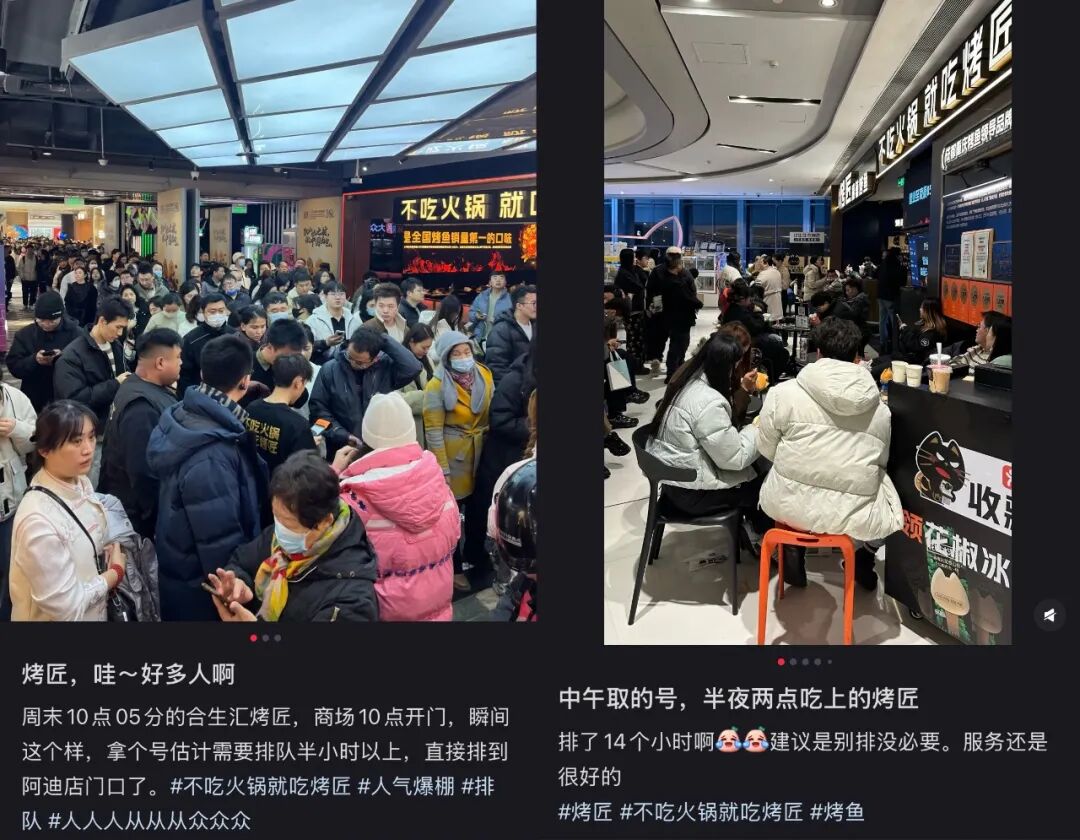
“中国版寿司郎”,排队15个小时等条鱼
3 6 Ke· 2026-02-25 10:28
Core Insights - The brand "Kaojiang" has generated significant consumer interest, with long queues at its Shanghai store, indicating a strong market presence and consumer demand [1][3][39] - Despite being a traditional product, Kaojiang's sales performance has been exceptional, with single-store revenue growth of 9.3%, 27.7%, and 15.6% from 2022 to mid-2024 [8] - The brand has successfully targeted the younger generation, creating a unique dining experience that emphasizes emotional value and social interaction [23][30] Consumer Behavior - On the opening day of the Shanghai store, over 6,300 tables were registered, with some customers waiting until 5 AM to dine [3][39] - The average spending per person at Kaojiang is higher than many competitors, with prices around 122 yuan in Shanghai and 114-116 yuan in Beijing, compared to the industry average of 80 yuan [9][10] - The brand has cultivated a "fan circle," with consumers actively promoting the restaurant on social media platforms, indicating strong brand loyalty [21][22] Market Position - Kaojiang operates in a highly competitive market, with a 48.9% closure rate in the restaurant industry, yet it has managed to thrive [7] - The brand's focus on classic flavors, particularly its signature spicy grilled fish, has allowed it to maintain a strong customer base despite the crowded market [12][13] - Kaojiang's innovative approach to dining, including late-night service and a focus on creating a comfortable atmosphere, has differentiated it from traditional competitors like Haidilao [28][29] Challenges and Risks - The restaurant industry is experiencing volatility, with market size fluctuating significantly from 2019 to 2024, indicating potential challenges ahead for Kaojiang [37] - Consumer feedback has highlighted issues related to food safety and service quality, which could impact the brand's reputation if not addressed [38] - The sustainability of Kaojiang's emotional value proposition is uncertain, as consumer preferences may shift over time, posing a risk to long-term customer retention [34][40]
经济学家解读“烤匠奇迹”,排队15小时、翻台10轮凭什么?
Mei Ri Jing Ji Xin Wen· 2026-02-06 10:10
Core Insights - The article highlights the success of the brand "烤匠" (Kao Jiang) in the competitive restaurant industry, showcasing its unique approach to product quality and customer experience, which has led to significant consumer loyalty and high demand [3][10][15] Group 1: Consumer Demand and Market Position - On its opening day, the Shanghai location of 烤匠 saw over 15 hours of waiting time, with more than 6,300 tables booked the following day, indicating strong consumer interest and demand [1][3] - The brand has achieved a remarkable repurchase rate of 22.33% by 2025, significantly higher than the average for traditional dining, demonstrating strong customer loyalty [3] - 烤匠's strategic expansion has been characterized by a "one city, one fire, one stability" approach, successfully navigating a challenging market environment [3][15] Group 2: Product Innovation and Quality - 烤匠 focuses on authentic flavors, particularly its signature spicy fish dish, which has been refined over the years to create a unique taste profile that resonates with consumers [5][9] - The brand has introduced innovative products such as handmade black bean desserts and a circular fish plate to enhance the dining experience, establishing a high barrier to imitation [5][9] - 烤匠 has been recognized as a leading brand in the Sichuan and Chongqing fish market, further solidifying its reputation through awards and consumer recognition [7] Group 3: Customer Experience and Engagement - The brand has transformed dining into a social and emotional experience, particularly for younger consumers, by offering personalized services such as birthday celebrations that cater to social anxieties [10][12] - 烤匠 has optimized various customer touchpoints, resulting in a seamless experience that has led to a membership base of 8 million, with over 60% of sales coming from members [12] - The brand actively involves its customers in co-creating experiences, from new product launches to store locations, enhancing emotional connections with the brand [12][14] Group 4: Long-term Strategy and Economic Impact - 烤匠's cautious expansion strategy, with only 77 stores opened in 13 years, reflects a commitment to long-term sustainability rather than rapid growth [15] - The brand's ability to adapt to consumer needs and create high-quality offerings has positioned it as a model for driving economic growth and consumer confidence [15][17] - Economic experts have noted that 烤匠's success is rooted in its understanding of consumer preferences and its ability to innovate within established frameworks, contributing to a positive cycle of consumption and production [15][17]
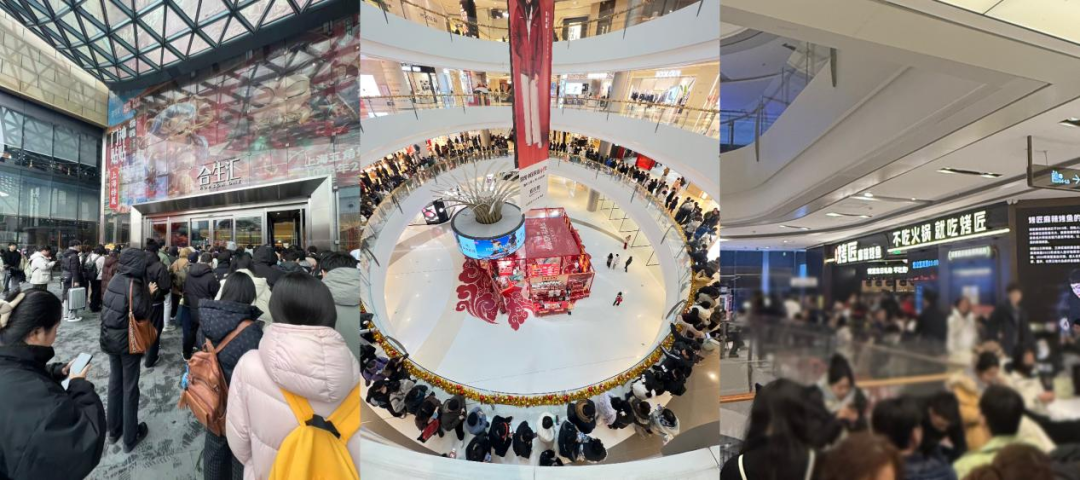
上海首店翻台率破10、排队15小时,反内卷的烤匠为何创造奇迹
第一财经· 2026-02-06 00:49
Core Insights - The article highlights the unique success of the restaurant brand "烤匠" (Kao Jiang) amidst a challenging Chinese dining market, showcasing its ability to attract long queues and maintain high customer engagement despite a general decline in the industry [5][6][18]. Group 1: Market Context - The Chinese restaurant industry is experiencing a significant brand elimination trend, with a projected closure rate of 48.9% by 2025, indicating that one in every two restaurants may face closure [5]. - Despite the overall market challenges, the total revenue for the restaurant industry reached 605.7 billion yuan in November 2025, reflecting a year-on-year growth of 3.2% [5]. Group 2: Company Performance - 烤匠 has opened 77 stores since its inception in 2013, becoming a well-known brand in the Sichuan region, with a strong reputation for its signature spicy grilled fish [6][12]. - The brand has achieved remarkable queue lengths, with its Shanghai store recording over 6,300 reservations and wait times of up to 15 hours on its opening day [3][15]. - The average table turnover rate for 烤匠 is significantly higher than industry standards, with some locations achieving rates above 10 times per day, indicating high operational efficiency [11][12]. Group 3: Consumer Engagement - 烤匠 has successfully created a unique dining experience that resonates with consumers, particularly the younger generation, by offering personalized services such as birthday celebrations and themed dining environments [19][25]. - The brand's overall repurchase rate reached 22.33% in 2025, demonstrating strong customer loyalty and satisfaction [25][29]. Group 4: Strategic Insights - 烤匠's strategy focuses on quality and customer experience rather than price competition, which has allowed it to thrive in a market characterized by price wars and promotional tactics [15][29]. - The brand emphasizes emotional connections and high-value experiences, which are increasingly important to consumers in a fluctuating economic environment [28][29]. Group 5: Future Outlook - 烤匠's approach serves as a model for navigating the current economic landscape, suggesting that brands that prioritize quality and customer relationships can achieve sustainable growth [29]. - The brand's success indicates a potential shift in consumer expectations, where emotional resonance and experiential value become key drivers of purchasing decisions [28][29].

16元跑腿取号还是线下等位6小时?北京烤匠排队热况引质疑
Bei Ke Cai Jing· 2025-12-29 06:16
Core Viewpoint - The article discusses the overwhelming popularity of the restaurant 烤匠 (Kao Jiang) in Beijing, highlighting the long wait times and customer experiences, while questioning whether the hype is genuine or a result of marketing strategies [1][28]. Group 1: Customer Experience - Customers are experiencing wait times of up to six hours, with some expressing frustration and suspicion regarding the restaurant's marketing tactics, such as "hunger marketing" [3][4]. - The restaurant has seen a significant influx of customers, particularly on weekends, leading to a situation where it is difficult to secure a table [2][12]. - Many customers are willing to endure long waits, driven by a sense of competition and the desire to try the food, while others have left due to the high time cost [3][4]. Group 2: Operational Challenges - The restaurant's inability to offer takeout or online reservations contributes to the long wait times, as customers must queue in person [5][13]. - The limited seating capacity exacerbates the situation, with a small number of tables available across various locations, leading to a bottleneck during peak hours [13][15]. - The restaurant has implemented measures to ensure fairness in the queue system, but there are loopholes that allow for potential abuse, such as the ability to take multiple numbers using similar phone numbers [17][20]. Group 3: Marketing and Brand Positioning - The sustained popularity of 烤匠 is attributed to various factors, including the novelty of new store openings, social media influence, and the appeal of Sichuan cuisine in Beijing [28]. - The restaurant's marketing strategy has created a perception of exclusivity and desirability, but it raises questions about long-term customer retention and satisfaction as wait times remain high [28]. - Observers note that while the current demand is strong, the restaurant must consider how to maintain its customer base and improve service efficiency as competition increases [28].

探鱼到底做了什么,让年轻人纷纷喊“太会玩了”?
Zhong Guo Shi Pin Wang· 2025-11-13 12:38
Core Insights - The core idea of the article revolves around the innovative marketing strategies employed by the company, Tanyu, to engage Generation Z consumers through immersive experiences and emotional connections [2][10]. Group 1: Marketing Strategies - Tanyu launched a themed event "Fish See Good Luck" in Shanghai from September 10 to 17, featuring a collaboration with the popular IP LABUBU, which resulted in over 3 million brand exposures through various channels [1][2]. - The company utilized a multi-channel communication strategy, including social media platforms like Douyin and Xiaohongshu, to enhance brand visibility and drive in-store traffic [1][2]. - Tanyu's marketing approach effectively transformed dining into an emotional release space for young consumers, aligning with their interests in trendy collectibles and social currency [2][10]. Group 2: Product Launch and Influencer Marketing - On October 18, Tanyu introduced new stir-fry dishes while inviting a popular influencer with millions of followers to serve as a "one-day store manager," leveraging high traffic from social media to promote the new product line [6][10]. - This strategy aimed to reshape consumer perceptions of the brand and integrate product promotion with engaging content creation, making it more relatable to the target audience [6][10]. Group 3: Cross-Industry Collaboration - Tanyu's collaboration with China Eastern Airlines during the National Day travel peak involved branding on boarding passes, extending the brand's reach beyond traditional dining settings to travel scenarios [9][10]. - This initiative not only increased brand exposure but also reinforced brand memory in consumers' minds, potentially driving future in-store visits [9][10]. Group 4: Overall Marketing Philosophy - Tanyu's marketing activities reflect a consistent strategy focused on engaging young consumers by targeting their interests, maximizing traffic during peak times, and reinforcing brand recognition [10][11]. - The company emphasizes a shift from product-centric marketing to creating emotional experiences that resonate with consumers' real needs and consumption scenarios, aiming for a seamless conversion from interest to actual purchases [10][11].

《进化的力量》刘润2025年度演讲六大核心迁徙体系精炼(附演讲全文)
首席商业评论· 2025-10-26 04:34
Core Viewpoint - The article emphasizes the necessity for businesses and individuals to undergo "migration" in response to the systemic "drought" in ecological niches, which is characterized by the end of growth opportunities and increased competition. This migration involves abandoning old advantages and moving towards new demands, capabilities, markets, organizations, and technological orders [4][5][6]. Group 1: Overall Framework - The speech is structured into eight major parts, focusing on six critical migrations that determine whether a business can survive and grow: category migration, value migration, model migration, overseas migration, intelligent migration, and demographic migration [4][6]. - The overarching theme is that in an environment of "ecological drought," businesses must strategically migrate to survive and rebuild growth [4][5]. Group 2: Major Migrations 1. Category Migration - Category rigidity arises from excessive optimization of old demands and slow responses to new demands. Innovation requires redefining problems rather than merely improving existing solutions [6][8]. - A methodology for category migration includes stopping current practices, redefining the problem, and addressing new demands [6][8]. 2. Value Migration - The consumption landscape is shifting towards a "value reordering" era, where consumers exhibit frugality in some categories while being generous in others, indicating a shift from pure price sensitivity to emotional and meaningful consumption [8][9]. 3. Model Migration - As product life cycles end, core capabilities can still migrate and create new value. The key to successful migration lies in capability assessment, market scanning, and model validation [10][11]. 4. Overseas Migration - In increasingly crowded domestic markets, "going overseas" serves as a systematic migration strategy, offering new market opportunities and validating capabilities on a global stage [15][16]. 5. Intelligent Migration - AI and smart technologies are not merely tools but cognitive extensions that redefine human-machine collaboration, altering efficiency and business models [16][17]. 6. Demographic Migration - Changes in population dynamics, such as declining birth rates and aging populations, serve as long-term demand reshapers, impacting various industries [18][19]. Group 3: Practical Recommendations - Companies should conduct capability assessments, identify three unique capabilities, and explore new applications for these capabilities in adjacent industries [19][20]. - Businesses are encouraged to view overseas expansion as a means to amplify capabilities rather than a short-term revenue fix [20][21]. - The article suggests designing emotional touchpoints and small satisfactions to enhance customer loyalty and word-of-mouth [21][22]. Group 4: Conclusion and Action Items - The conclusion stresses that when ecological conditions are harsh, migration is preferable to mere competition. The six core migrations are essential for businesses to survive and grow [22][23]. - Immediate actionable items for companies include conducting a "river crossing meeting" to reassess priorities, performing capability inventories, and experimenting with both functional and emotional product lines [25][26].
烤匠麻辣烤鱼创始人冷艳君:老顾客近六成 拒打价格战 烤匠要从“网红”变为“长红”
Bei Jing Shang Bao· 2025-05-29 08:12
Core Insights - The 2025 Beijing Catering Industry High-Quality Development Conference was held on May 29, focusing on enhancing the capital's catering industry [2] - The conference gathered government departments, leading catering enterprises, industry experts, and skill masters to discuss upgrading paths for the catering industry [2] Company Insights - The founder of Kuaijiang, Leng Yanjun, highlighted that the brand, established in December 2013, has focused on the Sichuan-Chongqing market and has opened 70 direct-operated stores in that region before entering Beijing [2] - Kuaijiang officially entered the Beijing market in September 2024, with its first store located in He Shenghui, followed by two more stores in January and April 2025 [2] - The brand has experienced high customer turnout in Beijing, with nearly 60% of customers being repeat visitors from the Sichuan-Chongqing region, benefiting from a strong customer base built over 11 years [2] Industry Insights - Kuaijiang differentiates itself in the competitive grilled fish market through product innovation and deep research into the origins of grilled fish, focusing on flavor, product, and serving ware upgrades [3] - The company has chosen not to engage in price wars, maintaining its pricing strategy even during challenging times, and instead focuses on creating differentiated value based on customer needs [3] - Kuaijiang's target demographic primarily consists of young women, with gatherings among couples and friends making up 90% of its customer base, leading to tailored services for special occasions like birthdays [3] - The brand aims to transition from being a "ten-year internet celebrity" to a "thirty-year internet celebrity," focusing on long-term brand sustainability in the rapidly evolving Chinese catering market [3]
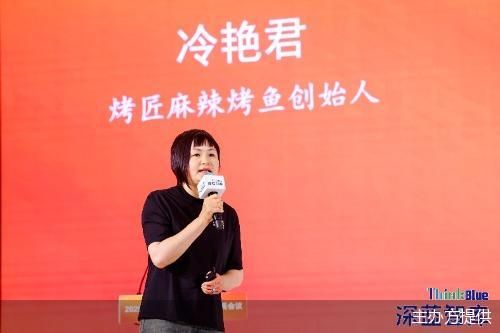
寻找消费力|烤匠麻辣烤鱼创始人冷艳君:复购比短期流量更重要
Bei Jing Shang Bao· 2025-05-26 10:36
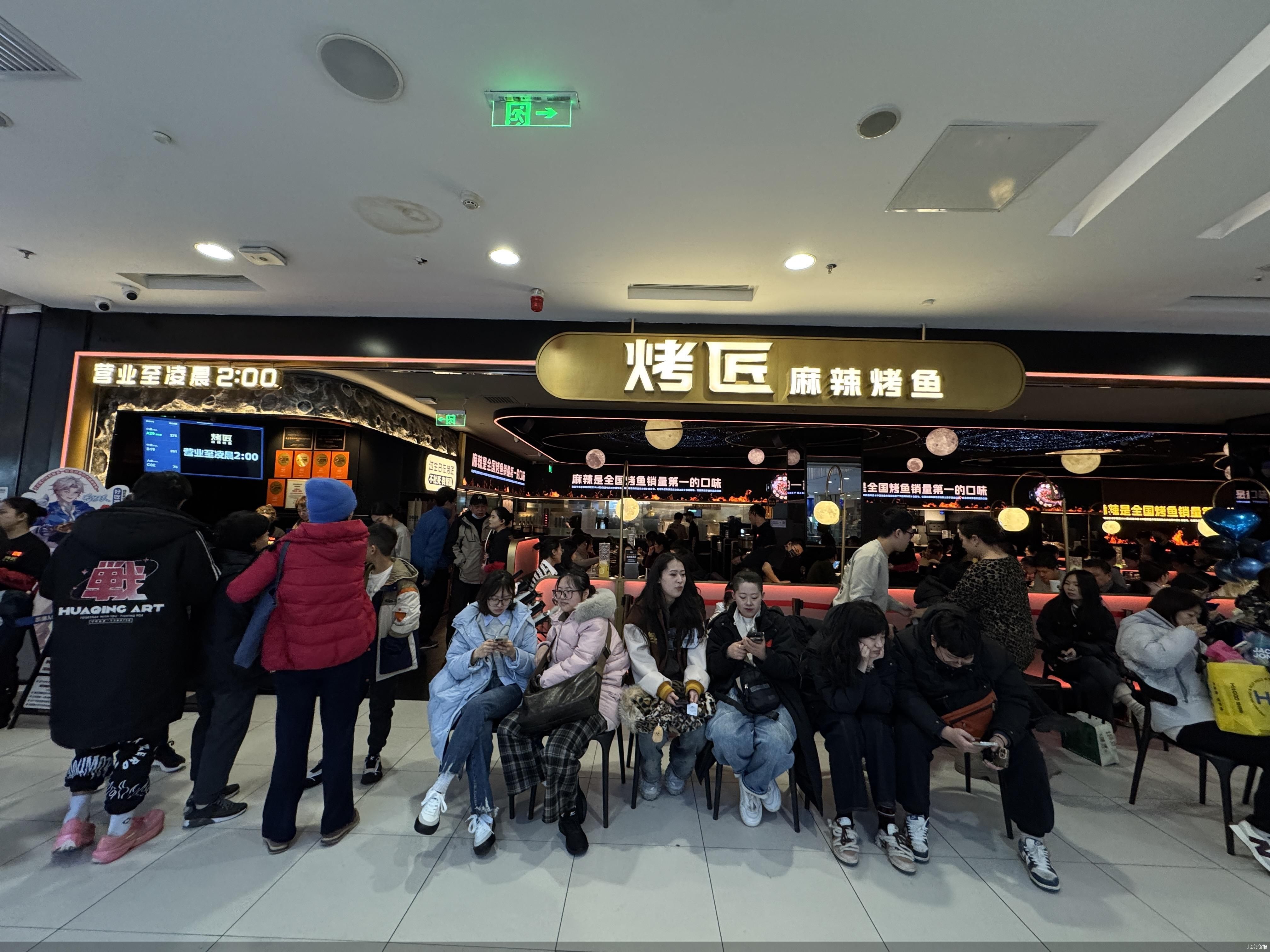
Core Insights - The article emphasizes the shift in consumer demand towards diverse and personalized experiences in the restaurant industry, necessitating a transformation in competition logic and operational strategies [1] - The focus is on leveraging consumer insights and innovative experiences to drive growth and enhance brand loyalty, moving from mere traffic acquisition to deepening user value [1] Company Performance - The company has opened three stores in Beijing, with the first store at the Harmony Mall performing exceptionally well, experiencing average weekend wait times of 7-10 hours and 3-5 hours during weekdays [4] - The performance in Beijing has exceeded expectations, with nearly 60% of customers being repeat visitors, attributed to a strong customer base built over 11 years in the Sichuan-Chongqing region [5] Customer Demographics - The primary customer base in Beijing consists mainly of young people, including couples and friends, but also includes a significant proportion of families and elderly customers, challenging the stereotype that spicy flavors appeal only to younger demographics [6] Product Strategy - The company maintains a "original flavor replication" strategy, ensuring that the menu and flavors in Beijing are identical to those in Sichuan-Chongqing, based on customer feedback [7] - The operating hours have been extended from 10 AM to 10 PM to 10 AM to 3 AM to cater to late-night dining demands, aligning with the characteristics of the spicy fish dish [7] Operational Adjustments - The company adapts its operational strategies based on direct observations and customer feedback, such as offering customizable ingredient options to meet diverse preferences [8] - The focus is on continuous improvement in product offerings, service quality, and dining environment, driven by customer insights [8] Industry Trends - The company views the current "traffic anxiety" in the restaurant industry as a challenge, advocating for a focus on brand differentiation and unique value rather than chasing short-term traffic [9] - The company plans to continue specializing in spicy fish dishes, enhancing the overall dining experience while maintaining its core product focus [10] Expansion Strategy - The company prioritizes quality over quantity in its expansion strategy, opting for a gradual approach based on suitable locations and market feedback, while maintaining a direct management model to ensure quality control [11] Future Outlook - The restaurant industry is entering a golden decade of brand development, with significant trends towards chain operations and market segmentation, emphasizing the need for businesses to understand customer needs and create unique experiences [12]
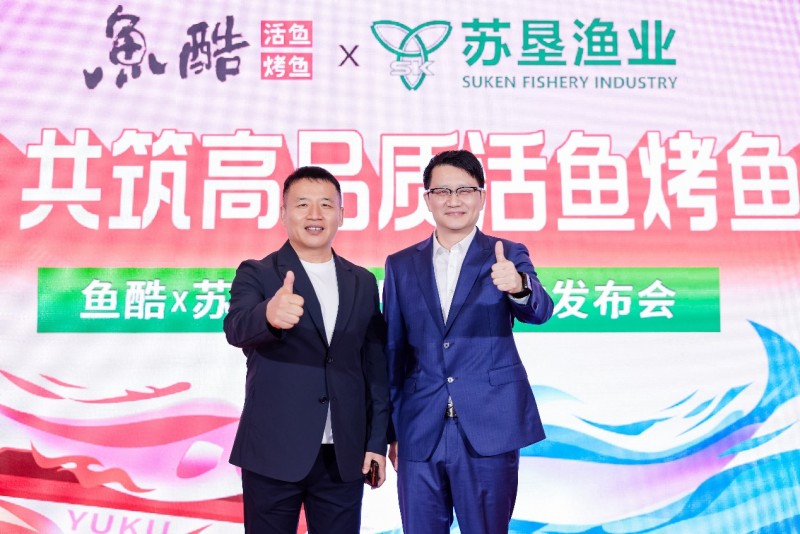
鱼酷X苏垦渔业达成战略合作 共筑高品质活鱼烤鱼新标杆
Zhong Guo Shi Pin Wang· 2025-05-26 05:46
Core Viewpoint - The strategic partnership between Yuku and Su Keng Fisheries aims to establish a new benchmark for high-quality live fish grilled fish, enhancing supply chain collaboration and promoting healthy industry development [1][5][9]. Group 1: Partnership Details - The strategic cooperation was officially launched with the delivery of live fish from Su Keng's base to Yuku's unique "vital fish tank" [3]. - This collaboration signifies an upgrade in Yuku's live fish supply chain model, focusing on quality enhancement and digitalization [5][15]. - Both companies emphasize their shared commitment to high-quality products and consumer respect, aiming for a win-win situation through complementary strengths [11][13]. Group 2: Company Profiles - Yuku, founded in 2005, has maintained a commitment to "live fish selected and grilled on-site," ensuring transparency and quality in its offerings [5][15]. - Su Keng Fisheries, a subsidiary of Jiangsu Agricultural Reclamation Group, operates nearly 50,000 acres of aquaculture and produces over 40,000 tons of quality aquatic products annually [11]. - Su Keng aims to become a leading enterprise in modern fisheries, focusing on ecological breeding and comprehensive supply chain management [11][13]. Group 3: Market Impact - The partnership is expected to provide Yuku with a stable source of high-quality live fish, reducing supply risks and ensuring consistent taste in its grilled fish offerings [15]. - Su Keng will leverage Yuku's brand influence and extensive network to enhance its market presence and consumer reach [15]. - Both companies plan to build a sustainable high-quality live fish supply chain, aiming to invigorate market consumption and lead a new trend in the grilled fish industry [15].