
垃圾焚烧

Search documents
中国垃圾,不够烧了
投中网· 2025-06-13 03:00
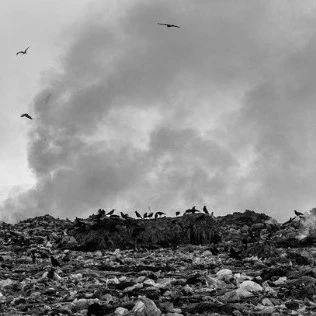
Core Viewpoint - The article discusses the transformation of waste management in China, highlighting the shift from a "garbage siege" to a situation where waste incineration plants are struggling to find enough garbage to process, leading to a competitive environment for waste collection and management [4][10][20]. Group 1: Industry Overview - Ten years ago, the issue of "garbage siege" was prevalent, but now it is widely recognized that there is not enough waste to incinerate in China [4][10]. - China has nearly half of the world's waste incineration plants, with over 1,010 facilities, making it the leader in waste incineration capacity globally [11][20]. - The average load rate of waste incineration plants in China is about 60%, indicating that 40% of capacity is underutilized [9]. Group 2: Market Dynamics - Waste incineration plants are resorting to extreme measures to secure waste, including paying kickbacks to property companies for waste collection [6]. - There is a trend of reopening landfills to excavate buried waste, with cities like Guangzhou and others participating in this underground competition [8]. - The number of planned shutdowns for waste incineration plants in 2023 reached 83,467 days, indicating significant operational challenges [9]. Group 3: Historical Context - The turning point for China's waste incineration industry was in 2003 when the government shifted to a model allowing private investment and operation [14]. - Policies promoting waste incineration have been introduced over the years, including increased subsidies for renewable energy projects and stricter pollution control standards [15][16]. - The rapid growth of waste incineration facilities has led to significant advancements in waste management technology and capacity [17][18]. Group 4: Future Opportunities - With domestic waste generation insufficient to meet the operational capacity of incineration plants, companies are looking abroad for opportunities [22]. - Chinese waste incineration companies have successfully established over 50 projects overseas, particularly in Southeast Asia and the Middle East [24]. - Advanced technologies developed in China for waste incineration, such as the FAST process for treating fly ash, are gaining international recognition and application [25].


中国垃圾,不够烧了
投中网· 2025-06-13 02:59
Core Viewpoint - The article discusses the transformation of the waste incineration industry in China, highlighting the shift from a "garbage siege" to a situation where there is insufficient waste to meet the operational capacity of incineration plants, leading to a competitive environment for waste collection and processing [4][15][33]. Group 1: Industry Overview - Ten years ago, the issue of "garbage siege" was prevalent, but now it is widely recognized that there is not enough waste to incinerate in China [4][15]. - The number of waste incineration plants in China has reached approximately 1,010, accounting for nearly half of the global total, with over 2,100 incineration plants worldwide [17][29]. - The average load rate of waste incineration plants in China is about 60%, indicating that 40% of capacity is underutilized [10][29]. Group 2: Market Dynamics - Waste incineration plants are competing fiercely for waste, with reports of facilities paying "introduction fees" to property companies for waste collection [5][9]. - Some cities are even reopening landfills to excavate buried waste, indicating a desperate need for more waste [7][8]. - The rapid increase in the number of incineration plants has led to a decline in the number of landfills, as incineration becomes the preferred method of waste management [31][33]. Group 3: Historical Context and Policy Impact - The shift in waste management policy began in 2003, transitioning from government responsibility to a model encouraging private investment through BOT (Build-Operate-Transfer) schemes [20][21]. - Various supportive policies have been introduced over the years, including increased subsidies for renewable energy projects and stricter pollution control standards, which have facilitated the growth of the waste incineration industry [21][22][29]. Group 4: Future Prospects and International Expansion - Despite achieving a 100% harmless treatment rate for waste, new incineration projects continue to emerge, with 55 new projects added in 2023 [30][29]. - As domestic waste generation declines, Chinese waste incineration companies are beginning to explore international markets, with over 50 projects established overseas, particularly in Southeast Asia and the Middle East [38][39]. - Chinese companies are leveraging their advanced technology and complete industrial chain to compete globally, transforming waste management into a profitable venture [40][43].


光大环境(00257.HK):垃圾焚烧龙头迎现金流拐点 分红提升可期
Ge Long Hui· 2025-06-11 02:48
Core Viewpoint - The company is a leader in waste incineration and is developing its water and biomass businesses, with a total waste-to-energy capacity of 150,400 tons/day by the end of 2024, ranking first in the industry [1] Group 1: Financial Performance - The company expects a net profit attributable to shareholders of HKD 3.377 billion in 2024, with contributions from the environmental energy, green environmental, and water sectors being HKD 2.924 billion, -HKD 290 million, and HKD 743 million respectively, accounting for 87%, -9%, and 22% of the total profit [1] - Operating and financial income will account for 79% of total revenue by the end of 2024, with core operational indicators improving steadily, including a waste incineration power generation of 328 kWh per ton and a capacity utilization rate of 103% [2] - The company’s financial costs are expected to decrease, with financing costs dropping by 50 basis points to 3.2% and interest-bearing liabilities reduced to HKD 91.7 billion, leading to a savings of HKD 521 million in financial expenses [2] Group 2: Cash Flow and Capital Expenditure - Capital expenditure (Capex) has significantly decreased from HKD 22.8 billion in 2021 to HKD 5.1 billion in 2024, as the industry matures [3] - The company’s free cash flow (FCF) has turned positive for the first time, reaching HKD 4.416 billion, with expectations for further improvement [3] - The annual national subsidies are approximately RMB 3.8 billion, with significant amounts expected to be received, which will enhance operational cash flow [3] Group 3: Dividend Policy - The company’s dividend yield is currently at 6%, with potential for increase, and the dividend payout ratio is expected to rise from 31% to 42% in 2024 [3] - The company plans to maintain a stable increase in dividends, with a projected dividend per share (DPS) of HKD 0.23 [3] Group 4: Investment Outlook - The company’s net profit attributable to shareholders is projected to be HKD 3.589 billion, HKD 3.810 billion, and HKD 4.055 billion for 2025-2027, respectively [4] - Based on a price-to-earnings (PE) ratio of 8x and considering the positive cash flow and dividend potential, the estimated market value of the company is HKD 28.71 billion, indicating a 23% upside [4]
环保行业深度报告:垃圾焚烧板块的提分红逻辑验证:从自由现金流增厚看资产质量的改善
Soochow Securities· 2025-06-11 00:23
Investment Rating - The report maintains an "Accumulate" rating for the waste incineration sector [1] Core Insights - The report emphasizes analyzing waste incineration assets from a cash flow perspective, highlighting that improvements in asset quality are reflected in increased free cash flow and enhanced ROE. The marginal changes in cash flow represent variations in asset valuation within DCF models, supporting the potential for increased dividends [10][1] - The waste incineration sector is expected to see a steady increase in dividend potential due to declining capital expenditures and improved cash flow management, with projected dividends for 2024 showing significant increases across various companies [3][24] Summary by Sections Cash Flow Analysis - The waste incineration sector has experienced a decline in capital expenditures, leading to a positive trend in free cash flow. The operating cash flow net amount for 2024 is projected to be 15% higher than the previous year, reaching 157 billion [21][19] - Free cash flow is expected to increase significantly, from 27 billion in 2023 to 66 billion in 2024, indicating a robust capacity for dividend distribution [21][24] ROE and Profitability - The report notes a recovery in ROE and PB ratios, with 2024 ROE projected at 11.53%, a slight increase from 11.32% in 2023. This recovery is attributed to reduced capital expenditures and improved operational efficiency [2][40] - The waste incineration sector's total revenue for 2024 is estimated at 457 billion, with a 1% increase year-on-year, and a net profit of 88 billion, reflecting a 13% growth [30][35] Investment Recommendations - The report suggests that the solid waste sector has significant potential for increased dividends, with companies like Green Power and Hanlan Environment expected to raise their dividends substantially in 2024 [3][24] - The analysis indicates that several companies within the sector could achieve dividend potentials exceeding 100%, with specific companies identified for their strong dividend capabilities [15][14]

光大环境(00257):垃圾焚烧龙头迎现金流拐点,分红提升可期
Shenwan Hongyuan Securities· 2025-06-09 13:04
Investment Rating - The report assigns a "Buy" rating for the company, marking its first coverage [2][7]. Core Insights - The company is a leader in waste incineration, with a significant cash flow turning point expected, leading to potential increases in dividends [6][7]. - The company has a total waste-to-energy capacity of 150,400 tons/day, ranking first in the industry, and is supported by its major shareholder, China Everbright Group, which holds 43.07% of the company [6][21]. - The report anticipates a recovery in profitability due to improved operational income, reduced impairment, and lower financial costs [6][54]. Summary by Sections Company Overview - The company has been focused on environmental protection for over 20 years, with a waste incineration capacity of 150,400 tons/day as of the end of 2024, leading the industry [17][28]. - The company operates in three main segments: Environmental Energy, Green Environmental Protection, and Water Services, with the Environmental Energy segment contributing 87% to the net profit in 2024 [6][24]. Financial Summary and Profit Forecast - The company’s revenue for 2024 is projected at HKD 30,258 million, with a year-on-year decline of 7%, and a net profit of HKD 3,377 million, down 24% year-on-year [5][54]. - The report forecasts net profits for 2025-2027 to be HKD 3,589 million, HKD 3,810 million, and HKD 4,055 million respectively, with a price-to-earnings ratio of 8x leading to a target market value of HKD 28,710 million, indicating a 23% upside potential [5][7]. Operational Improvements - The company has seen a significant reduction in capital expenditures (Capex), from HKD 22.8 billion in 2021 to HKD 5.1 billion in 2024, contributing to a positive free cash flow of HKD 4.416 billion for the first time [6][7]. - The operating cash flow is expected to improve due to accelerated national subsidies, with an adjusted operating cash flow of HKD 9.52 billion anticipated for 2024 [6][7]. Dividend Potential - The company has a current dividend yield of 6.04%, with a historical dividend payout ratio of approximately 31%, expected to increase to 42% in 2024 [6][7]. - The report suggests that with improving profits and cash flow, there is significant potential for future dividend increases [6][7]. Market Perception - The market has not fully recognized the company's potential for profit recovery and dividend increases, primarily due to the complexity of its financial statements [9][10].
中国的垃圾,不够烧了
36氪· 2025-06-09 10:47
Core Viewpoint - The article discusses the transformation of the waste incineration industry in China, highlighting the shift from a "garbage siege" to a situation where incineration plants are struggling with insufficient waste supply, leading to a competitive "gold rush" for garbage [5][17][32]. Group 1: Industry Overview - Ten years ago, the issue of "garbage siege" was prevalent, but now it is widely recognized that there is not enough waste to incinerate in China [4][5]. - The average load rate of waste incineration plants in China is approximately 60%, with 40% of capacity remaining idle [9]. - As of now, China has 1,010 waste incineration plants, accounting for nearly half of the global total of over 2,100 plants [19][20]. Group 2: Market Dynamics - Waste incineration plants are offering incentives to property companies to secure waste, with reports of rebates of 50 yuan per ton [7]. - There is a trend of reopening landfills to excavate buried waste, with cities like Guangzhou and Shanghai participating in this underground competition [8]. - The number of planned shutdowns for incineration plants in 2023 reached 83,467 days, indicating significant operational challenges [15]. Group 3: Historical Context and Policy Impact - The year 2003 marked a turning point for the waste incineration industry in China, transitioning to a model that allowed private investment and operation [23]. - Policies promoting waste incineration have been introduced since 2006, leading to a rapid increase in the number of incineration plants [24][25]. - From 2017 to 2021, China added an average of 103 new waste incineration plants annually, with significant projects initiated in provinces like Henan and Hebei [26]. Group 4: Future Prospects and International Expansion - Despite achieving a 100% harmless treatment rate for waste, 55 new waste incineration projects were added in 2023, indicating ongoing growth in the sector [29]. - Chinese waste incineration companies are beginning to expand internationally, with over 50 projects in regions like Southeast Asia and the Middle East [35]. - The article highlights the competitive advantage of Chinese companies in waste incineration due to their advanced technology and comprehensive industry chain [36][37]. Group 5: Environmental and Economic Implications - The transformation of waste from a burden to an asset reflects a significant shift in the economic landscape, with waste incineration becoming a profitable industry [32]. - The article draws parallels between the evolution of waste incineration and the development of biofuels from waste, emphasizing the importance of commercial and industrial interests in driving these changes [38][39].
公用环保202506第2期:国家能源局组织开展新型电力系统建设第一批试点工作,2025年4月工业级混油(UCO)出口量价双升
Guoxin Securities· 2025-06-09 05:18
Investment Rating - The report maintains an "Outperform" rating for the public utility sector [1][5][7] Core Views - The report highlights the ongoing pilot projects for the new power system initiated by the National Energy Administration, focusing on innovative technologies and models [2][14] - It emphasizes the growth in exports of industrial-grade mixed oil (UCO) in April 2025, with a year-on-year increase of 7.46% in volume and a 21.01% increase in average price [3][15] - The report suggests that coal and electricity prices are declining simultaneously, which may help maintain reasonable profitability for thermal power [3][18] Summary by Sections Market Review - The Shanghai Composite Index rose by 0.88%, while the public utility index fell by 0.13% and the environmental index increased by 0.46% [1][19] - Within the electricity sector, thermal power decreased by 0.97%, hydropower by 1.47%, and new energy generation by 0.45% [1][19] Important Events - The National Energy Administration is conducting pilot projects for a new power system, focusing on advanced technologies and models [2][14] Special Research - In April 2025, China exported 228,148 tons of industrial-grade mixed oil (UCO), with an average export price of $1,069.34 per ton [3][15] Investment Strategy - Recommendations include major thermal power companies like Huadian International and Shanghai Electric, as well as leading new energy firms such as Longyuan Power and Three Gorges Energy [3][18] - The report also suggests focusing on water and waste incineration sectors, which are entering a mature phase with improved cash flow [3][18] Key Company Earnings Forecasts and Investment Ratings - Several companies are rated "Outperform," including Huadian International, Shanghai Electric, Longyuan Power, and China Nuclear Power [7][18] Industry Dynamics - The report notes that the overall electricity generation in April 2025 was 711.1 billion kWh, with a year-on-year growth of 0.9% [45] - The total installed power generation capacity reached 3.49 billion kW, a year-on-year increase of 15.9% [76]




中国的垃圾,不够烧了
首席商业评论· 2025-06-09 04:12
Core Viewpoint - The article discusses the transformation of waste management in China, highlighting the shift from a "garbage siege" to a situation where waste incineration plants are struggling to find enough garbage to process, leading to a competitive environment for waste collection and management [3][11][21]. Group 1: Current State of Waste Incineration - Waste incineration plants in China are facing a shortage of garbage, with an average operational load rate of about 60%, leaving 40% of capacity idle [6][12]. - In 2023, there were 83,467 planned shutdown days for waste incineration plants, indicating significant operational challenges [10]. - The rapid increase in the number of incineration plants has led to a situation where the supply of waste is insufficient to meet the processing capacity [21][12]. Group 2: Historical Context and Development - The turning point for waste incineration in China occurred in 2003 when the government shifted to a model allowing private investment in waste management [13]. - Policies promoting waste incineration, such as increased subsidies for renewable energy projects and pollution control standards, have facilitated the growth of this industry [14][16]. - From 2017 to 2021, an average of 103 new waste incineration plants were commissioned annually, with significant projects launched in provinces like Henan and Hebei [17][18]. Group 3: Industry Dynamics and Competition - The competition for waste has intensified, with some incineration plants offering incentives to property companies for waste collection [4]. - Companies are exploring new markets abroad due to domestic waste shortages, with over 50 overseas waste incineration projects already in operation [24][25]. - The article notes that the increasing number of incineration plants has led to a decline in the number of landfills, as incineration becomes the preferred method of waste management [19]. Group 4: Technological Advancements and Global Positioning - Chinese waste incineration companies are leveraging advanced technologies to improve waste processing efficiency and reduce emissions, often exceeding international standards [25][26]. - The industry has evolved from relying on imported waste to becoming a leader in waste management technology, with the ability to export expertise and solutions globally [26].
环保行业跟踪周报:环卫无人化招标呈加速迹象,固废板块提分红+供热IDC拓展提ROE
Soochow Securities· 2025-06-09 03:23
Investment Rating - Maintain "Buy" rating for the environmental protection industry [1] Core Insights - The acceleration of unmanned sanitation bidding indicates rapid industry development and technological iteration [8] - Decrease in capital expenditure in waste incineration leads to increased dividends, while improvements in heating and IDC enhance ROE and valuation [9] - Water utility operations show steady growth and high dividends, with water price reforms reshaping growth and valuation [12] Summary by Sections Industry Trends - Unmanned sanitation bidding is accelerating, with a procurement project for 100 small autonomous cleaning vehicles announced, budgeted at 28.6 million yuan [8] - The waste incineration sector is seeing a decline in capital expenditure, leading to improved free cash flow and increased dividends [9] - The water utility sector is experiencing stable growth, with a projected revenue of 655 billion yuan in 2024, and a net profit of 112 billion yuan, reflecting a 27% increase [12] Key Recommendations - Recommended companies include: Huanlan Environment, Green Power, Yongxing Co., and others for their strong dividend performance and growth potential [4] - Focus on companies like Yuehai Investment and Xingrong Environment for their robust cash flow and dividend commitments [12] Equipment and Technology - The penetration rate of new energy sanitation vehicles increased by 6.14 percentage points to 14.55% in the first four months of 2025, with sales of 3,570 units, a 73% year-on-year increase [21][22] - The market for bio-diesel remains challenging, with prices stable and profits under pressure due to rising raw material costs [36] Financial Performance - Companies like Junxin Co. and Green Power are expected to increase their cash dividends significantly in 2024, with Junxin's cash dividend projected at 507 million yuan, a 37% increase [9] - The water utility sector is set to benefit from recent price reforms, with Guangzhou implementing significant price increases for residential water [13][14]
环保行业跟踪周报:环卫无人化招标呈加速迹象,固废板块提分红+供热IDC拓展提ROE-20250609
Soochow Securities· 2025-06-09 02:53
Investment Rating - Maintain "Buy" rating for the environmental protection industry [1] Core Insights - The acceleration of unmanned sanitation bidding indicates rapid industry development and technological iteration [8] - Decrease in capital expenditure in waste incineration leads to improved dividends, while heating and IDC collaborations enhance ROE and valuation [9] - Water utility operations show steady growth and high dividends, with water price reforms reshaping growth and valuation [12] Summary by Sections Industry Trends - Unmanned sanitation bidding is accelerating, with significant projects announced, such as the procurement of 100 autonomous cleaning vehicles with a budget of 28.6 million yuan [8] - The waste incineration sector is experiencing a decline in capital expenditure, leading to improved free cash flow and increased dividends. For instance, Junxin Co. plans to distribute 507 million yuan in cash dividends in 2024, a 37% increase year-on-year [9] - Water utility sector performance remains robust, with a projected revenue of 655 billion yuan in 2024, despite a 2% decline, and a 27% increase in net profit [12] Key Recommendations - Recommended stocks include Hanlan Environment, Green Power, Yongxing Co., and others, focusing on companies with strong dividend policies and growth potential [4] - The report highlights the importance of water price reforms, with Guangzhou implementing significant price increases, which are expected to drive profitability [13][14] Equipment and Technology - The penetration rate of new energy sanitation vehicles increased by 6.14 percentage points to 14.55% in the first four months of 2025, with sales of new energy sanitation vehicles rising by 73% [21][22] - The report notes the profitability challenges in biodiesel production, with current prices leading to negative margins [36] Market Performance - The environmental protection and public utilities index rose by 0.81% from June 2 to June 6, 2025, underperforming compared to the broader market indices [44] - Top-performing stocks in the environmental sector included Jingyuan Environmental and Juguang Technology, with significant price increases [46]