自动驾驶

Search documents
自动驾驶成为全球科技竞争制高点 陈清泉院士:中国自动驾驶行业要保持紧迫感
Huan Qiu Wang Zi Xun· 2025-12-18 10:09
来源:环球网 当前,全球汽车产业正在经历一场百年未有之大变局。汽车革命的上半场是电动化,解决了动力的清洁 化问题,中国已走在世界前列;在"十四五"收官与"十五五"谋篇布局的衔接期,汽车产业界的共识是, 自动驾驶所代表的智能化已经成为行业的"主战场"——这既是我们面临的重大历史机遇,也是一场关乎 未来产业话语权的战略竞争。 然而,我们必须清醒看到面临的挑战。国际竞争日趋激烈,以美国为例,联邦政府与地方政府形成了两 级管理架构,政策松绑和安全并重,共同推动本国自动驾驶产业的加速发展。联邦政府发布《AI行动 计划》中,将自动驾驶汽车、无人机、机器人明确为需要优先发展的新兴技术;批准无方向盘和踏板自 动驾驶汽车的路测等举措,展现了其在保障自动驾驶技术创新领先地位方面的决心。州政府则通过测试 许可、部署规范等多样化治理手段,进一步提速发展。政策绿灯下,Waymo已在全美部署超过2500台 无人车,周订单量超过45万单,并宣布在当前凤凰城、旧金山等5城基础上,加速落地底特律、华盛顿 等12城。特斯拉今年6月底在奥斯汀正式推出Robotaxi出行服务,目标年底前覆盖内华达州、佛罗里达 州和亚利桑那州等州的8-10个都市区。 ...
港股IPO观察 | 现金流仅剩3000万的主线科技该何去何从?
Sou Hu Cai Jing· 2025-12-18 09:08
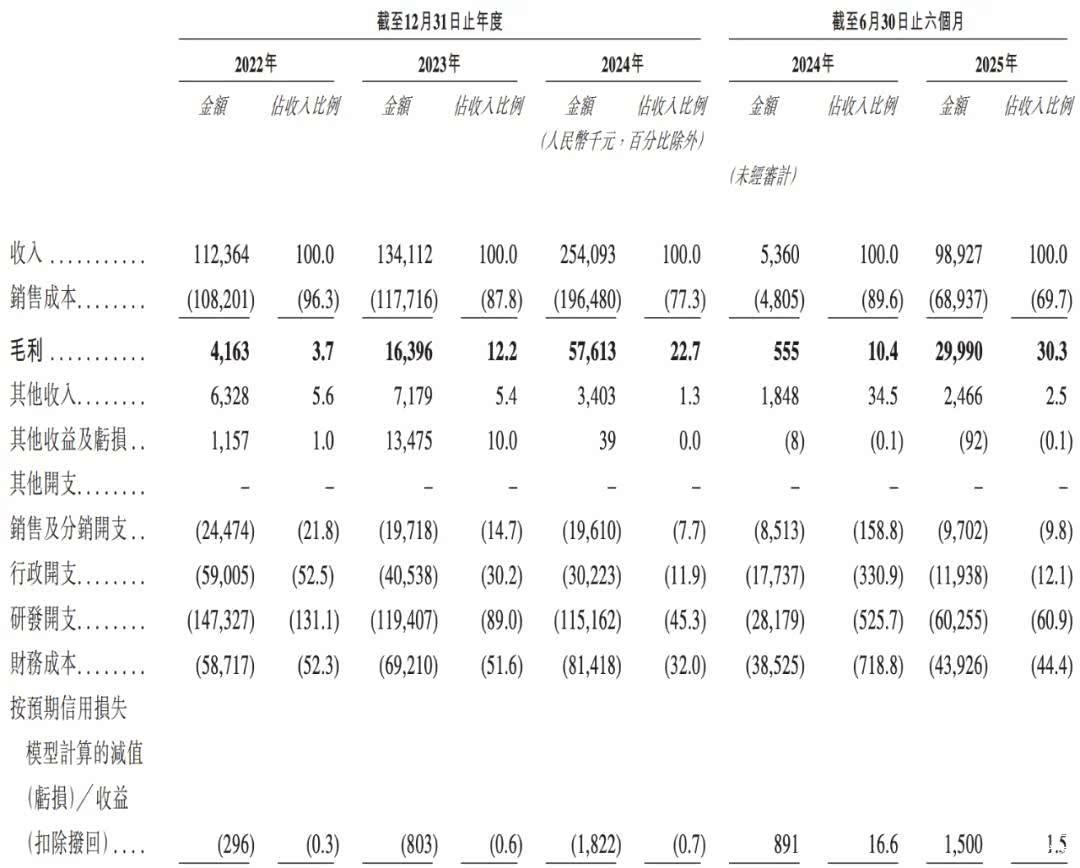
Core Viewpoint - ZhiXian Technology (Beijing) Co., Ltd. has submitted its listing application to the Hong Kong Stock Exchange, aiming to leverage its leading position in the L4 autonomous truck market in China, despite ongoing financial losses and high debt levels [1][3]. Financial Performance - Revenue growth from 112.36 million RMB in 2022 to 254.09 million RMB in 2024, with a compound annual growth rate (CAGR) of 50.4% [1][2]. - Gross margin improved from 3.7% in 2022 to 30.3% in the first half of 2025 [1][2]. - Net losses totaled approximately 800 million RMB from 2022 to the first half of 2025, with adjusted cumulative net losses exceeding 500 million RMB [1][2]. Market Position - ZhiXian Technology holds a 31.8% market share in the L4 autonomous truck segment for closed-road scenarios, leading a market valued at approximately 1.3 billion RMB in 2024 [1][3]. - The company’s revenue is highly concentrated, with 83.5% of income in the first half of 2025 coming from the "Trunk Pilot" logistics business [4]. Debt and Cash Flow - The company has been in a net debt position for several years, with total net debt rising from 598 million RMB at the end of 2022 to 1.078 billion RMB in the first half of 2025 [3]. - Cash and cash equivalents decreased significantly from 120 million RMB at the end of 2022 to 30.7 million RMB by June 30, 2025, indicating severe cash flow issues [2][4]. Research and Development - R&D expenditures decreased from 147 million RMB in 2022 to 115 million RMB in 2024, reflecting a strategic shift to outsource some R&D activities [4][6]. - The R&D expense ratio was 45.3% in 2024, significantly lower than competitors like Pony.ai, which had a ratio of 320.1% [5]. Investor Sentiment - Recent strategic financing raised several hundred million RMB, valuing the company at 3.86 billion RMB, but much of this funding has not translated into net assets, leading to high redeemable liabilities [8]. - Some shareholders have opted to exit at a discount, indicating potential concerns about the company's future prospects [8].

股价高度押注自动驾驶?分析师警告:特斯拉汽车业务每股仅值30美元
Sou Hu Cai Jing· 2025-12-18 09:02
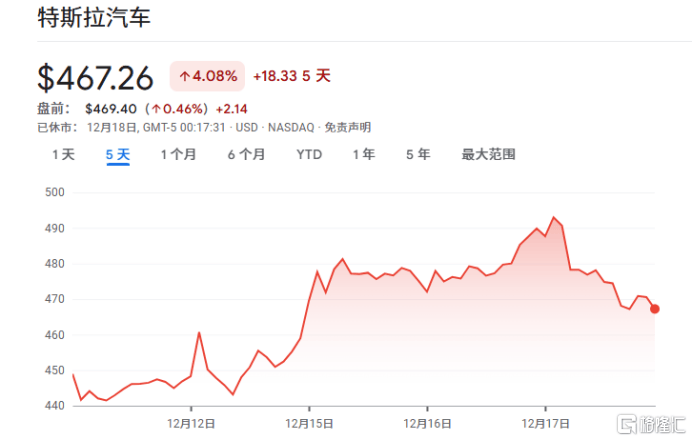
Core Viewpoint - Tesla's stock price is currently trading as if it is a future technology AI giant, driven by recent positive news regarding Robotaxi developments [1] Group 1: Stock Performance - Tesla's stock reached an all-time high of $1.63 trillion in market capitalization due to autonomous driving news [3] - However, the stock fell over 4% to close at $467.26, with a market cap of $1.55 trillion, despite a more than 4% increase over the past five trading days [4] Group 2: Business Valuation - According to William Blair's energy research head, Jed Dorsheimer, the core electric vehicle business is valued at only $30 to $40 per share, significantly downplayed in the overall market valuation [2][8] - Dorsheimer notes that the market is increasingly focused on Tesla's advancements in autonomous driving and energy sectors, with the autonomous driving business now accounting for over 70% of Tesla's total valuation [8] Group 3: Future Outlook and Challenges - The growth of Tesla's energy business is notable, potentially matching or exceeding the value of its automotive segment [9] - Dorsheimer expresses confidence in the long-term prospects of Tesla's energy business as a severely underestimated growth engine [10] - However, the company faces significant challenges, including increasing competition in the electric vehicle market and regulatory pressures, particularly regarding its Autopilot marketing claims [9]

股价创新高之际
Xin Lang Cai Jing· 2025-12-18 08:41
Group 1 - Tesla's stock price has surged recently, driven by advancements in the robotaxi sector, leading to a perception of the company as a futuristic AI giant rather than just an electric vehicle manufacturer [1] - The core electric vehicle business is estimated to contribute only about $30 to $40 per share of Tesla's value, indicating a significant disconnect in the market's valuation [1][2] - The recent stock price increase is attributed to reports of autonomous robotaxi testing in Austin, Texas, and growing investor confidence in Tesla's transition from a struggling EV manufacturer to a leader in autonomous driving [1] Group 2 - Current stock valuations are heavily based on unfulfilled promises, with over 70% of Tesla's total value now linked to autonomous driving technology, including the long-awaited robotaxi platform and the Optimus humanoid robot project [2] - The energy business is growing and may now hold a value comparable to or slightly higher than the automotive segment, suggesting a potential undervaluation of Tesla's core automotive operations if separated from expectations of autonomous software and energy storage [2] - Regulatory scrutiny from California regarding Tesla's marketing of "autopilot" features highlights the legal and technical challenges in achieving full autonomy, which could impact investor sentiment if further delays occur [3]
广州频繁刷榜背后:科创进入涌现期?
2 1 Shi Ji Jing Ji Bao Dao· 2025-12-18 08:09
Group 1 - Guangzhou has rapidly advanced in the global innovation landscape, ranking 6th in the "Nature Index - Research Cities" from 42nd in 2015, surpassing 36 cities in ten years [1] - In 2023, Guangzhou added 12 new global unicorn companies, making it the fastest-growing city in China for unicorns, maintaining the 4th position nationally for three consecutive years [1][2] - The "Shenzhen-Hong Kong-Guangzhou" innovation cluster has topped the global rankings in the 2025 Global Innovation Index, surpassing the long-standing leader, the "Tokyo-Yokohama" region [1] Group 2 - Guangzhou's innovation ecosystem is supported by a combination of talent, policies, and financial resources, with 84 universities and numerous research institutions contributing to its scientific output [2][3] - In 2024, Guangzhou published 70,843 research papers, a 10.86% increase year-on-year, leading in both volume and growth rate [2] - The city accounted for nearly half of the research output and one-third of the venture capital in the Shenzhen-Hong Kong-Guangzhou cluster, with 315 investment events totaling over 20 billion yuan [2] Group 3 - Guangzhou has established a "fund jungle" to support innovation, with a total of 2 trillion yuan in various funds aimed at boosting financial backing for tech projects [3] - The city has set up 44 sub-funds under its innovation fund, with a total paid-in capital exceeding 27 billion yuan, significantly amplifying investment in local projects [3] Group 4 - The "China Innovation and Entrepreneurship Competition" has been held in Guangzhou for ten consecutive years, fostering numerous tech startups and attracting over 35,000 participating companies [4] - The competition has helped over 1,000 companies secure nearly 50 billion yuan in equity financing, showcasing its role as a platform for tech enterprises [4] Group 5 - Guangzhou's innovation strategy has evolved over time, with significant achievements in drug development, including the approval of the world's first targeted flu drug, Anladiwei [5][6] - The city has seen a surge in new business registrations in strategic emerging industries, with growth rates exceeding 100% in sectors like aerospace and quantum technology [6][8] Group 6 - The city's focus on IAB (Information Technology, Artificial Intelligence, Biomedicine) and NEM (New Energy, New Materials) industries has been strategic, leveraging existing strengths in automotive and electronics [7] - Guangzhou's R&D expenditure surpassed 100 billion yuan for the first time in 2024, marking a decade of continuous growth in R&D intensity among first-tier cities [8]

东风股份与九识智能携手打造自动驾驶汽车产品
Yang Shi Wang· 2025-12-18 07:42
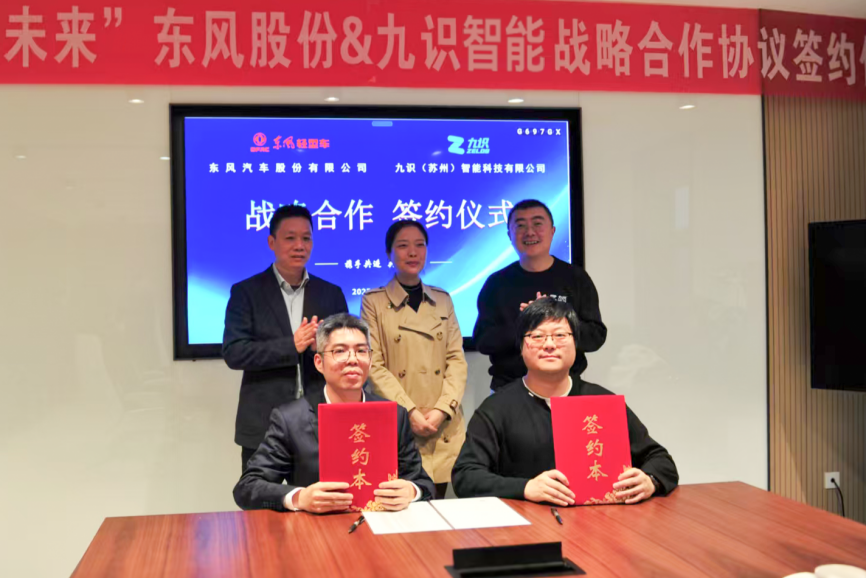
Core Viewpoint - Dongfeng Motor Corporation and Jiushi (Suzhou) Intelligent Technology Co., Ltd. have signed a strategic cooperation agreement to collaborate on the development of autonomous vehicles, aiming to promote the large-scale implementation of autonomous driving technology in the commercial vehicle sector [1][3]. Group 1 - The agreement establishes a comprehensive strategic partnership to jointly create innovative and competitive autonomous vehicle products, covering various vehicle categories such as cargo trucks, sanitation vehicles, vans, and buses [3]. - Dongfeng's General Manager, Duan Renmin, stated that this cooperation is a significant step in deepening the company's "five transformations" strategy and transitioning towards becoming an "excellent technology enterprise" [4]. - The collaboration aims to efficiently implement projects that will allow the jointly developed autonomous vehicles to operate smoothly in smart logistics parks and urban public transport routes, contributing to industry advancement and urban development [4]. Group 2 - Jiushi Intelligent's CEO, Kong Qi, emphasized leveraging Jiushi's strengths in full-stack autonomous driving technology and intelligent operation platforms, combined with Dongfeng's expertise in vehicle R&D, lean manufacturing, market channels, and brand influence [7]. - The partnership aims to create a "vehicle + intelligent driving + operation" model to jointly develop various vehicle types and promote the large-scale and commercial implementation in urban distribution logistics and park logistics [7]. - This strategic cooperation represents a deep integration of autonomous driving technology with the traditional automotive industry and serves as a new practice to drive the intelligent transformation and high-quality development of China's automotive industry [7].

广州工业投资实现年均两位数增长 战略性新兴产业五年增加值超万亿
Nan Fang Ri Bao Wang Luo Ban· 2025-12-18 07:39
Core Viewpoint - Guangzhou is significantly advancing its modern industrial system, with strategic emerging industries growing to over 1 trillion yuan, accounting for more than 30% of GDP [1][2] Group 1: Industrial Development - Over the past five years, Guangzhou has achieved an average annual double-digit growth in industrial investment, with the added value of advanced manufacturing accounting for 60% of the industrial output [1] - The city has successfully cultivated two national-level strategic emerging industry clusters and four national-level advanced manufacturing clusters, adding 482 national-level "little giant" enterprises and 22 national-level manufacturing champions [1] - More than 3,300 industrial projects with investments exceeding 100 million yuan have been established, including 34 projects with over 1 billion yuan [1] Group 2: Modern Service Industry - Guangzhou is enhancing the quality and efficiency of its productive service industry, with expectations of hosting over 90 international exhibitions and covering over 7 million square meters by 2025, doubling from 2021 [2] - The city has maintained an exhibition area exceeding 10 million square meters for the past three years, with an average annual growth of about 5%, ranking second among cities in China [2] Group 3: Innovation and Talent Development - The Guangzhou Science and Technology Innovation and Entrepreneurship Competition has attracted nearly 20,000 participating companies, awarding over 4,000 enterprises and distributing nearly 400 million yuan in subsidies [2] - The total number of skilled talents in Guangzhou has increased from 3.53 million in 2021 to 4.22 million, a growth rate of 19.5%, with high-skilled talent increasing by 30% to 1.609 million, representing 38.1% of the total skilled workforce [2]
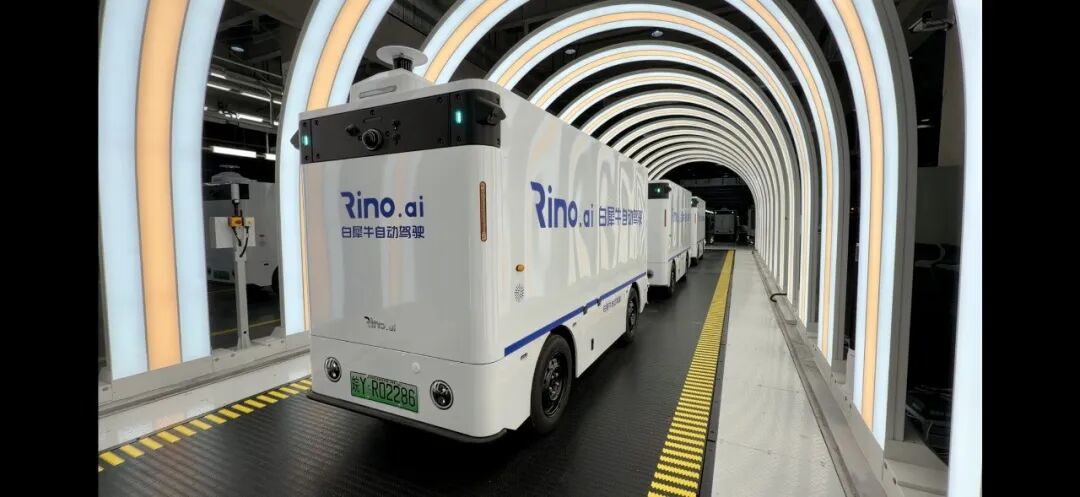
无人车公司白犀牛再融资,全年总额已超1亿美元|36氪独家
3 6 Ke· 2025-12-18 07:02
Core Insights - White Rhino, an L4 autonomous driving company, has recently completed a new round of financing to accelerate the mass production and market promotion of its vehicle platform, enhance core technology R&D, and expand into high-value scenarios like instant delivery and overseas markets [1][3] Group 1: Company Overview - White Rhino was founded in April 2019 by former Baidu autonomous driving team members and focuses on developing full-stack autonomous delivery solutions [3] - The company has completed three rounds of financing by 2025, raising over $100 million, with significant investments from major logistics companies like SF Express [3] - The active fleet of White Rhino's autonomous vehicles has grown from approximately 100 units in December 2023 to over 2000 units by the end of the year, achieving more than 20 times business growth [3][5] Group 2: Market Dynamics - The market for autonomous logistics vehicles is at a critical inflection point, with over 103 cities in China opening up road rights for autonomous delivery vehicles [5] - According to a McKinsey report, the global market for autonomous logistics vehicles is projected to reach 3.6 trillion yuan by 2030, with China accounting for about 40% of this market [5] Group 3: Product and Technology - White Rhino's main product, the R5 series autonomous vehicle, has a cargo volume of 5.5 m³ and can carry over 500 packages with a range of over 120 kilometers on a single charge [5] - The company aims to meet "vehicle-grade" standards, which require higher durability and lower lifecycle costs compared to non-vehicle-grade vehicles [8][9] - White Rhino is developing a vehicle-grade autonomous vehicle platform that is modular and adaptable to various logistics scenarios, positioning itself as a potential leader in mass production capabilities for vehicle-grade L4 autonomous delivery vehicles [9][11]
中国信通院最新研判:自动驾驶成为科技发展制高点
Guo Ji Jin Rong Bao· 2025-12-18 06:59
Core Insights - The report highlights that the global autonomous driving industry is accelerating towards rapid development by 2025, driven by significant advancements in core technologies and continuous iteration of key hardware capabilities [1] Group 1: Technological Advancements - Key technologies such as perception, prediction, and end-to-end algorithms have significantly improved the ability of autonomous driving systems to handle complex scenarios [1] - The ongoing evolution of automotive-grade computing chips, vehicle operating systems, and sensors like LiDAR and millimeter-wave radar is further enhancing the maturity of autonomous driving applications [1] Group 2: Application Expansion - The application scenarios for autonomous driving have expanded beyond ride-hailing services to include logistics delivery and closed-campus operations, accelerating the commercialization process [1] - Autonomous ride-hailing services (Robotaxi) are nearing a critical point of large-scale deployment, with Baidu reporting over 17 million global ride-hailing service instances across 22 cities [1] Group 3: Industry Leadership - The U.S. and China have established a leading development pattern in the autonomous driving industry, characterized by a "technology-industry-scenario-regulation" integration that provides valuable experience for global development [2] - In China, government initiatives and local policies are actively supporting the stable development of autonomous driving through strategic planning and innovative testing frameworks [2] Group 4: Regulatory Environment - The U.S. has implemented a dual-level management structure that balances policy relaxation with safety, promoting the rapid development of the autonomous driving industry [3] - The federal government has prioritized emerging technologies like autonomous vehicles in its AI Action Plan, while state governments are employing diverse governance methods to accelerate development [3] Group 5: Future Outlook - The report predicts a critical transition in the autonomous driving industry from "technology-driven" to "scale-driven" commercial operations, with typical scenarios like Robotaxi and logistics delivery forming replicable business models [3] - The regulatory framework is expected to evolve towards a more systematic, quantifiable, and auditable stage [3]
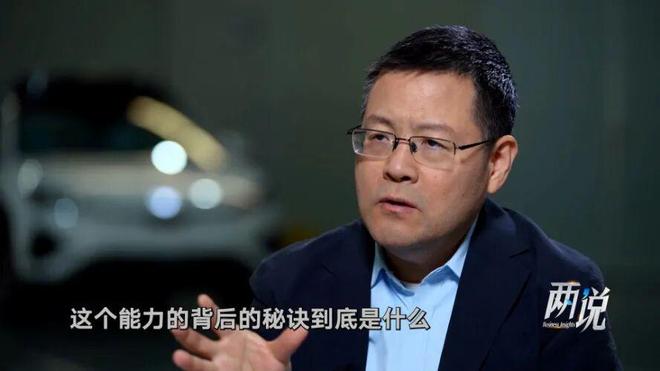
一场“无人”的马拉松 | 两说
Di Yi Cai Jing Zi Xun· 2025-12-18 06:31
【编者按】 站在"十五五"开局元年即将到来之时,我们关注如何推动中国式创新,发展新质生产力?破茧成蝶的路 上,中国企业家如何面对不确定性?又需要有怎样的精神内驱特质? 自动驾驶出租车:安全吗? 一场"无人"的马拉松:如何从0到1? 这场突破背后是海量的复杂场景训练。小马智行在这场长跑中是已经积累了近6000万公里驾龄的"老司 机"。 回忆起公司发展历程中最激动的时刻,彭军的答案出人意料地具体到2022年底北京那个飘着小雪的日 子。那天启动无安全员的全无人运营测试,第一次实现了真正意义上"驾驶座空无一人"的突破。"有没 有安全员是0和1的本质区别。"彭军解释道。 T型战略布局:生根与拓展的双轨并行 无人驾驶出租车赛道上并不缺乏玩家。从萝卜快跑、文远知行到滴滴,从广汽、上汽集团到比亚迪,产 业链的四大领域:获客平台、AI司机、车辆生产和运营保养都会遇到对手和伙伴。小马智行该如何定 位自身角色?如何谋势布局? 面对未来两三年规划,小马智行推出"T型战略"。纵向维度聚焦核心市场生根,提升服务密度。"如果路 上车太少,用户等半小时才叫到车,体验就无从谈起。"横向则指向更广阔的城市拓展,通过与地方政 府合作推动政策创新, ...