储能

Search documents
苏盐井神:与国信合作的两台压缩空气储能发电机组已实现满负荷试运行,当前正在调试消缺
Ge Long Hui· 2026-01-28 07:52
Core Viewpoint - Su Yan Jingshen (603299.SH) has successfully completed full-load trial operation of two compressed air energy storage power generation units in collaboration with Guo Xin, and is currently in the debugging phase [1] Group 1 - The company has not initiated any new negotiations for compressed air energy storage projects at this time [1]

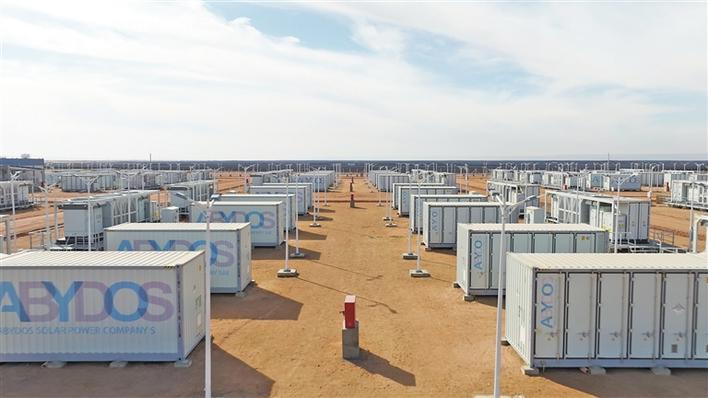
全球交付超500项目,比亚迪储能足迹遍布110多国
Sou Hu Cai Jing· 2026-01-28 07:35
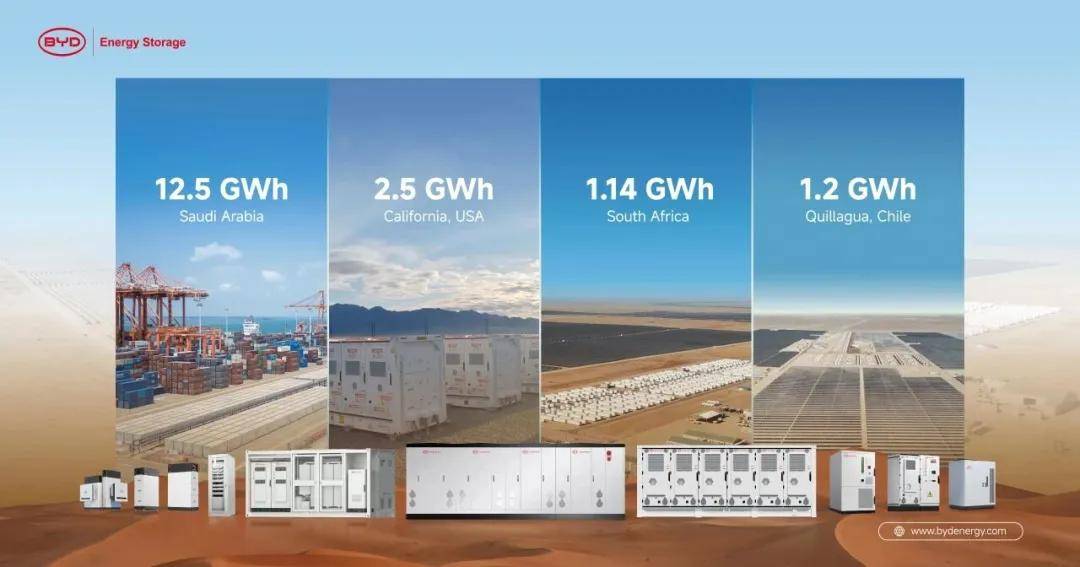
Core Insights - The article highlights the significant advancements and global expansion of BYD's energy storage business, particularly its role in the energy transition in Saudi Arabia and beyond [1][3][11]. Group 1: Global Network and Strategic Layout - BYD's energy storage business has successfully delivered over 500 projects across more than 110 countries and regions, showcasing a substantial growth compared to previous years [4]. - In developed markets like Europe and North America, BYD's solutions are crucial for grid upgrades and renewable energy integration, while in emerging markets, they drive local energy structure transformations [4]. - Different regional demands are addressed by BYD's products, such as balancing grid fluctuations in Europe and providing stable power in off-grid areas in Africa [4]. Group 2: Technological Leadership - BYD showcased its latest product featuring a 2710Ah ultra-large capacity storage blade battery at the World Future Energy Summit, setting a new record for mass-produced storage batteries [5]. - The new battery design improves energy density by 15% and has a cycle life exceeding 12,000 times, meeting stringent requirements for longevity and safety [5]. - This battery can form storage units with a capacity of up to 14.5MWh, reducing land use by approximately 30% and system costs by about 25% compared to traditional solutions [5]. Group 3: Benchmark Projects - BYD is constructing a 12.5GWh energy storage project in Saudi Arabia, the largest grid-side storage project globally, which is part of Saudi Arabia's Vision 2030 energy transition strategy [6]. - This project will help integrate increasing renewable energy generation, particularly solar power, and enhance grid reliability [6]. - BYD has developed solutions tailored for the extreme climate conditions of Saudi Arabia, ensuring safe operation at high temperatures and preventing dust intrusion [6]. Group 4: Synergistic Advantages - The rapid development of BYD's energy storage business is closely linked to its comprehensive capabilities in the electric vehicle sector, creating significant synergies and cost advantages [7]. - BYD shares research and technology platforms between its energy storage and automotive battery teams, accelerating innovation and product iteration [8]. - The company leverages its extensive battery production capacity and supply chain to respond quickly to global energy storage project demands [8]. Group 5: Market Impact - BYD's global expansion is reshaping the international energy storage market, with increasing market share in key regions like the Middle East, Europe, and Latin America [9]. - The company actively participates in the formulation of international standards for energy storage, enhancing China's influence in the global energy storage sector [9]. - The International Energy Agency predicts a sixfold increase in global energy storage capacity by 2030, presenting unprecedented growth opportunities for leading companies like BYD [9]. Conclusion - BYD's energy storage systems are not only crucial for stabilizing the Saudi grid and integrating renewable energy but also symbolize the growing importance of Chinese renewable technology in the global energy transition [10][11]. - The company is poised to play a more significant role in the global energy transition, providing reliable, economical, and sustainable energy solutions [11].


家电龙头布局新能源四五年后谋质变,“下半场”才刚开始
Di Yi Cai Jing· 2026-01-28 07:31
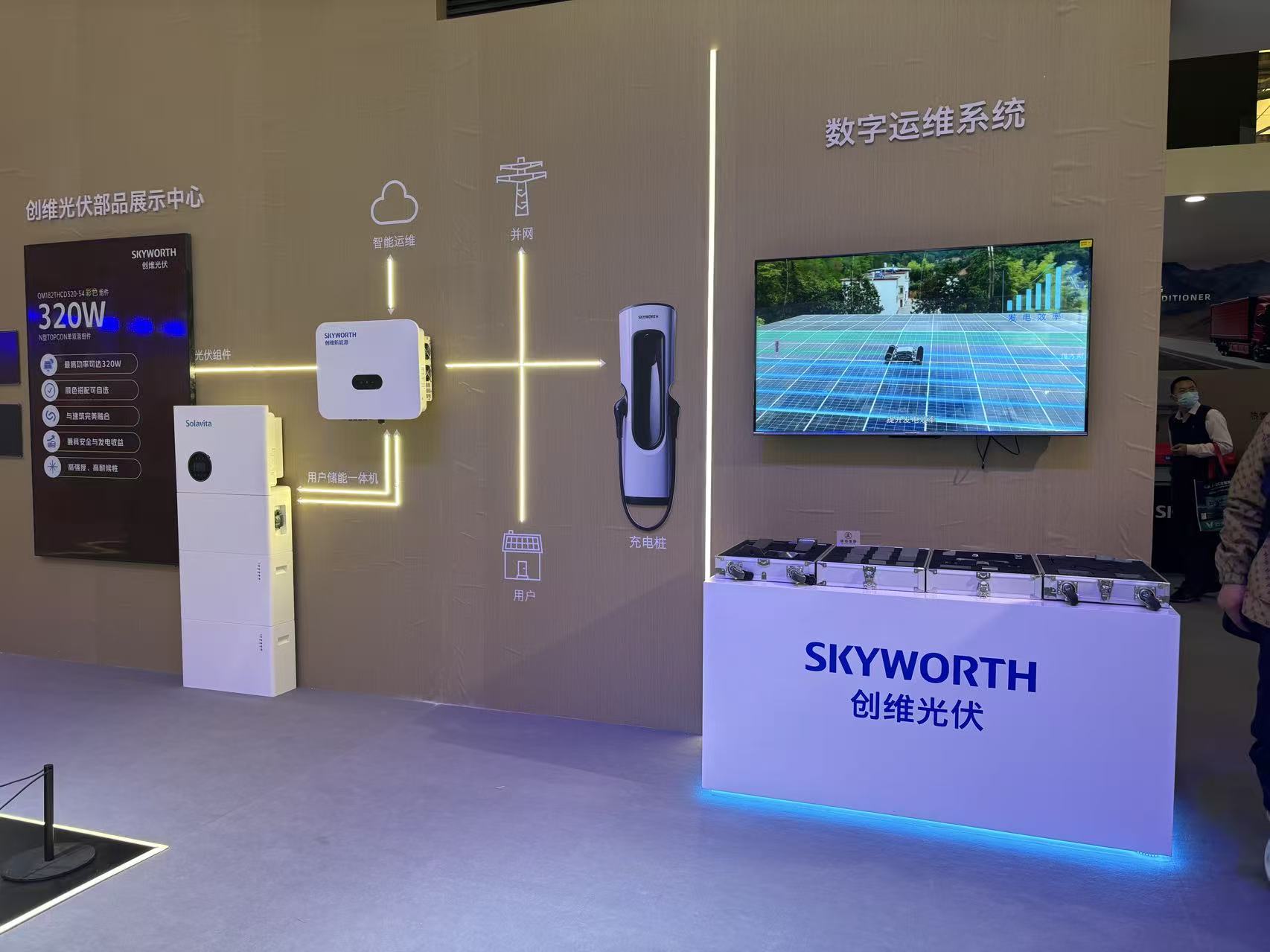
Core Viewpoint - The renewable energy business, including photovoltaic and energy storage, is gradually becoming a new growth point for leading companies that originated from the home appliance industry, but its scale and profitability still need improvement [1][3]. Group 1: Company Developments - Skyworth Group plans to delist and spin off its photovoltaic business, with expectations that its photovoltaic revenue will exceed that of its traditional TV business by 2025 [4]. - Midea Group has established a new energy division and launched its electric heavy truck charging pile business, aiming to integrate photovoltaic, energy storage, and charging solutions [5]. - TCL has begun investing in a new energy project to enhance its photovoltaic and battery business, following its acquisition of TCL Zhonghuan [6]. - Haier New Energy has secured over 1 billion yuan in Series B financing and aims to create an AI-driven energy internet ecosystem [6]. - Hisense Group is expanding its energy production and storage capabilities through acquisitions [7]. Group 2: Market Context and Challenges - The home appliance market is maturing, leading companies to pivot towards renewable energy as a "second growth curve" amid declining sales in traditional sectors [8]. - The Chinese home appliance retail market is projected to decline by 6.7% in 2026, highlighting the urgency for companies to diversify into renewable energy [8]. - The renewable energy sector is highly competitive, with companies facing challenges in profitability and market saturation [10][11]. Group 3: Future Outlook - Skyworth's future growth is expected to focus on overseas markets and energy storage solutions, with ongoing projects in Thailand and Italy [4]. - Midea's new energy business is projected to reach an annual revenue of around 10 billion yuan, but it still lags behind industry leaders [5]. - The competition in the energy storage market is shifting from hardware costs to operational capabilities, indicating that the next phase for home appliance companies in the renewable sector is just beginning [11].



宁夏储能项目投运落地,中国安储能源02399.H.K加速全球电力资产布局
Sou Hu Cai Jing· 2026-01-28 04:06
Group 1 - The core viewpoint of the articles highlights the strategic expansion and operational capabilities of China Anshun Energy Group in the energy storage sector, particularly in the context of global energy transition and the importance of new energy storage systems [1][3][5]. Group 2 - China Anshun Energy Group has completed the acquisition of an electrochemical energy storage project in Ningxia, China, which is now operational and supports multiple revenue models, contributing to regional grid stability [1]. - The significance of new energy storage systems is increasing as they enhance the flexibility of power systems, ensure grid safety, and promote the consumption of renewable energy, aligning with the "14th Five-Year Plan" for energy development [3]. - The company is accelerating its global layout of power and energy storage assets, with a planned investment of approximately RMB 5.5 billion in a storage project in Norway, utilizing zinc-bromine flow battery technology [5]. - China Anshun Energy Group is also evaluating investment cooperation in energy storage projects across China, Norway, Dubai, and Southeast Asia, aiming to share long-term returns from high-quality overseas power assets while managing risks effectively [7]. - The management emphasizes a focus on energy transition trends, prioritizing energy storage projects with clear cash flow mechanisms and replicable operations to enhance asset quality and operational resilience, ultimately creating long-term value for shareholders [7].
中国安储能源02399.H.K完成国内储能电站资产收购,探索挪威等海外优质电力资产
Feng Huang Wang Cai Jing· 2026-01-28 03:26
Core Viewpoint - China Anshun Energy Group Limited (Hong Kong Stock: 02399.H.K) has completed the acquisition of a utility-scale electrochemical energy storage project in Ningxia, China, which is now operational and supports multiple revenue models, contributing to regional grid stability and laying the foundation for future scalable operations [1] Group 1 - The newly acquired energy storage project provides peak shaving, frequency regulation, and ancillary services, enhancing the operational capabilities of the regional power grid [1] - The importance of new energy storage is increasing in the context of global energy structure adjustments and the ongoing green low-carbon transition, as it enhances power system flexibility and ensures grid security [1] - During the 14th Five-Year Plan period, new energy storage is transitioning from a "supporting facility" to a "fundamental and strategic asset" in the resilience construction of power systems [1] Group 2 - China Anshun Energy is accelerating its global layout and cooperation in power and energy storage assets while advancing domestic project operations [2] - The company is preparing and evaluating investment cooperation for energy storage projects in regions including China, Norway, Dubai, and Southeast Asia, aiming to share long-term returns from high-quality overseas power assets while effectively controlling risks [2] - The management emphasizes prioritizing energy transition trends by selecting energy storage and power infrastructure assets with clear cash flow mechanisms and replicable operations, thereby enhancing project selection, operational management, and risk control capabilities [2]
未知机构:T链调研储能业务2026展望装机量预期MegapackMegablock技术迭代产能布局与市场拓展Michael调研纪要20260128-20260128
未知机构· 2026-01-28 02:35
Summary of Conference Call Records Company and Industry Involved - **Companies Mentioned**: Tesla (TSLA.US), CATL (300750.SZ), BYD (002594.SZ), Sungrow (300274.SZ), HIBOR (688411.SH), EVE Energy (300014.SZ), Zhongxin Innovation (3931.HK), Guoxuan High-Tech (002074.SZ), Xinwanda (300207.SZ) - **Industry**: Energy Storage and Clean Energy Key Points and Arguments Tesla's Progress in Energy Storage - Tesla's energy storage business is expected to see a **50% year-on-year increase in shipment volume by 2025**. The installation target for 2026 is based on existing and new orders [1][1] - Despite subsidy reductions in some regions, regulatory changes are accelerating customer purchases. High-energy-consuming projects like AI computing centers are expected to contribute **20% to 30% of demand growth** [1][2] Demand Drivers for Energy Storage Equipment - AI computing centers are a significant driver for energy storage demand, contributing **20% to 30%** to the overall demand. Large industrial enterprises are also increasing interest in energy storage systems due to equipment upgrades and energy cost savings [2][2] - National energy projects, particularly in North America, are transitioning from traditional grids to microgrid solutions, further driving demand for energy storage products [2][2] Global Clean Energy and Green Power Trends - The clean energy and green power sectors are rapidly developing, driven by AI computing centers, grid modernization, and the green transition in traditional industries. North America and Europe are expected to create stable demand through large-scale national projects [3][3] - Emerging economies in the Middle East, South America, and Southeast Asia are also becoming significant sources of demand due to manufacturing shifts [3][3] Regional Market Performance for Tesla's Energy Storage Products - By 2025, **80%-85% of Tesla's global energy storage shipments** will come from large Megapack systems in the commercial sector. North America and Europe are the primary markets, with North America leading [4][4] - Tesla is expanding its presence in emerging markets like the Middle East, South America, and Southeast Asia, where increased electricity demand is expected [4][4] Production Capacity Plans for 2026 - Tesla plans to expand its production capacity to support a shipment target of **55-60 GWh** in 2026, with the Shanghai factory expected to contribute significantly [5][5] - The new third-generation Megapack 3XL will enhance technical capabilities, but the current sales will primarily rely on the second-generation 2XL until the new product launches [5][5] Technological Upgrades in Megapack Products - The Megapack 3 will feature a **5 MWh capacity**, improved thermal management, and enhanced modular design to meet high power demands from industrial users [6][6] - Safety measures include a new thermal management controller that can respond quickly to potential thermal runaway situations, significantly reducing disaster risks [6][6] Cost Reduction and Competitive Strategy - Tesla has reduced component costs from over **3 RMB per kWh to approximately 1.9 RMB** through local sourcing, aiming for **70%-80% localization** in 2026 [16][16] - The company leverages a software-hardware integration strategy to enhance customer value and maintain competitiveness in mature markets [16][16] Market Expansion Strategies for 2026 - Tesla will focus on North America and Europe while exploring emerging markets like Southeast Asia, particularly Singapore, for data center projects [18][18] - In China, Tesla plans to collaborate with municipal units for service delivery and expand its presence in key regions like the Yangtze River Delta [18][18] Impact of Energy Storage Growth on Battery Prices - The growth of the energy storage sector is not expected to significantly impact battery prices due to the different production standards and existing capacity in the market [19][19] Transition to Active Profit Models in Energy Storage - Tesla is transitioning energy storage systems from passive supply models to active profit-generating assets, exploring investment options for customers and integrating software services to enhance hardware value [20][20] Challenges for Battery Manufacturers Transitioning to Energy Storage - Battery manufacturers face technical barriers in transitioning to energy storage system integration, including thermal management, energy management systems, and power conversion systems [21][21] Conclusion - Tesla's strategic focus on expanding its energy storage capabilities, enhancing technology, and entering new markets positions it well for future growth in the clean energy sector. The company's efforts to reduce costs and improve product safety and efficiency will be critical in maintaining its competitive edge in a rapidly evolving industry.

未知机构:招商电新储能重磅英国给大补贴1271近日-20260128
未知机构· 2026-01-28 02:20
Summary of Key Points from Conference Call Records Industry Overview - The UK government has launched a £15 billion "Warm Homes Programme" aimed at helping users install photovoltaic systems, energy storage, heat pumps, and insulation materials to alleviate energy shortages, which is expected to leverage a total investment of £38 billion [1][1] Funding Allocation - The funding distribution includes: - £4.4 billion for direct subsidies to low-income households for home upgrades, including photovoltaic systems, energy storage, insulation materials, and clean heating [1][1] - £2.7 billion for heat pump subsidies, with a target of installing 61,000 new heat pumps in 2025, 450,000 by 2030, and 1.5 million by 2035 [1][1] - £1.1 billion for heating network construction [1][1] - £5.3 billion for loan funds [1][1] Market Impact - The subsidies are estimated to stimulate over £100 billion in demand for household storage and heat pump equipment, benefiting early movers in the Chinese market significantly [1][1] Company Insights - **Airo Energy**: A leading player in household storage with a strong market share in Europe. Expected to generate over £400 million in revenue from household storage in the UK by 2025, and has begun small-scale supply of home heat pumps [1][1] - **GoodWe**: A leading company in household storage with deep market penetration and early layout in Europe [2][2] - **Deye Co., Ltd.**: A leading enterprise in household storage with strong manufacturing competitive advantages and differentiated competitive advantages in emerging markets [3][3] - **Rujing Technology**: A core supplier of heat pump controllers, with key products widely used in well-known brands such as Gree, McQuay, Ariston, Haier, Mitsubishi Heavy Industries, Carrier, and Bosch [4][4] Additional Companies to Watch - Companies to monitor include Jinlang Technology, Penghui Energy, Shouhang New Energy, Keda, Tongrun Equipment, and Pylon Technologies [4][4]


A股业绩预告潮:超百家公司净利翻倍 机构寻踪绩优股与新兴赛道
Zhong Guo Zheng Quan Bao· 2026-01-28 00:02
Core Viewpoint - The A-share market is witnessing a significant increase in performance forecasts, with 1,201 listed companies disclosing their 2025 annual performance predictions, indicating a positive trend in various industries, particularly in non-ferrous metals, automotive, chemicals, and semiconductors [1][2]. Group 1: Performance Forecasts - A total of 1,201 listed companies have released performance forecasts, with 475 companies expecting positive results and 107 companies anticipating a doubling of net profit for 2025 [1][2]. - Among the companies that disclosed forecasts, 371 are expected to achieve a net profit exceeding 100 million yuan, 84 companies over 1 billion yuan, and 22 companies over 3 billion yuan [2]. - The performance of leading companies in the non-ferrous metals, automotive, chemicals, and semiconductor sectors has shown significant recovery [2]. Group 2: Institutional Research - Following the performance forecasts, many companies have attracted intensive institutional research, focusing on new and existing order volumes, progress on new production lines, and positive industry changes [3]. - Changhua Chemical reported that its carbon dioxide polyether project is nearing completion, with trial production expected in the first quarter of this year, pending approval [3][4]. - Chutian Technology noted that while competition remains fierce, it is gradually easing, with market concentration increasing and international market expansion becoming a new growth point [5]. Group 3: Emerging Industries - Institutions are increasingly focusing on emerging industries such as semiconductors and energy storage [6]. - Hemai Co. indicated that its energy storage business is experiencing rapid growth, with significant revenue increases expected in the coming years despite rising costs in the domestic market [6]. - Dongxin Co. mentioned that the niche memory market is seeing price increases due to supply constraints, with a positive outlook for its storage products [6].
湖南科力远新能源股份有限公司关于参与投资设立储能基金暨签订合伙协议的公告
Zhong Guo Zheng Quan Bao - Zhong Zheng Wang· 2026-01-27 23:37
Investment Overview - The company plans to invest RMB 249 million as a limited partner in the Tianjin Binhai New Energy Storage Development Equity Investment Fund, which has a target total scale of RMB 2 billion and an initial scale of RMB 500 million [1][31] - The fund will primarily invest in new energy storage scenarios and high-quality projects along the upstream and downstream of the industry chain [1][9] Partners and Management - The fund is initiated in collaboration with Tianjin Binhai New Area Emerging Industry Fund Management Co., Ltd. and other partners, including Tianjin Binhai New Energy Investment Management Co., Ltd. and Shenzhen Yuanke Huisheng Investment Co., Ltd. [2][5] - The management company, Tianjin Binhai New Area Emerging Industry Fund Management Co., Ltd., has a registered capital of RMB 10 million and is responsible for managing the fund [3][9] Financial Data - As of September 30, 2025, the management company reported total assets of RMB 11.66 million and a net asset of RMB 10.63 million [3] - The financial data for Tianjin Binhai New Energy Investment Management Co., Ltd. shows total assets of RMB 10.368 million and a net asset of RMB 4.72 million as of December 31, 2024 [7] Fund Structure and Operations - The fund will operate as a limited partnership and will not have restrictions on investment regions [9][10] - The investment decision-making body will consist of five members, ensuring a collaborative approach to investment decisions [29] Strategic Impact - The investment is expected to enhance the company's capabilities in the energy storage sector, providing financial support for future storage orders and facilitating the capital flow for storage assets [31] - The company aims to strengthen its core competitiveness and optimize its profit structure through this investment [31]

从“陪衬”到“主角” 新型储能产业跑出加速度
Xin Lang Cai Jing· 2026-01-27 22:08
Core Insights - The Chinese energy storage industry has shown remarkable growth in 2025, achieving an additional installed capacity of 66.43 GW and 189.48 GWh, with total installed capacity surpassing 100 GW for the first time, accounting for over two-thirds of the total capacity [4][6][8] Group 1: Industry Growth and Trends - The new energy storage industry in China has experienced a significant transformation, moving from "demonstration application" to "scale development" during the "13th Five-Year Plan" and "14th Five-Year Plan" periods [5][6] - By the end of 2025, the cumulative installed capacity of new energy storage reached 144.7 GW, which is 45 times larger than at the end of the "13th Five-Year Plan" [4][6] - The market dynamics have shifted, with independent storage becoming the main battlefield, as evidenced by a 59% year-on-year increase in newly added independent storage capacity [5][6] Group 2: Policy Changes and Market Dynamics - The removal of mandatory storage policies has not cooled the market; instead, it has led to increased activity, with over 5,000 new projects and more than 1,800 operational projects in 2025 [6][7] - The investment landscape has changed, with local state-owned enterprises and private companies becoming key players in independent storage investments, reflecting a shift from "I have to install" to "I want to install" [6][7] Group 3: Future Projections and Market Adaptation - The growth rate of new energy storage installations is expected to slow down as the industry transitions from explosive growth to high-quality value creation, with a projected cumulative installed capacity of 370 million kW by 2030 [8][9] - The revenue structure is anticipated to change, with auxiliary service income declining and capacity revenue becoming a significant supplement, indicating a shift towards a multi-market revenue model [8][9] - New application scenarios such as green electricity direct connection and zero-carbon parks are expected to drive future growth, necessitating companies to enhance their technological integration capabilities [8][9]