
零售业

Search documents
对话正大集团张曙晖:中国完善供应链吸引外资企业
2 1 Shi Ji Jing Ji Bao Dao· 2025-07-24 07:26
Core Insights - China has developed a comprehensive supply chain over 40 years, supported by open policies and significant market consumption potential, which are key advantages in attracting foreign investment [1] - Charoen Pokphand Group (CP Group) has established a full industry chain in China, including seed, planting, breeding, slaughtering, processing, and cold chain logistics [1] - There is a growing demand among Chinese consumers for personalized, high-cost performance products, particularly high-quality and safe food [1] Group 1 - CP Group has been active in the Chinese market since 1979, being the first foreign enterprise to invest in China, and currently operates 670 enterprises with over 80,000 employees [2] - The company anticipates that the richness of trade between China and Thailand will further manifest due to the maturation of procurement and supply channels [2] - CP Group's total revenue in China is projected to reach 208 billion RMB in 2024, making it one of the largest foreign investment enterprises in China [2] Group 2 - Thai products like durian, mangosteen, and coconut water are popular among Chinese consumers, while Chinese products such as kiwi and lychee are well-received in Thailand [2] - The 50th anniversary of China-Thailand diplomatic relations and the ongoing benefits from the upgraded China-ASEAN Free Trade Area are expected to enhance trade opportunities [2]
零售商集体“练内功”,从商品“卷”到前置仓
第一财经· 2025-07-24 01:25
Core Viewpoint - Retailers are transitioning into a phase of internal improvement after facing challenges such as store expansion, e-commerce competition, and high costs in the first half of 2025. Companies like Yonghui Supermarket and Bubugao are undergoing significant store adjustments and upgrades [1][4]. Group 1: Learning and Store Adjustments - The success of Pando's operations has inspired other retailers to adopt similar practices, with companies like Bubugao and Yonghui Supermarket making substantial store adjustments. Yonghui has opened its 100th store modeled after Pando, indicating a trend towards adopting successful regional retail strategies [4][5]. - The retail industry is witnessing a surge in learning from successful membership store models like Sam's Club and Costco, with traditional retailers focusing on product development and consumer-oriented service strategies [4][5]. Group 2: Performance and Financial Impact - Bubugao's half-year performance forecast indicates a net profit of 180 million to 220 million yuan, a year-on-year increase of 331.18% to 382.55%, attributed to restructuring and operational efficiency improvements [5]. - In contrast, Yonghui Supermarket anticipates a net loss of 240 million yuan for the first half of 2025 due to ongoing strategic transformations and store adjustments, including the closure of 227 underperforming stores [6]. Group 3: Supply Chain Competition - The retail landscape is evolving with new formats such as membership and discount stores, leading to intensified competition focused on high-quality, cost-effective products. The supply chain battle has become particularly pronounced in the first half of 2025 [8][9]. - Companies like Lianhua and Zhongbai are launching discount stores, while Sam's Club and Dailongfa are expanding their membership offerings, emphasizing the importance of unique products and competitive pricing [9][10]. - Speed in delivery is becoming a critical factor, with retailers aiming to enhance their logistics capabilities to meet consumer demands for faster service, transitioning from next-day delivery to half-hour delivery [10][11].


王府井: 王府井第十一届监事会第十七次会议决议公告
Zheng Quan Zhi Xing· 2025-07-23 12:21
Group 1 - The company held the 17th meeting of the 11th Supervisory Board on July 23, 2025, with all three supervisors present, confirming compliance with relevant laws and regulations [1] - The Supervisory Board approved the provision of loan guarantees to Foshan Zihui Port, stating that the decision followed legal procedures and did not harm the interests of the company or its shareholders [1] - The voting results for the loan guarantee were unanimous, with 3 votes in favor and no votes against or abstentions [1] Group 2 - The company decided to cancel the Supervisory Board and amend its Articles of Association, citing compliance with the Company Law and practical needs [2] - Following the cancellation of the Supervisory Board, the Audit Committee of the Board will assume the responsibilities previously held by the Supervisory Board, ensuring no harm to the company or shareholders [2] - The voting results for the cancellation of the Supervisory Board were also unanimous, with 3 votes in favor and no votes against or abstentions [2]

王府井: 王府井集团股份有限公司募集资金管理办法
Zheng Quan Zhi Xing· 2025-07-23 12:21
王府井集团股份有限公司 募集资金管理办法 (经 2025 年 7 月 23 日第十一届董事会第二十二次会议审议通过) 第一章 总 则 第一条 为了规范王府井集团股份有限公司(以下简称"公司")募集资金 的管理和运用,保护投资者的权益,依照《中华人民共和国公司法》、《中华人民 共和国证券法》、《上市公司募集资金监管规则》、《上海证券交易所股票上市 规则》(以下简称"《股票上市规则》")、《上海证券交易所上市公司自律监管 指引第1号——规范运作》等法律法规以及《王府井集团股份有限公司章程》(以 下简称"《公司章程》")的规定,结合公司实际情况,特制定本办法。 第二条 本办法所称募集资金是指:公司通过公开发行证券(包括首次公开 发行股票、配股、增发、发行可转换公司债券、发行分离交易的可转换公司债券 等)以及非公开发行证券向投资者募集的资金,但不包括公司实施股权激励计划 募集的资金。 第三条 募集资金的使用应本着规范透明的原则,公司必须按信息披露的募 集资金投向和股东会、董事会决议及审批程序使用募集资金,并应根据有关法律 法规及时披露募集资金的使用情况和使用效果。 第二章 募集资金的存放 第四条 公司募集资金的存放坚 ...
李迅雷专栏 | 下半年:还将出台哪些新政策?
中泰证券资管· 2025-07-23 09:41
Core Viewpoint - The article discusses the economic performance in the first half of the year, highlighting a GDP growth of 5.3% and the necessity for continued policy support to achieve the annual growth target of 5% in the second half of the year [2][4][6]. Economic Performance - The actual GDP growth in the first half of the year was 5.3%, with the first quarter at 5.4% and the second quarter at 5.2%, exceeding the annual target [4][6]. - The nominal GDP growth in the second quarter was only 3.9%, with a GDP deflator index decline of 1.2%, indicating persistent supply-demand imbalances [4][6]. Policy Drivers - Economic growth was supported by proactive policies and early implementation of consumption-boosting measures, such as the "trade-in" policy, which significantly improved retail sales in various categories [6][9]. - Retail sales of consumer goods increased by 5% year-on-year, with categories related to the "trade-in" policy showing substantial growth, such as home appliances and communication equipment [6][9]. Investment Trends - Fixed asset investment grew by only 2.8% year-on-year, with infrastructure investment at 4.6% and manufacturing investment at 7.5%, while real estate investment declined by 11.2% [9]. - Investment in equipment and tools surged by 17.3%, contributing 86% to overall investment growth [9]. Export Performance - Exports showed resilience, with a year-on-year increase of 5.9% in dollar terms, despite a 10.9% decline in exports to the U.S. [13][20]. - Diversification of exports helped mitigate the decline in U.S. exports, with significant growth in exports to Africa, ASEAN, and the EU [13][20]. Economic Concerns - Despite positive growth indicators, there are concerns about potential weaknesses in the economy, particularly in consumer spending, manufacturing investment, and real estate [15][16]. - The "trade-in" policy's impact on consumer spending may weaken in the second half due to lower absolute funding compared to the first half and higher base effects from last year [16]. Policy Outlook - The article anticipates that the second half of the year will see targeted policies rather than large-scale stimulus, focusing on optimizing existing budget allocations and supporting key sectors [27][28]. - Consumption policies may be refined to benefit lower-income groups and address unreasonable restrictions on consumer spending [29]. Investment and Infrastructure - Infrastructure investment is expected to be a key growth driver, with ongoing projects and new policy tools aimed at supporting technology innovation and stabilizing foreign trade [31][32]. - The government is likely to focus on urban renewal and improving housing quality while avoiding excessive stimulus measures [34]. Monetary Policy - A slight reduction in reserve requirements and interest rates may occur, but significant monetary easing is not anticipated in the short term [36][37]. - The stability of the RMB against the USD is expected to be maintained, with potential slight depreciation against other currencies [36][37].

中免市内免税品(成都)有限公司成立,注册资本7000万人民币
Sou Hu Cai Jing· 2025-07-23 07:13
Core Viewpoint - The establishment of China Duty Free Group's new subsidiary, Chengdu Duty Free Goods Co., Ltd., indicates a strategic expansion in the retail sector, particularly in the duty-free market in Chengdu, China [1] Company Summary - Company Name: Chengdu Duty Free Goods Co., Ltd. - Legal Representative: Ma Junping - Registered Capital: 70 million RMB - Shareholding Structure: - China Duty Free Group: 91% - Chengdu Xingjin Commercial Investment Service Co., Ltd.: 9% [1][1] Business Scope - The company’s business activities include: - Sales of duty-free goods - Alcohol sales - Food sales and internet sales of food - Retail of tobacco products and pharmaceuticals - Import and export of goods and technology - Sales of daily necessities, textiles, home appliances, communication devices, and various retail items including cosmetics, jewelry, and sports equipment - Advertising design and agency services - Human resources services (excluding labor dispatch) - Conference and exhibition services - Non-residential real estate leasing - Business agency services [1][1] Operational Details - Address: 1st and 2nd Floor, Renheng Plaza, No. 1, South People's Road, Jinjiang District, Chengdu, Sichuan Province - Company Type: Other limited liability company - Business Duration: Until July 22, 2025, with no fixed term thereafter - Registration Authority: Jinjiang Market Supervision Administration [1][1]

从“Go中国”到“中国购” 我国入境游消费活力强劲
Sou Hu Cai Jing· 2025-07-23 06:00
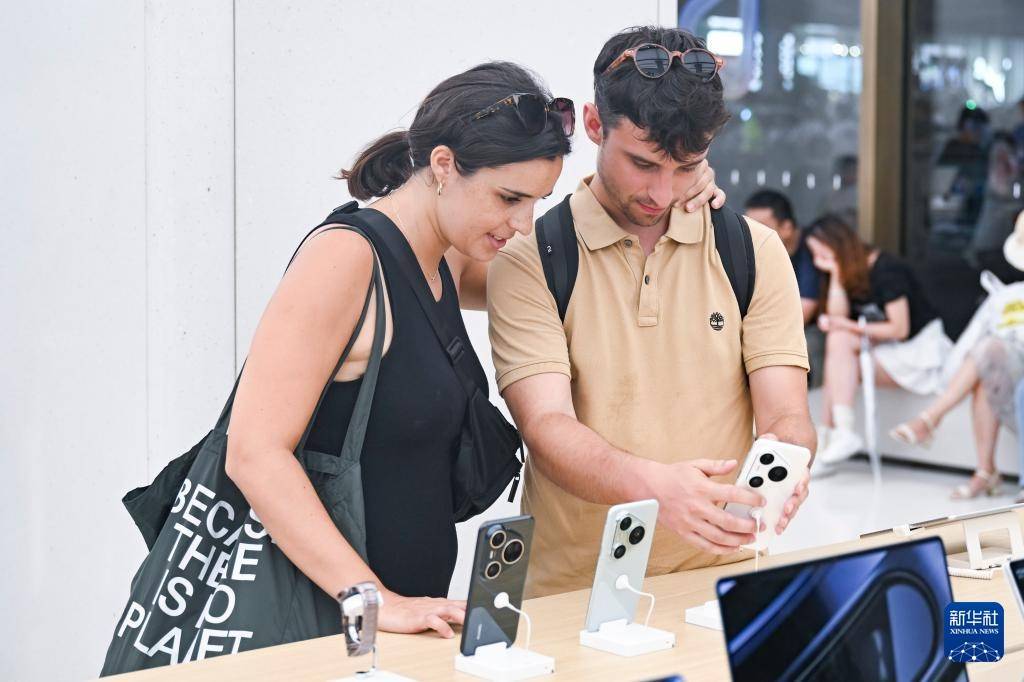
Core Insights - The expansion of China's visa-free and transit visa-free countries to 47 and 55 respectively is driving an increase in inbound tourism and shopping trends in China [2][5][11] - The "China Tour" is gaining popularity, with "China Shopping" emerging as a new trend for inbound tourism [2][5][11] - The total sales amount for tax refunds on purchases made by foreign tourists in the first half of the year increased by 94.6% year-on-year [2][5][11] - Popular consumer goods among foreign tourists include souvenirs, trendy toys, and technology products [2][5][11] - Shanghai, as the first stop for inbound tourism, has shown strong consumer activity, with 64,000 tax refund applications processed in the first half of the year, a 140% increase compared to the same period last year [2][5][11]
90年代日本房地产泡沫破裂:当年那些没买房的人,后来都怎么样?
Sou Hu Cai Jing· 2025-07-22 07:59
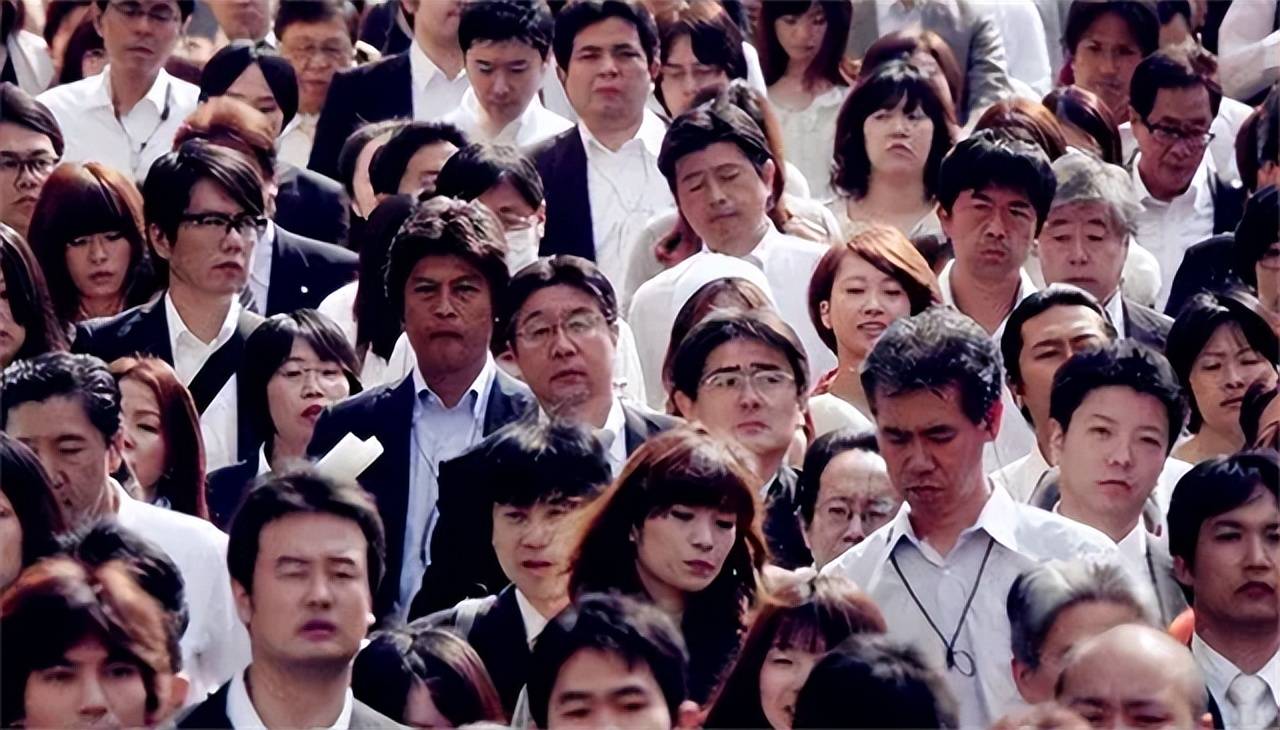
Economic Context - The 1980s marked a critical turning point in the global economy, with the U.S. facing severe economic challenges such as rising fiscal deficits and trade imbalances, prompting the government to seek new economic strategies [4] - Japan, in contrast, experienced rapid economic growth, becoming the world's second-largest economy, leading to an overheated economy and a need for measures to control this growth [4][5] - The Plaza Accord of September 1985 was a significant moment, aiming to address global economic imbalances by promoting the depreciation of the dollar, particularly against the yen, which had implications for both U.S. and Japanese economic policies [5] Real Estate Boom - Following the Plaza Accord, the depreciation of the dollar and appreciation of the yen had positive short-term effects on both economies, with Japan's real estate market entering a phase of unprecedented prosperity [5][6] - Real estate became a high-return investment tool, with banks loosening lending policies and providing low-interest loans, leading to a surge in demand for real estate [6][7] - The real estate market in Japan saw extreme price increases, particularly in major cities like Tokyo, where property prices reached unprecedented levels [6] Bubble Burst - By 1992, the Japanese real estate market began to show signs of weakness, leading to a rapid decline in property prices as demand plummeted and unsold properties accumulated [8] - The bursting of the real estate bubble resulted in significant financial distress for many investors and homeowners, with many facing negative equity as property values fell below their mortgage amounts [9][11] - The economic impact was severe, with related industries such as construction, finance, and retail suffering greatly, leading to increased bankruptcies and rising unemployment [11][13] Societal Impact - The economic downturn led to widespread despair, with many families unable to cope with financial pressures, resulting in a tragic increase in suicide rates during this period [13][14] - The crisis prompted a societal reflection on economic practices and values, shifting perceptions of wealth and success, particularly regarding real estate as a symbol of status [16] - Interestingly, families that had previously been unable to afford housing found new opportunities as property prices fell, leading to a shift in the housing market dynamics [16]
王府井: 王府井关于开立募集资金现金管理专用结算账户及使用暂时闲置募集资金进行现金管理的进展公告
Zheng Quan Zhi Xing· 2025-07-21 16:18
Core Viewpoint - Wangfujing Group Co., Ltd. has announced the establishment of a special settlement account for cash management of raised funds, with a total cash management amount of 200 million yuan, aimed at enhancing the efficiency of fund utilization and ensuring the preservation and appreciation of cash assets [1][4]. Group 1: Cash Management Overview - The cash management trustee banks are Huaxia Bank Co., Ltd. Beijing Guanghua Branch and Beijing Bank Co., Ltd. Beiwalu Branch [1]. - The cash management products include structured deposits and large-denomination certificates of deposit, with a total amount of 200 million yuan [1][4]. - The structured deposit has a term of 87 days, while the large-denomination certificate of deposit has a term of 3 months [1][4]. Group 2: Fund Source and Usage - The funds for cash management are sourced from the net proceeds of 3,717,256,771.68 yuan raised through a non-public offering approved by the China Securities Regulatory Commission [5]. - The company has opened dedicated accounts at Beijing Bank and Huaxia Bank for managing the raised funds, ensuring that the accounts will not hold non-raised funds or be used for other purposes [2][5]. Group 3: Financial Impact - As of March 31, 2025, the company's total assets were approximately 41.67 billion yuan, with total liabilities of about 21.40 billion yuan, resulting in total equity of approximately 20.27 billion yuan [7]. - The company aims to improve fund utilization efficiency and increase storage returns without affecting normal operations or the safety of raised funds [7][8]. Group 4: Cash Management Products Details - The structured deposit has an expected annualized return rate ranging from 0.7% to 2.21%, while the large-denomination certificate of deposit has a fixed annualized return rate of 1.3% [5][6]. - The structured deposit is classified as a principal-protected floating return product, while the large-denomination certificate of deposit is a principal-protected fixed return product [5][6]. Group 5: Regulatory Compliance - The cash management activities are conducted in compliance with the regulations set by the China Securities Regulatory Commission and the Shanghai Stock Exchange [6][8]. - The company has received approval from its board and supervisory committee for the cash management plan, allowing for the use of up to 161 million yuan of temporarily idle raised funds [8][9].
中证港股通休闲消费主题指数报1223.40点,前十大权重包含百胜中国等
Jin Rong Jie· 2025-07-21 14:21
Group 1 - The core index of the China Securities Index for Hong Kong Stock Connect leisure consumption theme is reported at 1223.40 points, with a monthly increase of 1.87%, a three-month increase of 17.74%, and a year-to-date increase of 19.70% [1] - The index consists of 40 listed companies involved in the leisure consumption industry, reflecting the overall performance of these companies within the Hong Kong Stock Connect [1] - The index is based on a reference date of December 30, 2016, with a base point of 1000.0 [1] Group 2 - The top ten weighted companies in the index include Yum China (10.65%), Pop Mart (9.78%), Anta Sports (9.59%), Meituan-W (8.81%), Shenzhou International (7.05%), Li Ning (5.81%), Haidilao (4.32%), Tongcheng Travel (4.18%), Mixue Group (3.03%), and Samsonite (2.97%) [1] - The index's holdings are entirely composed of companies listed on the Hong Kong Stock Exchange, with a 100% allocation [1] Group 3 - In terms of industry composition, consumer services account for 37.02%, textiles, apparel, and jewelry for 36.42%, durable goods for 18.18%, media for 5.55%, and retail for 2.84% [2] - The index samples are adjusted biannually, with adjustments occurring on the next trading day after the second Friday of June and December each year [2] - Special circumstances may lead to temporary adjustments of the index, including the removal of companies that are delisted or undergo significant corporate changes [2]