
数据中心

Search documents
绝非玩笑:数据中心大战正让我们偏离真正的解决方案
Xin Lang Cai Jing· 2026-02-17 09:57
Core Viewpoint - The opposition against data center construction in Wisconsin, led by comedian Charlie Berens, highlights growing concerns about the impact of technology companies on local communities, including rising electricity costs and environmental degradation [1][2][5]. Group 1: Opposition Movement - Charlie Berens has mobilized significant public opposition against data centers, claiming they will lead to job losses and increased electricity costs for residents [1][2]. - Since Berens initiated his campaign in August, several data center projects, including one by Microsoft, have been canceled due to rising opposition [1][2]. - The movement reflects broader issues within the tech industry, as opponents leverage social media to amplify their concerns about community impacts [1][2]. Group 2: Economic and Employment Impact - Data centers are projected to significantly boost local employment, with construction jobs expected to increase to 3 million hours by 2025, six times the hours worked in 2022 [4][10]. - Local officials believe that data centers could expand tax bases in some towns by up to tenfold, providing substantial funding for schools and emergency services [10]. - Tech companies are also investing in community college vocational training and grid upgrades, which are unprecedented commitments compared to other industries [10]. Group 3: Environmental and Health Concerns - Environmental and health organizations, including the Sierra Club, are actively opposing the expansion of fossil fuel power facilities for AI projects, citing harmful impacts on users and climate [2][5]. - Berens and his allies have raised alarm over potential health risks associated with data centers, linking them to respiratory issues and other health problems without substantial evidence [5][11]. - The local community's response has been intense, with significant public turnout at city council meetings to voice opposition [2][11]. Group 4: Corporate Responsibility and Trust Issues - Tech companies have made binding financial commitments to ensure that the public does not bear the costs of their electricity usage, but trust remains a significant issue [10]. - Berens argues that the lack of transparency in agreements related to data centers erodes public trust, especially given past experiences with monopolistic utility companies [10]. - The White House is drafting a voluntary agreement requiring tech companies to cover infrastructure costs for data centers, ensuring no negative impact on local residents [12].


行稳致远开新局|先行区里看跃升,塞上江南何以跑出全国第5增速?
Yang Guang Wang· 2026-02-16 03:02
Core Viewpoint - Ningxia has demonstrated significant economic and ecological advancements during the "14th Five-Year Plan" period, showcasing a unique development path that integrates cultural tourism, digital economy, and ecological restoration, setting a strong foundation for the upcoming "15th Five-Year Plan" [6][27]. Economic Development - Ningxia's GDP surpassed 500 billion yuan, with an average annual growth rate of 5.7% during the "14th Five-Year Plan" period [6]. - The average disposable income of residents increased by 5.5% annually, ranking Ningxia 5th in the nation [6]. - The tourism sector experienced explosive growth, with visitor numbers to the Western Xia Tombs doubling from 480,000 in 2024 to 1 million in 2025 [5][6]. Cultural Tourism - Ningxia's cultural tourism has thrived by focusing on unique resources and innovative experiences, particularly in the Helan Mountain region, which has transformed from raw material sales to experiential tourism [9]. - The region hosted the 5th China (Ningxia) International Grape Wine Culture Tourism Expo in June 2025, featuring over 7,000 wine samples from 49 countries, highlighting the area's wine tourism potential [9]. - The successful inclusion of the Western Xia Tombs in the World Heritage List in July 2025 has further boosted tourism and international recognition [11]. Digital Economy - Ningxia has positioned itself as a significant "computing power hub," with the digital information industry output reaching 15 billion yuan in 2025 [16]. - The region has attracted 26 leading internet companies to its Western Cloud Base, supporting over 4,000 enterprises nationwide [16]. - The implementation of AI and IoT technologies in agriculture and healthcare has improved productivity and access to services, showcasing the integration of digital solutions into traditional sectors [17]. Ecological Restoration - Ningxia has made substantial efforts in ecological restoration, particularly in the Helan Mountain area, where initiatives have led to increased vegetation coverage and improved air quality [23]. - The region has successfully restored 120,000 acres of wetland in the Qinglong Gorge area, enhancing biodiversity and local livelihoods through eco-friendly practices [24]. - The ecological governance model in Ningxia emphasizes the dual goals of environmental protection and economic benefit, demonstrating a sustainable approach to development [26].
IT政策可能会使行业增长6%
Shang Wu Bu Wang Zhan· 2026-02-15 15:45
(原标题:IT政策可能会使行业增长6%) 据曼谷邮报2月11日报道,如果即将上任的联合政府像竞选期间承诺的那 样实施其IT政策,今年系统集成商和数据中心业务的收入将同比增长5.8%,达 到2600亿泰铢,泰铢银行旗下的一家研究机构Krungthai Compass表示。该智库 助理副总裁Phongprapha 告诉《曼谷邮报》,预计明年这些业务的收入将同比 增长6.5%,达到2760亿泰铢。大多数政党承诺利用数字技术改善国家机构的表 现,例如促进国家机构之间的数据连接,提供公共服务和发送自然灾害警报。 他们还建议使用技术来打击和预防网络犯罪,并在数据和人工智能(AI)知识 方面培训人员。他表示,所有这些都是建设数字经济的关键因素。 ...
中东主权财富基金如何重塑全球私募游戏规则?
Xin Lang Cai Jing· 2026-02-15 12:44
Core Insights - The Saudi Public Investment Fund (PIF) led a consortium to privatize Electronic Arts (EA) in a landmark $55 billion all-cash deal, marking the largest all-cash privatization in history and redefining the perception of sovereign wealth funds (SWFs) as strategic industry leaders rather than passive investors [1][10] - In 2025, the total value of mergers and acquisitions involving sovereign wealth funds surged to $200 billion, a nearly 200% increase from $67 billion in 2024, with Gulf funds like PIF and Mubadala driving nearly half of this value [10] - The shift from financial investors to strategic operators among Middle Eastern LPs is driven by national strategies aimed at diversifying economies away from oil dependency [2][11] Group 1: Transition of Middle Eastern Sovereign Wealth Funds - Traditional roles of sovereign wealth funds as limited partners (LPs) are evolving, with a focus on national strategies such as Saudi Arabia's Vision 2030 and the UAE's industrial diversification agenda [2][11] - Investments are now aligned with national priorities, focusing on technology transfer, industry establishment, talent acquisition, and job creation [2][11] - The strategic shift is evident in their investment behavior, moving from indirect investments to leading transactions, as seen in the EA acquisition and Mubadala's $40 billion acquisition of Aligned Data Centers [3][11] Group 2: Investment Behavior Changes - Middle Eastern funds are increasingly focusing on strategic asset control, seeking core technologies and intellectual property [3][11] - There is a shift from global acquisitions to targeted regional investments, with China becoming a key focus for Middle Eastern capital, highlighted by PIF's plans to establish a Beijing office and a $50 billion memorandum with six Chinese financial institutions [3][11] - The collaboration model has evolved from mere funding to a deeper integration of investment and technology transfer, as exemplified by Saudi firms assisting Chinese companies in establishing joint ventures in Saudi Arabia [3][12] Group 3: Impact on Global Private Equity (PE) Firms - Global PE firms are adapting their fundraising strategies to align with the strategic objectives of Middle Eastern LPs, emphasizing the importance of strategic collaboration over historical performance metrics [14] - Establishing local offices and specialized funds has become essential for PE firms to engage with Middle Eastern LPs, with firms like Hillhouse Capital and CPE Yuanfeng setting up offices in Abu Dhabi [14][15] - The partnership model has shifted towards strategic alliances, as seen in Mubadala's collaboration with KKR to create a long-term capital pool for private credit opportunities in the Asia-Pacific region [15] Group 4: Industry Dynamics and Challenges - The rise of Middle Eastern strategic capital is intensifying the "Matthew effect" in the private equity industry, concentrating funds among top firms like Blackstone and KKR, making it harder for smaller GP firms to gain visibility [7][15] - The competitive landscape for transactions involving strategic assets has changed, with sovereign wealth funds now seen as active bidders or co-investors, often willing to offer higher bids due to their long-term investment horizon [7][15] - Sovereign wealth funds face challenges such as geopolitical concerns and regulatory scrutiny, particularly in markets like the U.S., where foreign investment reviews are becoming more stringent [16] - The transition from passive investors to active acquirers necessitates the development of advanced due diligence and operational capabilities within sovereign wealth funds [16]

AIDC订单疯涨,哪些赛道受益?
Xin Lang Cai Jing· 2026-02-15 11:42
Core Insights - The article discusses the increasing demand for AI Data Centers (AIDC) driven by the exponential growth in computing power requirements due to generative AI advancements and supportive government policies like "East Data West Computing" [5][32] - Major tech companies are ramping up investments in AI infrastructure, with ByteDance planning to increase its capital expenditure to approximately 160 billion RMB in 2026, while Alibaba aims to invest over 380 billion RMB in technology R&D and infrastructure over the next three years [7][34] - The article highlights the penetration of AIDC into traditional industries, evidenced by significant procurement projects such as China Mobile's purchase of 7,499 AI servers for 2025-2026 [8][35] AIDC Types and Characteristics - AIDC is categorized into three types: General Data Centers, Intelligent Computing Data Centers (AIDC), and Supercomputing Data Centers, each serving different computational needs [4][30] - General Data Centers focus on traditional data storage and management using CPU servers, while AIDC leverages AI chips like GPUs for large-scale model training, and Supercomputing Data Centers support advanced scientific research [4][30] Five-Layer Cake Theory - NVIDIA's CEO proposed a "Five-Layer Cake" structure for AI infrastructure, which includes Energy Layer, Chip and Computing Layer, Infrastructure Layer, AI Model Layer, and Application Layer [10][37] - The Energy Layer is crucial for providing stable power to AIDC, while the Chip and Computing Layer focuses on high-performance hardware [11][39] - The Infrastructure Layer integrates energy and chip resources to deliver intelligent computing services, and the AI Model Layer is essential for developing models that drive AI applications [13][41] Industry Ecosystem and Opportunities - The AIDC industry's growth is a result of the synergy between computing power demand and technological advancements, benefiting various sectors [18][45] - The transition to high-voltage and direct current power systems is becoming mainstream, with NVIDIA introducing an 800V DC power architecture to meet the power demands of next-gen AI facilities [19][46] - Liquid cooling systems are gaining traction due to the high power consumption of AI servers, leading to increased market demand for cooling technologies [20][47] Domestic AI Chip Market - The domestic AI chip market is diversifying, with multiple brands achieving significant sales volumes, indicating a shift from technology development to large-scale delivery [25][52] - The price range for domestic AI inference chips is between 30,000 to 200,000 RMB, with a notable increase in production expected as manufacturing capacity improves [25][52] Conclusion - The article emphasizes that while China has advantages in energy resources and computing infrastructure, breakthroughs in high-end chip development and core technology innovation are still needed [26][53] - The ultimate winners in the AI industry will be those who can integrate full-stack technologies and foster collaborative industrial advancements [26][53]
先行区里看跃升,塞上江南何以跑出全国第5增速?
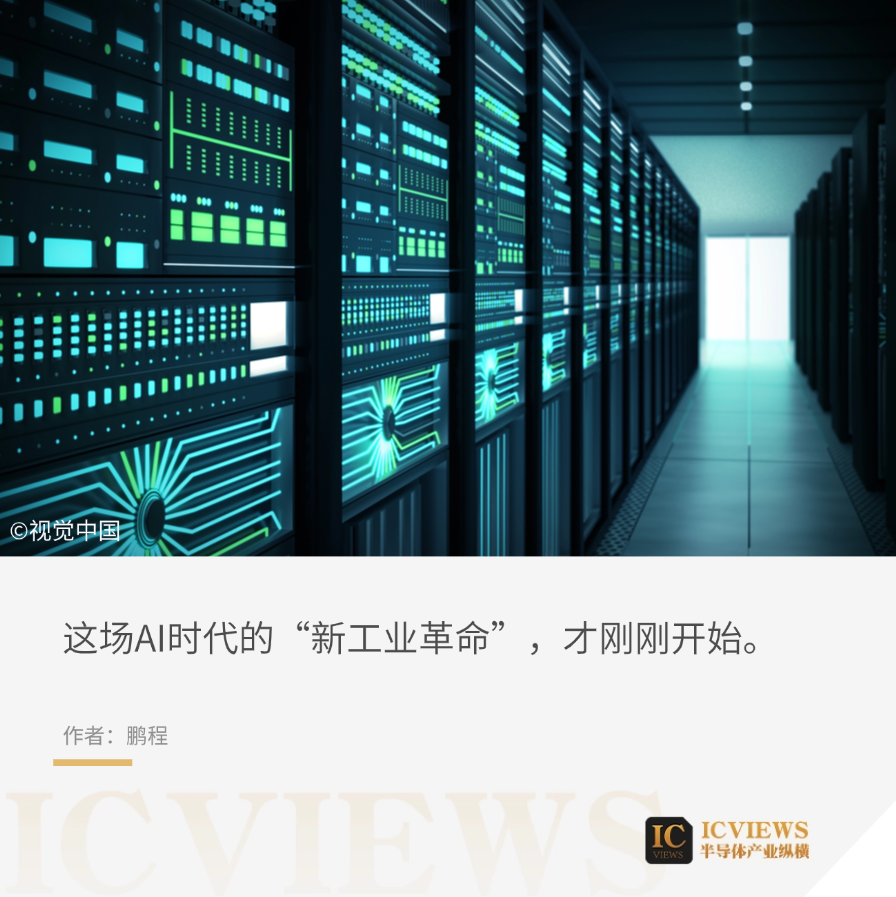
Xin Lang Cai Jing· 2026-02-15 07:26
Core Insights - The article emphasizes the significant progress made by Ningxia during the "14th Five-Year Plan" period, showcasing its economic growth, ecological improvements, and cultural tourism development as it prepares for the "15th Five-Year Plan" [6][28]. Economic Growth - Ningxia's GDP surpassed 500 billion yuan, with an average annual growth rate of 5.7% during the "14th Five-Year Plan" [6]. - The average disposable income of residents increased by 5.5% annually, ranking Ningxia 5th in the nation [6]. Cultural Tourism Development - The successful application for World Heritage status for the Western Xia Tombs led to a dramatic increase in tourist numbers, from 480,000 in 2024 to 1 million in 2025, effectively doubling the visitor count [4][6]. - The region's unique wine tourism, particularly in the Helan Mountain area, has transformed local economies, with grape prices tripling due to tourism experiences [7][9]. Ecological Improvements - Significant ecological restoration efforts in the Helan Mountain area have led to increased vegetation coverage and improved air quality, reversing previous environmental degradation [23][26]. - The restoration of the Qinglongxia Reservoir area has resulted in a thriving wetland ecosystem, benefiting local agriculture and enhancing biodiversity [25][26]. Digital Economy and Technology - Ningxia is positioning itself as a key player in the digital economy, with the establishment of data centers in the arid region of Zhongwei, leveraging its unique climate for cost-effective operations [15][20]. - The digital information industry in Zhongwei reached a value of 15 billion yuan by 2025, establishing it as a national "computing power hub" [15][20]. Conclusion - Ningxia's strategic focus on ecological protection, cultural tourism, and digital economy development is setting a precedent for sustainable growth and modernization in the region, aiming for higher GDP growth than the national average during the "15th Five-Year Plan" [28].
银价起伏,为何“痛”在新能源?
中国能源报· 2026-02-15 06:33
导电性好、热导性强的特性让白银成为光伏电池"血液"、电动汽车的"神经"、人工智能的"维生素",随着新兴产业推动白银工业需求 不断上涨,近年银价也一直缓慢爬升,导致白银供不应求。 今年以来,有色金属价格坐上"过山车",其中白银波动最大——2月初价格较1月底高点几乎腰斩。资源稀少、供给弹性低是银价猛涨 猛跌的重要原因。 导电性好、热导性强的特性让白银成为光伏电池"血液"、电动汽车的"神经"、人工智能的"维生素",随着新兴产业推动白银工业需求 不断上涨,近年银价也一直缓慢爬升,导致白银供不应求。 白银如何增储上产?业内认为,要靠深部勘探技术的突破、选冶工艺的精细化升级和尾矿的资源化利用。此外,光伏行业今年也在探索 电池"去银"和"回收银"技术。未来,再生银、"城市矿山"也将更好保障我国白银供应链安全。 从贵金属到工业金属 2024年我国白银总消费9428吨,其中工业需求高达8567吨。近年来,白银的工业金属属性越来越重,成为银价水涨船高的重要原 因。 世界白银协会预计,未来5年,随着核心科技领域需求加速增长,全球白银工业需求有望进一步扩大。光伏、电动汽车及其基础设施、 数据中心与AI等领域,将在2030年前持续推高 ...
中芯国际CEO警告:世界并没有想清楚3万亿美元建设数据中心的用处
Sou Hu Cai Jing· 2026-02-14 09:23
Core Viewpoint - The global rush to invest $3 trillion in AI infrastructure raises questions about the necessity and effectiveness of such investments, as highlighted by Zhao Haijun, co-CEO of SMIC, during the company's 2025 annual financial report [1][3]. Investment Trends - Global AI infrastructure investment is projected to exceed $650 billion this year, with cumulative investments potentially surpassing $3 trillion by 2028, which is larger than Germany's GDP in 2025 [3]. - The urgency to invest stems from a fear of falling behind in the AI "second industrial revolution" [3]. Industry Concerns - Major tech companies like Alphabet, Meta, Microsoft, and Amazon are preparing for future competition using resources accumulated over the past decade, indicating a trend of blind expansion driven by collective panic [5]. - The rapid obsolescence of high-performance GPUs, which can cost tens of thousands of dollars, poses a significant economic challenge, as their effective lifespan is much shorter than anticipated [5][7]. Economic Misalignment - The economic lifespan of chips is often only half of their physical lifespan, leading to faster depreciation and longer payback periods for investments in data centers [10]. - This phenomenon of "rapid obsolescence" is becoming a norm in the industry, raising concerns about the sustainability of such investments [8][10]. Planning and Utilization Issues - There is a lack of strategic planning regarding the deployment of data centers, including site selection, chip deployment, energy consumption, and maintenance [12]. - The current investment climate is driven more by hot money, political performance, and industry trends rather than sound planning and rational decision-making [12]. Financial Risks - The largest tech companies have easier access to financing, which allows them to absorb risks that smaller investors cannot, potentially leading to a misalignment of financial burdens [13]. - Questions remain about who will ultimately bear the $3 trillion cost of these investments and whether they will yield the expected revenue growth [13][15]. Call for Rational Investment - Zhao Haijun emphasizes the need for rationality in technology investments, warning against the potential for future investments to become a financial joke if not approached thoughtfully [15][17]. - The industry must consider how much to invest and whether current projects will remain relevant in the future, as the current enthusiasm may lead to a bubble if not managed properly [15][17].

创新创造 推动转型升级——因地制宜发展新质生产力一线故事(下)
Ren Min Ri Bao· 2026-02-14 08:59
Group 1: Humanoid Robotics in Shenzhen - Shenzhen is aiming to become the "first city of humanoid robots," with advancements showcased by a humanoid robot capable of serving popcorn in cinemas, working 14 hours a day and completing over 1,000 servings without errors [2][3] - The robot's development faced challenges in coordination of vision, decision-making, and precise manipulation, which were overcome through extensive testing and algorithm improvements [2] - The company, Yuejiang Technology, has achieved a self-research component rate of over 90% and a localization rate of 100%, reflecting the growth of the humanoid robotics industry in Shenzhen [3] Group 2: Green Chemistry in Shanghai - Shanghai's chemical industry is transitioning towards high-end, green, and digital production, exemplified by the recycling of wind turbine blades into reusable materials by Kubei Chemical [4][5] - Kubei Chemical has developed a recyclable epoxy resin that meets international standards, addressing the environmental issues associated with traditional disposal methods [5] - The transformation of Shanghai's chemical industry highlights the importance of innovation and green technology in creating new business models and enhancing productivity [5] Group 3: AI in Manufacturing in Suzhou - Suzhou's Hengtong Fiber Technology has implemented AI and digital technologies in its manufacturing processes, significantly reducing the need for manual labor while increasing efficiency [6][7] - The factory utilizes a smart control center to manage the entire production process, ensuring quality control and adaptability to environmental changes [7] - By 2025, Suzhou's industrial output is projected to reach 4.9 trillion yuan, showcasing the city's commitment to integrating AI into its manufacturing sector [7] Group 4: Metal Wire Innovation in Hebei - Hebei's Anping County is advancing its metal wire industry by developing ultra-fine stainless steel wires previously reliant on imports, addressing supply chain vulnerabilities [8][9] - Collaborative efforts among local enterprises and government support have led to the establishment of a shared innovation base, focusing on high-end material development [9] - The initiative reflects a broader trend of traditional industries embracing innovation to enhance competitiveness and productivity [9] Group 5: Biopharmaceutical Development in Chengdu - Chengdu's Baiyu Pharmaceutical has invested over 150 million yuan annually in R&D, leading to the development of innovative drugs for cardiovascular diseases [10][11] - The company has established a robust research team and incentivized talent retention through equity sharing, enhancing its innovation capabilities [10] - Chengdu's supportive policies and ecosystem have facilitated the growth of over 650 biopharmaceutical companies, contributing to the region's industrial advancement [11] Group 6: Green Steel Production in Rizhao - Rizhao Steel has adopted advanced ESP technology, significantly reducing energy consumption and carbon emissions in steel production [12][13] - The company has established multiple innovation centers to overcome technological challenges and enhance production efficiency [13] - The shift towards green and intelligent manufacturing in the steel industry is seen as a key driver for high-quality economic development in Rizhao [14] Group 7: Data Center Development in Ningxia - Ningxia's Zhongwei has become a hub for data centers, leveraging its favorable climate for energy-efficient operations [15][16] - The region has attracted significant investments, with a projected growth in the information technology sector, including a 14.9% increase in value-added services by 2025 [15] - Zhongwei's transformation from a desert city to a center for digital innovation illustrates the potential of new industries in driving regional development [16] Group 8: Intelligent Manufacturing in Shanxi - Shanxi's Dingxiang County is enhancing its flange manufacturing industry through digital and intelligent technologies, improving production efficiency and safety [17][18] - The integration of smart systems allows for real-time monitoring and control of production processes, significantly reducing labor requirements [18] - The county's focus on innovation and collaboration among enterprises is aimed at transforming traditional manufacturing into a more competitive and sustainable sector [19]
创新创造 推动转型升级——因地制宜发展新质生产力一线故事(下)
Xin Lang Cai Jing· 2026-02-14 05:04
Group 1: Humanoid Robots in Shenzhen - Shenzhen-based company, Yuejiang Technology, has developed a humanoid robot capable of serving popcorn in cinemas, working up to 14 hours a day and selling over 1,000 cups daily without errors [1][2] - The robot's development faced challenges in coordination of its "eyes, brain, and hands," requiring precise environmental recognition and decision-making [1][2] - Yuejiang Technology has achieved a 90% self-research rate for key components and a 100% localization rate, marking a significant milestone in the humanoid robot industry in Shenzhen [2] Group 2: Green Chemical Innovations in Shanghai - Shanghai-based Kubei Chemical has developed a method to recycle waste wind turbine blades, turning epoxy resin into renewable materials and separating carbon fibers [3][4] - The company’s innovative approach addresses the global issue of wind turbine waste, which has traditionally been managed through environmentally harmful methods [3][4] - Kubei's recyclable epoxy resin has been recognized by the Ministry of Industry and Information Technology and has led to the production of the world's first recyclable carbon fiber blades [4] Group 3: Intelligent Manufacturing in Suzhou - Hengtong Optical Technology in Suzhou has implemented a digital factory utilizing AI and 5G technology, significantly reducing the need for manual labor in fiber production [5][6] - The factory's intelligent manufacturing control center manages the entire production process, ensuring efficiency and adaptability to environmental changes [6] - By 2025, Suzhou aims to achieve an industrial output value of 4.9 trillion yuan, with Hengtong exemplifying the city's embrace of AI in manufacturing [6] Group 4: Steel Industry Transformation in Rizhao - Rizhao Steel has adopted advanced ESP technology, reducing energy consumption by over 70% and CO2 emissions by 80% in steel production [12][13] - The company has established multiple innovation centers to overcome technological monopolies and enhance production efficiency [12][13] - AI technology has been integrated into the steel manufacturing process, improving operational efficiency and reducing human error [13] Group 5: Data Center Development in Ningxia - Ningxia Zhongwei has become a hub for data centers, with significant investments leading to the establishment of a robust infrastructure capable of handling massive data processing tasks [14][15] - The region's favorable climate allows for energy-efficient cooling solutions, reducing energy consumption by over 60% compared to traditional methods [14][15] - By 2025, the data center cluster in Zhongwei is expected to support a substantial increase in the information technology service industry [15] Group 6: Smart Manufacturing in Shanxi - Tianbao Technology in Shanxi has modernized its flange manufacturing process through digital and intelligent systems, significantly increasing production efficiency [17][18] - The company has achieved an 80% rate of CNC equipment utilization, enhancing the precision and monitoring of production processes [18] - The local government supports innovation and collaboration among enterprises to foster a new quality of production in traditional industries [18] Group 7: Intelligent Mining in Guizhou - The mining industry in Guizhou is undergoing a transformation with the introduction of intelligent machinery, improving safety and efficiency in coal extraction [19] - The implementation of smart monitoring systems allows for real-time data analysis and remote control of mining operations, enhancing operational safety [19] - Guizhou's initiative to upgrade coal mining technology aims to shift the industry's perception from hazardous to innovative and efficient [19]
