
自动驾驶

Search documents
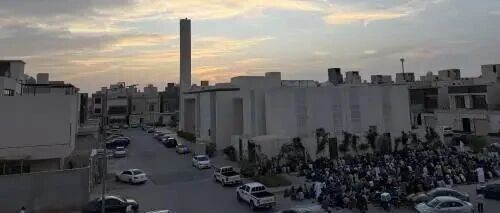
中东局势升级,顺丰停送、萝卜快跑暂停运营,外贸人订单被取消
21世纪经济报道· 2026-03-04 01:22
Core Viewpoint - The ongoing conflict in the Middle East has significantly disrupted logistics and operations for companies engaged in cross-border trade, particularly affecting those in the UAE, Saudi Arabia, and Israel. The situation has led to increased shipping costs, order cancellations, and a general sense of uncertainty among businesses operating in the region [1][3][12]. Group 1: Impact on Logistics and Operations - Companies like 彭云's, which deal in construction materials and medical equipment, have faced substantial economic losses due to order cancellations and disrupted supply chains [1]. - The major ports in the region, such as Jebel Ali in the UAE and Dammam in Saudi Arabia, have halted operations, leading to a backlog of goods and increased shipping rates [1][13]. - Cross-border e-commerce businesses are particularly affected, with significant delays in order fulfillment and a lack of viable alternative shipping routes [1][13]. Group 2: Business Adaptations - Many companies have shifted to remote work arrangements, with some suspending operations in the region entirely. For instance, 顺丰 International has paused its international express services to multiple Middle Eastern countries [2][3]. - Companies like 文远知行 have temporarily halted their autonomous vehicle operations in Dubai while continuing data training and safety measures [4][5]. - 美的 has reported that its operations in the Middle East remain stable, with local offices functioning normally despite the ongoing conflict [5][16]. Group 3: Market Sentiment and Future Outlook - The perception of the Middle East as a safe investment destination is being tested, with concerns about the long-term implications of the conflict on capital inflow and real estate prices [14][16]. - Despite the current turmoil, some companies maintain a positive outlook on the long-term growth potential of the Middle Eastern market, emphasizing the importance of diversifying international operations to mitigate risks [16].

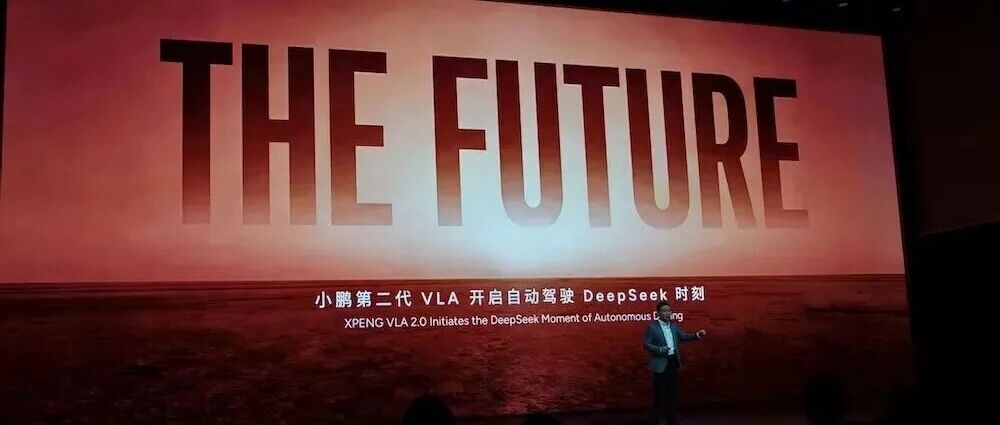
何小鹏赌约背后,中美智驾只剩“一年之差”
汽车商业评论· 2026-03-03 23:04
Core Viewpoint - The article discusses the transformative shift in the autonomous driving industry, highlighting the emergence of the Vision-Language-Action (VLA) model as a key player in overcoming the limitations of traditional end-to-end models in autonomous driving technology [6][12][19]. Group 1: Evolution of Autonomous Driving - The journey of autonomous driving technology has seen significant milestones, from early experiments to the recent successful cross-country drive using Tesla's Model 3 with full self-driving capabilities [4][6]. - The year 2025 marked a pivotal moment where the industry faced intense competition, leading to a collective shift towards VLA models to address the shortcomings of previous approaches [6][10][12]. Group 2: VLA Model Significance - The VLA model integrates visual perception, language processing, and action decision-making, allowing vehicles to make informed decisions based on contextual understanding rather than mere data recall [19][22][24]. - Companies like Tesla and Chinese automakers are rapidly adopting VLA technology, with significant advancements in their autonomous driving systems, aiming for full autonomy by 2026 [9][19][28]. Group 3: Market Dynamics and Competition - The competition between U.S. and Chinese companies in the autonomous driving space is intensifying, with both sides recognizing the potential of VLA to level the playing field [17][19][30]. - The article notes a shift in consumer expectations, where users demand not just functional but superior driving experiences, pushing companies to innovate rapidly [23][24][62]. Group 4: Financial Implications and Industry Outlook - The capital market is showing renewed interest in autonomous driving, with significant investments flowing into companies that can demonstrate viable VLA solutions [30][31][66]. - The article predicts that by 2026, the market for high-level autonomous vehicles could reach sales of 5 million units, emphasizing the urgency for companies to adapt or risk losing market share [62][63][70]. Group 5: Future Directions and Challenges - The article highlights the ongoing debate between different technological approaches, including VLA, World Action (WA), and one-stage reinforcement learning, each with its own merits and challenges [34][42][49]. - The future of autonomous driving is expected to involve a blend of these technologies, as companies seek to balance cost, safety, and user experience in their offerings [56][59][70].


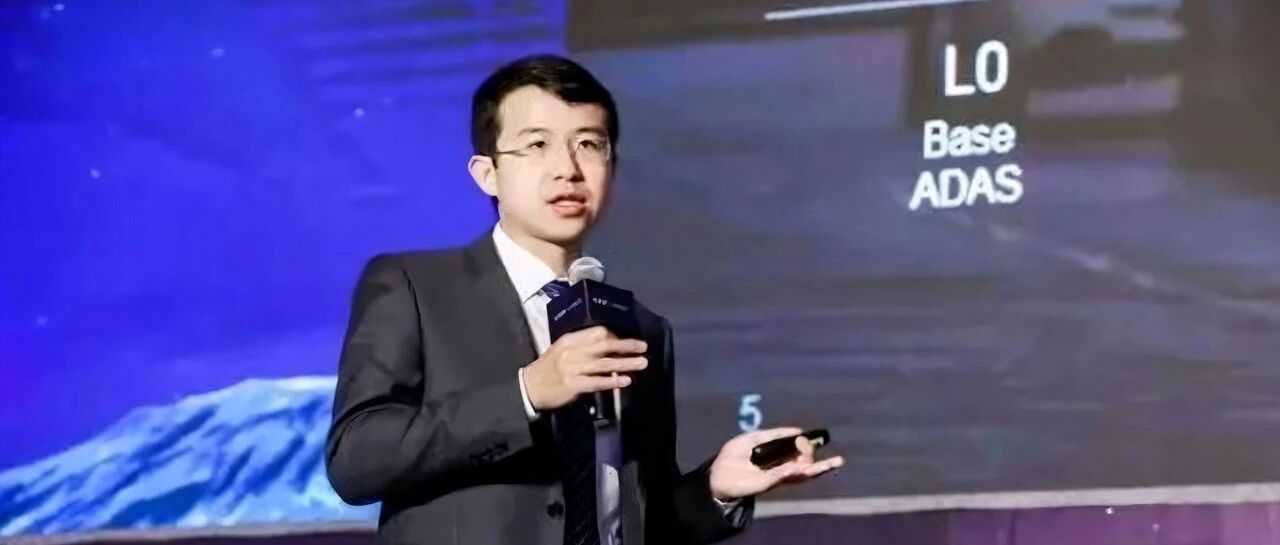
滞留迪拜的中国人:每天上百枚导弹从头顶飞过,当烟花看
21世纪经济报道· 2026-03-03 14:23
Core Viewpoint - The article discusses the impact of recent military actions in the Middle East, particularly the missile strikes involving Iran, on Dubai's stability and investment climate. It highlights the immediate fears and long-term implications for the city as a capital haven for investors [1][12][23]. Group 1: Immediate Reactions and Situational Overview - On February 28, a series of missile alerts caused panic among residents and visitors in Dubai, leading to a temporary halt in normal activities [5][6]. - The Iranian military launched multiple missile and drone attacks targeting U.S. military bases in the region, escalating tensions and causing casualties among U.S. forces [5][12]. - Despite the chaos, local businesses, including supermarkets and restaurants, continued to operate normally, reflecting a degree of resilience in the face of crisis [11][12][17]. Group 2: Government Response and Public Sentiment - The UAE government has been proactive in managing the crisis, providing accommodations for stranded travelers and maintaining communication with the public through various channels [11][12]. - Residents expressed mixed feelings, with some feeling secure due to the government's crisis management, while others experienced anxiety about the ongoing conflict and its implications for safety and investment [11][21]. - The local community has shown resilience, with many maintaining a sense of normalcy despite the backdrop of conflict, indicating a strong social fabric [21][23]. Group 3: Economic Implications and Investment Outlook - Dubai has historically attracted significant foreign investment, with a notable increase in real estate transactions, which surged by 56% in 2023 [12][23]. - The ongoing geopolitical tensions pose a risk to Dubai's reputation as a low-risk investment destination, potentially affecting future capital inflows [12][23]. - Despite short-term uncertainties, there is a belief that if Dubai can navigate this crisis effectively, it may reinforce investor confidence in the long run [12][23].

完成超 1 亿美元融资,卡尔动力韦峻青:让无人重卡穿越大漠戈壁丨 L4 十人谈
雷峰网· 2026-03-03 06:14
Core Viewpoint - The article chronicles the journey of Wei Junqing in the autonomous driving industry, highlighting the evolution of technology and the establishment of Kargo Dynamics, a company focused on L4 autonomous trucking solutions, aiming to revolutionize logistics and transportation infrastructure [2][4][6]. Group 1: Background and Development - In 2005, the DARPA Grand Challenge sparked interest in autonomous driving, leading to significant advancements in the field and inspiring many, including Wei Junqing, who pursued a PhD at Carnegie Mellon University (CMU) [2][10]. - Wei Junqing's career progressed from founding Ottomatika, which was acquired by Delphi, to becoming the CTO of Didi's autonomous driving division, and eventually the CEO of Kargo Dynamics, focusing on L4 autonomous trucking [3][4][12]. Group 2: Kargo Dynamics and Its Innovations - Kargo Dynamics aims to achieve commercial operations with a fleet of 400 L4 autonomous trucks by the end of 2025, with a projected operational mileage exceeding 35 million kilometers and a freight volume of 1.2 billion ton-kilometers [4][6]. - The company has developed a "mixed intelligence" solution for autonomous trucking, which combines human-driven and autonomous vehicles to enhance safety and efficiency in logistics [4][32]. Group 3: Market Position and Strategy - Kargo Dynamics recently completed a $100 million Series B funding round, which will be used to accelerate the deployment of autonomous trucks, with plans to enable 1,000 trucks within the year and 10,000 in the coming years [6][28]. - The company focuses on bulk commodity transportation, which is less time-sensitive and more suited for autonomous operations compared to express delivery services [30][23]. Group 4: Competitive Landscape and Future Goals - The autonomous trucking sector is viewed as a less glamorous but economically significant field, with Kargo Dynamics positioning itself as a pioneer in this space, similar to how Google defined AI [58][60]. - The company aims to create a "transportation as a service" model, establishing a logistics network that optimizes costs and efficiency, with a vision to become a foundational infrastructure provider in the logistics industry [28][55].
小马智行恢复多哈Robotaxi道路测试,迪拜仍暂停
Xin Lang Cai Jing· 2026-03-02 08:23
(本文来自第一财经) 3月2日,小马智行回应第一财经,由于地区局势,为配合当地相关部门统一部署,保障测试安全,公司 此前暂停了迪拜和多哈的Robotaxi道路测试。经评估,多哈测试已于今日恢复。公司将继续与迪拜监管 机构保持沟通,在确保安全后适时恢复测试。(第一财经记者 黄琳) ...
小马智行恢复多哈Robotaxi道路测试 迪拜仍暂停
Di Yi Cai Jing· 2026-03-02 08:08
3月2日,小马智行回应第一财经,由于地区局势,为配合当地相关部门统一部署,保障测试安全,公司 此前暂停了迪拜和多哈的Robotaxi道路测试。经评估,多哈测试已于今日恢复。公司将继续与迪拜监管 机构保持沟通,在确保安全后适时恢复测试。 (文章来源:第一财经) ...
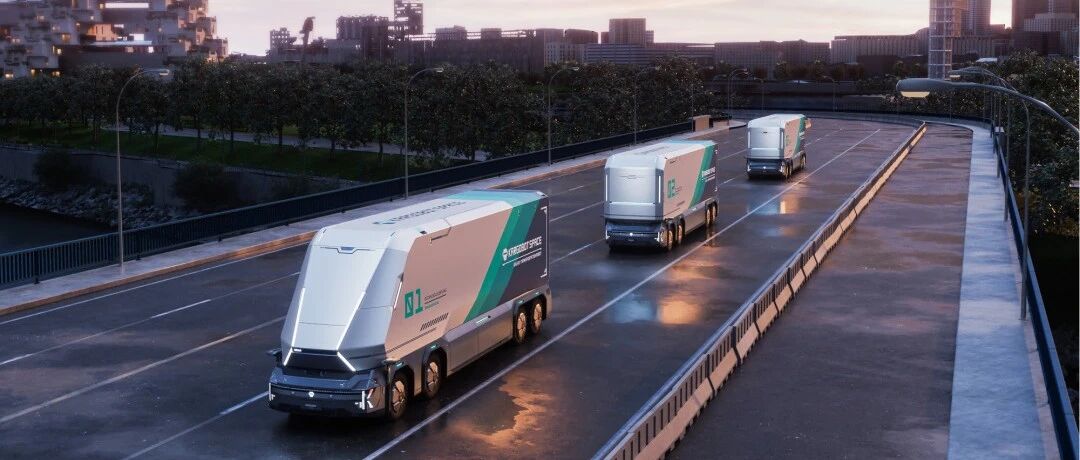
卡尔动力获超1亿美元B轮融资:在Robotruck万亿级赛道率先跑通商业化闭环
IPO早知道· 2026-03-02 03:07
Core Viewpoint - The article highlights the significant advancements and milestones achieved by Kaal Power in the autonomous freight transportation sector, emphasizing its leadership in commercializing unmanned logistics solutions and the recent funding round aimed at scaling operations. Group 1: Company Achievements - Kaal Power has completed a B-round financing of over $100 million, led by Horizon Robotics and Gao Rong Capital, with participation from other investors and existing shareholders [3] - The company has achieved a cumulative freight volume of 1.2 billion ton-kilometers and has successfully closed the first profitable case of unmanned trunk transportation [3] - Kaal Power operates over 400 autonomous trucks, with a total mileage exceeding 35 million kilometers, and has conducted operations in more than 10 provinces [5] Group 2: Technological Innovations - Kaal Power has developed an autonomous driving technology platform centered on "end-to-end + reinforcement learning," offering a comprehensive solution for unmanned freight transportation [6] - The company’s innovative mixed fleet model allows for significant operational efficiency improvements, with labor efficiency increasing by 83% to 300% and overall operational efficiency improving by over 50% [6] - Kaal Power has designed and developed transportation robots with a modular structure to enhance automation across the logistics chain [6] Group 3: Market Position and Future Plans - The company is positioned as a leader in the open-road autonomous freight market, with plans to deploy 1,000 autonomous trucks this year and 10,000 Robotrucks in the coming years [3][8] - Kaal Power aims to accelerate the commercialization of AI and logistics applications, focusing on creating a safer, more efficient, and economical logistics capacity system [8] - The autonomous freight sector is expected to enter a rapid growth phase within the next 1-2 years, with Kaal Power establishing a significant first-mover advantage in this trillion-dollar market [7]
首发|清华师兄,刚刚融资超1亿美金
投资界· 2026-03-02 02:48
Core Viewpoint - The article highlights the significant financing event for KargoBot, a global L4 autonomous driving freight company, which has raised over $100 million in Series B funding, marking a pivotal moment for the commercialization of autonomous freight logistics [2][10]. Company Overview - KargoBot was founded by Dr. Wei Junqing, who has nearly 20 years of experience in the autonomous driving industry and previously led projects at Carnegie Mellon University [3][5]. - The company focuses on L4 autonomous heavy trucks and has developed a full-stack autonomous driving system, with its core product being a mixed-intelligence platooning system [6]. Financing and Investment - The recent Series B funding round was led by Horizon Robotics and Gao Rong Capital, with participation from several other investors, indicating strong interest in the autonomous freight sector [2][10]. - KargoBot has previously secured significant funding, including a $450 million angel round and a $60 million Series A round, demonstrating a robust investment trajectory [6][10]. Market Potential - The autonomous freight market is projected to be a trillion-dollar industry, with KargoBot targeting the logistics sector that accounts for over 70% of cross-regional goods circulation in China [5][10]. - The article notes that KargoBot has already operated over 400 autonomous trucks, covering more than 35 million kilometers across over 10 provinces, indicating a strong operational presence [8][10]. Industry Trends - The autonomous driving freight sector is experiencing a surge in investment and interest, with other companies like Xidi Zhijia and DeepWay also making headlines with significant funding rounds [9][10]. - There is a growing consensus that the commercialization of autonomous trucks is reaching a critical turning point, with expectations for rapid growth in the next 1-2 years [10][11].

小马智行Robotaxi在深实现单车盈利转正 商业化运营再下一城
Ju Chao Zi Xun· 2026-03-02 02:33
Core Insights - The company announced that its seventh-generation Robotaxi will achieve monthly single-vehicle operational profitability in Shenzhen by February 2026, following a similar milestone in Guangzhou in November 2025, indicating significant progress in the commercialization of the Robotaxi market [2] - The average daily net income per vehicle in Shenzhen reached 338 yuan, with an average of 23 orders per vehicle per day as of February 28, driven by increasing user demand and improved operational efficiency [2] - The CEO stated that achieving profitability in Shenzhen validates the company's technological maturity and commercialization strategy, proving the economic sustainability of autonomous driving in major Chinese cities [2] Operational Expansion and User Growth - The operational area has expanded from 21.7 square kilometers at the start of market operations in March 2025 to 167.4 square kilometers by the end of 2025, covering key areas in Nanshan and Baoan [2] - As of February 16, 2026, the number of paid orders for Robotaxi in Shenzhen has already surpassed the total for the entire year of 2025, with an average of 26 paid orders per vehicle per day during the recent Spring Festival, significantly higher than the national average of 15 orders per vehicle per day in 2025 [3] Cost Structure and Profitability - The improvement in profitability is attributed to ongoing optimization of the cost structure, which includes depreciation of vehicles and autonomous driving kits, charging costs, maintenance, remote operational assistance, insurance, labor costs, and infrastructure expenses [3] - The seventh-generation autonomous driving system utilizes 100% automotive-grade components, reducing material costs by approximately 70% compared to the previous generation, while AI algorithms enhance fleet management and remote assistance personnel allocation, further improving vehicle utilization and overall operational efficiency [3] Market Position and Replicability - The successful achievement of single-vehicle operational profitability in both Shenzhen and Guangzhou demonstrates the replicability of the company's business model in core cities in China, reinforcing its leading position in the commercialization of autonomous driving [3]
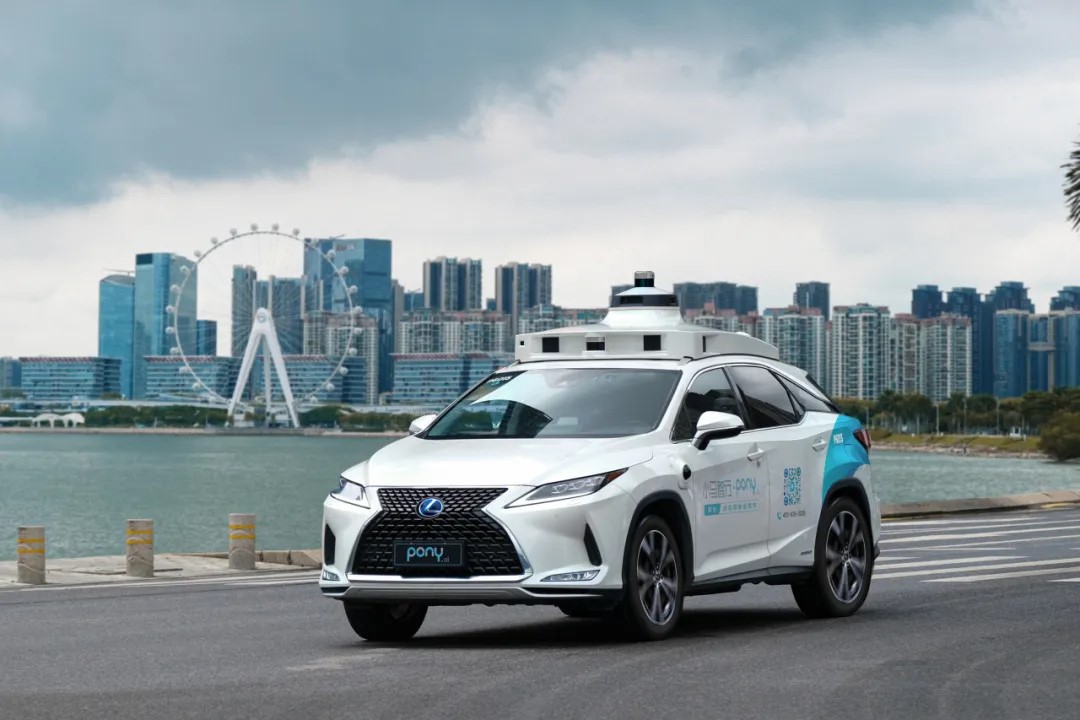
小马智行第七代自动驾驶出租车深圳单车盈利转正
Bei Jing Shang Bao· 2026-03-02 02:12
Core Insights - The company, Xiaoma Zhixing, announced that its seventh-generation Robotaxi will achieve monthly single-vehicle operational profitability in Shenzhen by February 2026 [1] - The company reached this profitability milestone in Guangzhou by November 2025 [1] Financial Performance - As of February 28, the average net income per single Robotaxi per day was 338 yuan, with an average of 23 orders per vehicle daily [1] - During the Spring Festival holiday, the average daily paid orders per vehicle reached 26, compared to a national average of 15 orders per vehicle per day from the beginning of the year until the company's Hong Kong listing in November 2025 [1] Cost Structure - The operational costs for each Robotaxi include depreciation of vehicles and autonomous driving kits, charging fees, daily maintenance, remote operational assistance, insurance costs, ground staff labor costs, and expenses for parking and network infrastructure [1] - The material cost (BOM) of the seventh-generation autonomous driving system has been reduced by approximately 70% compared to the previous generation, utilizing 100% automotive-grade components [1] Market Performance - By February 16, 2026, the number of paid orders for Robotaxi in Shenzhen exceeded the total for the entire year of 2025 [1]