
茶饮

Search documents
爱施德:公司把握“AI+”产业变革历史性机遇
Zheng Quan Ri Bao Wang· 2025-08-12 09:43
Core Viewpoint - The company is focusing on developing its own brands in the 3C digital and fast-moving consumer goods sectors, while also expanding its communication business domestically and internationally, particularly in IoT applications [1] Group 1: Brand Development - The company has established its own smart health brand "UOIN" and new tea brands "茶小开" and "悦小开," which have received wide consumer recognition [1] Group 2: Communication Business - The company aims to concentrate on domestic and overseas communication and IoT businesses, promoting larger-scale commercialization in key areas such as smart energy, intelligent security, and unmanned retail [1] Group 3: AI+ Industry Transformation - The company is seizing the historic opportunity of the "AI+" industrial transformation by utilizing its acquisition fund to focus on investments that align with its industrial upgrade direction, accelerating the construction of a second growth curve and creating new value [1]

狂开门店8000家,蜜雪“平替”甜啦啦加盟商的血与泪
商业洞察· 2025-08-12 09:25
Core Viewpoint - The article discusses the rapid expansion of the tea beverage brand Tienlala, which has adopted a strategy of imitating its competitor Mixue, focusing on lower prices and aggressive store openings, but this growth has come at a significant cost to its franchisees [5][7][8]. Group 1: Franchisee Survival Dilemma - Tienlala is perceived as a "substitute" for Mixue, with its founder having previously been a franchisee of Mixue, leading to a strategy of selling similar products [10][11]. - As of 2024, Tienlala has over 8,000 stores across 318 cities, including international locations in the Philippines and Cambodia [11]. - The initial investment for a Tienlala franchise is advertised at 150,000 to 200,000 yuan, significantly lower than Mixue's 400,000 to 500,000 yuan, attracting many franchisees [14][13]. - However, actual costs often exceed expectations, with one franchisee stating that total expenses can exceed 300,000 yuan due to hidden renovation costs and high fees for mandatory materials [15][16]. - Franchisees report that the promised profit margins of 20-30% are often unrealistic, with many struggling to break even due to low pricing strategies and high operational costs [16][17]. Group 2: Competitive Pressure from Mixue - The tea beverage industry is experiencing intense competition, particularly in site selection, with established brands like Mixue dominating prime locations [20][22]. - New franchisees often find themselves in less desirable locations due to Mixue's existing presence, which further squeezes their profit margins [20][23]. - Franchisees face additional challenges from aggressive pricing strategies and operational pressures, leading to a significant reduction in profitability [22][23]. Group 3: Challenges of Imitating Competitors - Tienlala's strategy of undercutting competitors' prices has led to a lack of product innovation and brand recognition, with a significant portion of its stores located in lower-tier markets [25][27]. - The brand's low-cost model limits its ability to enhance product quality, creating a dilemma between maintaining price sensitivity and improving brand image [27][28]. - Tienlala's future success hinges on its ability to provide unique value to both consumers and franchisees, beyond merely replicating Mixue's model [28].



东北证券:供需两端驱动平价茶饮赛道发展 工业品模式易实现赢者通吃
Zhi Tong Cai Jing· 2025-08-12 07:09
Core Viewpoint - The tea beverage industry is experiencing a rapid chain development, with the clearance of single brands occurring faster than in other sectors, particularly in the affordable tea segment which has a strong ecological advantage and a clear competitive landscape [1][2] Industry Review - The industry saw a peak in operational data in 2023, with a potential harvest year in 2025. The year 2023 experienced a rebound expansion post-reopening, while 2024 is expected to witness intense price wars leading to the accelerated clearance of mid-sized brands and further concentration among leading brands [1] - By Q3 2024, major brands like Heytea announced a reduction in promotional efforts, prompting others like Mixue and Gu Ming to follow suit, with the price war expected to conclude by Q4 2024 [1] Competitive Landscape - The tea beverage sector is characterized by structural competition, with the affordable tea segment exhibiting a strong ecological advantage and a notably clear competitive structure compared to other segments in the food and beverage industry [2] Demand Side - The demand for affordable tea is stable, driven by two main factors: it targets a price-sensitive customer base at the bottom of the demand pyramid, and it has outperformed soft drinks in terms of cost-effectiveness, attracting some of their demand [3] Supply Side - The industry features two business models: the mainstream "industrial model" prevalent in the affordable tea segment and the "agricultural model" in the mid-to-high price segments. The industrial model benefits from high levels of integration across the supply chain, making it easier to achieve a positive feedback loop of scale, cost, and barriers to entry [4] - The affordable tea business model operates as a convenient store for ready-made beverages, offering several advantages over soft drinks and ensuring profitability for franchisees, consumers, and companies alike [4]

“百变雪王”引爆打卡经济学,龙湖天街激活情绪消费场
Bei Jing Shang Bao· 2025-08-12 05:20
Core Insights - The article highlights the rise of IP economy driven by emotional value, exemplified by the "Bian Bian Xue Wang Global Exhibition" in Beijing, which successfully activates consumer emotions and drives consumption [1][2][5] Group 1: IP Development and Consumer Engagement - The "Bian Bian Xue Wang" exhibition features a 500 square meter area with 55 uniquely designed snow king figures and a 10-meter tall giant snow king, creating an immersive winter wonderland experience [2][3] - The collaboration between Longfor Commercial and Mixue Ice City showcases the deep development of the snow king IP, enhancing its visual representation and emotional connection with consumers [2][3] - The exhibition includes various activities such as a unique stage play and multilingual animations, enriching the cultural content and allowing consumers to experience the charm of the snow king IP from multiple dimensions [3] Group 2: Marketing Strategy and Transformation - Longfor Commercial aims to shift traditional marketing models by emphasizing emotional value derived from IP resonance, transforming consumer spaces into platforms for emotional expression and cultural engagement [4][5] - The transformation from a "landlord" to a "curator" and "traffic operator" is evident in Longfor's approach, where they create engaging and story-driven exhibition spaces that connect brands with consumers [4] - The exhibition successfully converts online traffic into offline footfall through various engaging activities, demonstrating the effectiveness of their innovative IP and scene creation [5] Group 3: Long-term Commercial Impact - The rise of IP economy is expected to peak by 2025, with brands leveraging unique and attractive commercial spaces to drive consumer engagement and sales [6] - The "Bian Bian Xue Wang" IP resonates with Generation Z, who are willing to pay for emotional connections, stories, and identity recognition rather than just product functionality [6] - The exhibition not only boosts immediate consumption but also optimizes the commercial ecosystem in the long term, enhancing the overall competitiveness of the commercial space [6]
最低3元/杯、和6家蜜雪PK,这家“神店”营收连涨13年
3 6 Ke· 2025-08-12 02:11
Core Insights - The article highlights the success of a local tea shop named "Lv Xiaoge" in a competitive market dominated by major brands like Mixue, showcasing its unique business model and strategies that have led to consistent revenue growth over 13 years [1][3][24] Group 1: Business Model and Performance - Lv Xiaoge operates over 410 stores, with 180 located in Anyang, and 60% of its stores in county towns, achieving an average daily revenue of over 3,000 yuan [3][24] - The shop's average daily revenue exceeds 10,000 yuan, with a peak of 2,000 cups sold in a single day [1][3] - The brand has maintained a 0% closure rate in the Anyang area, indicating strong operational stability [3] Group 2: Product Strategy - The shop offers high-value products at low prices, such as 2 yuan fresh milk ice cream and 3 yuan jasmine tea, appealing to local consumers [1][5] - The product lineup is limited, with only 6-7 new items introduced annually, focusing on quality over quantity [5][11] - The use of high-quality ingredients and unique preparation methods differentiates its products from competitors, such as a distinct lemon tea that emphasizes freshness and flavor [11][13] Group 3: Marketing and Brand Positioning - The brand relies on word-of-mouth marketing rather than traditional advertising, with a focus on building a strong local reputation [17][21] - The founder, Lv Zhiwei, is actively involved in product development and quality control, ensuring that every product meets high standards [18][20] - The brand's strategy emphasizes regional focus, avoiding rapid national expansion and prioritizing sustainable growth in local markets [23][24]
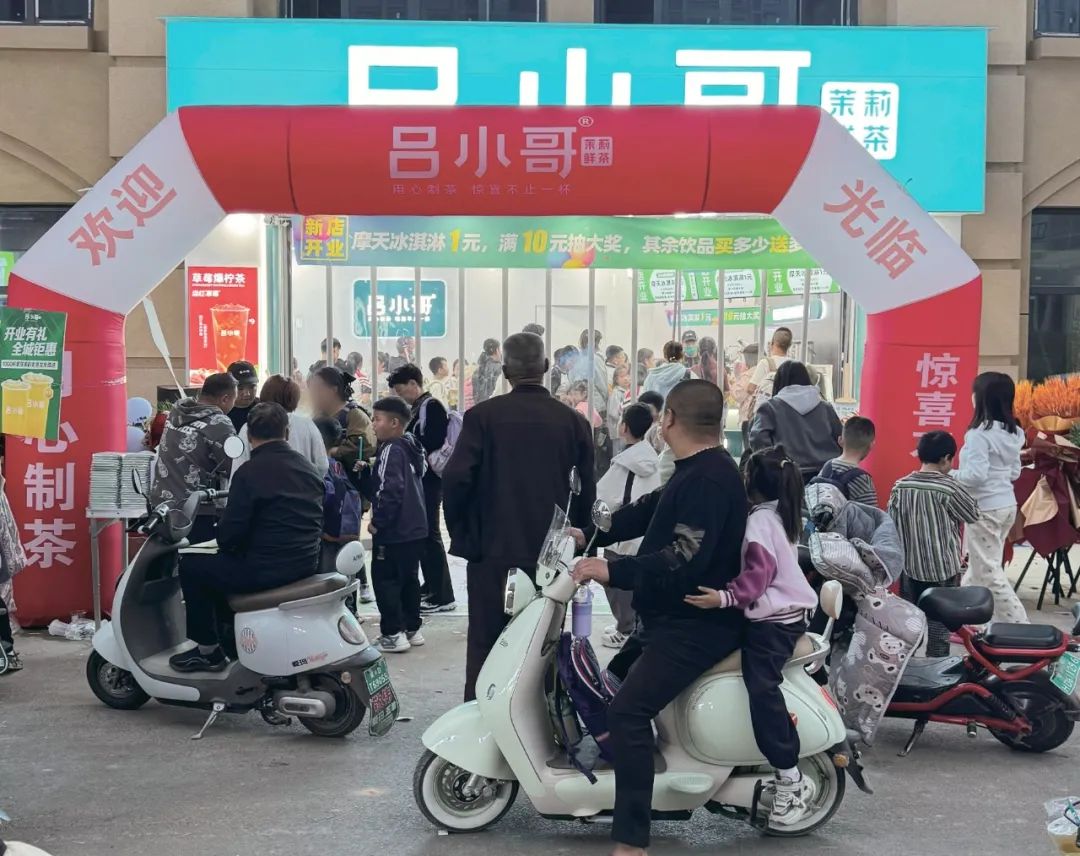
游戏场景现实落地吸引新用户 茶饮IP联名后续热度难维持
Nan Fang Du Shi Bao· 2025-08-11 23:16
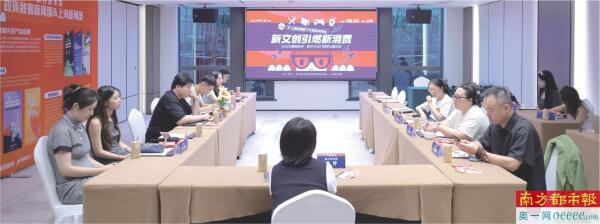
Core Insights - The event "New Cultural Creation Ignites New Consumption" held in Shanghai focused on the intersection of digital culture and consumer behavior, emphasizing the importance of IP cross-industry empowerment and innovation in the digital cultural industry [8][10][12]. Group 1: Industry Trends - Digital cultural IP is reshaping the consumption logic of young people, with local governments promoting ecological collaboration in the cultural industry [8][10]. - The integration of technologies like AIGC and business models such as "Guzi Economy" and "Co-branding Economy" is expected to break down industry barriers and drive high-quality economic development [8][10]. - The concept of "emotional embedding" and "social interaction empowerment" is crucial for brands to maintain consumer enthusiasm, as young consumers prioritize emotional connections with products [9][10]. Group 2: Brand Collaboration Strategies - Brands are increasingly focusing on "tone alignment" when selecting collaboration partners, ensuring that the IP's characteristics resonate with their own brand identity [10][11]. - Softstar Technology emphasizes the importance of cultural depth and innovation in collaborations, showcasing successful partnerships with various brands to enhance consumer engagement [10][11]. - Century Huatong has successfully collaborated with hotels and traditional brands, demonstrating that diverse partnerships can rejuvenate brand images and attract younger audiences [11][12]. Group 3: Challenges and Considerations - The tea beverage brand Lemon Right has observed a slowdown in collaboration frequency, highlighting the need for brands to focus on building their own identity while selectively engaging in IP collaborations [13][14]. - Concerns about the effectiveness of collaborations in delivering added value are prevalent, with brands emphasizing the importance of product quality before pursuing co-branding opportunities [14][15]. - The integration of AI in IP collaborations is gaining traction, but many companies remain cautious due to concerns about AI-generated content potentially harming brand reputation [15][16]. Group 4: Intellectual Property Protection - Intellectual property protection is essential for maintaining the value and scarcity of IP, with significant investments required to cultivate successful IPs [16][17]. - The rise of counterfeit products poses challenges for IP holders, necessitating proactive measures to protect brand reputation and market integrity [16][17]. - The industry is actively exploring various legal pathways for protecting intellectual property rights, indicating a collective effort to address infringement issues [16][17].


霸王茶姬上涨2.16%,报22.19美元/股,总市值40.73亿美元
Jin Rong Jie· 2025-08-11 13:52
本文源自:金融界 8月11日,霸王茶姬(CHA)盘中上涨2.16%,截至21:39,报22.19美元/股,成交155.71万美元,总市值 40.73亿美元。 作者:行情君 财务数据显示,截至2025年03月31日,霸王茶姬收入总额33.93亿人民币,同比增长35.35%;归母净利 润6.79亿人民币,同比增长14.24%。 资料显示,茶姬控股有限公司是一家在开曼群岛注册成立的境外控股母公司,主要通过其境内实体子公 司北京茶姬餐饮管理有限公司运营。其子公司运营的CHAGEE霸王茶姬是一家领先的优质茶饮品牌,提 供健康美味的新鲜茶饮。 ...
60元一杯仍排长队!新茶饮品牌集体闯关美国
Guo Ji Jin Rong Bao· 2025-08-11 05:24
Core Insights - The article highlights the rapid expansion of Chinese tea brands in the U.S. market, with a notable increase in overseas store openings, particularly in high-demand areas like Silicon Valley and New York [1][7][19] - The shift from Southeast Asia to the U.S. as a primary target for expansion reflects a strategic move by brands to establish long-term brand influence and product recognition in a mature market [7][19] Expansion Trends - Chinese tea brands have seen a sixfold increase in overseas store numbers over the past year, with over 100 stores now in the U.S., making it the fastest-growing market for new tea brands [1][19] - Brands like Heytea, Nayuki, and Bawang Chaji are entering the U.S. market, indicating a trend towards higher-tier market challenges after gaining experience in Southeast Asia [6][19] Market Dynamics - The U.S. ready-to-drink tea market is expanding rapidly, with a projected annual growth rate of 9.1%, and the market size expected to exceed $8 billion by 2030 [9][19] - Brands are targeting young consumers aged 18-35, focusing on high-traffic areas for store locations, such as shopping centers and university neighborhoods [8][19] Sales Performance - Notable sales figures include Heytea's first-day sales of 3,500 cups in New York, translating to approximately 210,000 RMB, and Bawang Chaji's opening day sales exceeding 5,000 cups in Los Angeles [10][19] Cultural and Supply Chain Considerations - The expansion into the U.S. market involves cultural adaptation and supply chain challenges, with brands needing to localize products and establish efficient supply chains [17][18] - Heytea has partnered with local suppliers in the U.S. to ensure quality and consistency in its offerings, becoming the first tea brand to build a systematic supply chain overseas [18][19] Future Outlook - Despite challenges, the overseas market presents significant growth opportunities for tea brands, as the domestic market faces saturation [19]

5家消费公司拿到新钱;野人先生称没有上市计划;喜茶把店开到了苹果总部|创投大视野
3 6 Ke· 2025-08-11 03:16
Group 1: Investment and Financing - The bubble tea brand "Bieyang Bubble" has completed angel round financing of 10 million yuan, with funds primarily allocated for team building and product refinement [2] - The metaverse game developer MiAO has received a new investment of 140 million yuan, bringing its valuation to nearly 2 billion yuan [3] - The AR company "Liangliang Vision" confirmed over 100 million yuan in strategic financing, aimed at advancing AR glasses development and expanding international market reach [4] - "Xinglian Future" has completed a Pre-A round financing of several tens of millions of yuan, focusing on developing smart collars for pets [5] - "Zero Six Two Nine Cultural Technology" secured seed round financing of several million yuan to enhance its capabilities in children's content IP incubation [6] Group 2: Company Developments - The ice cream brand "Yeren Xiansheng" has no plans for an IPO, focusing instead on sustainable growth and rapid store expansion, with over 900 stores opened [8][9] - "Pang Dong Lai" reported a cumulative sales of 13.585 billion yuan this year, nearing 80% of last year's total sales, with supermarkets being the largest revenue contributor [10] - "Heytea" has opened a new store in Cupertino, California, marking significant international expansion with over 100 overseas locations [11][12] - TikTok is testing local lifestyle services in the U.S. by partnering with Booking.com for hotel reservations, aiming to attract new advertisers [13] Group 3: Market Trends - The summer movie market is expected to see a blockbuster, with total box office surpassing 1.5 billion yuan, led by the film "Nanjing Photo Studio" [17] - Dongguan has introduced new policies to promote the trendy toy industry, allocating 120 million yuan for high-quality development [18] - U.S. imports fell sharply by 8.4% in June due to tariff increases, with predictions of a 5.6% decline in total imports for the year [19]
西部证券晨会纪要-20250811
Western Securities· 2025-08-11 02:25
Group 1: Company Overview - Gu Ming (01364.HK) has a strong core competitiveness in delivering fresh fruits and milk to lower-tier cities with a two-day shelf life, benefiting from significant cost advantages [1][6] - The company has a leading quarterly repurchase rate supported by a robust supply chain and high-quality research and development [1][7] - The store count in the top eight key provinces accounts for nearly 80% under the regional densification strategy [1][7] Group 2: Industry Insights - The tea beverage industry is characterized by a long-term growth trajectory, with brands possessing comprehensive capabilities expected to dominate the market [6][7] - The head effect intensifies, leading to rapid expansion of second and third-tier brands, while local long-tail brands will follow suit [6] Group 3: Financial Projections - Gu Ming's projected revenues for 2025, 2026, and 2027 are 116 billion, 140 billion, and 169 billion respectively, with corresponding net profits of 21 billion, 26 billion, and 32 billion [8] - The company is expected to achieve a PE ratio of 26X, 21X, and 17X for the years 2025, 2026, and 2027, indicating strong growth potential [8] Group 4: Competitive Advantages - The company maximizes supply chain efficiency and offers products with a high quality-to-price ratio, which enhances customer loyalty and repurchase rates [7][8] - The regional densification strategy allows for a significant market share in key provinces, while the coffee segment is expected to increase per-store revenue [8] Group 5: Market Position - Ju Chen Co., Ltd. (688123.SH) is positioned as a global leader in EEPROM, with a strong foothold in the smartphone camera market and a growing presence in automotive-grade EEPROM products [11][12] - The company is expected to see revenue growth from its DDR5 SPD products, with projected revenues of 13.09 billion, 17.95 billion, and 24.03 billion for 2025, 2026, and 2027 respectively [11][12] Group 6: Industry Trends - The macroeconomic environment shows signs of stabilization, with CPI remaining flat and core CPI rebounding, indicating potential for price recovery in the second half of the year [15][17] - The electrical equipment sector, represented by Hua Ming Equipment (002270.SZ), is experiencing stable growth in core business and significant export growth, with projected net profits of 7.38 billion, 8.44 billion, and 9.43 billion for 2025, 2026, and 2027 [19][21]


