人工智能

Search documents
任泽平年度预测:2026十大趋势
泽平宏观· 2026-03-27 11:18
Group 1 - The core viewpoint of the article is that AI will significantly change the world, marking the beginning of a new Kondratiev wave driven by innovation and technology [10][29][58] - The first major trend identified is the global monetary easing cycle, which is expected to exceed expectations, leading to an AI explosion and a bull market in commodities and stock markets [10][12][19] - The article predicts that by 2026, the US Federal Reserve will implement a "rate cut + weak dollar" strategy to alleviate debt burdens and attract manufacturing back to the US, prompting other countries to follow suit [12][15][17] Group 2 - The second major trend is the dawn of a new Kondratiev wave, which will bring about a decade of upward innovation, presenting significant opportunities for individuals [29][34][36] - The article emphasizes that economic cycles are driven by innovation, with the current Kondratiev wave being led by AI, which is expected to create new wealth opportunities and companies by 2026 [34][36][38] - It discusses the cyclical nature of economies, highlighting the importance of recognizing and adapting to these cycles for financial success [32][36][38] Group 3 - The third major trend is that AI is not just a trend but a "tsunami," indicating a profound and rapid transformation across various sectors [58][60] - The article highlights the advancements in AI showcased at events like CES, where AI technologies, including robotics and autonomous driving, are rapidly evolving and gaining public attention [61][63] - It predicts that AI will fundamentally alter industries, leading to the replacement of many jobs and the emergence of new business models, such as "one-person companies" utilizing AI agents for various tasks [70][72][73] Group 4 - The article addresses the challenges posed by population aging, declining birth rates, and the rising costs of education and child-rearing, exacerbated by AI-induced job displacement [87][89] - It reflects on the historical development of AI, noting its ups and downs, and emphasizes the breakthroughs that have led to its current capabilities [90][94][96] - The narrative includes the story of Geoffrey Hinton, a key figure in AI development, and his concerns about the implications of AI advancements for humanity [117][120][122]






90%的公司对AI投资很失望?转型并非简单“砸钱”
第一财经· 2026-03-27 11:10
Core Insights - The article highlights the concept of the "AI value gap," where over 90% of companies surveyed expressed disappointment in their AI investments, primarily due to a lack of unified AI strategies and a narrow focus on technology rather than overall value [3][4]. Group 1: AI Investment Challenges - A significant portion of companies (nearly two-thirds) lack a cohesive AI strategy, leading to lower returns on investment [3][4]. - The investment mentality driven by fear of missing out has resulted in suboptimal outcomes, as companies often engage in "blind investment" without a clear understanding of their business needs [4][7]. Group 2: AI Potential and Success Factors - Despite the challenges, AI technologies, particularly generative AI, have shown substantial potential, with productivity in customer support increasing by 40% and software development productivity soaring by 60% [4]. - Successful AI transformation requires leveraging proprietary data, establishing a controllable IT organization, and embedding AI deeply into business processes [5][7]. Group 3: Industry-Specific AI Applications - In the education sector, AI is breaking the "impossible triangle" of high quality, scalability, and personalization, enabling tailored assignments for students based on their learning data [5]. - In trade, AI is significantly lowering barriers for businesses entering new markets, reducing the time required for market entry from months or years to weeks or days [6]. Group 4: Future Trends in AI - The article notes a shift from generative AI to intelligent agent AI, with applications expanding across various sectors, including industrial, consumer, and pharmaceutical industries [6]. - AI is evolving from being merely a tool to embodying a new way of thinking, necessitating a fundamental rethinking of management practices across all types of enterprises [6].

业绩猛涨背后,迅策科技正迎来重估时刻
华尔街见闻· 2026-03-27 10:59
Core Viewpoint - The article discusses the emergence of "Token" as a key unit of value in the AI era, emphasizing that high-quality data supply is crucial for driving AI operations, akin to fuel for vehicles [1][2]. Group 1: Company Performance - XunCe Technology reported a revenue of 1.285 billion yuan in 2025, marking a year-on-year growth of 103.28%, successfully crossing the billion yuan threshold [3][9]. - The company achieved a significant turnaround in profitability, with adjusted net profit reaching 50 million yuan in the second half of 2025, indicating a pivotal shift towards profitability [3][14]. - The growth trajectory showed a stark contrast, with revenue in the first half of 2025 at 198 million yuan, surging to 1.087 billion yuan in the second half, reflecting a quarter-on-quarter increase of 449.32% [9][10]. Group 2: Business Model Transformation - XunCe transitioned from a subscription/transaction model to a "Token payment model," aligning its value pricing with that of computing and algorithm companies [5][6]. - The company's value is now determined by the overall consumption of tokens in the AI ecosystem, indicating a shift towards an exponentially growing market [7]. - The introduction of the Token payment model allows for a more precise measurement of customer value derived from services, enhancing revenue potential as usage frequency and business scale increase [25][27]. Group 3: Market Position and Strategy - XunCe is positioned as an indispensable "data hub" and "Token supplier" within the AI industry, moving beyond being merely a software service provider [6][39]. - The company is not a competitor to others but rather a necessary partner for major model companies, cloud vendors, and GPU manufacturers, providing comprehensive data solutions [28][29]. - XunCe's strategic initiatives include cross-industry replication, deepening business models, expanding overseas, exploring frontier applications, and building strategic partnerships, all aimed at achieving structural revaluation in the market [32][38]. Group 4: Future Outlook - The company is expected to benefit from the increasing recognition of high-quality data as an asset, aligning with national policies promoting data assetization [20][21]. - As the AI competition shifts from model parameters to data quality, XunCe's focus on high-quality vertical data and a performance-based payment model positions it favorably for future growth [40].

白酒逻辑重塑,AI主升浪开启!独家对话但斌:错失AI时代的风险远大于泡沫风险
券商中国· 2026-03-27 10:59
Core Viewpoint - Artificial intelligence (AI) is identified as the "main factor" influencing the long-term landscape over the next decade, while geopolitical conflicts are seen as minor disturbances in historical context [2][11]. Group 1: AI Investment Perspective - The transition to AI technology is described as a "second entrepreneurship," with the belief that AI could initiate a super industrial cycle lasting 20 to 30 years [1][6]. - The current market stagnation is compared to the internet era of 1994, suggesting it is a period of energy accumulation for a larger cycle of growth [1][17]. - AI is viewed as fundamentally different from the internet, as it is not just altering information flow but reconstructing the entire social structure [5][15]. Group 2: Alcohol Industry Insights - The Chinese liquor industry is transitioning from a state of supply shortage to supply-demand rebalancing, with growth potential being reassessed due to factors like aging population and demand saturation [3][12][14]. - The past explosive growth of the liquor sector, driven by the rise of the middle class and real estate benefits, is no longer sustainable under current demographic and economic conditions [13][14]. - The investment logic emphasizes the need to adapt to changing market conditions, likening investment to warfare where one must adjust strategies based on the evolving landscape [4][14]. Group 3: Market Dynamics and Strategy - Historical analysis indicates that localized geopolitical conflicts typically have a temporary impact on capital markets, often providing opportunities for long-term investors to acquire quality assets during downturns [10][11]. - The current AI market is characterized by a supply-demand imbalance in computing power, with significant growth potential as AI becomes a foundational infrastructure [16][18]. - The long-term health of a bull market is defined by the ability to consistently break previous highs, with the current market viewed as a necessary phase before a more significant upward trend [19][21]. Group 4: Future Outlook and Recommendations - The AI sector is expected to drive a structural bull market lasting over a decade, with significant implications for various industries, including energy and materials [21][22]. - Investment in AI-related companies is encouraged, particularly those with strong cash flow and the ability to leverage AI technologies [21][22]. - The importance of continuous monitoring and dynamic assessment of investments in rapidly evolving sectors like AI is emphasized, as competition can change swiftly [22].

宏景科技(301396) - 301396宏景科技投资者关系管理信息20260327
2026-03-27 10:38
Group 1: Market Demand and Trends - The global computing power demand is experiencing exponential growth, evolving from a technical competition to a core battlefield for national security and economic dominance [2] - The demand for inference computing power is increasing at a rate far exceeding that of training power, with projections indicating a tenfold growth in intelligent computing power over the next five years, where inference will account for over 70% [2] - In March 2026, the daily token consumption in domestic large models surpassed 140 trillion, reflecting a growth of over 1000 times in two years [3] Group 2: Industry Investment and Competition - The capital expenditure (CapEx) of the four major North American cloud providers (Microsoft, Google, Meta, Amazon) is expected to reach between $6500 million to $7650 million in 2026, representing a year-on-year growth of approximately 60%-80% [3] - The global computing power market is characterized by a persistent supply-demand imbalance, with high-end AI chips remaining relatively scarce despite significant investments [3] - Only major players with capital expenditures in the hundreds of billions can compete in the AGI (Artificial General Intelligence) arena, while smaller firms rely more on cloud services or niche small models [3] Group 3: Company Strategy and Financial Support - The recent large bank credit and guarantee limits disclosed by the company are aimed at precisely targeting the core development needs of computing power services, ensuring stable supply and adapting to industry technology iterations [3] - The company aims to enhance its continuous delivery capability and market competitiveness in computing power services to support stable business growth [3]
中美人工智能(AI)竞争:道路比技术更重要|国际
清华金融评论· 2026-03-27 10:02
Core Viewpoint - The article discusses the evolving landscape of AI competition between China and the United States, emphasizing the need for a comprehensive understanding of their respective development models, strategic choices, and core strengths and weaknesses in the AI sector [5]. Group 1: Comparison of Core Technologies and Infrastructure - The competition in AI between China and the US is analyzed through three main aspects: technology and talent, foundational support, and industrial application [7]. - In terms of AI models, the US currently leads in performance but the gap is narrowing, with Chinese models rapidly catching up [9]. - The US dominates the design and research of advanced chips, while China excels in manufacturing and packaging, with a significant increase in the domestic chip market [11][12]. - The US has a larger scale of computing power and data centers, but China is improving its efficiency and growth rate in computing power [15]. - The US has a higher concentration of top AI talent, but the total number of researchers in both countries is comparable, with China rapidly increasing its talent pool [18]. Group 2: Foundational Support - China holds a dominant position in the rare earth industry, essential for chip manufacturing, while the US relies heavily on imports [22]. - China's electricity supply is robust, significantly surpassing the US in power generation, which supports AI infrastructure [23][24]. Group 3: Industrial Application - The US focuses on high-value enterprise applications, while China emphasizes large-scale deployment in consumer applications and industrial empowerment [27][29]. - China has become the largest holder of AI patents globally, indicating its strong position in various industries [29]. Group 4: Development Paths and Strategies - The US aims for technological breakthroughs, while China focuses on deepening applications, with different approaches to model openness and business models [31][33]. - The US government emphasizes competition in AI, while China's strategy integrates AI development with national economic goals [34][35]. Group 5: Capital Markets and Financing - The US AI sector is primarily driven by private capital, with significant investments in AI technologies, while China's financing is more reliant on government and industrial capital [42][43]. - The US faces risks of capital market bubbles, while China needs to avoid issues of redundant construction in its AI sector [46][48]. Group 6: Future Outlook - The competition between China and the US in AI is expected to intensify, with both countries potentially blurring the lines of their strategic boundaries [49]. - The global market for AI applications is becoming increasingly competitive, with both nations vying for technological output and market presence [50]. Group 7: Recommendations - China should focus on independent innovation while fostering international cooperation, emphasizing the need for breakthroughs in critical technologies and avoiding redundant investments [51][54][55].

特朗普宣布对伊朗能源打击再延10天、kimi据称考虑赴港IPO、中芯国际发布业绩报告
新财富· 2026-03-27 08:05
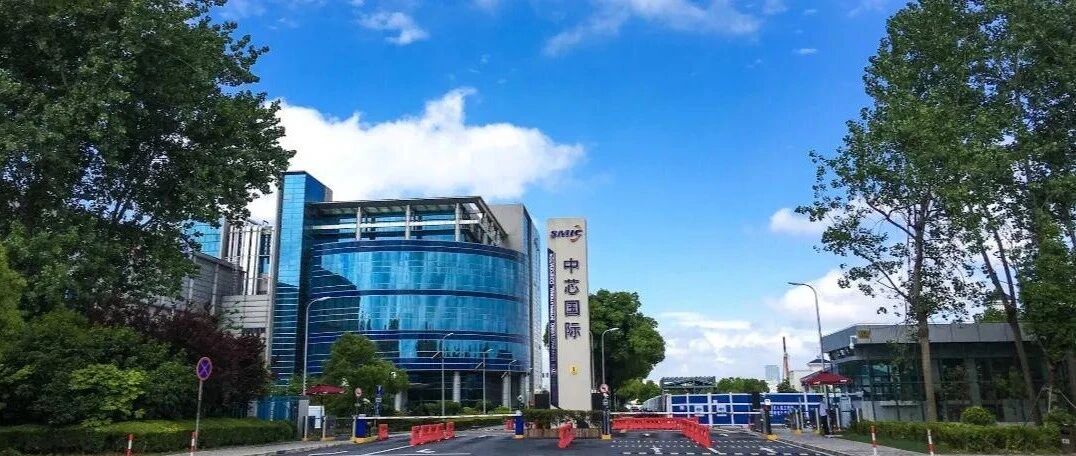
Major Events Observation - Trump has postponed the strike on Iranian energy facilities by 10 days, now set for April 6, citing progress in negotiations, although reports indicate Iran did not request this delay [2] - South Korea has announced a complete ban on naphtha exports starting March 27 for five months to address domestic supply shortages, halting all previously signed contracts [3] Company Performance - SMIC reported a revenue of 67.323 billion yuan for 2025, a 16.49% increase year-on-year, with a net profit of 5.041 billion yuan, up 36.29%. Capacity utilization rose to 93.5%, and gross margin increased to 22% [4] - Skoda confirmed it will exit the Chinese market by mid-2026, shifting focus to high-growth markets like India and ASEAN, as sales in China have dropped significantly [5] - Pop Mart's stock fell over 30% following its earnings report, prompting a share buyback of 3.94 million shares at a cost of approximately 599 million HKD [6] - Apple has confirmed the discontinuation of the Mac Pro, with no plans for a successor, as it shifts focus to the Mac Studio [7] AI and Technology Developments - Google has launched a memory import feature for Gemini, allowing users to import preferences and chat histories from Chat GPT and Claude [9] - Xiaomi's robotic hand has achieved significant advancements, with a 50% increase in freedom and successful operation in production environments [10] - Moonlight, the parent company of Kimi, is considering an IPO in Hong Kong, with discussions ongoing with investment banks [11] - Google introduced the Turbo Quant compression algorithm, which significantly reduces memory usage for AI models, enhancing deployment efficiency [12][13] - XunTu Technology completed nearly 200 million yuan in Series A financing, indicating strong investor interest and support [14]



对标英伟达EgoScale数据路径,清华系孵化星忆科技拿到首轮融资
3 6 Ke· 2026-03-27 08:04
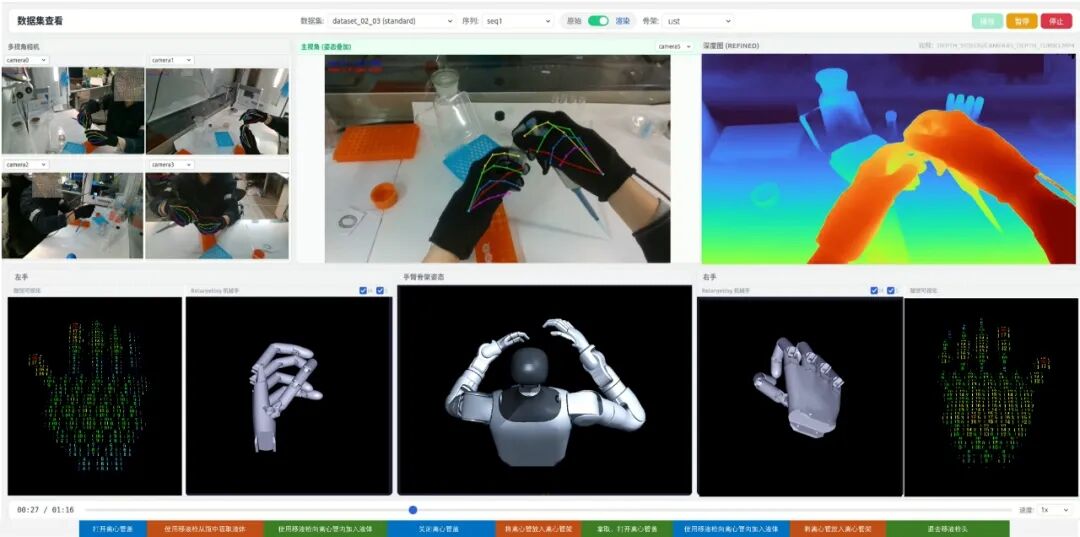
Core Insights - The global competition for embodied data is intensifying, with a focus on Human-centric and Ego-centric data as essential assets for training models [1][2] - Companies are shifting from merely collecting data to creating high-fidelity, low-cost, and trainable data assets that can effectively teach robots to perform tasks in the real world [2][3] Industry Trends - The industry is moving towards Ego-centric data collection, which emphasizes human first-person perspectives and real physical interactions, as opposed to traditional third-person data [2][3] - The demand for high-quality, real-world data is increasing, as existing methods struggle to provide the necessary detail for effective robot training [2][3] Company Developments - Star Memory Technology, a startup focused on Ego-centric data collection, has completed a multi-million dollar funding round led by Tsinghua University-affiliated investors [3][4] - The company aims to build a comprehensive data collection system that integrates various modalities, including visual, tactile, and positional data, to enhance robot training [5][6] Technical Innovations - Star Memory Technology's approach differs from existing methods by focusing on high precision and freedom in data collection, rather than just volume [5][6] - The company has developed a proprietary data engine capable of achieving millimeter-level precision in hand gesture recognition, significantly reducing costs compared to traditional methods [15][17] Market Positioning - Star Memory Technology positions itself as a foundational infrastructure provider for embodied intelligence, aiming to convert human operational experience into data that robots can learn from [6][24] - The company plans to serve various sectors, including academic institutions and robotics manufacturers, establishing a complete commercial loop from data collection to application [23][24] Future Outlook - The industry anticipates that high-quality, scalable data will be crucial for the next phase of competition in embodied intelligence, with Star Memory Technology aiming to lead in this area [27][28] - The company believes that the future of embodied intelligence will require a combination of high-quality data and effective learning systems to achieve practical applications in factories and homes within the next few years [27][28]
所有公司都不招人
小熊跑的快· 2026-03-27 08:00
Group 1 - The article highlights a significant reduction in hiring across multiple companies, with dozens reportedly cutting back on recruitment efforts [1] - There is a growing concern in the U.S. about impending layoffs, with many employees anxiously awaiting potential job losses, which may contribute to issues within the S&P 500 [1] - The concept of negative reflexivity related to AI is discussed, suggesting that job losses could lead to decreased consumer spending, creating a vicious cycle [1] Group 2 - Despite strong financial reports from companies like Nvidia and Google, their stock prices continue to decline, indicating market skepticism [1] - Industry insiders believe that the negative reflexivity issue will become more pronounced by 2026, as even those working in AI may face layoffs in the near future [1]
最高出资70%,这支省级母基金招GP
母基金研究中心· 2026-03-27 06:58
Summary of Key Points Core Viewpoint - The total management scale of the mother fund industry in China reached 421 billion yuan, with investments primarily in digital economy, new materials, and artificial intelligence across various regions including Beijing, Zhejiang, Jiangsu, Guangdong, Tianjin, Hubei, Sichuan, Fujian, Hunan, and Jilin [1]. Group 1: Fund Manager Recruitment - Hainan is recruiting general partners (GPs) for three sub-funds, including the Hainan Free Trade Port Talent Development Fund, with a maximum contribution of 70% from the provincial mother fund [7][8]. - Guangdong's Shenzhen Angel Investment Guidance Fund is also seeking GPs to enhance its role in supporting early-stage and startup tech enterprises [26]. - Hubei is launching the Hubei Cultural Tourism Industry Investment Fund, which has a total scale of 100 billion yuan, focusing on cultural and tourism sectors [27][28]. Group 2: Mother Fund Establishment - The Hubei Water Development Fund has completed its registration with a total scale of 100 billion yuan, focusing on water infrastructure and ecological projects [33]. - The Beijing Huairou District Government Investment Guidance Fund has been officially established with a total scale of 50 billion yuan, aimed at supporting technology financial integration [34][35]. - Three new mother funds are being established in Weifang, Shandong, with a total scale of 45 billion yuan, focusing on high-growth tech SMEs [37]. Group 3: LP Contributions - Zhejiang's Top Group has committed 300 million yuan to establish an industry fund, focusing on advanced manufacturing and new energy sectors [42]. - Shanghai's Saint Bella Group is investing 1 billion yuan in an artificial intelligence fund, targeting leading technology applications [43]. - Jiangsu's Sanxie Electric plans to contribute 56 million yuan to establish a fund focused on embodied intelligence industries [44].