健身

Search documents
监管护航,预付无忧!成都将专项治理预付式消费纠纷
Sou Hu Cai Jing· 2025-07-11 02:17
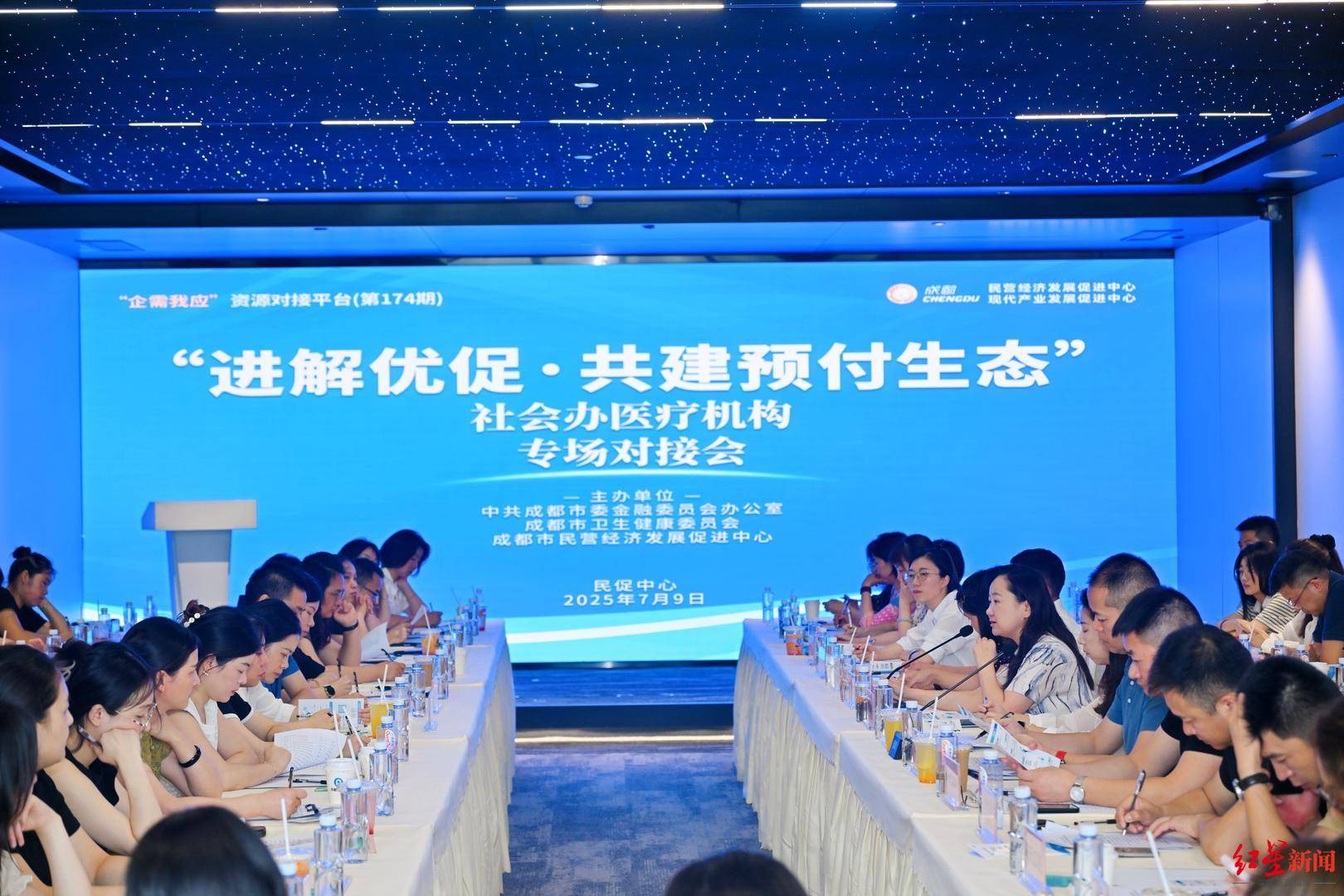
Core Viewpoint - The article discusses the increasing issues related to prepaid consumption in various sectors, highlighting the need for regulatory measures to protect consumer rights and ensure a fair market environment [1][3][5]. Group 1: Regulatory Actions - Chengdu's relevant departments, including the Education Bureau and Health Commission, are set to implement action plans to address the issues in prepaid consumption, aiming to establish a long-term regulatory mechanism [1][5]. - A new platform called "Chengdu Prepaid Protection" will be launched to build trust between consumers and businesses, facilitating better oversight of prepaid funds [1][7]. Group 2: Consumer Protection Measures - The Supreme People's Court has issued legal guidelines for handling prepaid consumption disputes, effective from May 1, to provide clarity for consumers and businesses [5]. - The Chengdu government will introduce specific measures targeting various sectors, including education and fitness, to promote sustainable industry development and protect consumer interests [5][9]. Group 3: Market Regulation Strategies - The initiative will involve multiple strategies, including the establishment of a comprehensive service platform for prepaid consumption, enhancing contract regulation, and improving dispute resolution channels [7][9]. - Regular monitoring and early warning systems will be implemented to detect potential risks in the market, along with increased exposure of non-compliant businesses [9].

不可小觑的“瘦身经济”
Zheng Quan Shi Bao· 2025-07-10 18:33
Group 1: Obesity and Health Impact - The obesity rate among adults in China exceeds 50%, with over 400 million affected, making it the highest globally. If not controlled, the rate could reach 70.5% by 2030 for adults and 31.8% for children [1] - The financial burden of obesity-related health issues could reach 420 billion yuan annually by 2030, accounting for over a quarter of the national healthcare expenditure [1] Group 2: Market Opportunities in Weight Management - The demand for weight loss has led to a diverse industry, including meal replacement foods, weight loss teas, and functional health products. The fitness service sector is also thriving, with numerous gyms and weight loss centers emerging [2] - The market for weight loss and body shaping in China is projected to grow to 62 billion yuan by 2024, representing 28% of the overall medical beauty market [2] Group 3: Consumer Behavior and Economic Phenomena - Different consumer behaviors in weight loss illustrate economic principles, with some individuals spending significantly on fitness services and products without achieving desired results, highlighting a lucrative market for businesses targeting these consumers [3] - Psychological costs associated with weight loss efforts can lead to increased emotional distress, which may require medical attention, indicating a potential market for psychological support services related to weight management [4] Group 4: Broader Economic Context - The rise of artificial intelligence has led to job losses across various sectors, including technology and finance, which may influence consumer spending habits and contribute to lifestyle changes, including dietary choices [5] - The transformation of shopping centers into food-centric spaces reflects changing consumer preferences, with dining options dominating commercial areas, potentially exacerbating obesity trends [5]
为“减肥针”用户打造的健身课,成了一门新生意
3 6 Ke· 2025-07-09 23:48
Core Insights - The rise of GLP-1 weight loss drugs, exemplified by Ozempic, is transforming weight loss into a more direct and rapid process, but it also necessitates a greater focus on fitness due to muscle loss during weight reduction [1][3][5] - The fitness industry is innovating to cater to the growing demographic of GLP-1 users, with gyms developing specialized programs to attract this new customer base [1][10] Group 1: Impact on Health and Fitness - GLP-1 drugs reduce appetite, leading to significant weight loss, but approximately 25% to 33% of this weight loss comes from muscle mass, which poses health risks, especially for older adults and postmenopausal women [3][5] - Users of GLP-1 medications often experience side effects such as nausea and reduced appetite, which can lead to nutritional deficiencies and decreased energy levels, making it challenging to maintain a regular fitness routine [8][9] - Customized fitness programs for GLP-1 users are emerging, focusing on resistance training and nutritional education to help users establish healthier habits [10][12] Group 2: Industry Response and Opportunities - Fitness chains like Equinox are launching GLP-1 protocols to train coaches on the drug's mechanisms and how to tailor fitness plans for users, expanding this training globally [12][14] - Companies are developing products specifically for GLP-1 users, such as Nestlé's Vital Pursuit line, which emphasizes high protein and small portions to meet the new dietary needs of this demographic [18][20] - The market for weight loss drugs is projected to grow significantly, with Morgan Stanley increasing its estimate for the global weight loss drug market to $150 billion by 2035, indicating a substantial opportunity for related industries [26]

专为银发女性打造的健身房,开出了两千门店
Hu Xiu· 2025-07-09 05:04
Group 1 - The article highlights the increasing popularity of gyms among elderly individuals in Japan, particularly focusing on a gym chain called Curves that caters specifically to middle-aged and older women [1][4][6] - Curves operates 2000 locations in Japan, surpassing the largest gym chain in China, which has 1500 locations [5][6] - The gym's design and services are tailored to meet the social needs of elderly women, providing a private and comfortable environment free from male presence [12][14][15] Group 2 - Curves has eliminated mirrors in their gyms to reduce social pressure and embarrassment among users, which has led to a high retention rate among women over 60 [18][19] - The workout sessions are structured to last 30 minutes, focusing on low-intensity exercises suitable for older adults, which encourages repeat visits [20][21][22] - The monthly fee for membership ranges from 300 to 400 RMB, and 40% of members also purchase protein powder, contributing to half of the gym's revenue [24][26][27] Group 3 - The article challenges the stereotype that elderly consumers are frugal, suggesting that the "initial elderly" demographic (ages 50-65) possesses significant purchasing power [28][30][32] - Curves' success is attributed to its deep understanding of the needs of this demographic, rather than relying on low pricing strategies [33] - The gym plans to expand by opening facilities specifically for middle-aged men, indicating a growing market for tailored fitness solutions [34][35] Group 4 - The article posits that the "initial elderly" demographic is an ideal consumer group due to their financial stability and lack of debt, combined with a steady income from pensions [36][39] - This demographic has benefited from economic growth during their working years, leading to a favorable financial situation in retirement [37][38] - The trend observed in Japan may inspire similar business models in China, focusing on the needs of the active elderly population [40][41]
来场“暴汗”挑战!体能训练成健身新风尚
Xin Hua Wang· 2025-07-04 01:10
Core Insights - The rise of physical training as a new fitness trend in China is highlighted by a recent physical challenge event in Chongqing, attracting around 200 participants from various backgrounds [1][2] - The shift from traditional fitness goals to a focus on functional training is evident, with increasing popularity of events like CrossFit, HYROX, and Spartan races [2][3] - The social aspect of fitness is becoming more pronounced, with online communities and social media engagement driving participation and creating a sense of belonging among fitness enthusiasts [3] Group 1 - The physical challenge event showcased various demanding sports activities, emphasizing the accessibility of physical training for enthusiasts beyond professional athletes [1] - Participants reported increased motivation and enjoyment from engaging in functional training, which enhances overall physical capabilities [2] - The trend indicates a broader shift in consumer preferences towards diverse and functional fitness experiences, moving beyond traditional gym settings [2] Group 2 - The emergence of physical training events is linked to a growing awareness of health and fitness among the general population, reflecting a shift in lifestyle and consumption patterns [3] - The integration of community and social elements in fitness training is fostering stable training habits and encouraging new participants to join the fitness movement [2][3] - The rise of physical training and events is seen as a catalyst for upgrading sports consumption and promoting the integration of fitness into daily life [3]
银发经济新蓝海:当60后70后成为“有钱有闲”消费新贵,日本新象
Sou Hu Cai Jing· 2025-06-30 00:07
Core Insights - China is entering an aging society, contrasting the anxiety of the 35-year-old workforce with a rigid perception of "young people" and "moms" in the consumer market, while Japan's "silver economy" offers a vibrant model of active elderly consumers reshaping business logic [2] Group 1: Japanese Silver Economy - In Japan, active elderly individuals are prevalent, with 30% of visitors to Tokyo Disneyland being over 40, showcasing a shift from the stereotype of elderly people to a more dynamic image [4] - Tokyo Disneyland has successfully transformed into a destination that captures the emotional needs of older adults, leveraging nostalgia and a relaxed atmosphere to attract this demographic [4] - KRPS, a Japanese fitness company, operates 2,000 gyms tailored for middle-aged women, emphasizing social opportunities and a non-intrusive environment, which aligns with Japanese cultural values [5] Group 2: Chinese Market Potential - The 60-75 age group in China mirrors Japan's current silver population, possessing wealth and time but often overlooked by the market, indicating a significant untapped potential [8] - Chinese entrepreneurs are beginning to explore the silver market, but existing models are often unrefined and lack regulation, posing challenges compared to Japan's established social security systems [10] - The 60-75 age group in China rejects the "elderly" label, demonstrating a willingness to embrace new brands and experiences, similar to their Japanese counterparts [12] Group 3: Key Consumer Needs - Businesses targeting the silver demographic must focus on three core needs: emotional value, health management, and social interaction, avoiding the misconception that "silver" equates to "aging" [12] - Japan's experience highlights that the silver economy is not merely about elder care but rather about catering to the vibrant lifestyle of the 50-70 age group, who prioritize active living [14] Group 4: Future Outlook - In the next 15 years, the proportion of individuals aged 65 and above in China is expected to rise from 15% to 30%, presenting a significant opportunity to embrace the "silver dividend" [15] - The 60-75 age group is redefining "elderly life" through their wealth and time, suggesting that all businesses should reconsider their strategies to cater to this dynamic demographic [15]

居家健康放松方式研究白皮书
艾瑞咨询· 2025-06-28 14:46
Core Insights - The article emphasizes the evolution of national health management towards a holistic approach, focusing on the balance of body, mind, and spirit, with home-based exercise and relaxation becoming essential components of health management [1][5][8]. Group 1: Health Management Trends - National health management is transitioning from physical health to a comprehensive balance of body, mind, and spirit, driven by high-pressure lifestyles [1][5]. - The combination of exercise and relaxation is identified as a powerful method for maintaining health, with a focus on creating a supportive home environment [9][11]. Group 2: Target Demographics - The population focused on health relaxation is segmented into four groups: "Energetic Lifestyle Enthusiasts," "Self-Discipline Managers," "Home Relaxation Seekers," and "Relaxation Wellness Advocates" [2][41]. - The "Energetic Lifestyle Enthusiasts" prioritize sleep quality and prefer home as their relaxation space, often engaging in activities like stretching and light exercise [3][44][47]. - The "Self-Discipline Managers" emphasize energy balance and often utilize their home environment for relaxation, particularly in the bedroom and kitchen [53][56]. - The "Home Relaxation Seekers" favor a laid-back lifestyle, using their home as a sanctuary for relaxation, with a focus on static activities like watching TV or using their phones [64][69]. - The "Relaxation Wellness Advocates" seek to alleviate stress through home-based wellness practices, often engaging in activities like stretching and cooking healthy meals [74][76]. Group 3: Home Environment as a Relaxation Hub - The home is identified as the primary relaxation space, with a blend of static and dynamic relaxation methods being utilized [12][35]. - Furniture comfort is crucial for relaxation effectiveness, with smart beds and sofas being the preferred products for enhancing relaxation experiences [37][38]. - The demand for home fitness and relaxation solutions is expected to grow, supported by national health strategies and technological advancements [15][16]. Group 4: Product Preferences - "Energetic Lifestyle Enthusiasts" prefer smart beds and mattresses designed for recovery, focusing on breathable materials and supportive features [50]. - "Self-Discipline Managers" seek products with health monitoring capabilities, emphasizing smart sofas and beds that support their lifestyle [60]. - "Home Relaxation Seekers" prioritize long-term comfort in their furniture choices, favoring sofas that provide support and ease of maintenance [72]. - "Relaxation Wellness Advocates" look for smart beds and mattresses that promote relaxation and muscle recovery, with features like silent operation and moisture-wicking materials [80].



老年人去健身房为何常被拒之门外(民生一线·关注老年人消费)
Ren Min Ri Bao· 2025-06-25 22:21
Core Viewpoint - The article highlights the challenges faced by elderly individuals in accessing gym facilities due to age discrimination, despite a growing demand for fitness services among older adults [3][4][5]. Group 1: Industry Challenges - Many gyms have set age restrictions, refusing to issue memberships to individuals over 60 years old, citing concerns over safety and liability [4][5]. - Smaller fitness institutions are particularly cautious, often outright denying access to elderly clients, while larger gyms may require health assessments before allowing participation [5][6]. - The fear of potential health issues or accidents during workouts leads gyms to impose strict age limits, which can hinder the growth of the silver economy [6][7]. Group 2: Market Opportunities - There is a rising demand for fitness services among older adults, with 26.1% of seniors regularly exercising, indicating a significant market potential for gyms that cater to this demographic [3][6]. - Experts suggest that gyms should innovate by introducing age-appropriate equipment and training programs tailored to the needs of older adults, which could lead to new business opportunities [7][8]. - Government initiatives are encouraging the development of community fitness centers that are friendly to seniors, providing a model for gyms to follow [9][10]. Group 3: Recommendations for Improvement - It is recommended that gyms enhance their training for staff to better accommodate elderly clients and develop specialized programs that focus on low-impact exercises [7][8]. - The government is urged to provide incentives for gyms to accept older clients, such as tax breaks and funding support, to alleviate operational costs [7][10]. - Community initiatives are being established to create inclusive fitness environments, demonstrating a proactive approach to integrating elderly individuals into fitness activities [9][10].

深圳:吸引国内外连锁品牌总店、旗舰店、体验店、区域首店 提升传统街区新业态
news flash· 2025-06-25 11:21
Core Viewpoint - Shenzhen is implementing measures to enhance service consumption quality by upgrading traditional street communities and attracting domestic and international chain brands to establish flagship and experience stores [1] Group 1: Policy Measures - The Shenzhen government has issued measures to promote high-quality service consumption, focusing on the renovation and upgrade of traditional street communities [1] - Support will be provided to various districts for the enhancement of traditional street areas, aiming to attract chain brands and improve new business formats [1] Group 2: Community Development - The initiative aims to utilize idle storefronts along community streets to address the consumption needs of local residents [1] - The plan includes prioritizing the availability of services such as shopping, dining, delivery, repair, laundry, health care, fitness, and entertainment within communities [1]
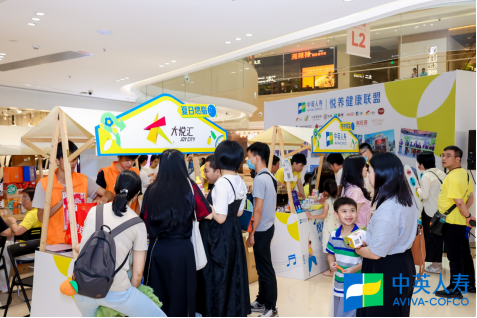
中英人寿 “悦养健康·夏日燃脂局”广东站启幕,共探健康生活新方式
Cai Fu Zai Xian· 2025-06-24 03:10
Core Viewpoint - The event "Health and Summer Fat Burning Session" organized by China British Life Insurance Guangdong Branch aims to promote a healthy lifestyle through a multi-brand collaboration, focusing on fitness, healthy eating, and quality living experiences for customers and the public [1][2][9]. Group 1: Event Overview - The event took place on June 21 at Guangzhou Huangpu Dayuehui, featuring various brands such as Great Wall Wine, Fulinmen, and Keep, creating an ecosystem for health experiences [1][2]. - Activities included interactive fitness sessions, yoga, health checks, and nutrition courses, showcasing a diverse range of health experiences [5][9]. Group 2: Strategic Goals - China British Life Insurance emphasizes its "Health and Wellness" strategy, aiming to be a comprehensive health guardian for customers, addressing physical, mental, and financial well-being [2][11]. - The collaboration among multiple brands is seen as an innovative attempt to implement the "Health and Wellness at China British" concept, enriching the meaning of health living scenarios [2][9]. Group 3: Educational Initiatives - The event included consumer protection education through case studies and interactive games, alongside financial knowledge dissemination using new media [7]. - The integration of exercise, healthy eating, and knowledge empowerment serves as a promotional opportunity for healthy lifestyles, encouraging participants to discover their unique "health codes" [9].