基金

Search documents
关键预期生变!公募最新发声!
券商中国· 2026-03-23 15:07
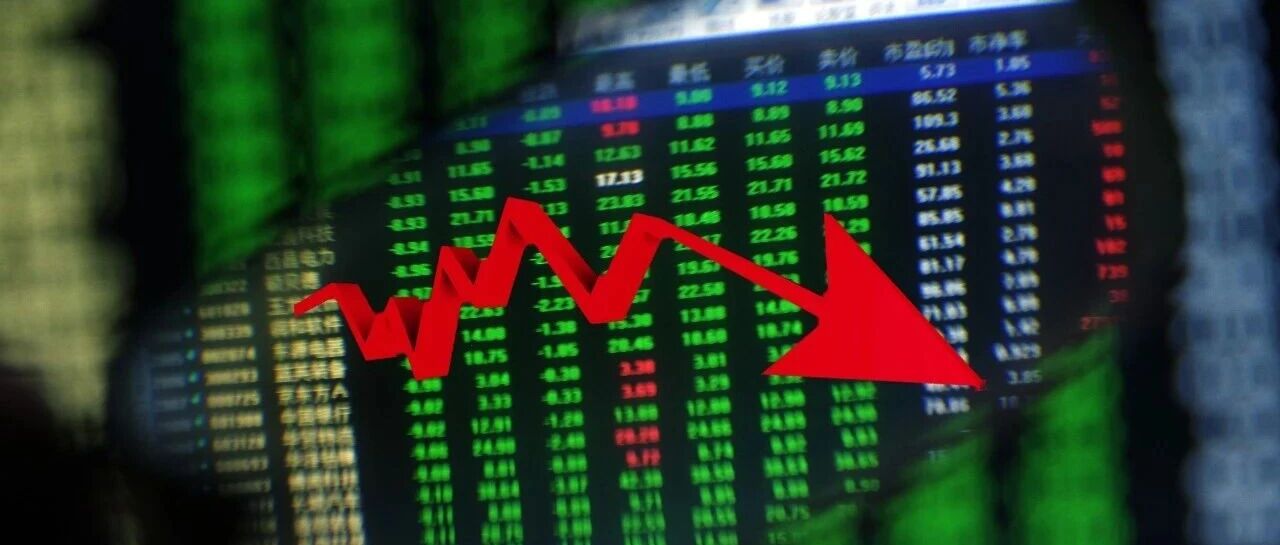
Core Viewpoint - The article discusses the significant decline in the A-share market due to geopolitical tensions in the Middle East, particularly the situation surrounding the Strait of Hormuz, which has led to increased market volatility and a shift in investor sentiment from risk-taking to risk aversion [2][3][4]. Market Performance - On March 23, the A-share market experienced a widespread decline, with major indices falling over 3%, and the Shanghai Composite Index dipping below 3800 points. Out of 31 Shenwan first-level industry indices, 29 saw declines, while over 5000 companies reported losses [3][4]. - The market's downturn was exacerbated by external factors, including a significant drop in Asian markets, with the Korean Composite Index falling over 4% and triggering a circuit breaker [3]. Geopolitical Impact - The geopolitical tensions, particularly the threats from the U.S. regarding Iran and the Strait of Hormuz, have heightened market risk aversion. The Strait is crucial for global oil trade, carrying about one-fifth of the world's maritime oil trade [4]. - The uncertainty surrounding the Strait has led to expectations of tighter oil supply, which in turn has raised inflation concerns and delayed expectations for monetary easing [4]. Investment Strategies - Fund managers suggest focusing on sectors with strong economic resilience and supply stability, particularly in the context of energy constraints. Companies with cost advantages and stable cash flows are seen as better positioned to withstand market volatility [2][5]. - There is a recommendation to adopt a "barbell" investment strategy, combining high-dividend defensive sectors with technology growth sectors to navigate market fluctuations [9]. Sector Focus - The article highlights the potential in AI and resource sectors, driven by the increasing demand for advanced storage technologies and high-performance chips due to the global AI competition. Resource assets are viewed as natural hedges against market volatility [8][10]. - The article also notes that the Hong Kong stock market remains attractive due to its low valuations and strong inflows, with expectations of continued net inflows in the coming years [9][10].

大盘还会上4000点吗?|投资小知识
银行螺丝钉· 2026-03-23 14:06
Group 1 - The core viewpoint of the article emphasizes the long-term upward trend of stock indices, driven by corporate earnings growth, which ultimately supports index stability and growth [3][6]. - The Shanghai Composite Index has shown significant fluctuations over the years, with historical lows during bear markets, such as around 1,000 points in 2012-2014, 2,500 points in 2018, and around 3,000 points in recent years, indicating a gradual increase in the bear market bottom points [4][5]. - The article highlights that the CSI 300 and CSI 500 indices, which invest in both Shanghai and Shenzhen stocks, reflect a broader market trend, with the overall market index exceeding 4,000 points when including stocks from both exchanges [4][5]. Group 2 - The long-term growth of indices provides a solid foundation for investing in index funds, as it is primarily driven by corporate earnings growth, which is viewed as a "base salary" from the market [6]. - In the event of a bull market, there is potential for significant short-term valuation increases, allowing investors to benefit from both earnings growth and valuation expansion, described as "extra bonuses" from the market [6]. - The article notes that from 2004 to December 2025, the index has risen from 1,000 points to approximately 5,700 points, with dividends potentially pushing the total to 6,000-7,000 points, indicating a strong long-term performance of the market [5].

公募基金指数跟踪周报(2026.03.16-2026.03.20):震荡盘整,防御优先-20260323
HWABAO SECURITIES· 2026-03-23 13:20
Report Industry Investment Rating No relevant information provided. Core Viewpoints of the Report - The core variable in the current market lies in the Middle East. Until the geopolitical uncertainty decreases or the commodity price volatility declines, the market will continue to be affected by event narratives and liquidity, and may even fall into a game of long - term expectations. A - shares will maintain a volatile market, with more structural opportunities than overall opportunities [3][13]. - In the equity market, it is recommended to focus on energy sectors related to the Middle East situation, "three - low" sectors with low valuation, low volatility, and low consensus, and sectors that can maintain high - growth independently regardless of geopolitics and oil prices [3][13]. - In the bond market, short - term yields are down while long - term yields are up, and the yield curve is moving towards a bearish steepening. In the short term, it is recommended to maintain a neutral or slightly lower duration, and credit bonds may offer better value [4][14]. Summary by Directory 1. Weekly Market Observation 1.1 Equity Market Review and Observation - Last week, the A - share market showed a volatile downward trend, with significant fluctuations in market sentiment. The average daily trading volume of the entire A - share market was 2209.1 billion yuan, a decrease compared to the previous week [12]. - Due to the ongoing blockage of shipping in the Strait of Hormuz and the unresolved Middle East situation, global risk assets accelerated their decline. Funds shifted from cyclical sectors sensitive to macro - fluctuations to technology and manufacturing sectors with independent industrial logic and long - term growth potential [12]. - AI hardware industry chains such as memory chips, CPO, PCB, and computing power leasing attracted market attention, driven by multiple industry benefits. In contrast, resource - related cyclical sectors such as non - ferrous metals and chemicals faced pressure and declined [12]. 1.2 Pan - Fixed - Income Market Review and Observation - Last week, the bond market showed a significant differentiation between short - and long - term yields. The 1 - year Treasury yield decreased by 2.00BP to 1.26%, the 10 - year Treasury yield increased by 1.56BP to 1.83%, and the 30 - year Treasury yield increased by 2.16BP to 2.39% [4][14]. - The bond market is currently in a volatile pattern. Short - term yields have been declining due to extreme risk - aversion, while long - term yields are rising due to concerns about intensifying geopolitical conflicts and increased imported inflation expectations. The yield curve is moving towards a bearish steepening [4][14]. - The US Treasury yields increased across the board last week. The 1 - year US Treasury yield increased by 14BP to 3.80%, the 2 - year US Treasury yield increased by 15BP to 3.88%, and the 10 - year US Treasury yield increased by 11BP to 4.39% [15]. - The performance of REITs was differentiated. The CSI REITs Total Return Index fell 0.13% to 1021.78 points. Affordable housing and expressways had the highest gains, while warehousing and logistics, environmental protection, etc. had the highest losses [15]. 2. Fund Index Performance Tracking 2.1 Equity Strategy Theme - Based Index - **Active Equity Fund Selection**: The index selects 15 funds each period, with equal - weight allocation. The core positions select active equity funds based on performance competitiveness and style stability, and balance the style distribution according to the CSI Equity - Oriented Fund Index [19]. 2.2 Investment Style - Based Index - **Value Equity Fund Selection**: The index selects 10 funds with deep - value, quality - value, and balanced - value styles, with the CSI 800 Value Index as the benchmark [19]. - **Balanced Equity Fund Selection**: The index selects 10 relatively balanced and value - growth style funds, with the CSI 800 as the benchmark [22]. - **Growth Equity Fund Selection**: The index selects 10 funds with active - growth, quality - growth, and balanced - growth styles, with the 800 Growth Index as the benchmark [26]. 2.3 Industry Theme - Based Index - **Pharmaceutical Equity Fund Selection**: The index selects 15 funds based on the intersection market value ratio of fund equity holdings and the representative index, with the CSI All - Index Pharmaceutical and Healthcare Index as the benchmark [28]. - **Consumer Equity Fund Selection**: The index selects 10 funds based on the intersection market value ratio of fund equity holdings and the representative index, with the consumer - theme fund index as the benchmark [32]. - **Technology Equity Fund Selection**: The index selects 10 funds based on the intersection market value ratio of fund equity holdings and the representative index, with the technology - theme fund index as the benchmark [35]. - **High - End Manufacturing Equity Fund Selection**: The index selects 10 funds based on the intersection market value ratio of fund equity holdings and the representative index, with the high - end manufacturing - theme fund index as the benchmark [38]. - **Cyclical Equity Fund Selection**: The index selects 5 funds based on the intersection market value ratio of fund equity holdings and the representative index, with the CS Cyclical Index as the benchmark [40]. 2.4 Money - Market Enhancement Index - **Money - Market Enhancement Strategy**: The index aims for liquidity management, targeting a curve that outperforms money - market funds. It mainly invests in money - market funds and inter - bank certificate of deposit index funds, with the CSI Money - Market Fund Index as the benchmark [45]. 2.5 Pure - Bond Index - **Short - Term Bond Fund Selection**: The index aims for liquidity management, selecting 5 funds with stable long - term returns, strict drawdown control, and significant absolute - return capabilities, with a benchmark of 50% Short - Term Pure - Bond Fund Index + 50% Ordinary Money - Market Fund Index [47]. - **Medium - and Long - Term Bond Fund Selection**: The index invests in medium - and long - term pure - bond funds, aiming for stable returns while controlling drawdowns. It selects 5 funds, balancing coupon strategies and band - trading operations, and adjusting the ratio of credit - bond funds and interest - rate - bond funds according to market conditions [50]. 2.6 Fixed - Income Plus Index - **Low - Volatility Fixed - Income Plus Selection**: The index has an equity central position of 10%, selects 10 funds with an equity central position within 15% in the past three years and recently, with a benchmark of 10% CSI 800 Index + 90% ChinaBond New Composite Full - Price Index [53]. - **Medium - Volatility Fixed - Income Plus Selection**: The index has an equity central position of 20%, selects 5 funds with an equity central position between 15% - 25% in the past three years and recently, with a benchmark of 20% CSI 800 Index + 80% ChinaBond New Composite Full - Price Index [55]. - **High - Volatility Fixed - Income Plus Selection**: The index has an equity central position of 30%, selects 5 funds with an equity central position between 25% - 35% in the past three years and recently, with a benchmark of 30% CSI 800 Index + 70% ChinaBond New Composite Full - Price Index [56]. 2.7 Other Pan - Fixed - Income Index - **Convertible Bond Fund Selection**: The index selects 5 funds from a sample space of bond - type funds with a convertible - bond investment ratio meeting certain criteria, based on multiple evaluation indicators [60]. - **QDII Bond Fund Selection**: The index selects 6 funds with stable returns and good risk control based on credit and duration conditions, with underlying assets being overseas bonds [64]. - **REITs Fund Selection**: The index selects 10 funds with stable operations, reasonable valuations, and certain elasticity based on the underlying asset types of REITs [65].
流动性3月第2期:美元指数破百,南向资金净流入传媒较多
Yong Xing Zheng Quan· 2026-03-23 11:25
Core Insights - The report indicates that the 2-year and 10-year government bond yields in the US have risen, leading to an increase in the US dollar index and an expansion of the yield spread between Chinese and US 10-year government bonds [1][2] - There has been a significant net inflow of southbound funds, particularly into the media sector, with a total net inflow of 181.5 billion yuan year-to-date [3][4] Macro Liquidity - Domestic liquidity saw an increase in the 2-year and 10-year government bond yields, with the 10-year and 2-year bond yield spread widening. The People's Bank of China conducted a net withdrawal of 251.1 billion yuan in the open market, with no MLF operations in March [2][13] - Internationally, the 2-year and 10-year US Treasury yields also increased, with the 10-year yield reaching 4.28% and the dollar index rising to 100.50 [2][17] Market Liquidity - Public funds: In March 2026, 42 new funds were established, including 19 equity funds, with a total issuance of approximately 49.6 billion units [3][24] - ETF funds: 11 new equity ETFs were established in March 2026, with a total issuance of about 4.5 billion units [3][27] - Southbound funds: There was a significant net inflow of southbound funds, with the media sector receiving the largest inflow of approximately 6.05 billion yuan, followed by oil and petrochemicals and automotive sectors [3][40] Financing and Fundraising - Margin financing: The average financing purchase amount was 233.5 billion yuan, down 3.0% week-on-week, with the total margin balance at approximately 2.65 trillion yuan [4][46] - Fundraising: In March, there was 1 IPO raising approximately 1.2 billion yuan, and a total of 95 billion yuan was raised through equity financing [4][50]
【ESG投资周报】本月新发ESG基金9只,主要指数有所回调-20260323
国泰海通· 2026-03-23 11:25
Market Overview - The A-share market experienced a pullback from March 16 to March 20, 2026, with the CSI 300 index down by 2.19%, the ESG 300 index down by 2.78%, the CSI ESG 100 index down by 4.13%, and the Sci-Tech ESG index down by 5.37%[5] - The average daily trading volume for the entire A-share market was approximately 4.03 trillion yuan, indicating a contraction in liquidity[5] ESG Fund Issuance - In March 2026, nine new ESG funds were launched, with a total issuance of 6.098 billion units, primarily focused on ESG strategies and environmental protection[9] - Over the past year, a total of 288 ESG public funds were issued, amounting to 194.369 billion units[9] - As of March 22, 2026, there are 1,096 existing ESG funds, with the largest categories being ESG strategies (445 funds) and environmental protection (282 funds)[9] Fund Performance - The top-performing fund from March 16 to March 20, 2026, was Huatai-PB Core Technology A, with a weekly return of 3.24% and a year-to-date return of 4.59%[10] - Funds that exceeded benchmark returns included Huatai-PB Digital Future C (6.27%) and Huatai-PB Medical Active Growth A (5.54%) during the same period[11] Green Bond Market - A total of 19 green bonds were issued in the interbank and exchange markets from March 16 to March 20, 2026, with a planned issuance scale of approximately 16.734 billion yuan[14] - In March 2026, 103 ESG bonds were issued, raising 90.2 billion yuan, while the total issuance over the past year reached 1,428.1 billion yuan[14] - The existing ESG bond market comprises 4,006 bonds, with green bonds making up the largest share at 2,706 bonds, representing 62.42% of the total outstanding amount of 5.84 trillion yuan[14] ESG Wealth Management Products - In March 2026, 63 ESG wealth management products were issued, primarily focusing on pure ESG and environmental protection themes[20] - The total number of existing ESG wealth management products is 1,232, with pure ESG products accounting for 53.98% of the total[20] Risk Considerations - Potential risks include insufficient policy support for ESG initiatives, lack of standardized data reporting, and lower-than-expected product issuance scales[25]
首期规模10亿,上海落地一只科创S基金
FOFWEEKLY· 2026-03-23 09:58
Group 1 - The Shanghai JiaoRong Continuation Fund, established by JiaoYin International Trust and Shanghai Pudong Innovation Investment Development Group, is the first S-strategy mother fund in Shanghai led by financial institutions and local entities, marking a significant step for the Bank of Communications in nurturing new productive forces and supporting Shanghai's development as a financial and innovation center [2] - The initial scale of the Shanghai JiaoRong Continuation Fund is 1 billion yuan, focusing on strategic emerging industries in Shanghai and extending its influence to key economic regions such as the Yangtze River Delta, Guangdong-Hong Kong-Macau, Beijing-Tianjin-Hebei, and the Yangtze Economic Belt [2] - The fund employs a dual GP cooperation model to integrate the comprehensive financial service advantages of the Bank of Communications with the industrial resources of the Pudong New Area, creating a full-chain service system that promotes a virtuous cycle among technology, industry, and finance [2] Group 2 - As an S-strategy mother fund, it aims to lead by collaborating with top market fund managers to establish continuation asset packages and transfer existing fund shares, capturing S-fund and merger transaction opportunities through industry and professional investment institutions [3] - The fund will enhance resource integration and synergy through a sub-fund group, constructing a full lifecycle investment matrix covering early incubation, growth-stage investment, and mature continuation, thereby improving capital allocation efficiency and supporting the development of industrial clusters and innovation enterprises [3]


复星首支S基金落地
FOFWEEKLY· 2026-03-23 09:58
Group 1 - The core viewpoint of the article is the establishment of the Xingyu Zhiyuan S Fund, which focuses on private equity secondary market transactions, with a total scale of 500 million yuan, aimed at exploring investment opportunities arising from liquidity demands in the existing market [1][2] Group 2 - The Xingyu Zhiyuan S Fund was officially established on December 31, 2025, in the Chongqing Free Trade Zone, with the goal of enriching asset allocation types for investors [1] - The fund is initiated by Fosun Chuangfu Investment Management Co., Ltd. and Fosun Asset Management Co., Ltd., with participation from Fosun United Health Insurance Co., Ltd. and Yushen (Chongqing) Technology Innovation Private Equity Investment Fund [2] - A strategic cooperation memorandum was signed between the Xingyu Zhiyuan S Fund and the Chongqing Equity Transfer Center to leverage their respective advantages in the private equity market [2] - The fund manager, Peng Zefeng, emphasized the productization of Fosun's "investment + industry" synergy capabilities, aiming to create a differentiated S fund capability [2] - The fund will focus on high-quality fund shares from leading and boutique PE/VC institutions, deepening cooperation with excellent managers to build an industrial and capital ecosystem [2]

农业银行基金代销惹官司,客户买基金亏了500多万
Xin Lang Cai Jing· 2026-03-23 09:41
Core Viewpoint - Agricultural Bank of China is facing legal issues due to allegations of mis-selling a high-risk fund, leading to significant losses for a customer [2][20]. Group 1: Fund Mis-selling Incident - A customer, Ms. Li, claims that in July 2021, she was persuaded by a bank employee to deposit 10 million yuan into the bank under the pretense of a safe investment, which was later used to purchase a high-risk fund named "Oriental Quality Consumption One-Year Holding Period Mixed A" [2][20]. - As of November 2024, this fund has incurred losses exceeding 5.79 million yuan, and Ms. Li alleges that the bank failed to fulfill its risk disclosure obligations [20]. - The court dismissed Ms. Li's lawsuit, stating that she had signed multiple risk disclosure documents and had sufficient investment experience to understand the risks involved [20]. Group 2: Fund Performance and Fees - The "Oriental Quality Consumption One-Year Holding Period Mixed A" fund, established on July 8, 2021, has seen its net asset size decline from 3.5 billion yuan at inception to 630 million yuan by the end of 2025, with a cumulative loss of over 63% since its establishment [3][22]. - Agricultural Bank has collected a total of 1.526 million yuan in custody fees for this fund over four years, with an annual custody fee rate of 0.20% [21][25]. - The fund's management fees are set at 1.20% per year, and it has not distributed any dividends since its inception [22][23]. Group 3: Agricultural Bank's Wealth Management and Fund Custody - As of the end of 2025, Agricultural Bank's public fund custody scale has surpassed 2 trillion yuan, ranking it among the top ten fund sales institutions in China [11][30]. - The bank's net income from fees and commissions reached 51.441 billion yuan in the first half of 2025, marking a year-on-year increase of 10.1%, with a significant rise in agency business income by 62.3% [33][34]. - The bank emphasizes the importance of compliance in fund custody and sales to ensure sustainable development amid ongoing wealth management business transformation [35].


ETF周报:行业及主题ETF流出压力显现-20260323
East Money Securities· 2026-03-23 09:09
Group 1 - The overall market for stock ETFs (excluding cross-border) experienced a net outflow of 66.4 billion from March 16 to 20, 2026, indicating a slight decrease in outflow compared to the previous week [10][12] - A-shares industry and thematic ETFs saw a significant net outflow of 245.9 billion, highlighting the pressure on these sectors [12][19] - The Hong Kong stock ETFs continued to show net outflows, although the magnitude of outflow has narrowed compared to the previous period, with a slight net inflow of 1.5 million in cross-border industry and thematic ETFs [15][19] Group 2 - Significant outflow pressure was observed in the non-ferrous metals, chemical, and oil and petrochemical sectors, while sectors such as brokerage, healthcare, and new energy saw inflows [22][24] - The representative ETFs with the highest net inflows included the CSI 500 ETF from Southern Fund (+44.5 billion), the Huatai-PB CSI 300 ETF (+43.3 billion), and the Shanghai Stock Exchange 50 ETF from Huaxia (+30.6 billion) [26] - Conversely, the ETFs with the largest net outflows were the chemical ETF (-43.7 billion), non-ferrous metals ETF from Southern Fund (-34.8 billion), and the A500 ETF from Huaxia (-28.4 billion) [26] Group 3 - In the cross-border ETF segment, the top inflows were seen in the China Concept Internet ETF from E Fund, the Hang Seng Technology ETF from E Fund, and the Hang Seng Technology ETF from Huaxia [26] - The overall net inflow for broad-based ETFs was 90.8 billion, with varying degrees of inflow in the CSI 300, CSI 500, and Shanghai 50 indices, while the CSI A500 saw significant outflows [19][21] - Smart beta and major industry ETFs showed that dividend and cash flow strategies are relatively more stable in uncertain environments [21]
A股近5200只个股下跌,抄底还是“逃命”?
和讯· 2026-03-23 08:47
Core Viewpoint - The A-share market is experiencing significant downward pressure due to a combination of internal and external factors, leading to a sharp decline in major indices and raising concerns about the sustainability of the current bull market [2][3][4]. External Factors - The U.S. Federal Reserve's hawkish signals and geopolitical tensions have resulted in foreign capital outflows, putting pressure on growth stock valuations [3][4]. - The ongoing tensions in the Strait of Hormuz and rising inflation expectations are contributing to global market volatility, with potential implications for A-shares [3][4]. Internal Factors - The tightening liquidity at the end of the quarter has led to increased selling pressure from institutional investors, particularly in high-valuation technology growth sectors [4][5]. - The market's initial decline triggered stop-loss selling from quantitative funds, exacerbating the downward momentum and resulting in a significant drop in trading volumes [5]. Market Sentiment - The market is currently characterized by heightened fear, with a large number of stocks declining and a significant number hitting their daily limit down [2][3]. - The capital market's self-reinforcing mechanism is leading to a "panic selling" scenario, where investors who were previously bullish are now forced to reduce their positions due to short-term losses [5]. Diverging Opinions on Market Outlook - Some international investment banks, like Goldman Sachs, express caution, warning that the current asset pricing does not adequately account for the negative impact of high energy costs on global economic growth [6]. - Conversely, some market analysts believe the current downturn is merely a "pause" in a longer bull market, supported by strong underlying fundamentals such as policy support and capital inflows into undervalued Chinese assets [6][7]. Investment Strategies Post-Correction - After the adjustment, key investment directions are identified: resource stocks benefiting from geopolitical premiums, AI infrastructure driven by policy support, and renewable energy aligned with national energy transition goals [7].