茶饮

Search documents
美团回应误发茶饮券称将提前兑现
Xin Lang Ke Ji· 2025-08-06 12:09
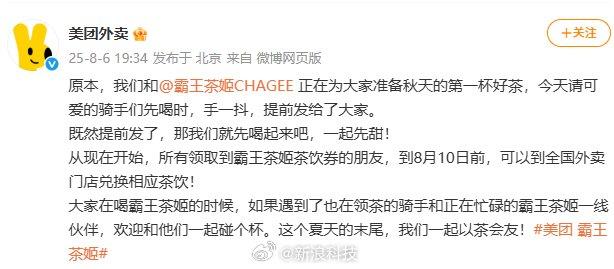
【#美团回应回收茶饮券#】@美团外卖 发文回应网传回收茶饮券称:原本,我们和@霸王茶姬 CHAGEE 正在为大家准备秋天的第一杯好茶,今天请可爱的骑手们先喝时,手一抖,提前发给了大 家。既然提前发了,那我们就先喝起来吧,一起先甜!#美团 霸王茶姬# ...


全员交社保了,奶茶店会不会迎来大面积倒闭潮?
36氪· 2025-08-06 09:50
Core Viewpoint - The recent judicial interpretation by the Supreme People's Court mandates that all agreements regarding "not paying social insurance" are invalid, which has significant implications for the beverage industry, particularly tea and coffee shops [4][17]. Group 1: Industry Practices - The practice of "not paying social insurance" has become a common norm in the tea beverage industry, with many shop owners opting out due to high employee turnover and short-term employment characteristics [9][10]. - The high turnover rate in tea shops makes it impractical for owners to pay social insurance, as many employees do not stay long enough to justify the costs [11][12]. - The franchise system creates a "grey area" where compliance with social insurance regulations varies, with some individual store owners substituting subsidies for social insurance or having employees sign waivers [14]. Group 2: Impact of New Policy - The new policy, effective September 1, raises concerns about the survival of small shops, as mandatory social insurance payments could lead to increased operational costs [17][19]. - Many small franchise stores, which already operate on thin margins, may struggle to remain profitable if they are required to pay for social insurance, potentially leading to a wave of closures [18][26]. - The policy could disproportionately affect individual operators and small franchise stores, while larger brands with established management systems may benefit from the regulatory changes [20][22]. Group 3: Economic Implications - The requirement to pay social insurance represents a significant shift in the cost structure for small tea shops, which may lead to losses for those that previously operated on minimal profit margins [24][26]. - The industry may undergo a "cleaning" process, pushing out businesses that have relied on circumventing regulations [27]. - The transition from a flexible to a mandatory compliance environment will likely result in a profound transformation of the industry ecosystem, with a focus on operational compliance rather than product or marketing competition [29][30].

汇丰:对中国股市“持积极观点”
Zhong Guo Xin Wen Wang· 2025-08-06 06:02
Group 1 - HSBC Private Banking and Wealth Management holds a positive view on the Chinese stock market, driven by the integration of artificial intelligence into core business operations of large tech companies, which is expected to boost investment confidence [1] - The profitability growth of companies involved in artificial intelligence infrastructure, promoters, and applications is anticipated to significantly increase by 2025 compared to previous years [1] - The continuation of consumer promotion policies in China is expected to further enhance consumer confidence, particularly benefiting the consumer sector [1] Group 2 - The retail sales of home appliances, audio-visual equipment, and furniture have shown strong growth this year, aided by the old-for-new subsidy policy [1] - New consumption trends, represented by tea drinks, trendy toys, light luxury goods, and pets, are rapidly emerging, reshaping the consumption market due to long-term structural changes in Chinese society and demographics [1] - The 'Z generation' (born between 1995-2009) is becoming a core driver of the new consumption wave, contributing 40% to China's total consumption despite representing less than 20% of the population [2] - By 2035, the overall consumption scale of the 'Z generation' is expected to quadruple to 16 trillion RMB, indicating structural growth opportunities in the new consumption sector [2]

X会员加入88VIP 阿里会员生态协同进一步加深丨一克商评
Qi Lu Wan Bao· 2025-08-06 03:32
Group 1 - Taobao 88VIP has integrated with Hema's membership system, allowing users to access benefits such as free shipping and discounts, marking a strategic collaboration within Alibaba's ecosystem [2] - This integration signifies a new phase of synergy within Alibaba's ecosystem, emphasizing the importance of member resource flow and activation in a competitive retail landscape [2] Group 2 - Pony.ai has launched a public Robotaxi service in Shanghai's Pudong area, operating from 7:30 AM to 9:30 PM on weekdays, covering key commercial areas and landmarks [3] - The commercial rollout of autonomous driving services represents a significant step towards practical applications and scalability in the industry [3] Group 3 - Amap has announced the launch of the world's first AI-native map application, Amap 2025, which features deep spatiotemporal understanding and autonomous reasoning capabilities [4] - The full AI integration in Amap aims to enhance user experience by saving time based on usage habits, marking a pivotal transition for the company [4] Group 4 - Heytea has expanded its overseas store count by over six times in the past year, with more than 100 stores now operating in eight countries, including the U.S. [5] - The rapid growth in the U.S. market, from 2 to over 30 stores, highlights the surging demand for new tea beverages abroad, establishing a new paradigm for Chinese consumer brands going global [5]

新消费带来新变化 多家龙头公司表现亮眼
Jing Ji Ri Bao· 2025-08-06 02:27
"过去4年最终消费对中国经济增长的平均贡献率达到56.2%,比'十三五'期间提高8.6个百分点。消费领 域新产品、新业态、新模式层出不穷。"国家发展改革委秘书长袁达近日在国新办举行的"高质量完 成'十四五'规划"系列主题新闻发布会上介绍。 与传统消费相比,新消费的核心在于"新"字,它可以是新的东西,也可以是在传统消费形式上的创新。 业内人士认为,每一代年轻人的喜好不同,表达个性、交友的方式也不同,由此催生了不同的消费需 求。新消费的崛起,是消费市场对品质、体验和个性化追求的结果。它不再局限于传统的消费模式,而 是通过技术创新和业态融合,创造出全新消费场景和体验。 申万宏源证券首席经济学家赵伟表示,近年来,消费需求侧对情绪价值的关注度提升。2024年消费者购 物"为了取悦自己""彰显个性"的消费动机占比,较2021年分别提升9个百分点和1个百分点。随着消费动 机的转变,具有"悦己"属性的消费市场规模实现较大增长,如谷子经济2024年市场规模达1689亿元,同 比增长40.6%。 "我妈经常说我这么大个人了怎么还成天买玩具、抽盲盒,其实我就是图一个开心。"今年29岁的王君颜 说,自己并不会刻意盯着产品上新,一般在 ...
“入秋它会迎来一波爆发”,古茗、茉莉奶白已上架
3 6 Ke· 2025-08-06 02:23
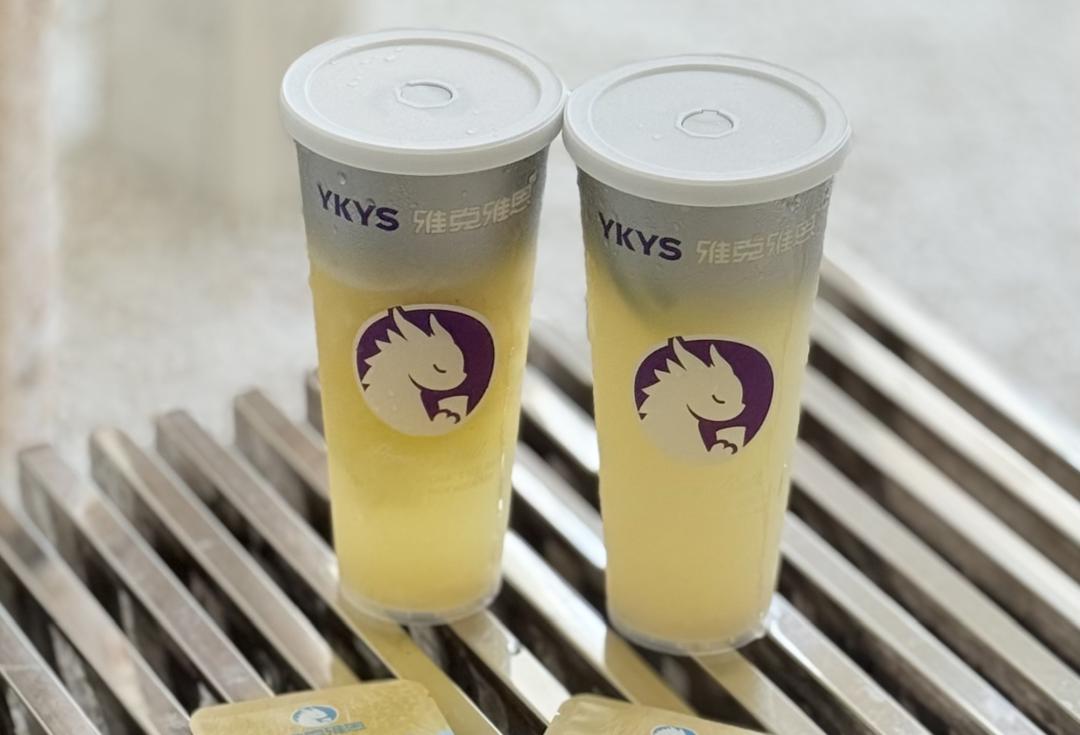
Core Insights - The tea beverage industry is experiencing a surge in popularity for pomelo-flavored products, with multiple brands launching new offerings and achieving significant sales in a short period [1][5][23] - The trend is characterized by innovative combinations and the use of pomelo from various countries, enhancing the flavor profile and consumer appeal [3][14][16] Group 1: Product Launches and Sales Performance - Several brands, including Jasmine Milk Tea and Yake Yasi, have introduced pomelo products that have quickly gained traction, with Jasmine Milk Tea reporting over 300,000 cups sold within three days of launch [1][5] - The introduction of pomelo drinks has been widespread, with at least a dozen brands participating, indicating a high concentration of new product launches in the market [5][7] - Uniboba reported a significant increase in order volume for their pomelo products on the first day of launch, reflecting strong consumer interest [5] Group 2: Flavor Innovations and Combinations - The trend of "multi-national blending" is prominent, with brands using pomelo from different countries to create unique flavor profiles, such as the South African white pomelo used by Naixue [3][14] - Pomelo is being creatively paired with other ingredients, such as matcha and dairy, to enhance its appeal and create a more sophisticated drinking experience [10][18][20] - The use of Japanese pomelo has become popular among developers for its high quality and aromatic properties, contributing to the overall flavor complexity of the drinks [16][25] Group 3: Market Outlook and Consumer Trends - Industry experts predict that the current "pomelo craze" will continue for an extended period, driven by the fruit's versatility and the potential for further product development [7][23] - The pomelo's flavor profile is seen as comparable to lemon, making it a suitable alternative for refreshing summer beverages [10][13] - There is a growing recognition of the need for high-quality ingredients and innovative combinations to meet evolving consumer preferences, with a focus on enhancing the overall drinking experience [25]
新消费带来新变化
Jing Ji Ri Bao· 2025-08-05 22:05
Core Insights - The rise of new consumption in China is driven by changing consumer preferences, focusing on quality, experience, and personalization, moving beyond traditional consumption models [1][7] - Emotional value in consumption has gained importance, with consumers increasingly purchasing for self-pleasure and individual expression [2][3] - The market for emotional consumption is expanding significantly, with the "Guzi economy" projected to reach 168.9 billion yuan in 2024, reflecting a 40.6% year-on-year growth [2] Industry Trends - The new consumption landscape is characterized by a shift from mass consumption to personalized consumption, with consumers willing to pay for quality and unique experiences [7][8] - The "Z generation" is driving this trend, emphasizing the importance of emotional value and quality-price ratio in their purchasing decisions [7] - The market for trendy toys, including blind boxes and collectibles, has become a hot investment area, showcasing strong IP operation capabilities and innovative business models [4][8] Company Performance - Pop Mart, a leader in the trendy toy sector, reported a revenue increase of 165% to 170% year-on-year for Q1 2025, with domestic revenue up 95% to 100% and overseas revenue soaring by 475% to 480% [4] - Lao Pu Gold, a major player in the gold jewelry market, achieved a sales performance of approximately 9.8 billion yuan in 2024, marking a 166% increase, and a net profit of about 1.47 billion yuan, up 254% [5] - Mixue Ice City, a popular tea brand, saw its stock price rise by 43.21% on its debut, reflecting its strong market presence with 46,479 stores globally and a retail revenue of 58.3 billion yuan in 2024 [6] Market Outlook - The new consumption sector is expected to continue growing, with significant opportunities in emotional consumption, the silver economy, and AI-driven consumer experiences [8] - The Chinese market is on track to become the largest consumer market globally, supported by rising incomes and enhanced consumer demand [8]
新茶饮出海瞄准美国市场 时代广场日均卖出两千杯喜茶
Shen Zhen Shang Bao· 2025-08-05 17:30
Group 1 - The core point of the article highlights the rapid expansion of Chinese tea brands, particularly Heytea, in the U.S. market, with a significant increase in overseas store numbers and consumer demand [1][2][4] - Heytea has seen its overseas store count grow over six times in the past year, reaching over 100 locations globally, with more than 30 stores in the U.S. alone [2][3] - The U.S. tea market is projected to grow at an annual rate of 9.1%, with potential for 5 to 10 times the current store count, indicating a lucrative opportunity for new tea brands [3][4] Group 2 - Other tea brands such as Nayuki, Bawang Chaji, and others are also targeting the U.S. market, with strategic locations in major cities like New York and Los Angeles [1][3] - The U.S. consumer base shows a high acceptance of sweet and creamy beverages, providing a natural market for new tea drinks, while the tea segment lacks a dominant national player, creating an entry opportunity for Chinese brands [4] - The competitive landscape in the domestic market is intense, prompting tea brands to explore overseas markets as a critical growth strategy [4]
从婚礼奶茶到霸王茶姬295亿GMV,撬动战略咨询给出新思路
Sou Hu Cai Jing· 2025-08-05 11:33
Core Insights - The white liquor industry is facing a significant transformation due to changing consumer habits, shifting drinking scenarios, and the ineffectiveness of traditional marketing strategies, accelerated by recent "alcohol bans" [1][3] - As of the end of 2024, the total market capitalization of 19 listed liquor companies has decreased by over 500 billion, indicating a clear warning signal from the consumer end [1] - The connection between white liquor and contemporary consumers is undergoing profound changes, as evidenced by the replacement of traditional liquor toasts at weddings with beverages like milk tea [1] Industry Trends - Over the past decade, the white liquor industry has achieved steady expansion through high-end banquets and price segmentation, but these strategies have distanced the product from everyday life scenarios [3] - The consumption share of white liquor among the 18-29 age group is only 22%, while those aged 30 and above account for over 70%, indicating an aging core user demographic [3] - Many attempts by liquor companies to appeal to younger consumers have largely remained at the branding level and have not effectively integrated into the daily lives of young people [3] Strategic Recommendations - The white liquor industry needs to innovate not just in marketing but also in product value and cultural connotation to truly connect with younger consumers [3][5] - A unique "positioning equation" developed by a strategic consulting firm offers new transformation ideas for liquor brands, emphasizing the need for comprehensive innovation from product to culture and from scenarios to positioning [5] - Successful case studies, such as the transformation of a tea brand, demonstrate the importance of market insight and differentiated positioning in achieving significant growth and consumer engagement [5] Conclusion - For the white liquor industry to navigate through current challenges and cycles, a holistic approach to transformation is essential [6]

出海速递 | 甜啦啦巴厘岛三店齐开/ChatGPT周活跃用户将达7亿
3 6 Ke· 2025-08-05 09:35
Group 1: OpenAI and ChatGPT - OpenAI announced that ChatGPT's weekly active users will reach 700 million, a fourfold increase compared to last year [2] - The user count includes all ChatGPT products, with daily message volume exceeding 3 billion [2] - The current growth rate has accelerated compared to a 2.5 times increase in the same period last year [2] Group 2: EU Tariffs - EU officials stated that the 15% tariff on EU goods entering the US is an all-inclusive rate, which differs from agreements with other countries [2] - This tariff applies to all products except steel and aluminum, with pharmaceuticals and semiconductors currently having zero tariffs [2] - The 15% cap also applies to automobiles and auto parts, which have no quotas or restrictions [2] Group 3: Humanoid Robots Market - There is a surge in orders for humanoid robots, with companies like Zhiyuan Robotics and Yushutech winning significant contracts [2] - The primary application areas for these robots are performance and guided tours, indicating a trend towards low-tech entry points for new technologies [2] - The current wave of orders reflects a foundational step towards expanding into industrial manufacturing and home service applications [2] Group 4: Sweet Lala Expansion - Sweet Lala opened three new stores in Bali, Indonesia, with daily revenues nearing 10,000 RMB and first-day foot traffic exceeding 1,000 visitors [4] - The total number of signed stores in Indonesia has reached 130, with over 200 stores signed globally across multiple countries [4] Group 5: PingPong and Wero - PingPong has become one of the first Asian payment companies to support Wero transactions, aimed at enhancing digital payment services in Europe [5] - Wero, set to launch in July 2024, is designed to unify and streamline cross-border payments across European countries [5] - This initiative is expected to lower payment costs and improve efficiency for businesses operating in Europe [5] Group 6: AR Company Financing - AR company "Liangliang Vision" disclosed a strategic financing round exceeding 100 million RMB, completed in March 2025 [6] - The funding will accelerate the development of next-generation AR glasses and enhance the micro-nano optical supply chain [6] - The company aims to expand its international market presence in North America, Europe, and Southeast Asia [6]