稀土

Search documents
美国连签3份协议,东南亚3国同意出口稀土,中方需要提高警惕
Sou Hu Cai Jing· 2025-10-27 01:43
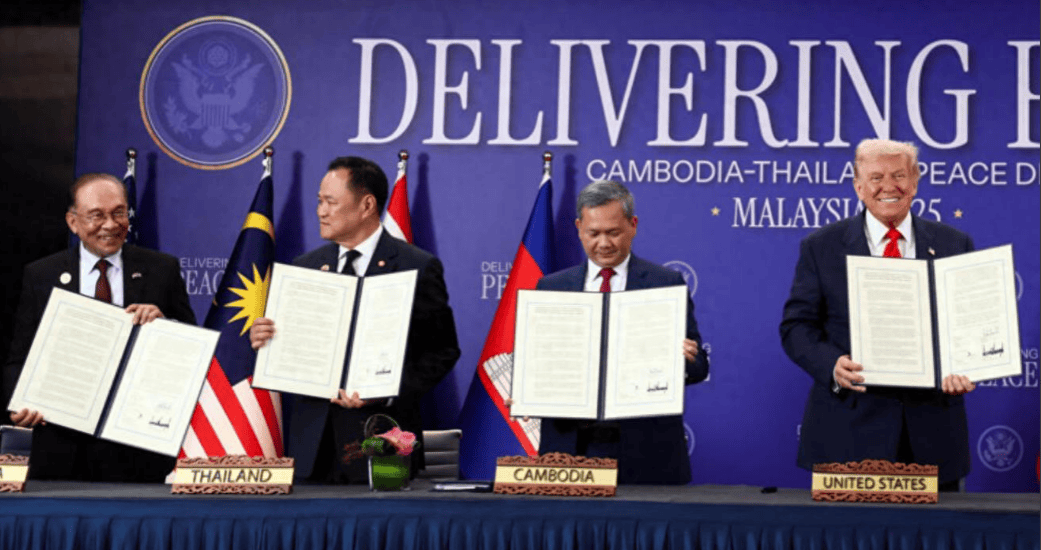
在当今全球化的经济舞台上,稀土矿物已成为国与国之间博弈的重要棋子。10月26日,美国总统特朗普在东盟峰会上接连与马来西亚、泰国和柬埔 寨三国签署了涵盖稀土出口的贸易协议,这一行为的背后透露出一种紧迫感。美国显然希望打破中国在稀土领域的垄断地位,这场交易不仅关乎经 济利益,更另有深意。 面对美国争取稀土供应链的努力,中国绝不会坐视不理。在最新推出的稀土管制措施中,中国对稀土元素的出口进行了严格管控,同时限制了相关 技术的分享。根据商务部的"0.1原则",如果任何产品中含有中国的稀土元素价值占比超过0.1%,则必须向商务部申报并获得许可。这无疑给了与美 国达成协议的东南亚国家施加了额外的压力。 目前,中国是全球唯一拥有成熟的稀土生产能力的国家,在技术与经验上具有绝对优势。在科技迅猛发展的今天,稀土的地缘政治意义愈加明显。 美国希望通过东南亚国家的帮助削弱中国的稀土控制,然而这条路究竟能走多远,尚未可知。 展望未来,东南亚国家与美方的合作关系会经历怎样的变迁?当地政府在与美国因资源利益进行合作时,是否会进一步受到外部压力影响,这都是 值得关注的问题。同时,中国在这一过程中扮演的角色也将至关重要。是否采取更强硬的措施 ...

美国对我们警告:若不取消稀土限制,将冻结在美资产,美企撤离中国
Sou Hu Cai Jing· 2025-10-26 20:15
美国稀土警告实为"纸老虎",中国这三张王牌稳坐钓鱼台 从电动汽车马达、风力发电机到AI服务器、军事装备,都离不开稀土。 没有稀土,现代军事科技就如同没有了"弹药"。 美国战略与国际研究中心的关键矿产安全项目主任直言不讳地指出,目前美国企业的稀土库存仅能维持两三个月。 面对中国的稀土管制,美国白宫放出的狠话,听起来唬人,实则外强中干,自己先慌了神。 "若不取消稀土管制,就冻结中国在美资产、踢出美元结算体系、让美企退出中国! "近期,美国白宫通过彭博社等媒体对中国发出警告,试图用对待俄罗 斯的制裁套餐施压中国。 这套所谓的"终极威胁"组合拳,表面上声势浩大,实则暴露了美国在稀土供应链上的战略焦虑和软肋。 稀土博弈:美国的战略软肋 这场围绕稀土的博弈,绝非突然爆发。 2025年4月初,中国宣布对7类稀土相关物项实施出口管制,直击美国及西方制造业的命门。 为什么稀土如此重要? 这些看似陌生的元素,实则是高科技产业的"工业维生素"。 若供应没有积极变化,美国工业界将面临生产活动无法开展的困境。 中国在稀土领域并非只有原始矿源优势。 高盛报告显示,中国掌握全球69%的稀土开采、92%的精炼能力,以及高达98%的磁体制造产 ...

谁在偷卖中国稀土?3.5吨藏废铁运欧洲,还泄露军工稀土技术!
Sou Hu Cai Jing· 2025-10-26 18:51
Core Viewpoint - The article highlights the increasing sophistication of rare earth smuggling operations in China, posing significant risks to national security and the economy due to the strategic importance of these resources in military and industrial applications [5][10]. Group 1: Smuggling Operations - A recent inspection at Shenzhen's Yantian Port revealed 25 tons of neodymium-iron-boron magnetic powder disguised as "tile adhesive" [1] - Another case involved 2.3 tons of high-purity rare earth materials, including dysprosium and terbium, hidden within plastic models [3] - Smuggling tactics include mislabeling high-purity rare earths as low-value products and concealing them among legitimate goods [5][7] Group 2: Strategic Importance of Rare Earths - Rare earths are referred to as "industrial gold" due to their irreplaceable military and civilian applications, with China holding over 90% of global medium and heavy rare earth reserves [8][10] - The price of key rare earth elements like dysprosium and terbium has surged by 200% to $3,000 per kilogram since China implemented export controls [10] Group 3: Government Response - In response to smuggling, China has announced export controls on medium and heavy rare earths, effective December 1, 2025, requiring permits for exports containing Chinese-origin rare earths [12] - The government has established advanced traceability systems and upgraded customs inspection methods to combat smuggling [14] Group 4: Security Threats - The article discusses risks related to technology and information theft, including cases of corporate espionage involving rare earth separation technology [16] - New laws have increased penalties for rare earth smuggling, with sentences up to 10 years for serious offenses [18]


24小时内,欧盟出两招对付中国,外媒说大实话:欧洲困境自作自受
Sou Hu Cai Jing· 2025-10-26 13:43
Group 1 - The EU has initiated new sanctions against Russia while simultaneously targeting four Chinese oil companies, indicating a dual approach to geopolitical tensions [3][5] - The EU is also exploring countermeasures against China regarding rare earth elements, highlighting a growing concern over dependency on Chinese exports [3][5] - European countries are facing a dilemma due to their reliance on Chinese rare earths, which has been exacerbated by their previous focus on high-value segments rather than mining and processing [7][9] Group 2 - The EU's recent actions reflect a clear hostility towards China, with calls for urgent diplomatic solutions to address the situation [5][9] - There is a recognition among European nations that their dependency on Chinese rare earths is a result of short-sighted policies, and they are now in a position where they must negotiate with China [5][7] - The current panic among Western companies to increase rare earth inventories is insufficient to mitigate the potential impact of tighter Chinese export controls [7][9]
普京深知稀土管制威力,要求稀土产业自主,中方已婉拒了,不会交出技术!
Sou Hu Cai Jing· 2025-10-26 12:02
Core Insights - Russia is seeking to establish an independent rare earth metal industry chain to reduce reliance on China and the US, emphasizing the importance of strategic resource control for national security [1][3] - The development of the rare earth industry is expected to create jobs and stimulate the economy, with plans to invest over 700 billion rubles in Siberia, potentially benefiting 3,500 families [3][5] - Russia's rare earth reserves rank fifth globally at approximately 3.8 million tons, but its annual production is only about 1% of the global total, highlighting a significant technological gap [3][5] Investment and Economic Impact - The initial investment of 700 billion rubles is just the starting point, with an additional twofold investment needed over the next five years, relying heavily on sovereign funds due to cautious foreign investment [5] - The establishment of a rare earth industry chain could enhance Russia's bargaining power in international negotiations, particularly against the backdrop of increasing competition from the US and EU [3][5] Technological Challenges - Russia faces significant technological barriers, as high-end rare earth extraction and processing technologies are predominantly held by China and the US, limiting Russia's ability to refine and purify rare earth elements [3][5] - The country’s technological capabilities are considered outdated, necessitating modernization in separation, extraction, and magnet manufacturing processes [5][7] Environmental and Operational Considerations - The extraction of rare earth elements is complicated by the presence of radioactive minerals, raising environmental concerns that must be addressed alongside market demands [5] - Siberia's harsh climate poses additional challenges for construction timelines and cost management, necessitating a balance between environmental regulations and operational efficiency [5][8] Strategic Partnerships - A potential path forward for Russia could involve joint ventures, where Russia provides mining resources and energy while China supplies advanced technology and equipment, although this may compromise Russia's autonomy in the rare earth sector [5][7] - The success of Russia's rare earth ambitions could significantly alter the global supply landscape, potentially diminishing China's leverage in the market [7][8]
中方升级稀土管制后,俄方看到其中利害,绍伊古宣布俄方重要决定
Sou Hu Cai Jing· 2025-10-26 09:20
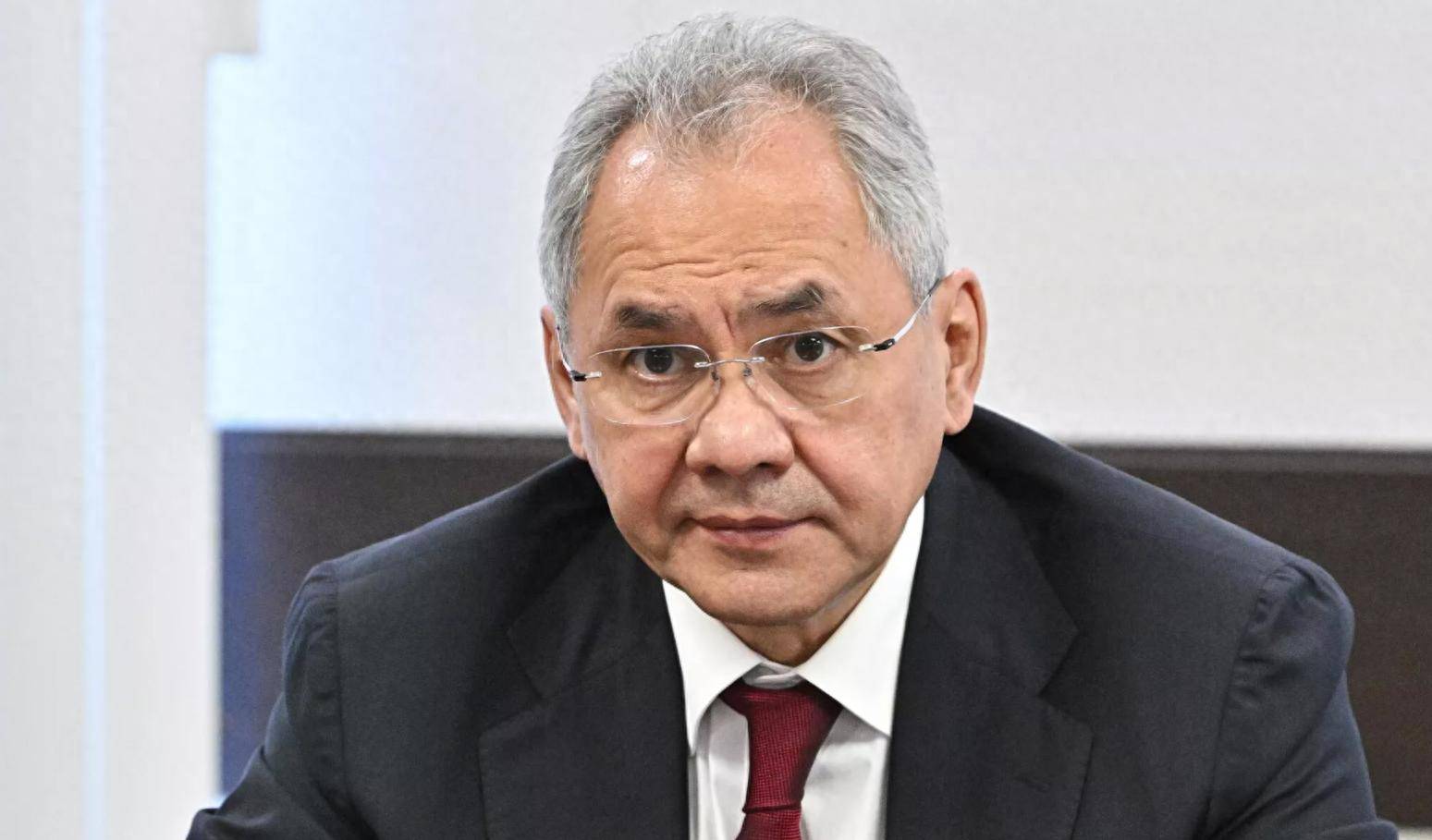
中美这场关税战打到现在,让俄罗斯也"卷"了进来,就在中方对美打出组合拳,升级稀土管制后,美方也急于与中方通话,同时欧洲方面也不断释放信号, 要求就稀土管制问题展开讨论,这也让俄方看在眼里。最近,俄罗斯联邦安全会议秘书绍伊古决心已下,表示稀土行业不能再依赖中国和美国,俄罗斯要打 造一个自主稀土金属产业。 据俄罗斯卫星通讯社10月25日报道,俄罗斯联邦安全会议秘书绍伊古在《消息报》上发表署名文章,宣布一个重要决定,将投资超过7000亿卢布,约合人民 币630亿元,在西伯利亚建设关键金属深加工集群。该项目被定位为"集科学、教育、工业和投资于一体的生态系统",目标是打造独立于中美的自主稀土产 业。 中美关税战自今年4月开打以来,双方已进行多个回合的加征关税反制,在这场关税战中,稀土资源成为焦点。中国对钐、钆、铽、镝、镥、钪、钇等七类 中重稀土相关物项实施出口管制。这些元素广泛应用于F-35战机、电动汽车电池、风力发电机、半导体等军工和高科技领域。面对中国的稀土管制,美国积 极寻找替代供应源。 俄罗斯则看到了这一机会,同时也让俄方看到,稀土行业不能依赖于他国,建立自己的独立供应链是重中之重。绍伊古的7000亿卢布投资计 ...
美国急得跳脚!超级大国罕见低头,中国稀土如何逆风翻盘?
Sou Hu Cai Jing· 2025-10-26 08:41
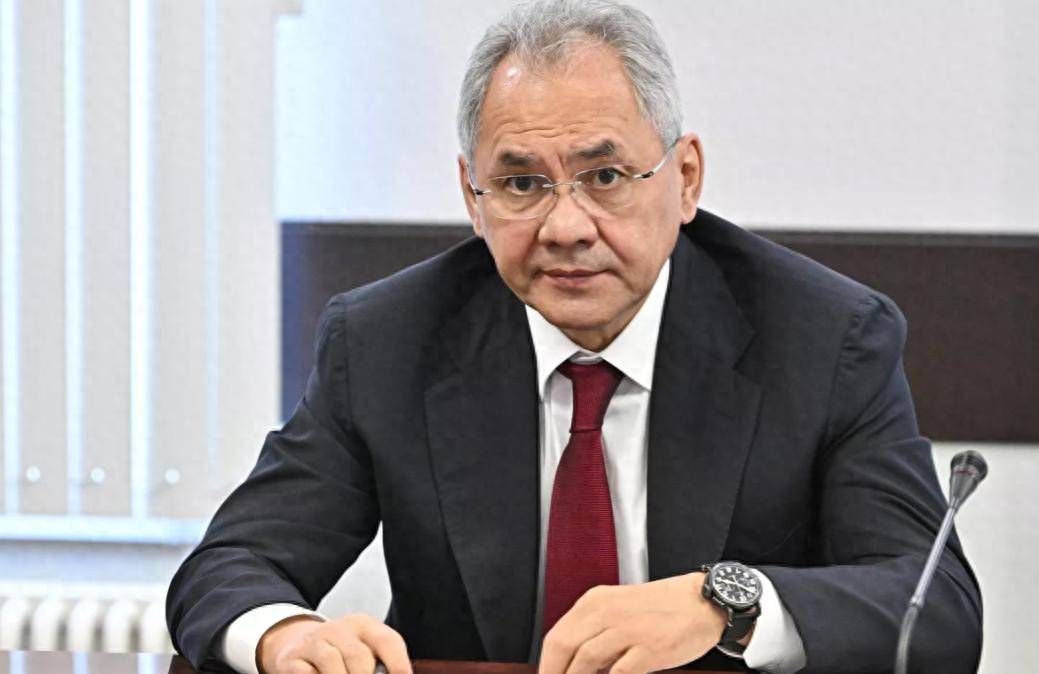
Core Insights - The strategic importance of rare earth minerals has become a key leverage point for major powers, particularly in military applications, with significant quantities required for advanced military vessels [1] - China holds a dominant position in the global rare earth market, possessing approximately 34% of the world's total reserves, which amounts to around 120 million tons [1][5] - The evolution of China's rare earth industry from a resource exporter to a leader in the high-end industrial chain showcases a significant transformation in its approach to resource management and technology [5][9] Industry Development - Historically, China's rare earth industry faced challenges due to lack of planning and rampant exploitation, leading to undervaluation of these resources [3] - The current process involves a comprehensive industrial chain, from exploration and mining to advanced separation and purification techniques, which are difficult for other countries to replicate [5] - Recent regulations by China's Ministry of Commerce and Customs aim to tighten export controls, ensuring that buyers are thoroughly vetted to prevent circumvention of restrictions, particularly by U.S. military contractors [7] Strategic Implications - The shift in China's rare earth strategy reflects a broader understanding of the resource's value, emphasizing the importance of maintaining control over core technologies and export channels [9] - As demand for rare earth elements continues to rise in high-end manufacturing and renewable energy sectors, their strategic value is expected to increase further [9] - China's approach of strict export management and strengthening the industrial chain positions it favorably in international negotiations and resource security [9]
特朗普通告全球,刚拿下稀土大单,又要开第二枪,中国被做局
Sou Hu Cai Jing· 2025-10-26 06:47
Core Points - The article discusses a significant mineral agreement signed between Trump and Australian Prime Minister Albanese, amounting to $8.5 billion, aimed at securing critical minerals and rare earth resources for the U.S. within a year [1] - The U.S. is also exploring ways to secure a tungsten mine in Kazakhstan, potentially funding U.S. companies through government loans, which contrasts with its previous criticisms of Chinese market interventions [1] - The article highlights the challenges the U.S. faces in becoming a leader in rare earth supply, given China's dominance in refining and technology [7][10] Group 1: Agreement Details - The U.S. and Australia plan to invest over $1 billion in the next six months to initiate the first batch of cooperative projects, including a gallium refinery in Western Australia with an annual production capacity of 100 tons [3] - Gallium is identified as a crucial metal for the U.S. defense industry, and currently, there is no domestic production capacity in the U.S. [3] Group 2: Rare Earth Elements Context - Rare earth elements are essential for modern technology, including smartphones, F-35 fighter jets, 5G base stations, and satellite communications [5] - Recent Chinese export controls on rare earths have raised global concerns about over-reliance on Chinese supplies, prompting the U.S. to discuss measures with allies like Australia to reduce this dependency [5] Group 3: Challenges and Skepticism - Despite Trump's optimistic portrayal, experts express skepticism about the effectiveness of the U.S.-Australia rare earth agreement, citing China's technological advantages and the long timeline required for Australia to establish a complete production capacity [7][10] - Establishing a new rare earth supply chain in the U.S. is estimated to take up to ten years and require around $300 billion in investment, with environmental assessments potentially taking several years [7] Group 4: Political Implications - Analysts suggest that Trump's promotion of the agreement may be more about showcasing a tough stance against China rather than ensuring the project's success, as political dynamics in the U.S. could hinder its progress [10] - The article indicates that the key to the rare earth competition lies not in mineral ownership but in mastering core technologies, which currently remain under China's control [10]
印度还买不买俄石油?但明确承诺,不卖稀土给美国
Sou Hu Cai Jing· 2025-10-26 06:47
Group 1 - Trump's statements have increasingly drawn skepticism, particularly from domestic media, as many perceive his exaggerated claims as habitual, leading to him being viewed as a source of misinformation [1] - Trump's assertion that Indian Prime Minister Modi promised to stop purchasing Russian oil was met with skepticism, as he acknowledged that this would require a process, albeit a quick one [4] - Both India and Russia responded publicly within a day, with Russia expressing confidence in its trade relationships and India reiterating its commitment to securing energy for its consumers amidst global volatility [7][8] Group 2 - India emphasized that its oil procurement is a domestic matter, with decisions made by enterprises without government interference, highlighting the critical need for energy to support its rapid development [8] - In 2023, India's oil export revenue reached $84.96 billion, ranking second globally, which underscores the improbability of India abandoning Russian oil [7] - India announced a commitment to stop exporting rare earth materials sourced from China to the U.S., a move that could provoke a reaction from the U.S. and reflects India's independent foreign policy stance [8][10] Group 3 - India's rare earth reserves are substantial, totaling 6.9 million tons, placing it among the top five globally, yet its production remains limited due to outdated extraction and refining technologies [9] - The U.S. has previously expressed anxiety over rare earth supply chains, which are vital for its high-tech industries, and India's actions could further complicate this situation [9][10] - Modi's government is actively seeking to diversify partnerships and repair relations with other countries to avoid over-reliance on the U.S., showcasing India's strategic positioning in the global economy [10]
中美博弈再升级,稀土反制出手!美国从威胁到示好释放了什么信号
Sou Hu Cai Jing· 2025-10-26 06:41
Core Insights - The ongoing "rare earth war" between the US and China has intensified, with China taking strong countermeasures while the US shows no signs of backing down, particularly regarding military-related rare earths [1] - Rare earths play a crucial role in modern industries and military applications, being essential for various technologies from smartphones to advanced weaponry [1] - China's historical challenges in the rare earth industry have shifted, leading to significant advancements in technology and market control, allowing China to dominate the global rare earth supply chain [2][6] Industry Developments - China's Ministry of Commerce announced export controls on certain rare earth products containing Chinese components, causing significant pressure on US industries [5] - Despite having rare earth resources, the US lacks advanced purification technology, making it reliant on China for processing, with experts estimating hundreds of billions in investment and a decade needed to reduce this dependency [5] - China's rare earth industry has evolved into a complete supply chain, achieving self-sufficiency in production and processing, and gaining pricing power in the global market [6] Strategic Implications - The US has shifted from a confrontational stance to seeking negotiations on rare earths, indicating a loss of leverage in this strategic resource [8] - China's export control measures reflect its dominance in the global supply chain and its ability to set rules and standards, marking a significant shift in the traditional export model [8] - The ongoing competition over rare earths highlights their status as a strategic resource in US-China relations, with implications for global supply chain security and compliance [9][10]