稀土

Search documents
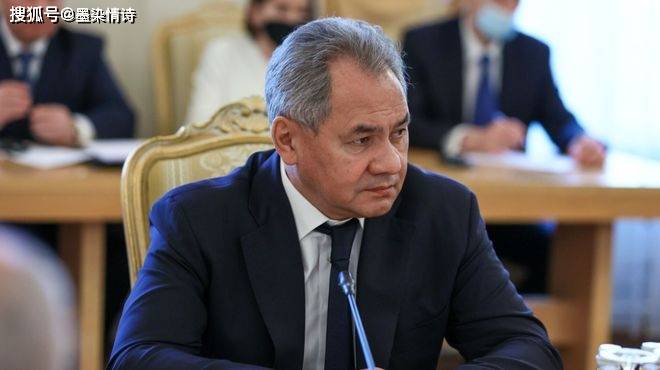
中国发起稀土管制,普京政府马上反应过来,俄罗斯也不能受制于人
Sou Hu Cai Jing· 2025-10-25 11:50
Core Viewpoint - Russia has announced plans to develop its rare earth industry in Siberia, emphasizing its importance for national security and military needs, with an investment of 612 billion RMB to establish a complete mining and processing operation [1]. Group 1: Investment and Development Plans - The Russian government aims to invest 612 billion RMB to build a rare earth base, intending to handle both mining and processing independently [1]. - The government has proposed an investment of 700 billion rubles, although the source of funding remains unclear due to financial strains from ongoing military expenditures [3]. Group 2: Strategic Context - The move is partly a response to China's control over rare earth resources, which has caused concern in the West, prompting Russia to seek independence in critical resource production [1]. - Russia ranks among the top five countries globally in rare earth reserves but currently has low extraction and processing capabilities [1]. Group 3: Challenges and Risks - The development of the rare earth industry in Siberia faces significant challenges, including high infrastructure development costs, reliance on domestic equipment manufacturing, and difficulties in attracting foreign investment due to Western sanctions [4]. - The establishment of a complete rare earth industry chain is expected to take around ten years, during which Russia must overcome technical, financial, and infrastructural hurdles [4]. Group 4: Potential Impact - The initiative could alter the global rare earth landscape, but the success of building a self-sufficient system remains uncertain and will require a long-term commitment [6].

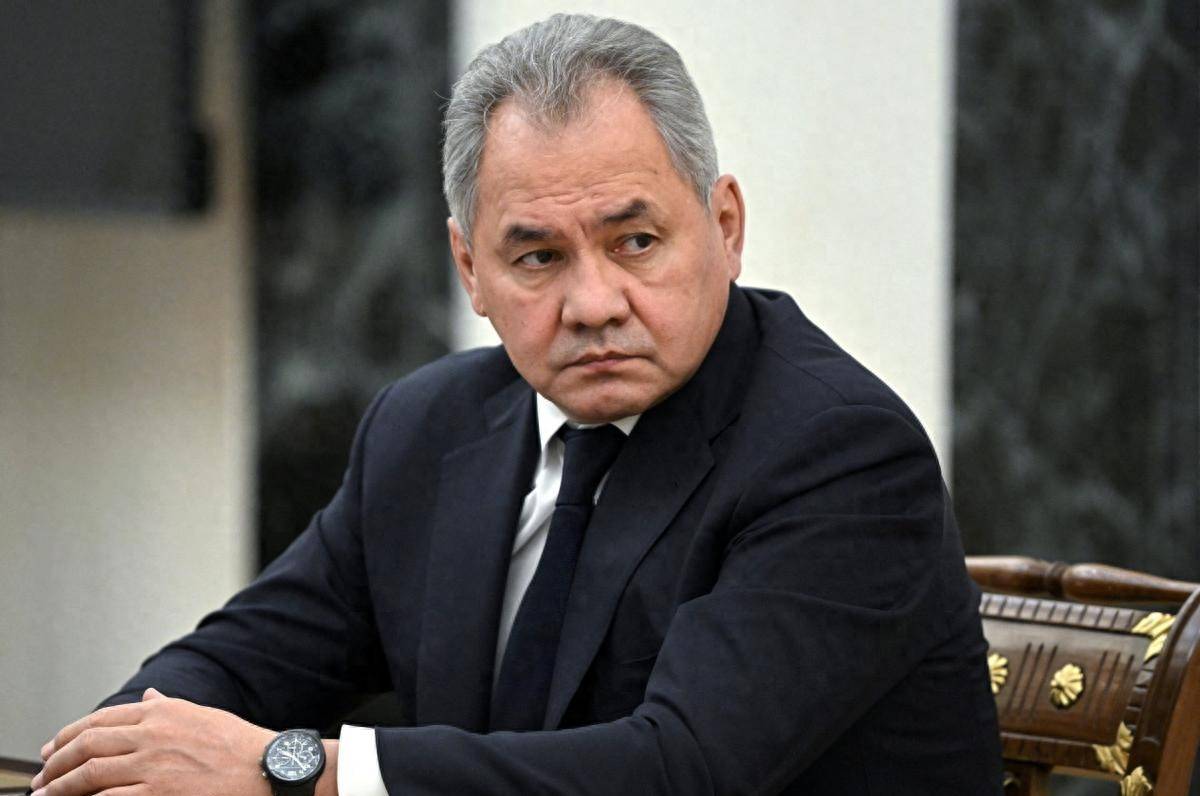
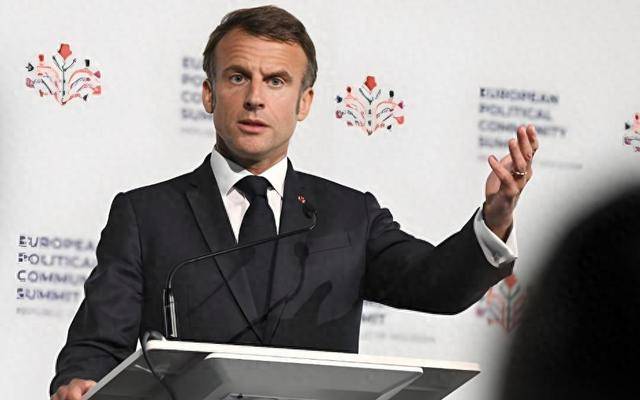
稀土一断,美欧全抓狂了!马克龙要动用“核选项”,美国也有狠招
Sou Hu Cai Jing· 2025-10-25 11:01
Core Points - The EU summit in Brussels on October 23 saw French President Macron's strong stance on China's rare earth export controls, urging the EU to consider activating the Anti-Coercion Instrument (ACI) to retaliate against China [1][3] - The "nuclear option" proposed by Macron would grant the EU significant retaliatory powers, including imposing high tariffs and restricting investments from countries deemed to be engaging in "economic coercion" [3][5] - Despite the potential deterrent effect of the ACI, it has never been effectively utilized since its inception, as demonstrated by the EU's decision to compromise with the US during a previous trade dispute [5][7] Rare Earth Dependency - The EU's dependency on China for rare earth elements is significantly higher than anticipated, with 82% of its rare earth demand met through imports from China, and 95% dependency in the refining and processing stages [7][19] - In 2025, China accounted for 64% of global rare earth production and controlled 78% of the refining capacity, making it challenging for the EU to find alternative suppliers in the short term [7][19] - Germany's trade with China has surpassed that with the US, with a trade volume of €163.4 billion in the first eight months of 2025, highlighting the economic interdependence between the EU and China [7][19] Economic Implications - The potential activation of the "nuclear option" could severely disrupt the EU's manufacturing sector due to rare earth shortages, leading to significant economic repercussions [7][19] - The European Automobile Manufacturers Association warned that if the rare earth shortage is not resolved within 60 days, 60% of EU electric vehicle factories and 40% of wind energy equipment factories could face shutdowns, potentially reducing the EU's GDP growth by 0.8 percentage points in 2025 [20][19] - The US has also reacted strongly to China's rare earth controls, considering severe sanctions that could impact both economies, but the feasibility and consequences of such actions remain uncertain [9][11][12]
美国祭出最后绝招?如果中国不提供稀土:美国敢将中国踢出SWIFT?
Sou Hu Cai Jing· 2025-10-25 09:18
Group 1 - China has implemented export controls on rare earth elements, citing national security concerns, which are part of a long-term strategy rather than a spontaneous decision [1][3] - The export controls target products with excessive rare earth content, including magnets and technologies, with China controlling 70% of global rare earth mining and 90% of processing [3][9] - The U.S. relies on China for over 70% of its rare earth imports, which are critical for various industries, including electric vehicles and defense [3][9] Group 2 - U.S. officials have criticized China's actions as "power grabs" in the global supply chain, yet they acknowledge the need for reliable supply rather than complete decoupling [5][21] - The U.S. plans to impose a 100% tariff on rare earth imports in response to China's export controls, effective from November 1 [6][28] - China's response to U.S. tariffs emphasizes the legality and necessity of its measures, arguing that the U.S. is applying double standards [8][21] Group 3 - The U.S. is exploring financial measures, including the potential exclusion of China from the SWIFT system, which could significantly disrupt cross-border transactions [12][18] - However, the complexity of the situation makes it challenging for the U.S. to implement such measures without causing global financial instability [16][21] - China's financial institutions are preparing alternative solutions, such as using other currencies for transactions, which could undermine the dollar's dominance [16][23] Group 4 - The U.S. aims to build an independent rare earth supply chain through strategic partnerships, but domestic reserves are minimal, relying heavily on imports from Australia and Canada [24][28] - China's long-term strategy includes the development of its cross-border payment system, CIPS, which operates independently of SWIFT and is gaining traction globally [26][33] - The ongoing U.S.-China competition in rare earths and finance is expected to continue, with both sides maintaining their positions while exploring negotiation opportunities [31][33]
中国给欧盟开稀土“绿灯”,马克龙拿到稀土后,对华反咬一口
Sou Hu Cai Jing· 2025-10-25 08:46
Group 1 - The core issue revolves around the European Union's urgent need for rare earth materials, which are critical for industries such as electric vehicles and renewable energy, highlighting China's dominant position in this market [3][5] - France's President Macron has threatened to use the EU's "nuclear option" trade tool against China if it continues to control rare earth exports, indicating a shift in diplomatic tone despite recent concessions from China [5][9] - The EU's approach appears contradictory, as it seeks negotiations with China while simultaneously imposing sanctions on Chinese companies, reflecting a lack of genuine commitment to cooperation [7][11] Group 2 - China is reluctant to escalate tensions with the EU, recognizing the importance of their trade relationship, but it holds significant leverage due to its market size and the dependence of European industries on Chinese rare earths [9][11] - The article suggests that Europe has not fully grasped its diminished global standing and is caught between the US and China, needing to choose a clear path for future cooperation or confrontation [11][13] - The potential for a mutually beneficial partnership exists, where China could provide rare earth processing technology in exchange for European high-tech innovations, but current attitudes from Europe lean towards entitlement rather than collaboration [11][13]
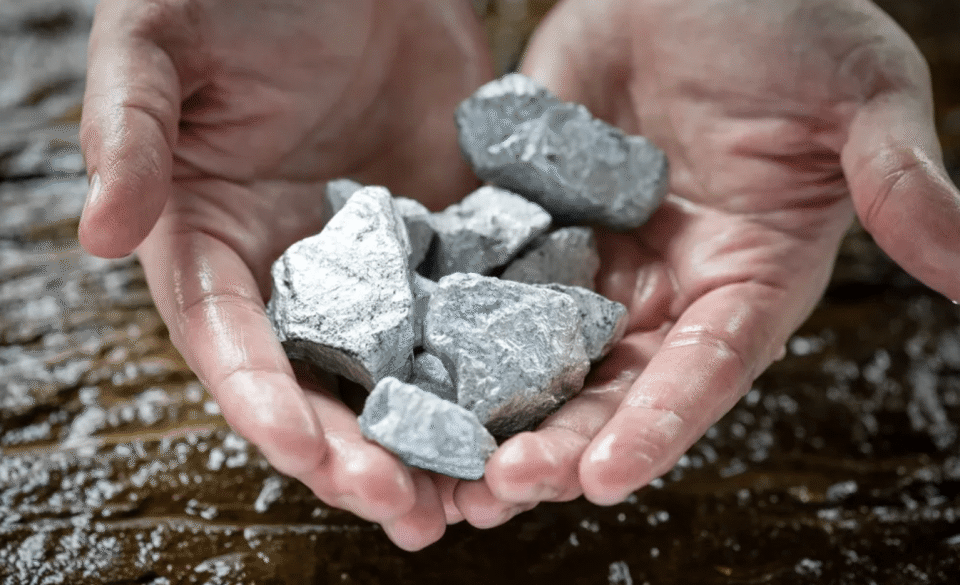
稀土真破局了?见过澳总理后,特朗普宣告全球,不会被中国卡脖子
Sou Hu Cai Jing· 2025-10-25 08:23
Core Viewpoint - Trump claims that the U.S. will have sufficient rare earth supply in the coming year, thanks to a new supply chain established with Australia, reducing reliance on China [1]. Group 1: U.S.-Australia Cooperation - On October 20, Trump signed a cooperation document with Australian Prime Minister Albanese, committing up to $8.5 billion for rare earth mining, processing, and refining [1]. - The U.S. aims to increase domestic and overseas rare earth investments to avoid dependence on China, a strategy that has been in pursuit since the Biden administration [1]. Group 2: Challenges in Rare Earth Supply - Previous considerations for sourcing rare earths from Ukraine, Pakistan, and Kazakhstan faced challenges such as difficult extraction, high costs, and geopolitical instability, particularly in Ukraine due to war [3]. - Australia’s Lynas Corporation achieved commercial extraction of heavy rare earths in June, presenting a potential partnership opportunity for the U.S. [5]. Group 3: Technical and Economic Hurdles - Despite initial technological advancements, Australia’s refining processes are not yet mature, with low purity and high costs compared to China's established technology, which exceeds 99.99% purity [5]. - The U.S. has historically relied on Chinese technology for rare earth extraction, indicating that significant investment, time, and technological development are required to catch up [5]. Group 4: Skepticism and Realism - Analysts express skepticism about Trump's assertion that the U.S. will have an abundant supply of rare earths within a year, citing that China took 66 years to become a global leader in rare earths [7]. - Australia remains dependent on China for processing, with approximately 90% of lithium ore still sent to China for refinement, complicating the U.S. strategy [7]. - The agreement between the U.S. and Australia is described as an "action plan" without binding targets, indicating a lack of commitment from Australia, which is cautious about jeopardizing its relationship with China [7][9]. Group 5: Strategic Recommendations - The complexities of technology and industry development suggest that rather than seeking alternative sources, the U.S. might benefit more from re-establishing direct trade relations with China for rare earth products [9]. - Given the current geopolitical climate and internal challenges, time is a critical factor for the U.S. to enhance its military and technological capabilities [9].

F35停产、光刻机断供,中国稀土出手直击命门,特朗普制裁成笑话
Sou Hu Cai Jing· 2025-10-25 08:18
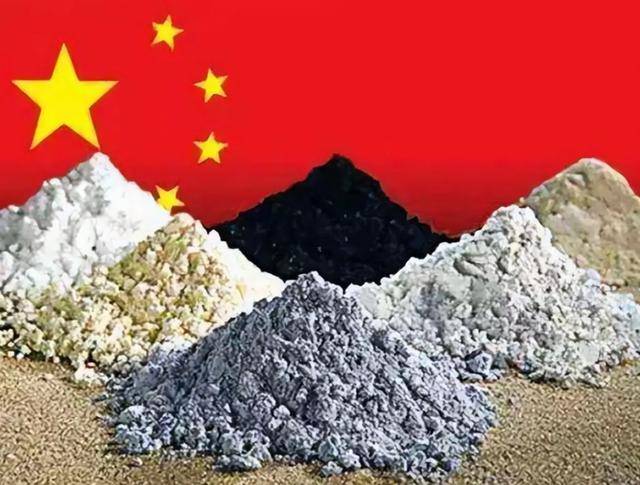
Core Viewpoint - China's Ministry of Commerce announced stricter export controls on rare earth-related items and technologies, impacting the entire industry chain from mining to manufacturing, including foreign rare earth products with over 0.1% Chinese components [1][10] Group 1: Impact on Global Supply Chain - The new regulations are described as "almost unprecedented" by the Wall Street Journal, indicating the significant impact on global supply chains [1] - China accounts for 69% of the global rare earth production, but its real leverage lies in its control over refining and separation technologies [3] - The U.S. military's F35 program has faced supply risks due to reliance on Chinese rare earth materials, highlighting the critical nature of these resources [3][5] Group 2: Effects on Specific Companies - ASML, a key player in the semiconductor industry, may face delivery uncertainties for its EUV lithography machines due to the new regulations affecting essential rare earth materials [5] - MP Materials, the largest U.S. rare earth producer, is unable to provide a complete supply chain, as the U.S. lacks the necessary refining and separation capabilities [7][8] Group 3: Strategic Timing and Broader Implications - The timing of China's announcement coincided with U.S. actions against Chinese companies, suggesting a strategic response to regain control in trade negotiations [10] - China's export control measures are framed as a standard international practice aimed at safeguarding national security and interests [10][12] - The establishment of an export licensing system allows for continued commercial use while restricting military applications, creating uncertainty for foreign companies [12] Group 4: Long-term Industry Development - China's rare earth industry has developed a complete supply chain over decades, emphasizing the importance of technological accumulation and industry resilience [14] - The recent export controls underscore the significance of resource control in modern technological competition, where both technological advancement and supply chain integrity are crucial [14]


中国稀土管制才5天,美国战争部突然急忙抢购3000吨锑锭!
Sou Hu Cai Jing· 2025-10-25 05:53
Core Viewpoint - China's announcement to strengthen rare earth export controls has triggered significant global market reactions, impacting high-tech industries and military supply chains worldwide [1][4]. Group 1: China's Rare Earth Dominance - China dominates global rare earth production, accounting for over 60% of total output and more than 80% of refining [1]. - The new export controls will include heavy rare earth elements such as holmium, erbium, thulium, and ytterbium, along with processing equipment and software, set to take effect from November 8 [4]. - In 2024, the U.S. is expected to import over 10,000 tons of rare earth concentrates from China, making up 85% of its total imports [5]. Group 2: Market Reactions and U.S. Response - Following China's announcement, rare earth prices surged, with dysprosium oxide prices increasing by 15% within a week [5]. - The U.S. Department of Defense made significant purchases, including $500 million for cobalt alloys and $245 million for antimony ingots, totaling 3,000 tons, in response to the tightening supply [3]. - U.S. military production lines face risks of stagnation due to reliance on Chinese imports, particularly for antimony, which the U.S. has not produced domestically for 24 years [7]. Group 3: Strategic Implications - The competition for mineral resources between China and the U.S. has intensified, with both countries responding to each other's export controls and tariffs [11]. - The U.S. has initiated efforts to establish a "Mineral Security Partnership" to create alternative supply chains, but new mining projects typically require three to five years to become operational [5]. - Antimony's global demand is growing at 5% annually, with China supplying 60% of the market, highlighting the strategic importance of this material for both military and civilian applications [7][9].
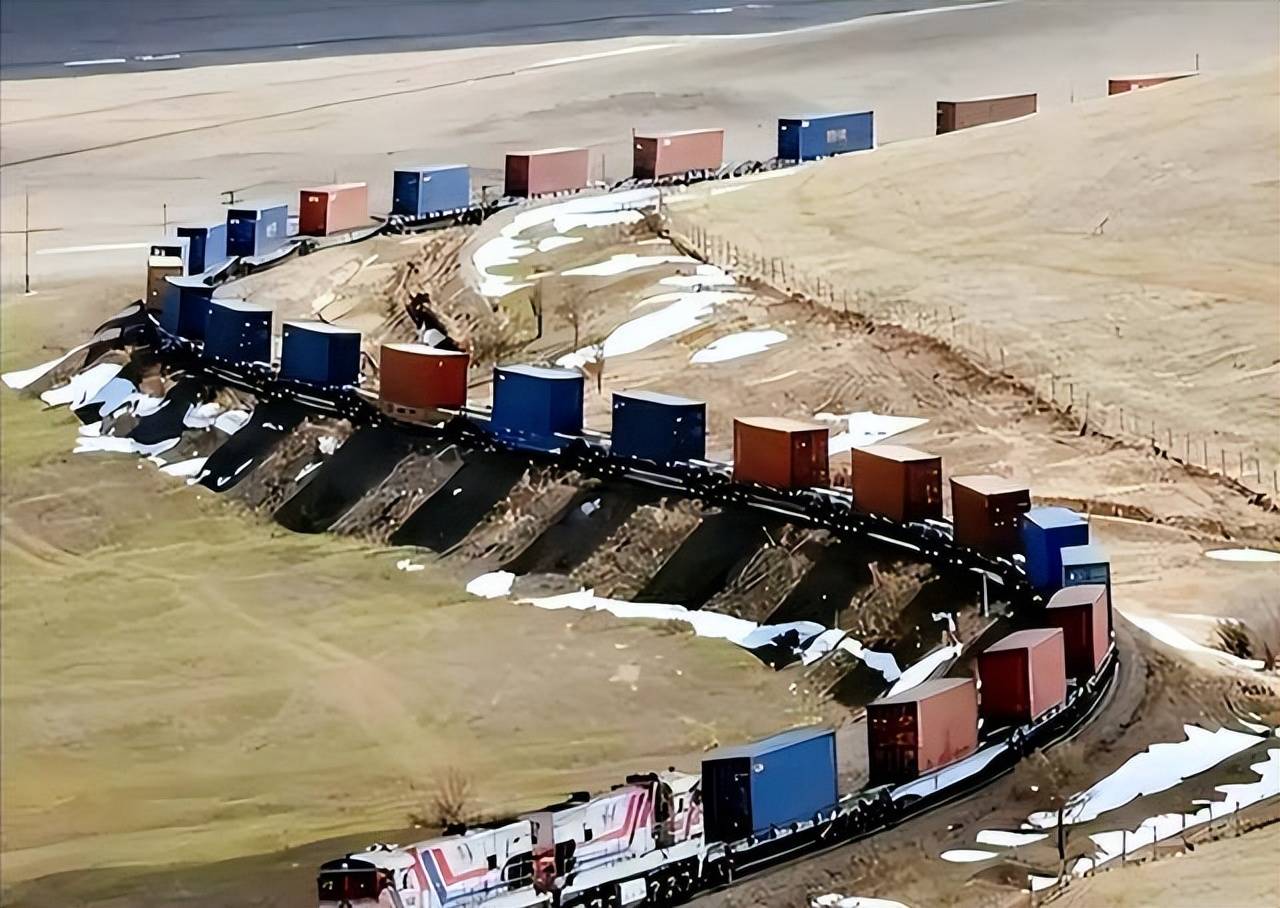
韩专家:东大低估了稀土牌,美国高估了芯片牌,美国好像玩砸了!
Sou Hu Cai Jing· 2025-10-25 05:13
Group 1 - The core viewpoint is that the outcome of the US-China competition hinges on whether China can produce high-end chips or the US can secure rare earth elements first, with a pessimistic outlook for the US [1] - Chips are seen as a matter of time for China, which is gradually making breakthroughs without significant technological constraints [3] - The US is underestimating the seriousness of rare earth elements, which are crucial for technologies like AI and high-end chips [3] Group 2 - The US faces significant challenges in overcoming rare earth limitations, which are described as extremely difficult to achieve [5] - China has spent over twenty years consolidating national efforts to achieve a technological monopoly, which the US has criticized as "state capitalism" [5] - A US rare earth company is reportedly receiving a total investment of $1.4 billion from the Defense Department and Goldman Sachs, but achieving goals through this model is considered challenging [5] Group 3 - Understanding the outcome of the US-China rivalry is essential for South Korea to make informed decisions on its strategy [7]

美称稀土将多如牛毛?美澳85亿合作藏深坑,570万吨仅中国零头?
Sou Hu Cai Jing· 2025-10-25 04:45
Core Viewpoint - The recent $8.5 billion mineral cooperation agreement between the U.S. and Australia highlights the urgency for the U.S. to reduce its dependence on Chinese rare earth resources, particularly in the context of military applications [1][10]. Group 1: U.S. Concerns and Military Dependency - The U.S. military relies heavily on rare earth elements, with 87% of its 153 major weapon systems dependent on Chinese processing [1]. - The F-47 fighter jet requires 8 to 12 kilograms of rare earths, and 70% of the heavy rare earths used in the U.S. come from China, indicating a significant vulnerability in the U.S. defense supply chain [1]. Group 2: Australia's Position and Resources - Australia ranks fourth globally in rare earth reserves, with 5.7 million tons, and possesses the only large-scale heavy rare earth production base outside of China, making it a strategic partner for the U.S. [6]. - The agreement is seen as mutually beneficial, with Australia aiming to enhance its position in the global mineral market while providing the U.S. with critical resources [6]. Group 3: Challenges and Realities - Despite the cooperation, Australia's rare earth reserves are significantly lower than China's, which holds 44 million tons, over seven times more than Australia [7]. - The timeline for Australia to scale up production to meet U.S. needs is unrealistic, with full-scale production not expected until 2028, while the U.S. seeks self-sufficiency within a year [7][10]. - The technological and industrial barriers that China has established over years cannot be easily overcome by mere agreements or investments, as China controls 90% of the global rare earth supply chain and extraction technology [7][8]. Group 4: Conclusion on the Agreement's Impact - The $8.5 billion agreement appears to be more of a political gesture to alleviate U.S. anxiety over rare earth dependence rather than a practical solution to the underlying supply chain issues [10]. - The global supply chain dynamics are complex and cannot be altered solely through political maneuvers; achieving true independence in rare earth supply will require substantial technological advancements and production capabilities [10].

中国施行稀土管控后:俄罗斯猛砸7000亿挖稀土
Sou Hu Cai Jing· 2025-10-25 03:39
Core Insights - Russia plans to invest over 700 billion rubles (approximately 63 billion yuan) in the construction of a key metal deep processing cluster in Siberia, aiming to establish a comprehensive ecosystem integrating science, education, industry, and investment, marking a significant move to challenge China's dominance in the global rare earth supply chain [1][3]. Investment and Infrastructure - The project will be located in the Tomsk and Yakutia regions, which house the world's largest Tomtor rare earth deposit (over 150,000 tons of yttrium rare earth) and are near Siberia's hydropower base, providing cheap electricity for energy-intensive rare earth smelting [3]. - The first phase of the project is expected to create 3,500 jobs and increase annual rare earth production to 50,000 tons by 2030, with over 60% being high-purity rare earth oxides [3]. Technological Development - Russia's rare earth industry faces technological challenges, relying on outdated extraction methods with a recovery rate of only 65%, compared to China's 92% [5]. - The project adopts a "government platform, industry-academia-research collaboration" model, involving 12 leading companies, including Rusal and Norilsk Nickel, with the first five rare earth refining plants set to be operational by 2026 [5][6]. Strategic Partnerships - The Russian government is investing in infrastructure, including railways, roads, and power networks, to address logistical challenges posed by the Tomtor mine's distance from rail lines [6]. - Funding includes 60 billion rubles from the federal budget, along with subsidized loans and R&D grants [6]. - Russia is seeking technical cooperation with "friendly countries" like Belarus and India to overcome Western patent barriers in rare earth separation technology [6]. Global Supply Chain Impact - Russia's ambitions are reshaping the global supply chain, with a focus on pragmatic cooperation with China, which controls 60% of rare earth refining capacity [8]. - Russia aims to increase its rare earth production sixfold by 2030, but technology transfer from China is crucial, despite China's strict export controls on rare earth technologies [8]. - The EU's strategic raw materials legislation aims for a 40% self-sufficiency in rare earths by 2030, with Russia negotiating joint development of Siberian rare earth resources with Hungary and the Czech Republic [8]. Challenges Ahead - The project faces multiple challenges, including high extraction costs due to Siberia's extreme climate, which are 40% higher than in China, and potential logistical cost increases due to weak infrastructure [12]. - Technological bottlenecks in rare earth separation may lead to insufficient product purity, hindering high-end manufacturing demands [12]. - The global rare earth market is currently oversupplied, with major producers like China, Australia, and the U.S. expanding production, posing price competition risks for Russian products [12]. Conclusion - Russia's investment of 700 billion rubles aims to establish a self-sufficient rare earth industry, but the success of this initiative will likely take until 2030 to evaluate, indicating a potential reshaping of the global rare earth landscape [15].