
军工

Search documents
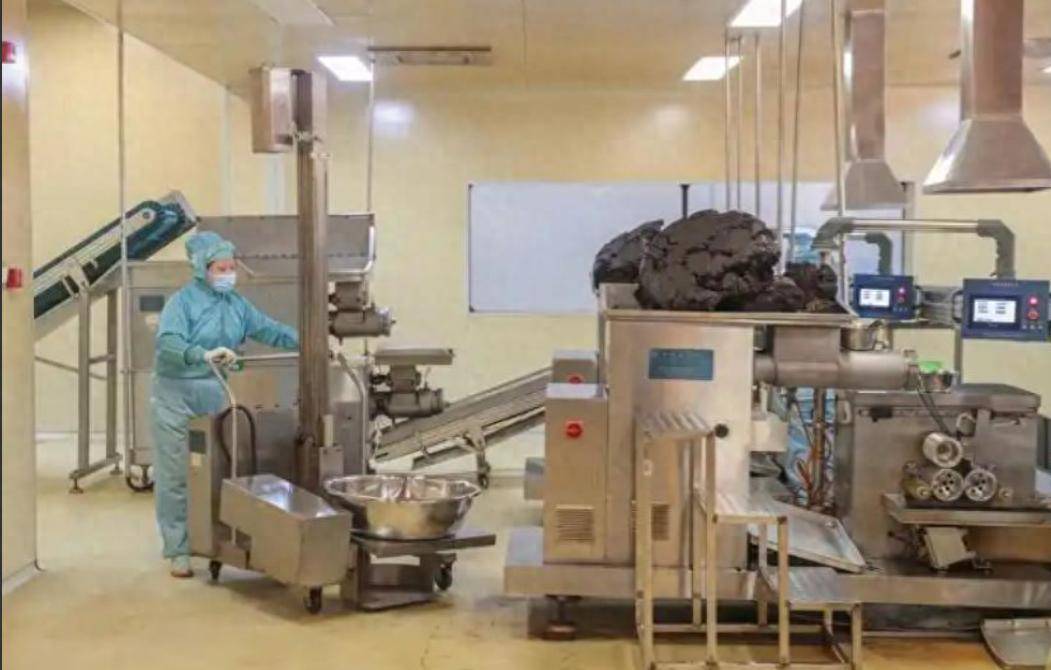
美媒急眼:别惹中国!稀土之后医药原料再成王牌,直击美国命门!
Sou Hu Cai Jing· 2025-10-20 15:11
Group 1 - The article discusses the impact of U.S. tariffs on China, highlighting that these measures are increasingly ineffective and may harm the U.S. itself [1] - China has tightened its export controls on rare earth elements, which are crucial for various industries, including high-tech and military, putting pressure on the U.S. [3] - Following Trump's announcement of new tariffs, the U.S. stock market reacted negatively, indicating the potential economic repercussions of such policies [5] Group 2 - A report from The New York Times reveals that nearly half of the raw materials for over 700 imported drugs in the U.S. come from China, emphasizing the dependency of the U.S. pharmaceutical industry on Chinese supplies [7] - If China were to impose similar restrictions on pharmaceutical raw materials as it did with rare earths, it could severely disrupt the U.S. drug industry [9] - The U.S. pharmaceutical sector has largely outsourced raw material production to countries like China due to high domestic production costs, which are significantly higher than those in China [11] Group 3 - The instability of Indian pharmaceutical products makes U.S. companies prefer sourcing from China, despite the potential for increased costs due to tariffs [13] - The U.S. government has previously delayed imposing tariffs on pharmaceuticals due to backlash from domestic drug companies concerned about rising drug prices [15] - The article highlights the critical nature of certain drugs, such as "cisplatin," which are essential for cancer treatment, underscoring the potential health risks associated with supply disruptions [15] Group 4 - The ongoing trade tensions have led to a situation where U.S. companies face significant challenges, as China's countermeasures target key sectors like technology and agriculture [17] - The article suggests that the U.S. government's attempts to impose tariffs have resulted in a complex situation where both sides experience pain, but the impact on U.S. consumers and businesses is more immediate [19] - Ultimately, the article argues that the trade conflict may necessitate a return to negotiations, as tariffs alone cannot resolve the underlying issues [19]

欧洲内讧爆发!希腊对土耳其重提条件,土方与德国秘密谈判
Sou Hu Cai Jing· 2025-10-20 12:37
Core Insights - The article discusses Turkey's strategic maneuvers within NATO and its defense collaborations with the UK and Germany, highlighting the complexities of European defense dynamics and Turkey's ambitions to enhance its military capabilities and geopolitical influence [1][3][4]. Group 1: Turkey's Defense Acquisitions - Turkey has finalized a deal to purchase 12 used Lockheed C-130 Hercules military transport aircraft from the UK, which are currently undergoing maintenance and modernization [3][4]. - This acquisition is timely, coinciding with ongoing geopolitical tensions, particularly the Russia-Ukraine conflict, and the pressure on NATO members to increase defense spending to 5% of GDP by 2035 as suggested by former US President Trump [4][10]. Group 2: Turkey-Germany Relations - Turkey is engaging in defense cooperation talks with Germany, focusing on the EU's "European Security Action Plan," which has allocated over $173 billion in low-interest loans for member states to enhance defense procurement [6][7]. - Germany's involvement signifies a serious commitment to facilitating Turkey's integration into European defense frameworks, potentially overcoming obstacles posed by Greece regarding Turkey's participation in the security plan [6][7]. Group 3: Geopolitical Implications - Turkey's dual approach of strengthening ties with the UK and Germany aims to elevate its strategic position within NATO and the EU, while also addressing long-standing territorial disputes with Greece [9][10]. - The outcome of upcoming negotiations, particularly the anticipated visit of German Chancellor Merz to Turkey, will be crucial in determining Turkey's future role in European defense and its ability to resolve tensions with Greece [12].
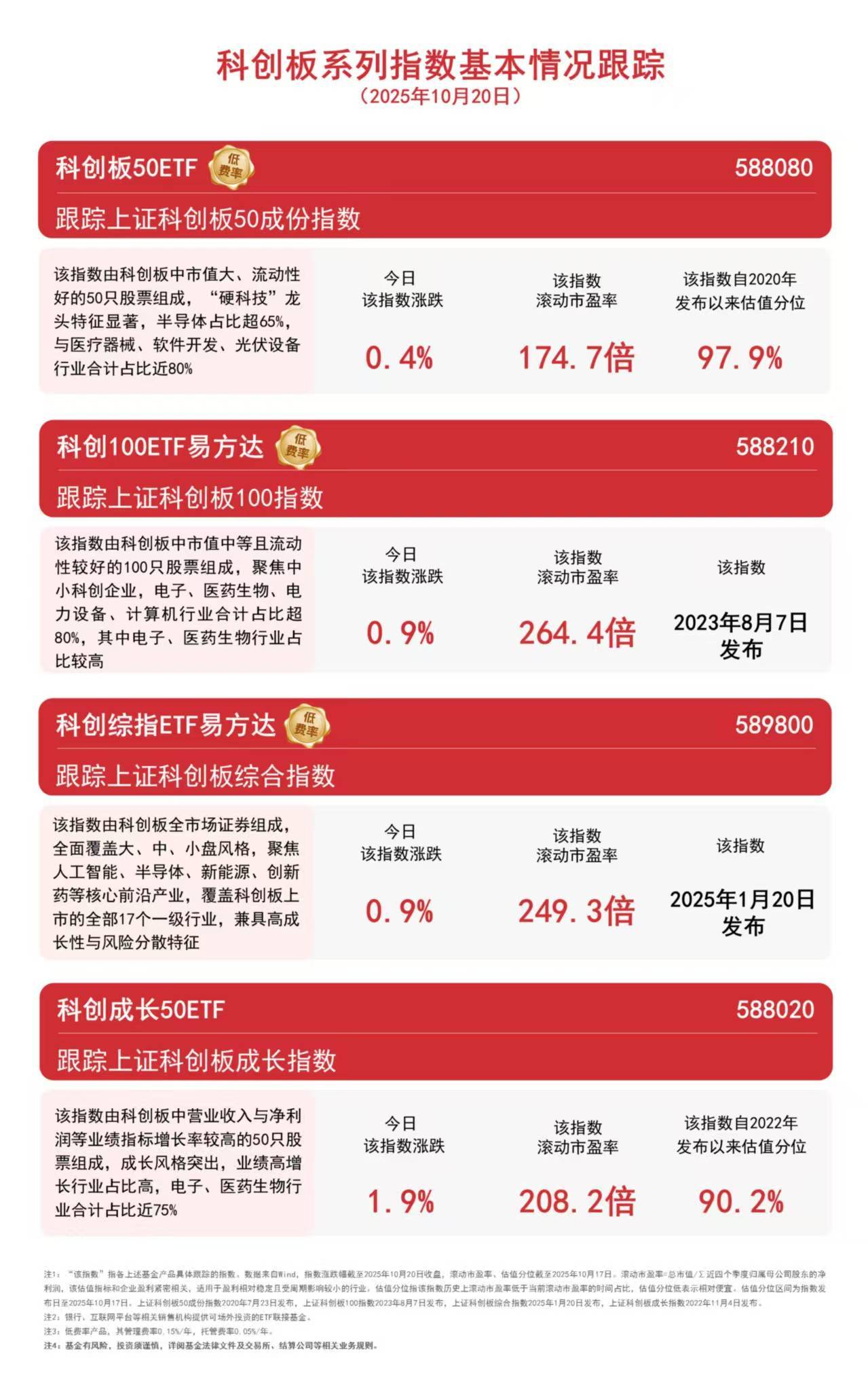
热门科技题材今日回暖,关注科创板50ETF(588080)等产品投资机遇
Sou Hu Cai Jing· 2025-10-20 11:59
Group 1 - The computing hardware and solid-state battery sectors experienced a strong increase today, while the military and software sectors showed localized recovery [1] - The STAR Market Growth Index rose by 1.9%, the STAR 100 Index increased by 0.9%, the STAR Comprehensive Index went up by 0.9%, and the STAR 50 Index gained 0.4% by the end of trading [1]
军贸催化不断,内需关注景气上行及“十五五”新方向等
Orient Securities· 2025-10-20 11:11
Investment Rating - The report maintains a "Positive" investment rating for the defense and military industry in China [5] Core Viewpoints - The military trade market in China is continuously expanding, with significant developments such as Indonesia's procurement of the J-10 fighter jet, indicating a rapid growth in the military trade market scale [11] - The "Qianfan Constellation" satellite network has resumed operations after a 7-month hiatus, with the recent launch of 18 satellites, suggesting an acceleration in low-orbit satellite deployment [12] - The current market conditions show stabilization in military sector stock prices, with a focus on domestic demand and the upcoming "14th Five-Year Plan" which is expected to clarify new equipment construction plans [16][17] Summary by Sections Investment Suggestions and Targets - The report highlights several investment targets within the military electronics sector, including: - Aerospace Electric (002025, Buy) - Zhonghang Optics (002179, Buy) - Aerospace Electronics (600879, Not Rated) - In the new quality and domain sector, notable mentions include: - Haige Communication (002465, Buy) - New Light Optoelectronics (688011, Increase Holding) - For the engine chain, key targets include: - West Superconducting (688122, Buy) - Huqin Technology (688281, Increase Holding) - In military trade and main equipment, companies like AVIC Shenyang Aircraft (600760, Not Rated) are highlighted [17]


泽连斯基称乌美正准备签订“爱国者”导弹系统供应合同
Yang Shi Xin Wen· 2025-10-20 10:57
Core Viewpoint - Ukraine and the United States are preparing to sign a contract for the supply of 25 Patriot missile systems, as stated by Ukrainian President Zelensky [1] Group 1 - The delivery of these air defense systems will occur in batches annually over the next few years [1] - Ukraine is seeking priority in the supply queue from some European countries for the Patriot systems [1]

美媒:中美关系还没有恶化到必须一战!但美国已落入“中国陷阱”
Sou Hu Cai Jing· 2025-10-20 08:56
Group 1: Trade Relations and Tariffs - The U.S. has increased tariffs on Chinese imports to 20%, affecting a wide range of products from electronics to machinery, while China retaliated with a 15% tariff on U.S. agricultural products like soybeans and corn [2] - The trade war has disrupted global supply chains, increased costs for businesses, and led to higher prices for U.S. consumers, exacerbating inflationary pressures [2] - The U.S. aims to protect its industries through tariffs, but this strategy has resulted in negative consequences for both American farmers and consumers [2] Group 2: Semiconductor and Technology Restrictions - The U.S. has expanded export controls on AI chips and semiconductor equipment, making it increasingly difficult for Chinese companies to access advanced technologies [4] - This strategy has led to significant losses in the German automotive sector due to chip shortages, highlighting the interconnectedness of global supply chains [4] - The U.S. approach is seen as a zero-sum game that may deplete its diplomatic resources and create a "China trap" [4] Group 3: Rare Earth Elements and Broader Trade Dynamics - The U.S. plans to impose an additional 100% tariff on Chinese goods and expand software export controls, prompting China to strengthen its rare earth export controls [6] - Rare earth elements are critical for various industries, and the U.S. military is particularly vulnerable due to its reliance on these materials [6] - The trade conflict is evolving from purely economic to a broader trade struggle, affecting not only the U.S. and China but also European countries [6] Group 4: Economic Outlook and Trade Volumes - The U.S. GDP growth forecast for the first half of 2025 has been revised down to 2.1%, with inflation remaining around 3.5% [8] - In contrast, China's economy is showing resilience with diversified exports and increasing trade volumes with EU countries, which rose by 8% in the first half of 2025 [8] - The U.S. strategy to contain China is inadvertently strengthening economic ties between China and its allies [8] Group 5: Public Sentiment and Political Dynamics - A growing number of Americans are expressing fatigue over the trade war, with 56% feeling economic difficulties are increasing [10] - There is a notable decline in trust towards U.S. leadership among allies, with only 45% of Australians considering the U.S. reliable [10] - The American public is increasingly focused on domestic issues rather than viewing China as the primary threat [16] Group 6: International Relations and Cooperation - The U.S. continues to use Taiwan as a bargaining chip, which may escalate tensions rather than foster cooperation [12] - Despite the tensions, there are indications of ongoing communication between the U.S. and China, suggesting a willingness to negotiate [20] - The Belt and Road Initiative is expanding, with significant investments and partnerships that enhance China's global economic influence [22] Group 7: Currency and Financial Systems - The internationalization of the Renminbi is progressing, with over 85 central banks incorporating it into their reserves, totaling over $350 billion [22] - The establishment of a currency swap network is enhancing financial security and facilitating trade, signaling China's intent for cooperative economic relations [24] - The U.S. is facing challenges as its "America First" policy loses appeal in the global market [26] Group 8: Future Outlook - While conflicts may persist, the risk of a direct confrontation between the U.S. and China remains low, as both nations recognize the need for stability [26] - The emphasis on cooperation in addressing global challenges like climate change and pandemic recovery is becoming more prominent [27] - The overarching narrative suggests that peace and development are the prevailing trends, with zero-sum thinking likely to be abandoned in favor of mutual benefits [27]
中兵红箭股价涨5.2%,兴业基金旗下1只基金重仓,持有21.76万股浮盈赚取20.67万元
Xin Lang Cai Jing· 2025-10-20 06:18
Group 1 - The core viewpoint of the news is that Zhongbing Hongjian's stock price increased by 5.2% to 19.22 CNY per share, with a trading volume of 767 million CNY and a turnover rate of 2.95%, resulting in a total market capitalization of 26.765 billion CNY [1] - Zhongbing Hongjian Co., Ltd. specializes in the research, production, and sales of superhard materials and their products, internal combustion engine parts, and military products such as large-caliber shells, rockets, missiles, and ammunition [1] - The company's main business revenue composition includes special equipment (53.87%), superhard materials and products (37.35%), automotive parts (5.73%), and special vehicles (3.05%) [1] Group 2 - From the perspective of fund holdings, one fund under Industrial Bank has a significant position in Zhongbing Hongjian, with the Industrial Bank Anbao Optimal Mixed A Fund holding 217,600 shares, accounting for 3.64% of the fund's net value, ranking as the eighth largest holding [2] - The Industrial Bank Anbao Optimal Mixed A Fund has a total scale of 1.03 billion CNY and has achieved a return of 18.99% this year, ranking 4087 out of 8234 in its category [2] - The fund manager, Zhang Chao, has been in position for 2 years and 164 days, with the fund's total assets amounting to 352 million CNY, achieving a best return of 40.77% and a worst return of 22.84% during his tenure [3]

突发快讯!特朗普罕见坦言:高关税压制不了中国,罕见措辞引发全球高度关注
Sou Hu Cai Jing· 2025-10-20 05:45
Group 1 - Trump's unexpected admission that high tariffs are ineffective against China has sparked global attention [1] - The U.S. government had recently threatened to impose a 100% tariff on Chinese goods, indicating a potential escalation in the trade war [1] - China's countermeasures include increased control over rare earth exports and additional port fees for U.S. ships, significantly impacting U.S. businesses and consumers [3][5] Group 2 - The U.S. shipping industry is facing increased operational costs due to the additional 400 yuan port fee imposed by China, further straining already weak shipping and energy transport companies [5] - High tariffs have resulted in increased costs for American households, with families spending an additional $2,400 annually on everyday goods, disproportionately affecting low-income families [5] - The trade war has exacerbated wealth inequality in the U.S., with low-income households experiencing greater financial pressure compared to wealthier families [6] Group 3 - The trade conflict has evolved into a "cost game," with the U.S. concerned about inflation while China can endure short-term pressures [6] - Both nations recognize that extreme pressure tactics have reached their limits, suggesting a potential shift towards pragmatic compromise [6][9] - The lessons from the trade war indicate that tariff barriers do not provide protection, and extreme pressure tactics can lead to mutual harm [8][9]
国防军工:军工本周观点:静待十五五规划逐步清晰-20251020
Huafu Securities· 2025-10-20 02:40
Investment Rating - The industry rating is "Outperform the Market" [5][55]. Core Viewpoints - The report emphasizes the expectation of a favorable development in the military industry from Q4 2025 to 2026, driven by the upcoming 14th Five-Year Plan and the centenary goal of the military [4][39]. - The military industry is anticipated to experience significant growth in both domestic and foreign demand due to multiple catalysts, including the 14th Five-Year Plan and rapid military trade development [4][40]. Summary by Sections 1. Weekly Market Review - The military index (801740) fell by 4.61% from October 9 to October 17, while the CSI 300 index decreased by 2.73%, resulting in an underperformance of 1.88 percentage points [10][15]. - Since the beginning of 2025, the military index has increased by 13.28%, compared to a 14.72% rise in the CSI 300 index, leading to a relative underperformance of 1.44 percentage points [17]. 2. Key Investment Opportunities - Recommended stocks include: 1. Land Equipment: Tianqin Equipment, Gaode Infrared, LIGONG Navigation, Bai'ao Intelligent, Great Wall Military, and China Ordnance Red Arrow 2. Stealth Materials: Jiachitech and Huaqin Technology 3. Deep Sea: Western Materials and China Marine Defense 4. Engines: Hangyu Technology, Hangya Technology, and Tunan Co. 5. Drones & Anti-drone: Zongheng Co., Aerospace Rainbow, Ruike Laser, Sichuang Electronics, and Xinjinggang 6. AI Intelligence: Xingtuxinke and Aerospace Electronics 7. Aircraft: AVIC Shenyang Aircraft and AVIC Xi'an Aircraft 8. Nuclear Fusion: Lianchuang Optoelectronics, Hezhuan Intelligent, Guoguang Electric, Jingye Intelligent, Weiteng Electric, Xinfengguang, Xuguang Electronics, Aike Saibo, Parker New Materials, Yongding Co., Wangzi New Materials, and Hongwei Technology [4][40]. 3. Fund and Valuation Analysis - As of October 17, the military index's TTM P/E ratio is 73.81, with a percentile rank of 96.47%, indicating a high configuration value given the strong recovery expectations for 2025 [4][39][30]. - The report notes a decrease in the scale of passive funds but an increase in fund shares, with a net inflow of 1.391 billion yuan into military ETFs, suggesting continued confidence in the military sector [25][30].
和讯投顾邓敏青:大盘支撑点在3818附近,压力位在3856附近
Sou Hu Cai Jing· 2025-10-20 02:33
Group 1 - The Federal Reserve is expected to lower interest rates in October, with a probability exceeding 97%, creating uncertainty about whether the cut will be 25 or 50 basis points [1] - Recent poor economic data from the U.S., including GDP and employment figures, has contributed to the consensus on rate cuts, alongside comments from the new Fed governor indicating a need for flexible policy responses due to trade tensions [1] - The anticipated rate cut is likely to weaken the U.S. dollar, boosting the attractiveness of gold and other precious metals, while also supporting copper and aluminum prices due to inventory declines and demand recovery [1] Group 2 - NVIDIA's recent white paper indicates a shift to an 800V direct current architecture for AI data centers, which could enhance efficiency to over 98.5% and reduce power consumption by 80%, significantly impacting the power system industry [2] - The upcoming earnings reports present opportunities in three areas: semiconductor equipment and materials, high-end manufacturing sectors like military and new energy vehicles, and innovative pharmaceuticals with strong cash flow and growth potential [2] - Caution is advised in the semiconductor sector, as previous gains may lead to a downturn, making it essential to time investments carefully to avoid losses [2] Group 3 - In a volatile market, defensive sectors such as banking and coal, which offer high dividends and low valuations, are recommended for stabilizing investment sentiment [3] - Coal industry remains attractive due to strong cash flow and high dividends, although caution is advised against chasing high prices after recent gains [3] - The market is expected to experience a corrective rebound, with key support and resistance levels identified, indicating a need for patience in investment strategies [3]