新能源

Search documents
春季行情仍在途,注意总体赚钱效应已逼近高位
Zheng Quan Shi Bao Wang· 2026-01-26 05:44
Group 1 - The core viewpoint is that the current market is experiencing a spring rally, characterized by a recovery in market confidence and a focus on sectors that are not heavily weighted in broad-based ETFs, particularly in consumer and real estate chains [2][3][4][10] - The liquidity environment is a key driver of the current spring rally, supported by new insurance premiums entering the market and the return of overseas funds due to the appreciation of the RMB [4][7] - The market is expected to see a structural bull market with alternating phases of upward and sideways movements, with the current phase transitioning from the second to the third upward segment [6][12][14] Group 2 - Investment opportunities are identified in sectors with strong earnings forecasts, particularly in AI hardware, batteries, pharmaceuticals, steel, and non-bank financials [5][9][11] - The focus on "technology + resource products" is emphasized, with sectors such as semiconductors, AI, new energy, and chemicals being highlighted for their growth potential [7][9] - The market is advised to pay attention to the performance of cyclical stocks and the impact of regulatory policies on market dynamics, particularly in the context of the anticipated earnings reports from listed companies [10][12][13]

广东省GDP总量,37连冠!2026年目标:4.5%—5%丨2026地方两会
证券时报· 2026-01-26 05:06
Core Viewpoint - The report outlines Guangdong Province's goals and key tasks for the "14th Five-Year Plan" period, emphasizing economic growth, innovation, and high-quality development, with a target GDP growth of around 5% annually [4][10]. Economic Performance - Guangdong's GDP grew by 3.9%, maintaining its position as the highest in the country for 37 consecutive years. Public budget revenue increased by 3%, and total goods import and export rose by 4.4%, contributing 24.1% to the national increment [3][4]. - The province's actual foreign investment increased by 11.3%, and the total output value of agriculture, forestry, animal husbandry, and fishery grew by 4.9% [3]. Innovation and Technology - The report anticipates a total R&D investment of 535 billion yuan, with an intensity of 3.6%. The "Shenzhen-Hong Kong-Guangzhou" innovation cluster ranks first globally [3][5]. - The number of high-tech enterprises is expected to reach 74,000, with 56,000 technology-based small and medium-sized enterprises [5][11]. Infrastructure and Transportation - High-speed rail operational mileage reached 3,411 kilometers, ranking first in the country, while the total length of expressways reached 12,000 kilometers [3]. - The province's airport passenger throughput reached 180 million, and port container throughput reached 80.97 million TEUs [3]. Future Goals and Plans - The main expected goals for 2026 include a GDP growth of 4.5% to 5% and a public budget revenue growth of around 3% [4][10]. - The report emphasizes the importance of enhancing the business environment, with industrial electricity costs decreasing by 6.8% and the ratio of social logistics costs to GDP dropping to around 13.6% [5][8]. Key Focus Areas - The report highlights 14 key tasks for the year, including promoting the Guangdong-Hong Kong-Macao Greater Bay Area, strengthening the manufacturing sector, and fostering new industries such as renewable energy and biotechnology [11][12]. - It also emphasizes the need to enhance consumer spending, with a target retail sales growth of around 5% [12].
“十五五”是西北新能源“送得出、用得好”关键期
中国能源报· 2026-01-26 04:52
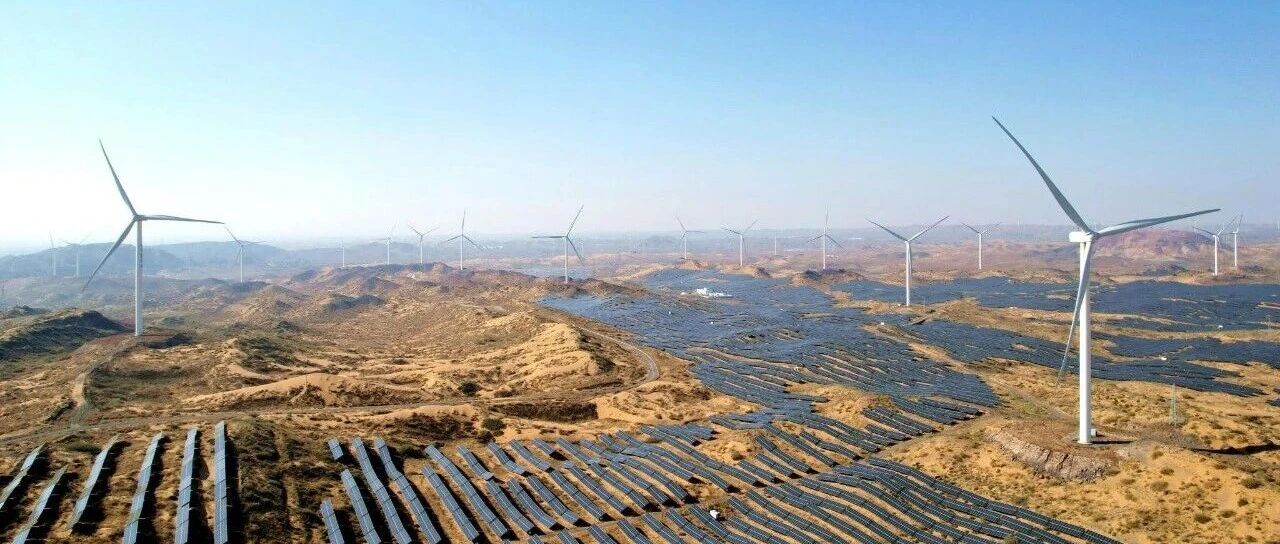
Core Viewpoint - The Northwest power grid is crucial for achieving China's 2035 target of 3.6 billion kilowatts of installed wind and solar capacity, but faces significant challenges in local consumption and external transmission of renewable energy [2][4]. Group 1: Current Status and Achievements - Since the 14th Five-Year Plan, the Northwest region has rapidly developed renewable energy, with a cumulative new installed capacity of 230 million kilowatts, bringing the total to 360 million kilowatts, accounting for 58% of the national total [4]. - The Northwest power grid's external transmission capacity has been enhanced by 14 operational DC channels, supporting the national energy framework [4]. - In the first 11 months of 2025, cross-province electricity trading in the Northwest reached 45.91 billion kilowatt-hours, a 27% year-on-year increase, with a significant rise in the share of renewable energy [4]. Group 2: Challenges Faced - Despite achievements, the Northwest renewable energy sector faces challenges in system operation costs, market mechanisms, and physical reliability [7]. - The current cost allocation mechanism is inadequate, leading to an unfair burden on local industrial and commercial users, while the benefits of renewable energy transmission primarily accrue to economically developed receiving regions [8]. - There are inconsistencies in market rules across provinces, creating barriers to resource flow and limiting the efficiency of renewable energy transactions [8][9]. Group 3: Recommendations for Improvement - Experts suggest establishing a fair cost-sharing mechanism for external transmission, integrating it into the system operation cost allocation for sending provinces [10]. - It is recommended that policies be adjusted to allow eastern high-energy-consuming users to engage directly with western power producers, thereby sharing the responsibility for green energy [10]. - The promotion of flexible trading models and the use of AI technology for optimized scheduling are advised to enhance the market value of renewable energy [10][11].
开局之年看广东,四大关键词解读政府工作报告丨2026广东两会
Nan Fang Nong Cun Bao· 2026-01-26 03:35
Core Viewpoint - The Guangdong government work report outlines the province's economic and social development achievements during the "14th Five-Year Plan" and sets a new development blueprint for the "15th Five-Year Plan" as it aims for high-quality growth and modernization [3][6][12]. Economic Growth - Guangdong has set a GDP growth target of 4.5%-5% for 2026, with a focus on achieving better results in practice [18]. - In 2025, the province's GDP grew by 3.9%, maintaining its position as the largest economy in China for the 37th consecutive year, with total GDP increasing from 11.47 trillion yuan to 14.58 trillion yuan during the "14th Five-Year Plan" [13][14][19]. Key Development Areas - The report emphasizes 14 key areas for development, including the construction of the Guangdong-Hong Kong-Macao Greater Bay Area and the establishment of a world-class city cluster [7][8]. - The "Hundred Counties, Thousand Towns, and Ten Thousand Villages" high-quality development project will continue to enhance regional balance and coordination [9][24]. Innovation and Industry - Guangdong aims to build a globally influential industrial and technological innovation center, focusing on emerging industries such as artificial intelligence, quantum information, and life sciences [39][40]. - The province plans to strengthen its traditional marine economy while developing new sectors like marine pharmaceuticals and underwater robotics [45][51]. Employment and Social Welfare - The province targets the creation of over 1.1 million new urban jobs in 2026, with a focus on supporting key groups such as college graduates and migrant workers [65]. - Social security measures will be enhanced, including increasing basic pensions and improving healthcare services [69][70]. Talent Development - The "Million Talents Gather in South Guangdong" initiative aims to attract over 1.1 million college graduates for employment and entrepreneurship in the province [72][74]. - There will be a continued emphasis on building a skilled workforce, particularly in rural areas, to support high-quality development [76].

宁夏国资委监管企业经济运行量质齐升
Sou Hu Cai Jing· 2026-01-26 03:04
Group 1 - The Ningxia Hui Autonomous Region's State-owned Assets Supervision and Administration Commission (SASAC) has focused on high-quality development, achieving significant growth in key performance indicators despite economic challenges, with a target of 369.12 billion yuan in revenue and 32.26 billion yuan in profit by 2025, marking a 21.2% and 60.8% year-on-year increase respectively [1] - The total asset scale of state-owned enterprises in the region has surpassed 320 billion yuan, with profit growth outpacing revenue growth by 39.6 percentage points, indicating a substantial improvement in profitability and operational efficiency [1] Group 2 - State-owned enterprises have completed fixed asset investments of 22.5 billion yuan, a 75% increase year-on-year, supporting regional economic stability, with significant projects in infrastructure and clean energy [2] - The Ningxia State-owned Capital Operation Group has invested over 13 billion yuan in renewable energy projects, while the Ningxia Transportation Construction Investment Company has advanced the approval of key logistics projects [2] - In social responsibility, state-owned enterprises have made notable contributions in tax revenue, employment, and food security, with the National Grain Reserve completing a task of 171,000 tons of grain storage [2] Group 3 - The energy and agriculture sectors have shown strong performance, with the Ningxia State-owned Capital Operation Group increasing its renewable energy capacity by 5.99 million kilowatts, contributing to a total of 25.73 billion kilowatt-hours of electricity generated [3] - The Agricultural Reclamation Group has stabilized its dairy cattle inventory at 158,000 heads, achieving a 21% increase in fresh milk sales, while also generating revenue from wine sales [3] - By the end of 2025, the total assets of SASAC-regulated enterprises are projected to reach 320.95 billion yuan, with revenue increasing from 22.37 billion yuan to 36.91 billion yuan and profit rising from 0.89 billion yuan to 3.23 billion yuan, reflecting significant growth in state-owned economic strength during the 14th Five-Year Plan period [3]
3.9万亿元研发经费投入厚蓄硬核实力
Jing Ji Ri Bao· 2026-01-26 02:43
Group 1 - The core point of the article highlights China's significant investment in R&D, reaching 39,262 billion yuan, with an R&D intensity of 2.8%, marking a new milestone in the country's technological development and surpassing the OECD average for the first time [1] - Continuous increase in R&D investment is attributed to the synergy of policy guidance, market drive, and active participation from enterprises [1] - The top-level design has established a solid institutional foundation for technological innovation, with systematic measures empowering high-level technological self-reliance and strength as a strategic support for modernization [1] Group 2 - China's innovation indicators are improving, with the country ranking in the top ten globally for innovation index and surpassing 5 million effective invention patents, while leading the world in PCT international patent applications for six consecutive years [2] - The speed of industrial upgrading is accelerating, with the added value of equipment manufacturing and high-tech manufacturing industries expected to reach 36.8% and 17.1% of the total industrial added value by 2025 [2] - Key breakthroughs have been achieved in fields such as artificial intelligence, quantum computing, and new energy, with the number of AI companies exceeding 6,000 and the core industry scale projected to surpass 1.2 trillion yuan by 2025 [2] Group 3 - Despite notable achievements, there is still room for improvement in the structure and efficiency of R&D funding, particularly in increasing the proportion of basic research [3] - There is a need to promote balanced regional development, as R&D resources are currently concentrated in the eastern regions, requiring policy guidance and collaboration to bridge the gap with central and western regions [3] - Enhancing the mechanism for converting research results into market applications is essential to prevent technological achievements from remaining unused [3]
2026年内蒙古煤炭产量稳定在12.5亿吨以上
Nei Meng Gu Ri Bao· 2026-01-26 01:44
Core Viewpoint - The Inner Mongolia Energy Bureau aims to implement high-quality energy development by 2026, aligning with the regional economic and social development goals and focusing on energy security, green transition, and technological innovation. Group 1: Energy Planning and Development - The region will develop the "14th Five-Year" energy plan, focusing on the relationship between energy and economic, industrial, and ecological factors, ensuring the plan addresses energy security and green transition [1] - Major projects will be planned and implemented to drive the energy development agenda, with a focus on renewable energy utilization and power market construction [1] Group 2: Energy Supply Assurance - The coal production target is set to exceed 1.25 billion tons annually, with a national supply task of 780 million tons to be completed [2] - New coal power projects will add 5 million kilowatts of capacity, bringing the total installed power capacity to over 330 million kilowatts [2] - Oil and gas production targets are set at 3.35 million tons for crude oil and 31.5 billion cubic meters for natural gas [2] Group 3: Renewable Energy Development - The region aims to add over 30 million kilowatts of new renewable energy capacity, surpassing a total of 200 million kilowatts [3] - Initiatives will be taken to promote green electricity consumption and develop new models for renewable energy integration [3] Group 4: Grid and Storage Capacity Enhancement - The planning for the "14th Five-Year" grid framework will be conducted, with new energy storage technologies being developed to reach a scale of 25 million kilowatts by year-end [3] - Construction of pumped storage projects will be accelerated to establish a national energy storage base [3] Group 5: Energy Sector Reform and Innovation - The energy market mechanism will be optimized to encourage long-term power purchase agreements and enhance trading flexibility [3] - Focus will be placed on technological innovation in new energy systems, hydrogen energy, and green hydrogen production to lead the national market [3]
A股三大指数集体高开,创业板指涨0.48%
Feng Huang Wang Cai Jing· 2026-01-26 01:36
Group 1 - A-shares opened higher with the Shanghai Composite Index up 0.21%, Shenzhen Component Index up 0.37%, and ChiNext Index up 0.48% on January 26, 2023, driven by sectors like non-ferrous metals and photovoltaic [1] - Recent market dynamics show a divergence in fund flows, with over 570 billion yuan exiting broad-based ETFs while approximately 110 billion yuan flowed into thematic industry ETFs, indicating a positive overall market sentiment [2] - The focus remains on "technology + resource products" as key investment themes, with sectors like AI semiconductors, new energy, and non-ferrous metals showing strong performance and growth potential [2] Group 2 - The spring market is expected to progress, with key themes including commercial aerospace and AI applications, alongside a focus on price increase chains driven by supply-demand mismatches [3] - The current price increase trend is supported by the expansion of AI hardware chains and upstream raw material chains benefiting from supply gaps, such as lithium carbonate and PTA [3] - The global shift in commodity prices, particularly in gold and silver, suggests a need to adjust pricing frameworks for scarce physical assets and core equity assets due to declining currency value [4]

牛弹琴:中国这件事,正改变人类未来
Xin Lang Cai Jing· 2026-01-26 01:33
Core Viewpoint - The discussion at the Davos Forum highlighted the significant role of China's renewable energy sector in global energy transition, countering misconceptions about its surplus and inefficacy [2][4][14]. Group 1: China's Renewable Energy Contribution - China's renewable energy products are becoming a crucial foundation for global energy transition, providing competitive costs that support worldwide green transformation [4][27]. - The value of China's exported green technology has surpassed that of all fossil fuel exports from the United States by 50%, indicating a shift towards "value-added assets" [4][27]. - Zhang Lei, Chairman of Envision Group, emphasized that China's renewable energy is a "civilizational output," akin to the steam engine during the Industrial Revolution, which helps build new energy infrastructure globally [2][25]. Group 2: Misconceptions and Global Perspective - The notion of "overcapacity" in China's renewable energy sector is a misunderstanding; these products should be viewed as tools for future energy infrastructure rather than mere trade commodities [7][31]. - The urgency of the climate crisis necessitates a global green transition, and current renewable energy production is insufficient to meet the goals of the Paris Agreement [14][37]. - Criticism of China's renewable energy efforts is misplaced, as they represent a significant contribution to global progress rather than a threat [14][38]. Group 3: International Reactions and Engagement - Global leaders, including Canadian Prime Minister Carney, recognize the importance of engaging with Chinese energy companies to address energy challenges [28][29]. - The need for Chinese entrepreneurs to actively voice their perspectives on international platforms is crucial for enhancing China's soft power and correcting misconceptions about its renewable energy sector [20][42]. - The narrative surrounding renewable energy must shift to reflect its role in shaping the future, with Chinese voices contributing to this discourse [44].
5万亿之城如何挑大梁、做尖兵?
Guo Ji Jin Rong Bao· 2026-01-26 01:29
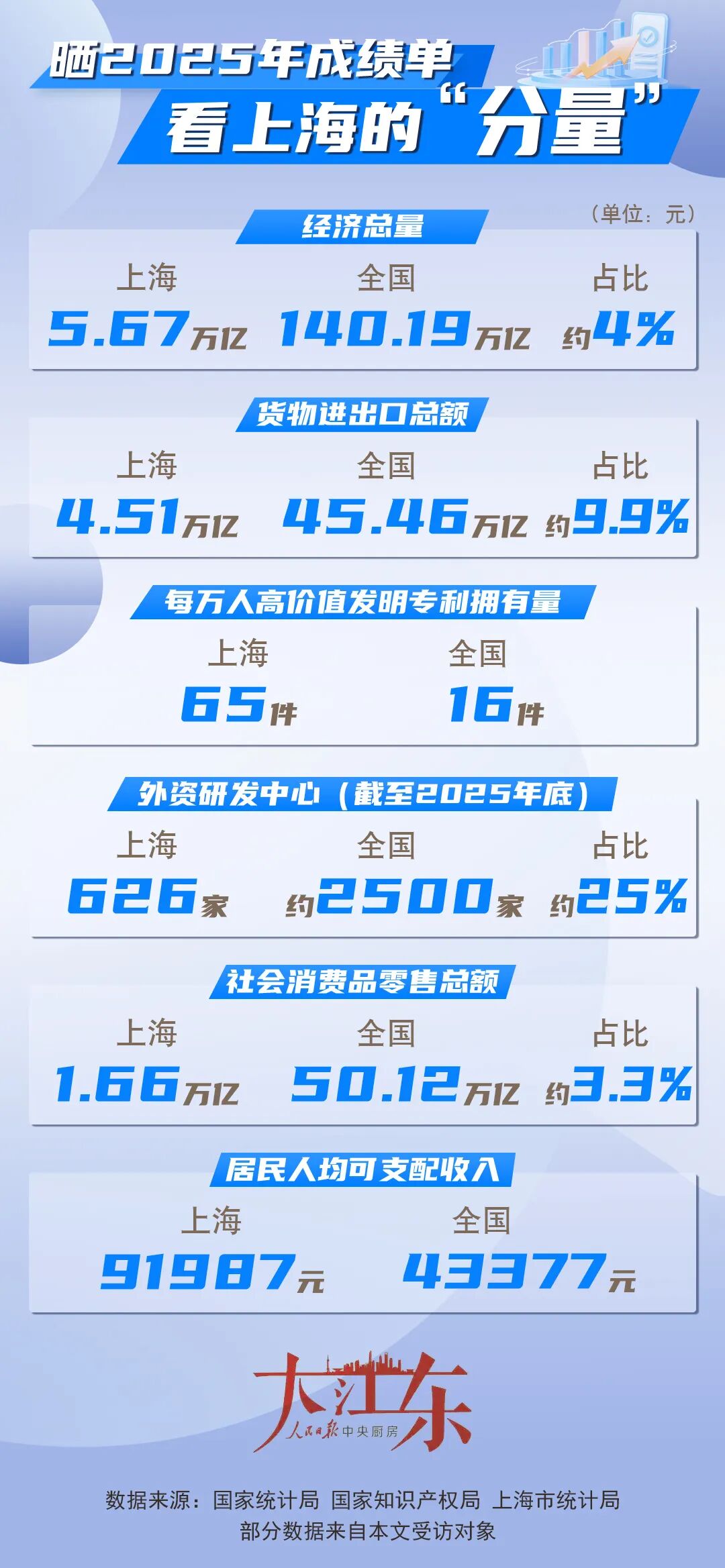
Core Insights - China's economy is entering a new phase with significant contributions from major cities and provinces, particularly Shanghai, which has achieved a GDP of 5 trillion yuan, marking its status as a leading economic hub [1][6][7] Economic Performance - Shandong has surpassed a GDP of 10 trillion yuan, becoming the third province to achieve this milestone after Guangdong and Jiangsu [1] - Beijing has joined the "5 trillion yuan city club," following Shanghai [1] - Shanghai's GDP growth is projected at approximately 5.4% for 2025, outpacing the national average by 0.4 percentage points [1] Industrial Contributions - Shanghai's industrial output in key sectors such as artificial intelligence, integrated circuits, and biomedicine has seen a year-on-year growth of 9.6%, with strategic emerging industries growing by 6.5% [6][8] - The third sector's contribution to Shanghai's GDP is nearing 80%, with a growth rate of 6% [6] Strategic Role - Shanghai serves as a critical hub for national strategies, including the Pudong New Area and the Lingang New Area, and plays a vital role in China's high-level opening-up [7][9] - The city has maintained a stable GDP share of around 4% of the national total over the past five years, with a per capita GDP reaching levels comparable to developed economies [7] Innovation and R&D - Shanghai's R&D expenditure as a percentage of GDP is approximately 4.5%, with significant contributions to high-quality development through innovation [8][9] - The city has established a robust system for nurturing "smart factories," enhancing the competitiveness of traditional manufacturing through technological empowerment [12] Challenges and Opportunities - Shanghai faces challenges in enhancing its original innovation capabilities compared to Beijing and the Greater Bay Area, particularly in the efficiency of industrial transformation [11][15] - The city is positioned to leverage its strengths in international cooperation and institutional openness to address global economic uncertainties and regional collaboration barriers [13][15]