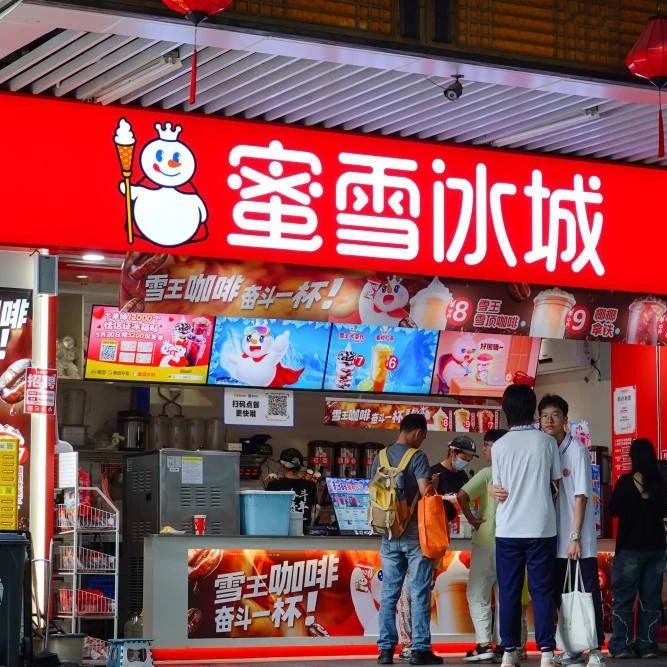
茶饮

Search documents
炎炎夏日催热清凉经济
He Nan Ri Bao· 2025-07-12 23:23
Group 1 - The core idea of the article revolves around the emergence of a "cooling economy" in Zhengzhou, driven by rising temperatures and consumer demand for cooling products and experiences [2][7] - Various cooling products, such as air conditioners and sun protection items, have seen a significant increase in sales, indicating a shift in consumer behavior towards essential cooling goods during the summer [5][6] - The article highlights the development of innovative leisure and tourism experiences, such as water parks and mountain retreats, which cater to the public's desire for cooling and relaxation [3][4] Group 2 - The Zhengzhou government is actively promoting consumption through initiatives like "Enjoying Zhengzhou" and "Vibrant Zhengzhou," aiming to enhance consumer experiences and stimulate economic growth [7] - The demand for ice products has surged, with local ice factories reporting daily sales of 300 tons, primarily serving supermarkets and hotels, reflecting the high consumer demand for cooling solutions [6] - The article emphasizes the importance of diversifying consumption scenarios and products to invigorate the local economy, showcasing how the "cooling economy" can drive summer consumer activity and economic vitality [7]
疯狂星期六
中国基金报· 2025-07-12 12:23
Core Viewpoint - The recent escalation in the food delivery battle in China has led to significant promotional activities, including "0 yuan" offers for beverages, indicating a fierce competition among major platforms like Meituan and Alibaba [2][9]. Group 1: Promotional Activities - On July 12, major food delivery platforms initiated large-scale subsidies, particularly featuring "0 yuan milk tea/coffee" promotions that went viral online [2]. - Meituan launched a "0 yuan delivery" campaign, allowing users to redeem free drinks from popular brands, with only a minimal delivery fee if not picked up in-store [3]. - Alibaba's Taobao Shanguo introduced various discount coupons, including "18.8 yuan free order cards," covering multiple meal times, enabling users to achieve "0 yuan purchase" [5]. Group 2: Market Impact - The promotional activities led to a surge in orders at beverage stores, with some locations experiencing order numbers exceeding four digits and wait times surpassing one hour [7]. - Investment banks, including Goldman Sachs and HSBC, have lowered Alibaba's target stock price by an average of 8% due to the intensified competition in the food delivery sector [9]. - Analysts predict that Alibaba's aggressive investment in the food delivery and instant retail sectors will significantly weaken its near-term profit outlook, with potential losses in the food delivery business reaching approximately 41 billion yuan (around 5.7 billion USD) over the next year [10].


中国茶饮加码东南亚:霸王茶姬让出泰国公司51%股权,当地三大巨头1.42亿泰铢入局
凤凰网财经· 2025-07-12 11:16
Core Viewpoint - Bawang Chaji (CHA.US) is expanding its overseas operations by entering into a joint venture in Thailand, acquiring a 51% stake in its local subsidiary, which reflects a strategic move to enhance its market presence in Southeast Asia [2][3]. Group 1: Investment and Partnership - Thailand President Foods Co., Ltd. has invested over 142 million THB (approximately 31.19 million RMB) to acquire a 51% stake in Bawang Chaji Thailand, changing the shareholder structure [2][3]. - The partnership includes key local players from food production, logistics, and real estate, providing essential resources for the brand's expansion [3]. - Bawang Chaji previously established a joint venture in Malaysia with Magma Chain Management, indicating a trend of collaboration with local firms to facilitate market entry [4]. Group 2: Market Trends and Strategy - Analysts suggest that the joint venture model will become a crucial pathway for many restaurant brands looking to expand internationally, particularly in Southeast Asia [5]. - The Southeast Asian market is seen as a primary growth area for Chinese tea brands due to geographical advantages and cultural similarities [5]. - A report indicates that the next five years will be pivotal for the global competition of Chinese tea brands, with Southeast Asia being the preferred destination for expansion [5]. Group 3: Company Performance and Future Outlook - As of March 31, 2025, Bawang Chaji operates 6,681 tea houses globally, with 169 located overseas [7]. - The average monthly GMV for tea houses in Greater China has decreased to approximately 432,000 RMB, down from 549,400 RMB in the same period last year [7]. - The company is transitioning from a rapid growth strategy to a same-store sales growth strategy, focusing on quality and key performance indicators rather than just expansion speed [8].
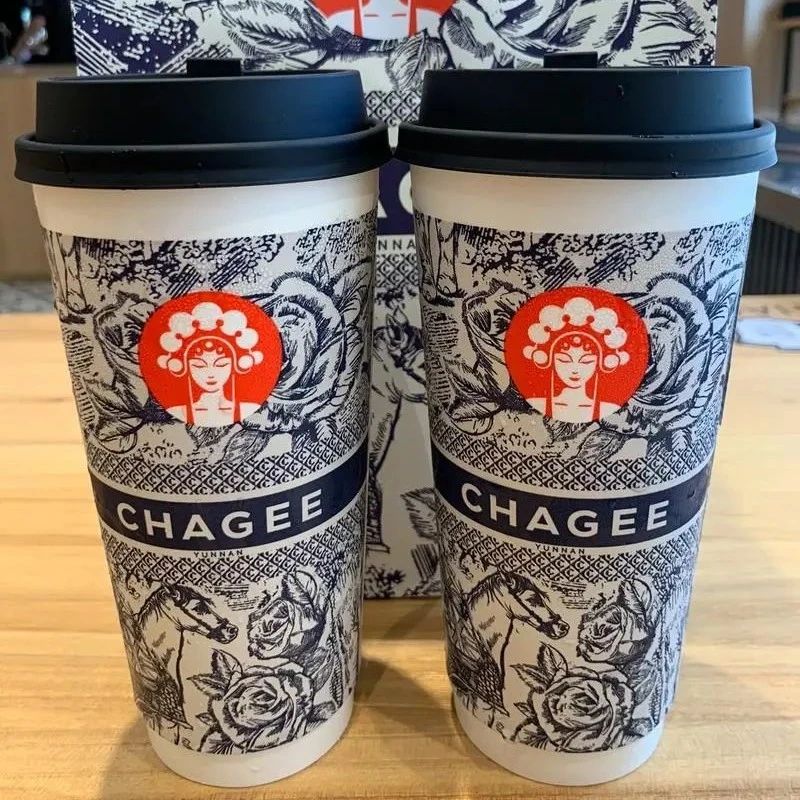
爆了!周末外卖战又开打! 大额券“满18.8减18.8”,小龙虾一口价16.18元,0元喝奶茶点到爆单,有茶饮店忙到闭店
凤凰网财经· 2025-07-12 11:16
Core Viewpoint - The article discusses the resurgence of a "takeout war" in China, highlighting significant promotional activities by major platforms like Meituan and Taobao Flash, which are offering substantial discounts and coupons to attract consumers and increase order volumes [1][29]. Group 1: Promotional Activities - On July 12, Meituan and Taobao Flash launched new promotional campaigns, including large discount coupons, leading to a surge in consumer engagement and orders [1][15]. - Consumers reported receiving various discount coupons, such as "0 yuan takeout" offers from popular beverage brands, allowing them to enjoy products at little to no cost [5][7][13]. - Taobao Flash announced a "Super Saturday" campaign, promising consumers significant savings on takeout orders every Saturday for the next 100 days [17][24]. Group 2: Market Response - The promotional activities resulted in a dramatic increase in order volumes, with reports of some stores experiencing overwhelming demand and operational challenges due to the influx of orders [21][22]. - Meituan's order volume reportedly exceeded 1.2 billion on July 5, with over 1 billion being food orders, indicating a strong market response to the promotional strategies [29]. - The competition has led to a notable increase in earnings for delivery riders, with some reporting daily earnings exceeding 1,000 yuan due to the high volume of orders [29]. Group 3: Strategic Implications - Analysts suggest that while the current subsidy war may attract users in the short term, platforms must find a balance between subsidy costs and profitability in the long run [30]. - The ongoing competition is characterized by a shift towards a more strategic approach, focusing on long-term market share rather than immediate profits [30][31]. - Major players like Meituan, Taobao, and JD are adopting distinct strategies: Meituan focuses on defending its market position, Taobao aims for aggressive market capture, and JD emphasizes quality dining experiences [31].

1.42亿泰铢!泰方获得霸王茶姬泰国公司51%股权
第一财经· 2025-07-12 10:18
Core Viewpoint - The investment by Thai President Beverage Co., Ltd. in Bawang Chaji (CHA.US) signifies a strategic move to enhance market presence in Southeast Asia, particularly Thailand, where the tea beverage competition is intensifying [1][2]. Group 1: Investment Details - Bawang Chaji's Thai subsidiary received an investment exceeding 142 million Thai Baht, increasing its registered capital from 5 million to 279 million Thai Baht [1]. - The local investor acquired a 51% stake in Bawang Chaji's Thai operations, indicating a significant shift in ownership structure [1][2]. Group 2: Strategic Implications - The partnership with Thai President Beverage Co., Ltd. leverages local resources, networks, and supply chain advantages, which is beneficial for market penetration in Thailand [2]. - This is not Bawang Chaji's first venture in Southeast Asia; earlier in May, it established a joint venture with Malaysia's Magma Chain Management, holding a 60% stake [2]. Group 3: Long-term Considerations - While the investment may accelerate market share growth, there are concerns regarding long-term sustainability, as reliance on external supply chains could pose risks [3]. - The potential for strategic disagreements between Bawang Chaji and the Thai partner could introduce operational uncertainties, highlighting the dual nature of this investment [3].

王宁对周杰伦可能有些误解
虎嗅APP· 2025-07-12 09:27
Core Viewpoint - The article discusses the rise of three prominent Hong Kong-listed consumer companies, referred to as the "Hong Kong Three Sisters," highlighting their unique stories of success and the cultural significance behind their branding [1][2][3]. Group 1: Company Background - Wang Ning, the founder of Pop Mart, received a 2 million yuan angel investment, which marked the beginning of his entrepreneurial journey [1]. - The "Hong Kong Three Sisters" consist of Pop Mart, Mixue, and Laopuhuangjin, each having their own unique growth stories and market presence [1][2]. - The narrative of these companies resonates with the public's fascination with grassroots success, showcasing how ordinary individuals can achieve extraordinary outcomes [3][4]. Group 2: Market Dynamics - The consumer market in China is undergoing a transformation, with a growing emphasis on emotional value and brand storytelling, as seen in the rise of these companies [4][5]. - The article emphasizes that the success of these companies is not just about products but also about the emotional connection they create with consumers [4][22]. - The shift towards new consumption patterns is evident, as these companies adapt to changing consumer preferences and market demands [5][22]. Group 3: Key Milestones - In 2025, significant milestones for the "Hong Kong Three Sisters" include Pop Mart's listing on the Hong Kong Stock Exchange and the rapid increase in its market valuation [4][23]. - Mixue's expansion strategy led to a significant increase in its store count, particularly in lower-tier cities, which has been crucial for its growth [22]. - Laopuhuangjin's focus on high-end gold products and its rebranding efforts have positioned it as a leader in the luxury market [22][18]. Group 4: Challenges and Opportunities - The companies faced various challenges, including market skepticism and operational hurdles, but they managed to pivot and find success through innovation and strategic decisions [13][16]. - The article highlights the importance of resilience and adaptability in the face of market fluctuations and consumer trends [23][22]. - The ongoing evolution of consumer preferences presents both challenges and opportunities for these companies as they navigate the competitive landscape [22][23].
1.42亿泰铢!泰方获得霸王茶姬泰国公司51%股权
Di Yi Cai Jing Zi Xun· 2025-07-12 08:31
Group 1 - Bawang Chaji (CHA.US), known as the "first new tea drink stock in the US," has received an investment of over 142 million Thai Baht from Thai President Beverage Co., increasing its registered capital from 5 million to 279 million Thai Baht, with the local investor acquiring 51% equity in the Thai subsidiary [1] - The investment firm behind Thai President Beverage Co. includes major local players in food, e-commerce, and real estate, such as Thai President Foods, Flash Express, and Ananda [1] - This joint venture is not Bawang Chaji's first attempt in Southeast Asia, as it previously established a joint venture with Malaysia's Magma Chain Management, holding 60% and 40% stakes respectively [1] Group 2 - The Vice President of Guangdong Food Safety Promotion Association, Zhu Danpeng, stated that Southeast Asia has become the second battleground for domestic tea drink competition, making increased investment in this market a strategic move [3] - Zhu emphasized that leveraging Thai resources, connections, and supply chain advantages will benefit Bawang Chaji in establishing a market presence in Thailand [3] - However, Zhu cautioned that having a 51% stake held by the Thai partner could lead to potential conflicts in strategic decision-making, posing risks to the company's operations despite the potential for increased market share [3]

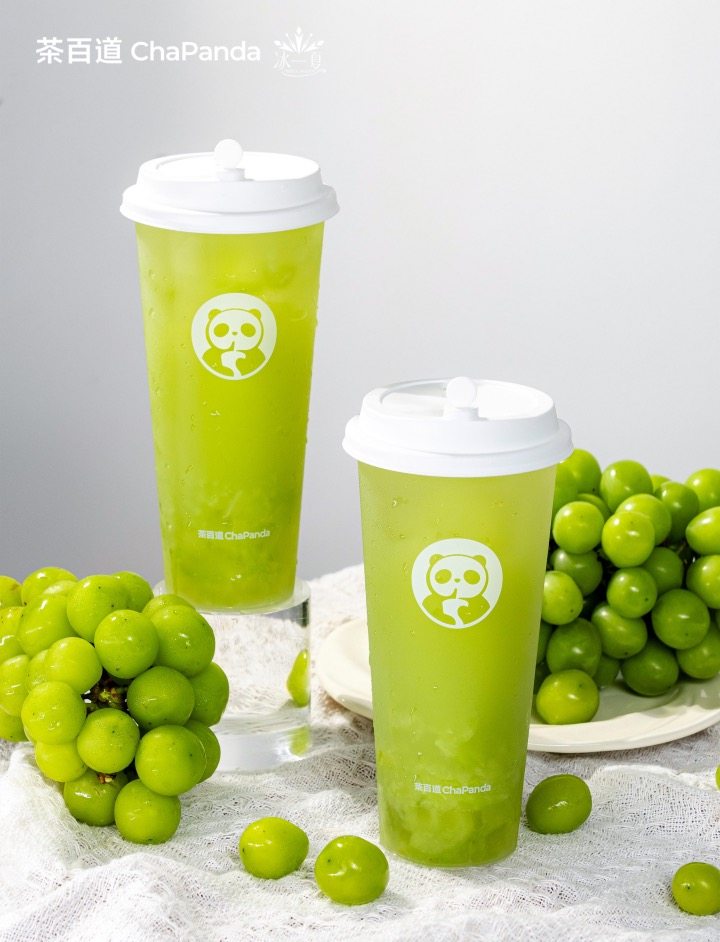
夏季鲜果茶饮品持续热销 茶百道(02555)青提茉莉8天销售超210万杯
智通财经网· 2025-07-12 04:20
Core Insights - The collaboration between Cha Bai Dao and Disney's Frozen has led to a successful launch of exclusive products and drinks, with significant consumer demand observed [1][3] - The seasonal drink "Green Grape Jasmine" has become a bestseller, selling over 82 million cups since its launch in 2023, and 2.1 million cups in just 8 days after its recent reintroduction [3] - Cha Bai Dao's product strategy includes a diverse matrix of classic, seasonal, and regional products, supported by a nationwide supply chain that ensures fresh delivery [3][4] Product Performance - The exclusive drink "Green Grape Jasmine" is made from high-quality ingredients, specifically selected grapes from Yunnan and Sichuan, ensuring freshness and quality [4] - The drink's popularity is attributed to its unique preparation process, where fresh grapes are hand-peeled and pitted by store employees, enhancing the consumer experience [3][4] Market Trends - The demand for fresh fruit tea products has surged during the summer months, with Cha Bai Dao introducing various fruit-based drinks that have performed well in sales [3] - The company's extensive supply chain, including 25 storage centers and over 300 temperature-controlled delivery vehicles, supports its ability to meet consumer demand efficiently [3]
“身价暴涨”500%,蜜雪冰城狂卖10亿杯的超级单品,带飞一颗“酸果”
创业邦· 2025-07-12 03:04
Core Viewpoint - The article discusses the significant price increase of lemons in China, particularly the yellow lemon, which has seen prices rise 3 to 5 times compared to the previous year, with wholesale prices reaching 14.47 yuan per kilogram, up over 80% year-on-year [4][30]. Price Trends - The price of yellow lemons has surpassed that of lychees, a fruit traditionally considered expensive, with 500g of yellow lemons priced at 13.8 yuan compared to 9.9 yuan for the same weight of lychees [5]. - The price of yellow lemons has been on a continuous upward trend since June of the previous year, with significant fluctuations noted in regions like Sichuan Anju [4][30]. Supply and Demand Dynamics - The surge in lemon prices is attributed not only to increased demand but also to a sharp decline in supply due to adverse weather conditions affecting major production areas like Sichuan Anju, which accounts for over 80% of China's lemon production [28][30]. - The global supply of lemons has also been impacted, with Turkey halting exports due to frost and Spain experiencing a 25% reduction in production due to drought, leading to a broader international supply gap [30]. Market Impact - Despite the price increase, major tea brands like Mixue Ice City have not significantly altered their lemon supply or product pricing, maintaining a stable supply of lemon drinks [18][19]. - The article notes that while the rising costs are pressuring consumers and small businesses, the notion of "not being able to afford lemon water" is seen as an exaggeration [24]. Future Outlook - The upcoming harvest season in September is expected to stabilize lemon prices, although ongoing weather challenges may continue to affect production levels [31][33]. - The article highlights the importance of supply chain capabilities for tea brands, with companies like Mixue Ice City investing in direct sourcing and processing facilities to mitigate price volatility [42][43][45].


大河南“下沉市场” ,托起千亿“蜜雪冰城”
21世纪经济报道· 2025-07-12 00:10
Core Viewpoint - Mixue Ice City, a tea beverage brand originating from Henan, has successfully expanded its market presence by leveraging its local roots and focusing on the lower-tier markets, achieving a market capitalization of 195.3 billion HKD as of July 11, 2025 [5][6]. Group 1: Company Background and Development - The founders of Mixue Ice City, Zhang Hongchao and Zhang Hongfu, are brothers from a rural background in Shangqiu, Henan, with Zhang Hongchao starting his entrepreneurial journey by selling shaved ice in 1997 [1][2]. - The brand officially launched in 1999 with its first physical store, initially offering shaved ice, Chinese, and Western cuisine, before focusing on ice cream in 2005, which became a hit product [3][4]. Group 2: Market Expansion and Strategy - Mixue Ice City has expanded significantly, with a notable presence in lower-tier cities, where over half of its 41,584 stores are located [26]. - The company’s headquarters in Zhengzhou serves as a strategic hub, benefiting from the city's transportation network and high foot traffic, with daily customer flow exceeding 350,000 at the nearby Zhengzhou East Station [12][19]. Group 3: Production and Infrastructure - The company has invested heavily in its production base in Henan, which spans approximately 342,000 square meters and has an annual production capacity of 1.21 million tons [13][14]. - Mixue Ice City is also developing a new training campus in Henan, which will enhance its operational capabilities and employee training [15][16]. Group 4: Market Position and Consumer Engagement - The brand's success is attributed to its focus on affordability and value, particularly in lower-income regions, where it has established a strong market presence [22][27]. - Mixue Ice City has effectively engaged local talent, with a significant percentage of potential employees expressing interest in working for the company, indicating a positive perception of job opportunities [26].